| |
| |
| |
Interview with a Plant Whisperer - UCD’s Dr. Richard Karban
Mike Kluk, UC Master Gardener, Yolo County
Photo from UC Davis Department of Entomology and Nematology
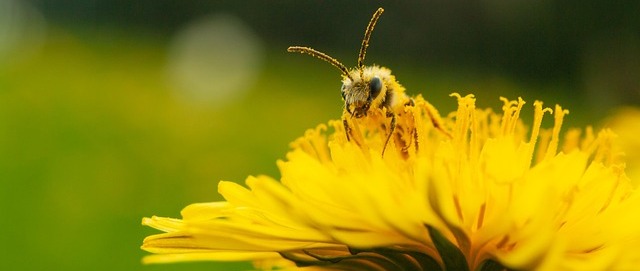
The Department of Entomology and Nematology is not the place you would normally expect to find a research scientist who is developing a completely new understanding of how plants relate to their environment. But Dr. Richard Karban, formally trained in ecology, and a member of the UCD Entomology Department since 1981, is doing just that. To be fair, much of his research focuses on the interaction of insects and plants, so there is a clear connection. But it doesn’t take long to see that his real love is plants.
| | |
I had the opportunity and pleasure to sit for a conversation with Dr. Karban over a cup of coffee on a beautiful spring day. His work is featured in The Light Eaters by Zoe Schlanger, Harper Collins, 2024. (Two future articles, in the June and July Yolo Gardener Newsletter, are scheduled to highlight some of the fascinating research and insights described in that book.) Fortunately for us, Dr. Karban believes science should be made available and accessible to all of us. He was most accommodating.
Now a retired professor emeritus, he still has a lab on campus, teaches seminars and conducts field research. He is clearly a man who is active, loves his topic and still spends much time studying plants in their natural environments.
Rick Karban’s life work gained focus when he realized that plants are not the passive life forms we often see them as. “I grew up thinking of plants as not doing much, not being very sensitive, not being very aware. But that is simply not true. The responses of plants are slower than animals. Because of that we...
| | | | |
A Spring Walk in the UC Davis Arboretum and Public Garden
Lorie Hammond, UC Master Gardener, Yolo County 2024
Photos by Lorie Hammond, adapted
A friend and I walk the UC Davis Arboretum every week. Each time she comments: “How can it be so different?” And every time, we are amazed. There is never a bad time to see this ever-changing collection of plant communities. Always beautiful. Always different. But if you had to choose, spring is the best time. So go right now.
Some people don’t know that you can enter the Arboretum from either end. You can walk the whole circuit or, if you are a slow meanderer like me, walk half on one day, and half on another, starting at either end. The downtown end, marked by a sculptural shovel arch, is most easily accessed from the parking lot at D and First Streets. The west end is south of the vet school. It is accessed by going south on La Rue Drive, then right on Garrod Drive, which winds around past Scrubs Café and the Arboretum Teaching Nursery. Avoid entering any parking lots and you will find an entry point which borders the charming water-wise herb garden and an extensive shady oaks collection.
| |
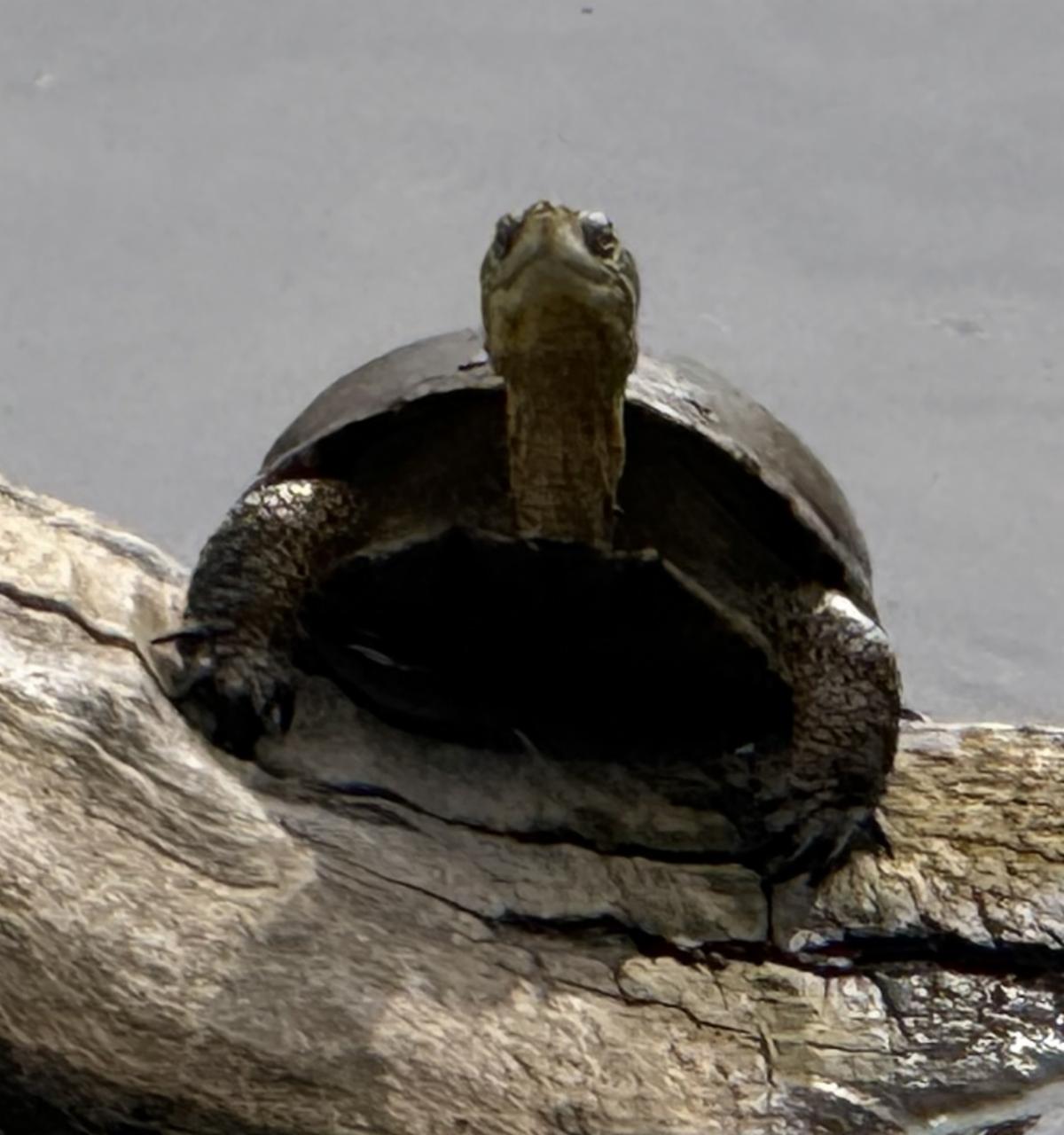
The Arboretum would not be the same without its waterway. Many people are aware that it was drained for a massive remake last spring and fall. Never fear. Signs along the Arboretum explain that this project is a “year ahead of schedule”. Has anyone ever heard of a large public project that can make this claim? And indeed, the water is back, and it is clearer and more beautiful than before. This waterway provides habitat for many species of waterfowl (egrets, herons, ducks, and geese) as well as the Western Pond Turtle, pictured here. Watch for baby ducklings in spring.
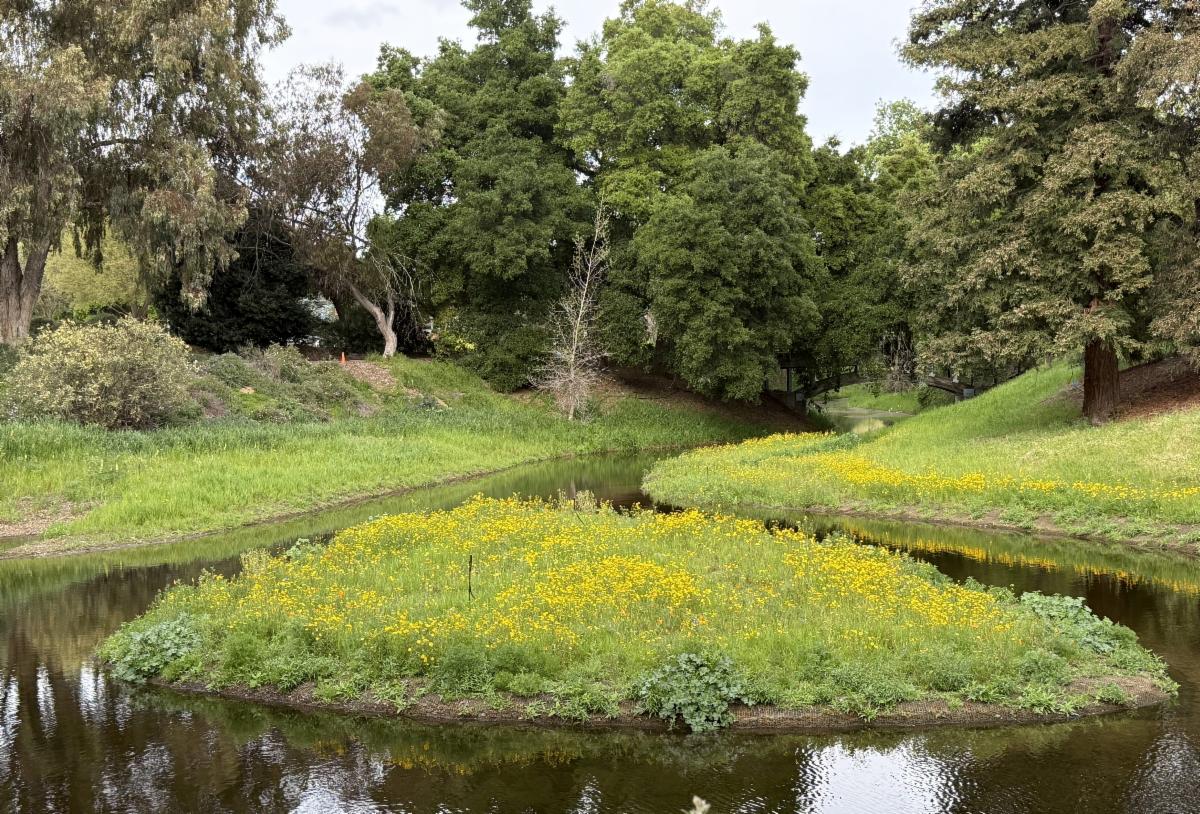
The newly refilled waterway is beautifully designed. A surprising amount of visual diversity has been created by a mix of narrow passages, large ponds, and labyrinths of grassy islands. Its reformation had at least two purposes: 1) to incorporate a better circulation system to keep this non-flowing body of water clean, and 2) to create a more natural and complex landscape with improved aesthetics, wildlife habitat, and storm drainage. Viewing this new waterway is worth a trip to the Arboretum in itself, but this spring visitors are in for a rare treat. At the west end of the waterway, islands created as habitat for waterfowl have been planted with a colorful array of wild grasses and spring flowers which rival a highland meadow.
| |
Native plants are adapted to complete their blooming cycles in spring while winter rain still nourishes their roots. I believe that the queen of our California spring is our blooming Western Redbud (Cercis occidentalis). The Arboretum has planted many of this spectacular plant over the years. If you come in March or April, you won’t want to miss the Redbud Collection, just east of the Arboretum offices, and which also light up the woods in other places too.
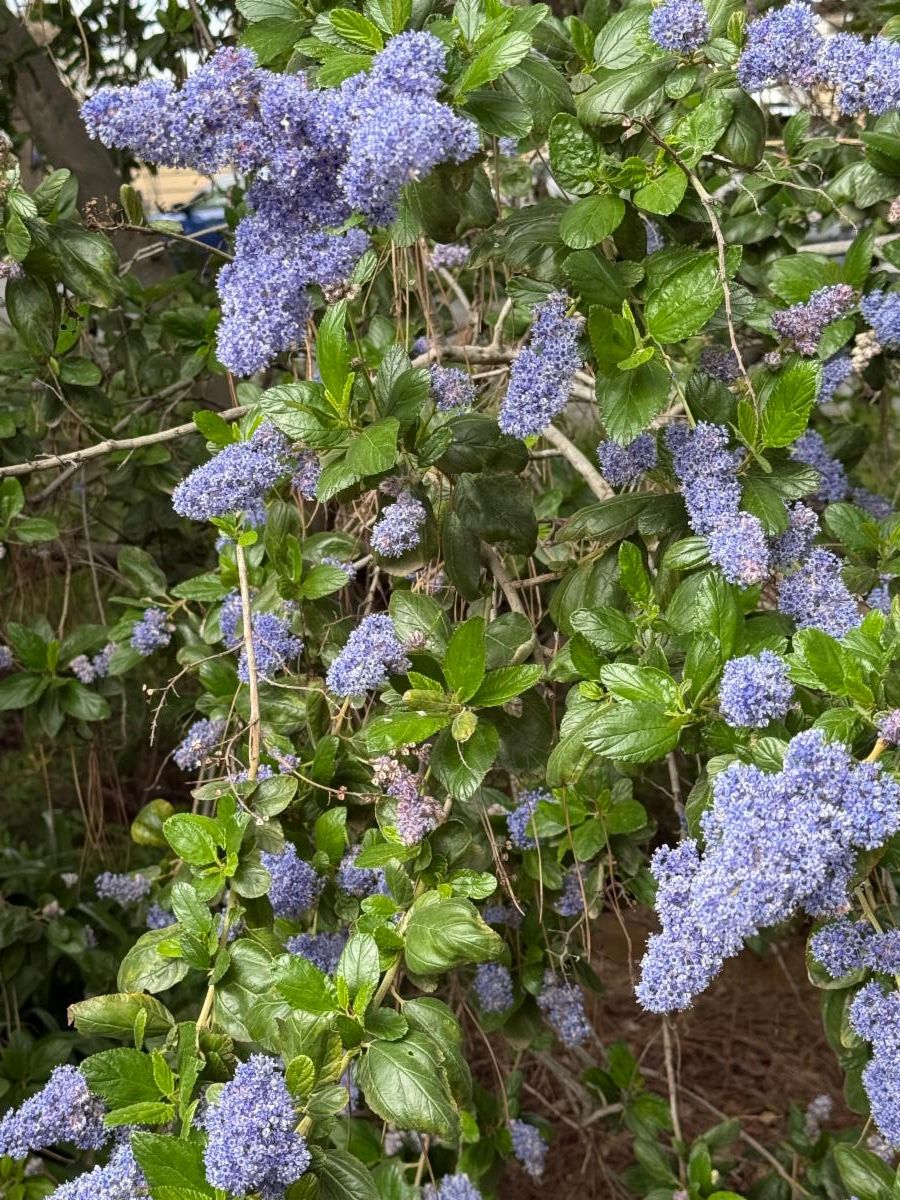
Ceanothus, or California lilac, is another spring wonder. The genus Ceanothus has between fifty and sixty species, from large upright bushes to low lying shrubs. All bloom in spring with light blue to lilac-colored blooms which emit a pungent honey-like scent and are great targets for pollinators.
Dotted throughout the Arboretum is the state flower, the California poppy (Eschscholzia californica), which provides magnificent orange accents along green fields and banks. Nurseries now carry seeds for miners’ lettuce and California poppies, which can be sewn in fall in your own garden and will come up after the winter rains. If you are lucky, they will return year after year.
|
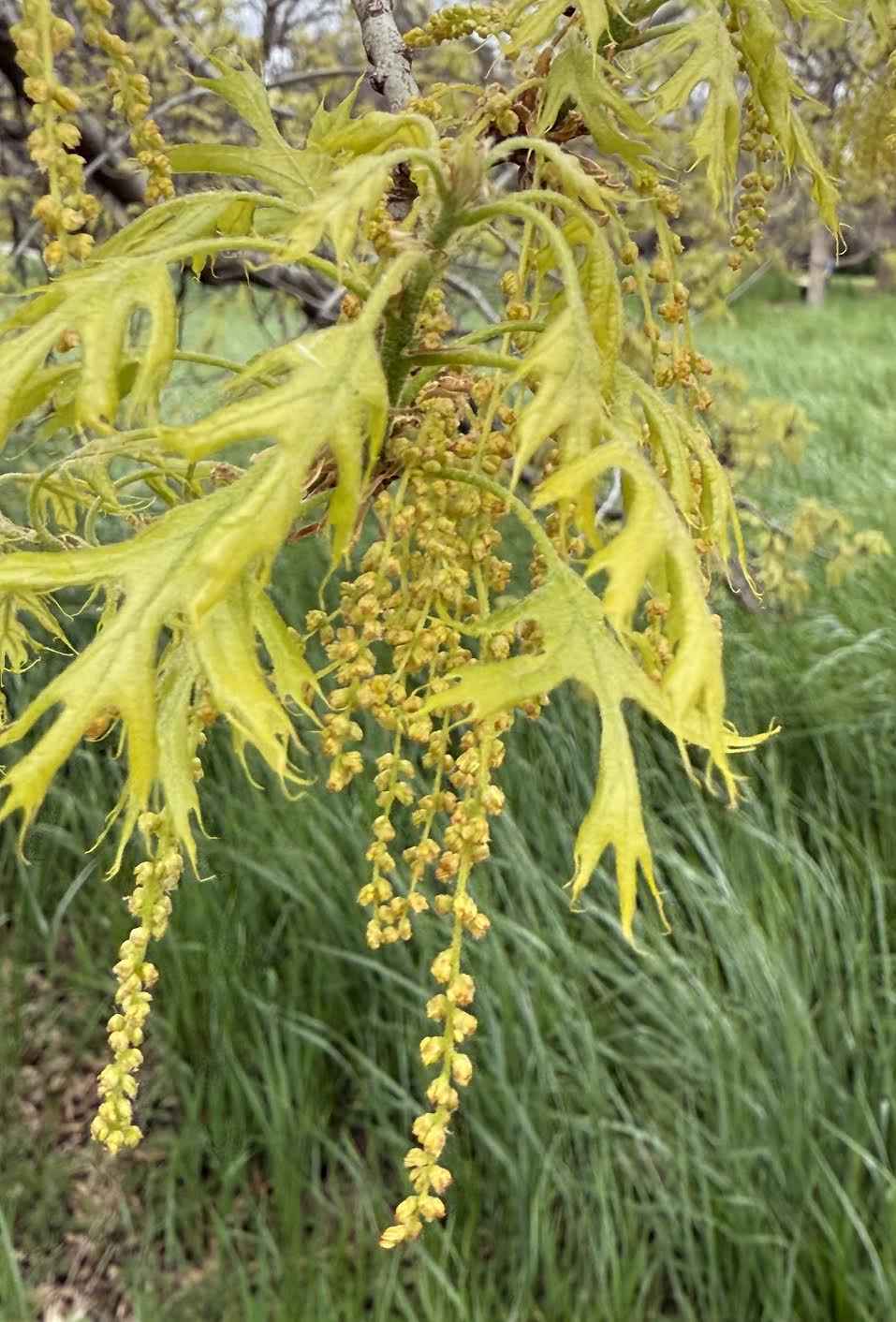
 | | Have you ever noticed an oak tree in bloom? Many people don’t slow down enough to notice oak blossoms, since they are small and green and do not stand out like colorful flowers. In the beautiful and diverse oak grove at the west end of the Arboretum, you can see many examples of both deciduous (losing leaves in winter) and evergreen oak trees. While people vary in their use of words by region, I just learned an interesting fact. In Spanish, the word “encino” generally refers to a live oak tree, such as the Coast Live Oak, which is green all year. In contrast, the word “roble” refers to oaks like the Valley Oak, which lose their leaves in winter. All oaks share the Latin genus “Quercus”, followed by many species names which mark the huge variety of types from all over the world. An abundance of these are displayed in the Arboretum’s oak grove. As an extra treat for the passerby, most Arboretum oaks are marked by a ceramic plaque displaying the tree, its leaf shape, and various creatures that live in it. These plaques, along with a large circular bench at the beginning of the oak grove, were made in a collaboration between the entomology and art departments at UC Davis.
Consider becoming a member of the UC Davis Arboretum and Public Gardens. As a frequent walker, I consider this membership ($48 a year for an individual) to be my best investment. Membership also provides special access to spring and fall plant sales, held at the Teaching Nursery on Garrod Drive. An amazing array of plants are offered, many of which are hard to access in other places. This year’s spring sales were held in March and April, however their final clearance sale will be held on May 10th. Check the UC Davis Arboretum and Public Gardens website for more information. Proceeds support the Arboretum and Public Gardens.
| | | | |
May Garden Tips
Peg Smith, UC Master Gardener, Yolo County
Photo by Peg Smith
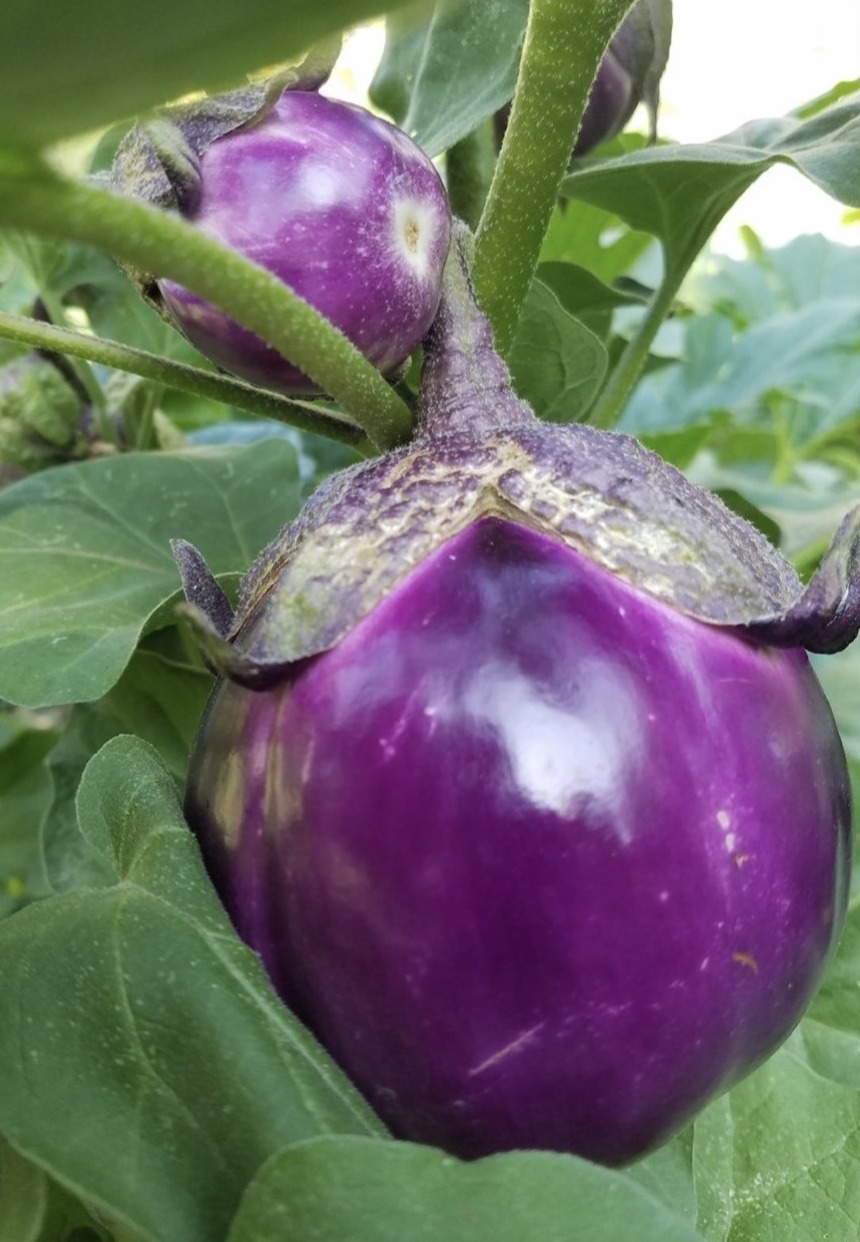
May is the month to get all these wonderful summer vegetables planted: tomatoes, peppers, corn, eggplant, and squash. We are all familiar with ‘summer squash’ such as zucchini, crookneck, and patty pan. But don’t be fooled by the term ‘winter squash’ (butternut, acorn, and pumpkin varieties). This terminology refers to squash that have thicker, stronger skins. Plant some winter squash now as these can be harvested, stored in a cool dry place, and eaten through the fall and winter to savor the taste of summer when the weather cools.
Be brave, try a new vegetable or different variety of a favorite vegetable from the wonderful selection available at sales and nurseries.
One of the most common questions for Master Gardeners is ‘What’s...
| | | | |
May Vegetable Planting Guide
Peg Smith, UC Master Gardener, Yolo County
May is the major planting time for the summer garden of warm season vegetables. Daytime and nighttime temperatures are at optimum for transplanting. There are multiple varieties of tomatoes, peppers, eggplant, melon, and cucumber available. Now is the ideal time to try out this great variety.
Click the thumbnail for Peg's May Vegetable Planting Guide. This guide will tell you which Yolo County and Sacramento area vegetables are recommended for the month of May, along with how and when to plant them.
| | | | |
Ask a Master Gardener
This column is written by the UC Master Gardeners of Yolo County each month. It provides answers to selected questions that recently came into the UC Master Gardener – Yolo County Help Desk.
| | |
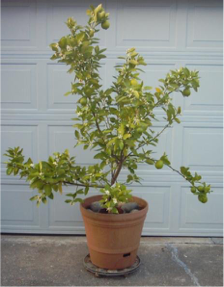
Question: Can I grow a lime tree in a pot? If so, what type would you recommend to use in cooking?
Answer: Growing a lime tree in a pot is very doable. The tree will be smaller than a tree grown in the soil but should still give you a supply of fresh limes for cooking. Here's a guide to successfully growing a lime tree in a container, and some options for varieties.
Growing lime trees in a container has some advantages in our climate. Lime trees are more cold and frost sensitive than other citrus, but in a pot, you can move them to a warmer space in the event of cold weather that may otherwise harm or kill them. Multiple days of nighttime temperatures below 40 °F can be harmful to some species of lime trees and exposure to freezing temperatures can kill them.
Choosing the right container is important. It should be at least fifteen gallons with large drain holes. You can start smaller but be prepared to repot the tree as it grows. Avoid metal and dark colored containers since they can become too hot in summer. Large plastic, ceramic or half wine barrels are good options. The latter two will breathe more so you may need to water your tree a little more frequently. Citrus needs regular moisture, but wait until the top two inches of soil have dried before watering again. Drainage is key so you should not have a tray under the pot.
The soil you use is also important. Lime trees do best in slightly acidic soil with a pH between 6.0 and 7.0. There are commercial potting mixes intended for citrus, or you can mix your own with one-third potting mix, one-third Perlite, Vermiculite or small bark nuggets and one-third compost. This mix will assure good drainage.
After potting, your tree should be placed in a spot that will get at least six to eight hours of sun each day. Afternoon shade is helpful during the summer. Placement near a wall that absorbs heat and then moderates the nighttime temperatures is helpful in winter.
Apply a complete citrus fertilizer as recommended on the container. You may also need to include additional iron and magnesium if you see leaves that are yellowing with the veins remaining green. In our climate, it is best to apply the yearly amount of fertilizer divided into several applications from the early spring through mid-July. Encouraging new growth later in the summer can leave a plant susceptible to leaf scorch on very hot days.
The variety of lime tree you choose to grow will depend on the type of cooking you do and, to some extent, how vigilant you want to be when temperatures fall. Kaffir Lime (Citrus hystrix) is a staple in Southeast Asian cuisine. The leaves are commonly used in cooking. The fruit is dry, however and Kaffir lime trees are very cold sensitive. Key or Mexican Lime (Citrus aurantiifolia) has small, thin-skinned, juicy fruit often used in cooking, baking and drinks. It is fragrant and productive but also quite cold sensitive. The Persian Lime (Citrus latifolia) is very juicy and often recommended for culinary use. This lime and its cultivars (such as the seedless Bearss lime) are the most cold tolerant of the lime trees. Here is a link to The Yolo Gardener Newsletter Spring 2021. It has an article about growing citrus in containers starting on page eight.
| | |
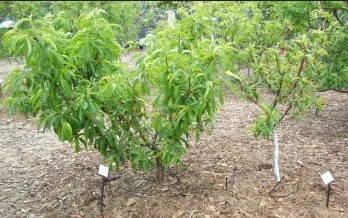
Question: I have a fairly young (not sure of the age) peach tree. What should my watering and fertilizing routine be?
Answer: This is one of those cases in which the most appropriate answer depends on the age and size of your tree. At about three or four years of age, peach trees will start bearing fruit in decent numbers. The trees reach maximum productivity when they’re around eight to twelve years old.
When it comes to watering, young trees require more water than mature trees—perhaps up to three to five gallons per week. As with any tree, avoid frequent light watering, because light watering encourages a shallow root system. Instead use a garden hose, soaker hose, or drip system to deliver deep watering. Young trees in sandy soil may require more frequent watering (every three to five days) than those in heavier soil (every one and a half to two weeks). Young trees need to be watered more often than established trees during periods of high heat.
For mature and established trees, water when the top three to four inches of soil is dry. Deep soaking using a hose or drip line is preferable. Remember to not water near the trunk, but instead adjust the sprinkler or drip line system to match the outer edge of the tree’s canopy, also called the ‘drip line’. Keeping the trunk and lower branches dry during watering will help to avoid fungal diseases. From spring to late summer, try to water infrequently but deeply, irrigating long enough to wet the soil three to six feet deep. Reduce water amounts in late summer and fall.
When fertilizing, apply a balanced 10-10-10 organic fertilizer (a ratio or percentage of ten parts nitrogen, ten parts phosphorous, and ten parts potassium) when buds break, usually in late March. For young trees, apply half a pound per year of age. For mature trees, apply up to five pounds. Spread the fertilizer over the entire root zone (essentially to the tree’s canopy edge). Even though we’re past “late March,” if you haven’t yet applied a fertilizer, you still can and should. Packaged fertilizer specific to fruit trees should give you detailed instructions about how much to apply based on the size of your tree, which is usually determined by the diameter of the tree’s trunk.
Did you know that, in addition to the specific varieties, peaches can be clingstone (meaning that the flesh sticks to the pit), freestone (the flesh separates easily from the pit), or semi freestone (somewhere between the previous two)? The same is true of nectarines, the peach’s non-fuzzy cousin.
If you have a gardening question, contact the UC Master Gardener Help Desk at 530-666-8737. Or send an email, with information regarding watering, sun exposure, details about your problem, and photos, when possible, to mgyolo@ucdavis.edu.
Photos from UC ANR.
| | | | |
| |
|
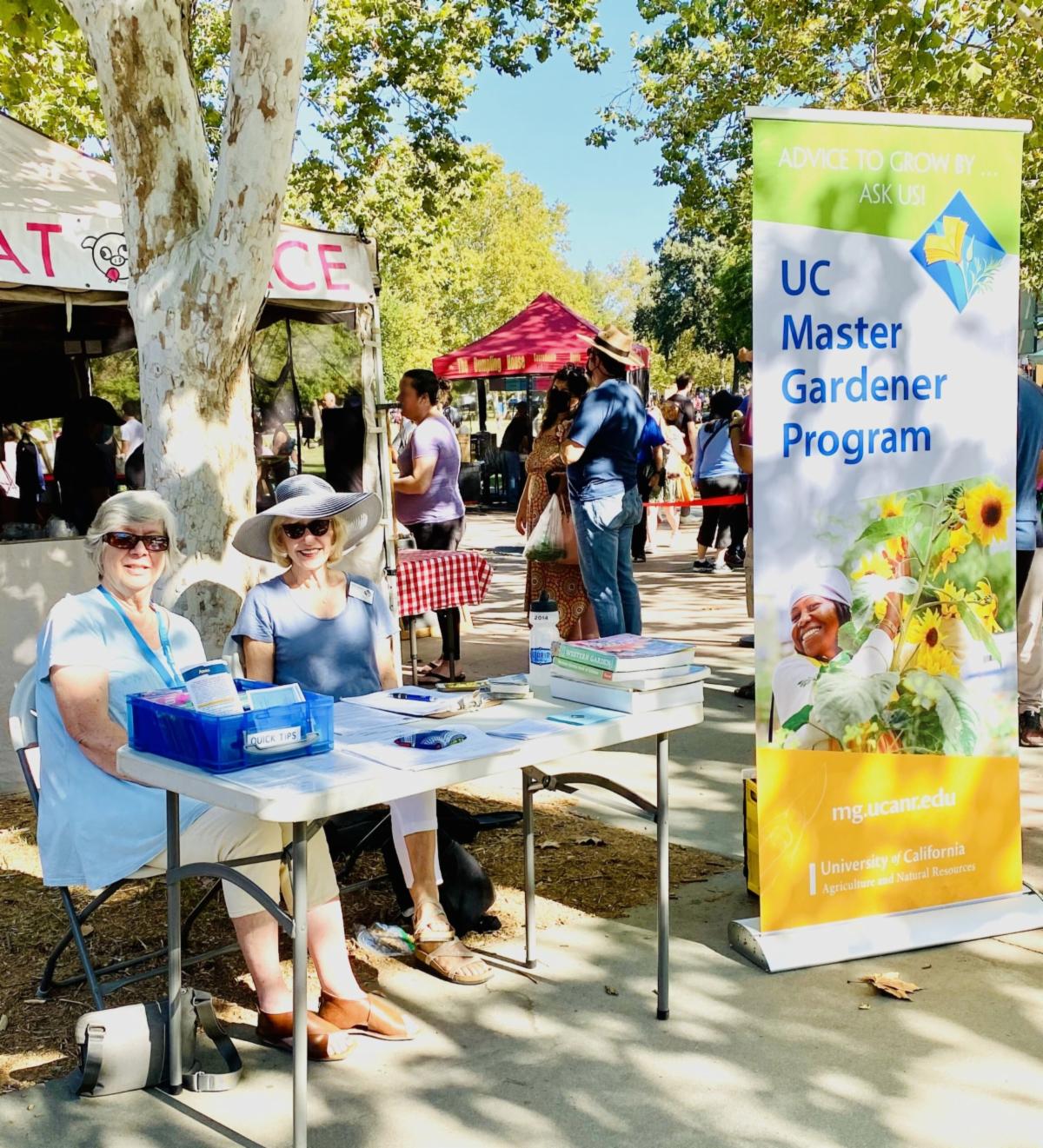
Master Gardeners at Local Farmers' Markets
The UC Master Gardeners of Yolo County will be available at the following weekly farmers' markets to answer your gardening questions.
Davis Farmer's Market
Saturdays - 9am to 11am
Location: Central Park - Corner of C and Third Street, Davis
Woodland Farmers' Market
Saturdays - 9am to 12pm
Location: In front of Woodland Public Library - First St between Court & North, Woodland
Photo: Master Gardeners at the Davis Farmers Market by Kathy Hill
| | | | |
|
Master Gardeners Questions and Answers Desk at Lowe's in West Sacramento
The first and third Saturday of each month -
Saturday, May 3 - 10am to 12pm
Saturday, May 17 - 10am to 12pm
The UC Master Gardeners of Yolo County will be available to answer your gardening questions from 10am until noon at their twice monthly gardening "Questions and Answers Desk" at Lowe's Home Improvement - 2250 Lake Washington Blvd., West Sacramento.
| | | | |
|
May 8 - Yolo County Library - UC Master Gardener Series
Weed Control Research in Natural Resource Areas by Scott Oneto
3pm to 4pm
Zoom link: https://yolocounty.zoom.us/j/82093125119
Weeds are all around us. They invade our lawns, garden beds, and landscape areas and can also impact recreation, agriculture and our natural environment. This presentation will highlight how university researchers are working on different control strategies for combating weeds.
| | | | |
|
May 10 - UC Davis Arboretum Public Clearance Plant Sale
9am to 1pm
Location: UC Davis Arboretum Teaching Nursery (map and directions)
It's the last Davis Arboretum plant sale of the season and everyone is welcome. This is a clearance sale so all of the climate-ready plants including Arboretum All-stars and California natives. EVERYTHING WILL BE MARKED DOWN! Members of the Friends of the UC Davis Arboretum and Public Garden receive an additional 10% off their purchases. Click for more information on the plant sale.
| | | | |
|
May 10 - Gardening for Year Round Meals
Time to Plant!
11am - 12pm
Location: Grace Garden - 1620 Anderson Road, Davis (behind the Davis United Methodist Church)
This talk will guide you in how to harden off nursery plants and get them established in the garden, which crops can be directly seeded, how to protect the tiny seedlings, and strategies for success when the summer heat arrives. Also, we will talk about what we currently are eating from the garden.
| | | | |
|
May 15 - Deadheading Roses Class
9am - 11am
Location: Quad Rose Garden at Woodland Community College - 2300 E. Gibson Road, Woodland
Hands on class - bring your favorite pruners, gloves, and kneeling pad.
| | | | |
|
May 15 - Understanding How Herbicides Work
Webinar
UC Integrated Pest Management (IPM) is offering a webinar that will cover the fundamentals of herbicides for weed management around the home and garden. Weed expert Tom Getts will discuss how herbicides work, the effectiveness of various organic and synthetic herbicides, and how to choose the right herbicide for your weed problem. UC Master Gardeners of Yolo County can request CE credits for this webinar.
Register here
| | | | |
|
May 22 - Yolo County Library - UC Master Gardener Series
Vermicomposting by Janet Gaard
3pm to 4pm
Zoom link: Check the Upcoming Events list at the bottom of page on the UC Master Gardeners of Yolo County website just before the event or contact jmbaumbach@ucanr.edu.
Yolo Master Gardener Janet Gaard will tell us how to use worms to recycle your food scraps into nutrient-rich worm castings, the “gold standard” of soil amendments. Learn how to set up and maintain a worm bin, and to harvest and use the castings in your garden. This is a fun project for kids, but it’s also great for gardeners who want to give their plants an extra boost.
| | | | |
|
May 24 - Putah Creek Watershed
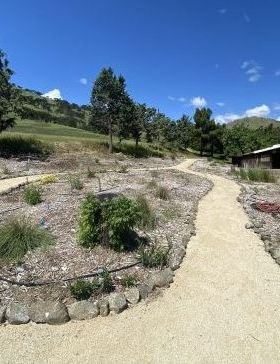
Native Demonstration Garden Work Day
9am-12pm
Location: 3373 Sackett Lane, Winters (detailed directions are provided during registration)
We will be working on a variety of tasks such as weeding, trimming, and spreading fresh mulch. This is a collaborative project between Putah Creek Council, Solano County Water Agency, and UC Master Gardeners of Solano and Yolo counties.
All necessary equipment, water, and snacks will be provided. No previous experience is necessary! Children under the age of 13 are required to have an adult accompany them.
IMPORTANT - All volunteers must sign our liability and photo release waiver, and those under the age of 18 will need a guardian's signature. A printed copy of our waiver is required and can be printed here. Please register at Putah Creek Council Volunteer Workday Link. Master Gardeners, please also sign up in the VMS calendar.
Photo: Putah Creek Watershed Native Demonstration Garden from Putah Creek Council website, adapted.
| | | | |
|
May 31 - "In the Weeds" presentation by John Roncoroni
9am to 10:30am
John Rocoroni, Emeritus at UC Davis will present "In the Weeds" a discussion on weed management May 31st, from 9am to 10:30. For location and more details, check the UC Davis Arboretum and Public Garden Upcoming Events page closer to the date of the event. This event requires registration - Registration link.
| | | | |
|
June 12 - Yolo County Library - UC Master Gardener Series
Learn How to Incorporate Edible Plants and Fruits in Your Garden by Tina Saravia
3pm to 4pm
Zoom link will be provided in the June Yolo Gardener Newsletter
Growing vegetables and other produce is easier than most people think! In this presentation, you will learn how to incorporate edible plants into your yard and garden space. This presentation is ideal for the "casual homesteader," and for anyone interested in growing plants at home that can be harvested and eaten year-round. This talk is led by Tina Saravia, a UC Master Gardener of Solano County.
| | | | |
The Yolo Gardener Newsletter is a monthly publication and the events posted here are based on information available at the time of publication. Be sure to check the Upcoming Events list at the bottom of the page on the UC Master Gardeners of Yolo County website for up to date events and information. | | | | |
Connect and Learn With Us | | | | |
| |
| |
| |
| |
University of California Agriculture & Natural Resources (UC ANR) is an equal opportunity provider. | | | UC Master Gardeners of Yolo County2780 East Gibson Road Woodland, CA 95776 US | | | | |
| |