| |
| |
Winter Habitat Gardening
Diana Herrera, UC Master Gardener, Yolo County
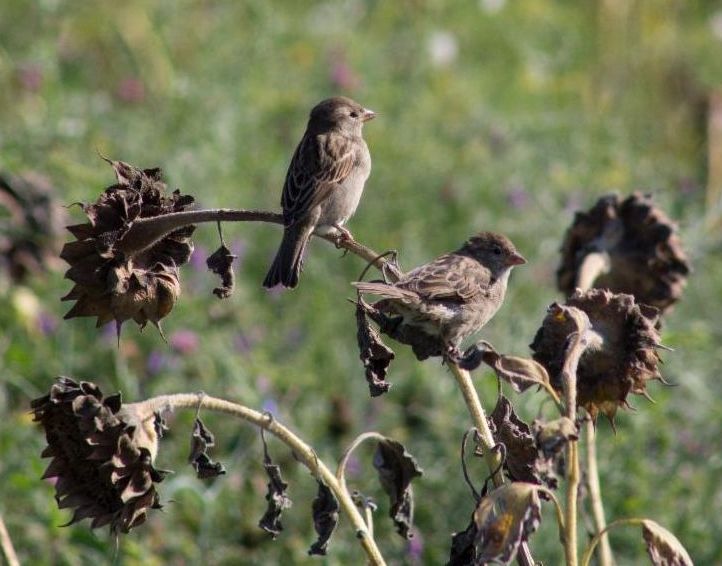
Winter months can be a challenging time for wildlife as their food sources become scarcer, and they seek shelter from the elements. There are lots of things we can do – or not do - in our gardens to support our local wildlife which play important ecological roles in the environment, contribute to our biodiversity, and bring so much beauty to our landscapes.
Sometimes less effort on your end could mean greater benefits to wildlife. First let’s consider some of the things we can simply leave alone in the garden to provide...
| | | | |
A Gardener for Life
Mike Kluk, UC Master Gardener, Yolo County
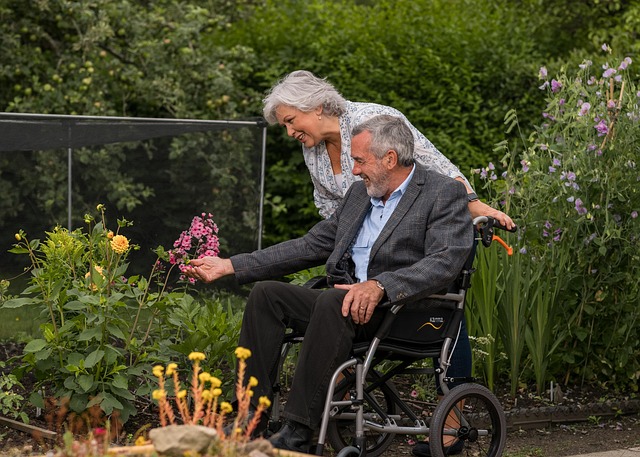
I recently passed one of those yearly milestones that has left me looking down the road of my seventy-fourth year. I’m hoping to remain active, healthy, and happy next year and for many more. As we age, many of us begin to realize that living better is equally important with living longer. We can't turn back time, but we can cultivate activities that support our health and interests well into our later years. For me, one of the most rewarding ways to do this is through gardening that focuses on practices that promote a healthy lifestyle with the knowledge and flexibility to accommodate a body that is going to inevitably change. If you are relatively young and thinking this doesn’t apply to you. . . yes it does. Adopting thoughtful gardening practices at...
| | | | |
Notes From My Garden - Caring For Natives in the Fall and Winter
Joy Sakai, UC Master Gardener, Yolo County
| |
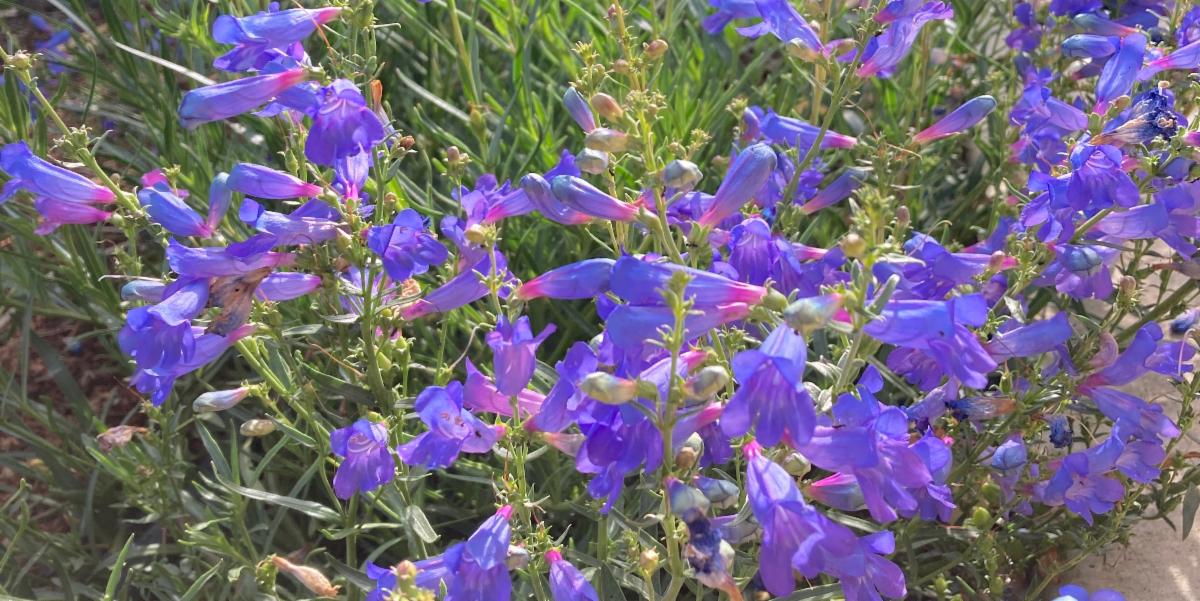
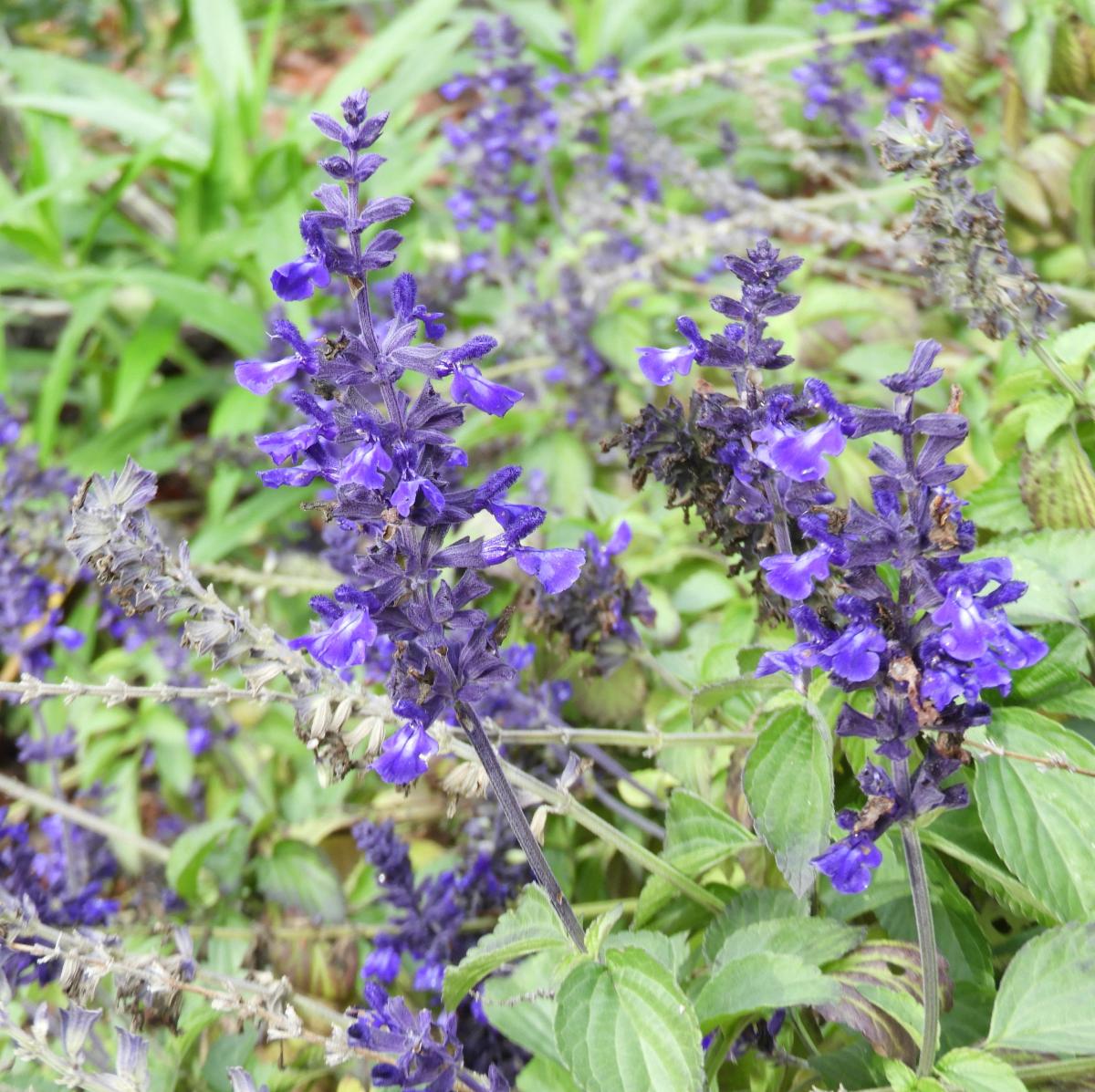
Have you noticed that most native plant gardeners avoid deadheading during the summer and fall? That's because native bees are using the flowers for nectar and pollen, and birds feed on the seeds. For another thing, nobody wants to go out and garden in 100° plus weather. That’s my excuse for why our native garden starts to look a little ratty in the fall.
Lots of native plants need to be pruned in late fall or early winter, but I'm always torn over removing useful dead flowers and pruning the bright and full blooms of the native fuchsia plants while our Anna’s hummingbirds are still enjoying them. So, I procrastinate. Nevertheless, our garden feels like more work now that we are in our seventies so we have to start somewhere to get it all done before the...
| | | | |
Ask a Master Gardener
This column is written by the Master Gardeners of Yolo County each month. It provides answers to selected questions recently asked by Yolo County gardeners..
Starting this month, the “Ask a Master Gardener” column is fielding questions directly from Yolo County gardeners and other garden enthusiasts. Previously, the column’s authors were selecting from questions submitted to the University of California Master Gardener – Yolo County Help Desk.
Going forward, questions for this column can be sent to the authors at jmbaumbach@ucanr.edu, with “Ask MGs” in the subject line. People submitting questions will still remain anonymous, if desired. When emailing a question, please include as many details as possible. The master gardener authors strongly encourage including photographs, not only to help with finding the correct answer but also potentially to include in the column. Photos can be published credited or uncredited, depending on the contributor’s wishes. We cannot guarantee that we will be able to answer all of the questions submitted but will do our best to get an answer for you.
| | | | |
|
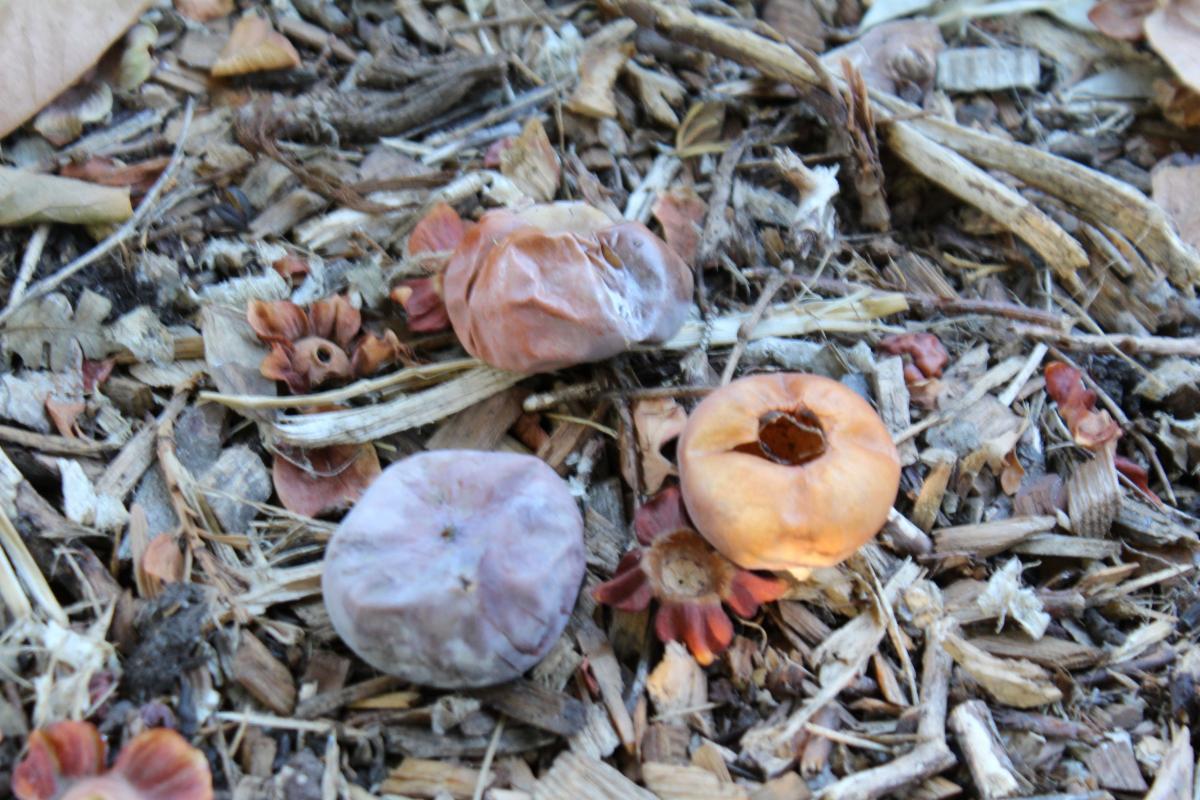
Question: A lot of the green fruit on my persimmon tree has fallen off. What can I do to stop this?
Answer: Persimmon trees naturally drop some immature fruit most years. This is the tree’s way to thin and manage its fruit load...
| |  | |
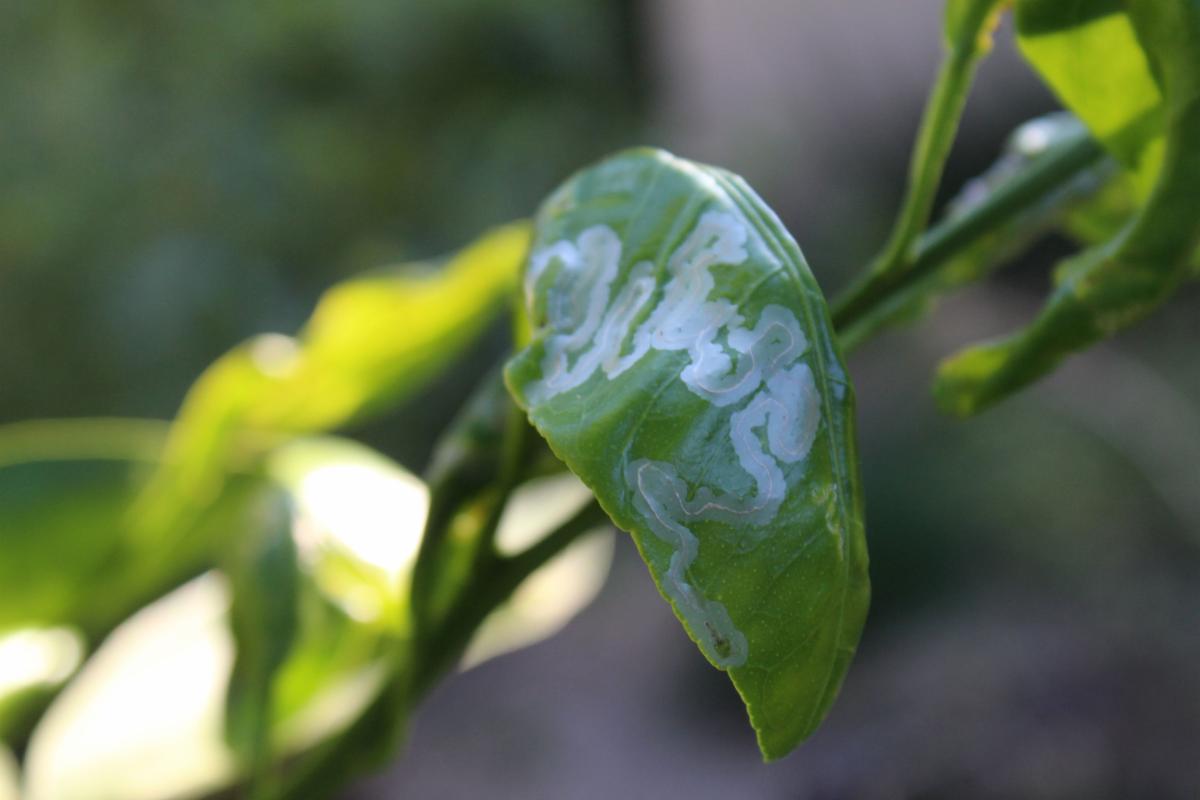
Question: The young leaves on my lemon tree have winding “trails” on them. What can I do about this?
Answer: From your description, and the picture you sent, it looks like your lemon tree has citrus leaf miner larvae in its leaves...
| | | |
This two question article previously appeared in the Winters Express and Davis Enterprise.
Have a gardening question? Send it to jmbaumbach@ucanr.edu, with “Ask MGs” in the subject line. Include as much detail as possible and pictures if you have them.
| | | | |
Gardening is for the birds!
Peg Smith, UC Master Gardener, Yolo County
Photo by Peg Smith, adapted
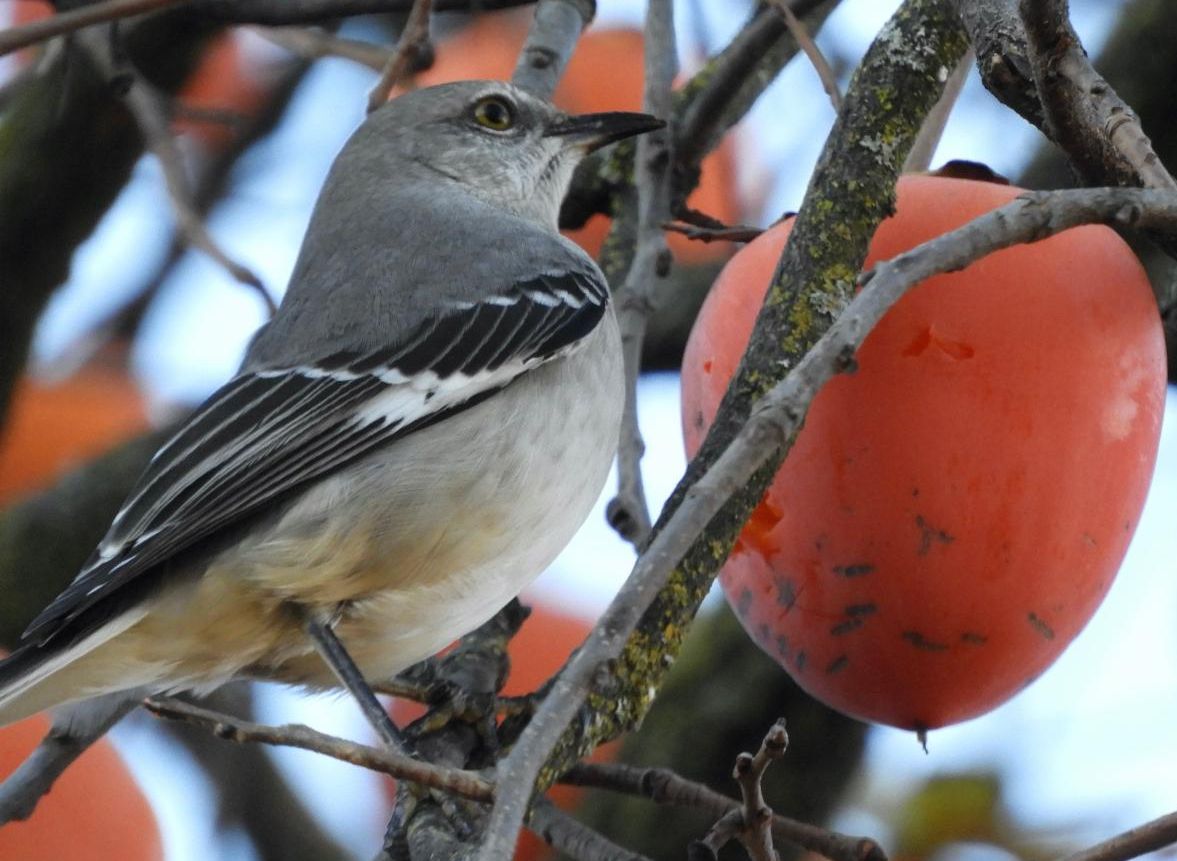
For the first time in forty-plus years our Hachiya persimmon has produced very little fruit. This appears to be anecdotally common this year. The persimmon’s annual seasonal changes are easy to identify; dormant, spring/early summer fruit drop (also called ‘barefoot danger season’), fruit development, and mature fruit (also called ‘splat season’ as the uppermost fruit cannot be reached so ripens and falls, it is wise to wear a hat when walking underneath). The ‘splat season’ is my favorite as on wintery days we have a naturally decorated tree with orange-golden orbs. Visually beautiful when illuminated by the morning sun or the evening light, mysterious when the morning fog drifts through. But the main pleasure comes from the bird life that visits the tree. It appears to have a daily hierarchical pattern of large birds to smaller birds. Northern flickers first, then flocks of starlings, followed by cedar waxwings hanging upside down to feed, the smaller birds then follow, scrub jays push in whenever they like.
For years there have been hours of pleasure from observing this natural feeding station. Without the fruit this year what other food sources will there be for our winter birds? There is Nandina planted close by, surely that will be helpful? While researching plants that provide nourishment for overwintering birds...
| | | | |
November Garden Tips
Peg Smith, UC Master Gardener, Yolo County
Photo by Peg Smith
The average monthly rainfall in October for Davis is 1.8 inches. My rain gauge measured a nice ‘dose’ of rain from the recent storm, 1.5 inches, that washed away the summer’s dust from the garden. Plants look brighter and refreshed. Depending on where you live, Yolo County water supply comes from wells pulling from the aquifer and/or pumping stations on the Sacramento River. One of the pumping stations is easy to see on the riverbank on the northwest side of the bridge over the Sacramento River near the airport. Woodland and Davis use a mixture of well and Sacramento River water. Winters, Esparto and Knights Landing are supplied by wells, West Sacramento is supplied by Sacramento River water. This year our Northern California dam levels are in fine shape. We still need to be ‘water waste alert’ as this winter’s rainfall is still an unknown and it may be that our dam water storage may need to take us through the spring, summer, and fall of 2026.
This is the prime time to be planting, the soil is softened, but not too difficult to work after the rain. Nurseries are carrying a supply of perennials and winter annuals. Fellow gardeners will be dividing...
| |
|
November Vegetable Planting Guide
Peg Smith, UC Master Gardener, Yolo County
November is the time to remove any tomatoes that have not ripened and place them on a windowsill to finish ripening. Check out green tomato recipes. Clear out finished pepper plants, squash etc. Add compost to your vegetable beds and mulch any soil you intend to fallow over the winter to prevent erosion and compaction.
There is still time to plant a winter vegetable garden. Winter climate in our area has changed, no longer do we have the...
| | | | | |
| |
|
Join Us in November!
UC Master Gardeners of Yolo County have a great selection of in-person and online events. Check the website frequently as they are updated often. They are conveniently listed for you in date order with all of the information you need to plan your gardening adventures!
| | | | | | |
| |
|
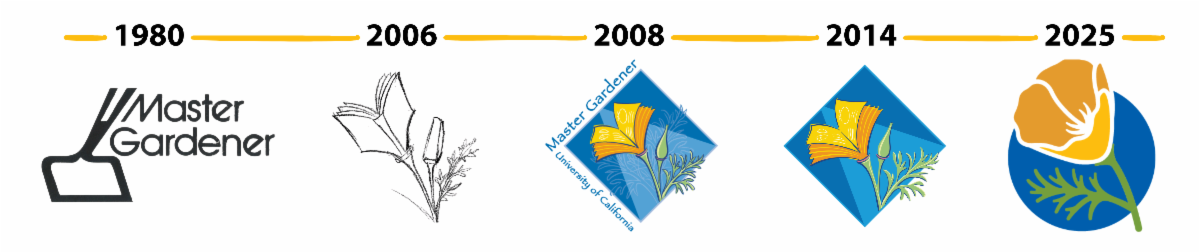
As a member of the University of California Agriculture and Natural Resources (UC ANR) community, the UC Master Gardener Program is excited to share our new logo!
Continuing the use of the California poppy as our symbol, it honors our history using a fresh, modern design. Over the last forty-five years our logo has shined a light on all that UC Master Gardeners have built in communities across California.
| | | | |
New Climate-Ready Lineup of Arboretum All-Stars! | |
The UC Davis Arboretum and Public Garden is proud to introduce the new climate-ready lineup of Arboretum All-Stars—130 plants selected to thrive in hotter and drier conditions and withstand extreme weather events all while supporting pollinators and local wildlife. Build on nearly 20 years of All-Star success, this program has shaped thousands of home gardens and public landscapes across California. Use the All-Stars Database to find the perfect All-Stars for your landscape!
| | | | |
| |
| |
| |
Follow us on Facebook for gardening tips, information about pests and beneficial creatures, and announcements about upcoming events.
|
Join us on Instagram for inspiration, entertainment, and information about gardening topics and our events.
|
Watch our videos on Youtube. See recent presentations by Master Gardeners that will help you hone your gardening skills.
|
Connect with us on Nextdoor to learn about the UC Master Gardener Program and upcoming events.
| | | | |
| |
Image by EURO_ELF from Pixabay | | | |
Need to catch up on any of our newsletters? Click the link below for a list of all of our 2025 issues!
If you are looking for an issue prior to 2025, contact The Yolo Gardener editor, Deborah Cunningham.
| | | | | |
| |
The Yolo Gardener Newsletter is a monthly publication and the events posted here are based on information available at the time of publication. For the most up-to-date information on our events CLICK HERE. | | | | |
University of California Agriculture & Natural Resources (UC ANR) is an equal opportunity provider. | | | UC Master Gardeners of Yolo County2780 East Gibson Road Woodland, CA 95776 US | | | | |
| |