CAREERS
Is the cover letter dead?
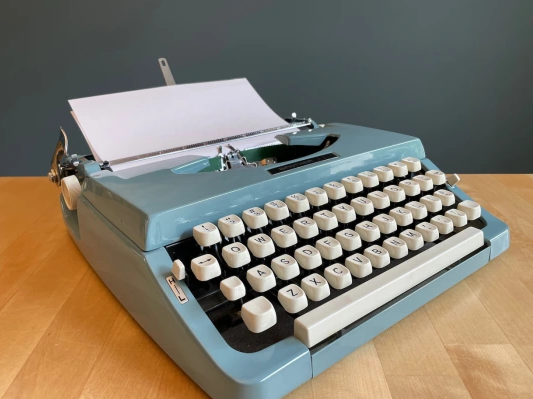
To Whom it May Concern: Many job applicants are putting a hard stop to the dreaded cover letter
| |
|
IN A TIGHT labour market, where employers are quick to complain about how hard it is to hire people, is there any reason to keep that most frustrating of application requirements ― the cover letter?
More job applicants are saying no, according to a report from the Wall Street Journal. “People are fundamentally fed up with having to do so much to get a job,” said one 27-year old worker. The author of the report even shared one example, forwarded to her by one of her sources: “I’m not going to type a separate cover letter,” it stated, plainly, with nothing else on the page. “Read it in my resume.” Short, and to the point.
This attitude is especially pronounced in the tech industry, where push-back to cover-letter writing is strongest.
Experts are split on this. On the one hand, cover letters are likely overkill if your company is using a range of AI or automated technologies to screen applicants, and having people write cover letters only for robots to read them is fairly disrespectful of their time. And in 2017, a survey found that only one in four recruiters actually consider the cover letter important.
Others still back the cover letter, calling it “your one opportunity to stand out.”
With apologies to the many high school careers class teachers out there, it probably is time to rethink the cover letter. In a tight labour market, asking applicants to jump through an extra hoop seems counterproductive. And with many examples of workers who have successfully landed jobs without them (opting, usually, for more casual introductory notes over LinkedIn or email), it’s obvious that the job market can function without them ― if it wants, that is.
| |
CRYPTO
Getting rid of bad bosses once and for all
Companies of the future: No CEO, no CFO, no boss, managed by blockchain
| |
|
ONE OF THE oft-repeated promises of the Web3 movement (a broad catch-all for the move toward decentralized, blockchain-based web infrastructure) has been that it represents an alternative to corporate platform-dominated capitalism on the internet in favour of a more democratic, user-driven internet.
Lately, you might have started hearing more about the kinds of organizations that are advancing this idea: DAOs, or decentralized autonomous organizations.
Like a lot of Web3 terms and ideas, DAOs might seem more complicated than they are. PCMag calls them “a fancy term for a group of people who agree to abide by certain rules for a common purpose,” that have a “no central governing authority,” and where “no one person owns or controls the entire thing the way a conventional CEO would.”
If this seems new and complex, don’t overthink it ― think of it like a co-op, with blockchain technology. “A DAO is an organization that can operate by itself, using code, without anyone in charge to make decisions,” explained one crypto enthusiast, adding that in their most complicated and automated iterations, things like “hiring, pay raises and other essential functions to an operation can be performed automatically, without human intervention.”
So, why does this matter? As more traditional corporations begin to eye moves into Web3 (the much-discussed Metaverse is one example), then DAOs will become a competing business structure.
Fans of DAOs say they are more reliable, democratic and fair than traditional corporate models, which still have a human hand on the wheel, with all the problems that entails. Critics, on the other hand, point out that DAOs are currently not really able to do much more than make automated decisions about how to handle funds.
“Conceptually, people hope that DAOs will create a collaborative or equal environment where people share responsibility,” says Grace Rachmanny, founder of DAO Leadership. “The current technology for DAO is limited and based only on the division of funds, however, so it’s unclear that this format will benefit businesses in any way.”
| |
|
|
Workshop: Managing Performance | April 28, 2022: 9 a.m. to 12 p.m. | This workshop will challenge the traditional view of performance management and will help leaders to adopt a partnership approach where managers and employees work together to plan, monitor and review objectives, as well as align individual and team contributions to organizational goals. | | | |
SKILLS
The benefits of bilingualism
If you want to make the big bucks at work, it pays to speak another language
| |
|
IN TODAY’S HOT labour market, one of the most effective ways to gain a leg up on the competition is by adding skills to your repertoire. And in a more remote work environment, where colleagues might now be spread across different continents, being multilingual is one of the most in-demand skills, with bilingual job postings increasing by 30 per cent over the first year of the pandemic. (One of the jobs that’s expected to see considerable growth over the next five years is translation, unsurprisingly.)
Here in Canada, being bilingual has always conferred some advantages, especially for anyone working in the civil service. But it's increasingly becoming an in-demand skill in the private sector, too. According to a recent Globe report, firms are trying, but struggling, to hire bilingual staff, because the talent pool is “practically dry,” said one Toronto-based recruiter.
“Francophone candidates are in the driver’s seat. They can demand ― and receive ― lucrative salaries and perks in the current market,” the report read, adding that “desperate employers are willing to shell out $15,000 to $20,000 per year as French language premiums to woo candidates.”
It's also become a valuable attribute for global companies trying to improve their diversity, who find that hiring people who are fluent in different cultures (as well as their languages) is a major benefit. “They have a cultural agility that is practiced every day to assess different situations, adjust, adapt and influence,” said a senior exec at Liberty Mutual. “Cultural intelligence is critical for any employer who is concerned with the sustainability of their business.”
| |
TRENDS
Wired for the future
From more reliable performance to the retro-cool factor, wired technology is having a moment
| |
 | |
FOR YEARS, THE march of technology has seemingly headed in one direction: away from wires and towards Bluetooth-enabled, Wi-Fi powered, wireless futures. But as many people have spent the last two years dealing with these technologies, the tide is starting to turn for some people, and old-fashioned wired technology is having a comeback moment.
Take the landline. With smartphones now offering a zillion distractions, some remote workers are discovering that a landline, hooked up in the office for the price of a couple coffees a month, keep them connected during work hours without the distractions.
Then there's Wi-Fi: as many households now need to juggle multiple video calls, plus streaming, music and everything else running off Wi-Fi, some are finding that old-fashioned ethernet connections are the key to keeping it all functioning. (It helps that the wireless part of wireless internet is generally the problem when things go awry.)
The work-from-home push of 2020 revealed that many home technologies, while technically capable of handling remote work, couldn't do so easily. "Without an IT department, you are on your own with tech problems," observed one n reporter, in the pandemic's earliest days.
What’s more, it's fashionable now, especially with the younger generation. “Wired is an attitude,” said one 24-year old creator. “It is the way you carry yourself and move about the world. Wired headphones kind of say that ― it's like, ‘I put no thought into this, I can't be bothered right now.’” Very cool.
All that wireless tech that has risen up in the last ten years may as well be worn by dinosaurs, if you ask Gen Z.
“AirPods are now synonymous with a decidedly uncool aesthetic: that of tech and finance bros,” is how Mashable put it. “They beg to be paired with a Patagonia Better Sweater fleece and worn on a call where men use incomprehensible words like “synergy” in real conversations. A person wearing wired headphones is disassociating themselves from modern trends altogether. They want to be plugged into simpler times.”
| | | | | | | |