Q3 | August 2026 | The Conduit: Connected Solutions for a Better Built Environment 

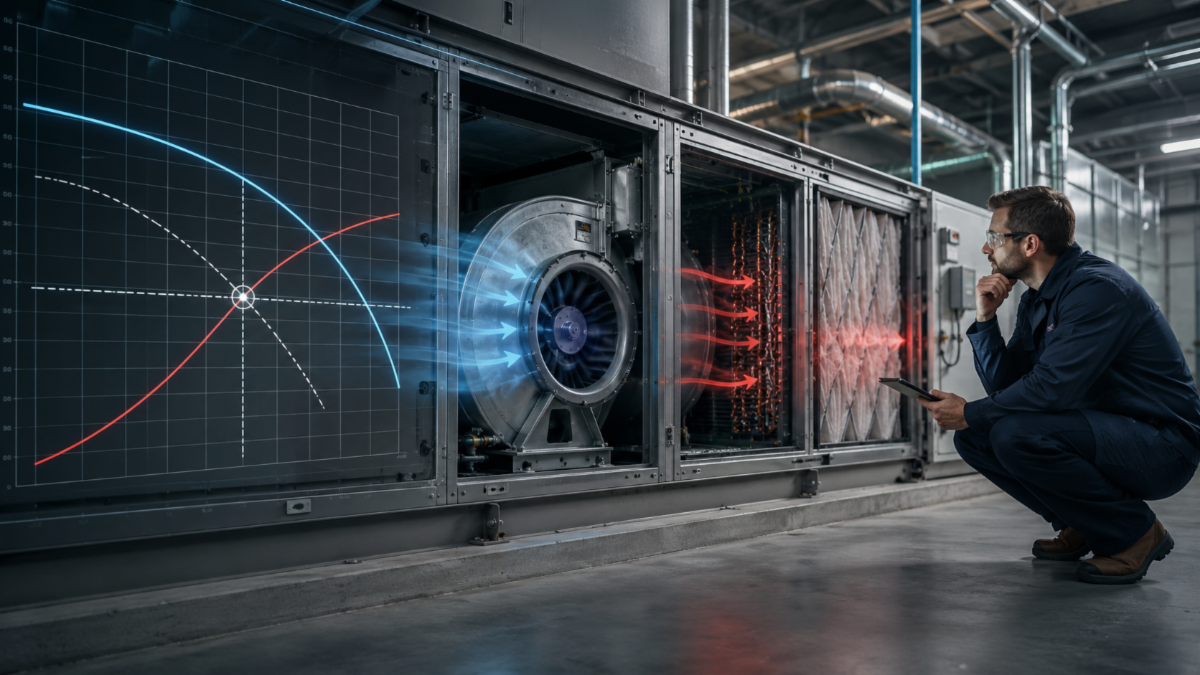
The fan curve says it should work.

So why doesn't it?

TAB has a way of settling arguments that lived quite comfortably in the submittals.

The unit gets turned on. The readings come back and it's exactly what you were hoping not to see. Airflow is short.


Of course, now everyone wants to know where it went.


The fan selection says the CFM is there. The motor has room.

The VFD can go higher.


So turning up the fan is an easy answer, and it even appears to be the right one. Sometimes it is the right answer.


However, before adding fan speed, there’s a better question:


Is the fan actually the problem?

+ 10%

FAN SPEED


≈ +33%

POWER


Before spending the energy, make sure speed is what the system actually needs.


Source: AMCA

Then there's everything the fan has to push through...

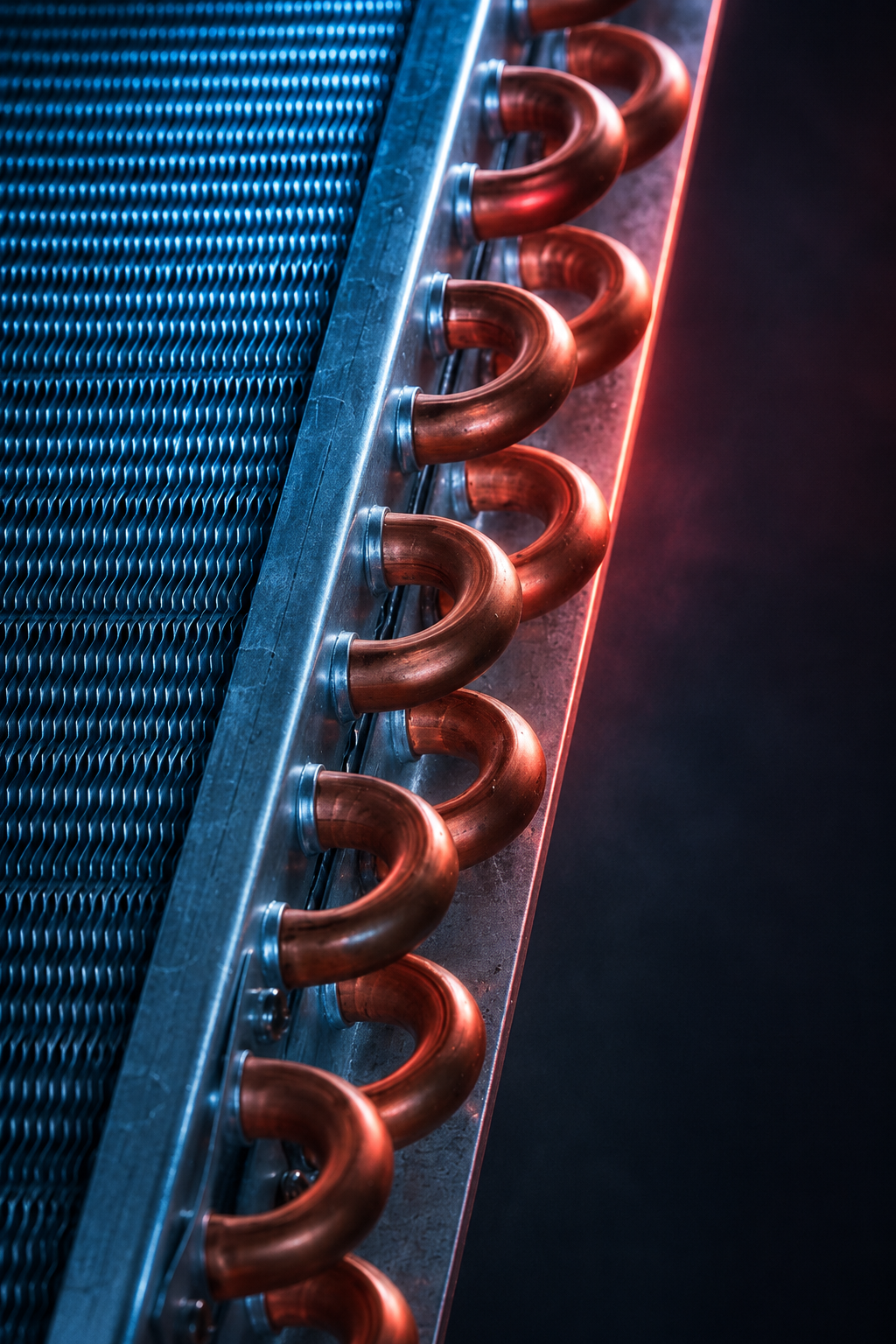
The coil is usually discussed in terms of capacity, entering and leaving conditions, rows and fins.


The fan has a different relationship with it.

To the fan, the coil is resistance.


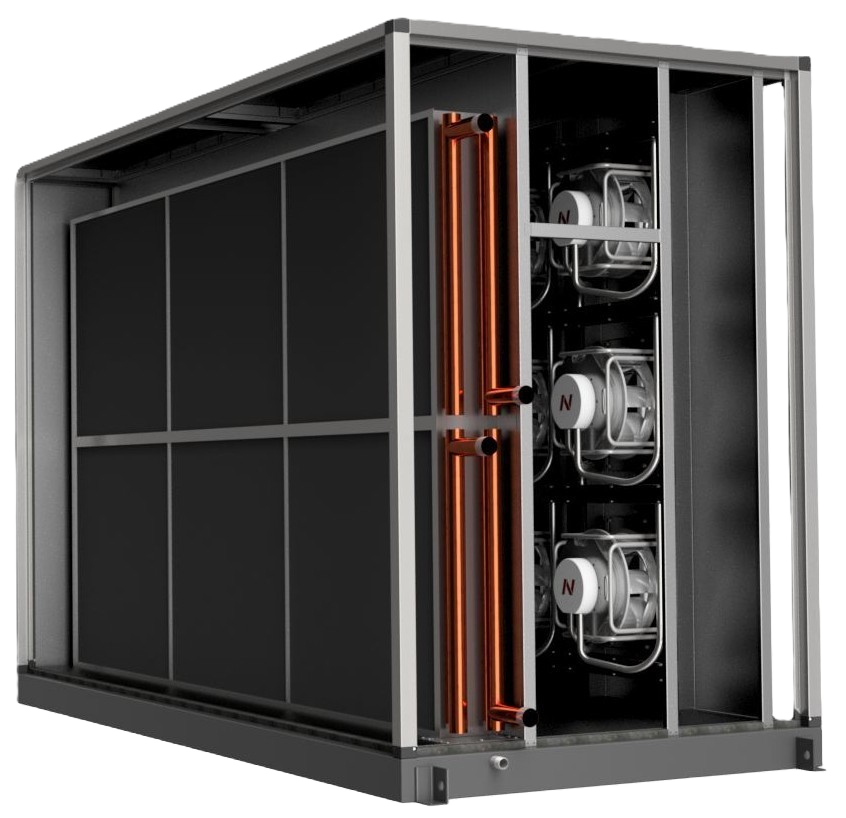
So are the filters. Dampers. Silencers. Energy recovery devices. Ductwork. Fittings. All of the small decisions that eventually become the system pressure the fan has to overcome.


That is why airside optimization gets difficult when we treat each component as though it lives alone.


The fan must work through the system not just components.

AIR → FILTER → COIL → FITTINGS → DUCT → TERMINALS → SPACE

Every pressure drop becomes part of the fan’s job.

A great fan selection can still become a mediocre operating system

when the assumptions around it change.


So, always ask the question Where did I account for the pressure?


DESIGN INSIGHT

Before you add static, ask where it’s going.

A fan selection is only as good as the system assumptions behind it.

Before finalizing the operating point, follow the pressure path:

The question isn’t only whether the fan can make the scheduled point. It’s whether the system gives it a reasonable path to get there.

INLET CONDITIONS

Will the fan receive reasonably uniform airflow, or do nearby elbows, transitions or fittings introduce system effect?

PRESSURE BUDGET

Where is external static being spent, and how much margin remains once the components are considered together?

COIL & FILTER ΔP

Are the pressure-drop assumptions representative of how the system will actually operate not just catalog conditions?

CONTROL POINT

What static pressure will the fan actually be asked to maintain as the system moves away from design conditions?

QUICK POLL

An AHU comes up short on airflow during TAB. Where are you looking first?
 

Selection gives you a design point.

The system determines what happens everywhere else.

Fans, coils, ductwork and controls do not operate independently once the system is turned on.


Understanding how those decisions interact is where airside performance gets more interesting and where the schedule stops telling the whole story.


Take a Closer Look...

What the Schedule Doesn’t Tell You About Fan and Coil Performance

In this month's blog, we continue this topic, taking a closer look at how fan selection, coil pressure drop, system conditions and controls come together to shape real-world airside performance.


What's

 Next?

Putting It All Together 


We'll look beyond equipment selection to explore why systems that appear well-designed on paper can still struggle in the field and how controls, commissioning, and serviceability complete the picture. 

 
LinkedIn  Instagram  Facebook