Social Media Marketing Tools
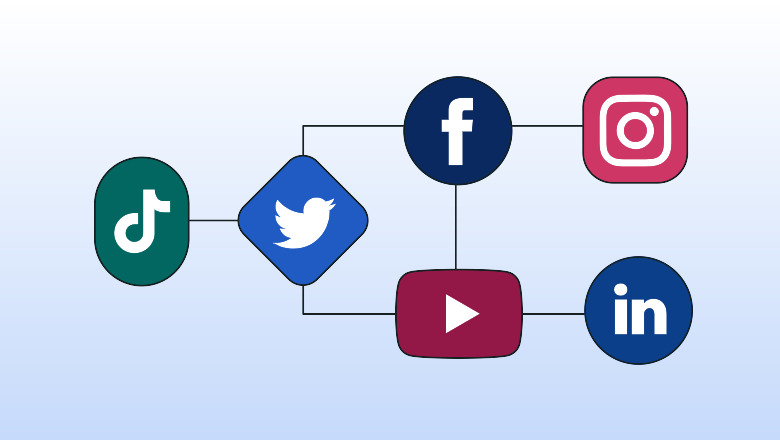
The number of social media marketing platforms is larger than ever before. But it’s not necessary to use every single one for your business, nor are all of them appropriate for every brand. Depending on your product or service, choose the social media channels that will reach your target audience:
Facebook (Meta):
Despite newer social media trends, Facebook still holds its own in the marketing game, particularly when it comes to paid ads. Many people still turn to this platform when it comes to learning more about a business and checking for updates or promotions, making it a solid place for boosting brand awareness and generating new leads.
Instagram:
What first started as a casual platform for photo sharing, Instagram is now arguably the reigning social media platform leader. Because it’s easy to access and use, businesses can use Instagram to share stories, reels, live streams and, most importantly, engage with their audience in real time. Because they are owned by the same company, it’s easy to link your Facebook and Instagram accounts and post to both platforms simultaneously.
TikTok:
TikTok is a video-sharing app where users are able to create and share short-form videos on any topic. The platform keeps growing its reach and is no longer aimed only at a younger audience. Like Instagram, businesses can use hashtags strategically to share their posts, promote relevant content and gain more followers.
Twitter (X):
Using short phrases called “tweets,” Twitter is the platform to use if you want to share quick, beneficial content. Tweets can include not only text but also images, videos and links, allowing businesses to get their message across without being too wordy. Because of its quick pace and brief posts, Twitter is another platform that is excellent for engaging with customers and building brand awareness.
LinkedIn:
Networking, particularly in the business-to-business (B2B) space, is a powerful marketing tool and LinkedIn offers a platform to share all about your business. Geared toward professionals, the LinkedIn audience may be smaller than other social media outlets, but it also offers a curated location to connect with current and potential employees, post industry updates, generate new leads and connect with other businesses.
Pinterest:
Pinterest is an image-based social media platform where small businesses can promote and explore their interests by pinning images and videos on virtual bulletin boards. Seeking to be known as the “app for inspiration,” Pinterest helps reach an audience that is looking for ideas and solutions, which is where your shared business content comes in.
YouTube:
After Google, YouTube is the next stop for people to gather information and answers. The streaming social media platform allows businesses to create and share content via videos, which for some businesses is an important marketing tool. Whether you are demonstrating how to put together a newly purchased product or simply giving a tour of your warehouse and construction methods, YouTube has the ability to reach a nearly unlimited audience.
Information courtesy of forbes.com
|