- Digging for Answers: What Long-Term Soil Testing Can Tell Us About Soil Health
- Fall 2025 TEAM Trip Date Requests Are Open
- A Visit to California’s Seed Bank: How LAMRC Supports Reforestation Statewide
- Celebrating Our 2024-25 Cohort of FARMS Advanced
- Community Meeting on Groundwater Resilience Set for August 21 in Cotati
- Plus Food Recovery Survey for Producers, Sonoma County and Gravenstein Apple Fair, and more!
| | | | |
Digging for Answer: What Long-Term Soil Testing Can Tell Us About Soil Health
This spring, our Agriculture Team returned to one of Jackson Family Wines’ vineyards to support one of our longest-running soil health studies. Originally launched in 2018 as a demonstration project funded by the California Department of Food and Agriculture (CDFA), this collaborative effort has evolved into a decade-long study now supported directly by Jackson Family Wines. Together, we are exploring how conservation practices like compost application and reduced tillage influence soil carbon, structure, and microbial life and how these practices support long-term soil health and climate resilience in working vineyards.
Soil forms at a snail’s pace—and it changes at one too. Short-term studies can miss the subtle but critical shifts that take place below ground. By tracking key soil health indicators over many years, this project allows us to build a much clearer picture of how management decisions affect the soil’s ability to store carbon, cycle nutrients, and support microbial activity.
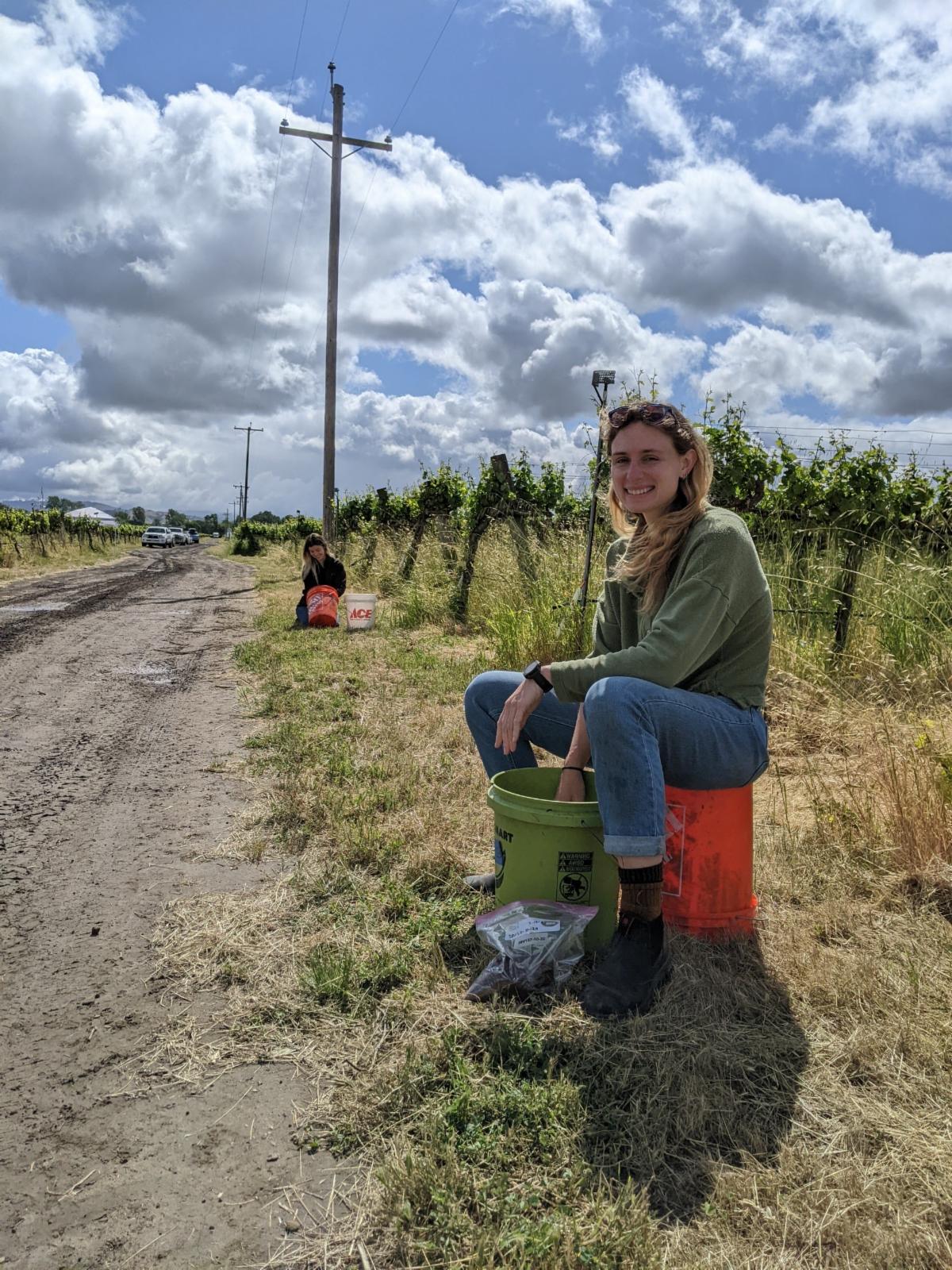
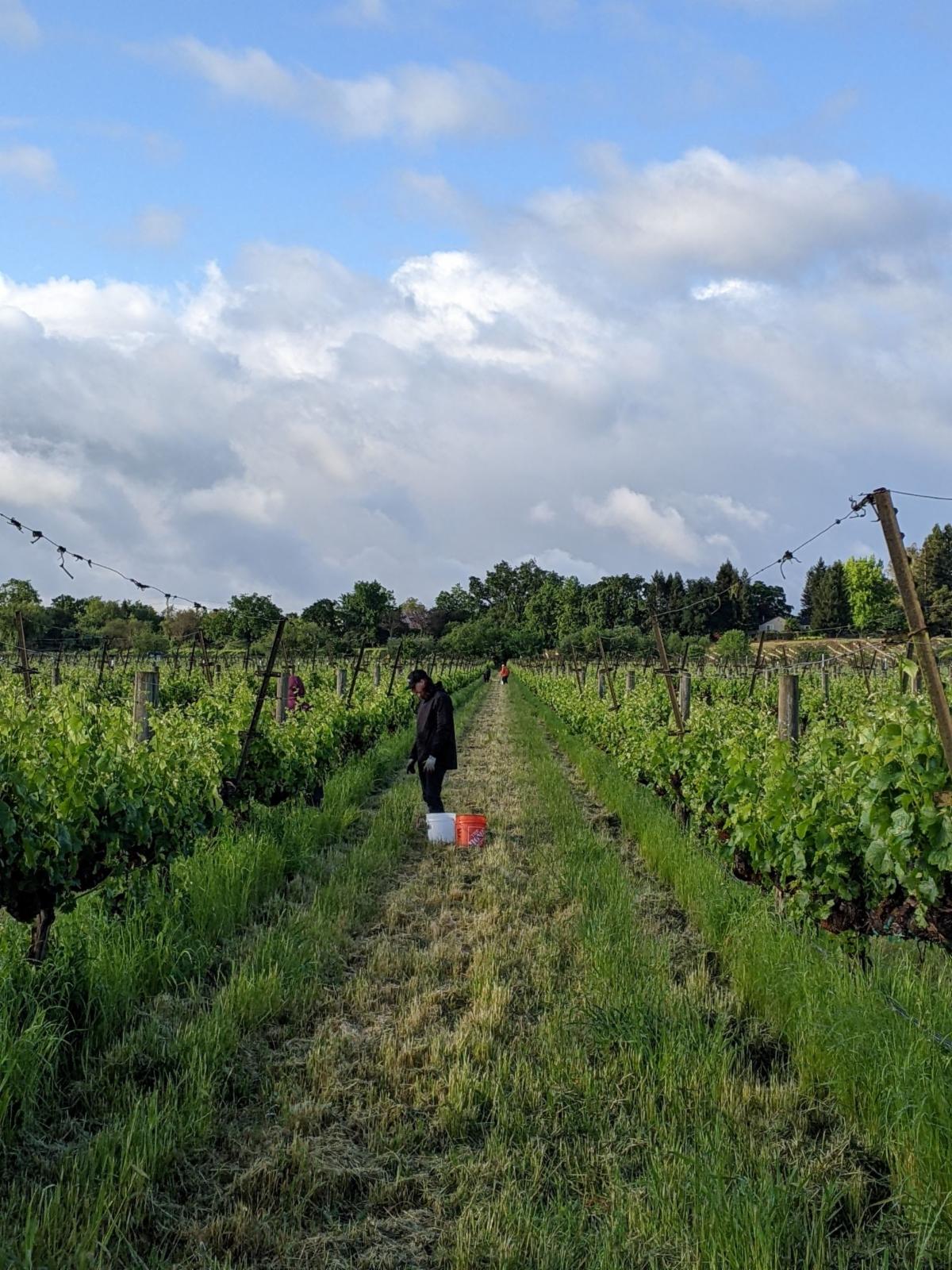
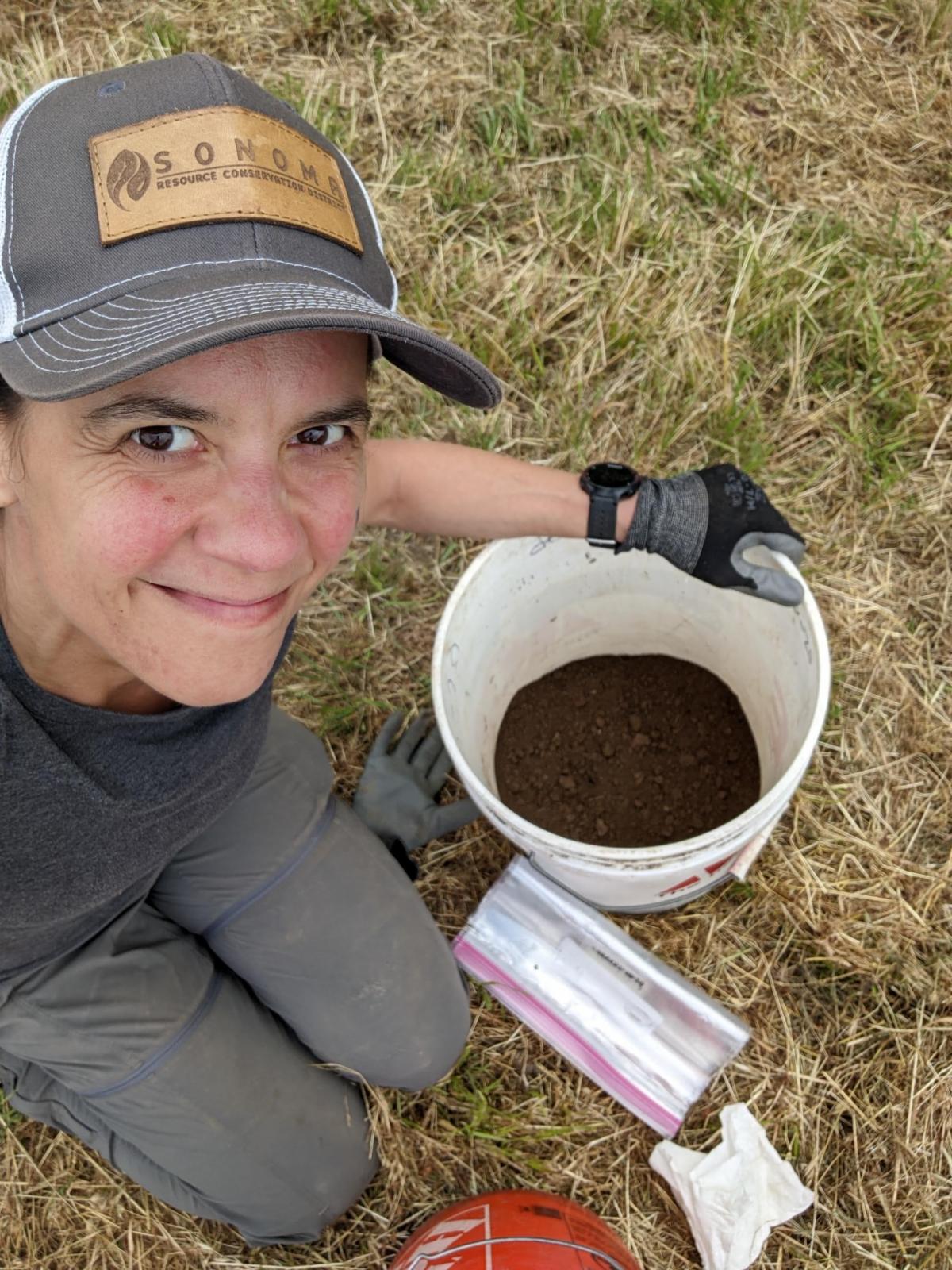
Each year, our team collects soil samples from 18 distinct treatment blocks, which are a combination of compost application and tillage levels (no-till, reduced-till, and conventional). This year’s sampling effort was made faster and more enjoyable thanks to the help of Jackson Family team’s sustainability staff and vineyard team. Equipped with labeled five-gallon buckets and plenty of zip-top bags, we collected soil cores at two depths across all treatment blocks. Each sample was mixed, quality-checked, and prepped for lab testing—then packed into coolers and shipped out for analysis.
These soil tests look at a range of soil health indicators, with a particular focus on total soil organic carbon—one of the clearest measures of carbon sequestration potential. We also are testing for soil nitrogen, mineralizable nitrogen, soil respiration, wet aggregate stability (which reflects the soil’s resistance to erosion), bulk density, pH, electrical conductivity, and water infiltration. So far, we’ve seen a pattern of increased soil carbon and nitrogen in places where compost has been applied. We are excited to see how these patterns evolve over the next few years.
The value of this work extends well beyond a single vineyard. Lessons from this study can improve our technical assistance for vineyard managers across the county. For those curious about integrating conservation practices, we recommend starting with a dedicated trial block that can be monitored over time. Our Agriculture Team is available to support planning, testing, and evaluation for producers who want to take that step.
This project is a testament to the power of collaboration, curiosity, and long-term thinking. We're grateful to Jackson Family Wines for their continued partnership—and to the soil, for slowly but surely telling us its story.
| | | | |
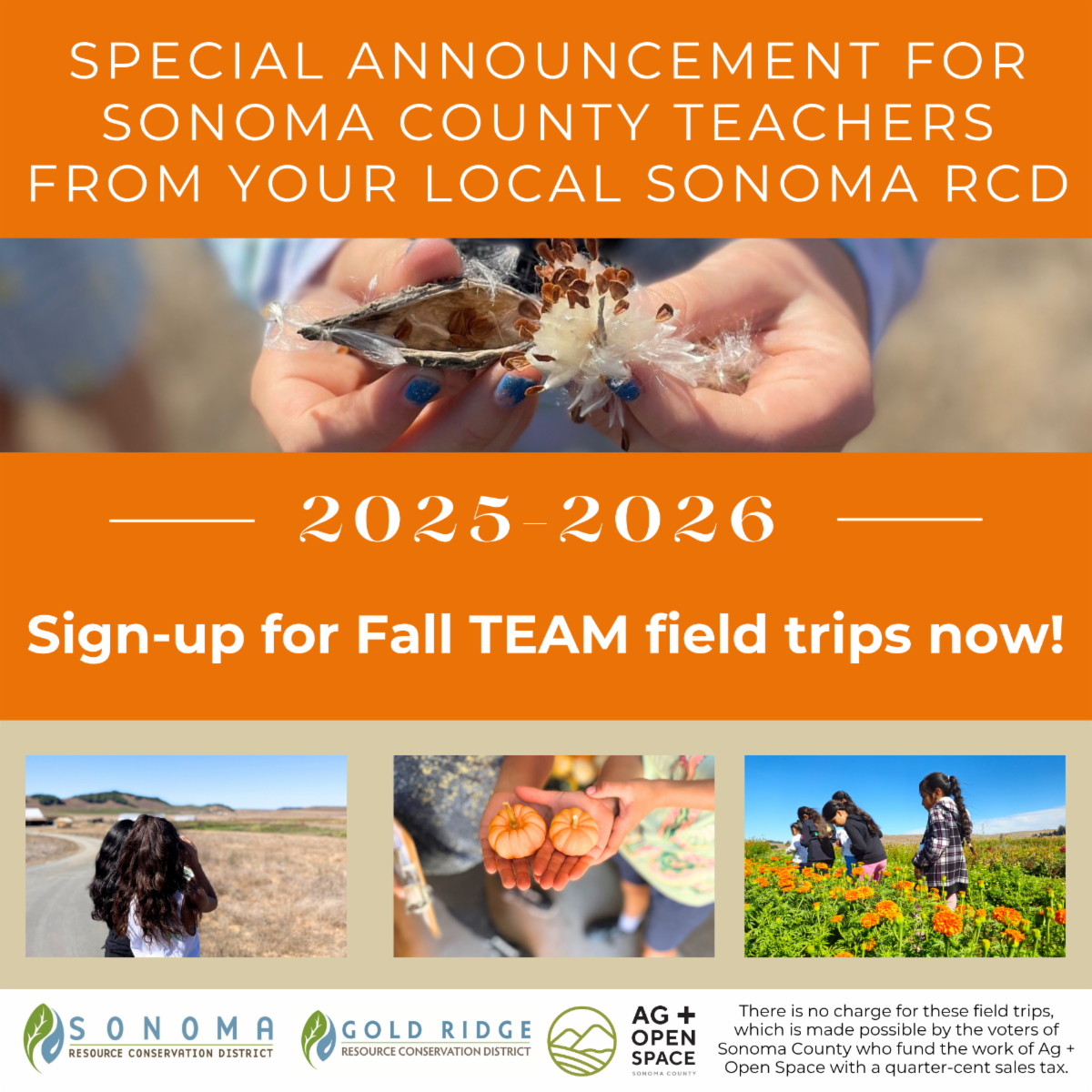
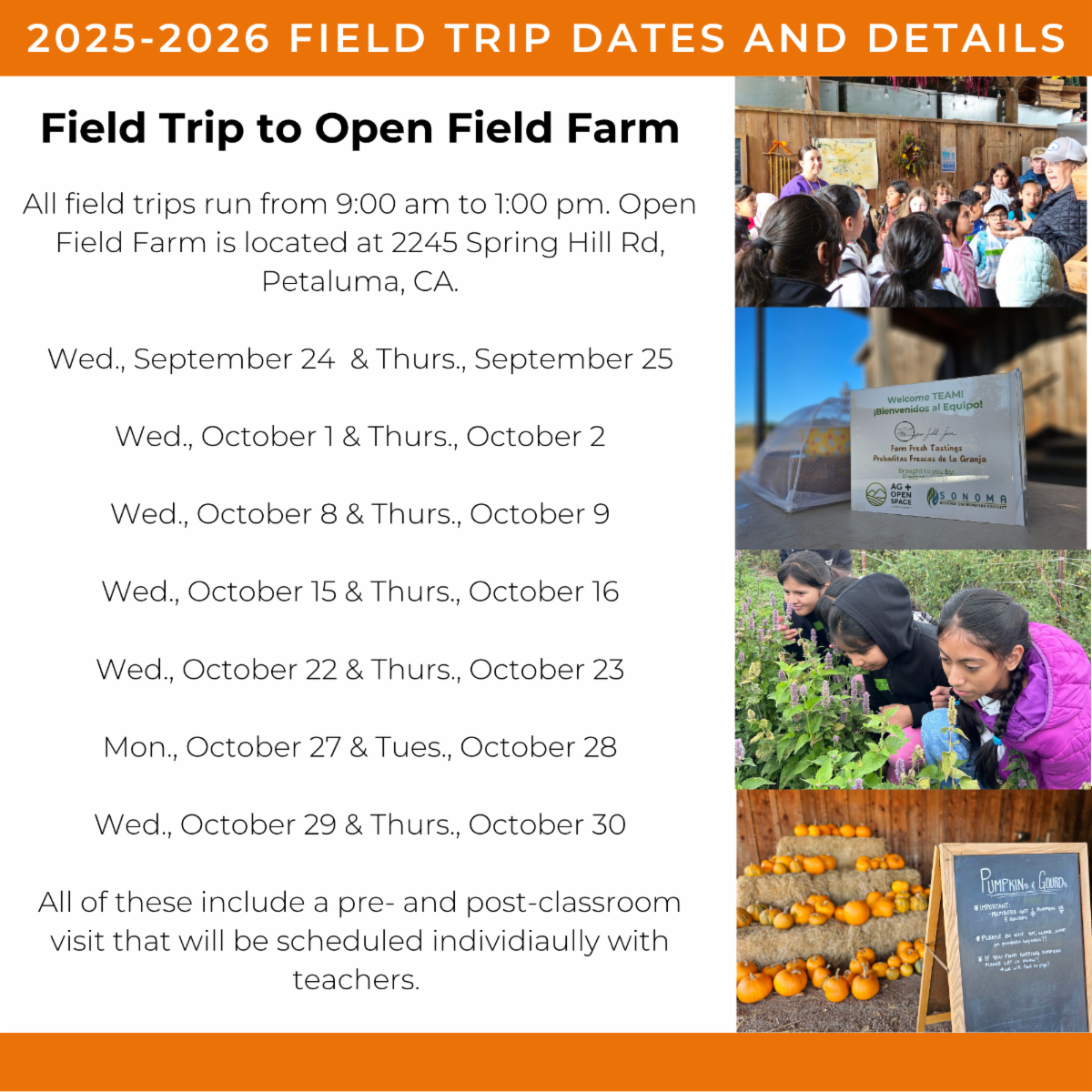
Fall 2025 TEAM Trip Dates Are Open
Are you a 3rd – 5th grade teacher in Sonoma County? Are you interested in bringing your class out to a working farm in Sonoma County this fall? We have opened our TEAM (Teaching Environmental and Agricultural Memories) program application for teachers to request dates to bring their students out to Open Field Farm in Petaluma, CA.
Currently funded by the Sonoma County Agricultural Preservation and Open Space District (Sonoma Ag + Open Space), the TEAM program incorporates the significant role that Sonoma County’s characteristic agricultural landscape plays in environmental stewardship. Students will receive a pre- and post-classroom visit to learn about why land conservation is important. During the field trip, students will explore the importance of native pollinators, play a trivia game to learn about community-sustained agriculture (CSAs), try local produce, and take a tour of the farm.
Any Title 1 schools also can apply for a transportation reimbursement.
| | | | |
Reforestation Solutions Through Seed Bank Implementation
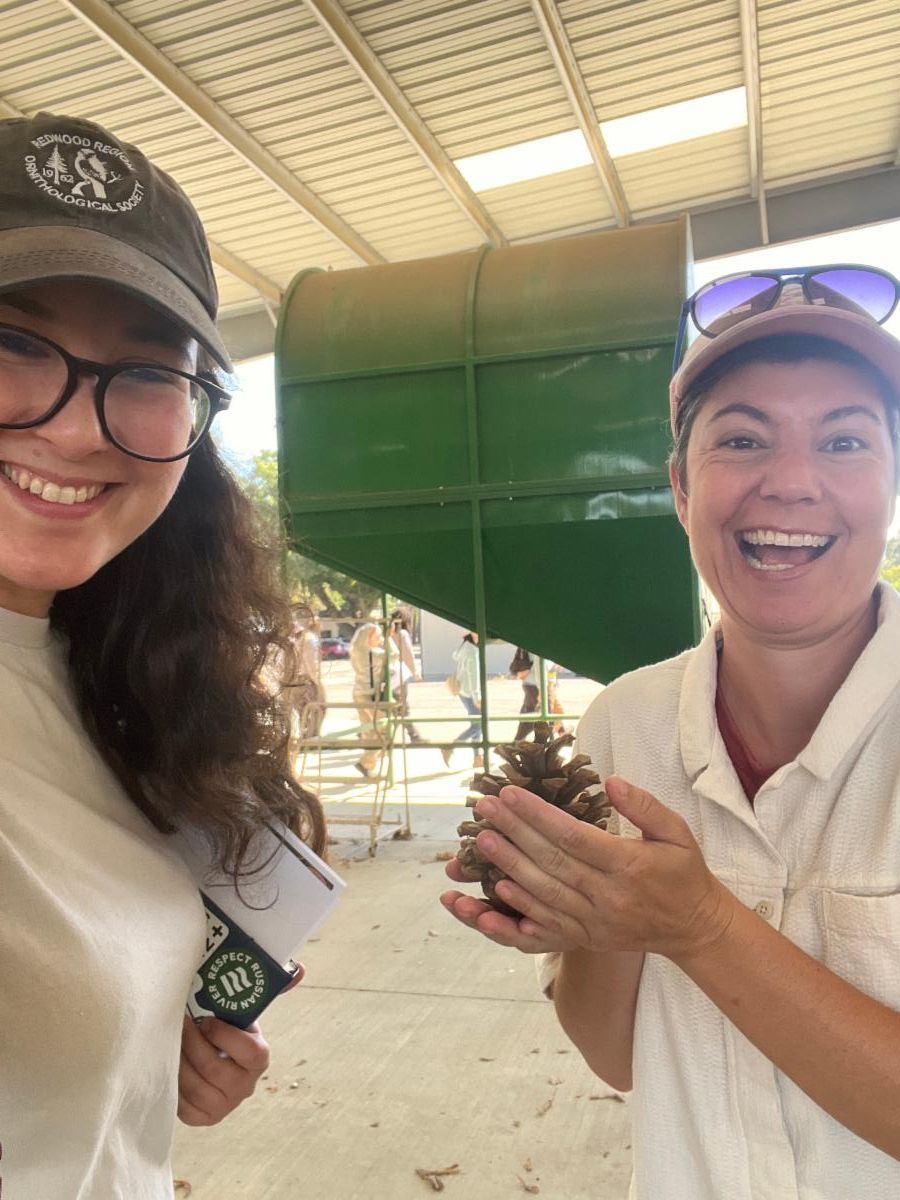
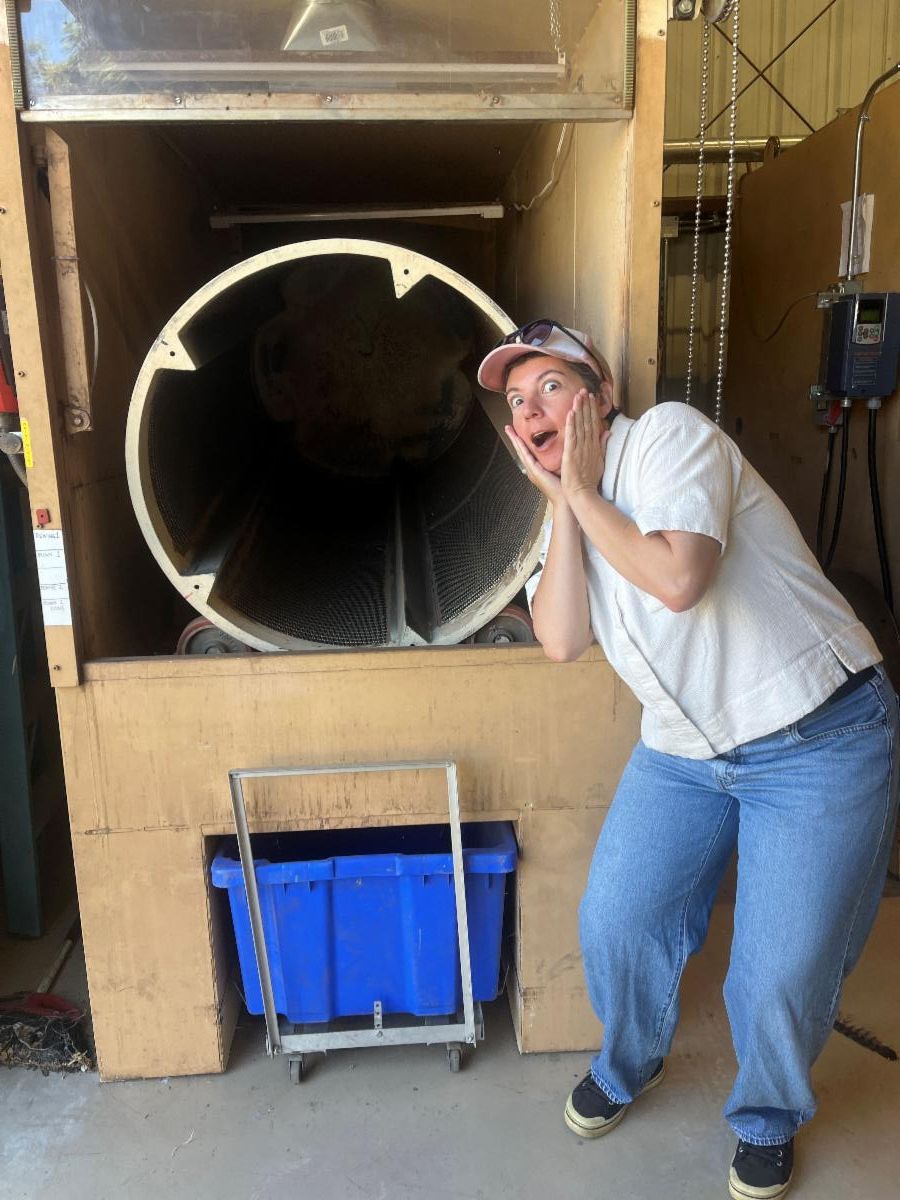
During the peak summer, two of our forestry staff—Ari DeMarco and Genevieve Tarino—kept cool while attending a tour of the L.A. Moran Reforestation Center (LAMRC). Located in Davis, it is the only CAL FIRE state-run seed bank and has been operating since 1921! During their tour, Ari and Genevieve learned that the facility grows approximately 225,000 seeds and tree seedlings annually for public and private lands to assist with reforestation of areas impacted by droughts, tree mortality, and wildfires. These include mostly species that can be stored in a freezer, such as ponderosa pine, white fir, and Oregon ash, but occasionally they grow acorn species, such as California black oak and blue oak.
While on the tour, they learned about the process for harvesting and properly storing such a high quantity of seedlings for distribution across the state. It begins with cone surveys done by CAL FIRE foresters to identify areas abundant with conifer cone crops. They report these areas to LAMRC staff, who follow up by completing cone sampling and collecting. If the cones meet LAMRC standards, they move onto processing and seed extraction.
During this stage, cones are dried out and broken apart to extract the seeds, with debris carefully removed. The seeds are then lab-tested to gather data that supports successful sowing. After this, they are packed, labeled, and placed in a 0°F seed bank for long-term preservation.
When a landowner or public land managers reaches out to order seeds or seedlings, LAMRC staff will identify the appropriate seed lots matching the potential planting site to ensure the seedlings will be well-adapted for that growing location. Once the order is approved, the seeds begin the process of stratification, where they weighed out, soaked in water, and placed in 35°F cold storage. Stratification breaks the seeds' dormancy and simulates conditions experienced in nature.
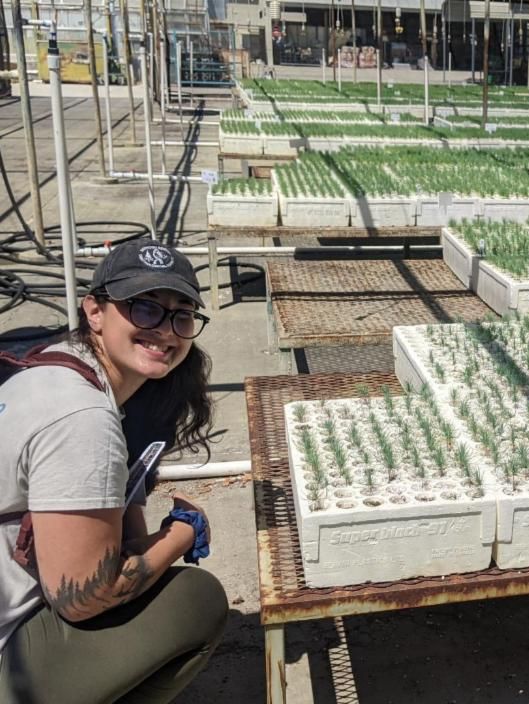
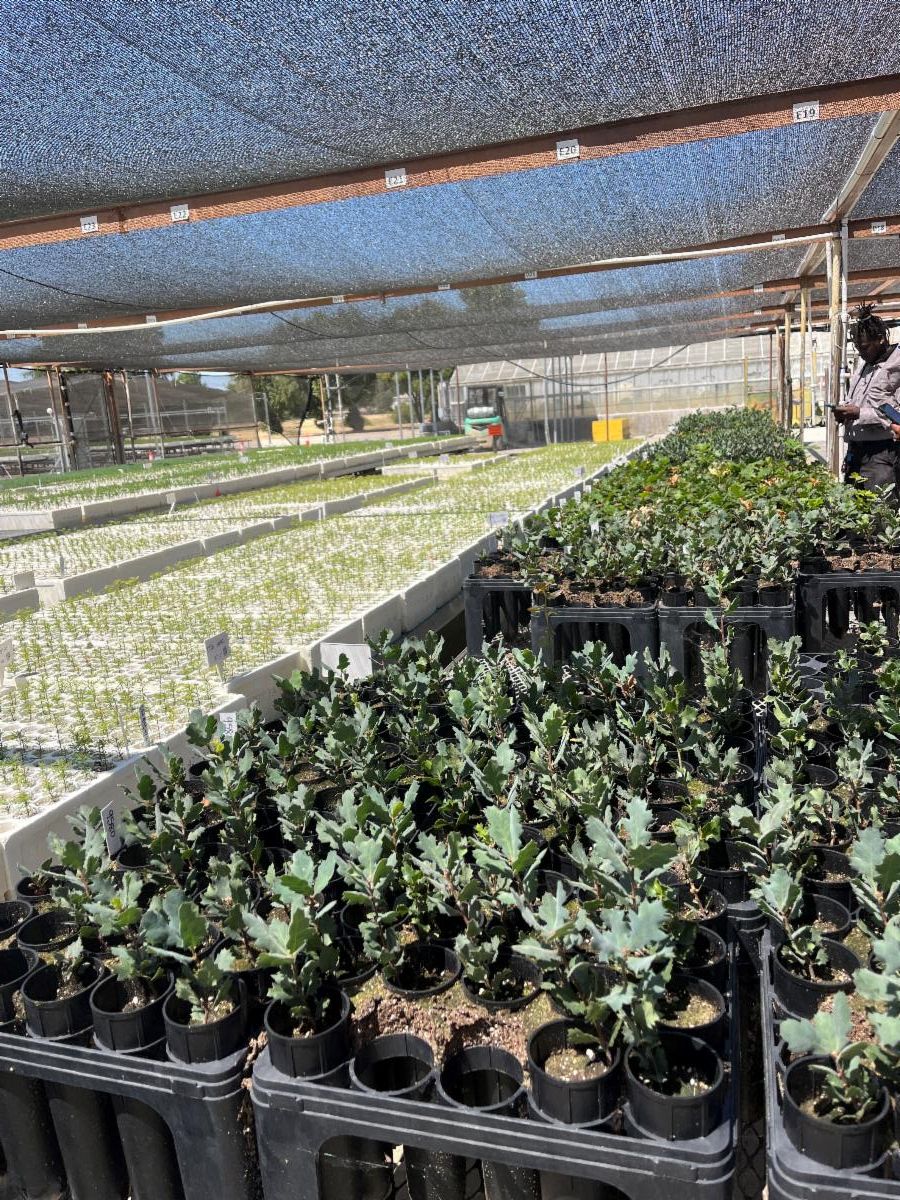
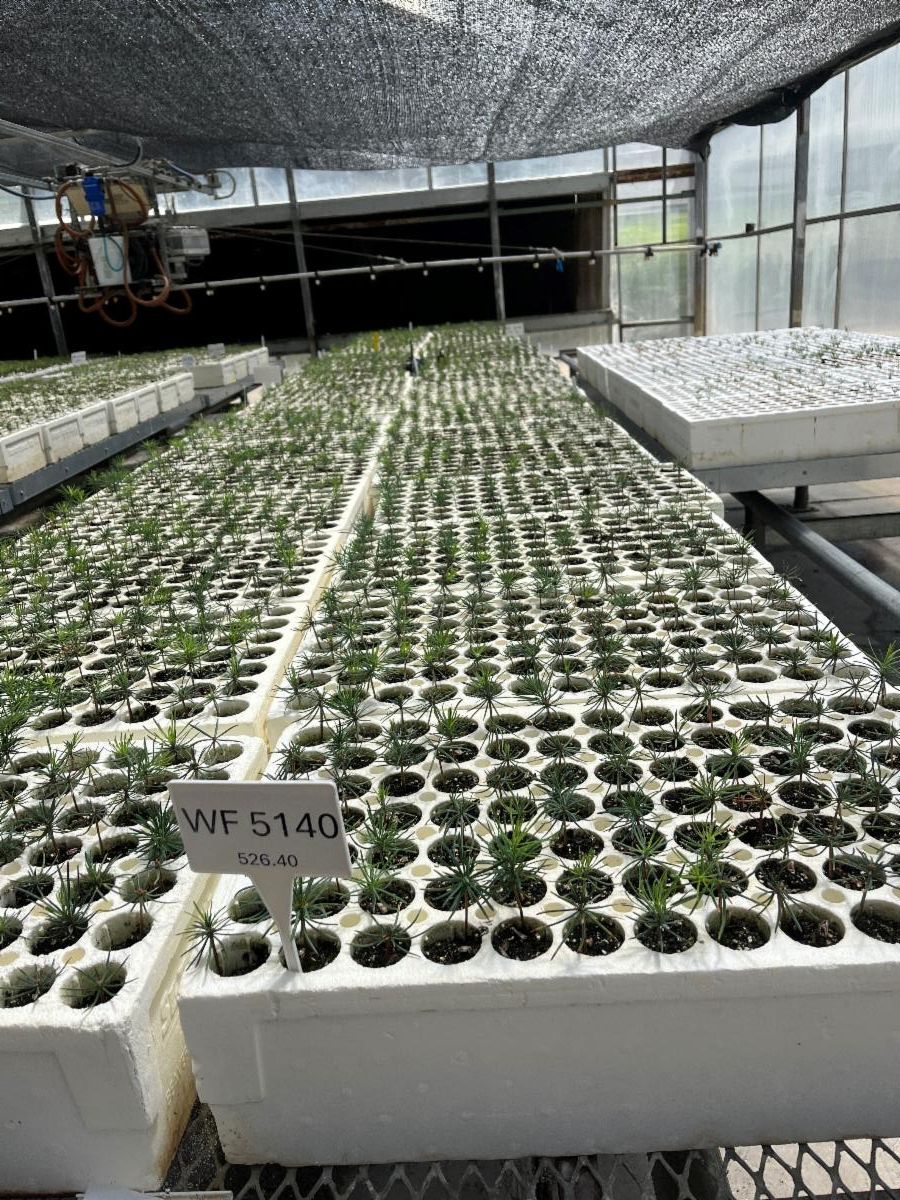
After the seeds stratify for 7-16 weeks, they are ready to sow. The LAMRC staff prepare soil mixtures, plant the seeds in labeled Styrofoam containers, and place them in a greenhouse, where they will grow for the next 6-8 months. Once sprouted, they are moved to a shade house, which is a covered outdoor growing area. It takes another 6-8 months for the seedlings to grow to an ideal height of ~10 inches. During that time, seedlings are watered, fertilized, monitored for pests and diseases, and trimmed as needed. Once the proper size is reached, seedlings are graded for quality, packed into boxes, and placed in cold storage until they are picked up.
LAMRC’s long-term goal is to build a seed bank robust enough to support large-scale reforestation across California in the event of widespread forest loss. While they’ve made impressive progress, collecting enough high-quality seed is a slow and challenging process—especially with changing climate patterns. You can support them by keeping an eye out for good cone crops from a variety of species throughout Sonoma County:
-
Southwest: coast redwood, Coulter pine, Douglas fir, Jeffrey pine, lodgepole pine, ponderosa pine, sugar pine, western white pine, and white fir.
-
Southeastz: coast redwood, Douglas fir, ponderosa pine, western white pine, and Coulter pine.
-
Northeast: coast redwood, Douglas fir, western white pine, sugar pine, ponderosa pine, incense cedar, Jeffrey pine, knobcone pine, and white fir.
-
Northwest: coast redwood, Douglas fir, Jeffrey pine, knobcone pine, lodgepole pine, ponderosa pine, sugar pine, western white pine, and white fir.
While many of the seedlings grown at LAMRC are used to restore wildfire-impacted areas, they also support other land management needs such as pest control, windbreaks, and landscaping. We are very grateful to CAL FIRE for opening up their facility and UCANR for organizing the tour. Our staff shared, “we had no idea that LAMRC’s goals involved that much seed but are happy to hear that there are ways local forest landowners can get involved in supporting their efforts.”
Our staff is excited to bring this knew knowledge to their field visits and technical assistance work. Ari shared that, “I will lookout for good cone crops whenever I’m out in the field now and I’ll be sure to mention it to landowners we work with.” If you’re a private landowner interested in requesting seeds or seedlings from LAMRC, you can learn more here.
| | | | |
Celebrating Our 2024-25 Cohort of FARMS Advanced
Since 2018, the Sonoma FARMS Advanced Program (Farming, Agriculture, and Resource Management for Sustainability) has provided alumni of the year-one FARMS Leadership Program with opportunities to deepen their knowledge and expand their professional networks. Building on the skills, curiosity, and experience gained during their initial year, FARMS Advanced connects students with industry leaders through hands-on learning and small-group engagement. This next-level program empowers participants to explore their interests more deeply while gaining insight into real-world careers in agriculture and natural resource management.
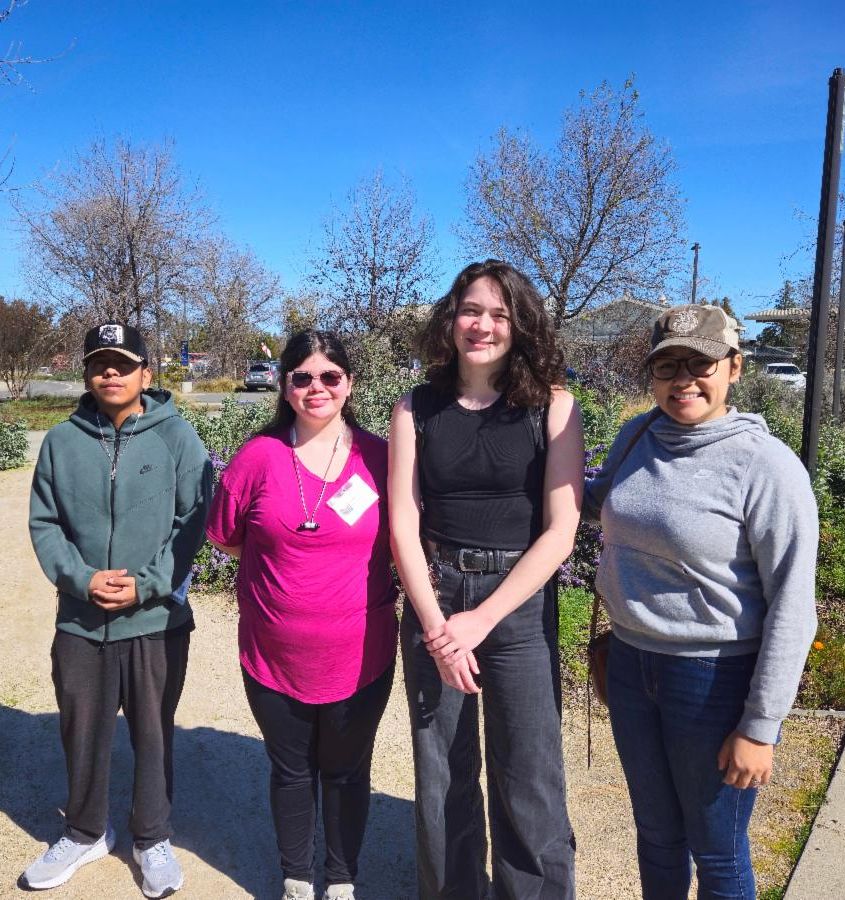
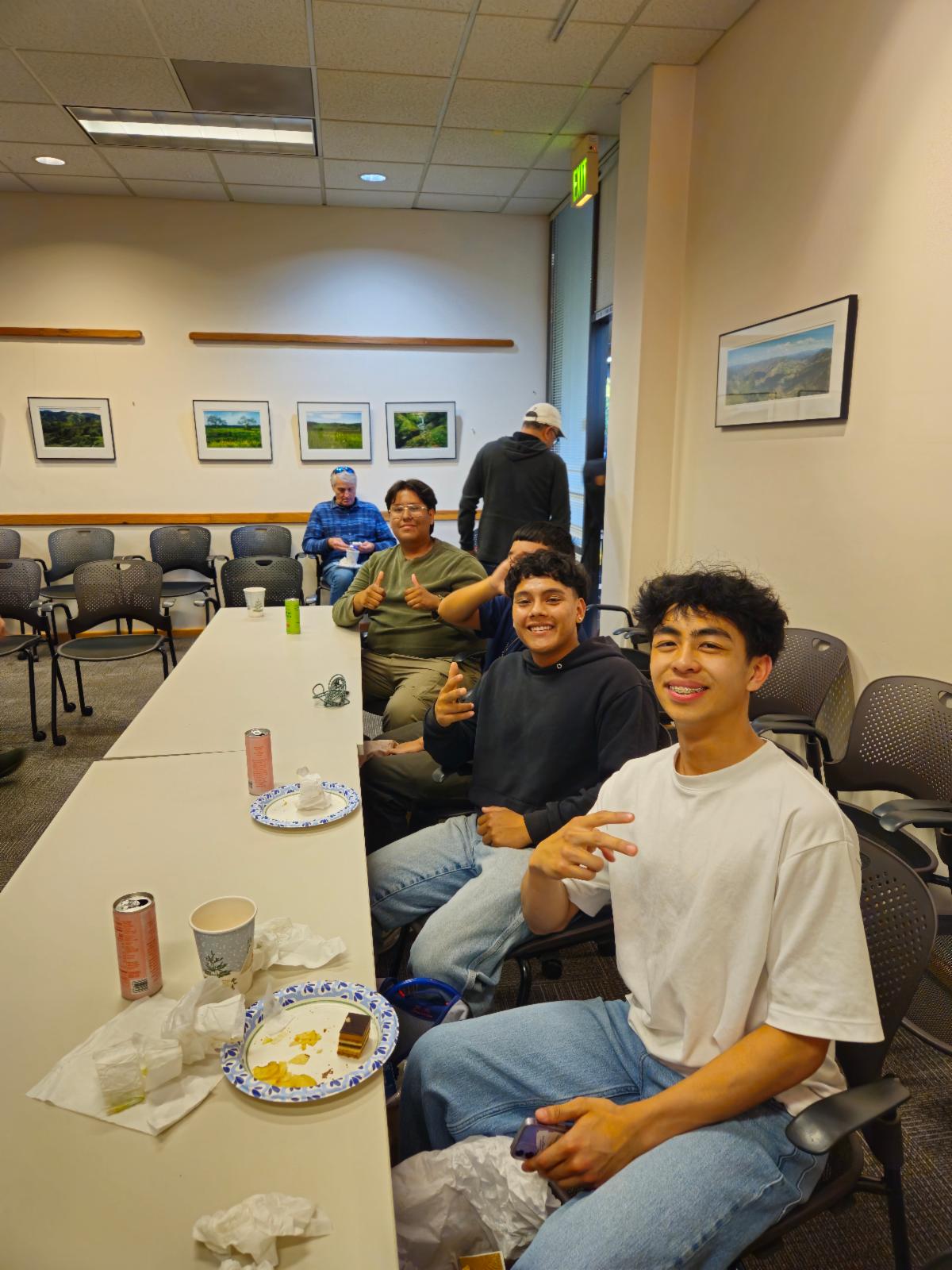
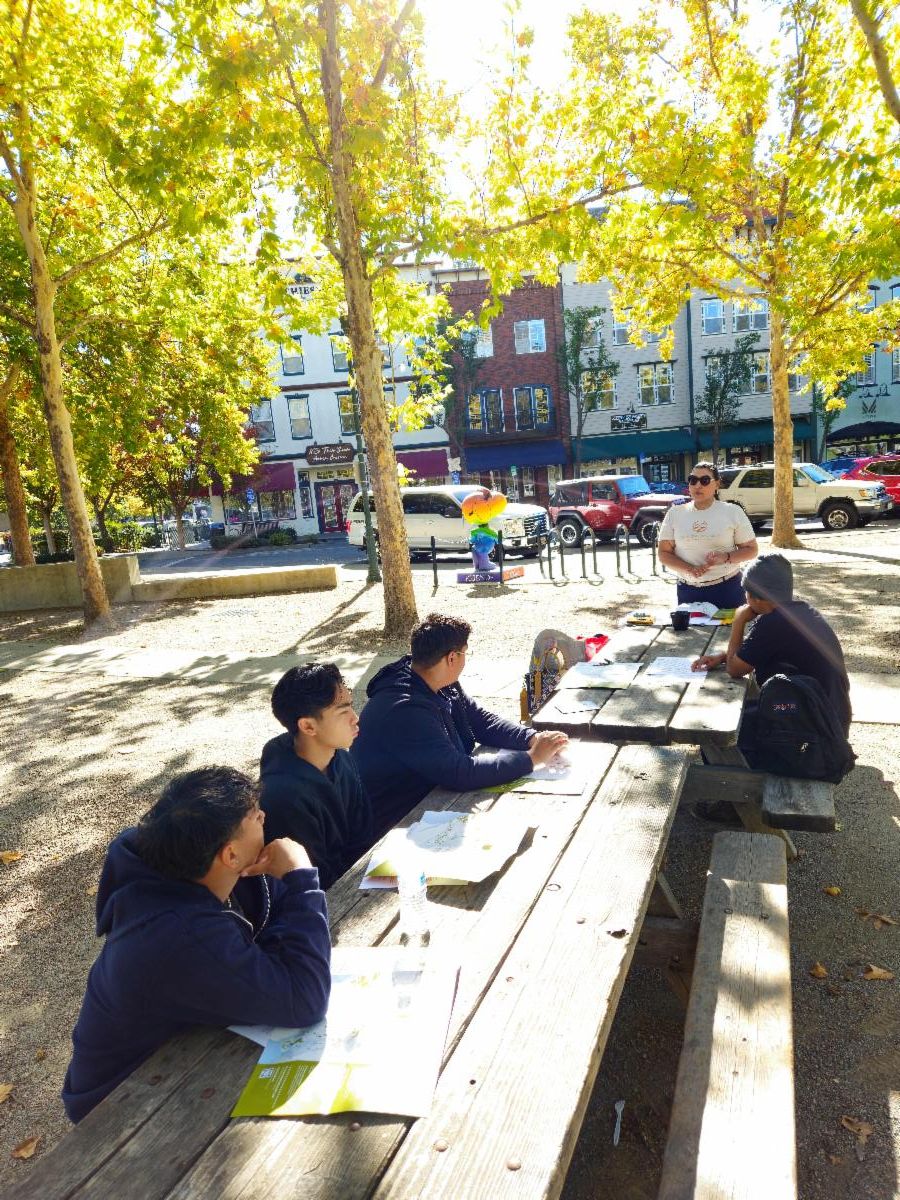
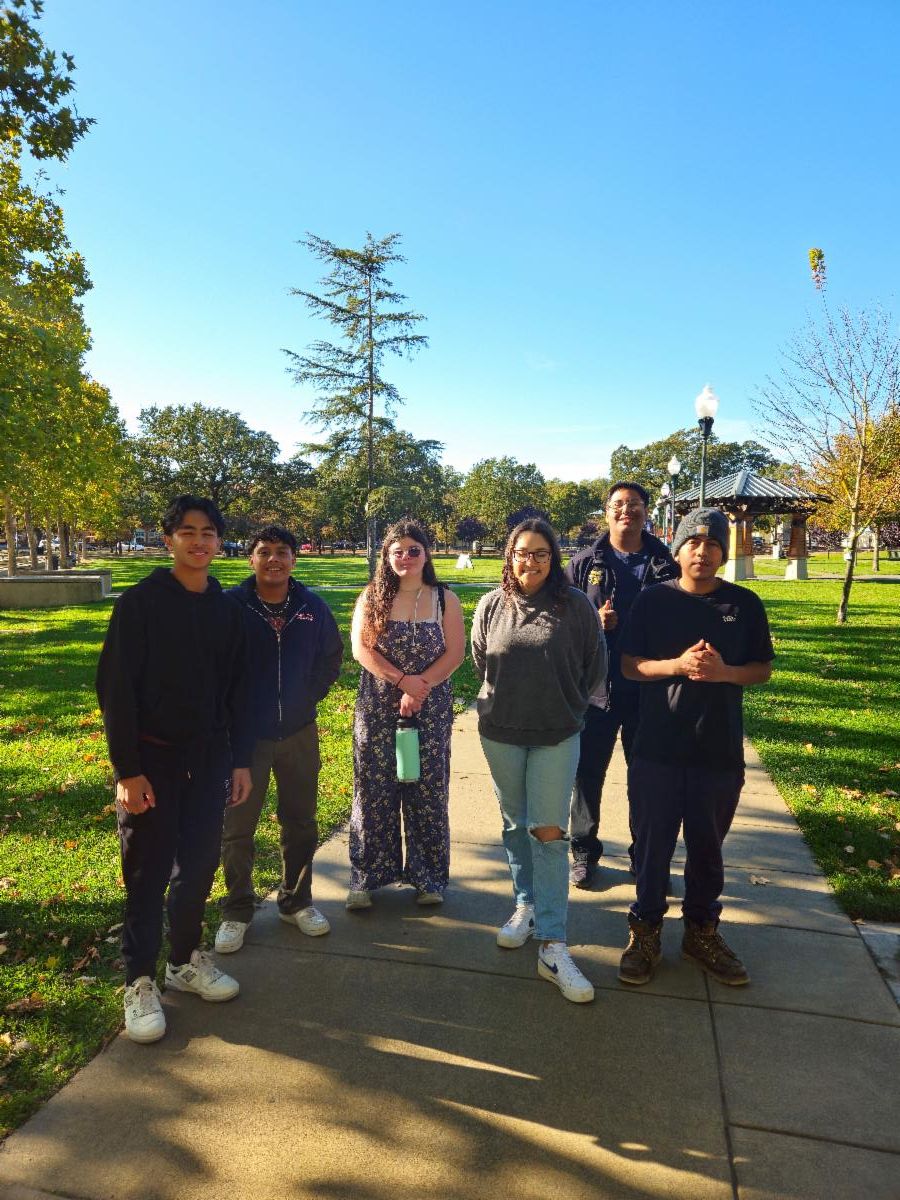
Students from Casa Grande High School, Windsor Big Picture Learning, and Amarosa Academy participated in our 2024-25 cohort. During our first meeting, five selected students completed a survey sharing their interests, potential career paths, and topics they wanted to explore for their final presentations. They were the drivers of each of our site visits, getting to explore topics from the equine industry to technology on farms.
The 2024 FARMS Advanced Program kicked off with a visit to the Sonoma County Department of Agriculture/Weights & Measures, where students learned how scales are regulated and explored pest management tools—including a one-ton calibration weight!
Next, at Emeritus Vineyards in Sebastopol, students saw how wildlife-friendly practices like owl boxes, native plants, and water-smart irrigation support vineyard sustainability and biodiversity. In March, the group visited the UC Davis Veterinary School, exploring careers in animal health, meeting a FARMS alum now attending UC Davis, and touring the campus.
April took students to Renewables in Santa Rosa to test-drive solar-powered, remote-controlled tractors—a hands-on look at the future of sustainable farming. The year wrapped with a visit to a local sheep farm, where students practiced shearing and learned about raising and breeding show lambs. At Tolay Regional Park, they lunched with a park ranger to explore careers in natural resource management.
Following their final field visit, students presented to an audience of friends, family, mentors, and RCD staff on a resource management issue that resonated with them, along with a proposed solution. They presented on topics including fossil fuel reductions in agriculture, aligning agricultural practices with weather patterns, and improving the genetics of dairy herds through artificial insemination. Each presentation reflected thoughtful research and a genuine passion for creating positive change. We were all inspired by their insights and reminded of the innovation and leadership this next generation brings to the table.
We are incredibly proud of these students and excited to support them in their next steps. Thank you to both Sonoma Ag + Open Space and the Sonoma County Farm Bureau for making this program possible. There is no charge for this program, which is made possible by the taxpayers of Sonoma County who fund the work of Ag + Open Space with a quarter-cent sales tax.
| | | | |
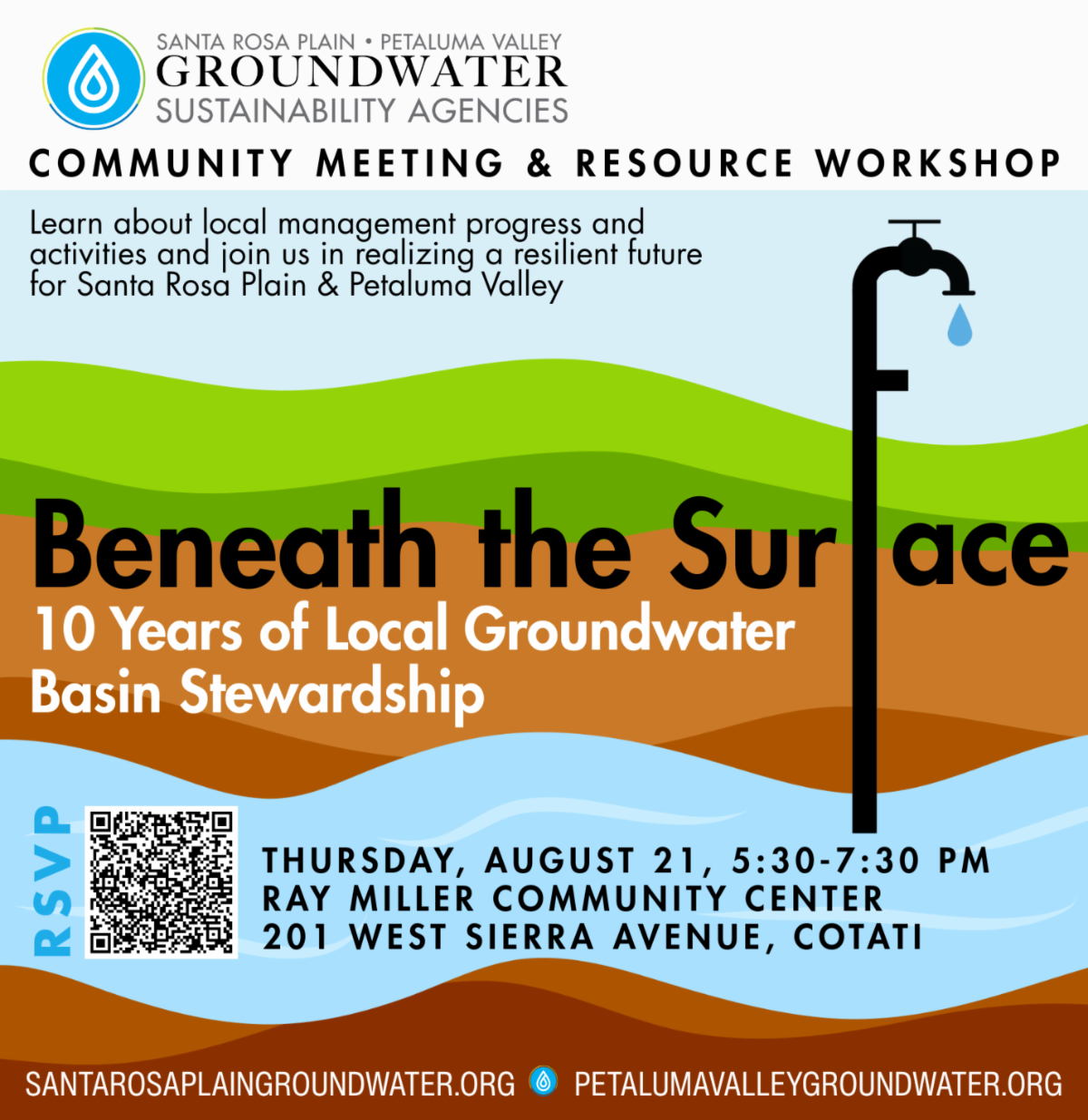
Community Meeting on Groundwater Resilience Set for August 21 in Cotati
On Thursday, August 21 from 5:30–7:30 PM, the Petaluma Valley and Santa Rosa Plain Groundwater Sustainability Agencies (GSAs) will be hosting Beneath the Surface: 10 Years of Groundwater Basin Stewardship, a public meeting and resource workshop in Cotati focused on groundwater resilience in Santa Rosa Plain and Petaluma Valley.
The event will reflect on the past decade of under California’s Sustainable Groundwater Management Act (SGMA). Local experts will share the progress made since the formation of our GSAs and highlight the valuable work underway to understand, protect, and strengthen our groundwater resources in the face of climate challenges.
The meeting will offer an opportunity for community members to ask questions and talk directly with GSA staff. During the workshop, several community-based organizations will be on hand offering practical strategies for groundwater users to implement on their own property to help support a sustainable groundwater future for our local area. We will also be there to table!
Presentations will be in English, with Spanish language interpretation and bilingual materials provided.
| | | | |
North Coast Emergency Food System Partnership - Producer Survey
The North Coast Emergency Food System Partnership is asking local food producers to take a survey to help strengthen our region's food systems and emergency response by sharing your input.
This project is focused on increasing local procurement in emergency feeding through market-based solutions. Locally produced food can play an important role in addressing food insecurity, both everyday and during disasters. The data collected will be used to find what sales into emergency food systems exist, identify funding sources, and find ways to increase sales opportunities, identify ways to streamline selling into emergency feeding (ex: MOUs, food safety trainings, etc.), and understand the impacts past disasters might have had on your agricultural business.
For questions about this survey, contact Karina Lundahl at klundahl@ucanr.edu.
| | | | |
Sonoma County Fair
Friday. Aug. 1st - Sun. Aug. 10th
Sonoma County Fairgrounds
$13-20
it's that time of year again, the Sonoma County Fair is just around the corner! A place for families to enjoy art, food, carnival rides, and livestock shows. Learn more about the local agriculture clubs like 4-H and FFA, while getting to see youth showcase the skills they have developed over the summer with their animals. Walk over to the still exhibits hall to see all of the welding, woodwork, crafts, and culinary entries that both youth and adults in our community have created.
New this year is the Farmers Day and Horse Play at the Chris Beck Arena on Friday August 1st at 6 pm. An evening full of fun, family friendly, and educational events. To learn more information and sign up for one of the compeittions follow the link below.
| | | | |
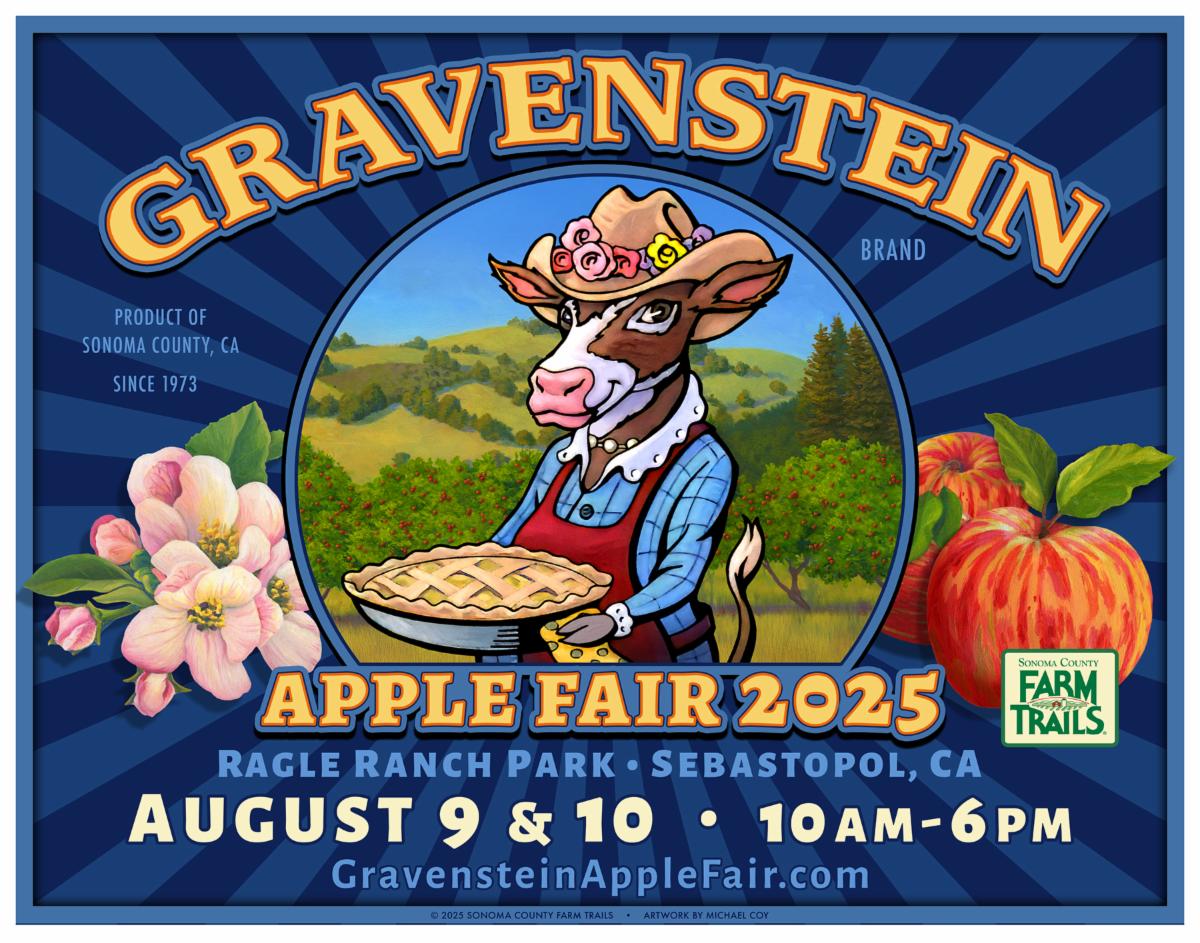
52nd Gravenstein Apple Fair
Sonoma County Farm Trails
Sat. Aug. 9th & Sun. Aug. 10th
10 am - 6 pm
This sweet, joyful event is the main fundraiser for Sonoma County Farm Trails, a nonprofit organization founded in 1973 to build relationships between our community and the farms that sustain us. The Gravenstein Apple Fair showcases all things apple, the best local food and drink, top regional music, ag-inspired fun for the whole family, exciting experiences connecting you to your neighborhood farmers and artisans, and much more!
Winner of the Bohemian’s “Best Festival – Sonoma County” Award for three years running, the Fair is also a leader in Zero Waste event production, having been awarded the prestigious Sonoma County Stars of the Industry Award for Environmental Stewardship and the first-ever Green Resolution for Events by Sonoma County Zero Waste.
Ticket prices increase the weekend of the Fair.
| | | | |
FREE Wildlife Safety & Preparedness Training
Farm Bureau Foundation of Sonoma County & Sonoma County Farm Bureau
Wed., August 20th
Spanish: 8 am - 12 pm
English: 1 pm - 5 pm
Free of charge, limit 50 attendees per course
Ag Access Passes are obtained from the Sonoma County Sheriff’s Office and provide property access in an evacuation zone during a wildfire event. The Pass is valid for 42 months, and each individual requesting access will be required to have a pass.
To obtain a Pass, the first step is to complete this certification course. Topics include fire line hazards, wildland personal protective equipment, entrapment avoidance, vegetation management, traffic patterns, and other essential fire topics. Attendee’s Full Registration Name must match personal identification card for Certificate to complete class certification process.
| | | | |
Our Wild Watershed: All About Native Oaks
Laguna de Santa Rosa Foundation & Master Gardeners
Thurs. August 21st
5:30 - 6:30 pm
Laguna Environmental Center
Sliding scale: $10-25
Join the Laguna de Santa Rosa and Master Gardener, April Lynch for an informational evening that focuses through all things related to native oaks! With ver 15 years of observations and photographs attendees will learn about chaparral, woodlands and forests. Learning how to identify native oak species by their acorns, leaves, and flower--even the tiniest ones that require magnification! For more information and to register follow the link below!
| | | | |
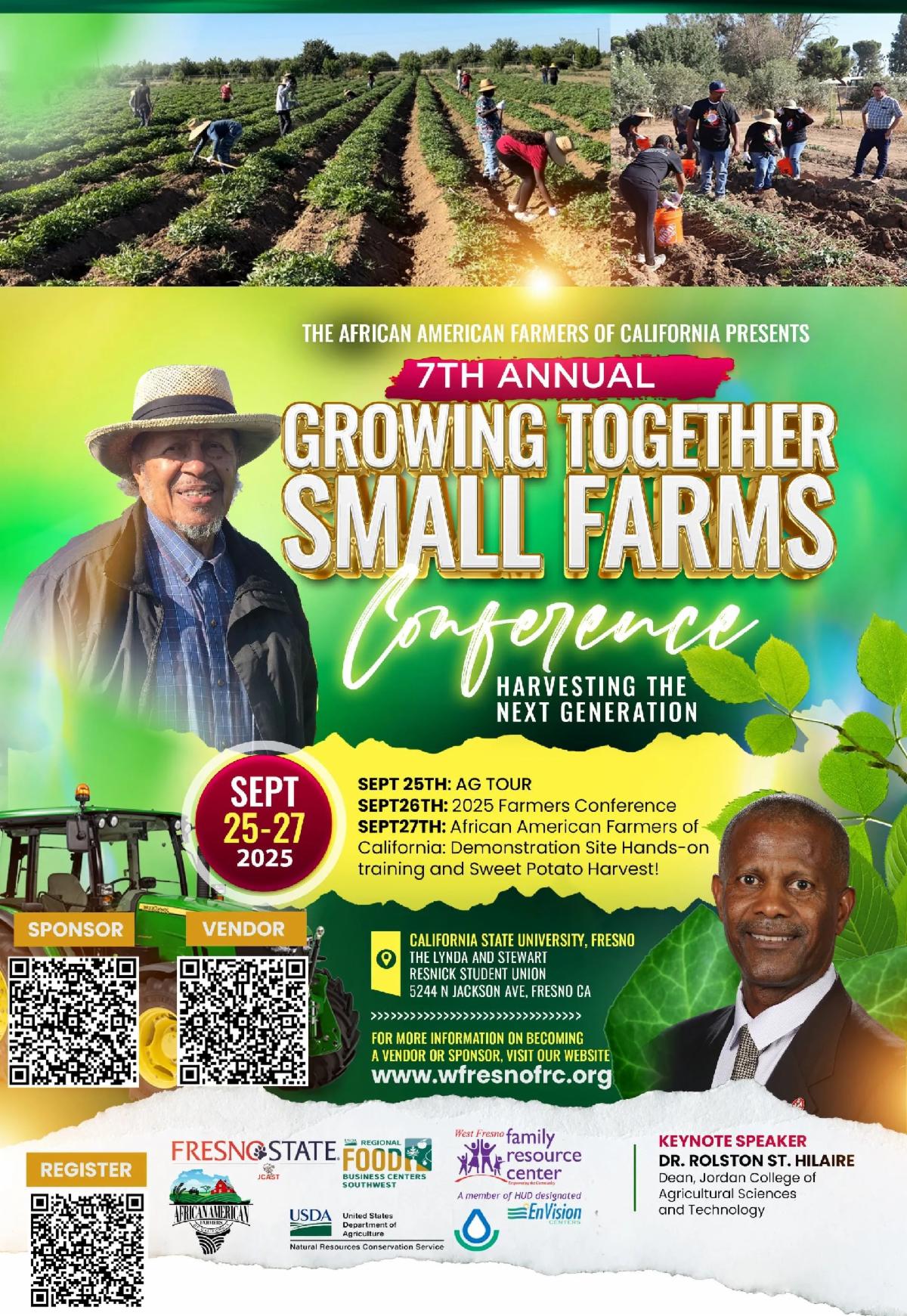
7th Annual Growing Together Small Farms Conference
African American Farmers of California
Sept. 25-27th
California State University, Fresno
Join the African American Farmers of California as they present the 7th Anual Growing Together Small Farms Conference. There will be an Ag Tour on Thurs. Sept. 25th, a Farmers Conference on Fri. Sept. 26th, and a Demonstration Site Hands-on training and Sweet Potato Harvest on Sat. Sept. 27th. The California Association of Resource Conservation Districts will present on Friday during a session titled, "Connecting Farmers to Resources: Soil, Water, and Financial Assistance Through RCDs and TA Providers."
| |
Conservation at Work with LandSmart®
| | | | |