|
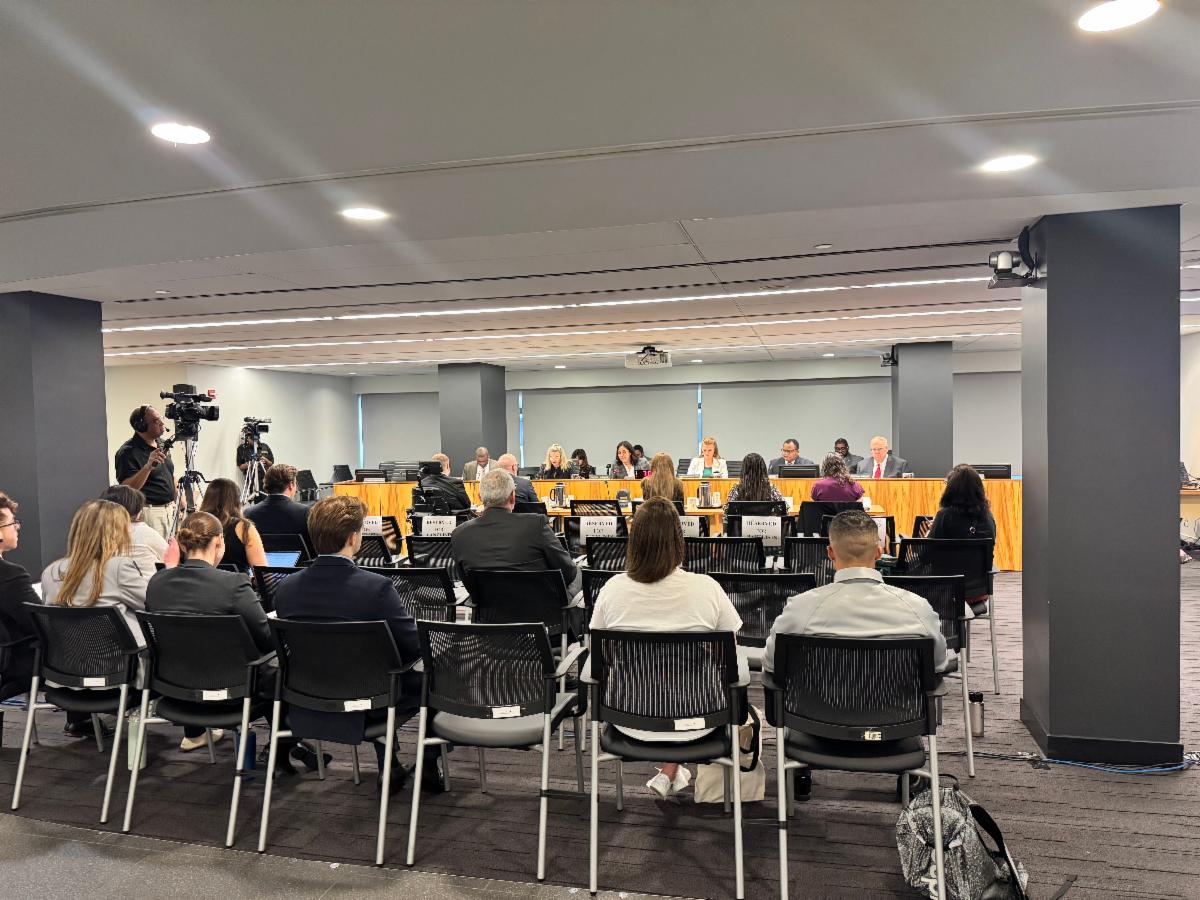
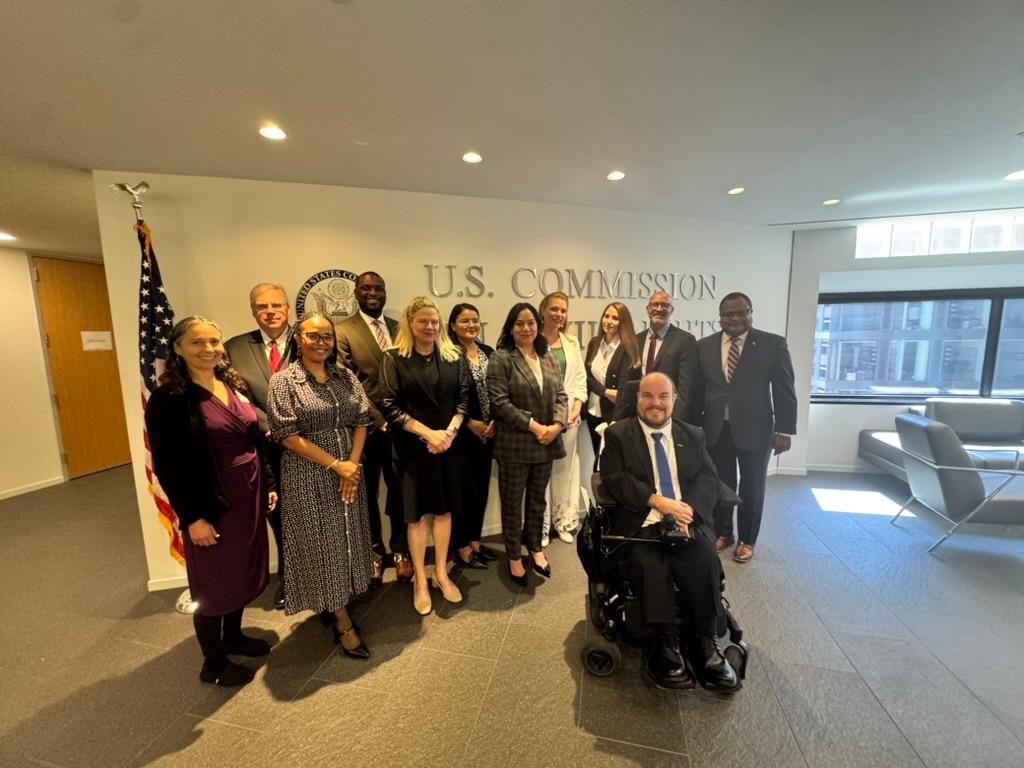
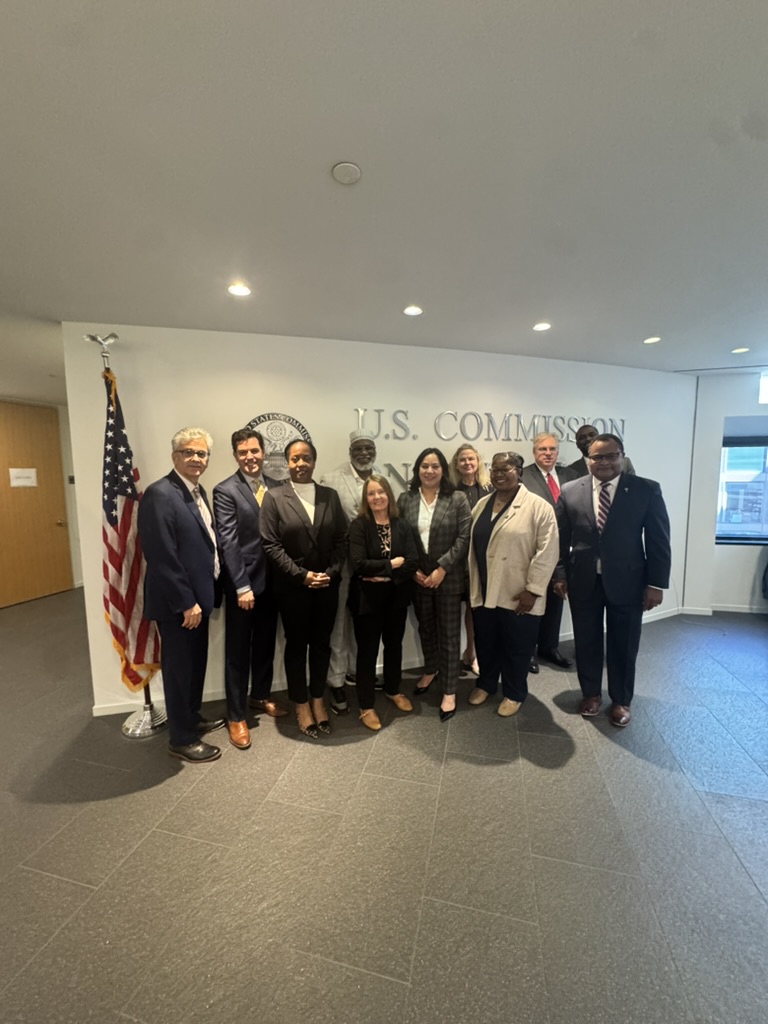
On Friday, June 12, 2026, the U.S. Commission on Civil Rights held a briefing to investigate mental health care and consequences in juvenile justice facilities.
Many youth in juvenile justice facilities have mental health needs that may go unidentified, untreated, or inadequately treated during confinement. Inadequate mental health care, coupled with abuse and violence in some youth facilities, can create an unsafe environment for children and adolescents sentenced to serve time in residential facilities.
“Children should not enter the justice system for a minor mistake and be subject to deeper trauma, lifelong system involvement, or zero chance to come home,” said Chair Rochelle M. Garza. “If rehabilitation is the goal, mental health care must be prioritized and fully accessible.”
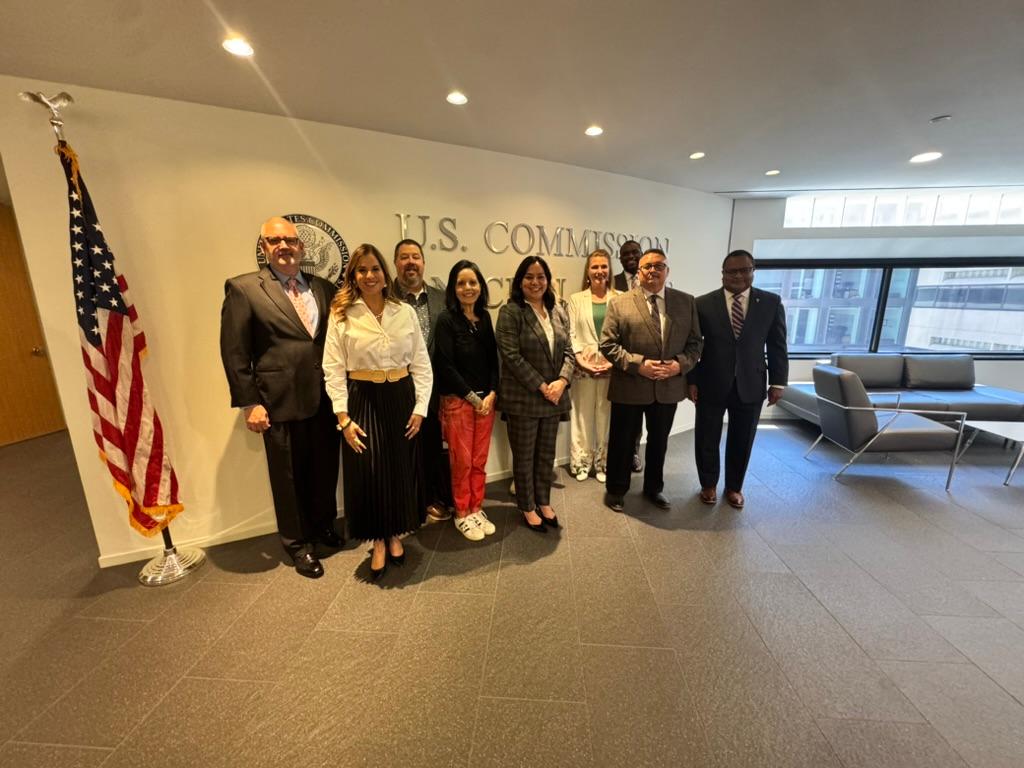
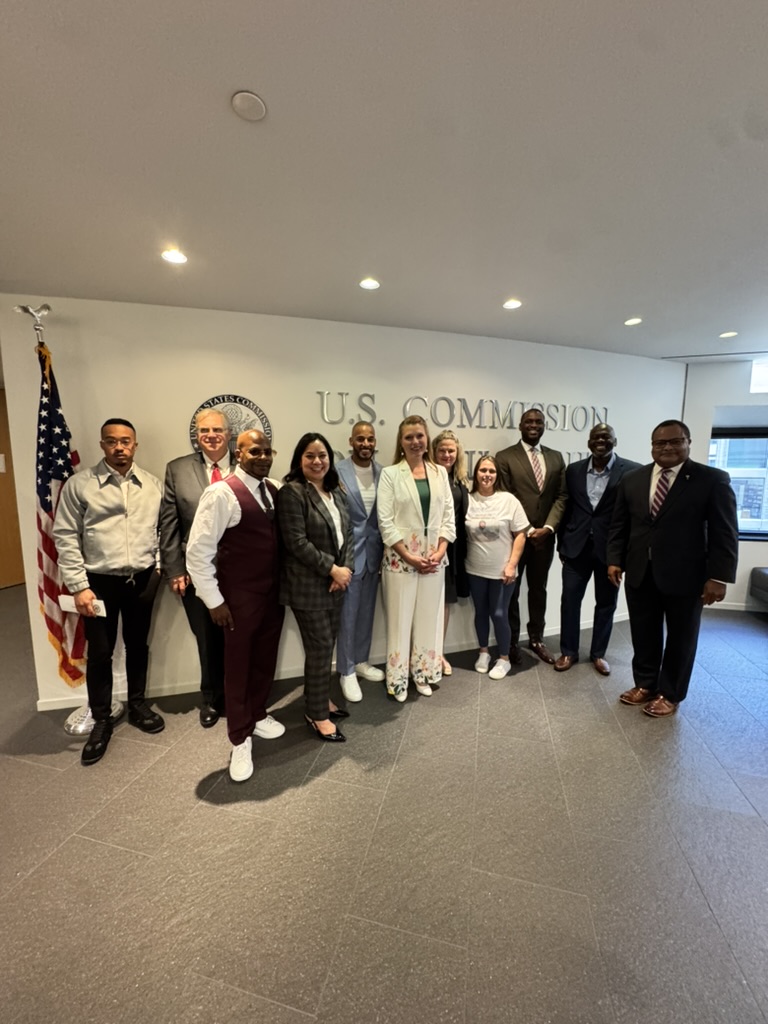
At this public briefing, the Commission heard eye opening testimony from subject matter experts, such as federal and state government officials, community advocates, and impacted persons who have lived and worked in juvenile facilities.
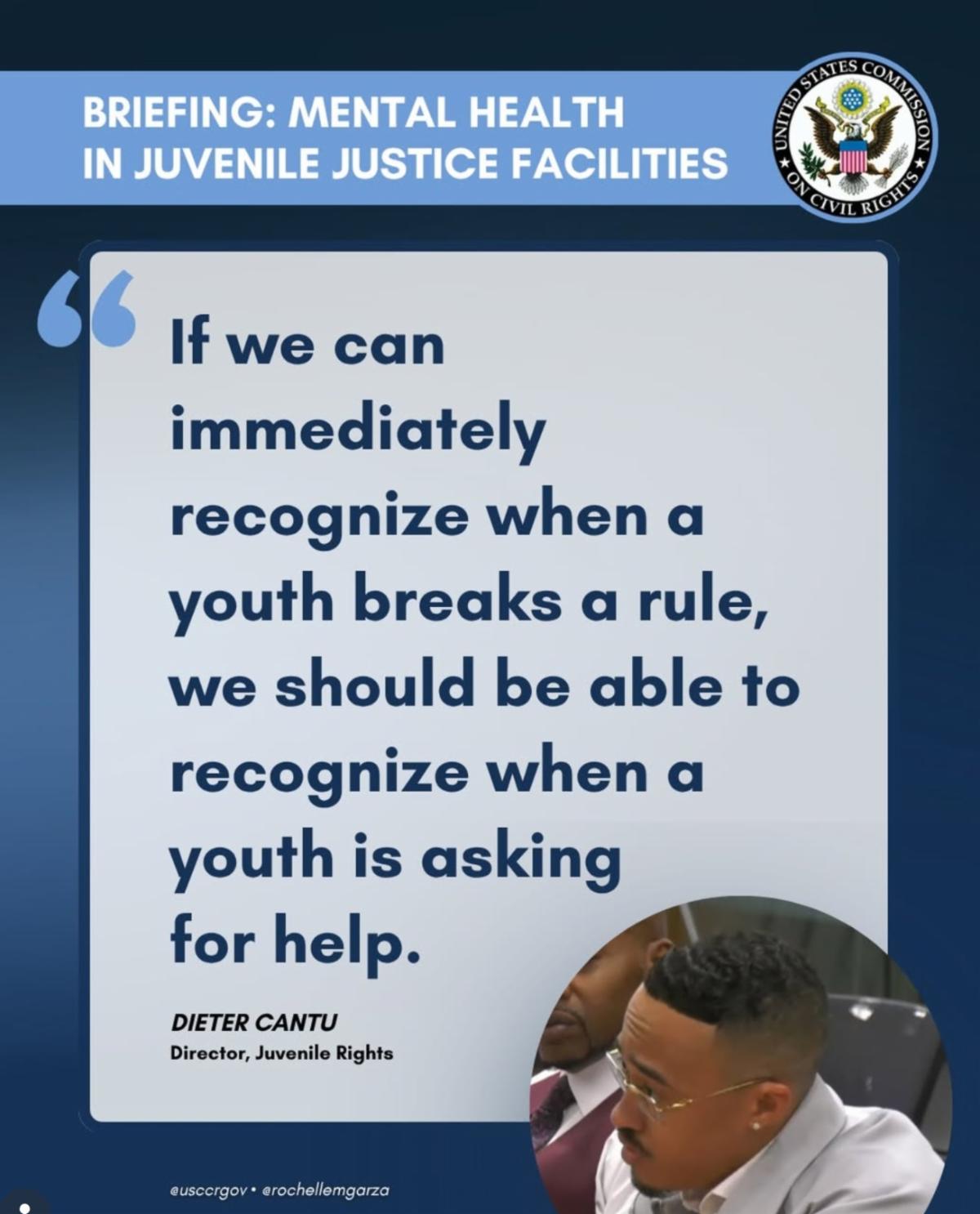
Dieter Cantu, Director of Juvenile Rights, bravely shared his personal experience during his time in the child welfare system as a youth and incarceration during his teenage years and early adulthood. "If we can immediately recognize when a youth breaks a rule, we should be able to recognize when a youth is asking for help," said Cantu.
|