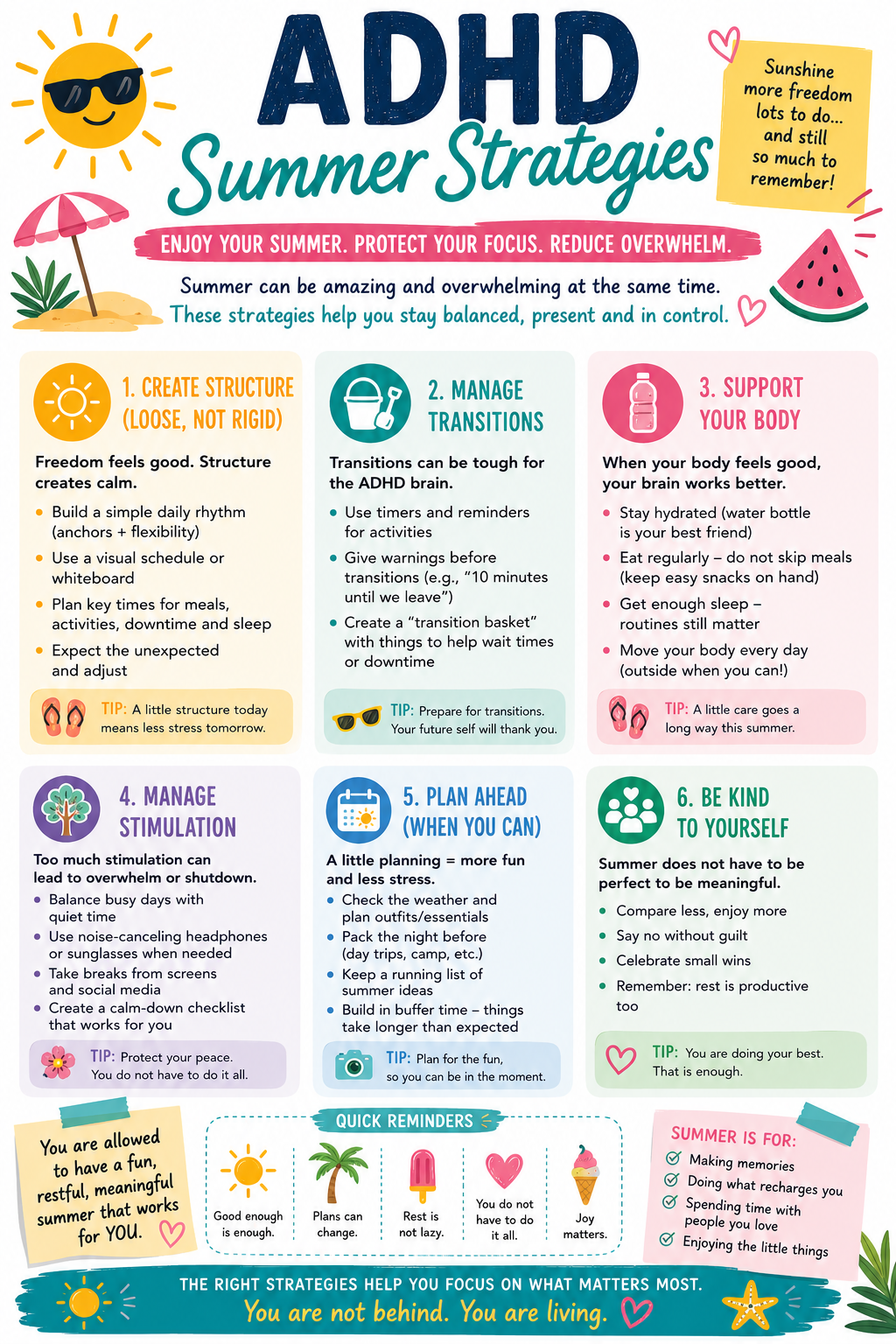
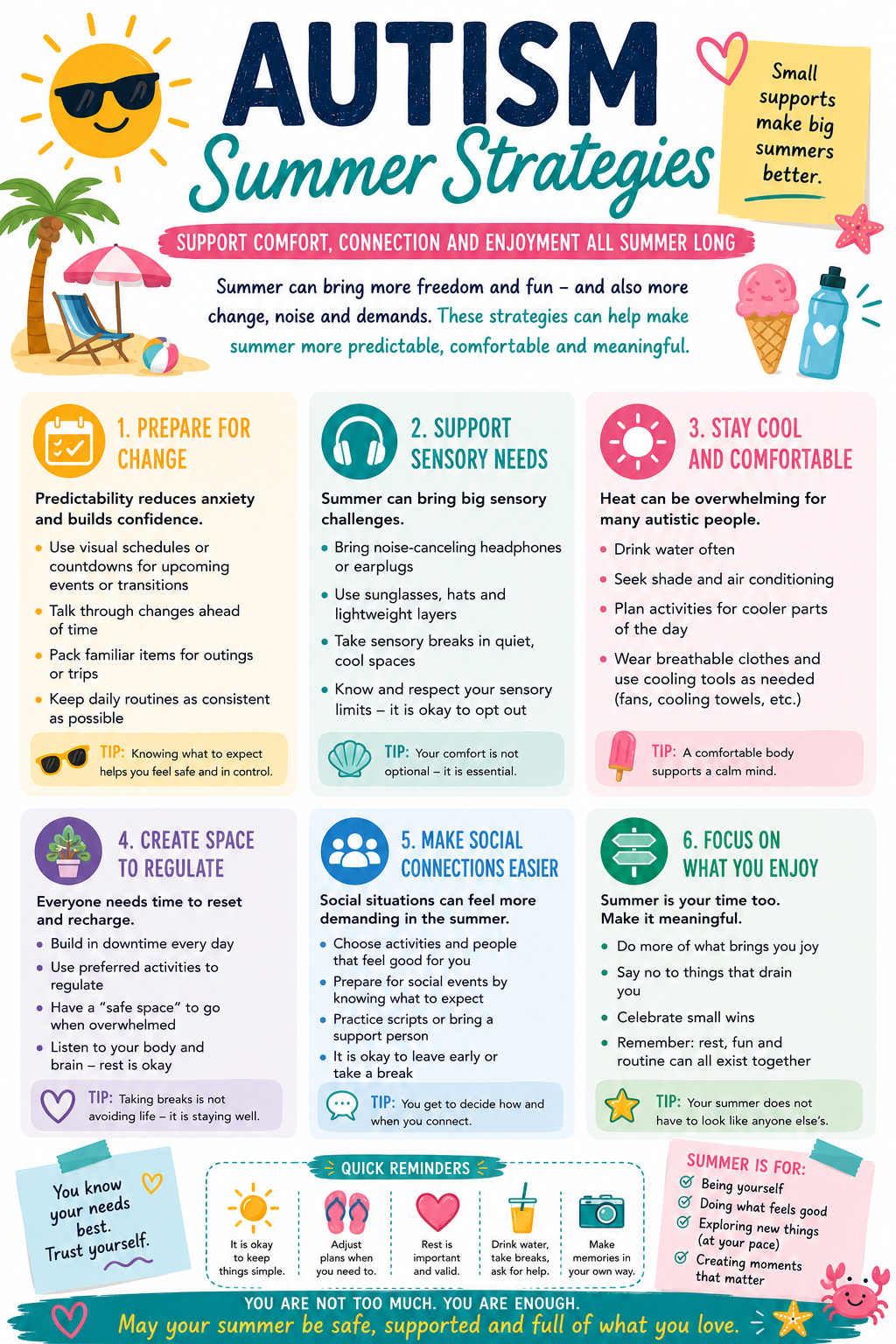
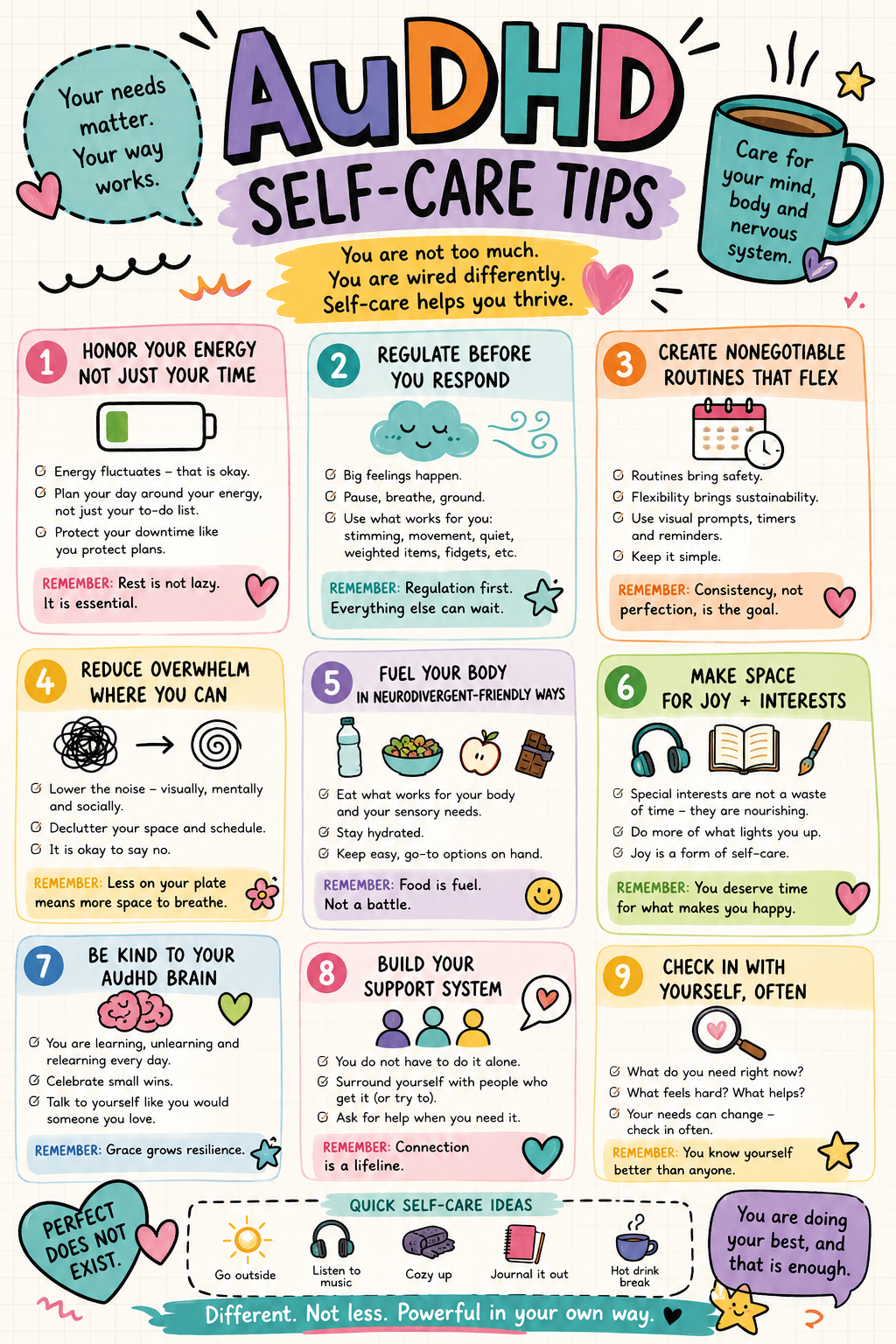
Welcome to the July edition of Neurodiversity News. This month, we are sharing articles, events, and resources that explore ADHD, autism, summer routines, time management, assessment support, and community care. Our goal is to keep building understanding, sharing practical tools, and supporting the individuals and families we serve. | | |
The Invisible Disability of ADHD
Naïma Laraki, M.Sc., CPCC, PCC, MCAC
“Time is the ultimate yet nearly invisible disability afflicting those with ADHD.” — Dr. Russell Barkley
Among all the challenges associated with ADHD, few are as misunderstood and yet as impactful as difficulty perceiving and managing time. While ADHD is often associated with inattention, impulsivity, and hyperactivity, one of its most significant challenges is what Dr. Russell Barkley calls time blindness.
What is Time Blindness?
Most people have an internal clock that allows them to intuitively sense the passage of time. Individuals with ADHD often experience time differently. Their brains are strongly focused on the present moment, making it difficult to estimate time, plan ahead, and anticipate future consequences.
This may result in:
- Frequently being late despite good intentions;
- Underestimating how long tasks will take;
- Difficulty planning and prioritizing;
- Chronic procrastination; and
- Feeling constantly overwhelmed.
When Time Management Becomes Procrastination
In my coaching practice, whenever clients talk about time management, they are often talking about procrastination. ADHD is fundamentally linked to motivation. The ADHD brain is activated by interest, novelty, challenge, urgency, and passion. Tasks that are boring, repetitive, complex, or unclear often fail to generate sufficient motivation to get started.
Why So Many ADHD Clients Live in the “Urgent and Important” Quadrant
When clients use the Eisenhower Matrix, many discover that a large portion of their responsibilities fall into the “Urgent and Important” category. Tasks become urgent because they were postponed until deadlines became unavoidable. Urgency often becomes the primary source of motivation.
Analyzing the Nature of the Task
Once tasks are categorized, it is important to evaluate their characteristics:
- Is the task boring?
- Is it complex?
- Is it vague or unclear?
The more ambiguous a task is, the more likely procrastination will occur. Breaking tasks into small, concrete first steps can dramatically improve follow-through.
The Time Estimation Trap
Many individuals with ADHD consistently underestimate how long tasks will take. A practical strategy is to automatically double the estimated time required. This creates more realistic schedules and reduces stress and frustration.
Delegation: An Underused Strategy
Not every task must be completed personally. Some tasks can be delegated, automated, simplified, or eliminated. Asking “Am I truly the right person to do this task?” can save significant time and energy.
The Power of the Master List
The ADHD brain is excellent at generating ideas but less effective at storing and tracking them. A Master List serves as a trusted external system where projects, tasks, ideas, and follow-ups can be captured, reducing mental overload.
From the Master List to the Calendar
A task on a list does not yet exist in time. To increase the likelihood of completion:
- Identify priorities;
- Schedule specific time blocks in the calendar; and
- Use colour coding to visualize commitments and balance.
Time Management Is Really Energy Management
Many people with ADHD believe they have a discipline problem. More often, they are facing challenges related to attention regulation, motivation, executive functioning, and energy management. Effective strategies must support how the ADHD brain works.
Conclusion
Time blindness is one of the most significant invisible disabilities associated with ADHD. However, with appropriate tools such as the Eisenhower Matrix, Master Lists, realistic time estimation, delegation, and structured scheduling, individuals with ADHD can build systems that allow them to thrive.
When time becomes visible, manageable, and intentional, one of ADHD’s greatest challenges can become one of its greatest opportunities for growth.
| | |
GOOOAAAL!: Lessons from Sports on how to Create Neurodiverse Game Plans
Andrea Dasilva, M Ed. RCC
For the first time, us Canadians are hosting the FIFA World Cup football series! Massive levels of excitement and eagerness can practically be felt in the air at stadiums and around practice fields. The athletes and their fans are not the only ones to enjoy and benefit from the energy vibrating at sporting events: neurodiverse brains get a kick out of all this, too!
Warming Up
Dopamine levels in the ADHD brain tend to be at low levels which interferes with various executive functions. Fortunately, effective stimulant medications are available to assist with these challenges. In addition to the chemicals in medications, engaging in physical activity also can heighten dopamine levels! In a safe space and with appropriate intensity, moving our bodies can translate physical activity into a form of symptom management. The structure involved in sporting events – as well as the cognitive control and coordination – can improve focus and reduce impulsivity. The ADHD brain can be trained to slow down, make strategic decisions, and concentrate.
Using up all of this energy can be exhausting – which is awesome! Sleep difficulties (falling or staying asleep, non-restorative sleep) are frequently experienced by people with ADHD. As the body and mind burn off excess energy while engaging in physical activity, this could help to promote deeper, more restful sleep and improve the circadian rhythm in your body.
I to Us
Discouraging feelings of isolation and loneliness often accompany those of us who are neurodiverse: not fitting in to societal norms and functioning differently sets us apart from the status quo. Experiencing the world in unique ways carries the potential of broadening horizons and creating new perspectives; it can also weigh down our self-esteem. Interacting or communicating with others can seem intimidating when we do not share much in common with them or when the environment is overly stimulating.
Becoming part of a team could reverse these predicaments by providing structured, predictable settings in which people feel connected through shared goals (pardon the pun), rather than relying on unspoken social cues. This reduces cognitive and emotional load. At the same time that diverse needs are met, joining a team might also help to form meaningful relationships and a sense of belonging – belonging to a community with similar values and that appreciates contributions. Engaging with others who are on the same team fosters a sense of compatibility and resilience. Teammates can encourage, relate to, and advocate for each other! (A quick Google search can lead you to find neurodiverse teams and clubs in your area that are of interest to you!)
Time Out!
Emotional regulation and impulsivity are often challenges for individuals who identify as neurodiverse. Whether in the form of meltdowns, shut downs, or burnout, these intense reactions to overwhelming situations can be unsettling. Conversely, when emotions bubble up and are masked over in order to appear “normal” or “like everyone else”, this can also lead to all-out exhaustion.
In sports, a time out is often called for – especially when a team needs to regroup to redirect players, strategies, or the overall game plan. Maybe a different approach would be more effective. We can do likewise! When we get the sense that our emotions are running high or we feel like walls are closing in around us, we can pause and call for a time out within ourselves. Whether it be for 30 seconds or three minutes, we can use different strategies that we know are effective to help us ground ourselves in this moment. In this reality rather than where unpredictable thoughts and emotions can lead us. Perhaps it takes the form of breathing out, jumping up and down, crunching on ice, splashing ice water on our face, naming the objects around us, or dancing to the beat of our own drum, it is likely that our mind and our body will thank us for giving it time to reset.
Create Your Own Motivation Playbook
Not knowing exactly what needs to be done, where and how to do it in just the right way can seem like daunting expectations to neurodiverse people. Rejection sensitivity and perfectionist tendencies blur lines for many people with ADHD and autism. Again, sports can provide a way to tackle these matters.
The clear rules, routines, structure, and expectations provided in sports can set firm foundations and direction. Again: we can do likewise! We can take the time to write out our own playbooks: creating a structured agenda of what needs to be done at what time, where, and in what way with reminders and accommodations can help us prepare for events before they happen thereby increasing the likelihood of their completion.
Playing the Game
Sporting matches usually last for about 90 minutes: during that time athletes play the game and intermittently goals are scored. Bells and whistles ring out and the crowd cheers. Back to playing the game. Life is kind of like this, too…
It takes time and effort for us to achieve ultimate goals. Encouragement, motivation, and patience might dwindle away while we wait unspecified lengths of time so that we can reap the fruits of our labours and celebrate accomplishments. What if we celebrated smaller goals along the way? Think about it: setting out smaller goals leading up to the ultimate one means honouring mini successes more often. Acknowledging our efforts as we move toward major goals. Recognizing the values underlying those goals: values that do not diminish once we complete the task. We can enjoy the process, not just wait for the outcome; said differently, we can choose to play the game with passion – rather than just passively wait for goals to be scored. Game, set, and match.
| | SUMMER IS NOT ALWAYS EASIER | | |
Summer Is Not Always Easier:
Why ADHD and Autism Can Feel Different When the Routine Disappears
For many people, summer represents freedom—longer days, vacations, fewer commitments, and a chance to relax. But for many individuals with ADHD and autism, summer can bring an entirely different set of challenges.
One of the greatest strengths of routine is that it reduces the number of decisions we have to make each day. School schedules, work routines, regular meal times, and familiar activities create structure that supports executive functioning. When that structure suddenly disappears, the brain has to work much harder.
For individuals with ADHD, this often means increased difficulty with planning, time management, motivation, sleep schedules, and task initiation. Days can quickly become unstructured, leading to procrastination, boredom, and the frustrating feeling of wondering where the time went.
For autistic individuals, summer may introduce a different set of challenges. Changes in routine, unfamiliar environments, travel, crowded attractions, louder events, and increased heat can all contribute to sensory overload and anxiety. Even enjoyable activities may require far more energy than others realize.
Parents often notice changes as well. Children who thrive during the predictable school year may suddenly struggle with emotional regulation, transitions, or maintaining daily routines during summer break. This is not because they are "being difficult"—it is because the supports that helped them succeed have changed.
Small Changes Can Make a Big Difference
Summer does not need to be rigid, but a little structure can go a long way.
Consider:
- Keeping consistent wake-up and bedtime routines.
- Maintaining regular meals and hydration.
- Creating a loose daily schedule rather than planning every hour.
- Scheduling downtime after busy outings or vacations.
- Using visual calendars, reminders, or checklists.
- Planning sensory breaks during crowded or stimulating activities.
- Giving yourself permission to say "no" to events that feel overwhelming.
Redefining a "Good" Summer
Social media often paints summer as a season filled with constant adventures and packed calendars. In reality, a successful summer does not have to look busy.
For many neurodivergent individuals, the best summer may include quiet mornings, familiar routines, favourite hobbies, time outdoors, meaningful connections, and plenty of opportunities to recharge.
Rest is productive.
Predictability is supportive.
Choosing activities that fit your nervous system—not someone else's expectations—is not missing out. It is practicing self-awareness.
As you head into the warmer months, remember that there is no "right" way to enjoy summer. Whether your summer is filled with travel or afternoons in the backyard, the goal is not to do more—it is to create an environment where you can thrive.
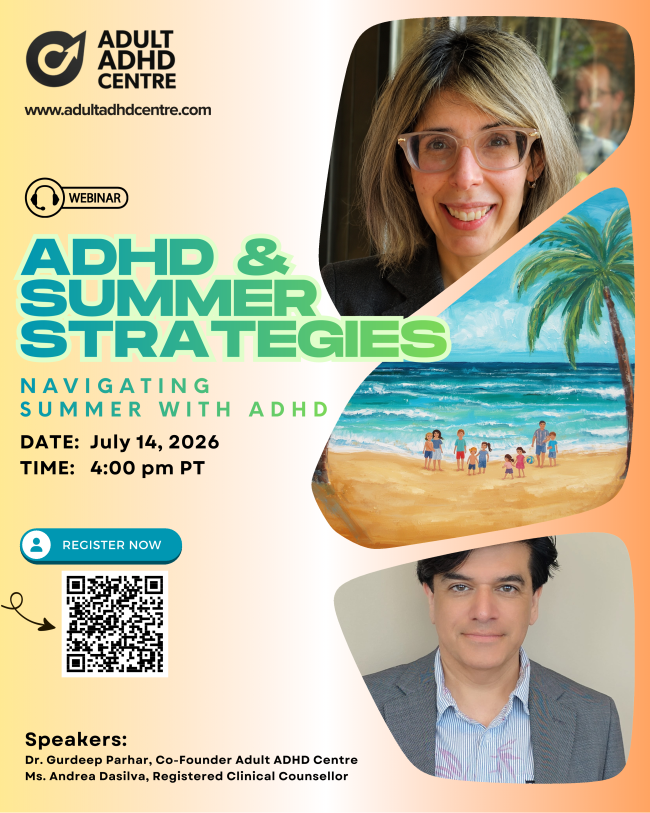
Join our upcoming webinar on July 14 to learn more about ADHD & Summer Strategies.
Click here to register for our July 14, 2026 live webinar.
| | AuDHD: WHEN ADHD AND AUTISM COEXIST | | |
AuDHD: When ADHD and Autism Coexist
Why So Many Adults Are Finally Finding Answers
"I've always felt like I had one foot on the gas and one on the brake."
If you have spent any time in neurodiversity communities recently, you have probably come across the term AuDHD.
For many adults, especially those diagnosed later in life, discovering AuDHD can feel like finding the final missing piece of a puzzle that never quite fit together.
So, what exactly is AuDHD, and why is everyone talking about it?
What Is AuDHD?
AuDHD is a term used to describe someone who has both Autism Spectrum Disorder (ASD) and Attention-Deficit/Hyperactivity Disorder (ADHD).
Although it is not an official medical diagnosis, it recognizes that living with both conditions creates a unique experience that is not fully explained by autism or ADHD alone.
Interestingly, until 2013, clinicians generally could not diagnose someone with both autism and ADHD at the same time. With the publication of DSM-5, that changed, opening the door for many adults to finally receive a more complete understanding of themselves. (Child Mind Institute)
The Internal Tug-of-War
One of the reasons AuDHD can be confusing is that the two conditions sometimes seem to pull in opposite directions.
An adult with AuDHD may:
- Crave routine but become bored by it.
- Need structure but struggle to maintain it.
- Love spontaneous adventures while feeling anxious about unexpected change.
- Want social connection yet become exhausted by social interaction.
- Hyperfocus for hours while simultaneously forgetting basic daily tasks.
Many people describe it as living with two different operating systems running at the same time.
"Why Do I Feel So Contradictory?"
Adults often wonder why they experience seemingly opposite behaviours.
For example:
The ADHD brain says:
"Let's try something new!"
The autistic brain says:
"Absolutely not. I liked yesterday."
Or...
The ADHD brain:
"Let's start five new hobbies."
The autistic brain:
"Please finish the first one before changing anything."
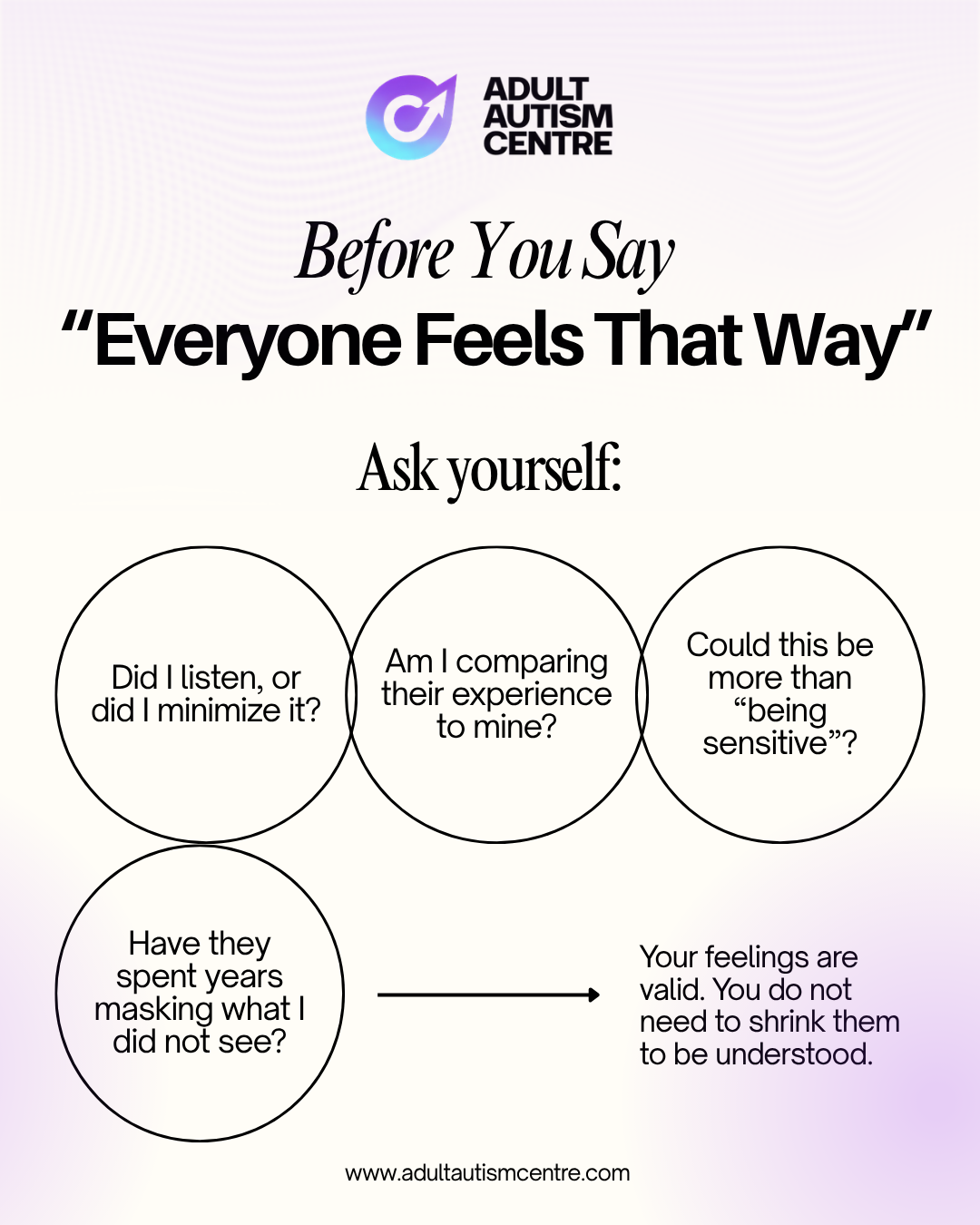
Neither side is "wrong."
They are simply reflecting different neurological needs.
Common Signs Adults Describe
While everyone's experience is unique, adults with AuDHD frequently report:
- Difficulty starting tasks—even ones they enjoy.
- Strong interests that change over time.
- Sensory sensitivities to noise, lights, textures, or smells.
- Emotional intensity.
- Chronic exhaustion from masking.
- Difficulty switching between tasks.
- Forgetting routines they actually enjoy.
- Feeling "too much" and "not enough" at the same time.
Many adults spend years wondering why no single diagnosis ever seemed to explain everything.
Executive Function Gets Complicated
Both autism and ADHD affect executive functioning, but often in different ways.
Someone with AuDHD might:
- Need a detailed plan before beginning.
- Then become distracted halfway through.
- Hyperfocus for several hours.
- Forget to eat.
- Feel overwhelmed by changing priorities.
- Struggle to stop once they are engaged.
It is not laziness.
It is a brain trying to manage competing demands.
Why Burnout Is So Common
Many adults with AuDHD have spent decades trying to appear "normal."
They may suppress stimming, rehearse conversations, force eye contact, hide sensory discomfort, or push through overwhelming environments.
Eventually, the effort catches up.
Burnout can look like:
- Extreme fatigue
- Reduced concentration
- Increased sensory sensitivity
- Emotional overwhelm
- Needing significantly more recovery time
- Feeling like previously manageable tasks have become impossible
Recognizing burnout is not a sign of weakness—it can be an important signal that the brain needs recovery rather than more effort.
Strengths Often Overlooked
Conversations about AuDHD should not focus only on challenges.
Many adults also describe strengths such as:
- Deep curiosity
- Creative problem-solving
- Exceptional pattern recognition
- Intense loyalty
- Innovative thinking
- Passion for learning
- Attention to detail
- Strong sense of justice
- Ability to think outside conventional frameworks
When supported appropriately, these strengths often become significant personal and professional assets.
What Helps?
There is no single approach that works for everyone, but many adults benefit from:
- Understanding both diagnoses rather than trying to "choose one."
- Building routines that allow flexibility.
- Using external supports such as calendars, reminders, timers, and AI assistants.
- Reducing unnecessary masking.
- Creating sensory-friendly environments.
- Working with clinicians familiar with both ADHD and autism.
- Practicing self-compassion instead of self-criticism.
Final Thoughts
For many adults, learning about AuDHD is not about collecting another label. It is about finally understanding why life has often felt so complicated. When we recognize that ADHD and autism can coexist, we stop asking, "What's wrong with me?", and we begin asking, "What does my brain need to thrive?". That shift—from self-judgment to self-understanding—can be life-changing.
| | | |
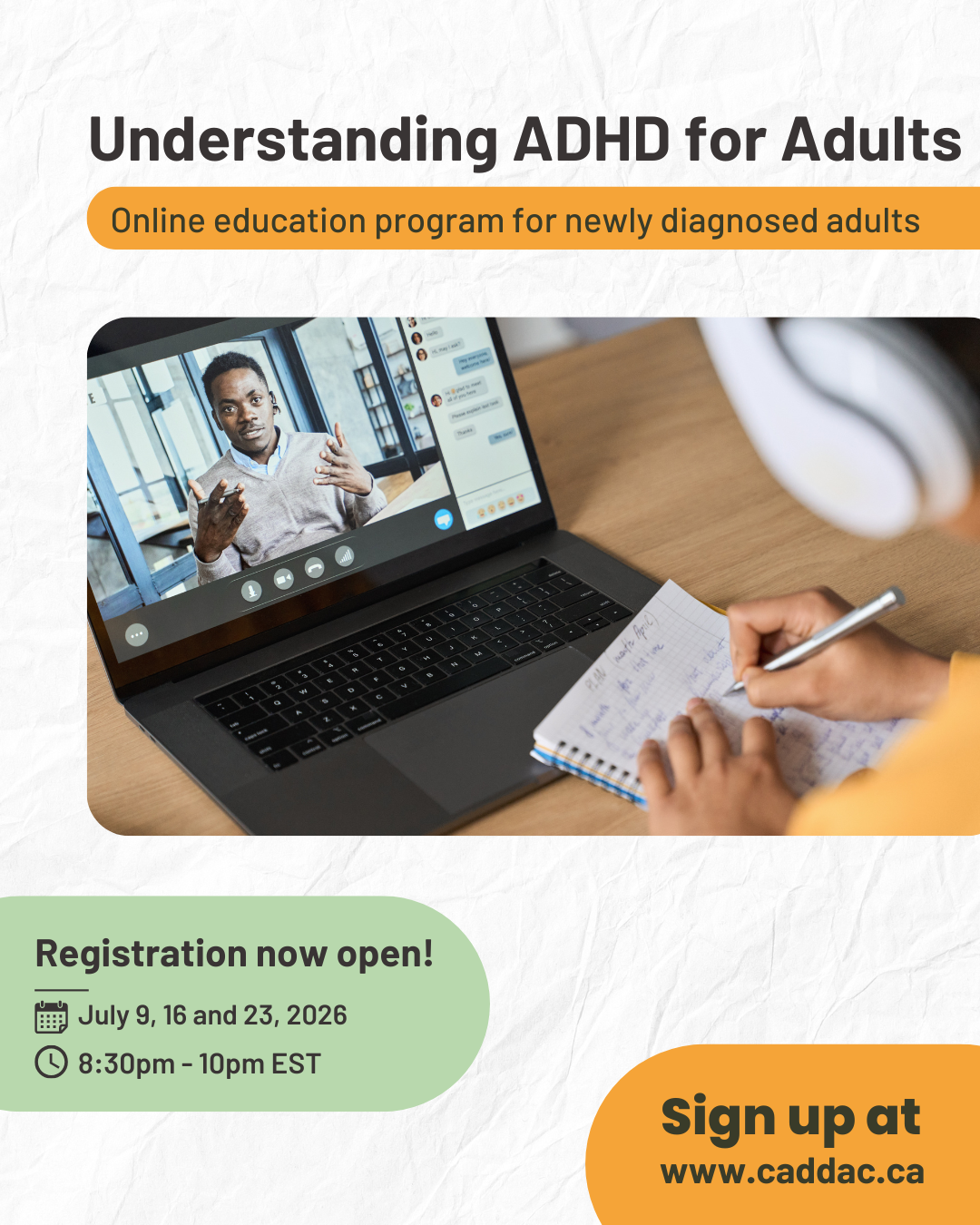
Join us to unravel the complexities of adult ADHD in an interactive, supportive, and collaborative environment.
After this program, you should be able to:
- Understand the wide range of adult ADHD symptoms.
- Become aware of how ADHD can impact various aspects of life.
- Take proactive steps to explore non-medication approaches to managing ADHD.
- Identify how ADHD medications work and how they can improve daily functioning.
- Access resources that can bring positive changes to lives of people with ADHD
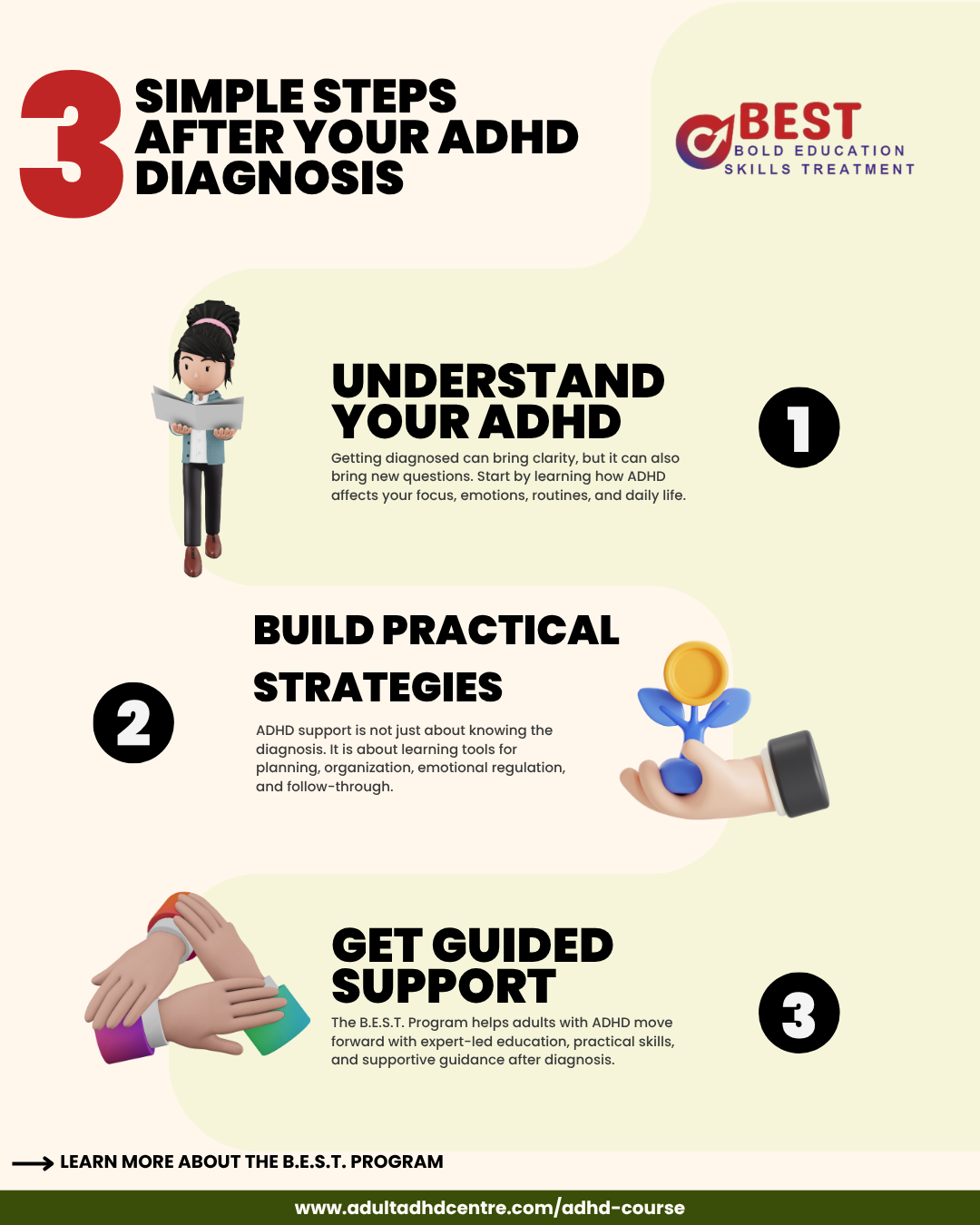
This program is designed for those who are newly diagnosed and are embarking on a personal journey of self-discovery.
| |
Are you struggling to understand and navigate your child’s new ADHD diagnosis? Do you feel overwhelmed with all the information and unsure what to believe? This three-week introductory program will help you learn what ADHD actually is, and how it can affect your child at home and school. The course aims to teach parents and caregivers the basics of ADHD and strategies to help manage adverse symptoms.
This 3-week program is meant to be a first step for parents with a newly diagnosed child or for those whose child has been flagged for possible ADHD at school. It will explain the basics of the condition, along with how it may be showing up at home and school. It will provide parents with an opportunity to gain a better understanding of their child, as well as opportunities to share their experiences with other parents.
| |
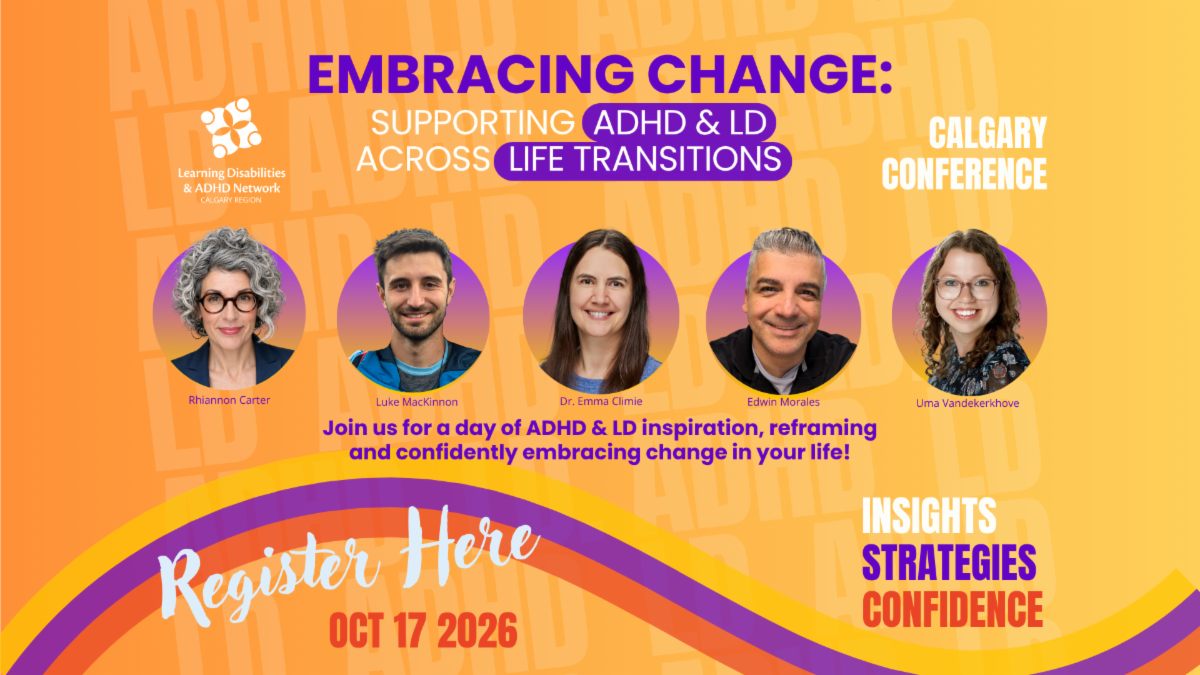
Change is all around us and while we cannot anticipate everything that might come at us, there are transitions from one stage of life to another that we all recognize as foundational milestones across our lifespan.
When ADHD and LD are part of that evolution, the timelines and supports might be different, but the transitions, passions, and hopes are the same.
Join us for a full day of engaging expert speakers focusing on insights, best practices and real empowerment for adults and partners, parents and caregivers, educators, colleagues and anyone interested in the LD and ADHD world.
Register today for ADHD & LD insights, reframing and embracing change confidently!
| | |
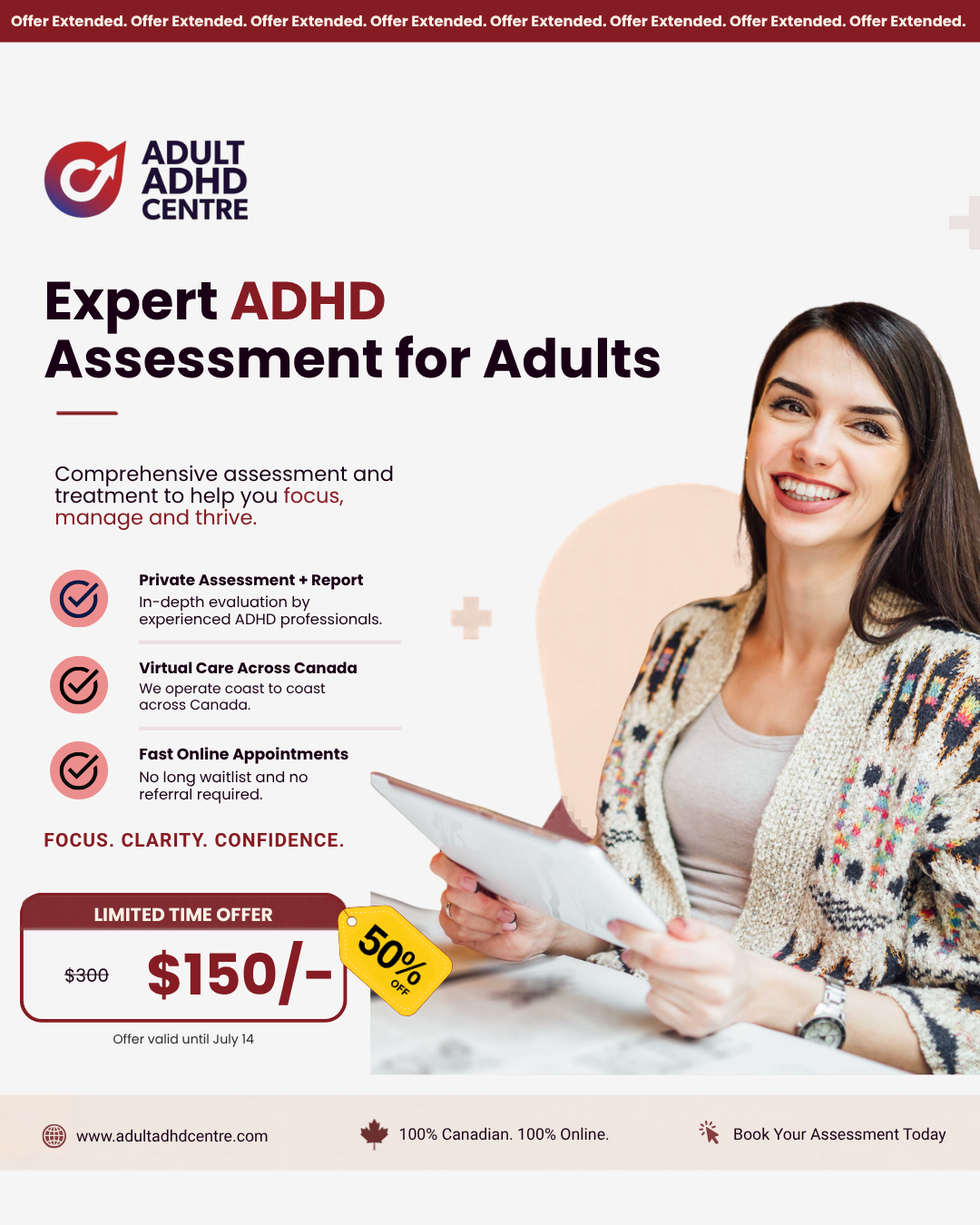
Save 50% on private adult ADHD assessments. (Offer Ends July 14)
The $150 limited promotional price has been extended for a limited time.
Adult ADHD Centre is offering private adult ADHD assessments for only $150, regularly $300.
Your assessment includes:
- Personalized adult ADHD assessment
- Online appointments across Canada
- Fast appointment availability
- No long waitlist
- No referral required
- Clear next steps and support recommendations
Have questions? Email us at adhd@adultadhdcentre.com.
| | B.E.S.T. MEMBERSHIP PROGRAM | | |
What role do genetics play in autism?
While there is no single "autism gene," research continues to uncover the complex genetic factors that contribute to autism spectrum disorder. Join us to explore what current science tells us about the genetics of autism, inheritance patterns, genetic testing, and what these findings mean for individuals, families, and healthcare providers.
WEBINAR DETAILS:
Tues., July 7, 2026
4pm PT | 7pm EDT
| |
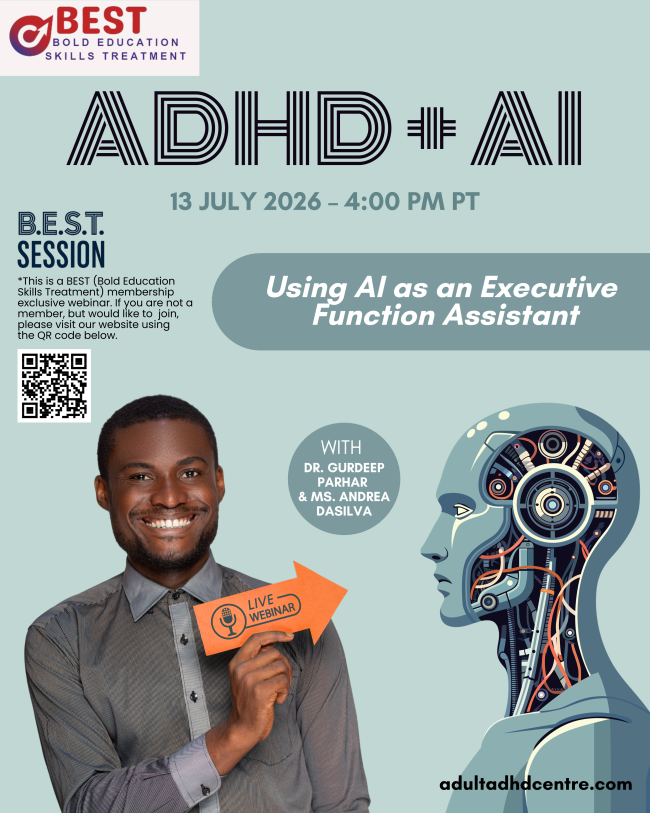
Executive function challenges are at the heart of ADHD, making planning, prioritizing, organizing, and getting started feel overwhelming. What if you had a tool that could act as an external executive function assistant? Learn how to make AI your planning partner, organizational assistant, and accountability tool—helping you work with your ADHD brain, not against it.
WEBINAR DETAILS:
Mon., July 13, 2026
4pm PT | 7pm EDT
| |
Summer brings freedom—but for people with ADHD, it can also bring chaos. Join us as we explore why summer affects the ADHD brain differently and learn practical, evidence-informed strategies to create routines that support flexibility, enjoyment, and success.
WEBINAR DETAILS:
Tues., July 14, 2026
4pm PT | 7pm EDT
| |
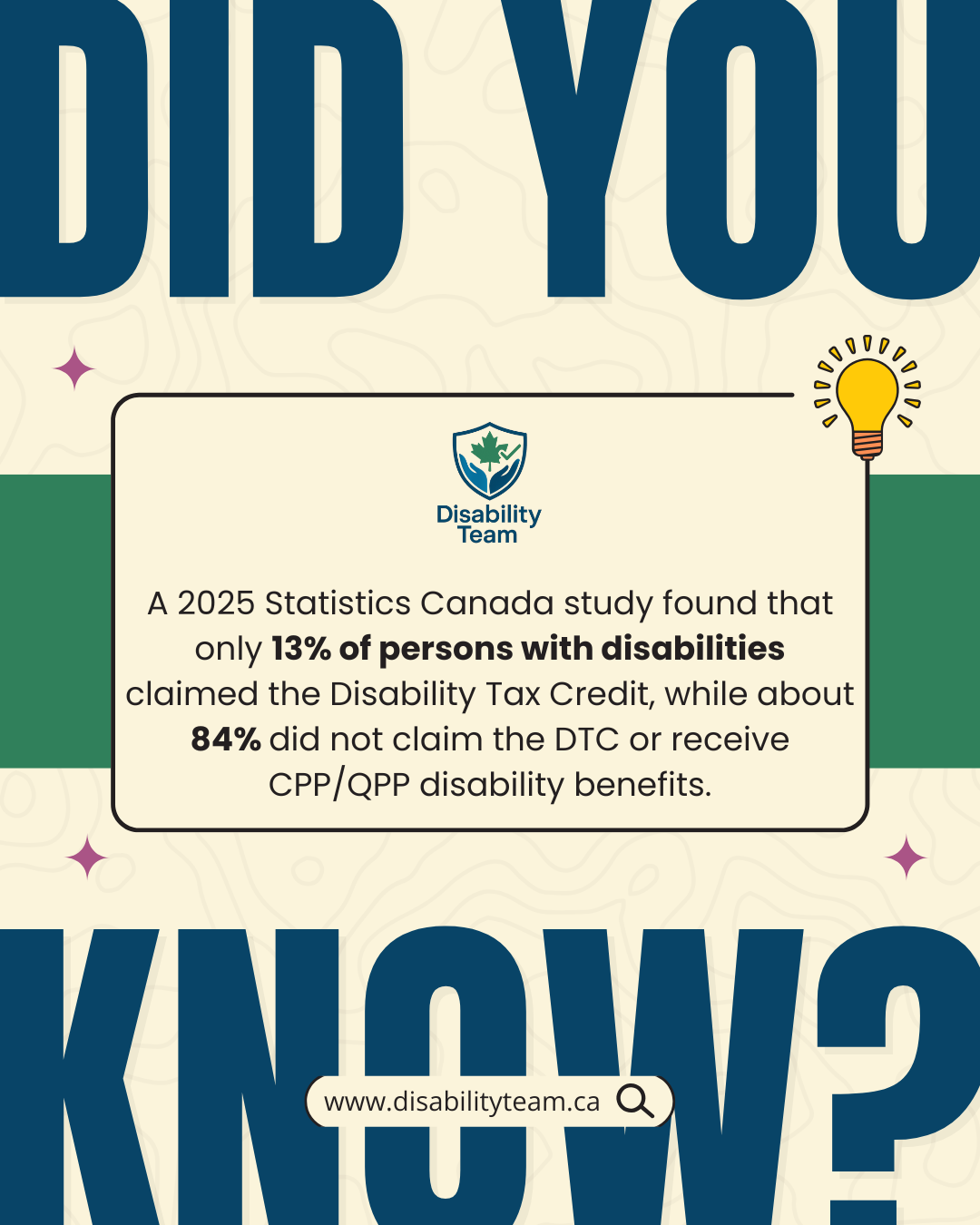
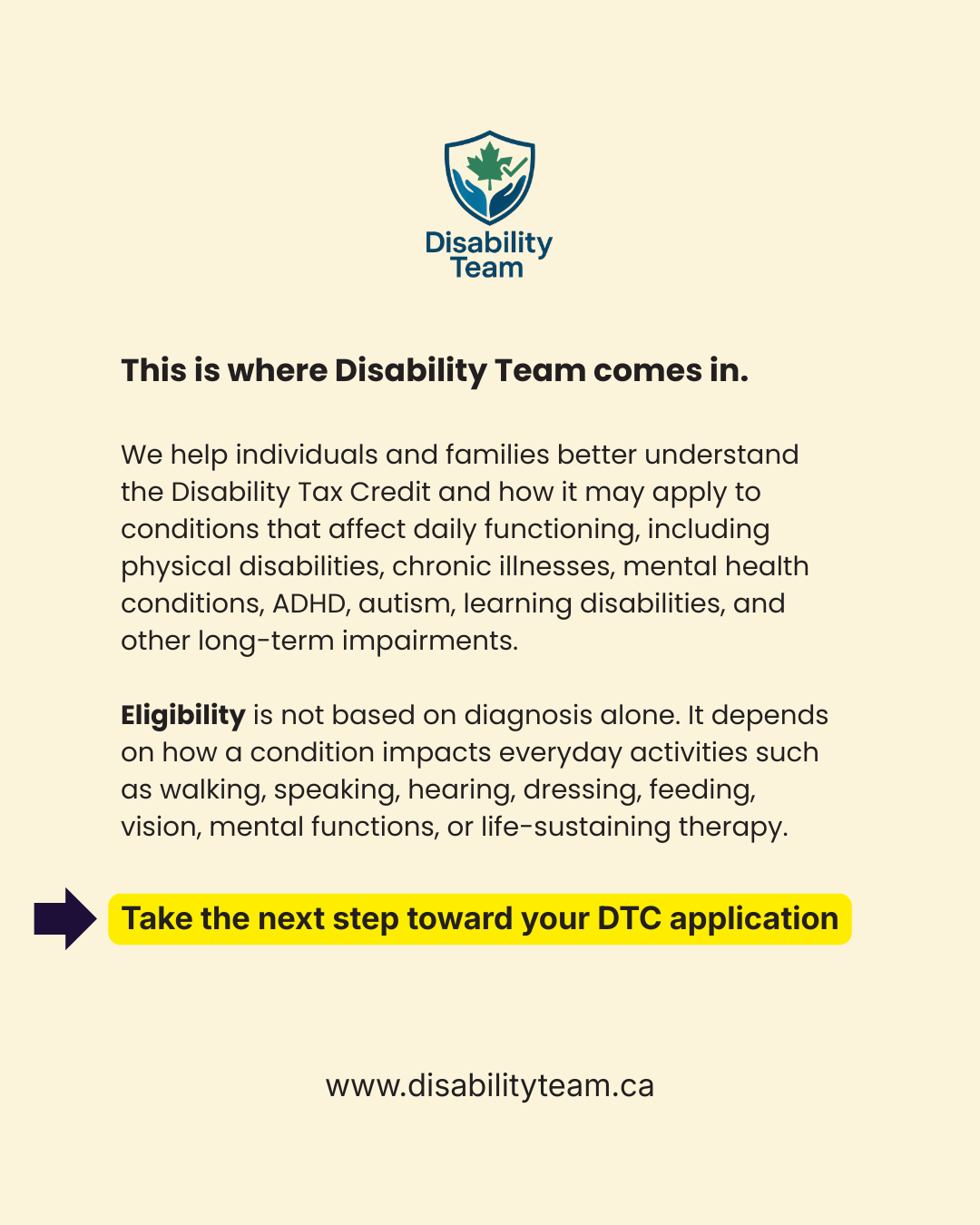
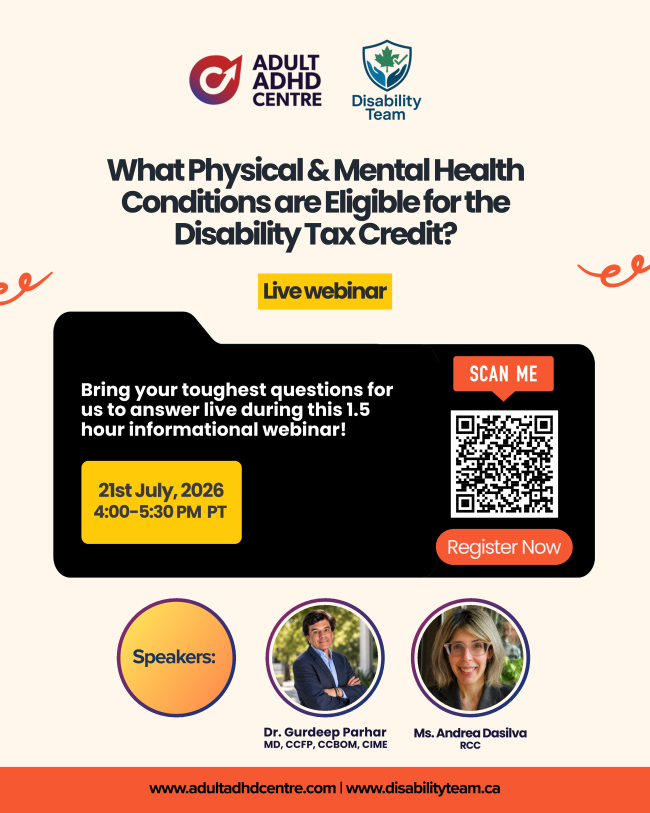
The DTC is often misunderstood, leaving many eligible Canadians unaware they may qualify. Whether you are applying for yourself, a family member, or supporting patients or clients, you will leave with a clearer understanding of who may qualify and the potential benefits available.
WEBINAR DETAILS:
Tues., July 21, 2026
4pm PT | 7pm EDT
| |
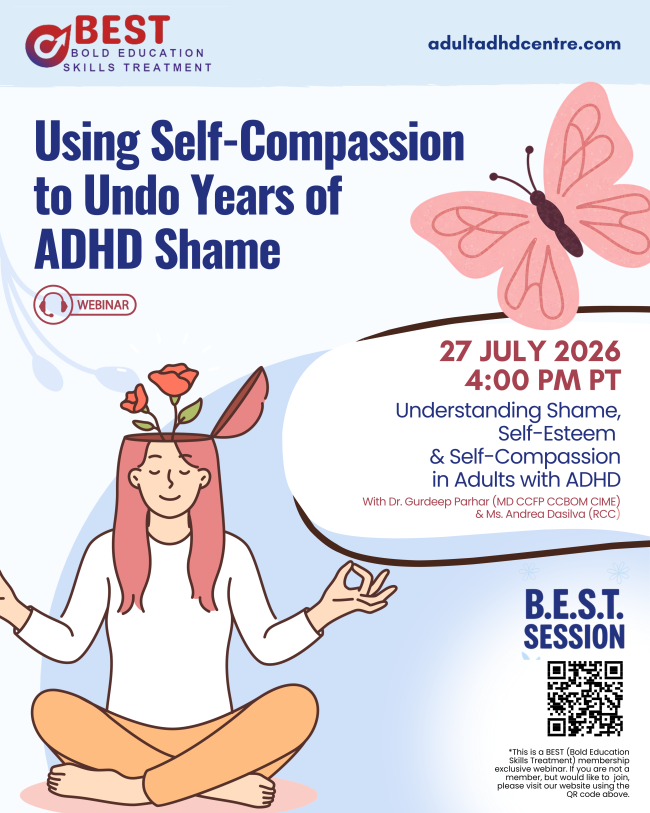
Years of criticism, missed expectations, and feeling "not good enough" can leave many adults with ADHD carrying a heavy burden of shame. In this webinar, we discover how ADHD shapes self-esteem, why self-criticism becomes so common, and practical strategies to build self-compassion, resilience, and a healthier relationship with yourself.
WEBINAR DETAILS:
Mon., July 27, 2026
4pm PT | 7pm EDT
| | | | |