This publication celebrates, supports, and empowers neurodivergent individuals and their communities. Each edition explores insights into ADHD (Attention Deficit Hyperactivity Disorder), autism, and other neurodiverse experiences; highlights valuable resources and advocacy updates; and shares stories that reflect lived experiences. Our goal remains to raise awareness, promote inclusion, and provide meaningful information for individuals, families, and professionals. We are excited to continue learning, sharing, and growing together. | | |
NEURODIVERSITY AT WORK
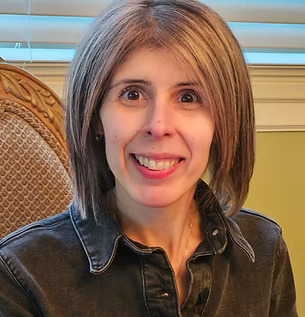
Andrea Dasilva, Registered Clinical Counsellor
We think differently. We learn differently. We process information differently. We bring countless innovative and creative ideas and strategies to the table. We are neurodivergent and ready and willing to work! We are also misunderstood and underrepresented in the workforce. What gives?!
Diversity
It has been almost 30 years since the Australian sociologist and autism advocate, Judy Singer, coined the term neurodiversity. Rather than focusing on deficits and singling out what is “wrong” with a person, Singer sparked a social movement that appreciates acceptance and inclusion of natural variations among neurodiverse individuals. This diversity brings freshness, originality, and unique talents to otherwise normative standards. Such a shift in perspective is both awesome and difficult for some to embrace…
Does Neurodiversity = Employability?
Absolutely! Diverse neurotypes bring forth so many skills and perspectives that might not always be represented in a workforce. To foster cultures of inclusion and safety, workplaces benefit greatly from introducing neurodivergent folks to their teams! Not out of grudgery or being “politically correct”, but rather, out of sheer appreciation for the diverse skill sets brought to their teams.
Does neurodiversity at work also come with challenges? Absolutely! When such predicaments are viewed from a possibility mindset, the contributions they bring to a workforce are not to be ignored or dismissed. Perhaps hyperfocus leads to work being performed with precision and detail; perhaps a sound sensitivity leads to a new and innovative noise-less product; perhaps a time blindness fosters group accountability and inclusion. The possibilities are endless!
Same Format, Different Language
Living with neurodivergences in a neuronormative world can seem like living on a planet where you do not speak the native tongue. In order to be able to function, some adjustments and translations need to be made. Starting at a new workplace as one of the few neurodivergent employees could be one such instance.
If you are ready and motivated to work and bring your all to your duties, your performance may be enhanced by access to or inclusion of a particular device. Noise cancelling headphones could help with focus and concentration. Dimmers or less bright lights might help to increase endurance at a task. Daily schedules which outline hourly responsibilities might enhance productivity. Ensuring to book body movement breaks might improve motivation and concentration. There is potential that the workforce as a whole might benefit from such adjustments or adaptations – as well as you!
In Canada, every employee has the right to equal opportunities; in fact, workplaces have a legal duty to provide what is needed for individual employees to be productive at work. In particular, workplaces are obligated to provide reasonable accommodations– to the point of undue hardship. Said differently, we can request items or adjustments to help us be most productive – so long as the cost of these adaptations does not exceed what our employer is logistically able to give. We have the right to discuss with managers about, for example, desk location, office air temperature, soft lighting, ergonomic chairs, standing desks, and scent free environments. When the adaptations require more formal changes, these are referred to as accommodations which could require medical information or a doctor’s approval. These are still very possible and very important – they just require a bit more information. Whether with adaptations or accommodations, your skill set can be matched with your work environment.
To Disclose or not to Disclose: That is the Question
Not only do we have a right as employees in Canada to reasonable accommodations, but it is also up to us whether and to what extent we disclose our diagnoses or not (it IS necessary if we are making formal accommodations, though). How much we trust or feel safe with an individual often determines how appropriate it feels to disclose. Some people are completely open and embrace their neurodiversity and do not want to hide it from anyone whereas others are more sensitive to sharing such vulnerable information. Either – or anything in between – is absolutely fine! Depending on levels of trust, listing symptoms or characteristics which could lead to challenges (rather than diagnosis itself) might be preferable. Sometimes, writing out a description of symptoms or characteristics paired with requested adjustments or accommodations might seem more appropriate. Perhaps a text to schedule a date and time to meet with a manager or coworker to speak with them about adjustments could seem most doable.
Neurodivergent Success
Just like our minds and perceptions diverge from the “norm”, how we customize our work environments to match our needs will be different from the next neurotypical or neurodiverse friend or coworker – which is absolutely fine! In fact, it is admirable that each of us takes the time to be aware of what we require most to function at our best.
Yes, we are neurodivergent and our needs differ; we are also valuable friends, coworkers, and human beings with the right to live and work in creatively diverse ways!
| |
Research Spotlight of the Month
💡 Insight of the Month
As we look ahead to the 2026 Winter Olympics in Milano–Cortina, we are reminded of how much we appreciate the dedication of Team Canada. At recent Winter Games, Canada brought home 26 medals, a testament to focus, resilience, and relentless training.
Behind every medal is more than talent. It is structure, coaching, repetition, and support.
It is also diversity, including neurodiversity.
Athletes with ADHD Competing at the Olympics
Across the sporting world, many elite athletes have spoken openly about living with ADHD. Canadian Olympic bobsledder, Mike Evelyn, for example, has shared his experience of managing ADHD while training and competing at the highest level. His story is a reminder that the right structure and support can make a meaningful difference.
New Research:
Neurodiversity as a Strength in Sport
Recent work from researchers at the University of Calgary emphasizes that neurodiverse traits, including those linked to ADHD, show up across athletic performance levels, from beginners to Olympic champions. Traits like high energy, the capacity to hyperfocus, and quick, creative problem-solving can align well with the demands of competitive sport.
READ MORE!
While this research also notes that scientific study on ADHD and sport is still growing, the profile of neurodiverse athletes points toward strengths in movement, intensity, and resilience, traits celebrated on the world stage.
Why the Olympics Matter for ADHD Conversations
The Olympics remind us that excellence does not come from identical minds. It comes from diversity.
Neurodiversity represents natural differences in how brains process information, regulate attention, and respond to the world. Traits associated with ADHD such as intensity, creativity, rapid thinking, and deep focus can become meaningful strengths when supported within the right structure.
Success is not about changing the brain. It is about creating environments where different ways of thinking are understood and valued.
When support, education, and systems are in place, neurodiverse individuals do not simply cope. They perform, contribute, and thrive.
| | | Trauma of Money - Spring 2026 Cohort | |
Trauma of Money's Professional Pathway certifies individual professionals in various fields who would like to integrate the Trauma of Money (TOM) Method into their current offerings. The TOM Method is a compassionate approach to trauma healing and financial security by decreasing shame and increasing discernment.
About the Course
COHORT 14 - SPRING 2026
Dates and Logistics:
Spring Cohort classes alternate between Wednesday evening PST and Tuesday morning PDT.
Start Date: March 4, 2026
End Date: June 30, 2026
- Class 1 will start on Wednesday evening via live video conference from 4:00 pm - 7:00 pm PST (7:00 pm-10:00 pm EST). Then class 2 will be Tuesday morning at 8am -11am PDT (11am - 2pm EDT). The classes will alternate between those two times. See below for the schedule.
- The program will run for 18 classes.
- All classes are recorded and posted in the student portal within the next 72 hours for those that cannot attend live.
Class Schedule:
- Class 1: Wednesday, March 4 [4pm - 7pm PST]
- Class 2: Tuesday, March 10 [8am - 11am PDT]
-
Class 3: Wednesday, March 18 [4pm - 7pm PDT]
-
Class 4: Tuesday, March 24 [8am -11am PDT]
-
Class 5: Wednesday, April 1 [4pm - 7pm PDT]
-
Class 6: Tuesday, April 7 [8am - 11am PDT]
-
Class 7: Wednesday, April 15 [4pm - 7pm PDT]
-
Class 8: Tuesday, April 21 [8am - 11am PDT]
-
Class 9: Wednesday, April 29 [4pm - 7pm PDT]
-
Class 10: Tuesday, May 5 [8am - 11am PDT]
-
Class 11: Wednesday, May 13 [4pm -7pm PDT]
-
Class 12: Tuesday, May 19 [8am - 11am PDT]
-
Class 13: Wednesday, May 27 [4pm -7pm PDT]
-
Class 14: Tuesday, June 2 [8am - 11am PDT]
-
Class 15: Wednesday, June 10 [4pm - 7pm PDT]
-
Class 16: Tuesday, June 16 [8am - 11am PDT]
-
Class 17: Wednesday, June 24 [4pm - 7pm PDT]
-
Class 18: Tuesday, June 30 [8am - 11am PDT]
Class Capacity
There are limited spaces for each cohort.
Cohort Community
An important component of TOM involves voluntary sharing, connecting, and listening to different participants of the group. Note that each cohort contains a mix of professional and personal pathway students.
Affinity Groups
Join our smaller groups for connection and expansion in between classes. Students can attend the following affinity groups: Black, Indigenous, People of Colour Group, LGBTQIA2s+ Group, Open Group, and/or Professional Affinity Group.
| | B.E.S.T. MEMBERSHIP PROGRAM | | |
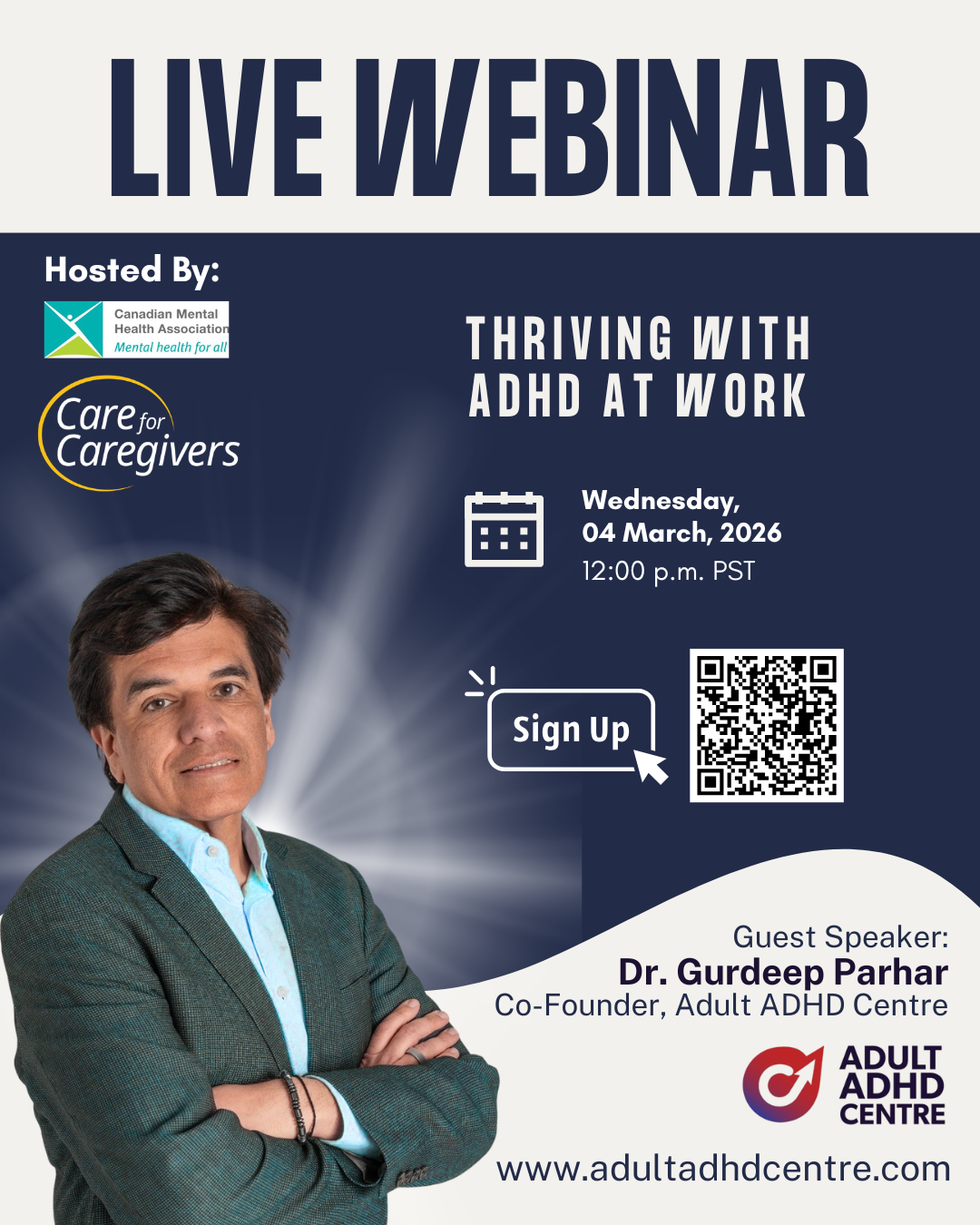
Dr. Gurdeep Parhar is presenting on the very important topic: Thriving with ADHD at Work.
This webinar is being hosted by the Canadian Mental Health Association and Care for Caregivers.
Join us live!
WEBINAR DETAILS:
Wed., Mar. 4, 2026
12pm PST | 3pm EST
| |
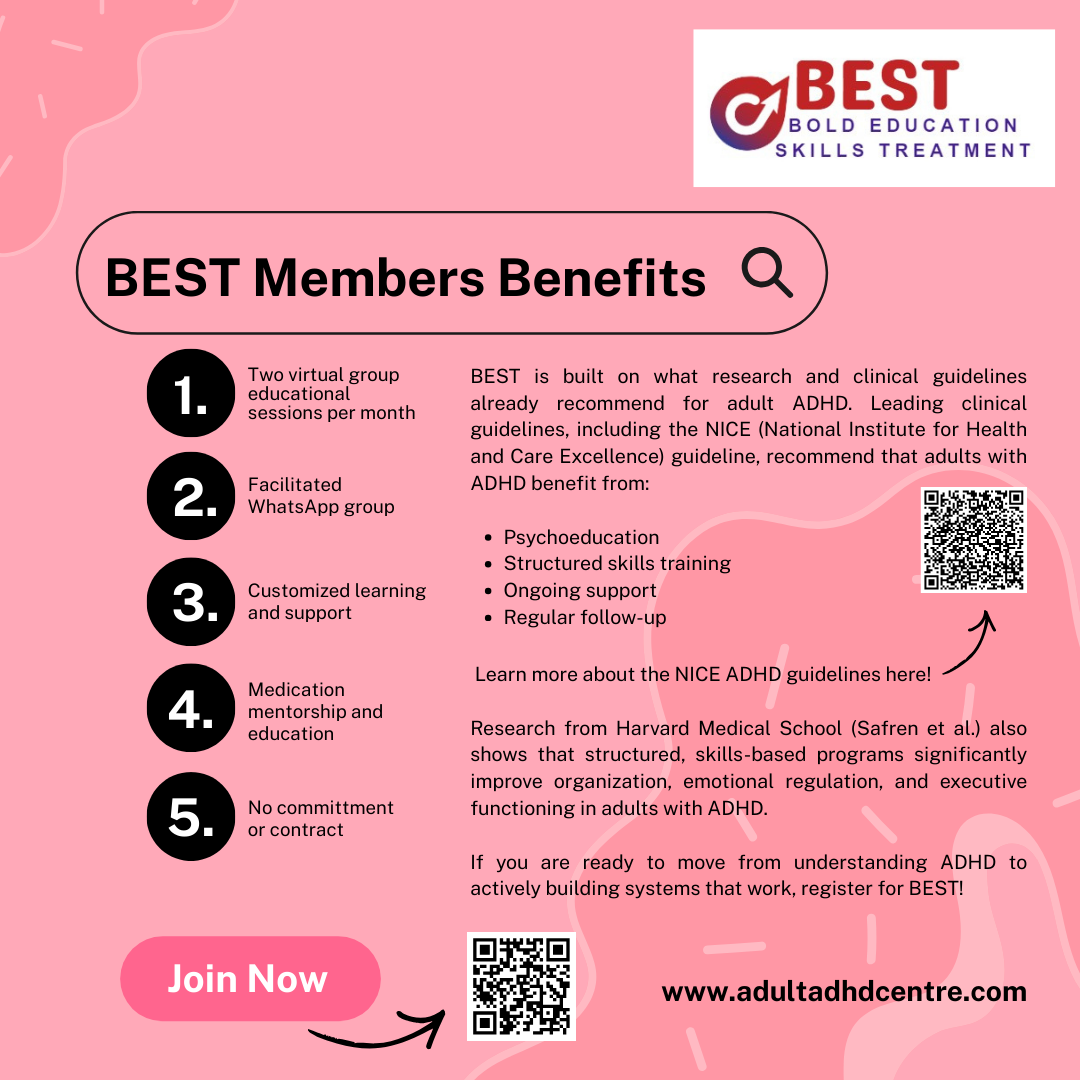
This is a BEST membership exclusive webinar.
For more information on the BEST program and how to join, please SCAN the QR code or click on the button below.
WEBINAR DETAILS:
Mon., Mar. 9, 2026
4pm PDT | 7pm EDT
| |
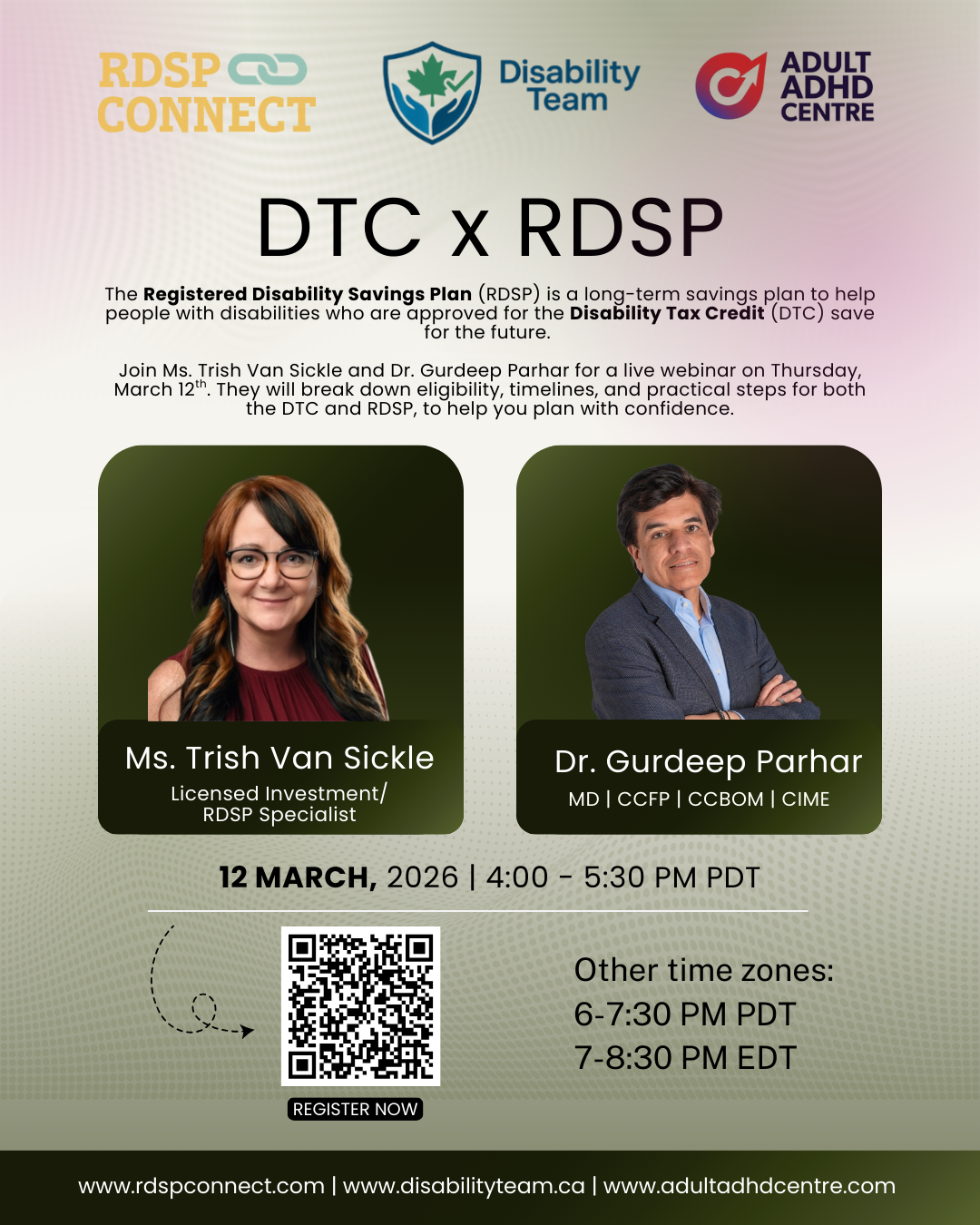
Join experts Ms. Trish Van Sickle and Dr. Gurdeep Parhar as they dive deep on the topics of the Disability Tax Credit (DTC) and the Registered Disability Savings Plan (RDSP).
The DTC and RDSP work together to provide meaningful financial support for eligible individuals and families. Understanding how these programs connect can help maximize long-term financial planning and access to government benefits. This session will clarify eligibility, application steps, and how approval for the DTC can open the door to RDSP grants and bonds.
WEBINAR DETAILS:
Thurs., Mar. 12, 2026
4pm PDT | 7pm EDT
| |
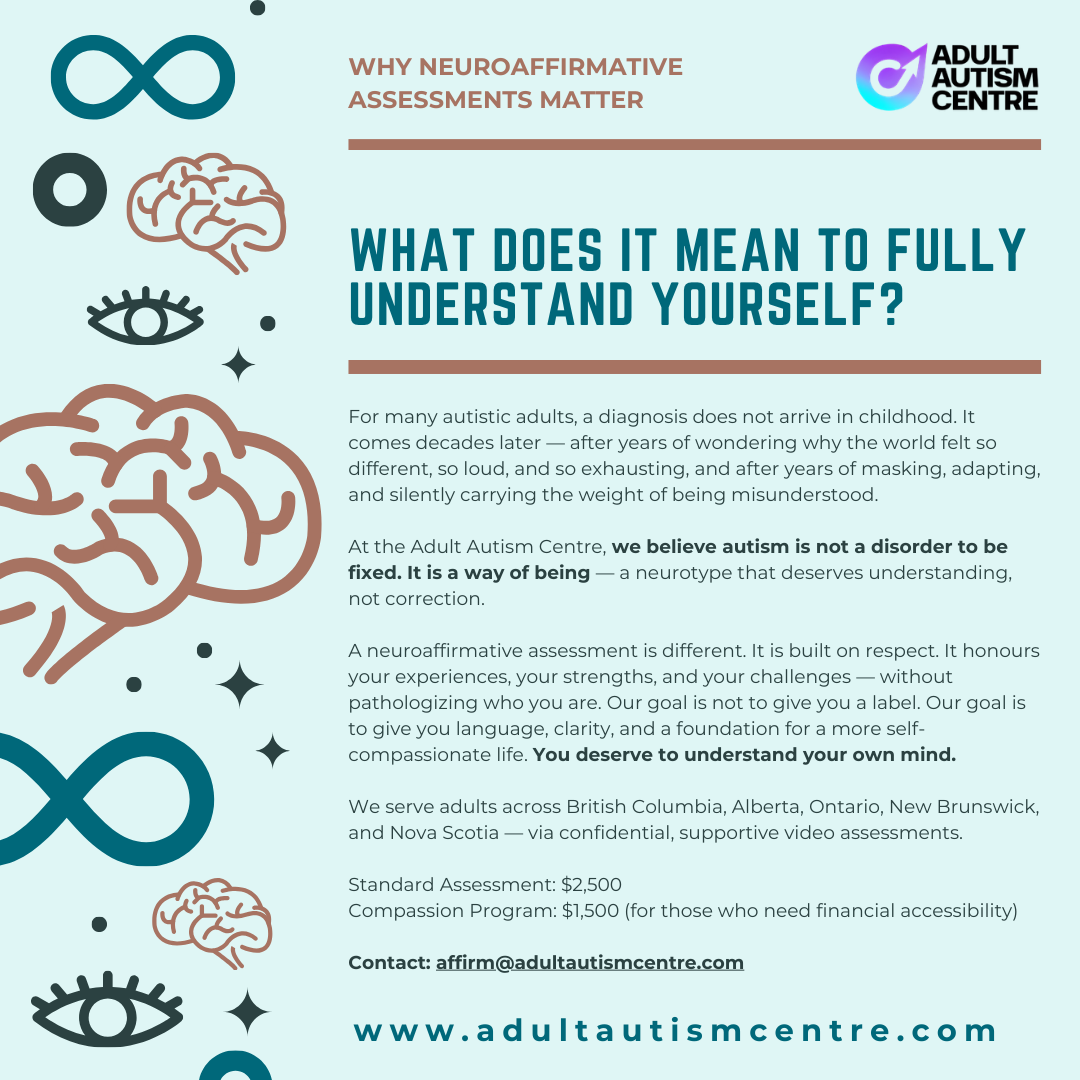
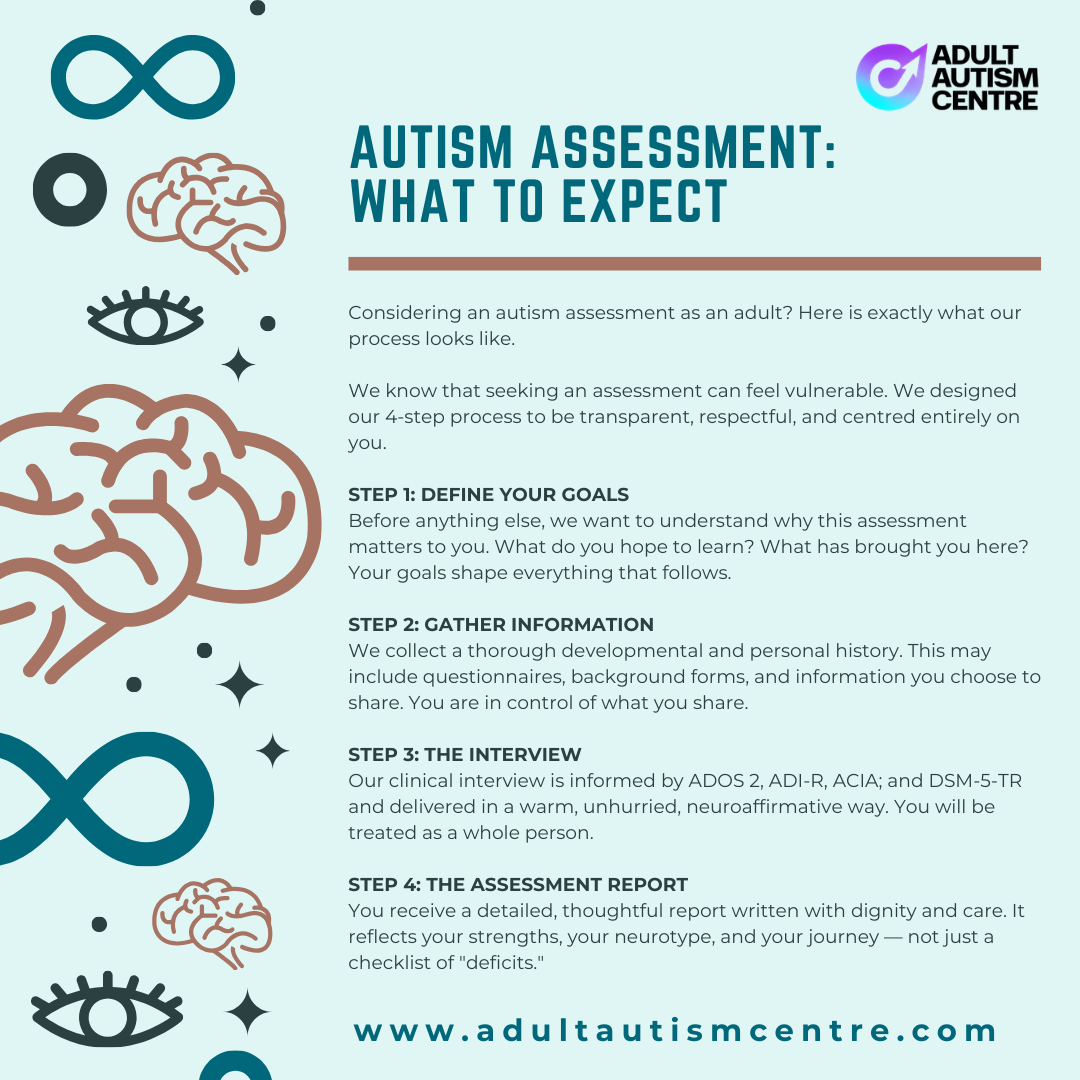
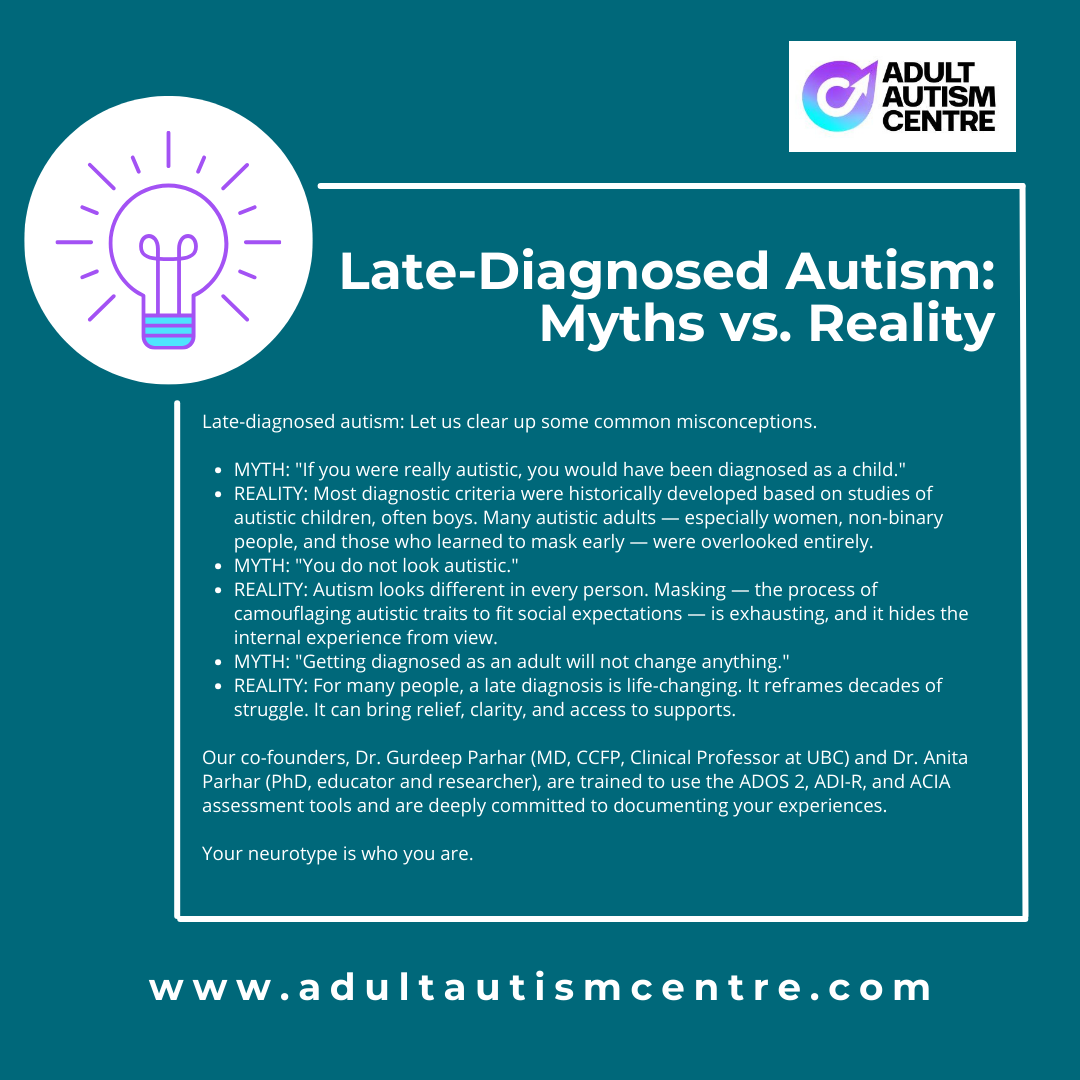
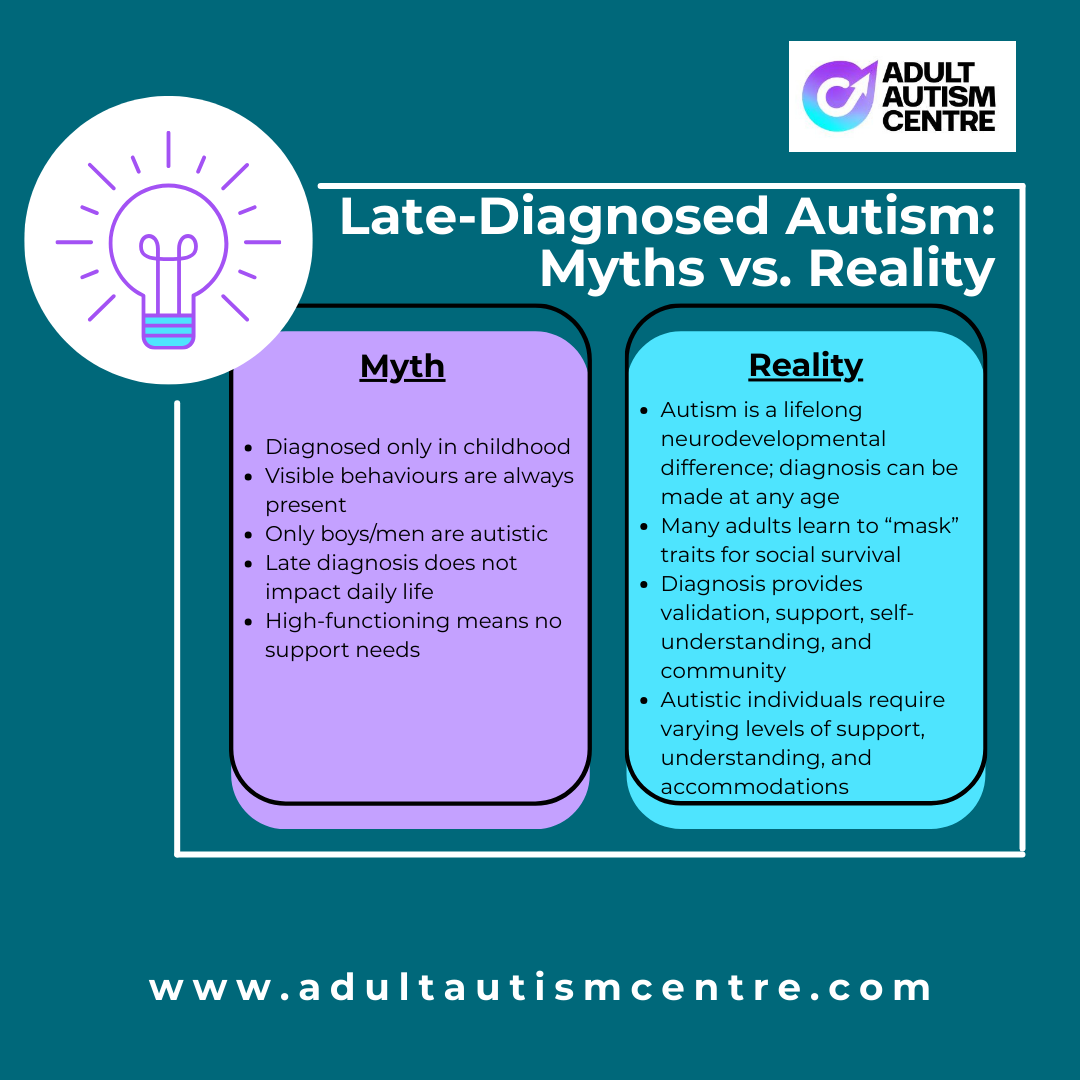
Join Drs. Anita and Gurdeep Parhar for a discussion on understanding autism in adulthood.
Autism does not end in childhood, yet many adults remain misunderstood or overlooked. This insightful session will explore how autism presents in adulthood, challenge common stereotypes, and highlight the lived experiences of autistic adults. Whether you are a clinician or educator, or you seeking greater understanding, this webinar will provide practical insights and a more informed perspective on adult autism.
WEBINAR DETAILS:
Thurs., Mar. 19, 2026
4pm PDT | 7pm EDT
| |
This is a BEST membership exclusive webinar.
For more information on the BEST program and how to join, please SCAN the QR code or click on the button below.
WEBINAR DETAILS:
Mon., Mar. 23, 2026
4pm PDT | 7pm EDT
| |
Autism often presents differently in women and gender-diverse individuals, leading to missed diagnoses and misunderstood experiences. This session will explore how masking, social expectations, and bias shape identification and support across the lifespan.
Join us to deepen your understanding, challenge outdated assumptions, and learn how to provide more affirming and inclusive care.
WEBINAR DETAILS:
Thurs., Mar. 26, 2026
4pm PDT | 7pm EDT
| |
The DTC is a non-refundable tax credit designed to reduce the income tax burden for individuals living with significant and prolonged physical or mental impairments. Join us and bring your toughest questions for Dr. Parhar to answer LIVE!
Focus: Mental Health Conditions
WEBINAR DETAILS:
Tues., Mar. 31, 2026
4pm PDT | 7pm EDT
| | | | |