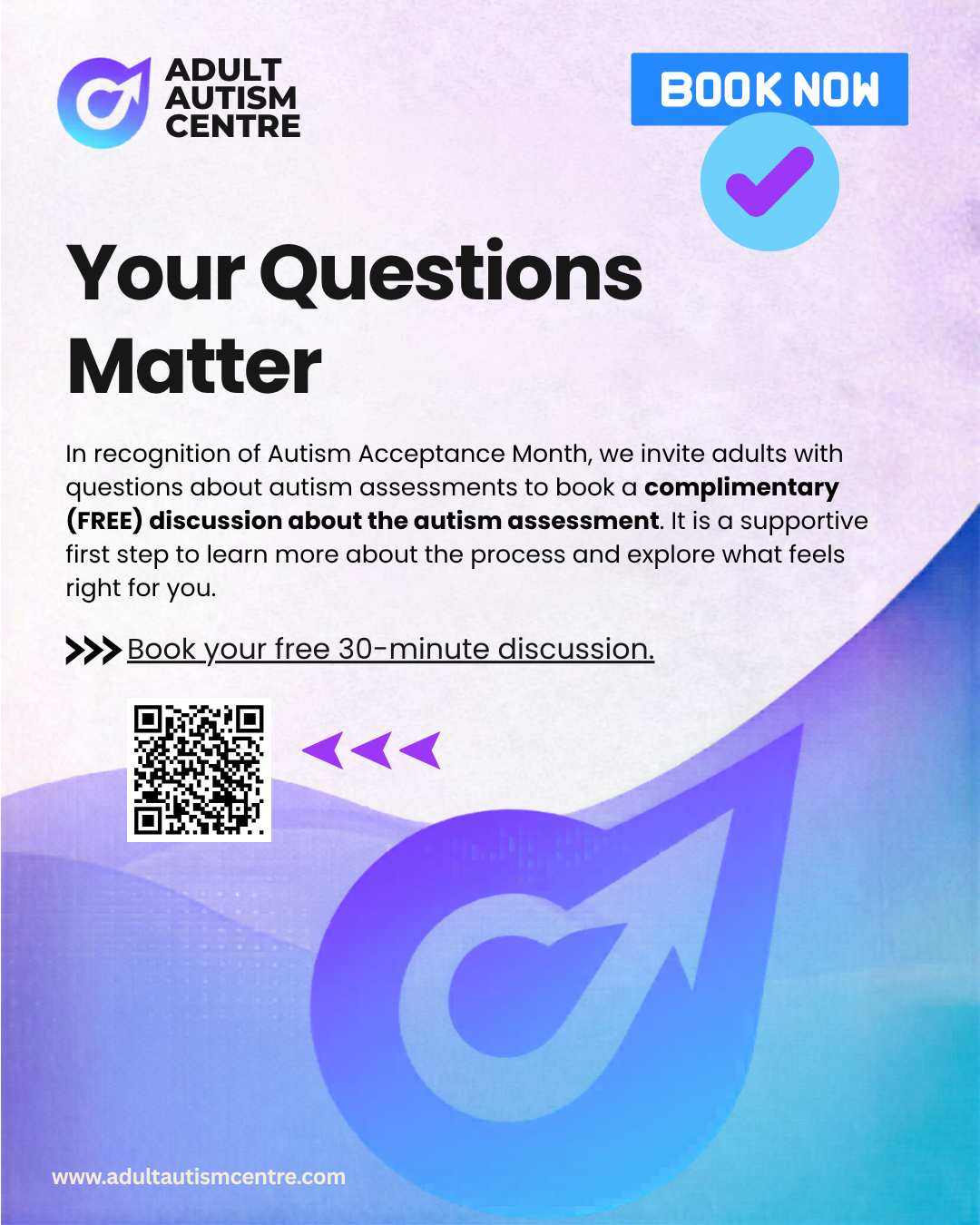
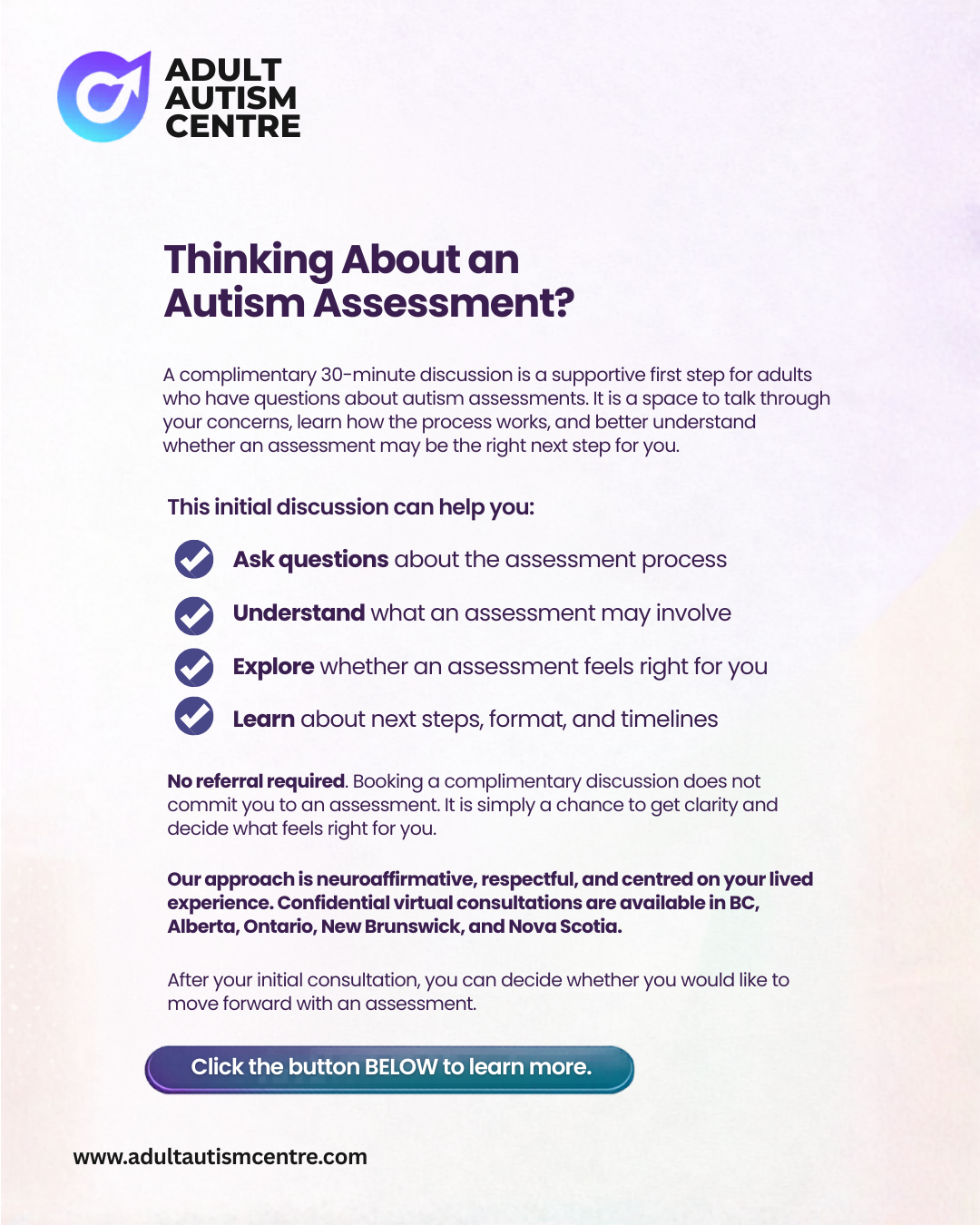
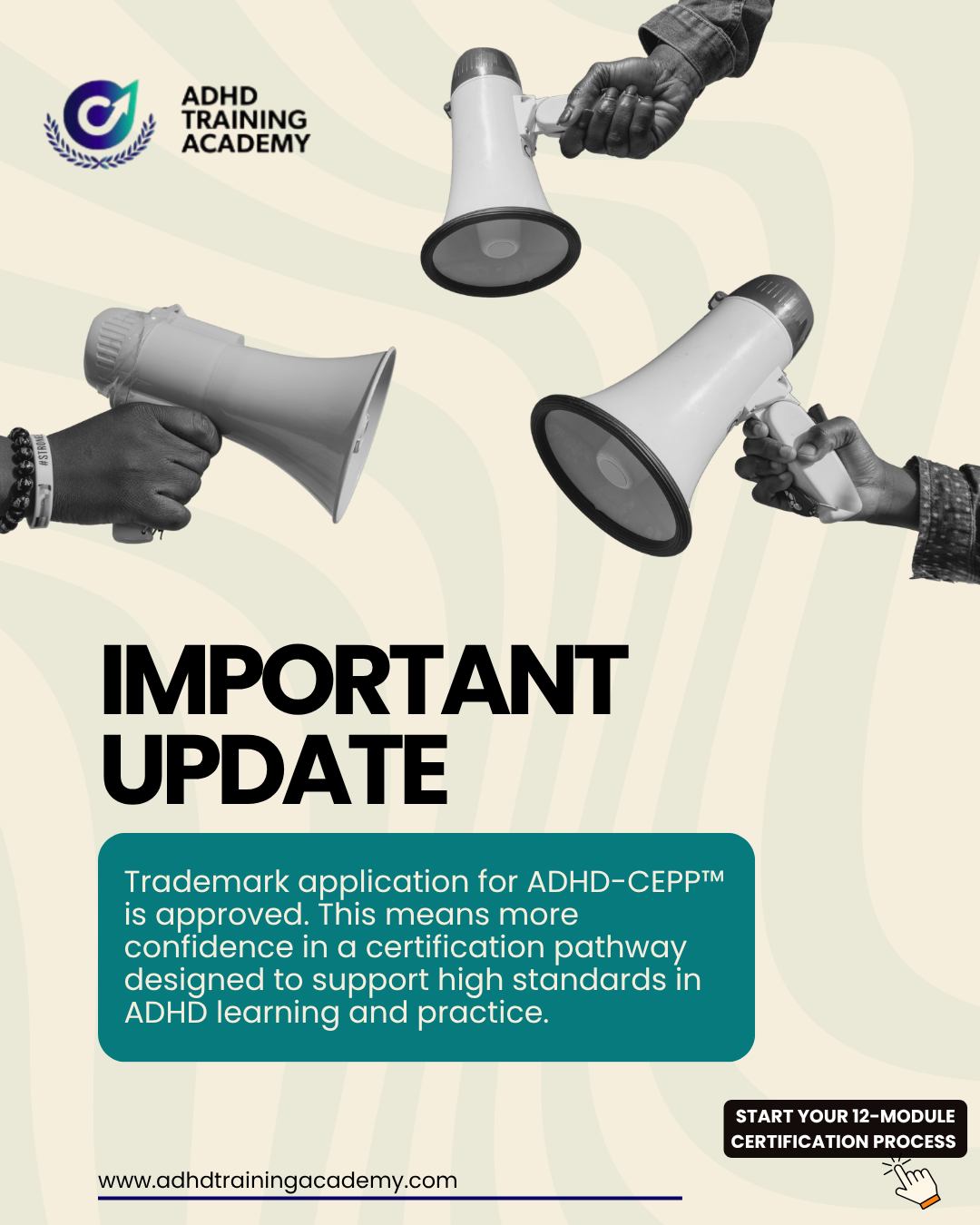
This edition of Neurodiversity News highlights autism, ADHD, and the diverse experiences of neurodivergent individuals across the lifespan. In April, we are focusing on autism in Canada through the lens: moving beyond awareness toward recognition, inclusion, and meaningful support. Our goal remains to inform, support, and strengthen understanding across the communities we serve. | | |
April - Autism Acceptance Month
Andrea Dasilva, Registered Clinical Counsellor
At the outset of the twentieth century, the word “autism” had already been on scene as an obscure state with inexplicable origins and symptoms; after a few generations, however, this transformed into a vibrant way of being that goes beyond the ordinary. The missing puzzle pieces in between? Acknowledging and respecting the person living with this diagnosis.
In the Beginning
After much research and interpretations of the condition called “autism”, the scientific, therapeutic, and societal perspective of this diagnosis has undergone many alterations. At first, it was considered an incurable problem hopelessly endured by a select few children; efforts were made to discover if and how it could be fixed or corrected. In 1994, the fourth edition of the Diagnostic and Statistical Manual of Mental Disorders (DSM-IV) officially identified it as a “pervasive developmental” disorder on a spectrum. Studies continued to pinpoint the genetics of this disorder. Ultimately, autism became classified according to clinical symptoms and compared to skewed “norms”: what about the person and their lived experiences of the condition?
Transition Time
Fifty-five years after the first diagnosis of autism, a new perspective took hold: neurodiversity. Instead of labelling one way of being as the norm, recognition and appreciation started to be given to individual differences in the functionality of Autistic persons. Rather than trying to “fix” what is unique or mask over characteristics, such differences were embraced and validated!
Affirmation of Each Neuro(type)
Looking in the rearview mirror, it is plain to see how far we have come in our comprehension of autism. A large majority of Autistic persons prefer identity first language: autism is part of their identity and experience, not something they have. It is a way of being that is unique to each person and calls for adaptations that make thriving in this, not always accessible world, possible.
The Adult Autism Centre takes a neuroaffirmative approach, learning from each person their unique experiences with social interactions, sensory processing, maintaining relationships, and preferences for self-regulating. The approach also focuses on identifying support systems and environmental adjustments that can build on each person’s strengths and enhance well-being.
Although there still exist many stigmas and a lack of inclusion in society and the workforce, the Autistic community has become more respectfully seen and noticed in modern-day society. There is an integral sense of confidence and acceptance when among those who understand what “normal” people deem incomprehensible. A sense of inclusion and support are unmistakable. It is possible for us to breathe a sigh of relief: neurodivergent individuals are being heard, and unique needs are getting noticed and attended to! We have come a long way from where we started in this adventure, and additional diverse progressions are sure to come!
| |
ADHD & Tax Returns: Don't Get Trapped This Year
Naïma Laraki, M.sc CPCC PCC MCAC
ADHD and Tax Returns: Why It's So Difficult... and How to Cope
Tax season is a challenge for many, but for someone with ADHD, filing taxes can become a real self-regulation challenge.
It's not a lack of intelligence. It's not a lack of discipline. It's a matter of executive functions and self-regulation.
Why is the Tax Return Process so Difficult with ADHD?
- Planning
- Document Organization
- Time Management
- Sustained Attention
- Working Memory
- Ability to Complete a Long, Unstimulating Task
8 Concrete Strategies for Managing Tax Returns with ADHD
- Don't aim for perfection. Aim for filing.
- Break it down into actionable micro-tasks.
- Use a body double.
- Work in 25-minute blocks.
- Create external accountability.
- Implement a simple system for next year.
- Regulate stress quickly.
- Delegate without guilt.
Tax filing directly activates task initiation, working memory, planning, and emotional regulation. It's not a question of ability. It's a challenge of self-regulation. And self-regulation can be learned.
When Emotional Chaos Takes Over
Heart Coherence and the CUT-TRU Method to Navigate ADHD More Calmly
If you live with ADHD, you know it is not only about attention or organization. It is often about emotions that activate quickly and intensely.
More and more researchers recognize ADHD primarily as a challenge of self-regulation, especially emotional regulation. When emotions rise, the prefrontal cortex — responsible for discernment and planning — becomes less accessible.
Heart coherence directly supports the autonomic nervous system. By gently shifting your attention to the heart area and breathing slightly slower and deeper than usual, with equal length inhale and exhale, you send a message of safety to the brain.
We are not counting seconds. We are sensing. Then we add a gentle emotional intention such as gratitude, compassion, or appreciation. Even a micro feeling is enough.
CUT-TRU Method:
- C – Calm the physiology: regulate the body with heart focused breathing.
- U – Understand: name what is truly happening inside.
- T – Take ownership: reclaim your power of choice.
- TRU – Transform, Respond, Upgrade: choose a response aligned with your values.
ADHD is not a lack of willpower. It is a more reactive nervous system. And a nervous system can be trained.
For 7 days: Three times daily, practice 3–5 minutes of heart focused breathing. When strong emotion arises, apply CUT-TRU.
If you would like to integrate these tools in a personalized way, take advantage of your complimentary 20-minute discovery session.
| |
Neurodivergent Celebration Week
Dana Daniels, M.Ed., OCT
Our very own Dana Daniels, Chief Neurodiversity Officer of our ADHD Training Academy, as well as Founder and CEO of Blue Sky Learning, was recently featured and interviewed by Global News for Neurodivergent Celebration Week, on March 16, 2026.
Click the button below to watch Dana speak to this very important week.
| | | B.E.S.T. MEMBERSHIP PROGRAM | | |
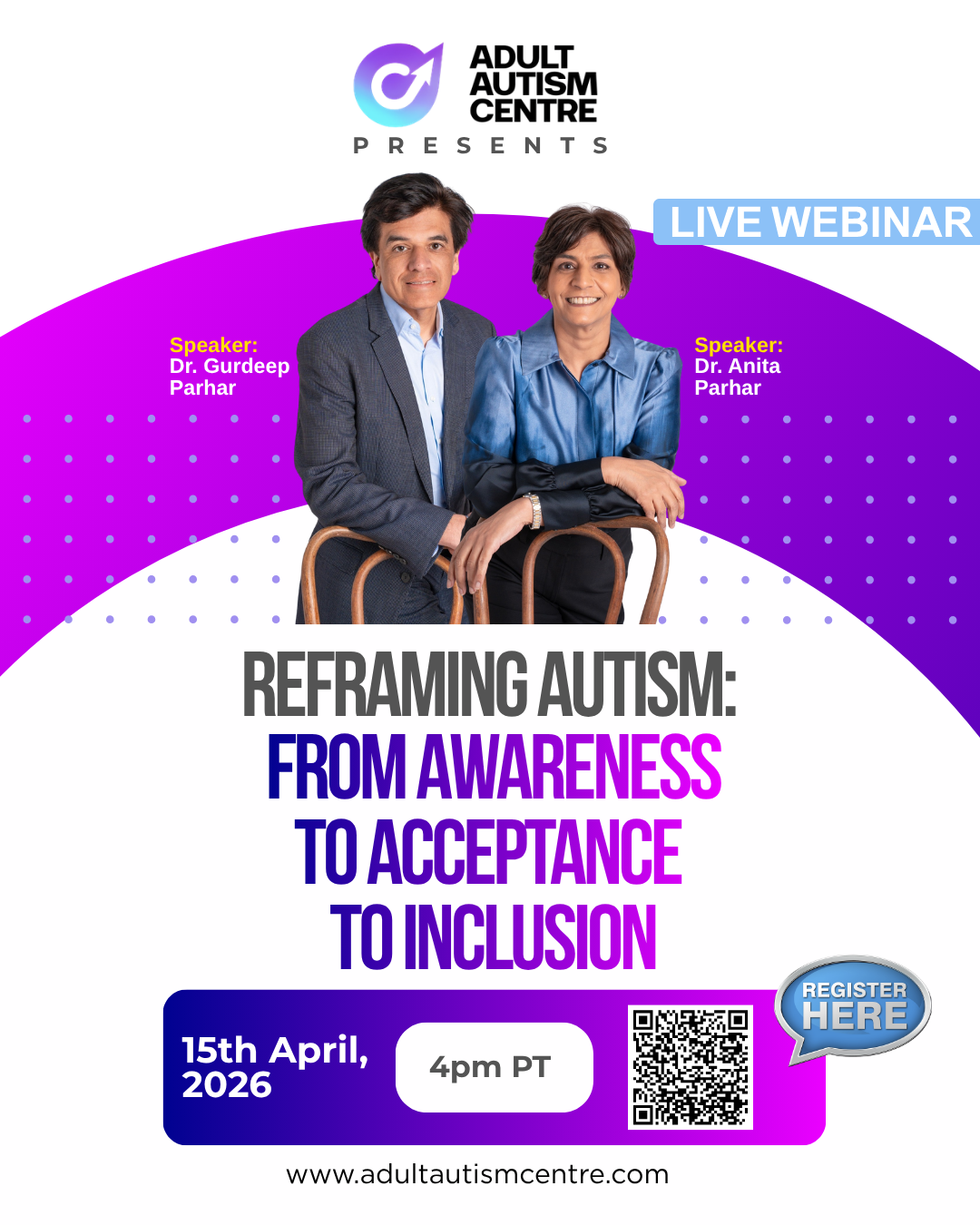
Autism is more than something to be 'understood'; it is something to be respected, supported, and included. This webinar explores the shift from awareness to true acceptance and meaningful inclusion, and what that looks like in everyday life.
Join Drs. Gurdeep & Anita Parhar to learn more!
WEBINAR DETAILS:
Wed., April 15, 2026
4pm PT | 7pm EDT
| |
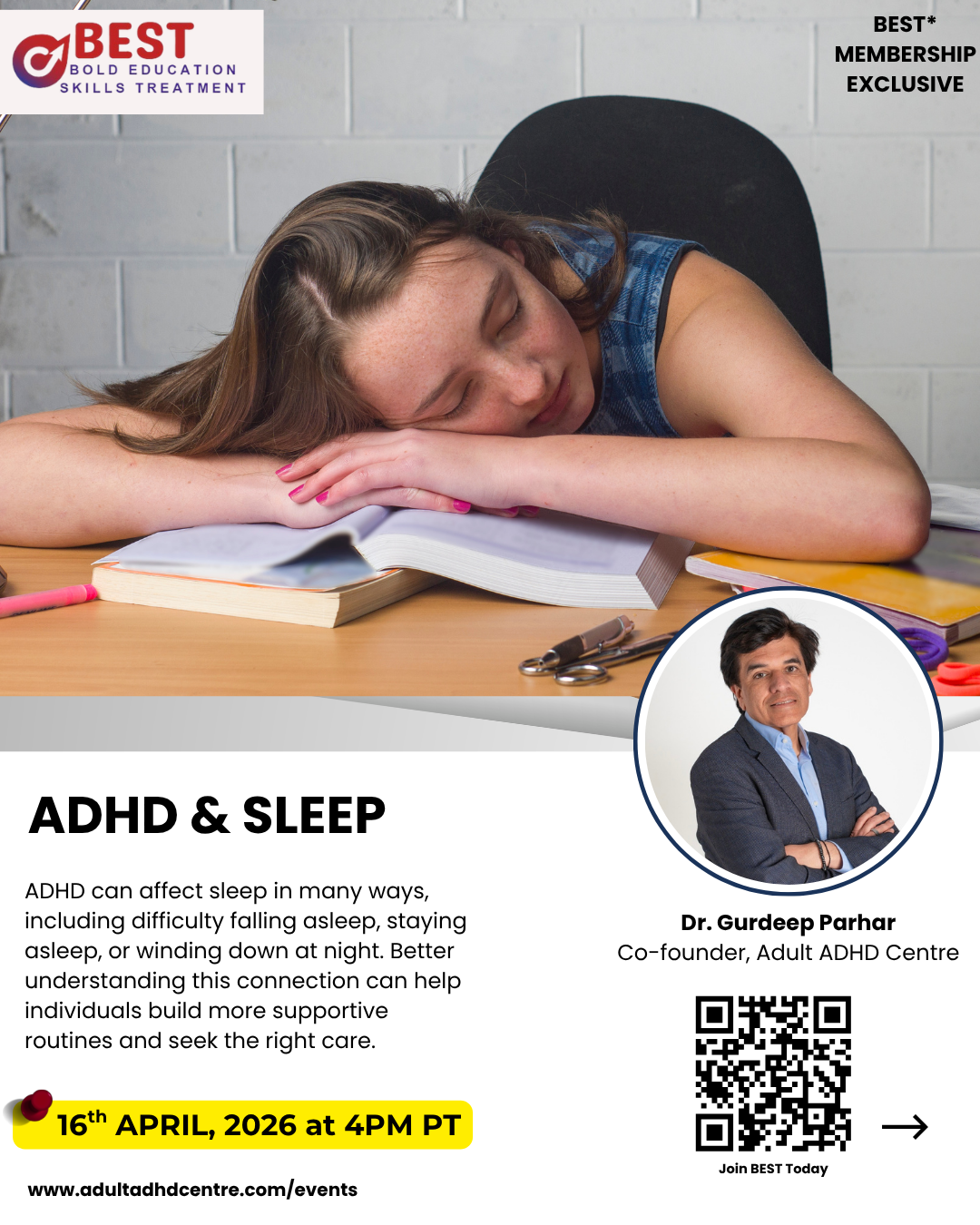
Struggling to fall asleep, stay asleep, or wake up feeling rested? For many people with ADHD, sleep can be one of the biggest daily challenges. This webinar explores why, and what can help.
SCAN the QR code or click on the button below to learn more about the BEST program.
WEBINAR DETAILS:
Thurs., April 16, 2026
4pm PT | 7pm EDT
| |
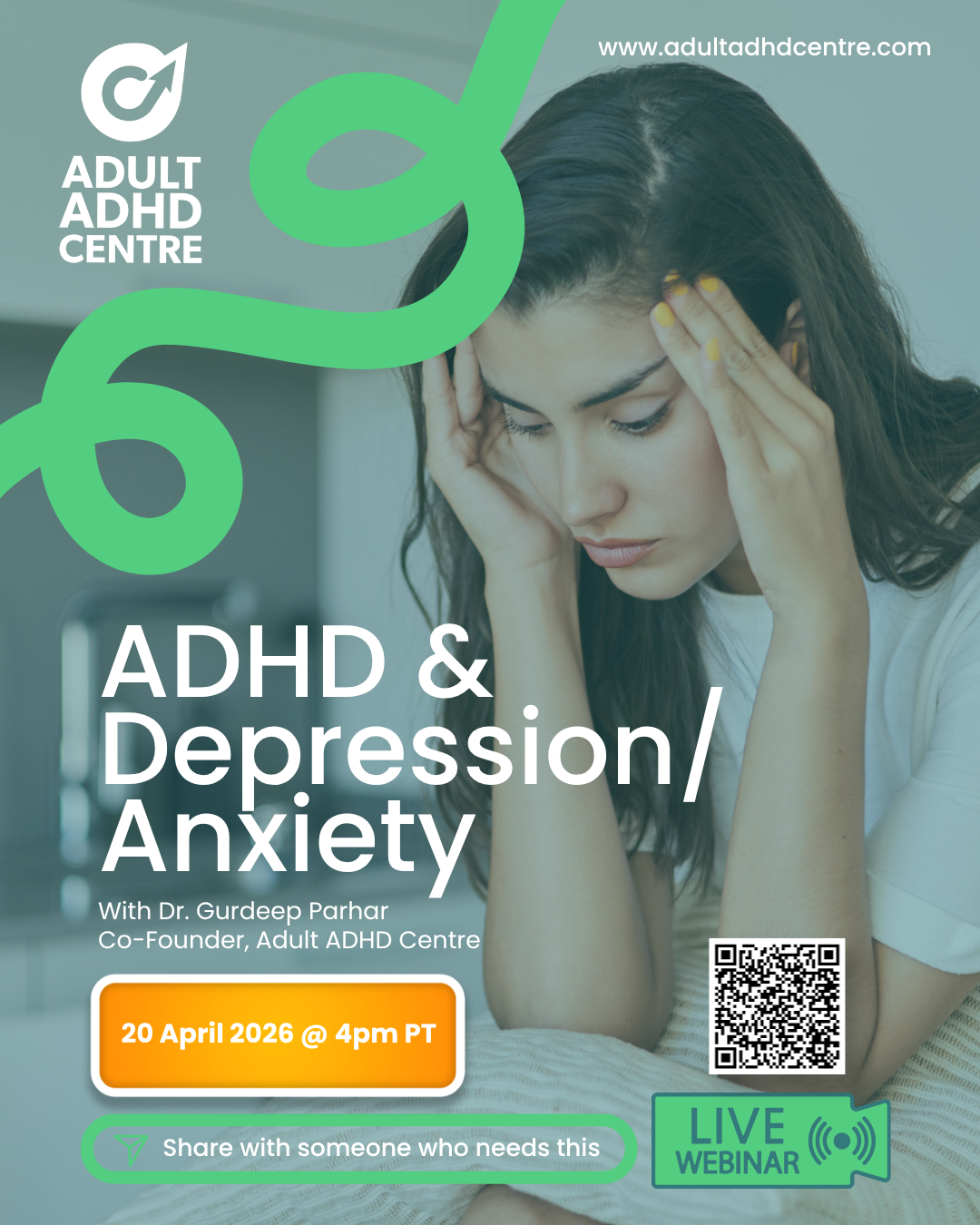
ADHD does not just affect focus. It can deeply impact mood, stress, and emotional wellbeing. In this webinar, we will explore the often-overlooked connection between ADHD, anxiety, and depression, and what it means for everyday life.
Join us to learn more!
WEBINAR DETAILS:
Mon., April 20, 2026
4pm PT | 7pm EDT
| |
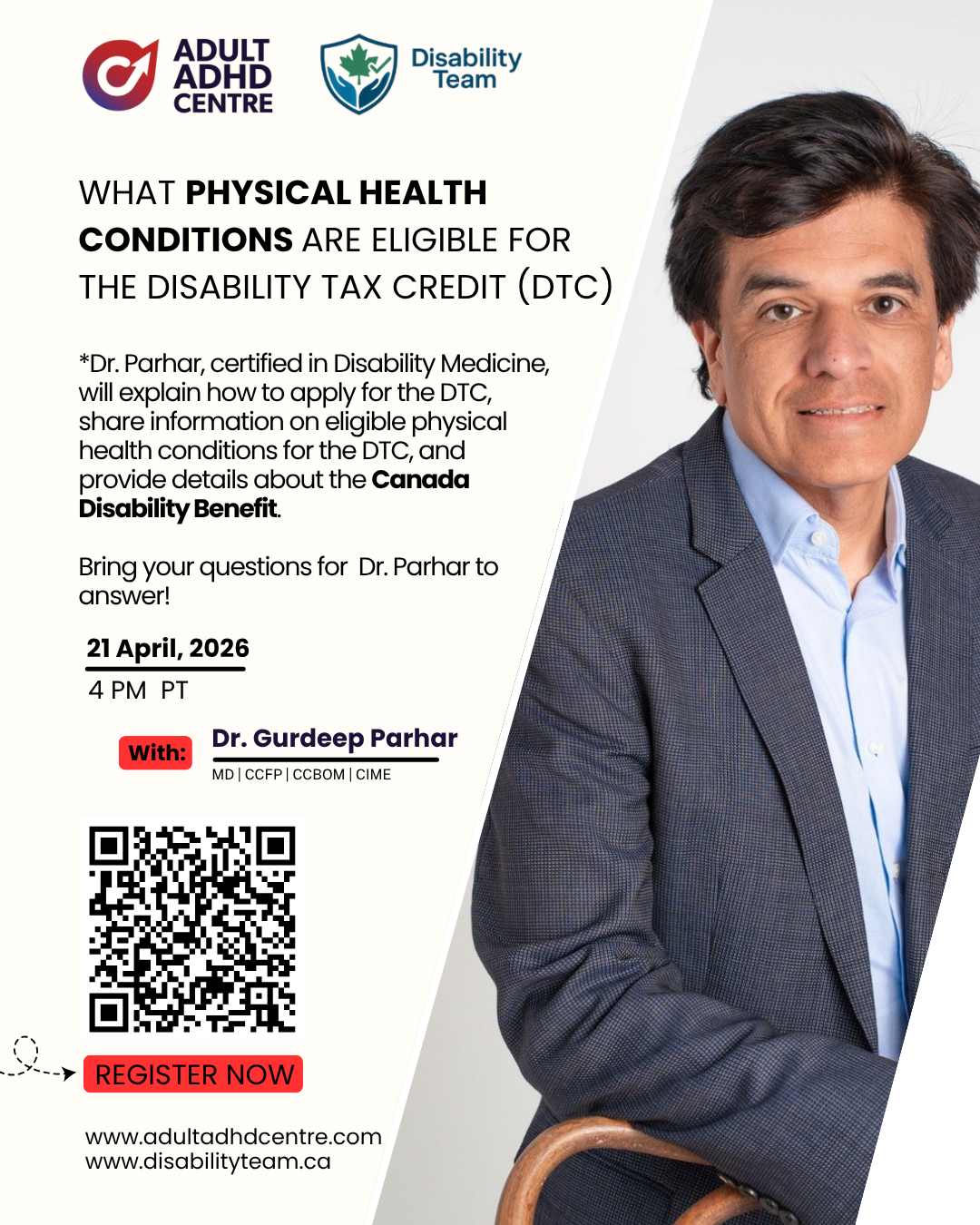
The DTC is a non-refundable tax credit designed to reduce the income tax burden for individuals living with significant and prolonged physical or mental impairments.
Join us live!
Focus: Physical Health Conditions
WEBINAR DETAILS:
Tues., April 21, 2026
4pm PT | 7pm EDT
| |
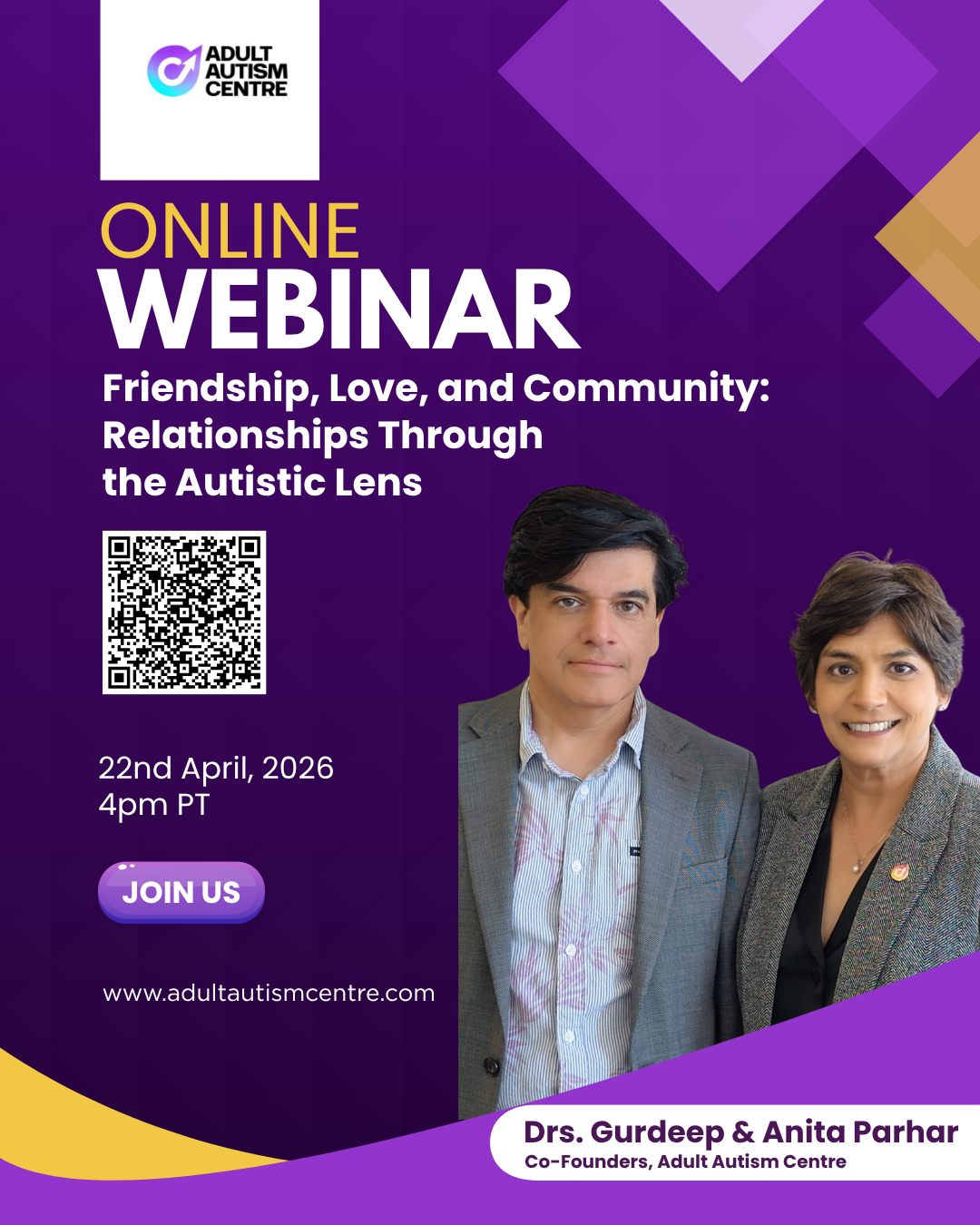
This session will explore friendship, love, and community through the autistic lens, highlighting how communication styles, sensory needs, trust, and mutual understanding can shape meaningful relationships.
Join us to learn more!
WEBINAR DETAILS:
Wed., April 22, 2026
4pm PT | 7pm EDT
| |
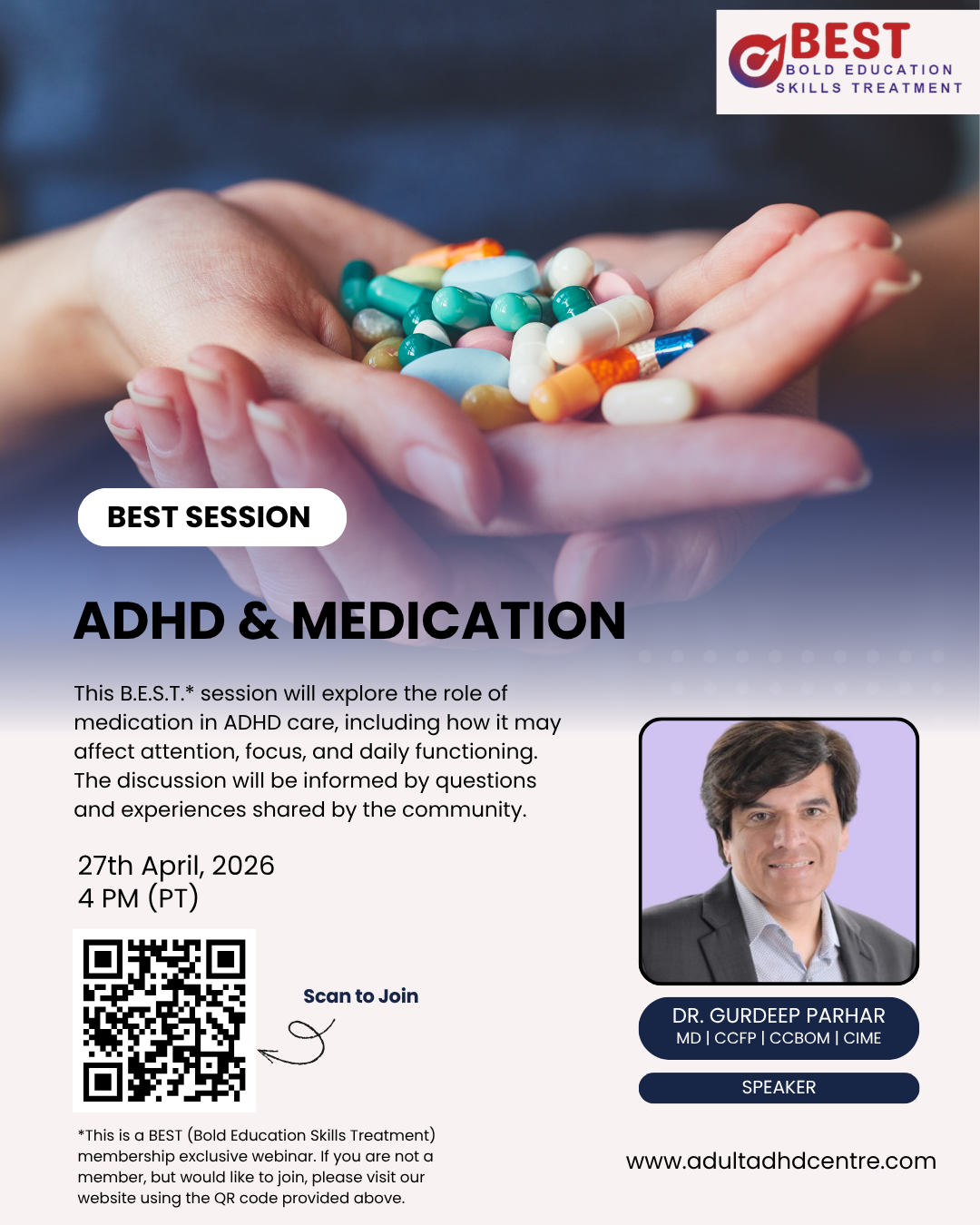
ADHD medication can be an important tool, but it often comes with questions. This session will explore the different options, how they affect the brain, and how to make informed, confident decisions.
SCAN the QR code or click on the button below to learn more about the BEST program.
WEBINAR DETAILS:
Mon., April 27, 2026
4pm PT | 7pm EDT
| |
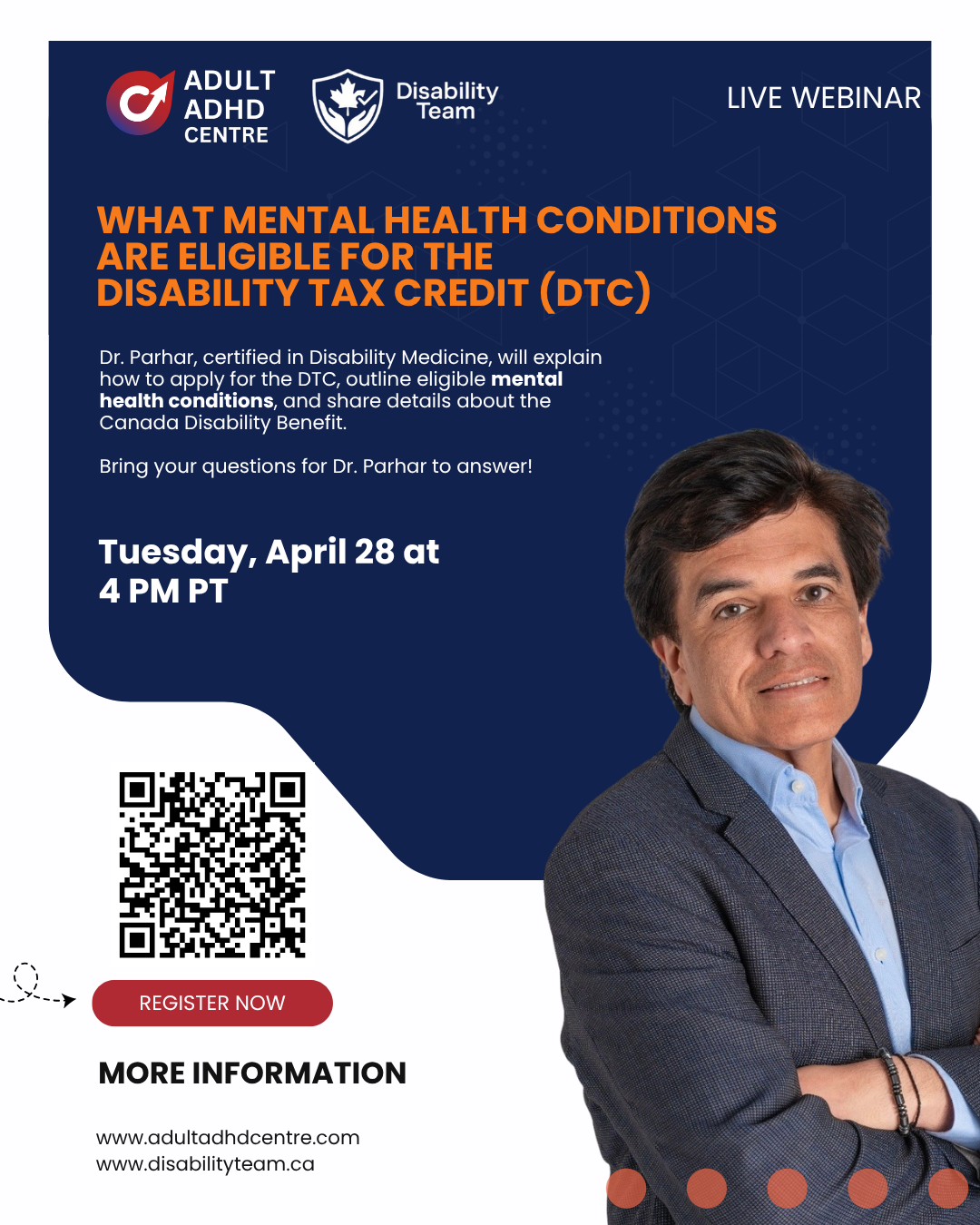
The DTC is a non-refundable tax credit designed to reduce the income tax burden for individuals living with significant and prolonged physical or mental impairments.
Join us live!
Focus: Mental Health Conditions
WEBINAR DETAILS:
Tues., April 28, 2026
4pm PT | 7pm EDT
| | |
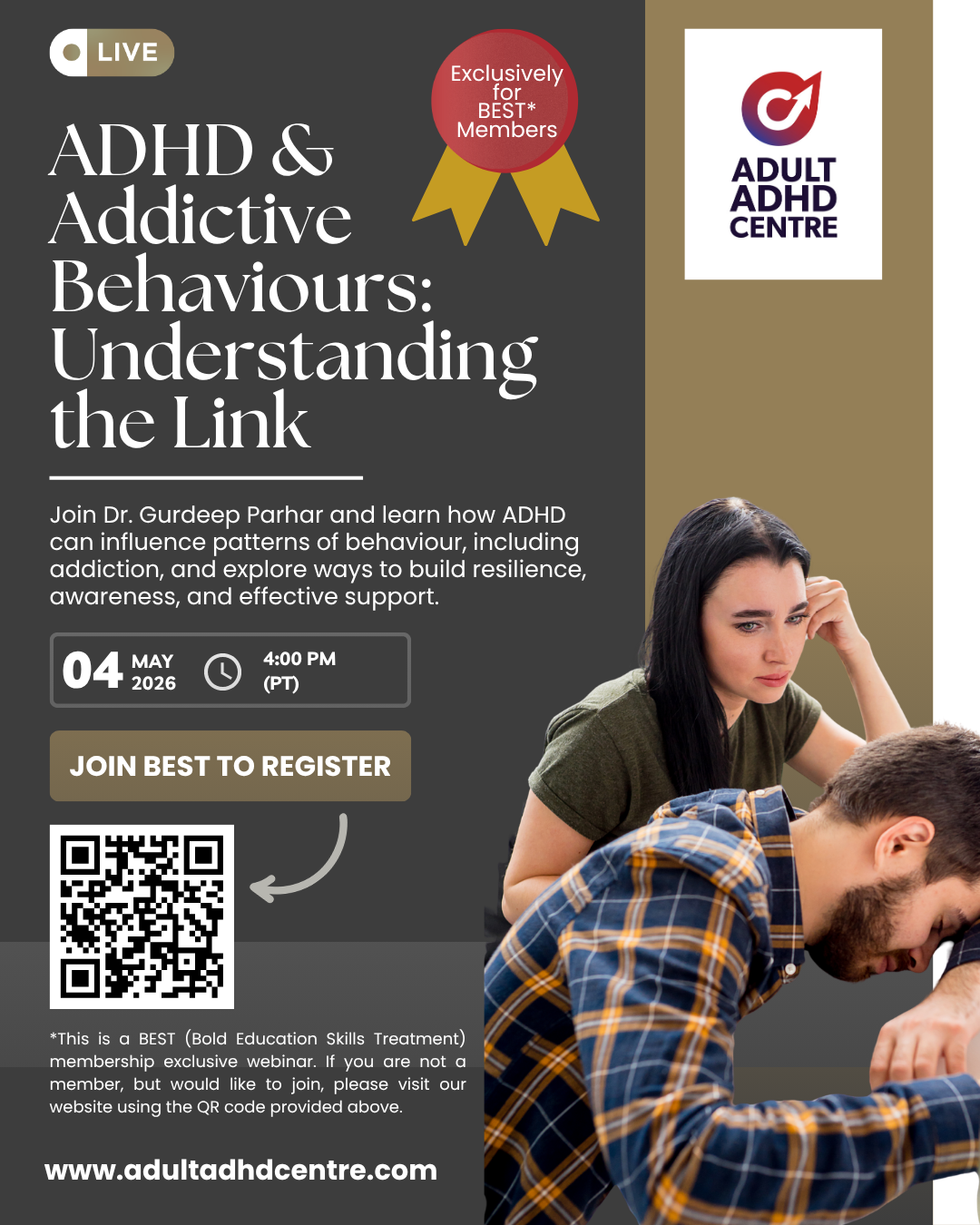
Join us as we unpack why individuals with ADHD may be more vulnerable to addictive behaviours, and what can be done to better understand, prevent, and support.
SCAN the QR code or click on the button below to learn more about the BEST program.
WEBINAR DETAILS:
Mon., May 4, 2026
4pm PT | 7pm EDT
| |
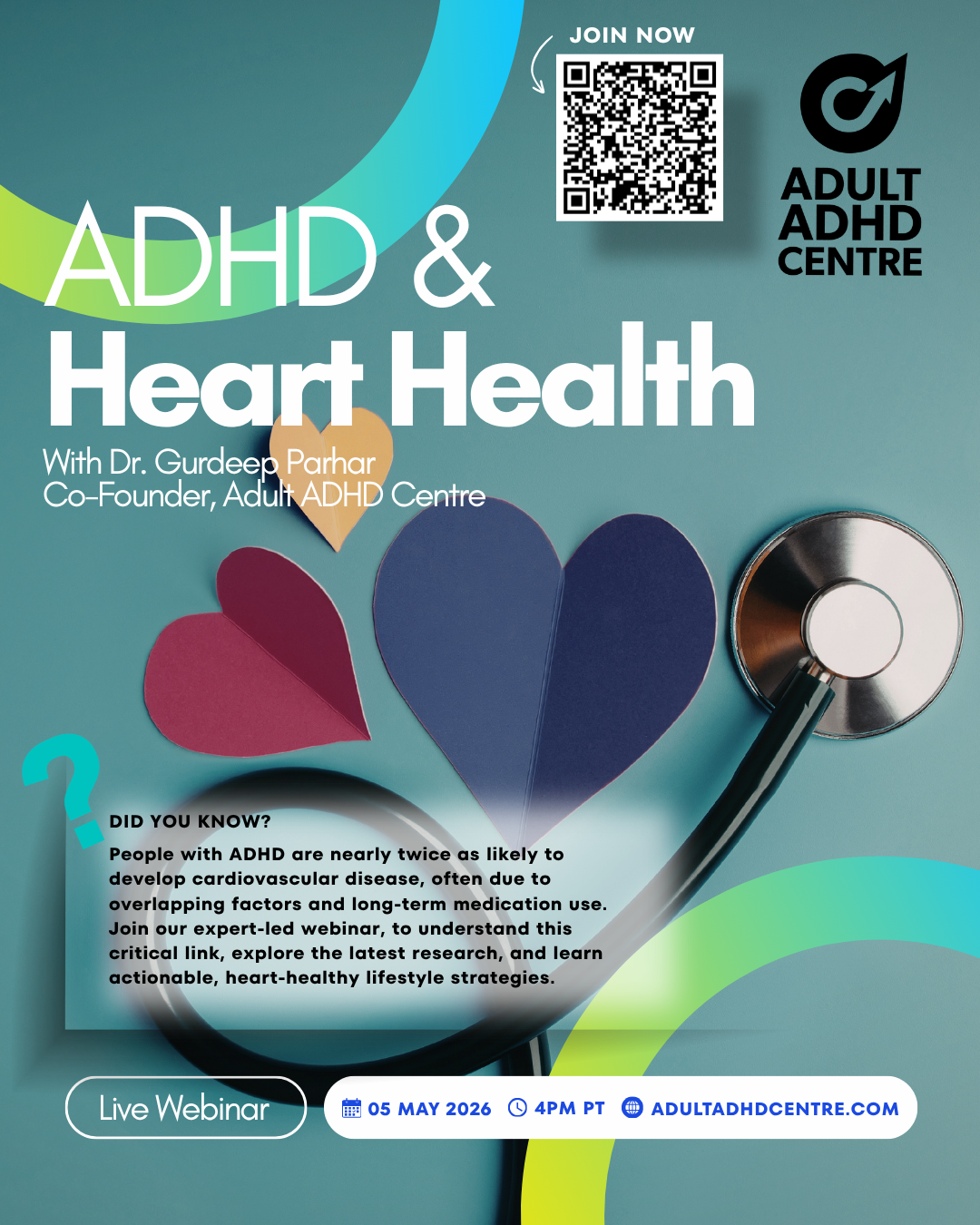
Did you know?
Individuals with ADHD may have a higher likelihood of experiencing heart health risks that often go unnoticed.
Join us to explore the latest research, understand why this matters, and learn practical strategies that support long-term well-being.
WEBINAR DETAILS:
Tues., May 5, 2026
4pm PT | 7pm EDT
| |
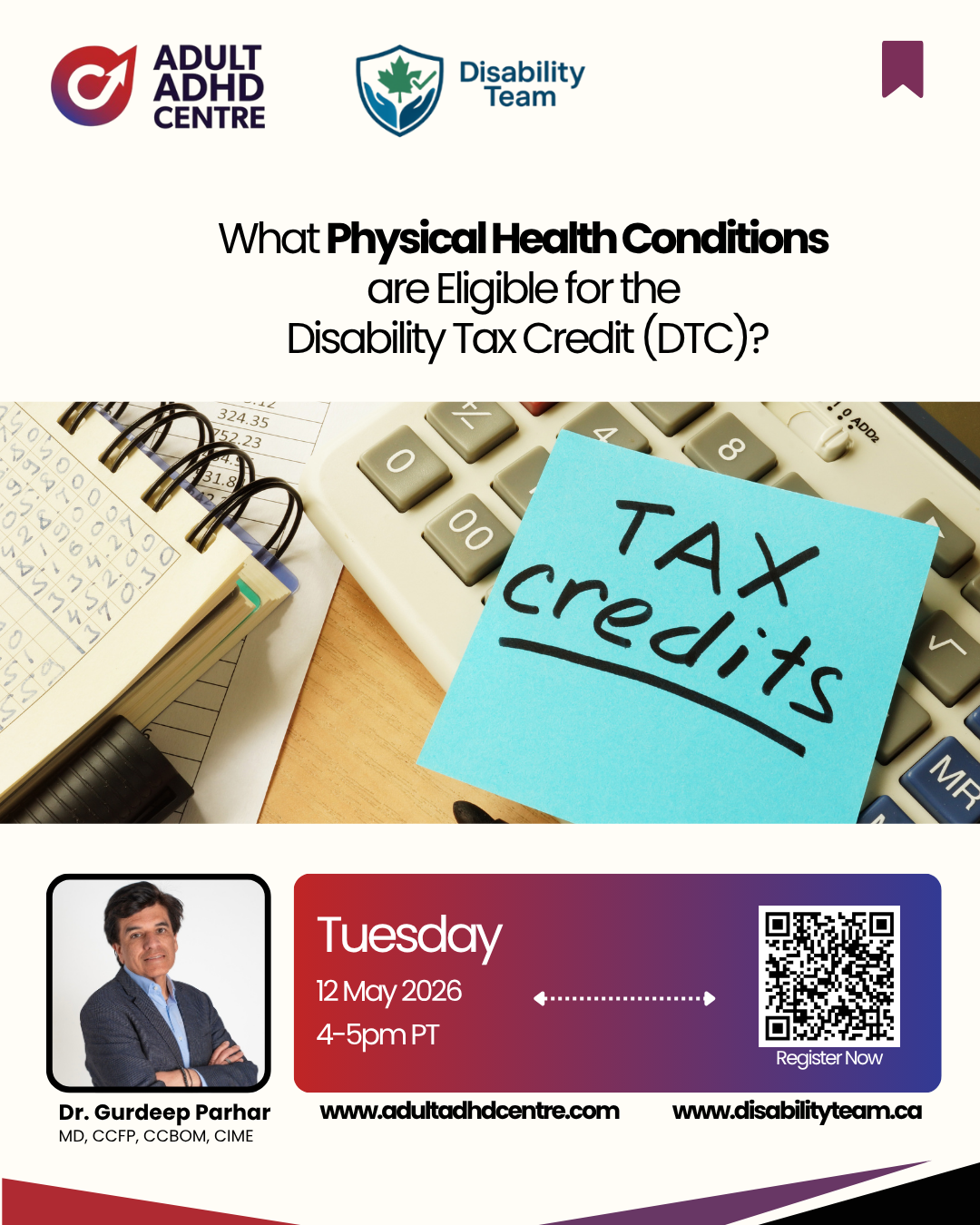
Many physical health conditions may qualify for the Disability Tax Credit, but eligibility is often misunderstood. Join us to learn more about which physical conditions may be considered, what the application process involves, and why proper documentation matters.
WEBINAR DETAILS:
Tues., May 12, 2026
4pm PT | 7pm EDT
| |
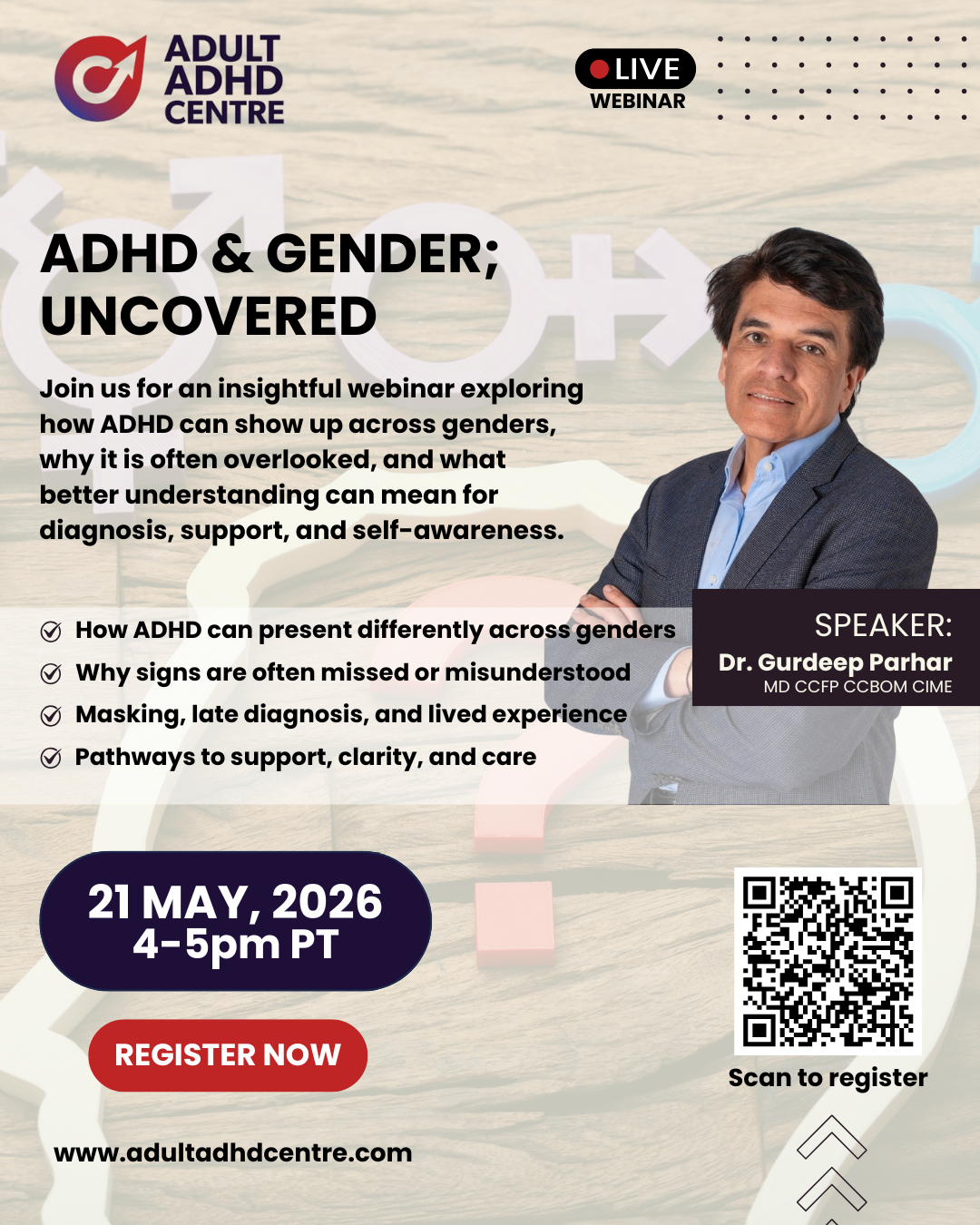
ADHD can present differently across genders, which is one reason it is often overlooked or misunderstood. Join us as we explore how symptoms may show up in different ways, how masking can affect recognition, and why a better understanding of gender matters in diagnosis and support.
WEBINAR DETAILS:
Thur., May 21, 2026
4pm PT | 7pm EDT
| |
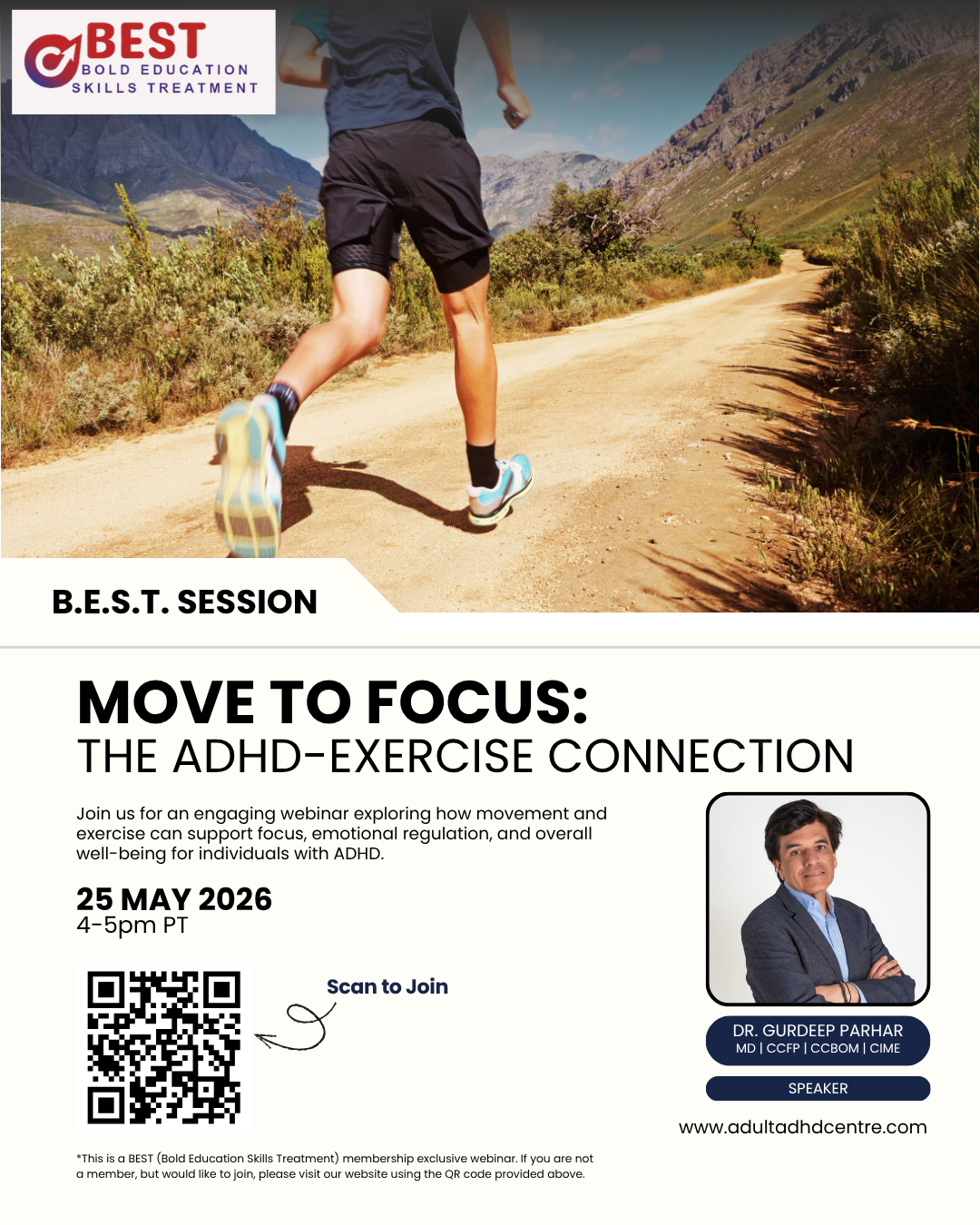
ADHD and movement are closely connected, yet the role of exercise in focus, regulation, and daily functioning is often underestimated. Join us to build a clearer understanding of the ADHD-exercise connection and why movement can be an important part of support.
WEBINAR DETAILS:
Mon., May 25, 2026
4pm PT | 7pm EDT
| |
Mental health conditions may qualify for the Disability Tax Credit, but eligibility is often misunderstood. Join us to learn more about which conditions may be considered, how eligibility is assessed, and what to know before applying.
WEBINAR DETAILS:
Tues., May 26, 2026
4pm PT | 7pm EDT
| |
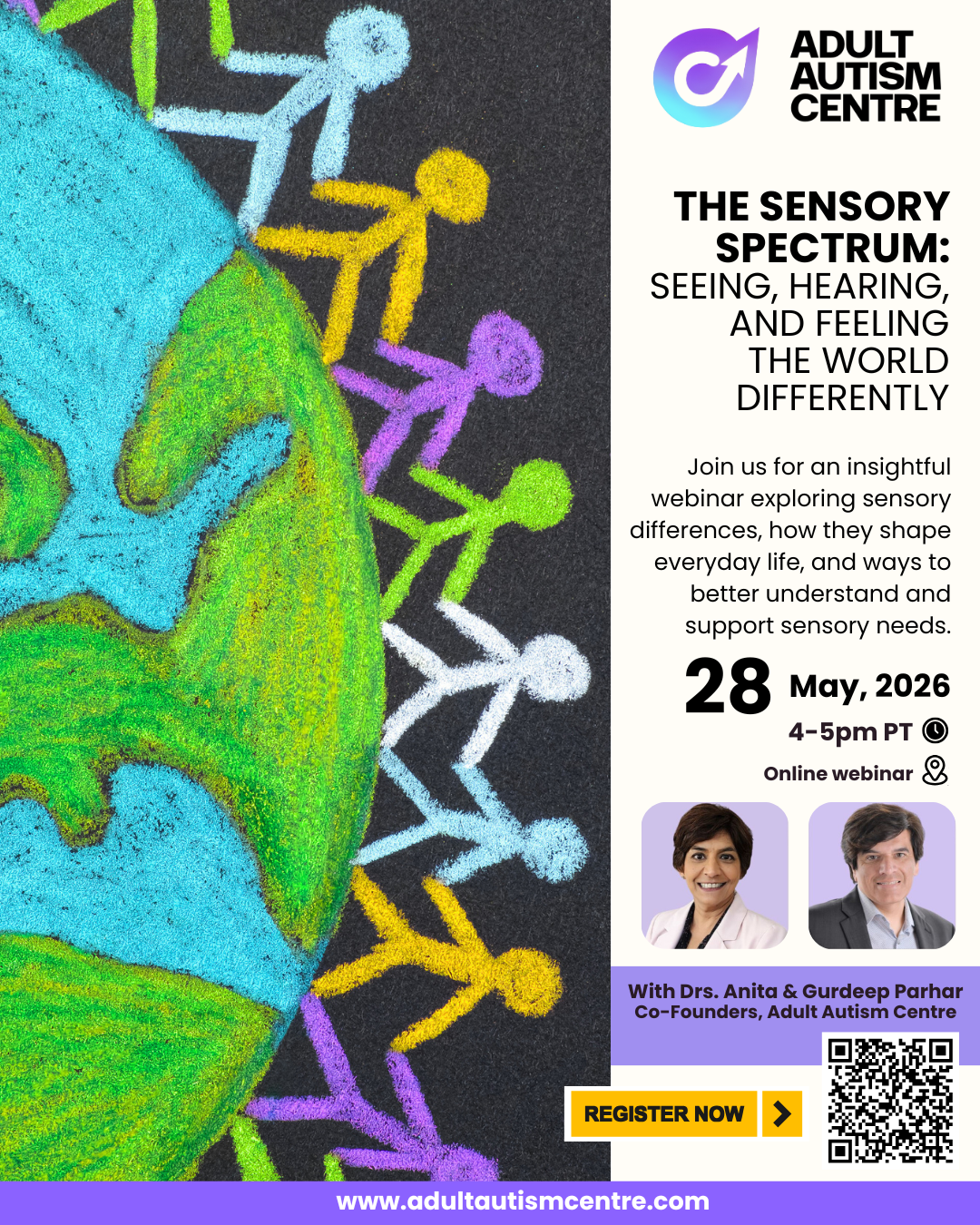
Sensory differences can shape how people experience everyday life in ways that are often misunderstood. Join us as we explore how sensory processing can affect seeing, hearing, touch, and overall daily functioning, and why understanding these differences matters for meaningful support.
WEBINAR DETAILS:
Thur., May 28, 2026
4pm PT | 7pm EDT
|
MOVE FOR MIGRAINE
What is "Move for Migraine"?
Move for Migraine is an awareness and fundraising campaign dedicated to bringing the community together to elevate understanding of this neurological disease and to foster unity within the community.
Our goal is to build robust community support, engaging individuals and groups to create a strong network of solidarity.
We encourage you to join forces to effect meaningful change!
Move for Migraine takes place during Migraine Awareness Month of June.
Participants can show their support by running, walking, bicycling, swimming, practicing yoga, relaxing and/or other activities to spread awareness, show support, and fundraise for Migraine Canada.
Join our newsletter to stay informed about the latest updates and event changes.
| |
Programme de coaching en groupe pour les jeunes atteints du TDAH (16 à 24 ans)
ADHD Group Coaching Program for Youth (Ages 16–24)
[FR]
Grâce au soutien du gouvernement de l’Ontario, le CSTC a pu offrir un programme pilote de coaching aux jeunes Franco‑Ontariens (16‑24 ans) vivant avec le TDAH. Ce projet a connu un grand succès, et nous sommes heureux d’annoncer que le programme sera déployé partout au pays dès l’automne 2026 ! Si vous souhaitez participer à ce programme ou voulez en apprendre d'avantage, ajoutez votre nom sur notre liste de diffusion:
https://lp.constantcontactpages.com/sl/PQnzDkO/FR2026YGC
[EN]
Thanks to support from the Government of Ontario, the CSTC (CADDAC's french translation) has been able to run a pilot coaching programme for young Franco-Ontarians (aged 16–24) living with ADHD. This project has been a great success, and we are delighted to announce that the program will be rolled out across the country from autumn 2026! If you would like to take part in this programme or find out more, please add your name to our mailing list.
| | | | |