This publication celebrates, supports, and empowers neurodivergent individuals and their communities. Each edition explores insights into ADHD (Attention Deficit Hyperactivity Disorder), autism, and other neurodiverse experiences; highlights valuable resources and advocacy updates; and shares stories that reflect lived experiences. Our goal remains to raise awareness, promote inclusion, and provide meaningful information for individuals, families, and professionals. We are excited to continue learning, sharing, and growing together. | | |
ADHD AND MANAGEMENT MODELS
Naïma Laraki, M.sc CPCC PCC MCAC
In today’s workplaces, traditional management models still rely heavily on consistency, linear productivity, and tight control of time. For individuals with ADHD — whether employees or managers —
these models often create more barriers than support.
The ADHD brain works differently. Focus comes in waves, influenced by interest, stimulation, emotional safety, and nervous system regulation. Someone may struggle to start a task, then later enter a period of intense focus, produce high-quality work in a short amount of time, and require genuine recovery afterward. This is not a lack of discipline — it is a neurobiological reality.
Self-regulation also requires more effort. Managing attention, emotions, impulses, and cognitive energy
is not automatic for ADHD brains. Under pressure — long and frequent meetings, constant interruptions, rigid deadlines — regulation becomes increasingly costly, making organization, planning, and task initiation far more difficult.
In my coaching practice, I work with both employees and managers who have ADHD. While organization, time management, and prioritization are always part of our work, I consistently observe that their true foundation lies elsewhere: energy management. When energy is depleted, even the best organizational strategies become inaccessible.
What works better is not the absence of structure, but outcome-based management within clear timelines. People with ADHD generally know their natural productivity cycles and can plan demanding
tasks for moments when their brain is most available. These shifts also require integrative leadership,
where managers act more as coaches than controllers and are trained to understand neurodivergence.
Author note: Before becoming an ADHD coach, I worked in management roles myself and hold a Master’s degree in Marketing Sciences as well as a Bachelor’s degree in Management. This dual background allows me to bridge organizational realities with the lived experience of ADHD, supporting both individuals and leaders in creating environments where performance and well-being can coexist.
| |
DOPAMINE MENU
Andrea Dasilva, M Ed. RCC
What was I saying? What am I doing?! I feel angry, nervous, excited, curious, and scared in the same minute. Meh… I’ll deal with this later.
When levels of the neurochemical dopamine are imbalanced or dysregulated, our behaviours and emotions (and so much else) become similarly imbalanced, which could lead to impulsive choices that are not overly satisfying.
Wouldn’t it be great if we could plan for and cater to what our systems are so hungry for? That’s where creating a dopamine menu comes in handy…
Dopamine: The Secret Sauce
In the ADHD brain, levels of dopamine are below average; as a result, the reward and pleasure pathways are very often starving for ways to stimulate levels of this chemical messenger. Hungry for the next dopamine kick. To maintain motivation, boredom, emotion regulation, concentration, and, well, feeling good, there might be a sort of desperation to reach for something – anything – that “hits the spot” (a highly stimulating behaviour which triggers a burst of dopamine). Whether that take the form of doom scrolling on social media, repeatedly clicking “Purchase” on items we like but don’t need, gambling, or finishing that box of doughnuts, the mind is trying to figure out how to achieve at least short-term satisfaction of cravings. After that wave of pleasure, dopamine levels drop back down to where they started. It can seem like a vicious cycle.
Creating a Dopa-mine
When we’re feeling depleted, dysregulated, and without energy, the last thing we want to do is to think hard to identify healthy and sustainable ways we can enhance levels of dopamine in our brains. It is so tempting (and simple) to indulge in impulsive behaviors.
Even though levels of dopamine are lower in the ADHD brain, this does not mean that we are helpless. We know healthier options to help ourselves regulate – this info is in the brain; ADHD makes it tougher to actualize or follow through on this information. So, how about separating the choosing from the planning to lighten the cognitive load and ease the overwhelm? Rather than trying to wrack your brain on the spot for “solutions” or shortcuts when the mind is already spent trying to deal with distressing perceived emptiness, how about creating your own personalized Dopamine Menu? A menu that suits you – you know what helps or has been effective for you.
Smorgasbord of Options
To begin creating your dopamine menu (before a dopamine crash), write out a list of activities that you know have been helpful for you to feel regulated. These might be things like taking a walk, listening to music, dancing, writing, exercising, jumping up and down for a minute, taking deep breaths, talking to a friend, the list is endless.
Structure your dopamine menu like a restaurant menu:
-
Appetizers: Quick activities that provide a burst of energy (i.e. drinking a glass of ice water or cup of coffee, listening to (or singing along to) your favourite song, stretching)
-
Main Courses: Time consuming activities that excite you (i.e. walking the dog, journaling, painting, dancing, solving a jigsaw or Sudoku puzzle)
-
Sides: Things you can do simultaneously to make boring tasks more interesting (i.e. turning on white noise or some music, playing with a fidget toy)
-
Deserts: Activities that are easy to overdo (i.e. texting, scrolling, watching TV). Consider these as sweet treats you pick on occasion.
-
Specials: Exciting activities that might involve more planning or spending (i.e. going to a concert or a movie, taking a vacation, going to a play)
Once you have your items selected, make any preparations you can to make engaging in the activities more accessible or sustainable; perhaps also render it more difficult to do contrary behaviours. Which activities are included in each course is totally up to you! There can be seasonal changes, updates, deletions – whatever suits your palate!
Have your menu easy to retrieve (maybe on your phone?) so that the next time you are feeling really low on dopamine, you have a list of healthy and productive options to help you experience increased dopamine – in ways that you are aware of selecting and aligning what your mind and body are craving most – regulation.
| | | BUILDING LASTING FRIENDSHIPS | |
BUILDING LASTING FRIENDSHIPS WITH ADHD:
Reducing Friction Without Losing Yourself
Friendship is often framed as something that should feel easy and intuitive. For many adults with ADHD, though, it can feel confusing, inconsistent, or unexpectedly exhausting — even when connection is deeply valued.
If you’ve ever struggled to maintain friendships, it’s important to name this clearly: difficulty with consistency does not mean you care less. More often, it reflects neurological friction rather than personal failure.
Strong friendships play a vital role in emotional well-being. They reduce loneliness, support mental health, and provide a sense of belonging. Yet adults with ADHD are more likely to experience strain in relationships, not because of a lack of empathy or commitment, but because ADHD affects the skills friendships quietly rely on. ADHD is about much more than attention. Executive functions — such as time awareness, working memory, emotional regulation, and follow-through — shape how we stay connected. Time blindness can make long gaps in communication feel unintentional. Working memory challenges can lead to “out of sight, out of mind” moments that are often misinterpreted by others. From the outside, this can look like flakiness. On the inside, it often feels like shame.
The emotional layer adds another challenge. Many adults with ADHD carry a history of misunderstandings or social burnout from years of masking — working hard to appear organized, attentive, or socially “on.” Over time, this effort can lead to withdrawal, especially when combined with fear of making mistakes.
Rejection Sensitive Dysphoria (RSD) can intensify this cycle. Small cues — a delayed response or a brief message — may trigger strong emotional reactions and a desire to pull away. While avoidance can bring short-term relief, it often increases isolation in the long run. Awareness of these patterns is a key step toward changing them.
Because consistency requires more effort with ADHD, systems matter. External supports like reminders or structured routines reduce cognitive load and make reliability more achievable. Using systems isn’t a weakness — it’s an adaptive strategy.
It’s also important to recognize that not every relationship needs to be maintained. Fewer, reciprocal connections are often more sustainable than trying to keep up with everyone.
Adults with ADHD bring real strengths to friendship: creativity, emotional depth, loyalty, authenticity, and enthusiasm. When connection is shaped around how your brain works — rather than how it’s “supposed” to work — friendship becomes more accessible.
You don’t need perfection to be worthy of connection. With understanding, compassion, and the right supports, lasting friendships are possible.
Our upcoming webinar explores these ideas in greater depth, offering practical tools and strategies for building connection that fits your wiring — not fights it.
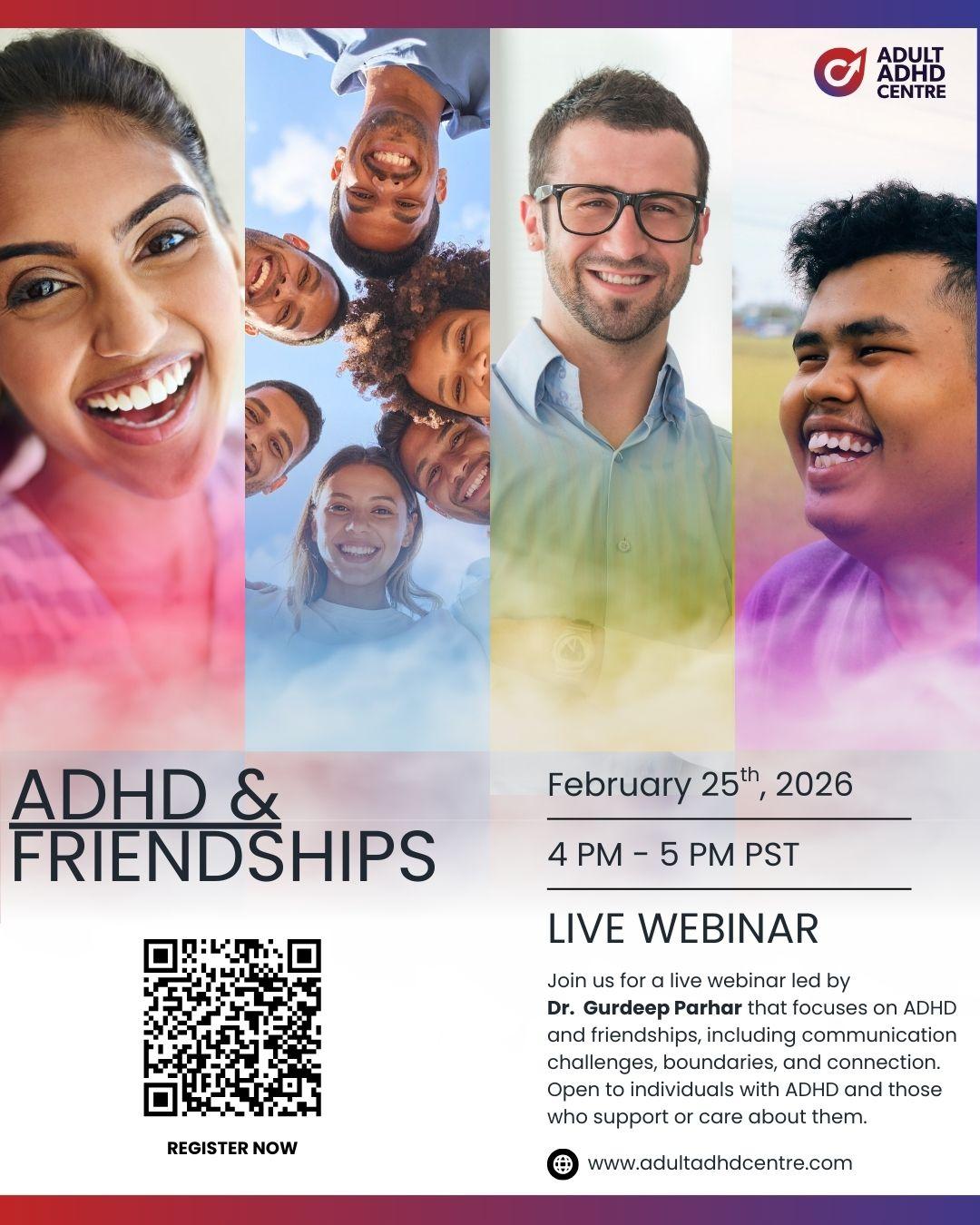
To learn more, tune into our upcoming webinar, “ADHD & Friendships”, on Wednesday, February 25, 2026, from 4:00 pm – 5:00 pm PST/6:00 pm – 7:00 pm CST/7:00 pm – 8:00 pm EST.
You can register for this FREE presentation using the following link, or click on the button below:
https://us02web.zoom.us/webinar/register/WN_F4JhdIFrTxiPUDcFjbbwwQ
| | |
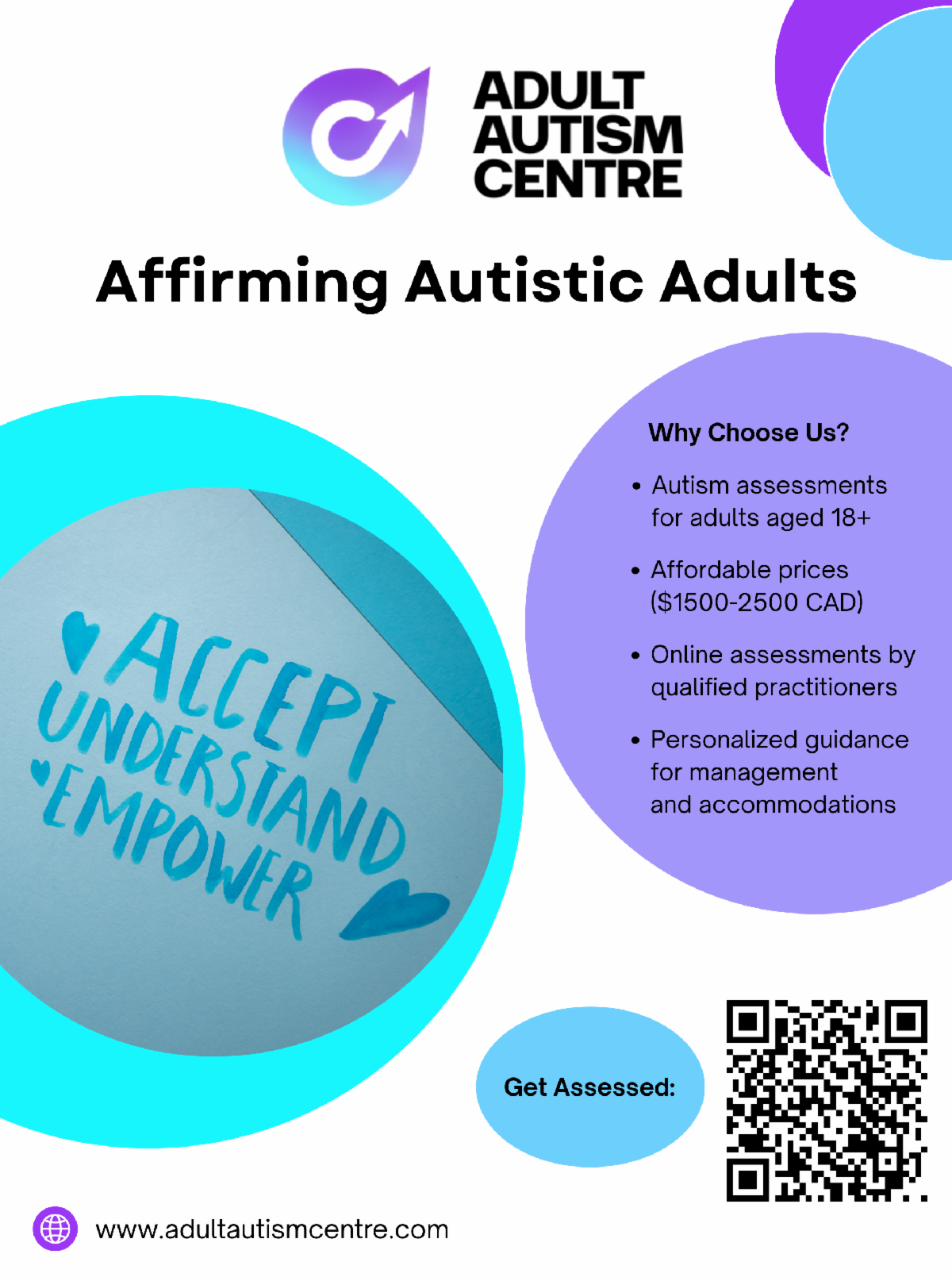
Receiving an autism diagnosis can provide access to a variety of accommodations and supports. It can also provide a profound sense of self-acceptance and understanding, and help to guide a plan to move forward. Some of the lifestyle changes that can benefit autistic adults include environmental adjustments, skill development, support systems, routine development, sensory regulation, and social strategies.
An autism diagnosis can empower you to embrace your true self, advocate for your needs, and live authentically. You can trust the Adult Autism Centre to help you through the first steps of this journey.
If you are unsure if an autism assessment is right for you, our centre offers a Complimentary Discussion about the Autism Assessment. To schedule a free discussion, please visit: https://adultautismcentre.com/your-autism-assessment and click on the REGISTER HERE button which can be found under the FAQ section.
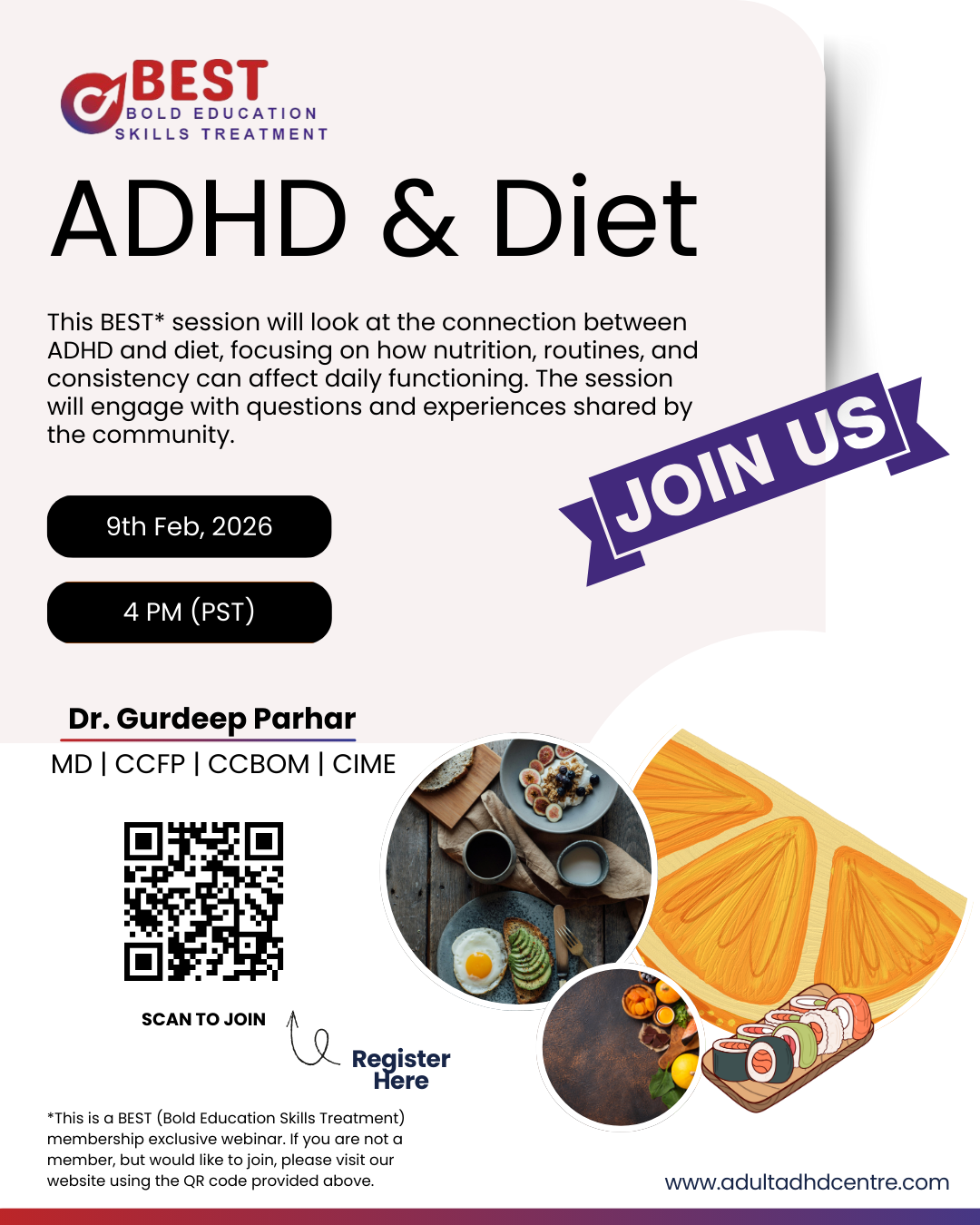
| | | B.E.S.T. MEMBERSHIP PROGRAM | | |
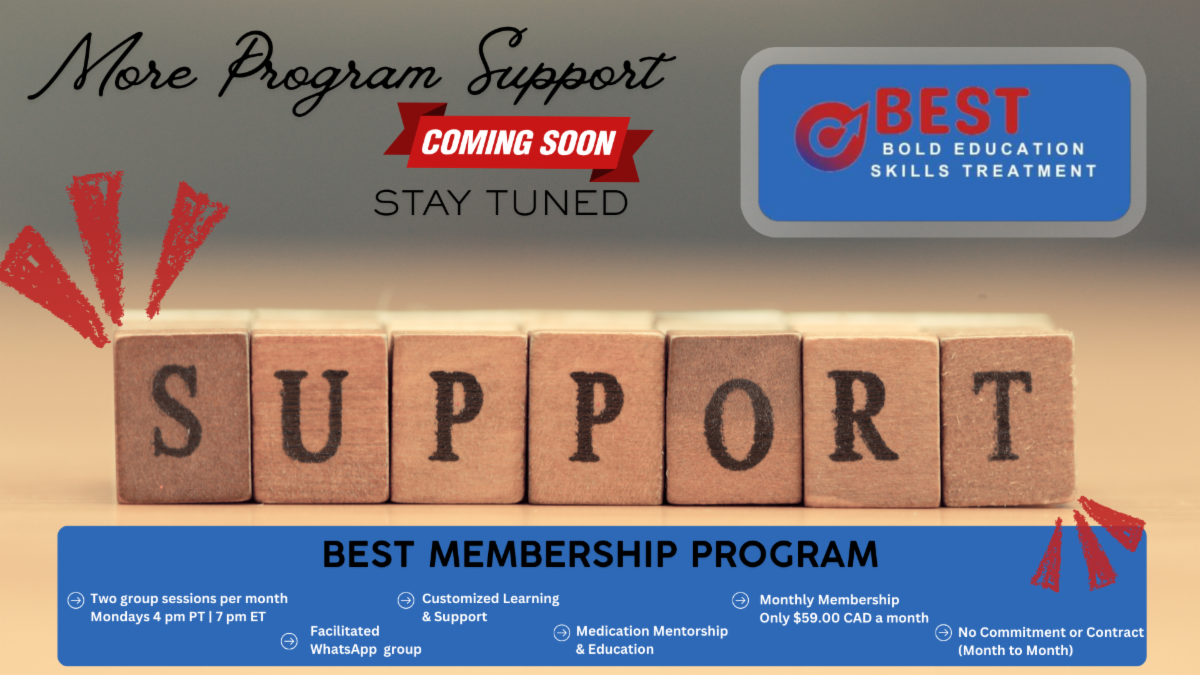
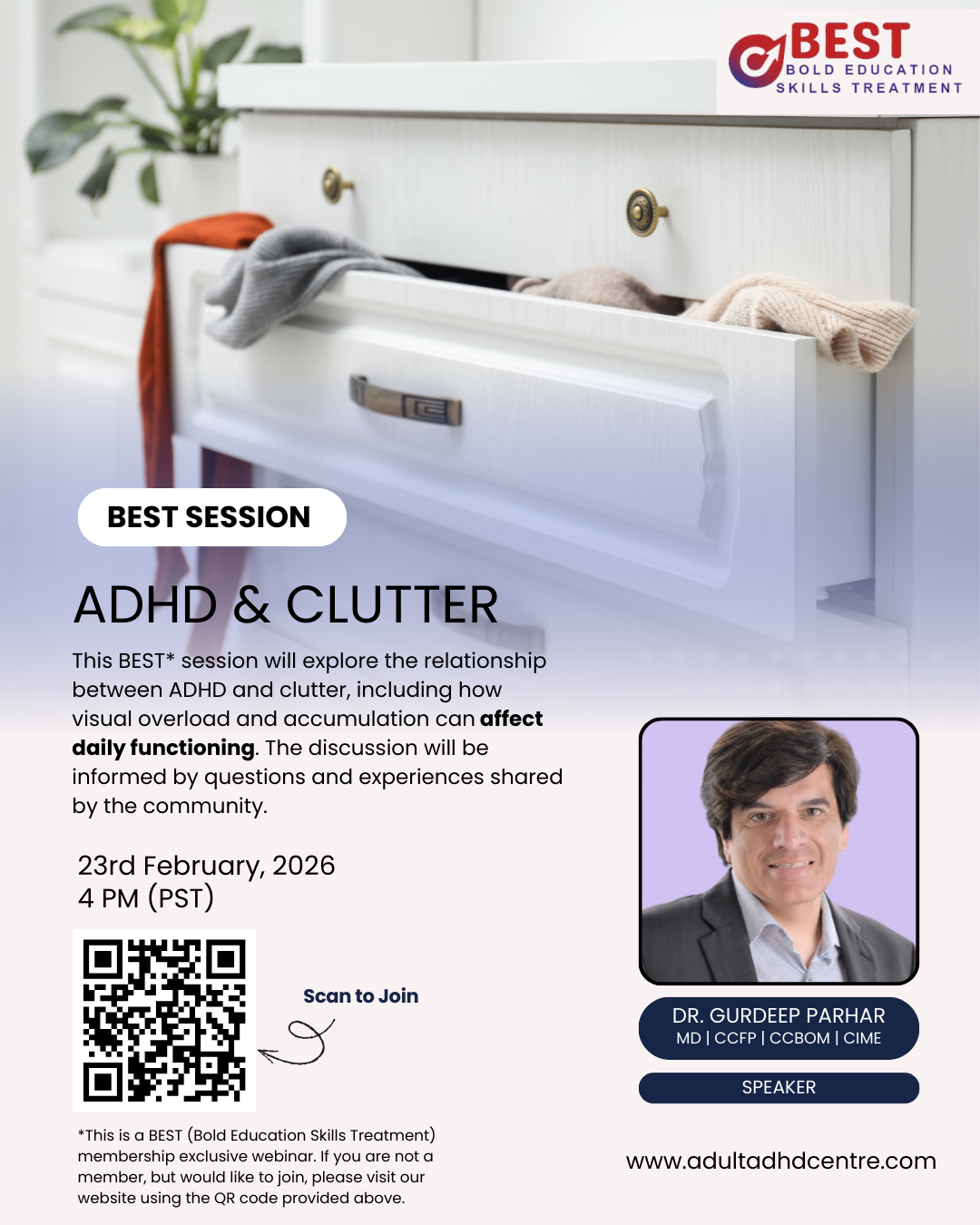
This is a BEST membership exclusive webinar.
For more information on the BEST program and how to join, please SCAN the QR code or click on the button below.
WEBINAR DETAILS:
Mon., Feb. 9, 2026
4pm PST | 7pm EST
| |
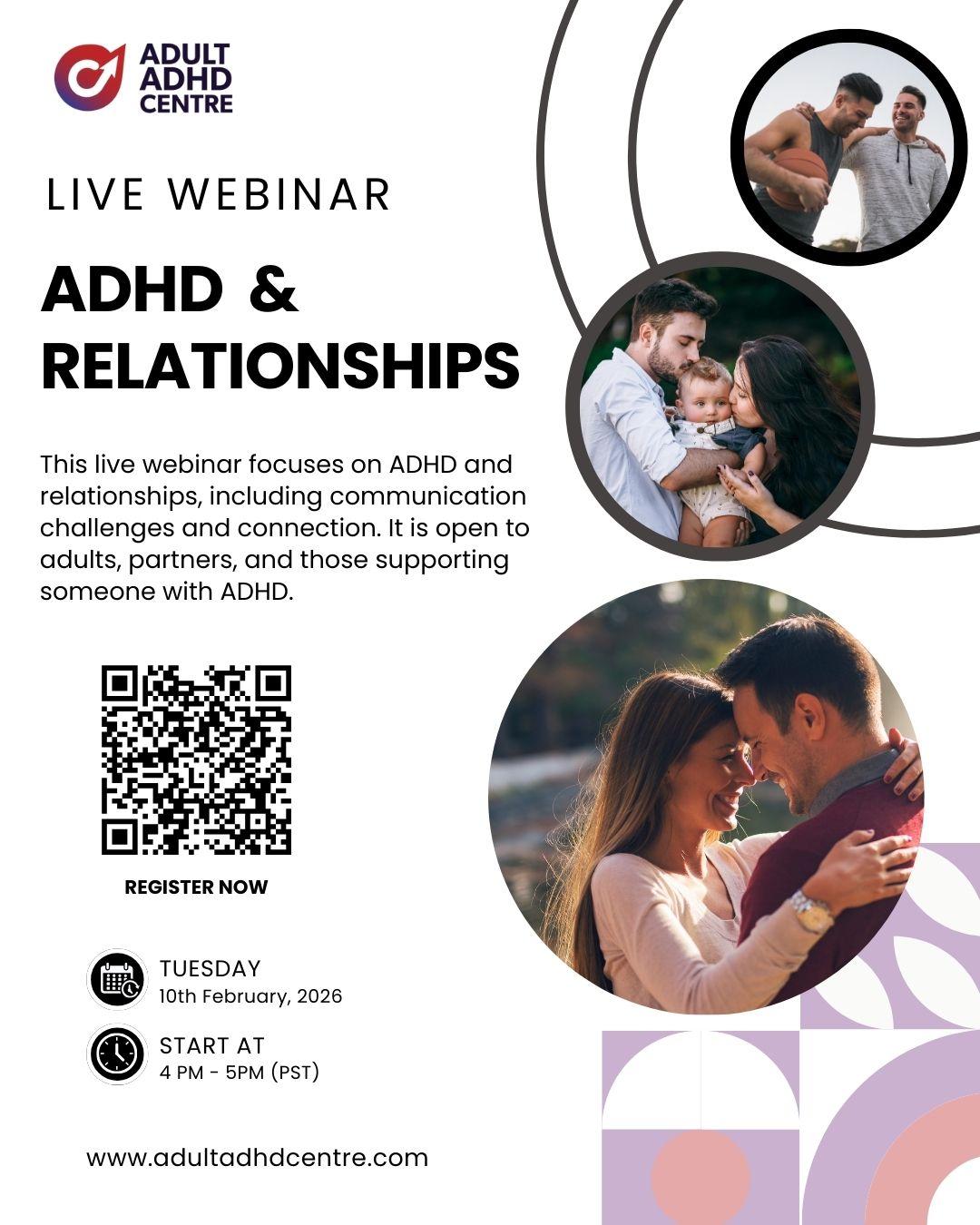
This month, in observation of Valentine's Day and Family Day, please join us for a LIVE webinar on ADHD & RELATIONSHIPS.
Join us to learn more!
WEBINAR DETAILS:
Tues., Feb. 10, 2026
4pm PST | 7pm EST
| |
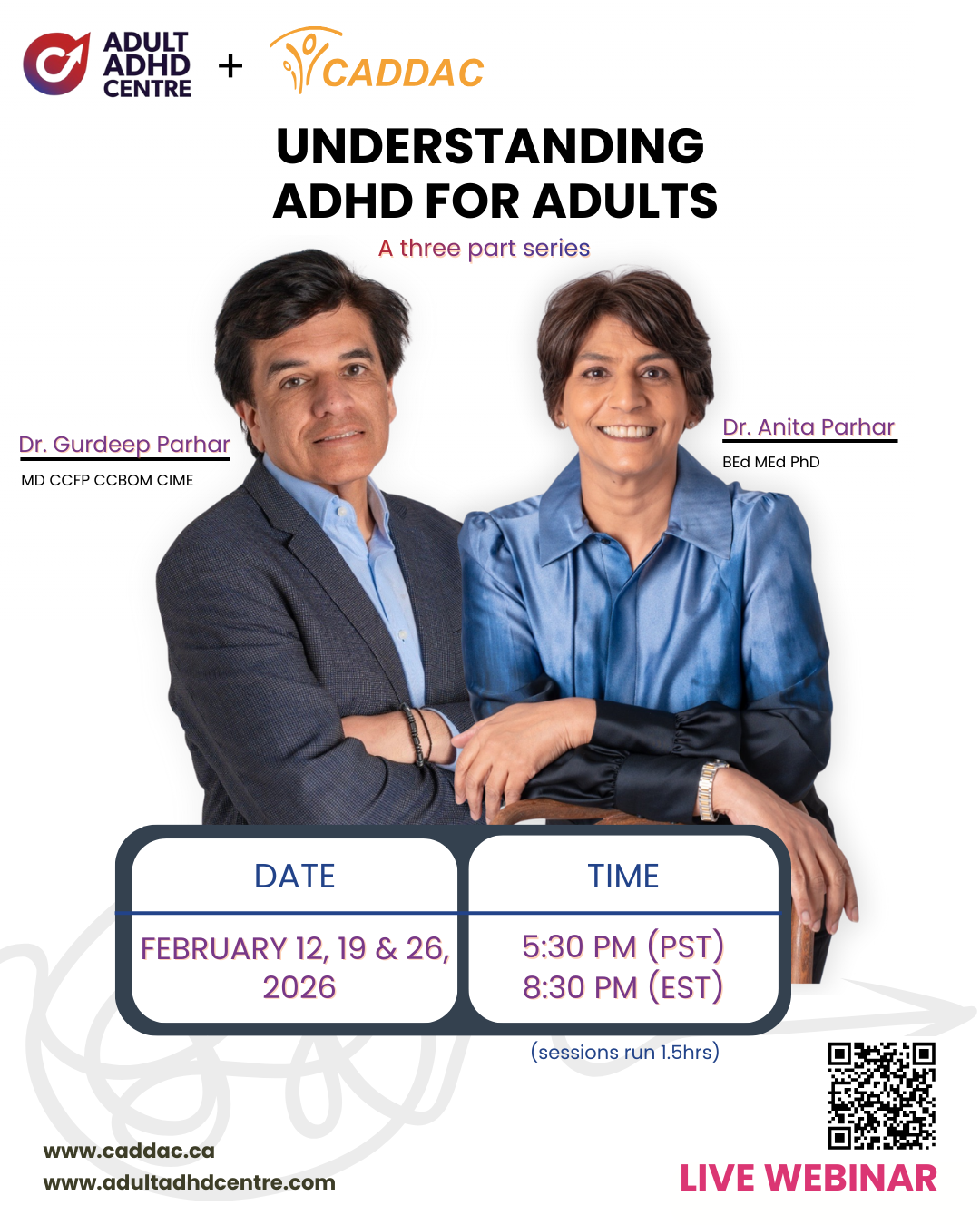
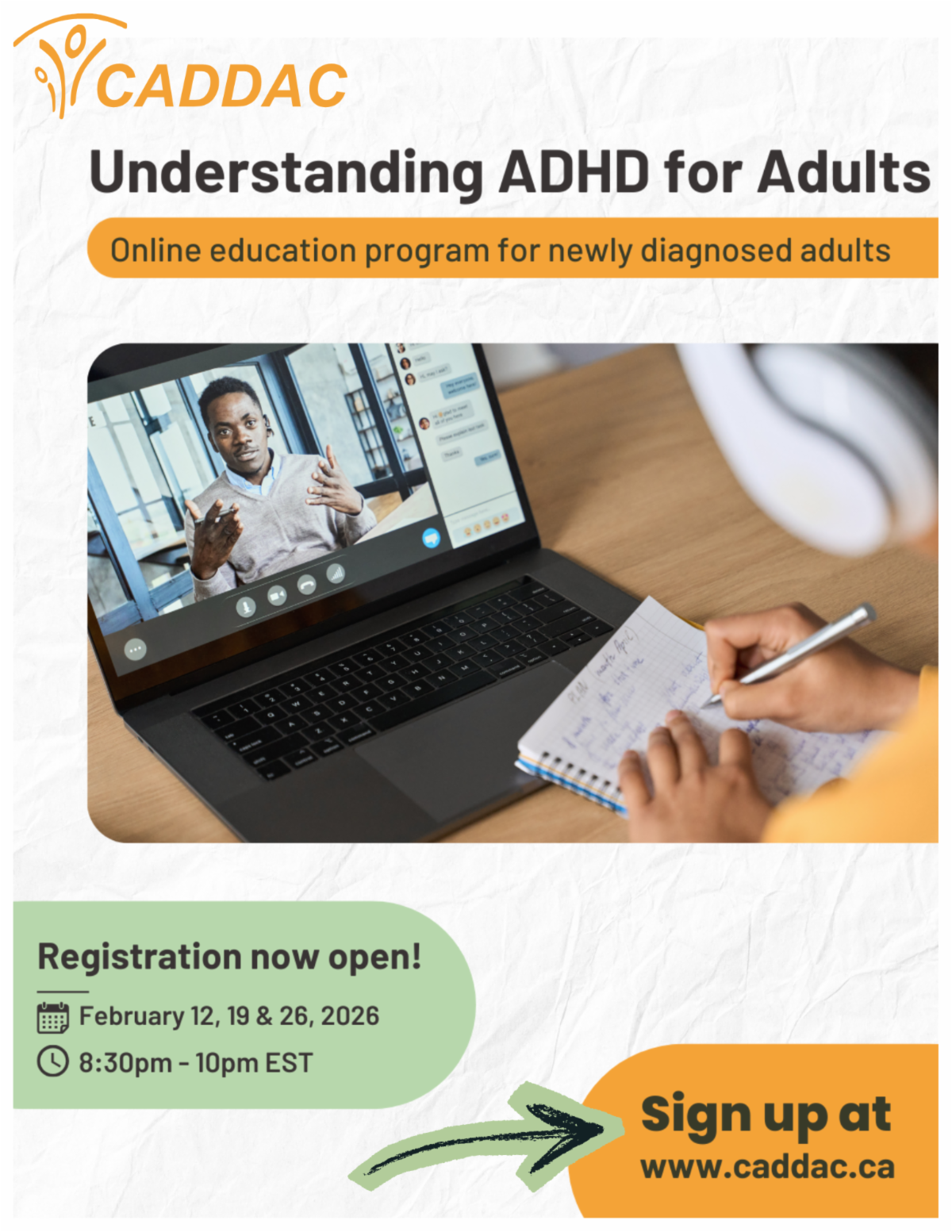
ADHD impacts all areas of life, and understanding is a pivotal starting point for moving forward. This program is designed for those who are newly diagnosed and are embarking on a personal journey of self-discovery.
WEBINAR DETAILS:
3-part series:
February 12, 2026
February 19, 2026
February 26, 2026
5:30pm PST | 830pm EST
Runs 1.5 hours.
| |
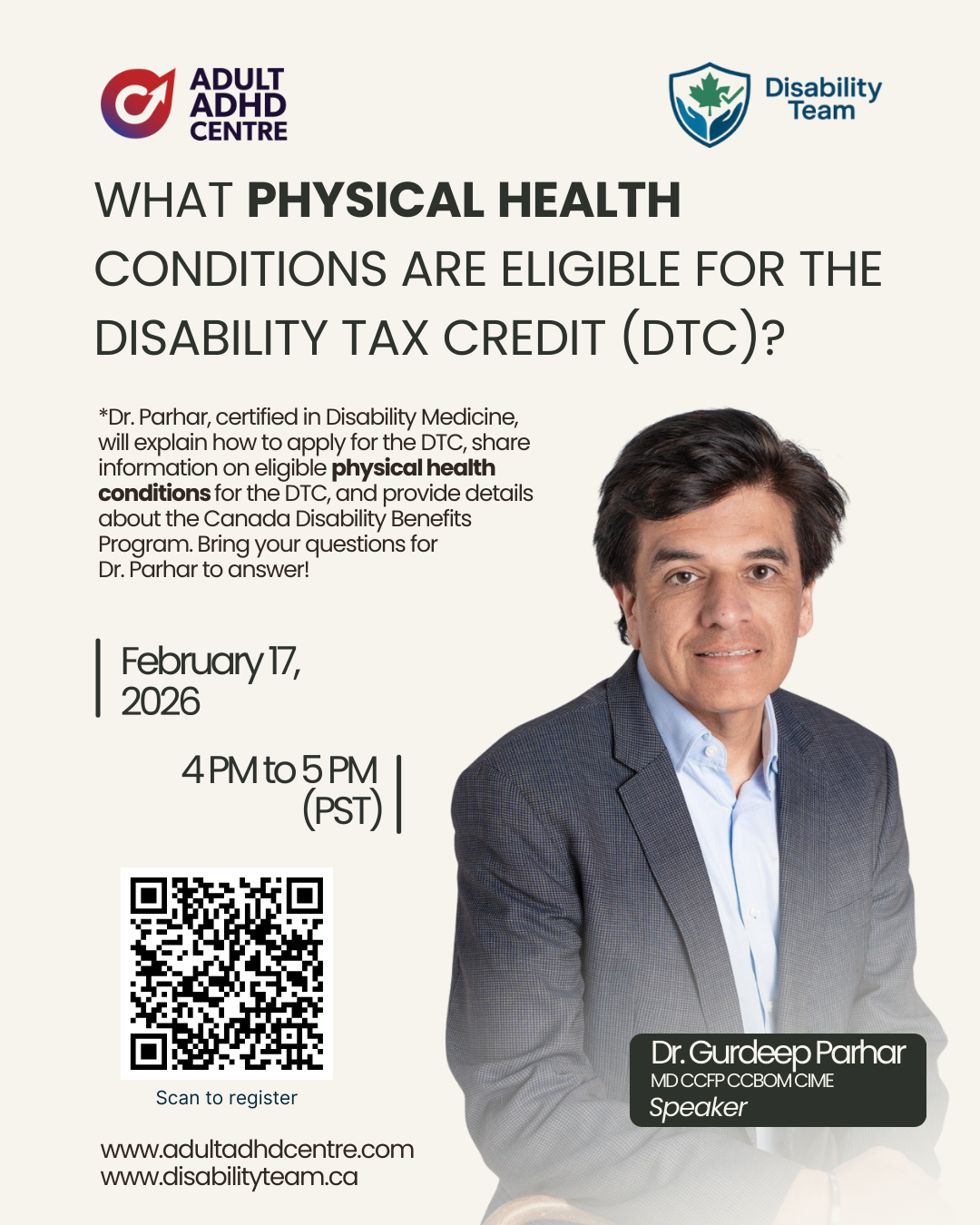
The DTC is a non-refundable tax credit designed to reduce the income tax burden for individuals living with significant and prolonged physical or mental impairments. Join us and bring your toughest questions for Dr. Parhar to answer LIVE!
WEBINAR DETAILS:
Tues., Feb. 17, 2026
4pm PST | 7pm EST
| |
This is a BEST membership exclusive webinar.
For more information on the BEST program and how to join, please SCAN the QR code or click on the button below.
WEBINAR DETAILS:
Mon., Feb. 23, 2026
4pm PST | 7pm EST
| |
The DTC is a non-refundable tax credit designed to reduce the income tax burden for individuals living with significant and prolonged physical or mental impairments. Join us and bring your toughest questions for Dr. Parhar to answer LIVE!
WEBINAR DETAILS:
Tues., Feb. 24, 2026
4pm PST | 7pm EST
| |
This month, in observation of Valentine's Day and Family Day, please join us for a LIVE webinar on ADHD & FRIENDSHIPS.
Join us to learn more!
WEBINAR DETAILS:
Wed., Feb. 25, 2026
4pm PST | 7pm EST
| | |
Understanding Your Child's ADHD
Begins February 2026
Are you struggling to understand and navigate your child’s new ADHD diagnosis? Do you feel overwhelmed with all the information and unsure what to believe? This three-week introductory program will help you learn what ADHD actually is, and how it can affect your child at home and school. The course aims to teach parents and caregivers the basics of ADHD and strategies to help manage adverse symptoms.
Click the button below to lean more!
| |
Understanding ADHD for Adults
Begins February 2026
Join us to unravel the complexities of Adult ADHD in an interactive, supportive, and collaborative environment.
Click the button below to lean more!
| | | | |