|
This publication celebrates, supports, and empowers neurodivergent individuals and their communities. Each edition explores insights into ADHD (Attention Deficit Hyperactivity Disorder), autism, and other neurodiverse experiences; highlights valuable resources and advocacy updates; and shares stories that reflect lived experiences.
Our goal remains to raise awareness, promote inclusion, and provide meaningful information for individuals, families, and professionals. We are excited to continue learning, sharing, and growing together.
| | |
Sleep and ADHD:
Why You Feel “Tired But Wired” (and What Can Actually Help)
Marlee Boyle BSc RRT CCSH
ADHD and Sleep: A Double-Edged Sword
If you have ADHD and struggle with sleep, you probably know this moment:
It’s late. You’re exhausted. You finally crawl into bed — and suddenly your brain goes, “Oh! Now’s the perfect time to think about everything I’ve ever done, need to do, or might someday do.” Your body’s tired, but your mind is wide awake. You watch the clock tick later and later until morning arrives and you feel like you barely slept.
Sound familiar?
First, please hear this: there is nothing wrong with you. ADHD and sleep have a complicated relationship, and you’re far from alone in this. At Sleep Works, we meet so many people experiencing this exact cycle — and one of the most effective tools we use is CBT-I (Cognitive Behavioural Therapy for Insomnia), successfully adapted for ADHD.
Let’s walk through why ADHD makes sleep tricky, and how CBT-I helps.
ADHD and the Sleep System
ADHD impacts areas of the brain involved in focus, motivation, and emotional regulation — the same regions affected by poor sleep. This overlap means insomnia or restless nights can dramatically amplify ADHD symptoms like impulsivity, brain fog, forgetfulness, and irritability.
Sleep depends on two major processes: sleep pressure (how long you’ve been awake) and your circadian rhythm (your internal body clock). For many ADHD brains, both systems are disrupted. You may feel most alert at night or have difficulty winding down when the world goes quiet. Things like stimulants, caffeine, late naps, or irregular sleep schedules all weaken your natural sleep drive.
Why CBT-I Works So Well
CBT-I helps retrain the relationship between your brain, body, and sleep. It focuses on consistency and confidence, teaching your mind that bed equals rest — not stress or overthinking.
At Sleep Works, our ADHD-friendly approach includes:
- Gentle education on how sleep actually works.
- Practical strategies to reduce “bedtime overthinking.”
- Tools like light therapy, wind-down routines, and realistic timing for late-night energy peaks.
- Flexible, supportive planning tailored for your unique rhythms — no rigid schedules required.
Try These ADHD-Friendly Tips Tonight:
- Get out of bed if you can’t sleep after 20–30 minutes; do something quiet and return when sleepy.
- Do a “thought download” — jot down any to-dos or ideas before bed to clear mental clutter.
- Keep a short, repeatable 10-minute bedtime routine.
- Wake up at the same time daily and get light within an hour.
Good sleep isn’t a luxury — it’s part of your wellbeing, and you absolutely deserve it.
| |
Neurodiversity Playlist
Andrea Dasilva M Ed. RCC
Music, whether instrumental, operatic, or head-banging grunge, is an accessible and validating form of therapy—no prescription required! Different genres offer unique rhythms that benefit the brain. Research shows that classical music can enhance focus and spatial reasoning, while all types of music support emotional regulation, concentration, and attention. Brain imaging even shows that music lights up cortical areas and boosts dopamine, enhancing memory and motivation.
Music is also social and validating. Hearing lyrics that resonate can make us feel understood and connected. It can lower cortisol, provide calm through rhythm, and improve self-esteem. Listening to what feels right is a powerful act of self-compassion.
Musical preferences vary by person and mood—what calms one might energize another. On my neurodivergent journey, music has lifted, comforted, and grounded me. I’d love to hear what songs help you regulate, focus, or simply feel good—let’s build the ultimate Neurodivergence Playlist together!
| | | MANAGING SEASONAL AFFECTIVE DISORDER | |
Seasonal Affective Disorder & How To Manage It
January brings the fresh start of a new year. However, as the days are short and cold, many people notice changes in their mood, energy, and motivation. For neurodivergent individuals—especially those with ADHD or autism—this time of can feel particularly heavy. If winter feels harder than it “should,” you are not imagining it, and you are not alone.
Seasonal Affective Disorder (SAD) is a form of depression that typically appears during the fall and winter months when daylight decreases. While SAD can affect anyone, it may be more common—and more complex—for neurodivergent people. Many individuals with ADHD and autism experience higher rates of anxiety or depression, which can make seasonal shifts feel more intense.
Winter can also disrupt routines that provide comfort and stability, especially for autistic individuals who thrive on predictability. Changes in daylight, weather, schedules, and holiday expectations can quietly increase stress and emotional fatigue, even when these changes seem minor to others.
Reduced sunlight affects the brain and body in real ways. Shorter days can disrupt sleep-wake rhythms, increase fatigue, and make focusing harder. Sunlight helps regulate serotonin, a chemical involved in mood and attention, and lower levels may intensify symptoms such as inattention, low mood, anxiety, or sleep difficulties. Sensory sensitivities can also be heightened in winter, with harsher lighting, temperature changes, and crowded indoor spaces adding to overwhelm.
SAD does not look the same for everyone. Some people feel persistently low, irritable, or withdrawn, while others notice changes in sleep, appetite, or motivation. For autistic individuals, sadness may not always be expressed with words and can instead show up as lower frustration tolerance or disengagement from once-enjoyed activities. It is also important to note that some people experience seasonal depression in the summer, often linked to heat, overstimulation, or disrupted routines.
There are gentle ways to support yourself through seasonal changes:
- Light therapy can be helpful for some, especially when used consistently in the morning and at a comfortable brightness level.
- Maintaining simple routines, pacing yourself, and letting go of unrealistic expectations can also reduce stress.
- Movement, balanced meals, limiting alcohol, and finding small ways to access natural daylight can all support wellbeing.
If seasonal changes are significantly affecting your mental health, professional support can help. A therapist or healthcare provider can guide treatment options such as counselling or medication adjustments. Just as important is connection—spending time with people who understand and support your mental health.
If winter feels harder for you, there is a reason. Neurodivergent brains often experience seasonal shifts more deeply, and with the right support, it is possible to move through this time with greater ease and self-compassion. You deserve care and understanding—no matter the season.
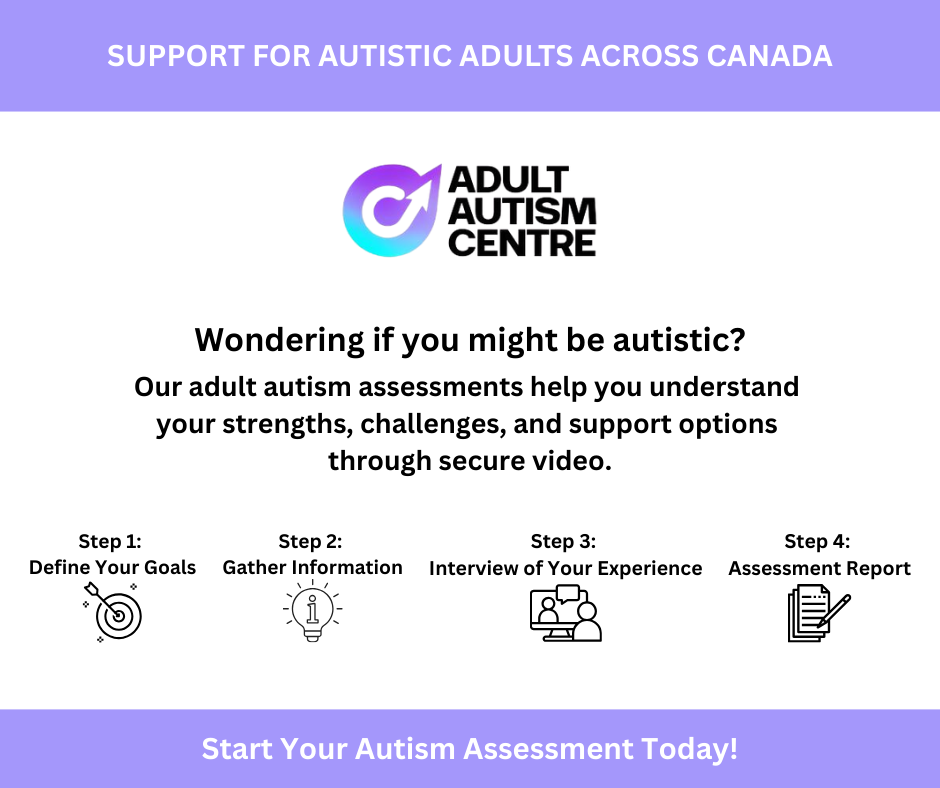
| | Wondering if an Adult Autism Assessment is Right for You? | | |
Did you know that 50–70% of individuals diagnosed with ADHD also meet the criteria for Autism Spectrum Disorder (ASD)? While ADHD and Autism are distinct neurodevelopmental conditions, they often present with overlapping symptoms. Challenges such as difficulties with attention, interpreting social cues, and managing sensory sensitivities may occur in both.
Suppose you are experiencing symptoms and are uncertain whether they may be related to ADHD, Autism, or both. In that case, the Adult ADHD Centre and the Adult Autism Centre offer accessible, neuro-affirming assessments. Our experienced practitioners are available across Canada and can provide timely support to help you gain a clearer understanding of your experiences.
Most autism assessments cost several thousand dollars and can have lengthy wait times. The Adult Autism Centre is committed to providing timely, affordable assessments for adults in Canada for $2500. To ensure that those struggling financially also have access to an autism assessment, we do offer a Parhar Compassion Program. If a patient qualifies for the Parhar Compassion Program, the total cost of the assessment will be $1500.
Receiving an autism diagnosis can provide access to a variety of accommodations and supports. It can also provide a profound sense of self-acceptance and understanding, and help to guide a plan to move forward. Some of the lifestyle changes that can benefit autistic adults include environmental adjustments, skill development, support systems, routine development, sensory regulation, and social strategies.
An autism diagnosis can empower you to embrace your true self, advocate for your needs, and live authentically. You can trust the Adult Autism Centre to help you through the first steps of this journey.
Are you a Registered Clinical Counsellor or Psychotherapist interested in being involved with Neuroaffirmative Autism Assessments for your clients? The Adult Autism Centre provides training and opportunities to collaborate.
Please contact us for more information regarding training and/or collaboration: affirm@adultautismcentre.com
| | | INTERESTED IN BECOMING A BESTie? | | |
Finding a community you truly connect with as an adult can be difficult, and this can feel even more challenging for many neurodivergent adults who often report feeling isolated or misunderstood.
The Bold Education Skills Treatment (BEST) Program offers an engaging way to begin 2026 with a group of peers who share similar lived experiences—people who understand the realities of navigating life with ADHD and can offer genuine support, encouragement, and practical insight.
BEST provides a welcoming, judgment-free space for adults with ADHD to learn, connect, and build confidence. Delivered entirely online, the program includes two monthly webinars that explore important topics such as sleep, medication, impulse control, organization, and focus. Sessions are led by Dr. Gurdeep Parhar—co-founder of the Adult ADHD Centre and the Adult Autism Centre—who brings over a decade of expertise in ADHD treatment and management. The program also features guest experts who share valuable guidance on areas like financial well-being, nutrition, and day-to-day organization.
Beyond the webinars, BEST members have the opportunity to connect with one another, share experiences, and offer support as they navigate daily life with ADHD. Many participants find comfort in meeting others who “get it,” and who can relate to both the challenges and the successes. ADHD does not have to feel isolating. If connection is on your wishlist for the New Year, BEST is a great place to start.
To learn more and/or to join the BEST Program and become a BESTie today, please click on the button below!
| | |
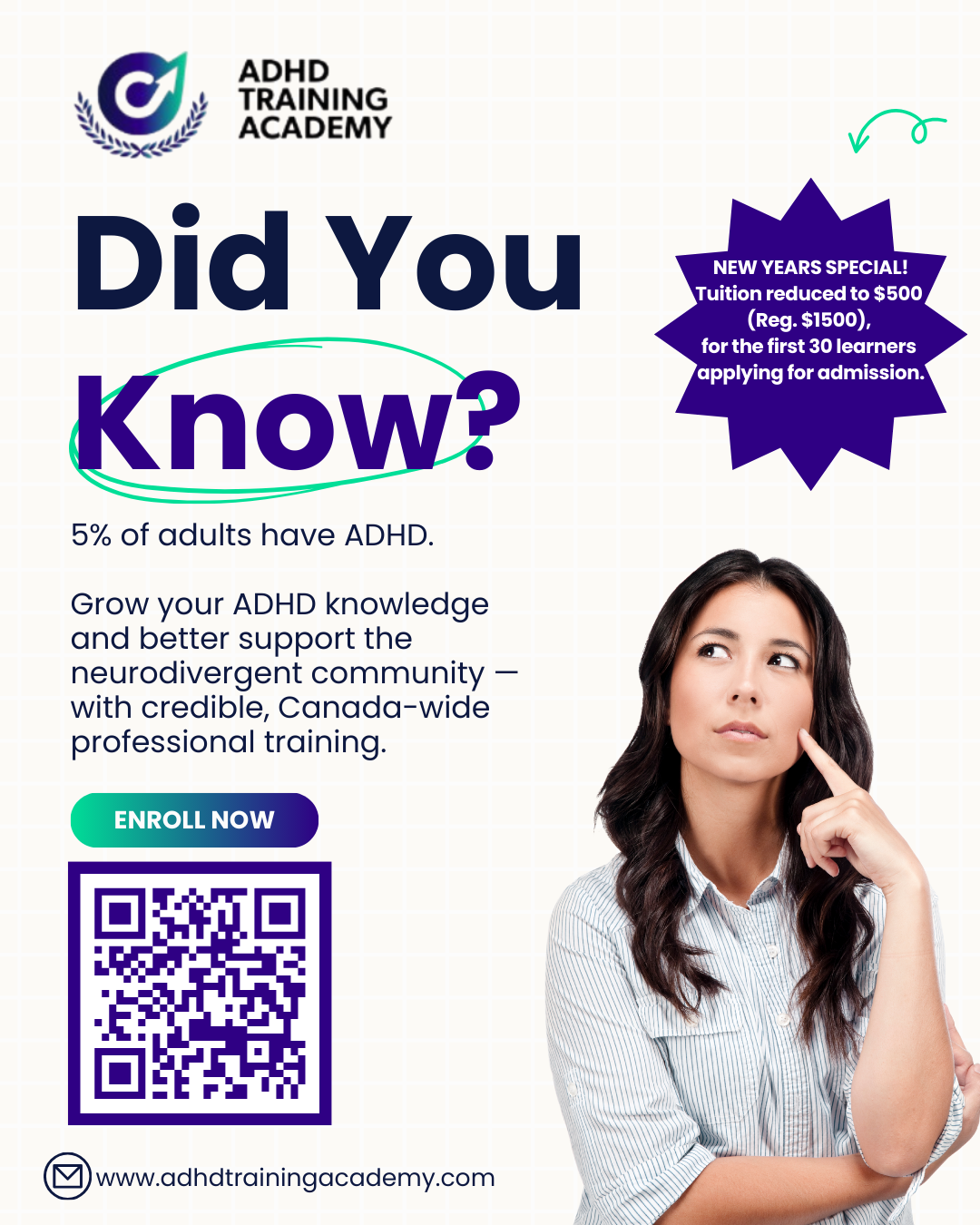
ADHD affects approximately 1 in 20 adults in Canada. Despite its prevalence, adults with ADHD often face widespread misunderstanding across various areas of life, including the workplace, educational settings, and healthcare systems. This challenge is further compounded by persistent skepticism and misinformation about the condition, which can significantly impact the daily lives of those affected. For individuals seeking to better understand and effectively support neurodivergent colleagues, partners, and community members, the ADHD Training Academy offers the ADHD-Certified Expert Practicing Professional (ADHD-CEPP™) program.
This certification provides valuable tools and knowledge to foster inclusive, supportive environments. It is an educational resource for professionals who support individuals with ADHD across a wide range of fields, such as education, healthcare, business, social work, human resources, and communications/marketing.
The ADHD-CEPP program includes 12 learning modules, each covering a distinct aspect of ADHD, such as medications, sleep, and co-existing conditions. Participants are required to complete an examination at the end of each module. Upon successfully passing all modules, learners can apply for the ADHD-CEPP certification, earning the ADHD-CEPP designation that showcases their ADHD expertise and dedication to creating a more inclusive, supportive environment for neurodivergent adults.
To learn more, please visit our website:
https://www.adhdtrainingacademy.com/
| |
SPECIAL PROMOTION:
Until January 31, 2026, the first 30 learners who apply for admission with the ADHD Training Academy will pay only $500 (reg. $1500). To take advantage of this limited-time offer, please click on the button below.
| | | |
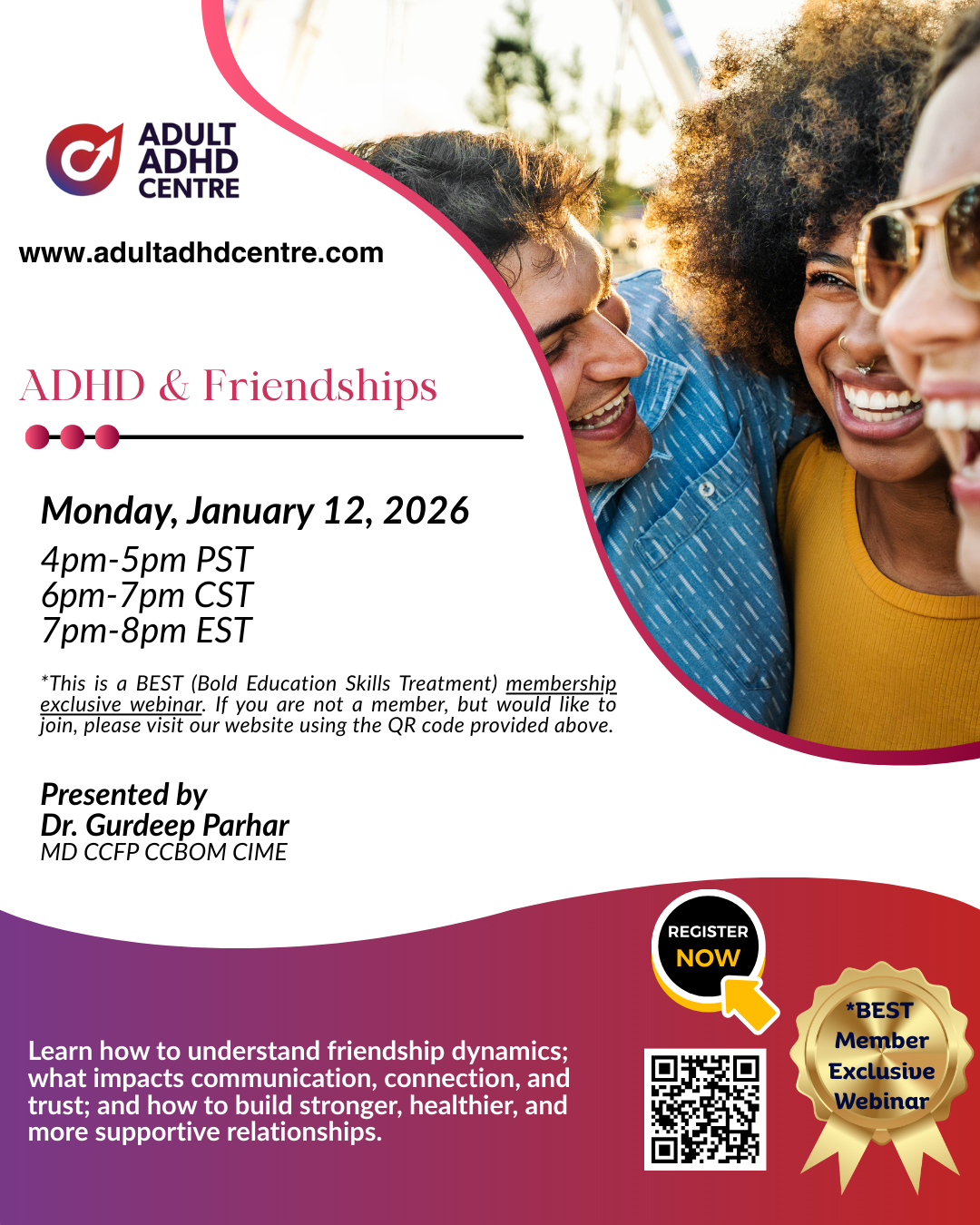
This webinar equips adults with ADHD to overcome social hurdles in friendships.
Explore lesser-known impacts like rejection sensitivity and time blindness on bonds, plus tactics for active listening, setting boundaries, and nurturing reciprocal connections.
For more information on the BEST program and how to join, please SCAN the QR code or click on the button below.
WEBINAR DETAILS:
Monday, January 12, 2026
4pm PST | 6pm CST | 7pm EST
| |
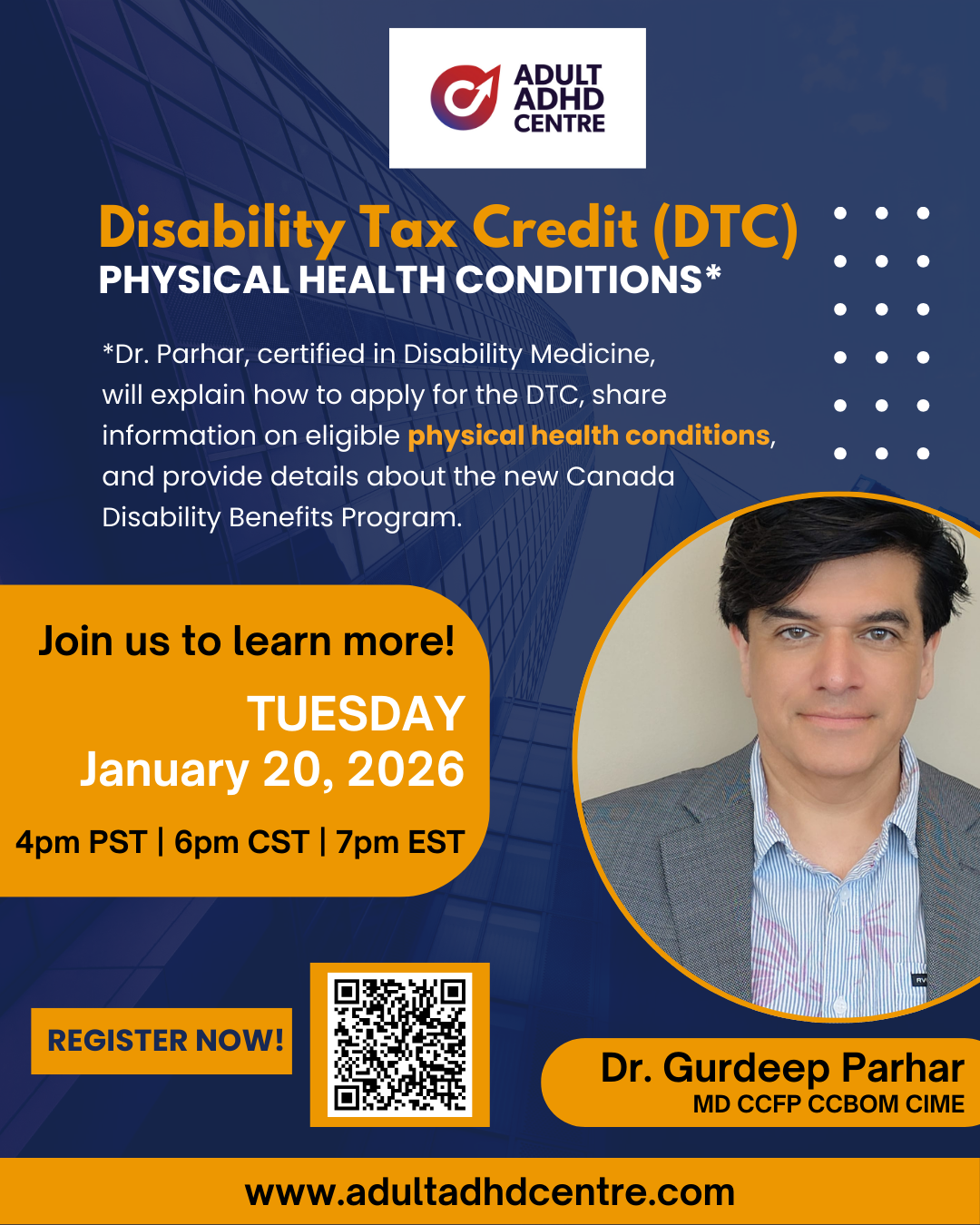
The DTC is a non-refundable tax credit designed to reduce the income tax burden for individuals living with significant and prolonged physical or mental impairments.
The DTC aims to offset costs associated with disabilities and helps ensure greater financial equity.
Eligibility is determined through an application certified by a medical practitioner and requires meeting specific criteria of impairment.
Join us and bring your toughest questions!
WEBINAR DETAILS:
Tuesday, January 20, 2026
4pm PST | 6pm CST | 7pm EST
| |
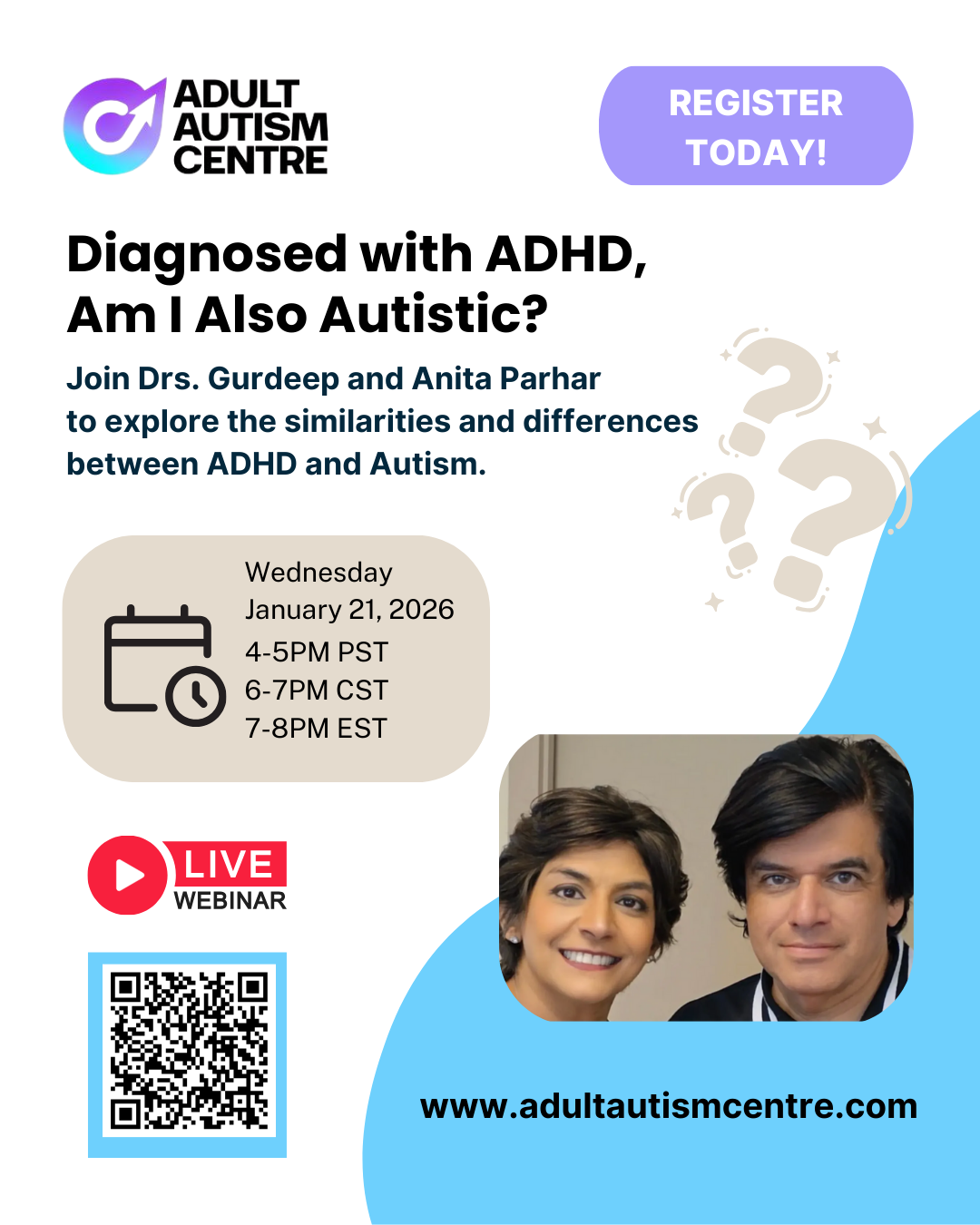
The focus of this webinar is to help you to understand overlapping traits and learn what steps to take if you suspect a dual diagnosis.
Join us to learn more!
WEBINAR DETAILS:
Wednesday, January 21, 2026
4pm PST | 6pm CST | 7pm EST
| |
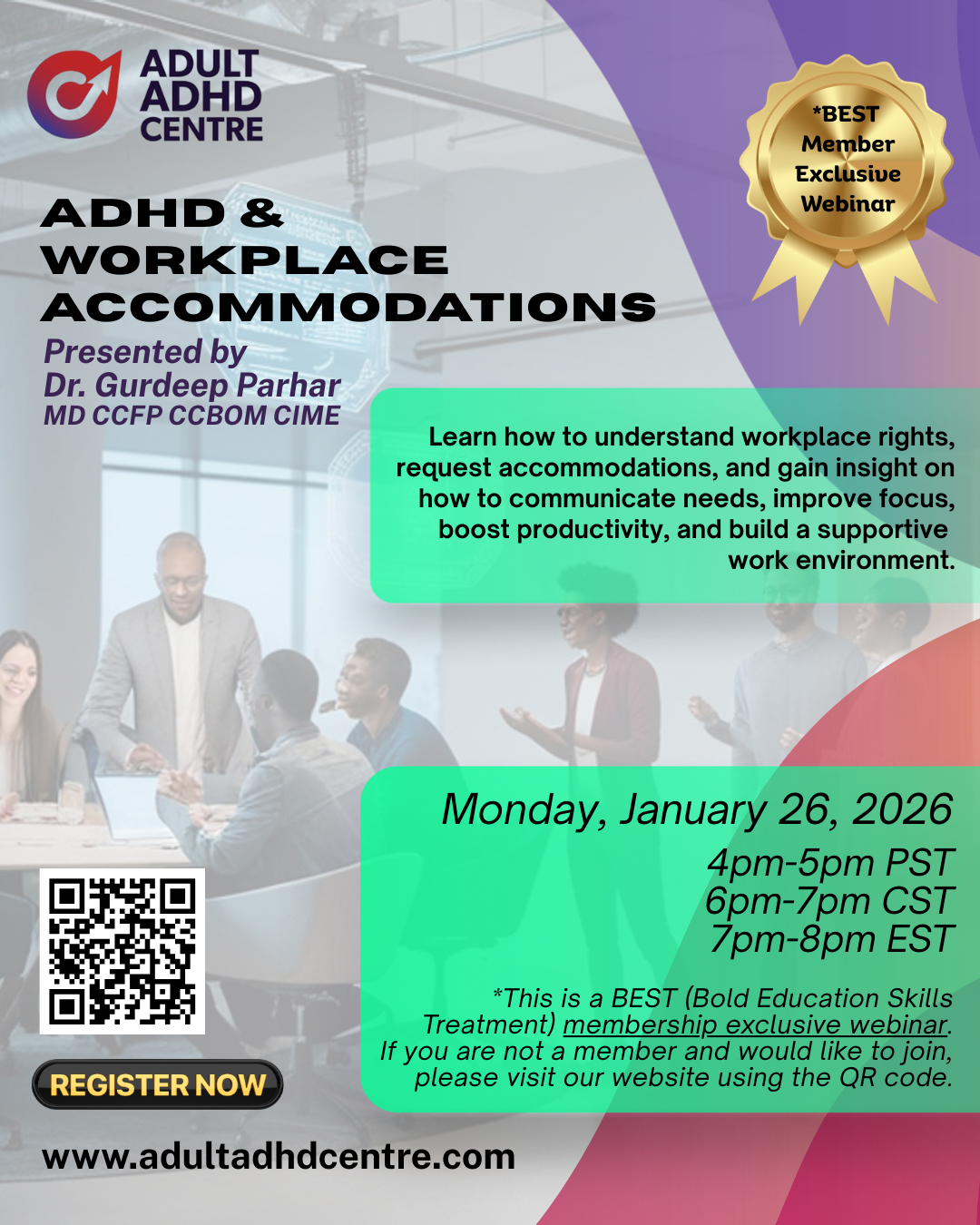
This webinar empowers adults with ADHD to advocate for themselves at work.
Learn about lesser-known accommodations like flexible scheduling and noise-cancelling tools, plus techniques for self-advocacy during performance reviews and team meetings.
For more information on the BEST program and how to join, please SCAN the QR code or click on the button below.
WEBINAR DETAILS:
Monday, January 26, 2026
4pm PST | 6pm CST | 7pm EST
| |
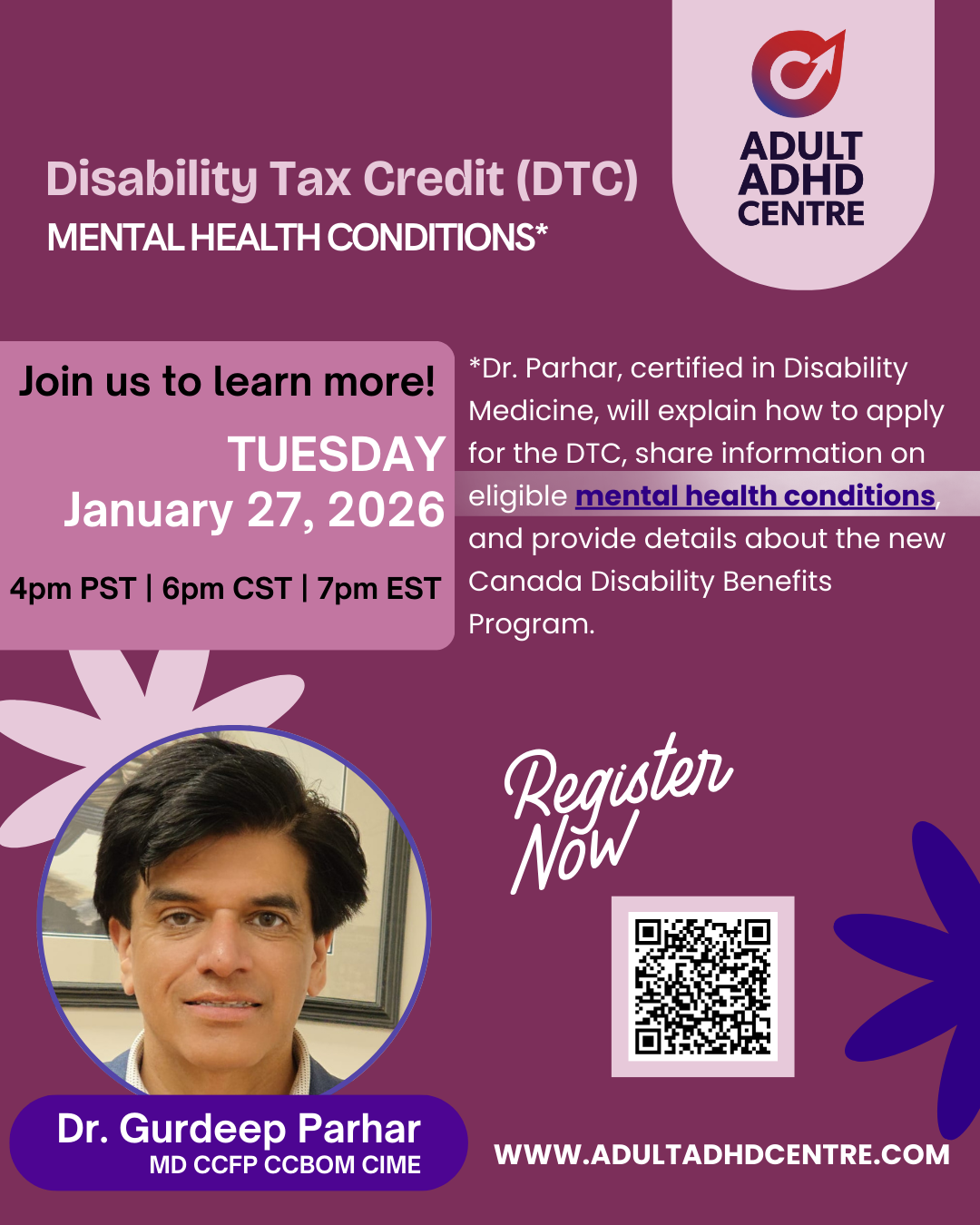
This webinar will demystify the DTC for adults with mental health conditions.
Dr. Parhar will share eligibility details, application steps via Form T2201, and how it will reduce taxes to offset therapy or medication costs.
The Canada Disability Benefits Program will also be discussed.
Join us and bring your toughest questions!
WEBINAR DETAILS:
Tuesday, January 27, 2026
4pm PST | 6pm CST | 7pm EST
| |
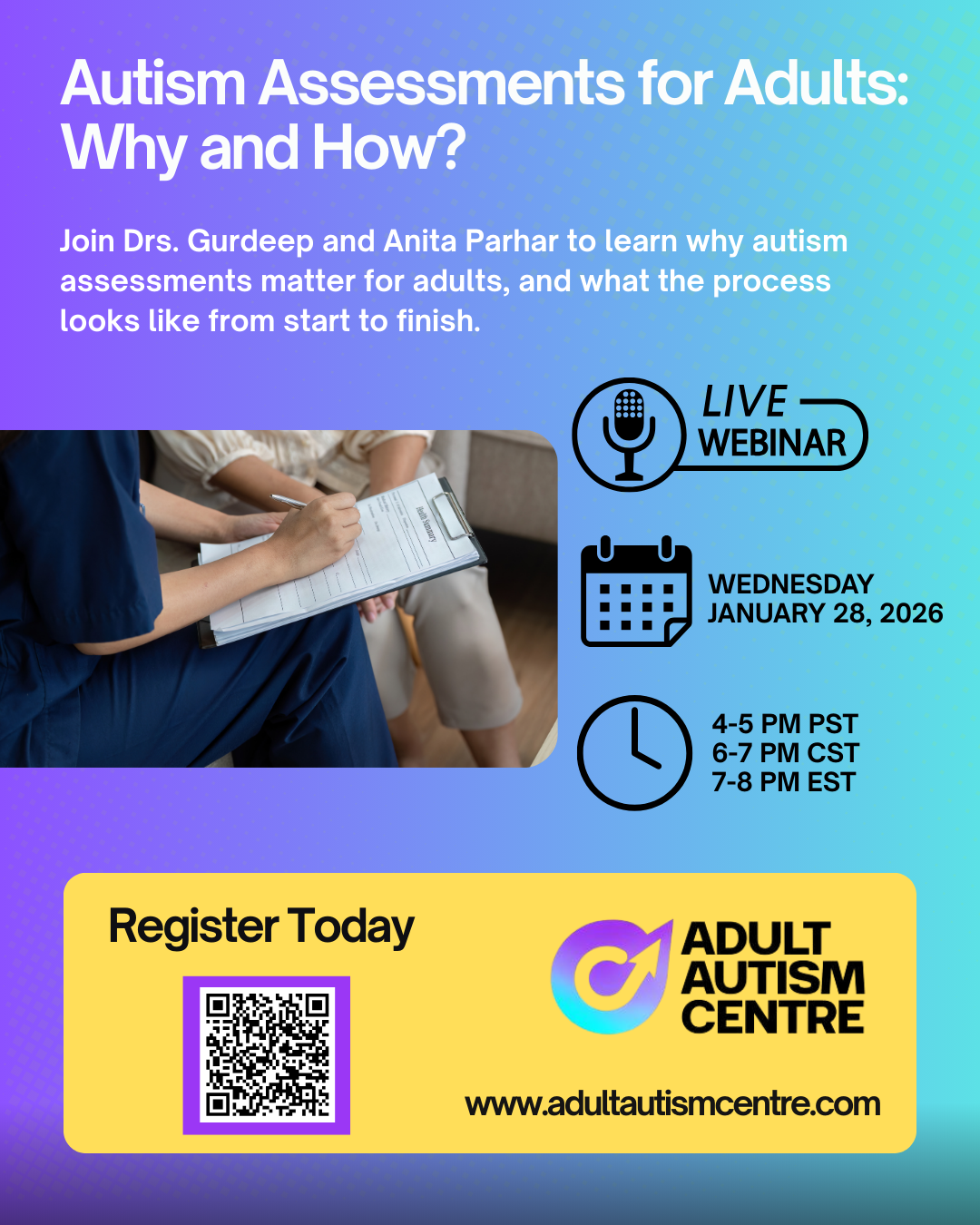
Develop a better understanding of how adult autism assessments work.
Discover when an assessment may be helpful, what information it can provide, and how it can support next steps in work, relationships, and daily life.
Gain insight into common myths, waitlists, and options for moving forward with confidence.
Join us to learn more!
WEBINAR DETAILS:
Wednesday, January 28, 2026
4pm PST | 6pm CST | 7pm EST
| | |
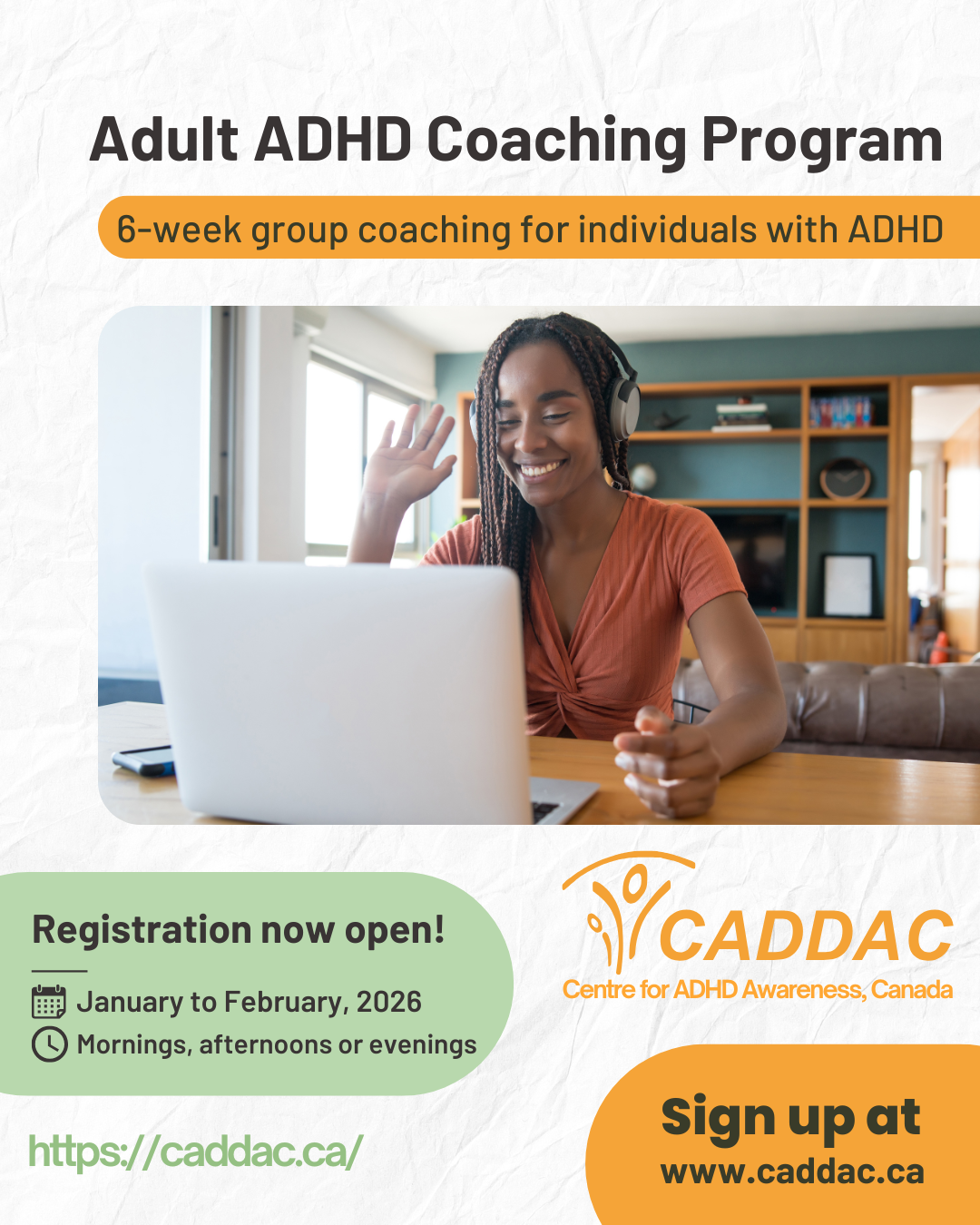
Adult ADHD
Group Coaching Program
Begins January 2026
Are you an adult who struggles with ADHD? Do you feel overwhelmed by everything on your to-do list? Are you ready to learn new skills and create positive change in your life? This program is for you if you are tired of feeling stuck and want to start moving beyond your ADHD struggles!
In this 6-week group coaching program, participants will be introduced to foundational topics for living well with ADHD. This interactive program provides step-by-step practical support on implementing tools and strategies for more consistent performance. You’ll get new tools every week, plus support using them with the private Facebook group so you can practice skills between coaching sessions.
|
|
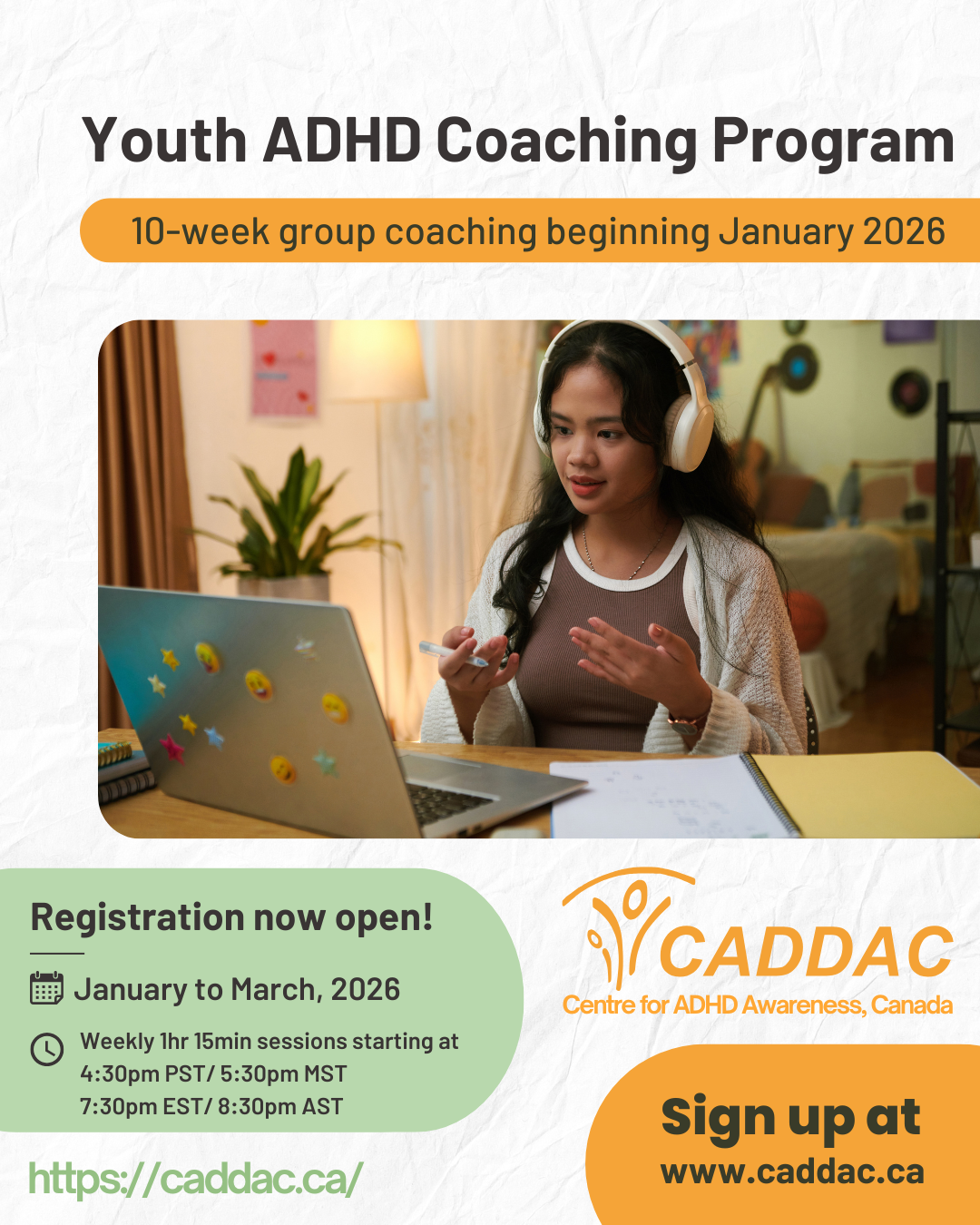
Youth ADHD
Group Coaching Program
Now 10 weeks long!
Begins January 2026
In this dynamic and engaging program, you'll not only learn more about ADHD and the impact it can have on your life, but also you'll gain tools and techniques to set yourself up for success and learn how to grow from past experiences so you can achieve your goals.
Grounded in Positive Psychology, this program will help youth develop your own toolkit of skills and behaviours that will help them create the life they want.
Grounded in Positive Psychology, this program will help you develop your own toolkit of skills and behaviours that will help you create the life you want.
| | | | |