2024 Fishing Licenses are Available Online | | |
|
Fishing Fuels Conservation!
100% of your investment funds fish and fishing
| |
Latest Updates from the Fisheries Division
To advance the conservation, enhancement, restoration, use, and appreciation of Connecticut’s fish, fisheries and fish habitats.
| |
The CT Fisheries Division has partnered with FishBrain, the world's largest fishing APP to provide CT's fishing regulations right to your smart device. These regulations are available in the FREE version of the APP. As with any APP if you would like to have access to premium features there is a subscription fee. | |
|
|
Boaters -
Changes to the Aquatic Invasive Species Stamp
| |
|
On October 1, 2024, Public Act No. 23-154 will implement some changes to the Aquatic Invasive Species Stamp. These changes are summarized below.
Beginning on October 1, 2024
An individual must possess an Aquatic invasive Species Stamp if:
-
They register a vessel or renew a vessel registration in Connecticut and operate such a vessel on the inland waters of this state.
- They operate a vessel required to display a registration decal from another state on the inland waters of this state.
The fee for any one individual operator stamp is seven dollars and MUST be obtained through the On-line Sportsmen Licensing system - The same system used to get your fishing and/or hunting license. The stamp will show up on your license and is valid for the calendar year in which it was issued. Individuals are required to carry documentation of the purchase while operating on Connecticut’s inland waterways.
Vessel Decal Option:
An Aquatic Invasive Species Vessel Decal is now an option (vs an individual purchasing the stamp). Any person who owns a vessel that is required to display a registration decal, issued by this state or another state, may purchase a vessel Aquatic Invasive Species Decal in lieu of the individual stamp. The vessel decal covers any person who is operating said vessel (meaning each individual operating said boat does not need to have an individual stamp).
The fee for the Aquatic Invasive Species Decal is twenty dollars. An additional fee of not more than five dollars may be required for the production, processing, and mailing of the decal. The decal can be obtained through the On-line Sportsmen Licensing system. It will be valid for the calendar year in which it was issued. The decal must be permanently affixed to the vessel for which it was purchased. Its placement must be approximately amidship on the port side of the vessel. It can be either on the hull of the vessel or at the operator’s station. It must be placed in such a manner that it is visible to law enforcement officers approaching the vessel from the port side.
Again, this decal and/or stamp on your fishing/hunting license is only required for such vessels that operate on inland waters of Connecticut.
Any person who operates a vessel on the inland waters of this state without the proper stamp or decal could be fined up to eighty-five dollars.
The funding created by this program Aquatic Invasive Species Stamp is one way Connecticut combats the spread of aquatic invasive species. The funds collected go into the Connecticut Lakes, Rivers, and Ponds Preservation account. These funds are used for projects that involve restoration, rehabilitation, treatment to control, and educational programs concerning aquatic invasive species in Connecticut.
| |
|
Fall Trout Stocking is Underway!
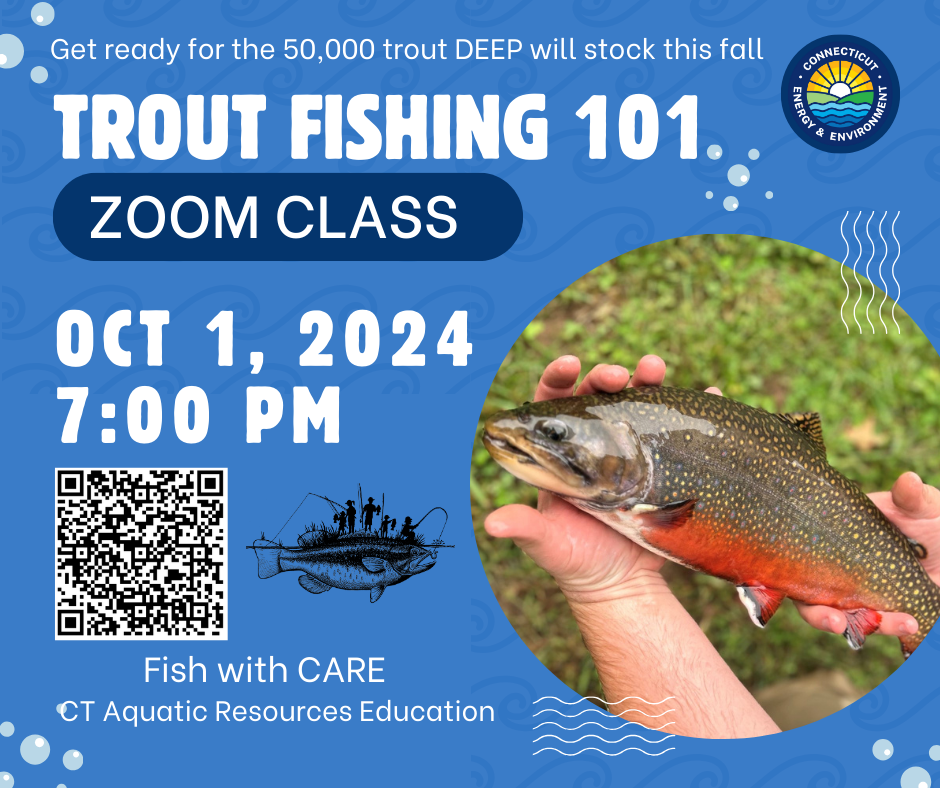
Prepare yourself with our Trout Fishing 101 Zoom Class
| |
|
Our lakes, ponds, rivers, and streams are cooling from the summer heat, leaves are beginning to change color, and Connecticut Fish Hatchery stocking trucks are once again beginning to roll. This fall the CT DEEP expects to stock approximately 50,000 trout across the state. Stay up to date with our Interactive Trout Stocking Map, our Stocking Report, and updates on the CT Fish and Wildlife Facebook Page (stocking updates posted on Wednesday and Friday).
The Fisheries Division "Fish with CARE" program is offering a FREE Trout Fishing 101 ZOOM class on Tuesday, October 1st at 7pm. We will do our best to prepare you for success by covering all the basics of trout fishing in CT - proper sized gear and tackle, baits, lures, where to go, and rules and regulations. Bring your questions! Register Here.
| |
|
Connecticut Anglers – Tag, You’re It!
Please Report Your Catches
| |
|
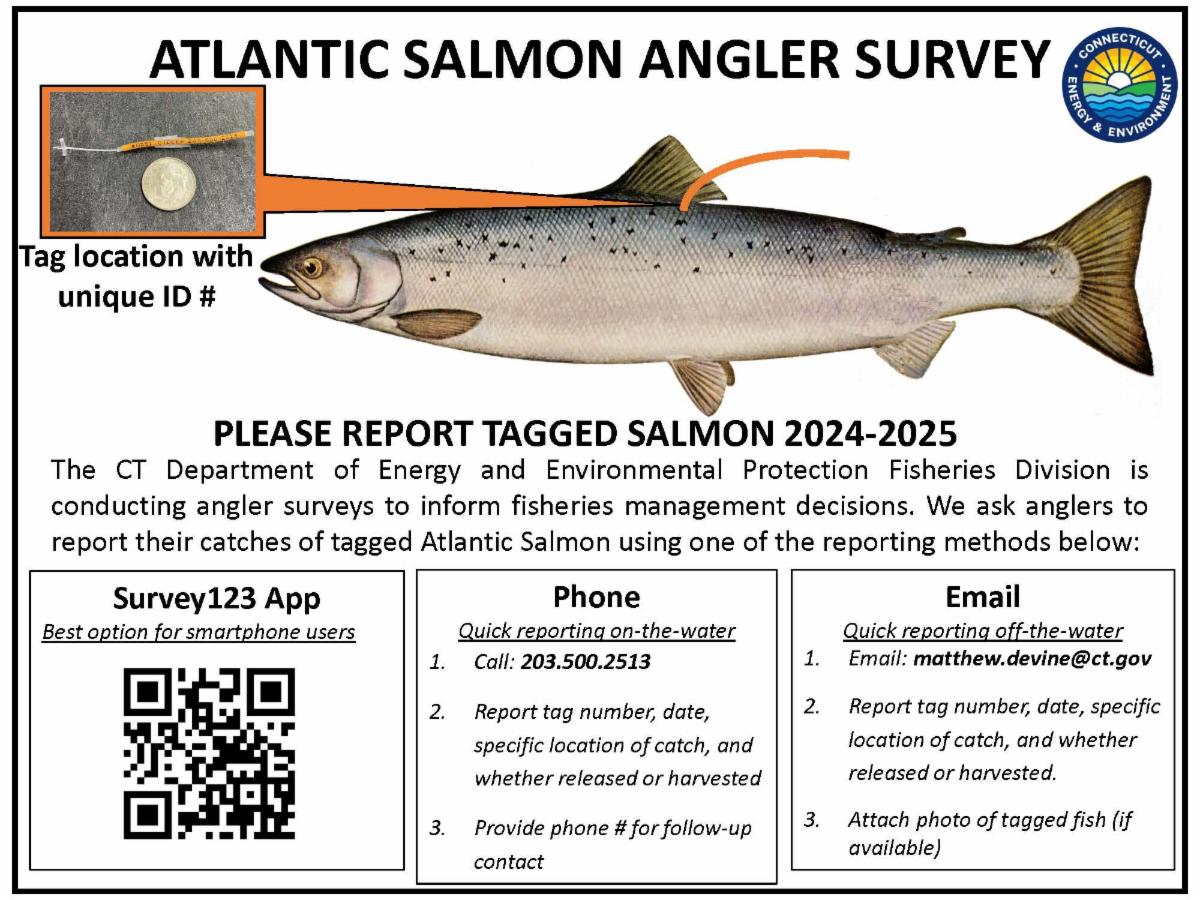
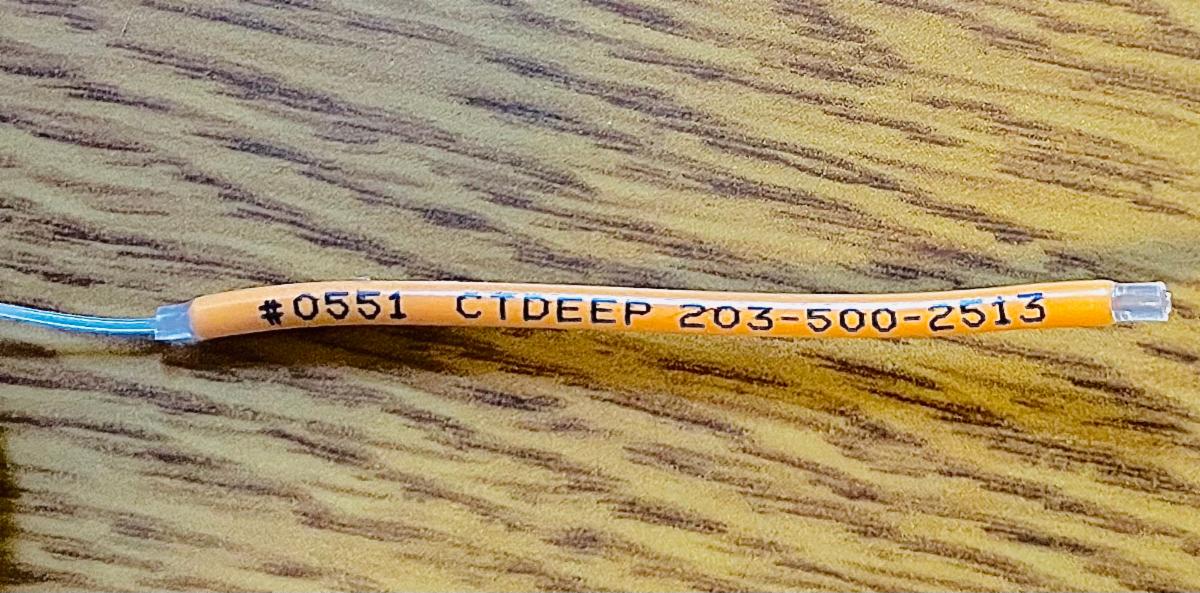
This fall, the Fisheries Division is conducting an expansive tagging study to better understand this dynamic fishery and we need your help. Prior to being stocked in rivers, 1,300 salmon will be tagged under the dorsal fin with external T-Bar anchor tags that each have a unique ID # (see picture below).
We ask anglers to report their catches of tagged Atlantic Salmon including the tag number, date, and specific location, using one of three available reporting methods (online survey, phone, email).
This project seeks to integrate angler tag-return information with standard fisheries sampling methods to understand the movements, behavior, catchability, and fate of Connecticut hatchery-raised Atlantic Salmon stocked in the Naugatuck and Shetucket Rivers. This unique collaboration between the Fisheries Division and the angling public will help to fill critical data gaps and inform management decisions such as the density, timing, frequency, and location of stocking events.
-
Report it via our online survey
- Email Matthew.Devine@ct.gov
- Call Matthew Devine 203-500-2513
| |
A picture of the T-Bar anchor tags that each have a unique ID #. | |
Atlantic Salmon Regulations | |
|
The season, daily limit, and method of take for the Atlantic Salmon fisheries in the Naugatuck River, Shetucket River, Crystal Lake and MT Tom Pond are set annually by Commissioner's Declaration. In summary:
Naugatuck River, Shetucket River, and lower Housatonic River:
September 1, 2024 to December 15, 2024; Catch and Release Only.
December 16, 2024 to August 31, 2025; 1 salmon per angler per day, no minimum size.
Gear - must be a single fly or an artificial lure with a single free-swinging hook. Bait is not allowed, snagging is prohibited.
MT Tom and Crystal Lake:
September 1, 2024 to February 28, 2025; 1 salmon per angler per day. No minimum size.
March 1, 2025 to 6:00 am on April 12, 2025; Catch and Release Only
6:00 am on April 12, 2025 to August 31, 2025; 1 salmon per angler per day. No minimum size.
No special restriction on gear for angling or ice fishing for Atlantic salmon in lakes or ponds.
| |
Many think that because they see the fish swim away, that it will surely survive. Well.... sometimes it is not true. Proper fish handling - whether required to be released per regulations or you are releasing voluntarily - can make a big difference in minimizing post release mortality. The video below highlights some best practices to ensure survival when catch and release fishing. Try and keep these tips in mind and be prepared when heading afield this fall! | |
How to Swap a Treble to a Single Hook | If you are fishing a Class 1 Wild Trout Management Area or an Atlantic Salmon Management Area where single-hook artificial lures are required by regulation or simply planning to release your catches, swapping a treble hook to a single hook is one of the best ways to ensure a speedy release and minimize post release mortality. This video shows how easy the process is! | |
|
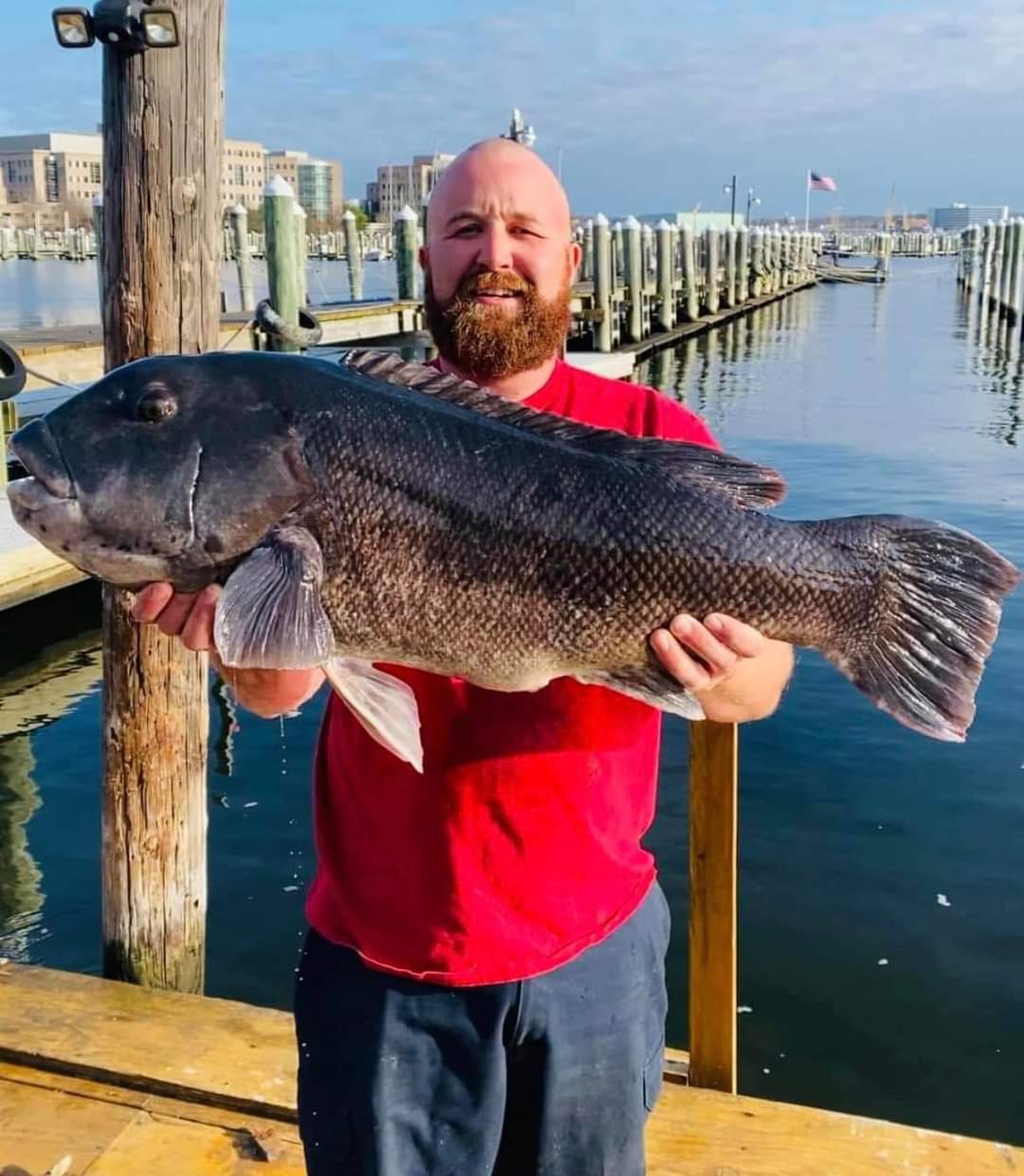
Many hardy New Englander anglers' favorite fishery is the fall tautog (blackfish), or tog for short, season. It's time to bundle up, grab a stout rod with strong line, your favorite blackfish jigs or traditional rig, some green crabs or asian shore crabs, and head to a rockpile, mussel bed, pier, or jetty and try your luck at the hard-fighting and very tasty tog.
The Connecticut fall tautog season runs from October 10 until November 28. Anglers may take up to 3 fish each, the minimum size is 16 inches.
Please note that if you land in CT your catch must meet/follow CT regulations, even if you were fishing in state waters with a different set of regulations.
| |
Atlantic Salmon Stocking - Coming Soon! | |
|
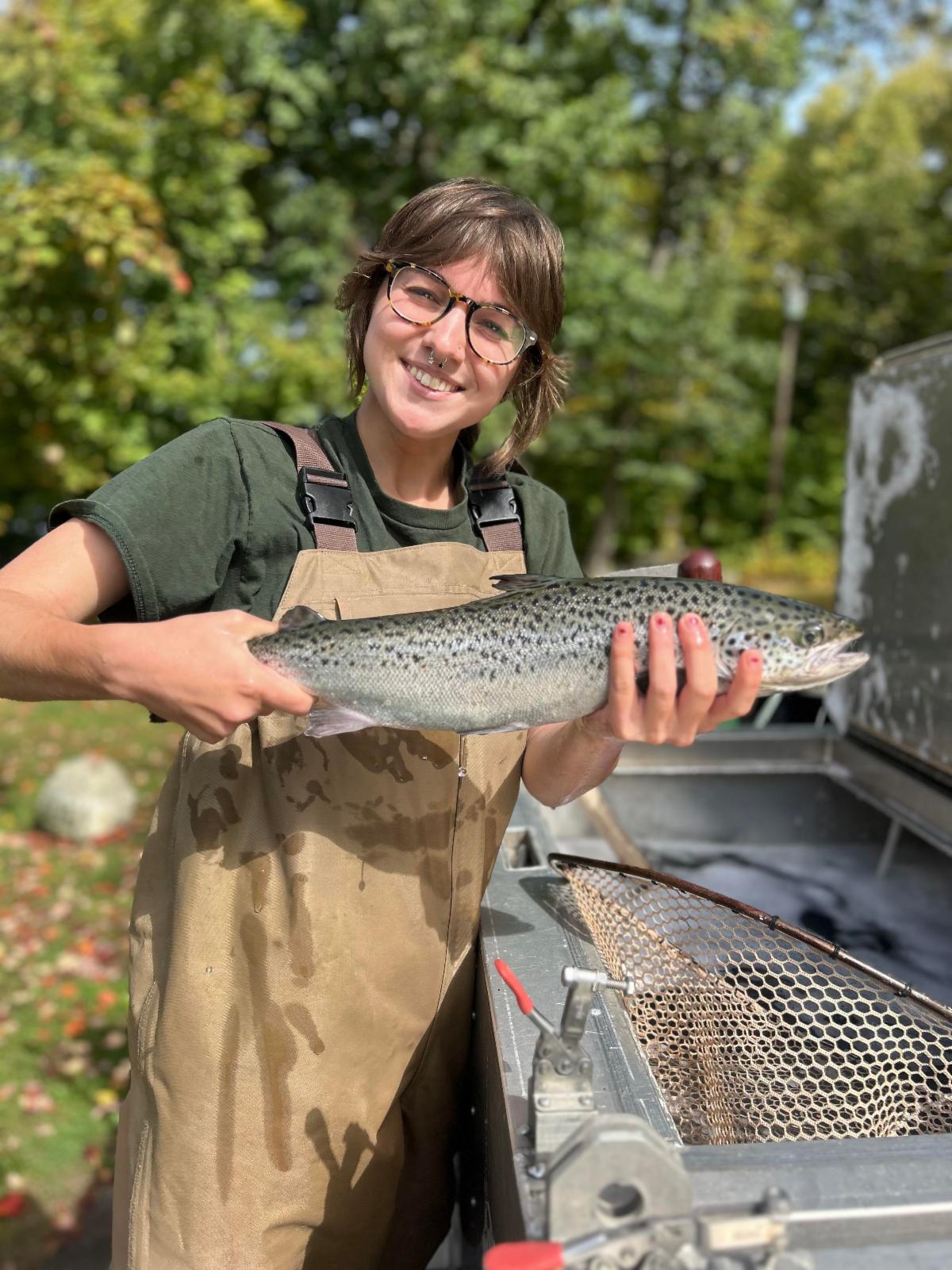
Each fall, as soon as environmental conditions allow, the CT DEEP Fisheries Division plans to start stocking approximately 1,800-2,000 Atlantic salmon to support a unique recreational fishery. These fish consist of 2+ year old fish specifically grown for this fishery (about 18-22 inches) and 3+ year old retiring broodstock (20-32 inches). To provide the greatest number of anglers the opportunity to fish for and hopefully land an Atlantic salmon, a summary of the regulations are:
- Catch and Release Fishing Only Until December 16, 2024 (see tips video above)
- Harvest of 1 fish per angler per day after December 16, 2024 (no size limit)
- Gear used must be either a fly or an artificial lure with a single free-swinging hook (no bait allowed).
- Jig heads, as used with plastic grubs and such, are not legal as the hook is fixed not free-swinging.
- Additional weight may not be added to the line.
- Snagging is prohibited.
The regulations, season, method of take, and daily creel limit for Atlantic salmon are set by "Commissioners Declaration", which can be viewed here.
Please call DEEP law enforcement at 860-424-3333 should you encounter illegal fishing. Dispatch is open 24/7.
Never tried this unique fishery? Check out the Atlantic Salmon Fishing tips video below for tips on catching an Atlantic salmon right here in CT!
|  | |
|
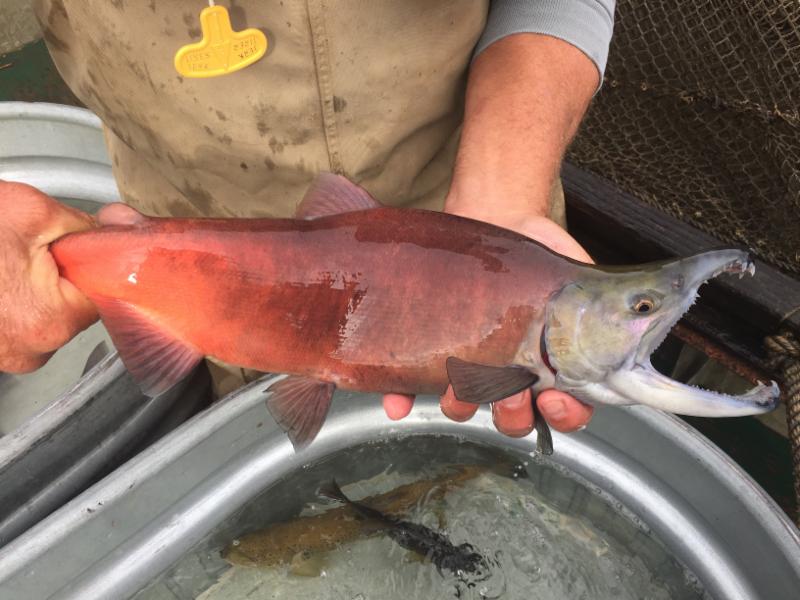
Kokanee are a Pacific Salmon, more often known as the Sockeye salmon. Kokanee only exist in CT due to introductions decades ago and the annual efforts of the Fisheries Division to collect spawn-ready fish each fall from West Hill Pond in Barkhamsted/New Hartford. Check out the Kokanee salmon web page for more info.
Kokanee fry, young fish produced from spawning efforts at the Burlington State Fish Hatchery, are stocked into the two primary fisheries: West Hill Pond (Barkhamsted) and East Twin Lake (Salisbury). Two other lakes, Beach Pond (Voluntown) and Wononskopomuc Lake (Salisbury), have also been stocked in recent years in an ongoing effort to establish a fishery.
In October, the kokanee salmon body and jaw will morph as they prepare to spawn and then die like all other Pacific salmon. While in their vibrant crimson colors during this period the kokanee are spawning and do not feed but are often caught as they strike out at a lure or bait from aggression. The best and most productive way to fish for the kokanee is to troll at or below the thermocline during the summer months.
| |
Channel Catfish - Planned to Arrive October 4 | |
The Fisheries Division is pleased to announce that following a couple of years without being able to stock Channel Catfish, we are expecting to stock this week on October 4. Channel catfish stocking into our Community Fishing Waters provides an instant quality fishery for many. These stockings coupled with the put-grow-take efforts in our Catfish Management Lakes and the natural population in the Connecticut River provide anglers with outstanding opportunities to land a delicious meal. | |
|
CARE to Teach Fishing? We do!
We Need You!
| |
|
The Fisheries Division – Connecticut Aquatic Resources Education Program (CARE) is seeking volunteers to join our team of certified Fishing Coaches! FISH with CARE program hosts classes and events all over the state where we teach basic fishing skills to adults, families, and youth. FISH with CARE coaches work with Fisheries staff to educate and engage the public in the outdoors through the sport of fishing. If you are interested in sharing your love and knowledge of fishing while creating the next generation of environmental stewards, consider joining our Fishing Coach team! Our next certification training will be offered in spring of 2024, information to get involved can be found HERE!
| |
Fishing Challenge - For YOUth | |
The Youth Fishing Passport Fishing Challenge is a year long fishing scavenger hunt. To have your catch count, simply snap a photo of your fish (from our scorecard) and use our online submission form. The top four anglers (who catch the most different types on our list) receive a prize pack full of fishing swag.
| |
CT's FREE Youth Fishing Passport is your child's ticket to all of the amazing outdoor discoveries fishing has to offer. Fishing involves knowing about habitat, environmental quality, food webs, life history of species, and so much more. You can get a Youth Fishing Passport, for those 15 or younger, using our online licensing system. Register your child as a new user. If you have questions please contact us.
| |
|
How to get the Youth Fishing Passport | |
This Month's Mystery Fish | |
|
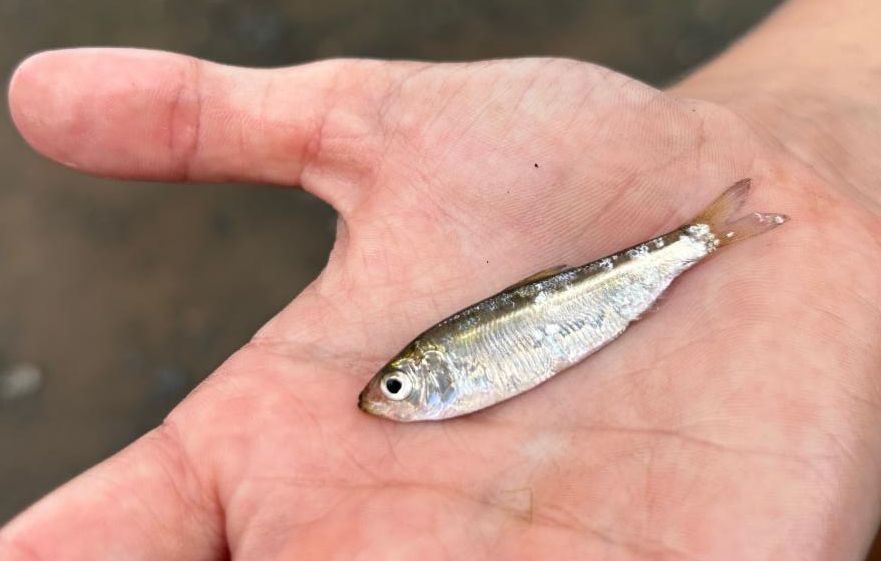
Last month's mystery fish was a juvenile river herring. River herring is the common name for two species of migratory fish, Alewife and Blueback Herring, that were once super abundant in Connecticut's coastal rivers and streams. This fish closely resembles a juvenile American Shad or a Menhaden, however a keen eye picks up on the shape and position of the mouth.
To differentiate between an Alewife an Blueback Herring, one must look at the color inside of the abdomen, which is obviously lethal, so at this point we just call it a "River Herring",
| |
How to get your License Online | |
Past Editions of CT Fishin' Tips | |
If you happened to miss one a month or two, feel free to get caught up! | |
Información disponible en español
| |
The Connecticut Department of Energy and Environmental Protection is an Affirmative Action/Equal Opportunity Employer that is committed to complying with the requirements of the Americans with Disabilities Act. If you are seeking a communication aid or service, have limited proficiency in English, wish to file an ADA or Title VI discrimination complaint, or require some other accommodation, including equipment to facilitate virtual participation, please contact the DEEP Office of Diversity and Equity at 860-418-5910 or by email at deep.accommodations@ct.gov. Any person needing an accommodation for hearing impairment may call the State of Connecticut relay number - 711. In order to facilitate efforts to provide an accommodation, please request all accommodations as soon as possible following notice of any agency hearing, meeting, program or event.
| |
This program receives Federal financial assistance from the U.S. Fish and Wildlife Service.
Under Title VI of the 1964 Civil Rights Act, Section 504 of the Rehabilitation Act of 1973, Title II of the Americans with Disabilities Act of 1990, the Age Discrimination Act of 1975, and Title IX of the Education Amendments of 1972, the U.S. Department of the Interior prohibits discrimination on the basis of race, color, national origin, age, sex, or disability.
If you believe that you have been discriminated against in any program, activity, or facility, or if you need more information, please write to:
Office of Diversity, Inclusion and Civil Rights
U.S. Department of the Interior 1849 C Street, NW
Washington, D.C. 20240
| | | | |