December 2025

Unanimous Approval Clears Path for 911 Transition Planning

The SREC Board of Directors, Spokane County Board of Commissioners, and the City of Spokane have unanimously approved an Interlocal Agreement (ILA) that establishes a clear, collaborative path forward for the future of 911 and Crime Check services in our region.


This agreement reflects months of work focused on problem-solving and shared accountability. Rather than forcing immediate change, the ILA sets a phased approach that allows the City to continue building its primary public safety answering point while ensuring SREC can plan responsibly for staffing, budgeting, and long-term operations.


For the community, the most important takeaway is continuity and reliability. Throughout the transition, all 911 calls will continue to be answered and managed appropriately, with public safety as the top priority. The agreement also creates a framework for fair and equitable sharing of resources, ensuring no agency bears an undue burden during this process.


As milestones are reached, the City and SREC have committed to communicating jointly and transparently so residents understand what is happening and what to expect. This unanimous approval demonstrates a shared commitment to collaboration, stability, and delivering dependable emergency communications services to the people we serve.


Additional coverage and perspectives on the agreement are available through recent reporting by The Spokesman-Review, The Inlander, and The Center Square.

More Than 911: How SREC Keeps Agencies Connected
Radio system is backbone of emergency communications


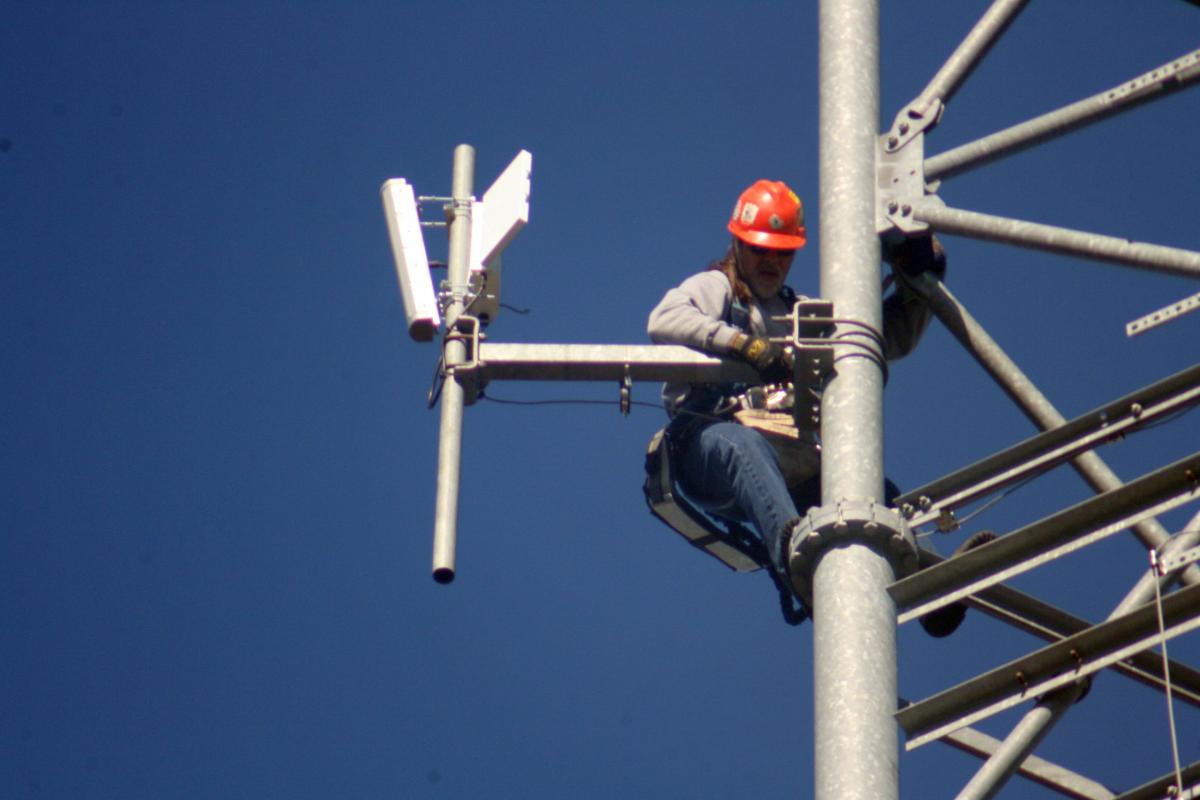
Spokane Regional Emergency Communications (SREC) does more than answer 911 calls. Behind the scenes, SREC operates and supports a regionwide public safety radio system that keeps law enforcement, fire, medical, and partner agencies connected across Spokane County.


This shared radio network is designed to work as one integrated system, not as individual towers tied to city or district boundaries. Radios automatically connect to the strongest available signal, helping first responders communicate clearly in buildings, difficult terrain, and during large or multi-agency incidents. Built-in redundancy and overlapping coverage ensure reliable communications when they are needed most.


This critical technology, the backbone that keeps responders connected in the field, is funded by Spokane County’s one-tenth of one percent (0.1%) emergency communications sales tax. For the average Spokane County household, this investment amounts to approximately $1 contribution per month, helping ensure reliable, lifesaving communications for the entire region.


Learn more about how this regional radio system works and why it’s essential to public safety by reading the full backgrounder on our website as well as info on our upcoming microwave upgrade.

Reporting Crime: What Happens After You File a Report


When you file a Crime Check report — whether by phone or online — it’s an important way to document non-emergency criminal activity and help local law enforcement agencies understand what’s happening in our community. Once submitted, your report is reviewed for accuracy, sent to records, and then forwarded to the law enforcement agency in the jurisdiction where the crime took place. 


Follow Up on Your Report

If you want updates on your case, contact the police agency that received your report. Each law enforcement agency handles its own follow-up, and you can request a copy of your report online or ask questions by calling their front desk directly. We've created an easy-to-use webpage that has all the information you need to follow up. Learn more about next steps here.


It’s important to know that law enforcement follows up on crimes that are actionable and have investigative leads. While some reports, like property losses without suspects, may not result in active investigations, every report still matters. Filing a Crime Check report helps agencies analyze trends, track activity over time, and better understand community safety needs. Even when a case isn’t “solvable,” your report contributes to that broader picture.


Easy Online Reporting

SREC makes it simple to file a Crime Check report online at your convenience. Many types of non-emergency reports can be completed online and submitted directly to the appropriate law enforcement agency. Online reporting is especially useful when a crime is not in progress and there is no immediate danger. 


Before filing online, the system will guide you through questions about the incident to make sure the report is appropriate for online submission. Certain reports, like accidents when people are still on scene or crimes involving close personal relationships, will still need to be filed by phone with Crime Check at (509) 456-2233 or by calling 911 if it’s an emergency. 


Why It Matters

Reporting crime, even when it doesn’t lead to an arrest, strengthens public safety. It helps law enforcement identify patterns, allocate resources, and respond more effectively to ongoing concerns in our neighborhoods.


Easily file a Crime Check report online here.

911 and Dispatch Professionals Officially Recognized as First Responders in Washington State


Washington State has formally recognized what communities and first responders have long known: 911 call takers and public safety dispatchers are essential first responders.


In 2022, the state passed legislation establishing 911 telecommunicators as first responders under Washington law and creating a statewide training and certification program. This recognition acknowledges that 911 communication professionals are often the first to respond in an emergency, gathering critical information, providing lifesaving instructions, and coordinating police, fire, and medical resources before help ever arrives on scene.


As of January 2025, this program is fully implemented, with 911 telecommunicators required to be certified before working independently in a dispatch center. The designation affirms the complexity, responsibility, and high-stress nature of the job, while supporting consistent training standards, professional development, and workforce wellness.


As we move through the holiday season, we also want to extend a sincere thank-you to the SREC employees and all our first responder partners in the field who will be working around the clock, often away from family and loved ones, keep our community safe. Their dedication ensures that help is always available, no matter the day or time.