|
Gates Mills Land Conservancy
| June 11, 2024 | Newsletter Issue #7 |
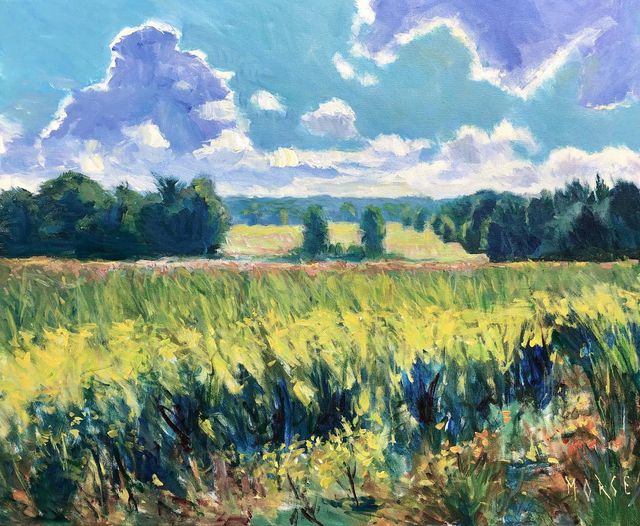
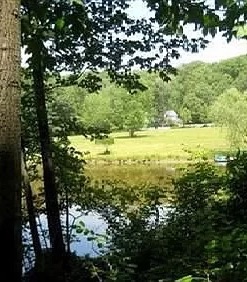
"Morning at The Farm" by Jamie Morse | |
The efforts that GMLC has made over the years
have required a lot of knowledge about conservation, access to
specific resources and establishing some valuable partnerships.
At the top of that list is our affiliation with the National Land Trust Alliance. The LTA sets the standards for our non-profit status, our administrative responsibilities, and requirements for proper land and water management. According to the LTA, "Privately-owned land makes up 60% of the United States, but only 3% of it is protected for conservation. Land trusts work with voluntary private land owners to find the best way to conserve their land forever."
Through conservation easements, land trusts like GMLC are helping in this cause to preserve natural habitats for wildlife and plant species. When conserved properties have contiguous acreage it allows these species to thrive. It provides enough area for breeding and wildlife life-cycle, for watershed runoff, and the necessary root systems for woodlands.
The LTA is not our only affiliation. Western Reserve Land Conservancy, Chagrin River Watershed Partners, Holden Arboretum, Clean Ohio, Cleveland Museum of Natural History, and many others all play a role in our joint effort to preserve and protect the environment.
Preserving our great resources can be part of your legacy too. If you have questions about conservation easements, the benefits of creating one, or if you have land to be conserved, please contact us at… gmlc44040@gmail.com
|
|
|
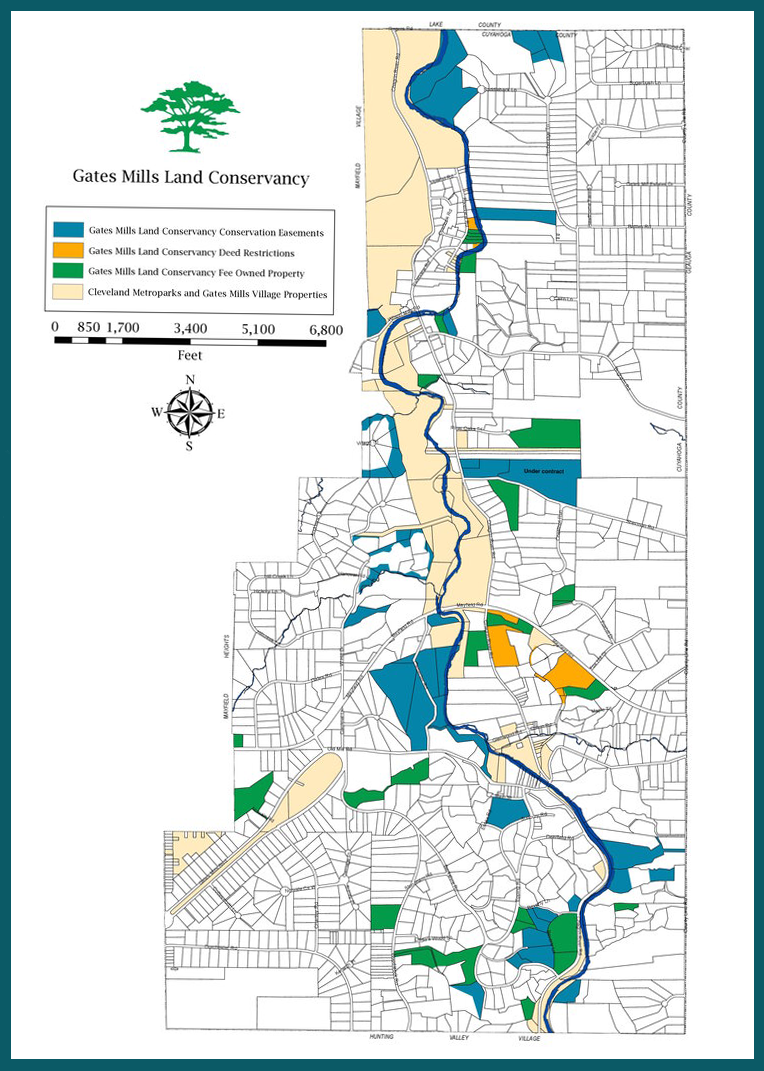
Partnering with visionary members of the community who have placed conservation easements on specific lands creates a powerful impact for the community. Such is the case with GMLC’s new acquisition. In May, the Land Conservancy acquired a new 14-acre parcel northwest of Mayfield Road. The impact of preserving this wooded hillside will be to protect streams and lands near the river, and to connect other preserved properties for natural habitat.
Last year another partnership came to us as a delightful surprise. At the end of 2023, Gates Mills Land Conservancy received the largest donation in our history through the generosity of Dan Kish, a longtime Gates Mills resident. Dan's kindness and endearing friendship are the best of what Gates Mills has to offer. It is with much gratitude that we honor Dan in this issue.
Also, in this issue we discuss how we all can minimize our footprint on the environment by understanding the delicate balance of environmental biodiversity; how the use of harsh chemicals leeches into the watershed; and the efforts we can make to protect wildlife. We also provide a sneak peek into a big upcoming event.
In September, GMLC will hold our second Fall Seminar entitled: "Our Collective Responsibility Moving Forward". We will be hosting speakers from Western Reserve Land Conservancy, the Healthy Urban Tree Canopy, and Ecological FX. This is a free seminar held at the Gates Mills Environmental Education Center. Information is located below under "Events" and more details will follow in the coming months.
We hope that you will enjoy the beauty and tranquility of nature this summer, and that you will join us this Fall to learn more about what we personally can do to support the environment.
Sincerely,
| |
|
Nathaniel Smith
and the GMLC Board
| |
This article is presented through the courtesy of the national Land Trust Alliance. | |
|
Protecting Forests for Clean Water
According to the U.S. Forest Service, waters filtered through forests are much cleaner than water filtered through residential or agricultural land. However, instead of protecting forested land many clean water programs focus on restoring streams and surrounding lands that are already degraded.
The Open Space Institute, with information from the Delaware River Watershed Initiative, conducted a 10-year study to promote best practices for “Protecting Forests for Clean Water”. This effort created strategies and practical tools to ensure land trusts, municipalities and others can more effectively engage forest protection to achieve their clean water goals. Their findings included:
- Forests keep water clean. Nitrogen levels spike when forest coverage falls below 66%. When forest coverage is 70% or greater, streams and rivers stay healthier and cleaner, and wildlife thrives.
- Protecting forests along streams filters pollutants from the surrounding landscape. For example, land protected by the Delaware River Watershed reduced about 1,680 pounds of total nitrogen annually.
- Allowing protected land to return to forested conditions results in substantial reductions in pollutant loads of sediment, nitrogen and phosphorous.
- Land protection reduces stormwater capital costs and annual maintenance costs for projected development. Lands protected by the Delaware River Watershed Initiative, produced savings that were more than three times the cost of the land protection itself.
| | | | |
|
Over 500 non-native plant species have been introduced in Ohio.
They are affecting the fragile ecosystem of woodlands and wetlands.
| |
|
Restoring Biodiversity
The Chagrin River Valley in Northeast Ohio, is known for its diverse ecosystem. It is home to a diverse variety of native plant, tree, wildlife, and pollinator species that have been under threat from habitat destruction, invasive species, and pollution. It is therefore, a significant region for ecological conservation and restoration.
Staggeringly, one-third of America’s wildlife species are at risk of extinction. Within Ohio’s four habitats: forests, prairies, wetlands, and the Great Lakes, there are: 56 species of mammals, 200 species of breeding birds, 84 species and subspecies of amphibians and reptiles, 170 species of fish, 70 species of mollusks, 20 species of crustaceans, and there are thousands of species of insects and other invertebrates.
Many of these species are endangered from lack of biodiversity and habitat.
Read More
| | |
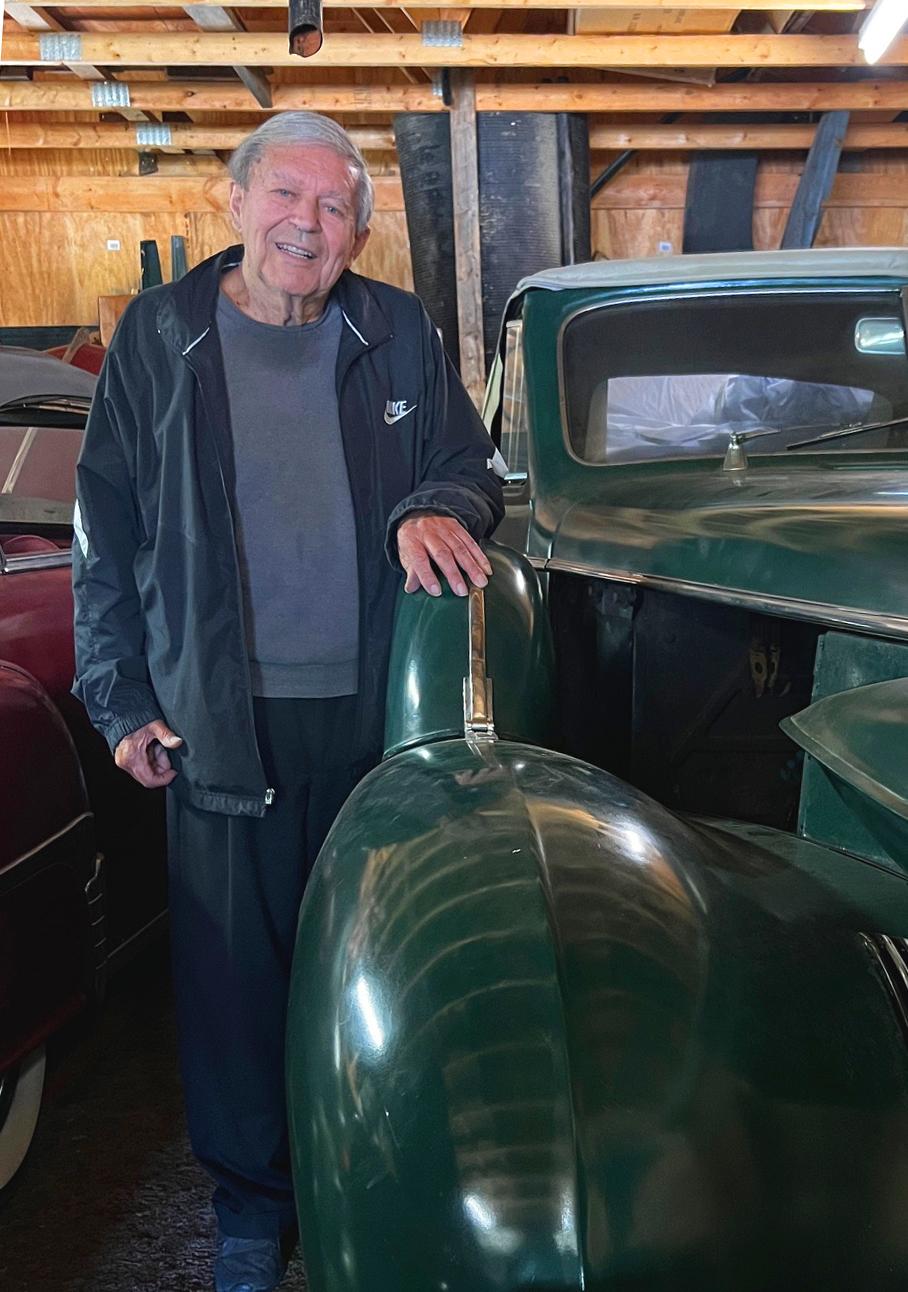
Dan Kish with his favorite car, an historic 1939 Cadillac Convertible made by Fisher Body. Dan's cars have appeared in many Gates Mills 4th of July parades. | |
Dan Kish
Dan Kish bought his home in Gates Mills when he was only 27 years old. He completed its renovation and moved in with his wife Maryann and their 4-year-old son Daniel in 1963. “When I purchased my property, Dan said, I thought I just bought an unfinished development site. But looking at the land where I’m living, it is really an historical site. Way out in the backyard is a foundation, with a cistern and hand pump. Some years ago, Sally Burke sent me photos and showed me an old map of a church near my house. The foundation is still there.”
Dan’s work ethic, talent and personal drive made him successful throughout his life. At 88, Dan has seen much of the history of this Village and through his generosity continues to impact the community. Recently, Dan gave GMLC the largest donation the Land Conservancy has ever received. Dan shared what influenced his decision to provide this generous gift to GMLC…
“Every property has a history, and the preservation of land did something amazing for the community.” Dan said, “What the Gates Mills Land Conservancy has done is to increase the value of the properties in Gates Mills for homeowners…substantially. Any parcel in Gates Mills is now $500,000 or better, and they are not making any more land.”
Read More
| | | |
In 2015, the International Agency for Research on Cancer (IARC), linked glyphosate exposure to an increased risk of developing certain types of cancer, including non-Hodgkin lymphoma. | |
|
Dangers of Glyphosates
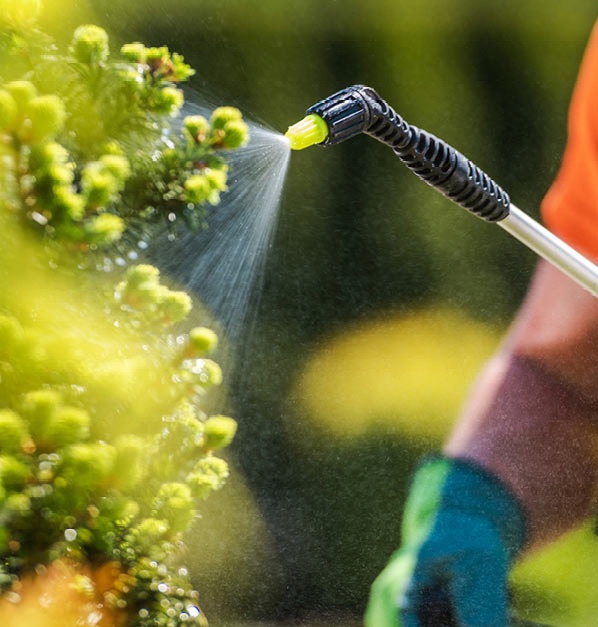
Glyphosate, a widely used herbicide, has played a significant role in modern agriculture and weed control since its introduction in the 1970s.There are over 750 products containing glyphosate for sale in the United States. However, given the concerns about glyphosate's impact on the environment, wildlife and human health risks, the adoption of glyphosate-free practices becomes increasingly crucial.
Every herbicide used in the Chagrin River Valley makes its way into the watershed and into the Chagrin River. The contamination grows exponentially as the water flows through each community and into Lake Erie, the water source for every species of fish, birds and wildlife, our native trees and plants, and the water source of all drinking water in Northeast Ohio.
Here are some reasons why it is essential to embrace sustainable and environmentally friendly alternatives…
Read More
| | | |
|
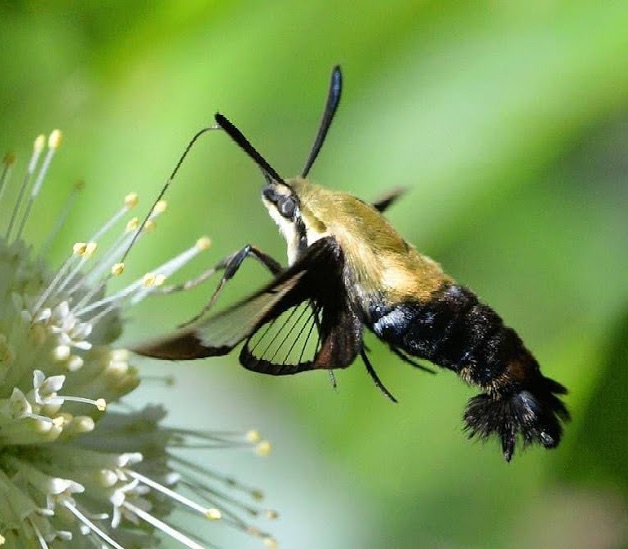
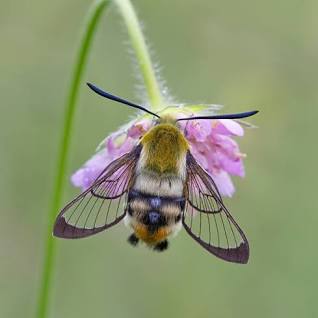
The Hummingbird Moth
Hummingbird moths are members of the Sphingidae family of moths and butterflies. They are remarkable because of their astonishing resemblance to the hummingbird in appearance and behavior. Sometimes referred to as a hummingbird bee, a bumblebee moth, sphinx moth or hawk moth, they are found in many parts of the world, including Europe, Asia, and Africa, and in our gardens right here in Gates Mills.
There are over 1,400 Sphingidae species worldwide and 115 in North America. They were first described by Carl Linnaeus, the father of modern taxonomy, in the 18th century. But its existence and behavior have been observed by humans for much longer with depictions found in ancient Egyptian artwork dating back over 3,000 years.
These moths are known for their hovering flight and ability to feed on nectar from flowers while in mid-air, much like a hummingbird. They are relatively large moths with heavy bodies, plump abdomens, front wings much larger than the back wings, and extremely long tongues (also known as proboscises). The wings of hummingbird moths are clear, with a black or brown border, and are nearly invisible when they fly. Males have a flared “tail” like that of a hovering hummingbird.
Read More
| | | |
|
|
Each Conservation Easements is a Unique Story
Since Gates Mills Land Conservancy began in 1988 community members have placed
20 properties comprising 308 acres on conservation easements with the GMLC.
Each property has its own unique story. Some had been preserved for their historical significance, some were properties held by multi-generational families, others were conserved for their geological significance or endangered species, and some were slated for development. Each of these stories has at their core a love of some of the most scenic vistas and spectacular topography of the Western Reserve.
Preserving our great resources can be part of your legacy too. If you have questions about conservation easements, the benefits of creating one, or if you have land to be conserved, please contact us at… gmlc44040@gmail.com
Read More
| | | |
|
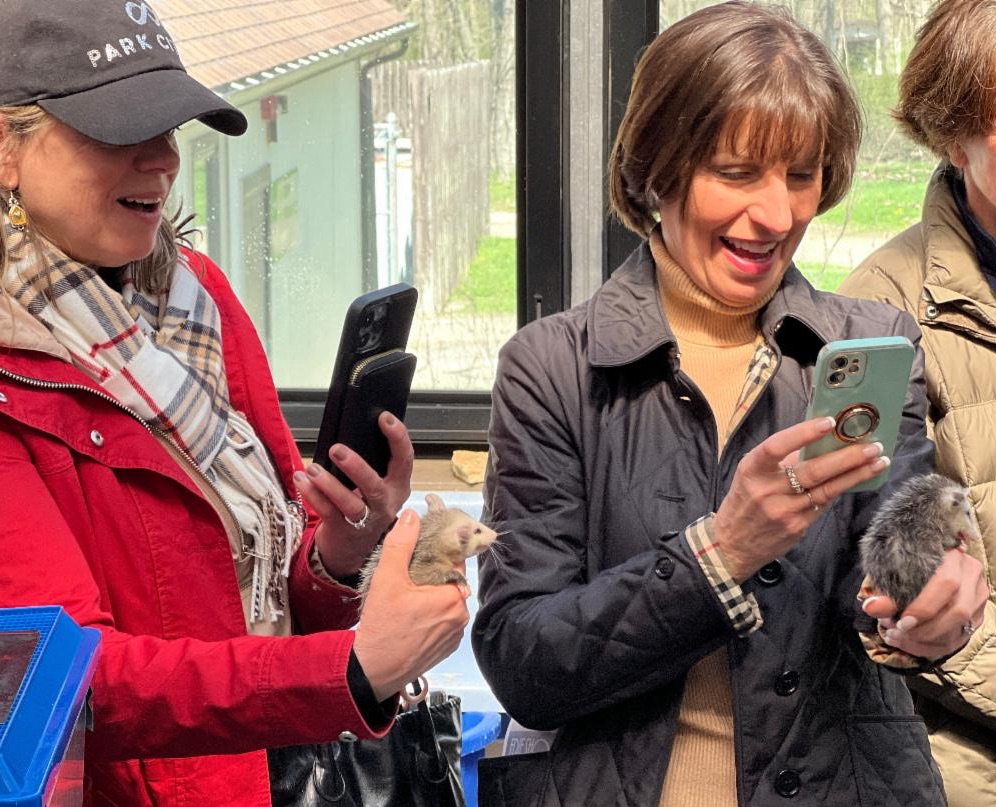
Debra Hymer and Penny Thomas holding rescued baby opossum.
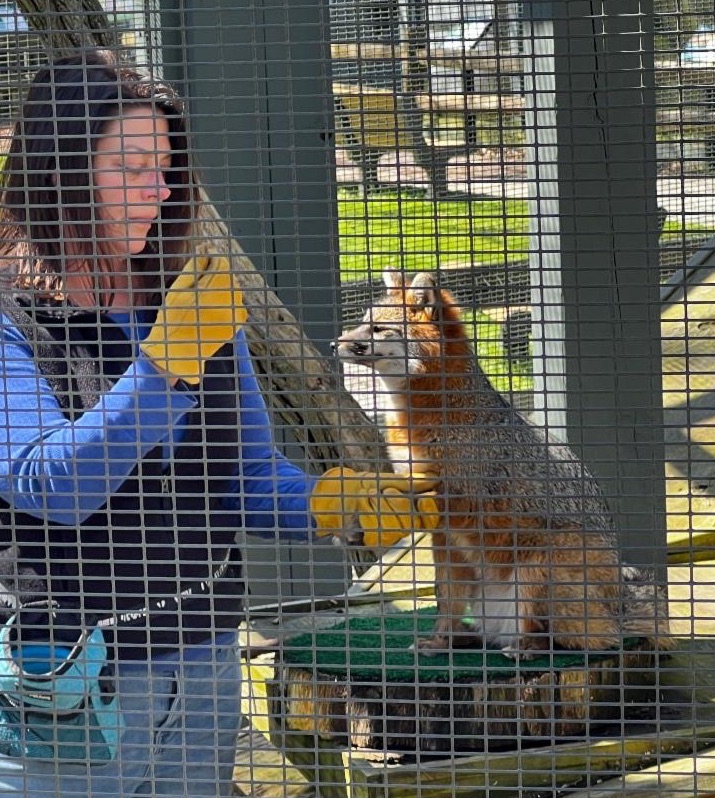
| Tammy with Sassy the Fox, who is trained to follow commands. | |
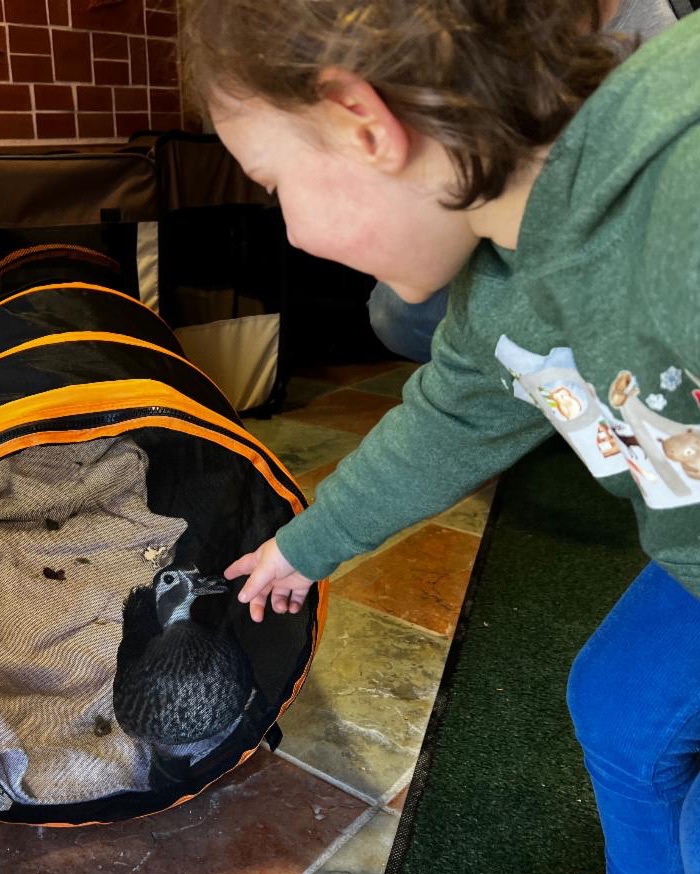
Animal Ambassador, Sylvia the Woodduck with one of our young environmentalist.
| |
|
GMLC In The News
A Penitentiary Glen Tour
In April 2024, the GMLC Board had a special opportunity to get a behind the scenes tour of Lake Metroparks Wildlife Center, better known as Penitentiary Glen. Tammy O’Neil, Wildlife Center Care Manager, gave us an in-depth presentation about how the center functions and is supported through the Metroparks as well as various other funding methods.
Tammy, her staff and team of tireless volunteers work to relieve the stress of human impact on wildlife populations through education and wildlife rehabilitation. It is home to over 20 different animal ambassadors that help share their mission of conservation and stewardship. These Animal Ambassadors represent a variety of native Ohio wildlife species, that are under permanent care because their injuries prohibit independent survival. They help staff to educate the public about wildlife protection and conservation.
The Wildlife Center is also an active rehabilitation clinic. Injured, orphaned, or sick animals are given appropriate care so they may be returned to the wild. Special attention is given to animals whose populations are in decline or are experiencing habitat loss. The center teaches what we can do as a community to provide a safe home where our native wildlife can thrive. Protecting their lands is the first step of survival.
| | |
|
Upcoming Events
Coming in September...
GMLC's Fall Seminar
"Our Collective Responsibility Moving Forward"
| | |
|
The Environmental Education Center
Saturday, September 21, 2024 @ 9:00am
with
Ed Meyers, WRLC, Legal Counsel
"The Importance of Conservation Easements"
Pete McDonald, WRLC, Land Stewardship
"The Longterm Plan of Stewardship"
Jarod Bartley, Cuyahoga Soil & Water - Healthy Urban Tree Canopy
"Growing a Healthy Urban Tree Canopy"
Craig Morten, Ecological FX
"Aquaponics - How It Can Help Restore Biodiversity"
| | | | | |