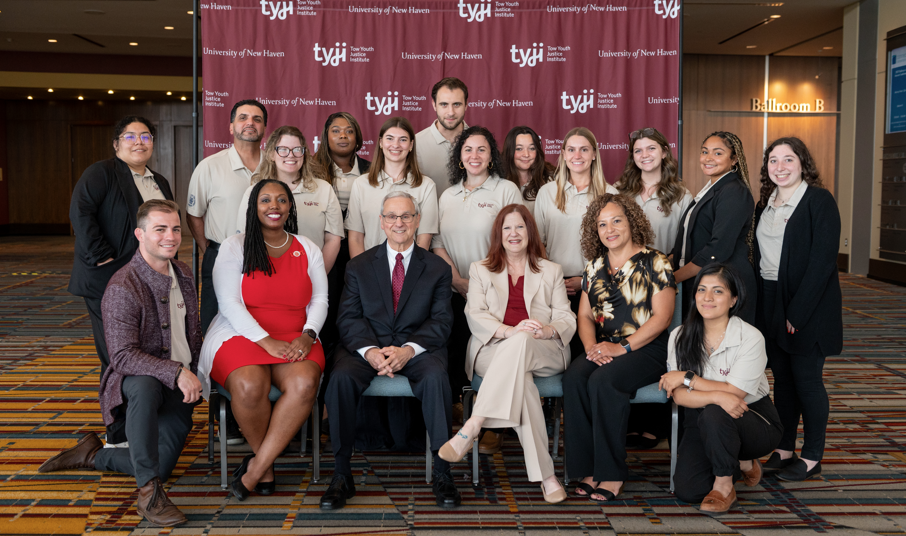
TYJI Staff at the 2025 Pathways to Success: Trailblazers and Innovators in Youth Justice. | | |
Pathways to Success: Trailblazers and Innovators in Youth Justice
Transforming Youth Justice Cohort 9: Capstone Celebration
Youth Leading the Way: Youth Voice Session in Transforming Youth Justice Program
| | |
Applications for Change Can't Wait Fellowship Are Still Open
A Restorative Place: Platform for Restorative Justice
Charting the Course: Strategic Vision & Legislative Progress: JJPOC & TCB Updates
| | 2025 Pathways to Success: Trailblazers and Innovators in Youth Justice Conference | | |
On June 10, 2025, more than 348 attendees gathered in Hartford, Connecticut, for the 2025 Pathways to Success: Trailblazers and Innovators in Youth Justice Conference. Participants varied from 139 organizations from 89 regions, creating a powerful space for dialogue, collaboration, and innovation in youth justice reform.
This year's conference featured 31 speakers, 3 breakout sessions, two featured large panels, a live mural and musical performance, and a silent juvenile art auction. Sessions centered on research- informed practices, innovative policy ideas, and community -driven strategies to improve outcomes for youth across systems.
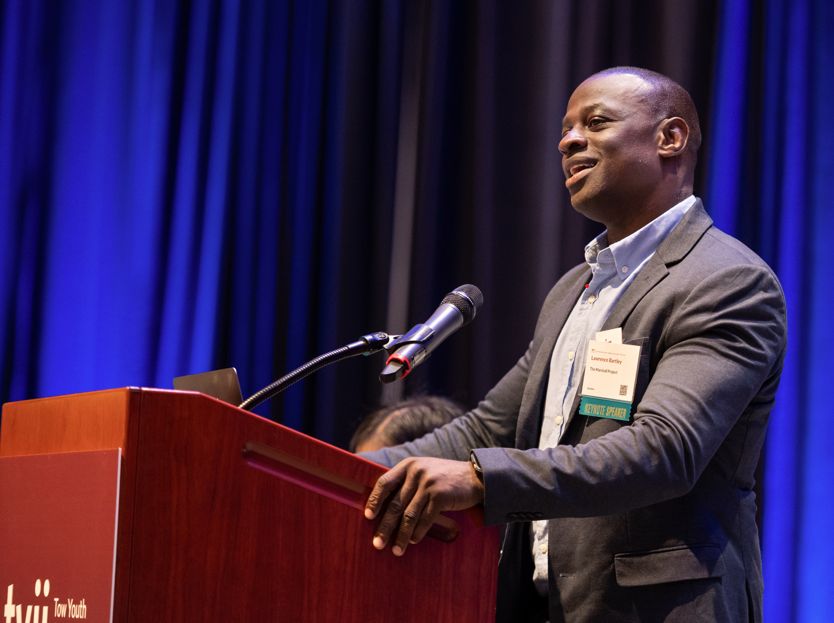
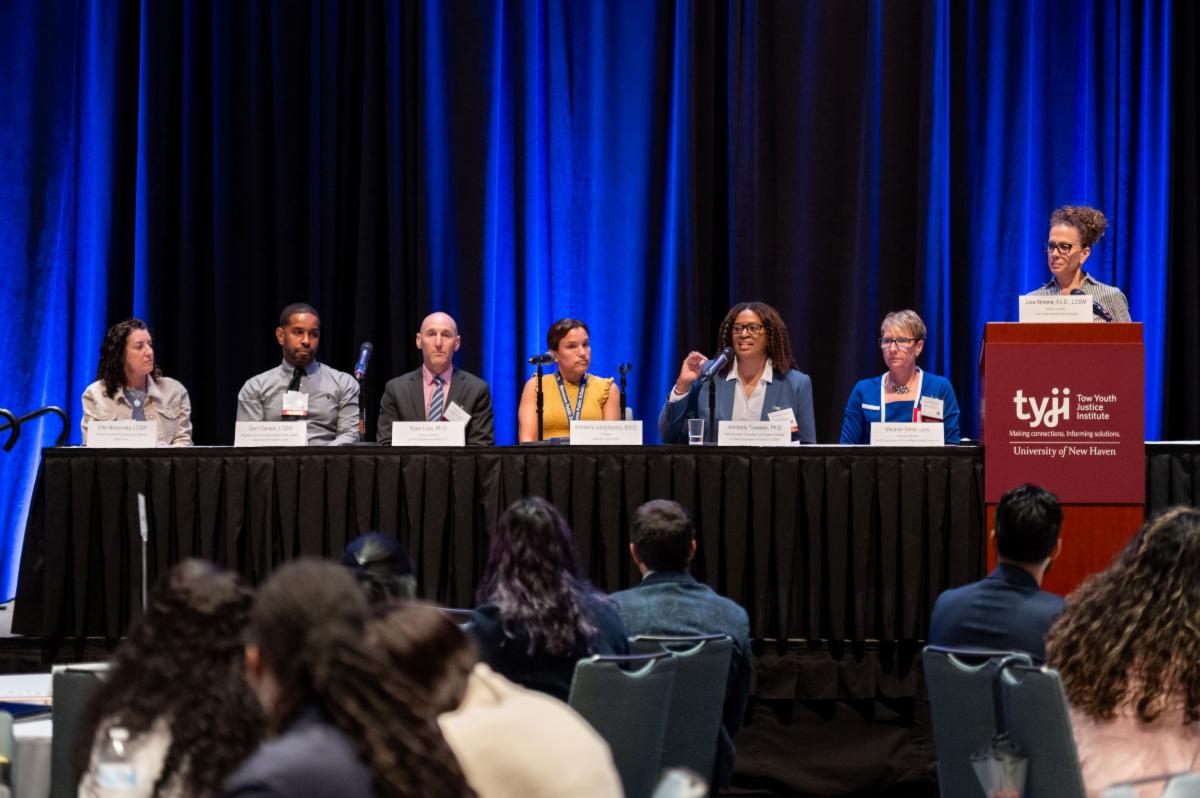
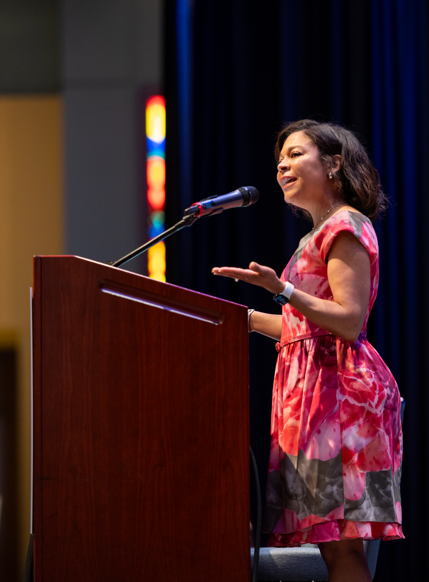
| | Keynote speaker Lawrence Bartley addresses attendees at the 2026 Pathways to Success Conference. | | Keynote Address: Rewriting the Narrative of Justice | | A standout moment was the keynote by Lawrence Bartley, Publisher of The Marshall Project Inside. Sharing his journey from incarceration as a teenager to becoming a national leader in justice reform, Bartley emphasized how education and mentorship changed his path. He challenged attendees to rethink justice through a lens of healing and opportunity. His message outlined what real support looks like: trauma-informed practices that prioritize care over punishment, youth-led solutions that elevate voice and agency, and sustained investment in community-driven strategies. Bartley’s story underscored the need to shift from reactive systems to those rooted in prevention, empowerment, and long-term change. | | Featured Panels: From Schools to Homelessness | | Panelists from the morning session, Strengthening Schools through Behavioral Health Supports, discuss expanding school-based mental health services and fostering cross-sector collaboration. | |
The Pathways to Success conference featured two dynamic panel discussions that underscored Connecticut's commitment to improving outcomes for youth through systems-level collaboration and innovation. The morning panel: Strengthening Schools through Behavioral Health Supports explored Connecticut's ongoing efforts to expand access to behavioral health services in education settings. Panelists shared updates on service delivery, workforce development, and cross-sector partnerships.
The afternoon panel: No Place Like Home : Challenges and Trends of Youth Homelessness in Connecticut provided a comprehensive overview of the growing issue of housing instability among youth. The conversation offered statewide and national data and emerging trends. Experts discussed how systems can work together to address housing instablity and reimagine support for youth experiencing homelessness.
| |
Honoring Leadership in Youth Justice
2025 Trailblazer Award: Representative Tammy Exum
| | The 2025 Trailblazer Award was presented to Representative Tammy Exum for her outstanding advocacy and policy leadership. Representative Exum co-authored HB 5001, An Act Concerning Children’s Mental Health, and has championed legislation to expand workforce opportunities for individuals with disabilities, helping to establish a disability workforce pipeline. | Photographed: Oluwaseyi Oluborade accepts the 2025 Rising Trailblazer Award. | | Photographed: Rep. Tammy Exum receives the 2025 Trailblazer Award. | The 2025 Rising Trailblazer Award was awarded to Oluwaseyi Oluborode, a promising young leader whose passion for political science, urban studies, and accessibility is rooted in personal experience. Her advocacy for inclusive systems exemplifies the spirit of youth-led innovation and justice. | | | With Gratitude to Our Sponsors | | |
We thank our generous sponsors whose support made this event possible:
Presented by: Dalio Education
Supported by: The Tow Foundation, Hartford Foundation for Public Giving
Lunch Sponsor: Nellie Mae Education Foundation
Break Sponsors: University of New Haven, Henry C. Lee College of Criminal Justice and Forensic Sciences
Community Engagement Sponsors: NewAlliance Foundation, Palmieri Family (in loving memory of Genoveva T. Palmieri), FAVOR, Inc.
Power On Sponsors: Action 2 Outcomes, Bridge Tax Advisors LLC, Connecticut Association of Public School Superintendents, New Haven Alumnae Chapter of Delta Sigma Theta Sorority, Inc., Children’s Community Programs of Connecticut, The Charter Oak Group LLC, Winning Ways
Table Sponsors: Ball Headz Inc., Cappetta’s, Hartford Communities That Care, Forge City Works, Love146, Urban Trauma, University of St. Joseph Criminal Justice and Restorative Justice Program
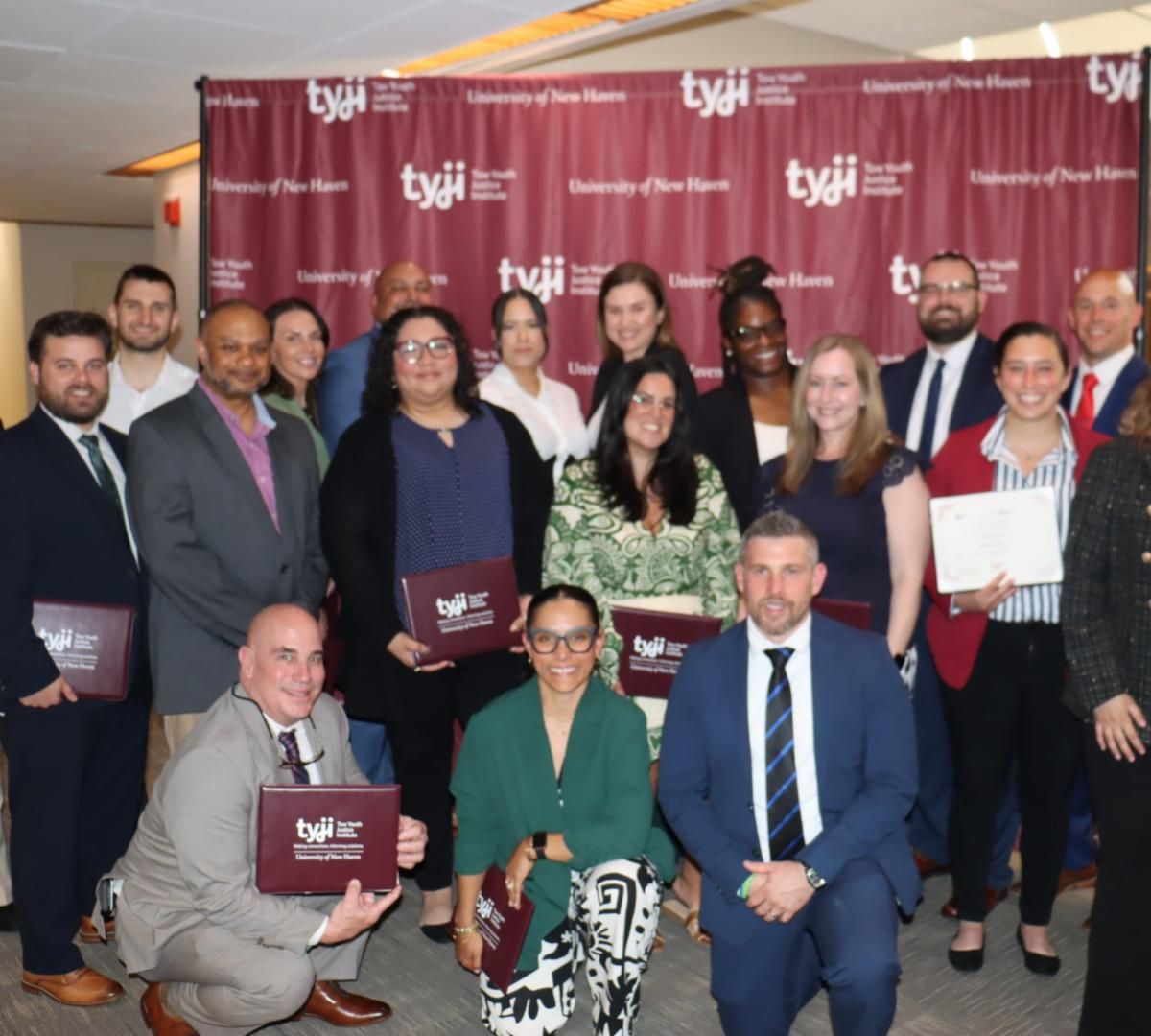
| | Be sure to visit our website for updates, session resources, and opportunities to stay engaged in our work. | | Transforming Youth Justice Program: Cohort 9 Celebration | | Photographed: Members of Cohort 9 gather at the Transforming Youth Justice Program Celebration. | | On June 3, 2025, the 9th cohort of the Transforming Youth Justice Program celebrated the completion of their 9-month journey at the University of New Haven. During the program, members explored topics such as disconnected youth, restorative justice, adolescent development, and juvenile justice through expert-led sessions and collaborative learning. | | |
This year marked a first: the cohort engaged in a powerful Youth Voice session led by young leaders from Our Piece of the Pie (Hartford), addressing real-world issues like housing, education, and food insecurity.
The celebration featured remarks from Dr. Jens Frederiksen, President of the University of New Haven, and Dr. David Schroeder, Dean of the Henry C. Lee College. The keynote address by Tirzah Kemp, Director of Community Resilience for the City of New Haven, inspired attendees to “lead with fierce integrity” and continue advocating for systemic change.
During the “cap-tail” hour, cohort members showcased their capstone projects focused on housing, reentry, diversion, education, and more.
Projects included:
- Emerging Adult Reentry Unit – Antonio DePina
- Equity in Alternative Education – Evie DeRosa & Lauren Miele
- Credit Audits for Incarcerated Youth – Jack Kitching
- Black Girls RYZE – LaTira Nesmith
- Standardizing Juvenile Review Boards – West Hartford & New Haven Police
- Police and Probation Liaison – Michael Palmieri
- Gender-Responsive Programming – Camila Tougas
- Job Skills at MYI – Matt Keen
- Young Adult Reintegration Center – Nahomi Rivera-Pineiro, Will Seals, Ivy Erazo, Melinda Clarke
Cohort 9 joins a network of 120+ alumni across Connecticut committed to advancing youth justice. We are proud of all the hard work that Cohort Nine has done over the past 9 months. We know that as alumni they will continue to advocate for young people in the state and inspire future generations of leaders and change makers.
| | Youth Leading the Way: Elevating Youth Voice in Justice Reform | | |
The Tow Youth Justice Institute hosted a full-day Youth Voice session as part of the 9th Cohort of the Transforming Youth Justice Program (TYJP). This groundbreaking session was led by youth from Our Piece of the Pie, Inc. (OPP), a Hartford-based organization dedicated to youth empowerment.
The Youth Voice session, held as a part of TYJP's monthly learning sessions, was intentionally designed to shift the power dynamic. Professionals from across youth-serving systems took a step back to listen, learn, and reflect as youth shared real stories about navigating life challenges, systemic barriers, and hopes for change. The youth facilitators led structured conversations in restorative community building circles that touched on complex social justice issues, which ranged from housing and food insecurity to mental health, transportation, education and violence.
For Linda C., one of the session's youth facilitators, the session marked a turning point:
| | "I realized that if we want change, youth have to speak up. But they need safe spaces to do that. ... If they don't have a safe space, they won't want to speak up." | | Though nervous at first, Linda drew strength from her peer. Their courage, she explained created a a ripple effect and she stepped forward, motivated by the power of being seen and heard. Her message to the professionals was clear: | "Youth need a lot of guidance and mentorship- people that can help lead them and keep them on the right path" | | For fellow youth facilitator Niasia L., the experience was equally profound. Speaking directly to a room of professionals from across systems, she reflected on the complex realities youth people face. | "Young people in the justice system are often dealing with complex situations, trauma and just need someone to believe in them". " It felt empowering to know that my voice mattered and that the professionals were genuinely listening" | Niasia called for more than just acknowledgement - she called for action. She emphasized the critical need for mentorship, equitable access to opportunity and a continued shift toward restorative justice approaches in Connecticut. | The session's impact was echoed during the TYJP graduation keynote by Tizrah Kemp, Director of New Haven's Department of Community Resilience. She reminded the audience that: | "Our work is not about fixing people- it's about changing systems." | | As TYJI works to expand youth leadership opportunities through programs like the Transforming Youth Justice Program, the Youth Voice session stands as a powerful reminder of what's possible when we make space for young people to lead. | | TYJI extends our deepest gratitude to Our Piece of the Pie (OPP) and the courageous young leaders who facilitated this landmark session. Their honesty, insight and leadership are shaping the next chapter of youth justice and children's behavioral health reform in Connecticut. |
| Applications Now Open: Change Can’t Wait Fellowship | | The Tow Youth Justice Institute, in partnership with Our Piece of the Pie, Inc. and the Connecticut Sun WNBA Organization, is excited to announce the launch of the inaugural Change Can’t Wait Fellowship—now accepting applications! | | |
This dynamic opportunity empowers youth to strengthen their leadership, policy advocacy, and civic engagement skills through monthly sessions held from September 2025 to May 2025.
Each session features:
- Interactive discussions on key policy issues
- Hands-on learning experiences in community settings
- Mentorship and networking with local leaders and changemakers
- A chance to collaborate with peers and design strategies to create meaningful impact in schools, neighborhoods, and beyond
| | |
We are looking for young people (15-22):
- Have a passion for social justice and community leadership.
- Want to develop leadership and advocacy skills to create a positive change.
- Have an interest in working with community leaders and Connecticut Sun players and staff.
- Committed to participating in all fellowship activities and engagements.
We invite professionals, educators, case managers, and youth-serving organizations across Hartford to refer young people who would benefit from this experience by sharing the application link directly with youth, forwarding the attached flyer to your networks, and promoting the fellowship through your organizational outreach.
Application Deadline: August 22, 2025.
| |
If you have any questions or need additional materials, please do not hesitate to contact Michaelangelo Palmieri, Senior Project Manager for Training and Technical Assistance, at mtpalmieri@newhaven.edu. |
| | | A Restorative Place: Platform for Restorative Justice | | |
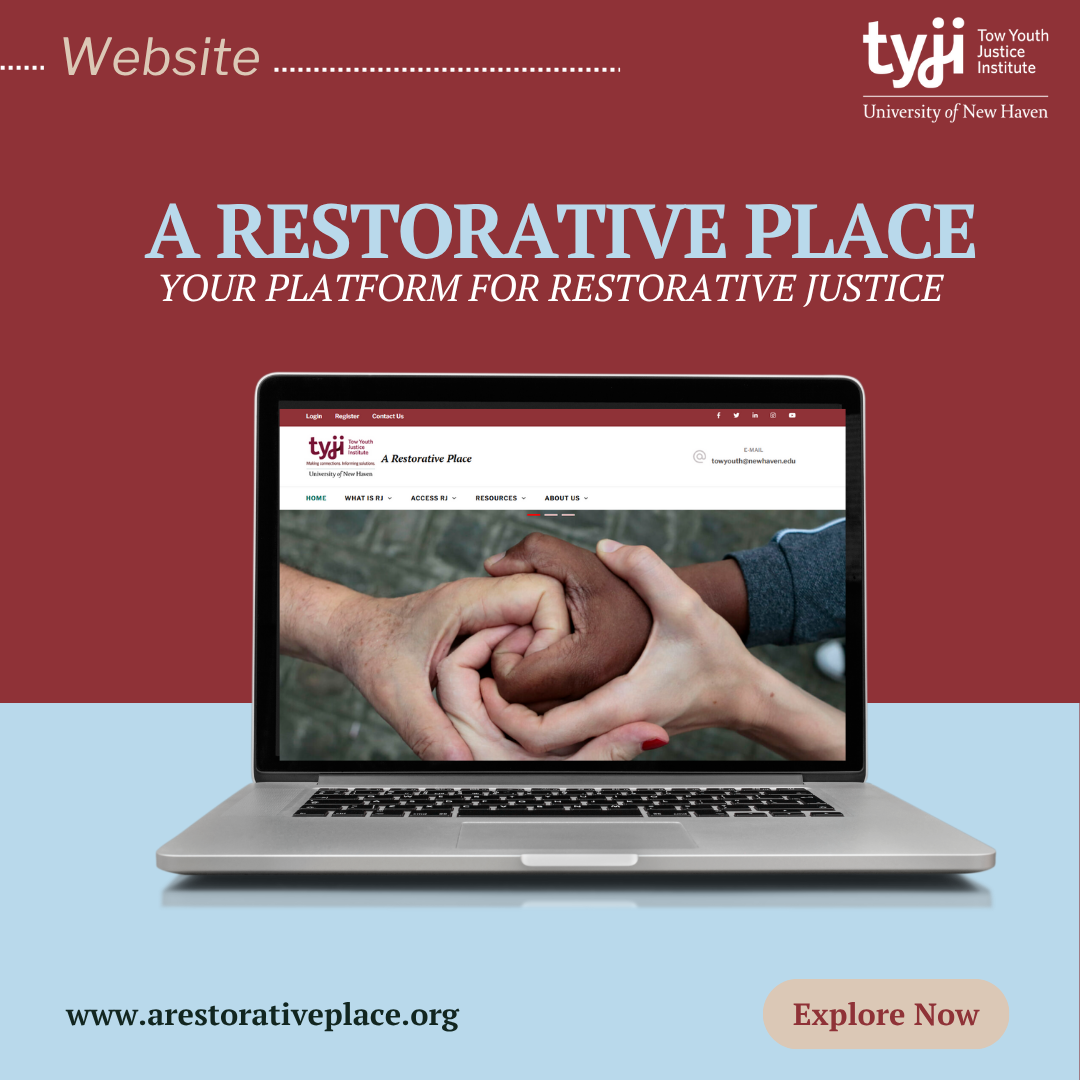
A Restorative Place is a platform that provides information, resources, and support for individuals and organizations engaged in restorative justice practices. It serves as a hub for practitioners, educators, and community members seeking to enhance their knowledge, access relevant tools, and connect with others working to advance restorative approaches within their communities.
| | Here’s what you’ll find on the site:
| |
-
Events: Stay informed about upcoming conferences, webinars, and workshops happening in your area.
-
Practitioner Directory: Connect with restorative justice practitioners across the state to exchange knowledge and build partnerships.
-
Resources: Access a curated collection of articles, videos, training materials, and the latest research to support and enhance your restorative justice practice.
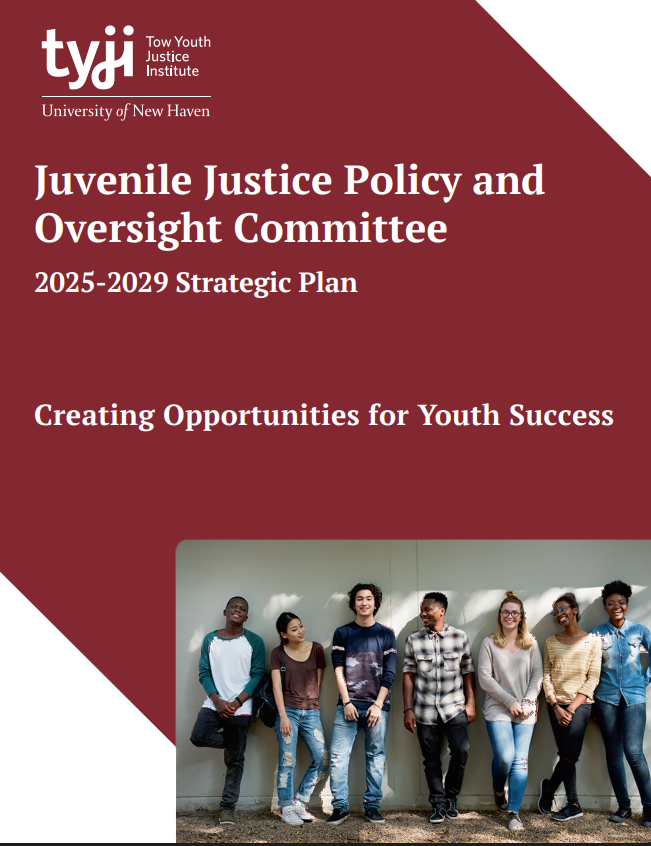
| | Charting the Course: Strategic Vision & Legislative Progress: JJPOC & TCB Updates | | The Juvenile Justice Policy and Oversight Committee (JJPOC) has released its updated Strategic Plan, outlining goals and strategies to strengthen Connecticut's youth justice system. The plan focuses on reducing racial and ethnic disparities, enhancing youth diversion efforts, supporting educational engagement, improving conditions of confinement and reentry, and promoting youth voice in policy development. | | The Transforming Children’s Behavioral Health Policy and Planning Committee (TCB) has released its 2025–2028 Strategic Plan—a flexible, living document developed through broad collaboration to guide the Committee’s priorities over the next three years. Designed to adapt to internal and external shifts, the plan ensures TCB remains responsive to emerging challenges and opportunities. | | 2025 JJPOC Legislative Updates | | The 2025 legislative session resulted in the passage of several new laws affecting juvenile justice. The Juvenile Justice Policy and Oversight Committee (JJPOC) is providing the following updates on the key Public Acts that the committee developed and recommended. | | |
Diversion Recommendations:
Legislation aims to expand youth diversion access statewide by establishing a uniform policy, requiring all municipalities to have or access diversion mechanisms, and standardizing reporting to DCF.
Education Recommendations: In response to high chronic absenteeism and youth disconnection from school/work, legislation will require the new school district reporting requirements and expanded accountability from the State Department of Education.
Gender Responsiveness Recommendations:
To ensure appropriate care in out-of-home placements, DCF is now required to report on the implementation and performance of STTAR homes, along with metrics on child sexual abuse reports, substantiations, and system capacity.
Incarceration Recommendations: The legistation will improved reentry planning and reporting on transportation, housing, and family support needs. Additionally, DOC and JBCSSD would report on employment access, vocational programming, and strategies to enhance youth workforce connections.
| | 2025 TCB Legislative Updates | | |
While several of TCB’s 2025 legislative recommendations were not adopted this session, the TCB remains committed to advancing its strategic goals. As outlined in the 2025–2028 Strategic Plan and Annual Workgroup Workplans, the following initiatives will continue to move forward:
| |
Children’s Behavioral Health Crisis Continuum Study TCB will conduct a study to assess current crisis services for children, future demand, and opportunities to strengthen access and utilization.
School-Based Health Services Billing Review: The TCB will collaborate with CSDE and DSS to develop a framework and operational guidelines to streamline municipal Medicaid billing for Medicaid-eligible school-based behavioral health services.
Behavioral Health Concerns in Special Education Students:
TCB is preparing a report to the Education and Children’s Committees examining behavioral health challenges affecting special education students and offering potential recommendations.
Updates on Key Strategic Items
- State funding for 24/7 Mobile Crisis services has been secured for Fiscal Year 2027.
- Medicaid provider rate increases were included in the approved state budget.
- TCB will partner with the Yale Child Study Center to evaluate IICAPS and similar evidence-based models aimed at improving behavioral health outcomes for children.
Stay tuned for more updates as these efforts evolve.
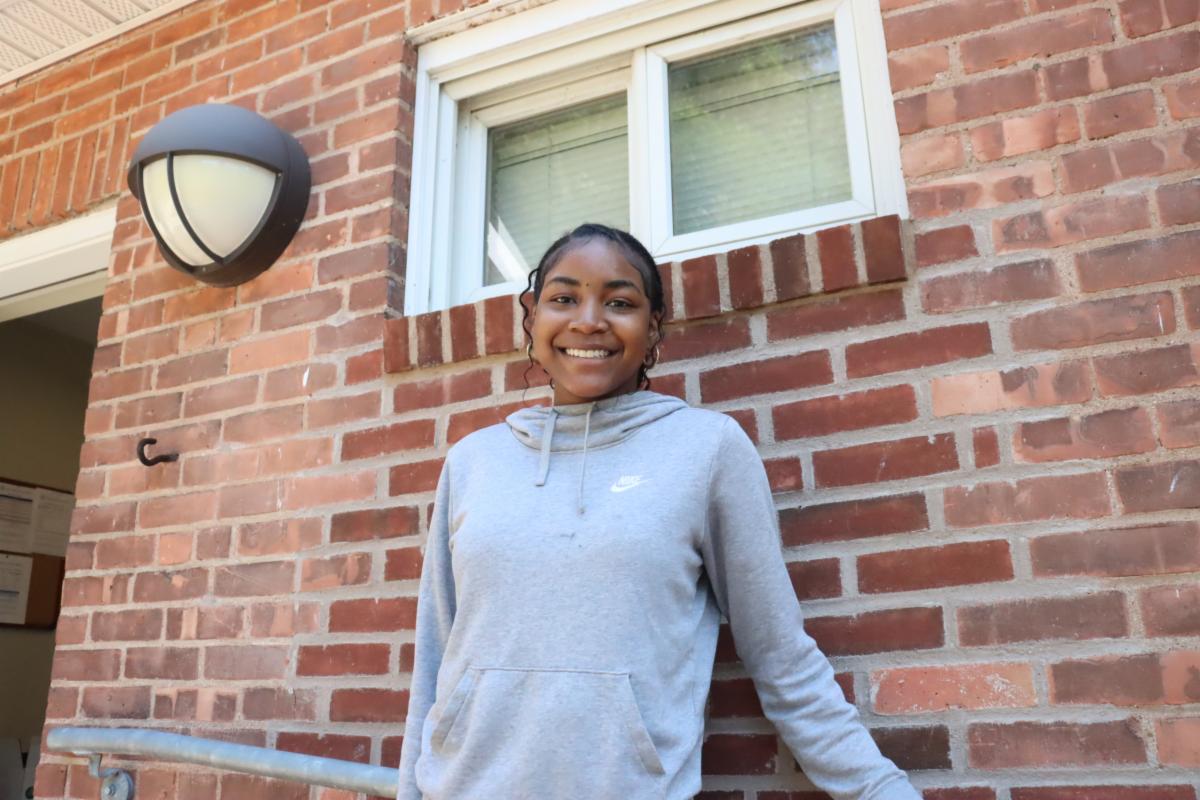
| | INSIDE MY TYJI INTERNSHIP EXPERIENCE: A Reflection from a Youth@Work Intern - Ta'Niya Atkinson | | |
From the moment I arrived, I met Ryan, she welcomed me perfectly and guided me with everything. One of the first things I experienced was a tour of University of New Haven. It's such a beautiful college! And it was my first ever college tour so that was so exciting.
| | "Having the opportunity to be a seasonal intern at the Tow Youth Justice Institute (TYJIE) has been a game changer for me. Over the past five weeks, I've had the chance to learn, observe and engage with passionate professionals dedicated to making a difference for youth across Connecticut." | | |
Through my internship, I completed a range of administrative tasks and had the opportunity to attend meetings with state agencies like DCF, local organizations and even state legislators. I have been involved in planning for the TYJI Social Justice School alongside Michealangelo, Eva and Ryan. They gathered input from youth to improve the course before teaching other youth. This experience has allowed me to observe how they design their programs. Additionally, all the staff I met were so friendly and encouraged me to participate in their work.
While meetings can take up a big part of the day, they are probably the best part, (besides from meeting all of the staff) the meetings are where you learn the most about TYJI and the different parts of them! I watched recorded meetings like the capstone presentation and the Juvenile Justice Policy and Oversight Committee (JJPOC) February monthly meeting (that is my favorite meeting), a public testimony on H.B. 5508. A highlight was learning about the Transforming Children’s Behavioral Health Policy and Planning Committee (TCB). After I expressed my interest, Emily, TCB Senior Project Manager, explained what TCB was and invited me the TCB meetings. The TCB meetings showed me all the programs the state has and what the state is bringing together to help children and families in a crisis or in the behavioral health system.
As part of wrapping up my internship, I'm preparing a final presentation on the DCF. I wish I had more time to observe the social justice course, but in the end thanks to Youth@Work and the Tow Youth Justice Institute! I had an amazing experience at TYJI, and really if I had another opportunity to come back I would! As a teenage girl I’d never thought to have an experience to learn and see the planning of how the state is trying to change for a positive outcome for the youth.
I think young people being able to work is important because we can get the concept of being able to understand what a job is, besides just having a job to
make money, especially for young people who are planning to go to college to find a career. Also having a job at a young age teaches you money management and the process of having a bank account so in the future you can know what kind of jobs you will be interested in because you had the opportunity to work at a young age.
| | Coming Stories in the Next TYJI Newsletter! | |
- Cohort 10 Launch
- TCB & JJPOC Summit Highlights
- TYJI Strategic Plan
- Performance-Based Accountability (PBA) Update
- Social Equity Council Collaboration
- Meet Our Fall 2025 Interns & Co-op Student
| |
The Tow Youth Justice Institute is a university, state and private partnership established to lead the way in juvenile justice reform through collaborative planning, training, research and advocacy. | | Follow us on social media | | | | |