2741350.png

The FootForward Report

Volume 1 | Issue 3 | Summer 2026

Do I Really Need Bunion Surgery?

Insights in Modern Foot & Ankle Care from Manhattan Podiatry Associated PC

 
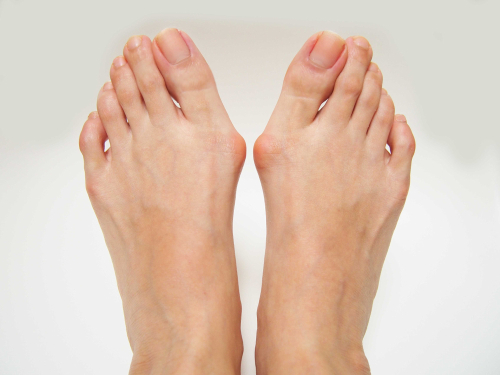
Varus valgus and Hallux valgus_ bunion on white background.

What Is a Bunion — and Why Do They Progress?

A bunion is more than just a bump on the side of the foot.

A bunion is a structural deformity involving misalignment of the big toe joint. Over time, the big toe gradually shifts toward the lesser toes while the joint becomes more prominent.

Many patients notice:

  • Pain or irritation around the joint
  • Difficulty fitting into shoes
  • Redness or swelling
  • Progressive drifting of the toe
  • Pain beneath the ball of the foot

Bunions often worsen gradually over time.

While shoe gear can aggravate symptoms, bunions are commonly related to inherited foot structure and biomechanics.

Importantly, not all bunions require surgery.


myths-vs-facts-icon-on-white-backdrop-versus-vs-background-icon-white-background-vector image

Myth vs Fact

Myth: Bunions are caused by wearing tight shoes

Fact: Shoes may aggravate symptoms, but bunions are usually related to inherited foot structure.

Myth: Surgery is the only treatment

Fact: Many patients benefit from conservative care and supportive footwear.

Myth: Bunion surgery requires months in bed

Fact: Modern techniques often allow protected walking much earlier than many patients expect.


Managing Bunions Without Surgery


Not every bunion requires an operation.

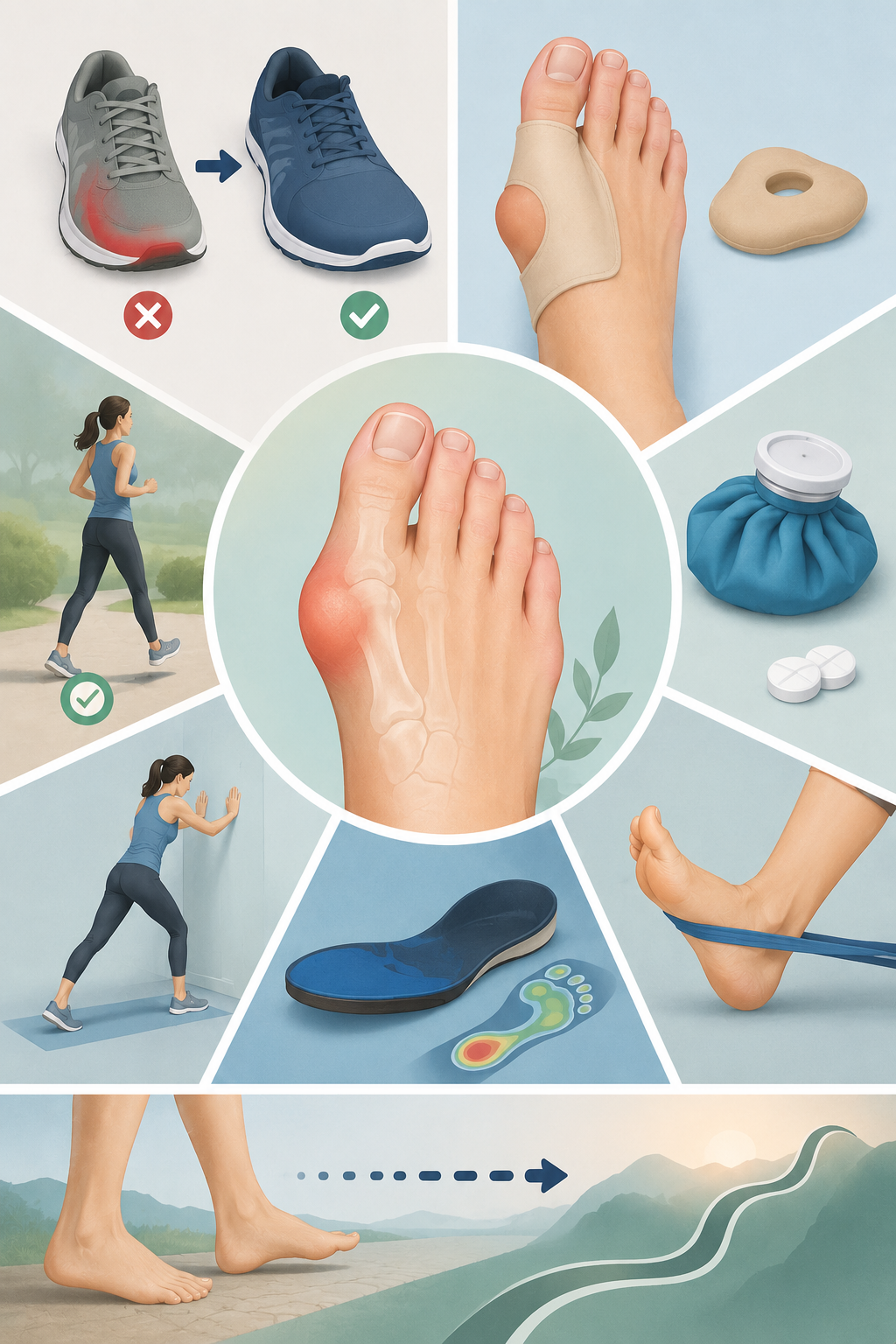
Conservative treatment may include:

  • Shoe modifications with wider toe boxes
  • Padding and offloading
  • Activity modification
  • Anti-inflammatory measures
  • Stretching and strengthening
  • Prescription orthotics to help improve foot pathomechanics and reduce stress across the forefoot

For many patients, conservative care focuses on reducing pain, improving function, and slowing progression.


Precision Matters in Surgical Planning

Every bunion is different.

Successful treatment depends on understanding the underlying foot structure, joint mechanics, and degree of deformity.

Careful evaluation and imaging help determine the most appropriate treatment approach for each individual patient.


What to Expect During Recovery:

Recovery varies depending on the severity of the bunion and the procedure performed.

Patients may experience:

  • Swelling that gradually improves over time
  • Protected walking in a surgical shoe or boot
  • Activity limitations during healing
  • Gradual return to regular footwear and exercise

Following postoperative instructions carefully is important to achieving the best possible outcome.


Did You Know?

 Bunions are progressive deformities

 Not all bunions require surgery

 Early treatment may help reduce symptoms

 Modern surgical techniques often allow faster recovery than patients expect

 Proper shoe gear and orthotics may help reduce pressure and irritation.

Patient Resources

Learn more from trusted sources:


Doctor’s Tip

Many patients wait years before seeking treatment because they assume surgery will be extremely painful or require prolonged immobility. Modern approaches to bunion care have changed significantly, and early evaluation may help patients better understand their options.

About Our Practice

For over 40 years, Manhattan Podiatry Associates, PC has provided advanced, patient-centered foot and ankle care in Manhattan.

Services include conservative care, prescription orthotics, regenerative therapies, diagnostic imaging, and surgical treatment in our Joint Commission Accredited Office-Based Surgical Facility (OBS).

Midtown East | Financial District

Appointments available weekdays, with Friday procedural scheduling.

Keeping Manhattan Moving- With Experience, Precision, and Compassion

Manhattan Podiatry Associates, P.C.

Manhattan | Foot & Ankle Specialists

📞212-759-9090

🌐www.manhattanpodiatry.com