Weekly News & Updates


January 17, 2026 | Issue #5


Orton-Gillingham in the Classroom: Literacy Instruction Brought to Life

Structure That Builds Confidence

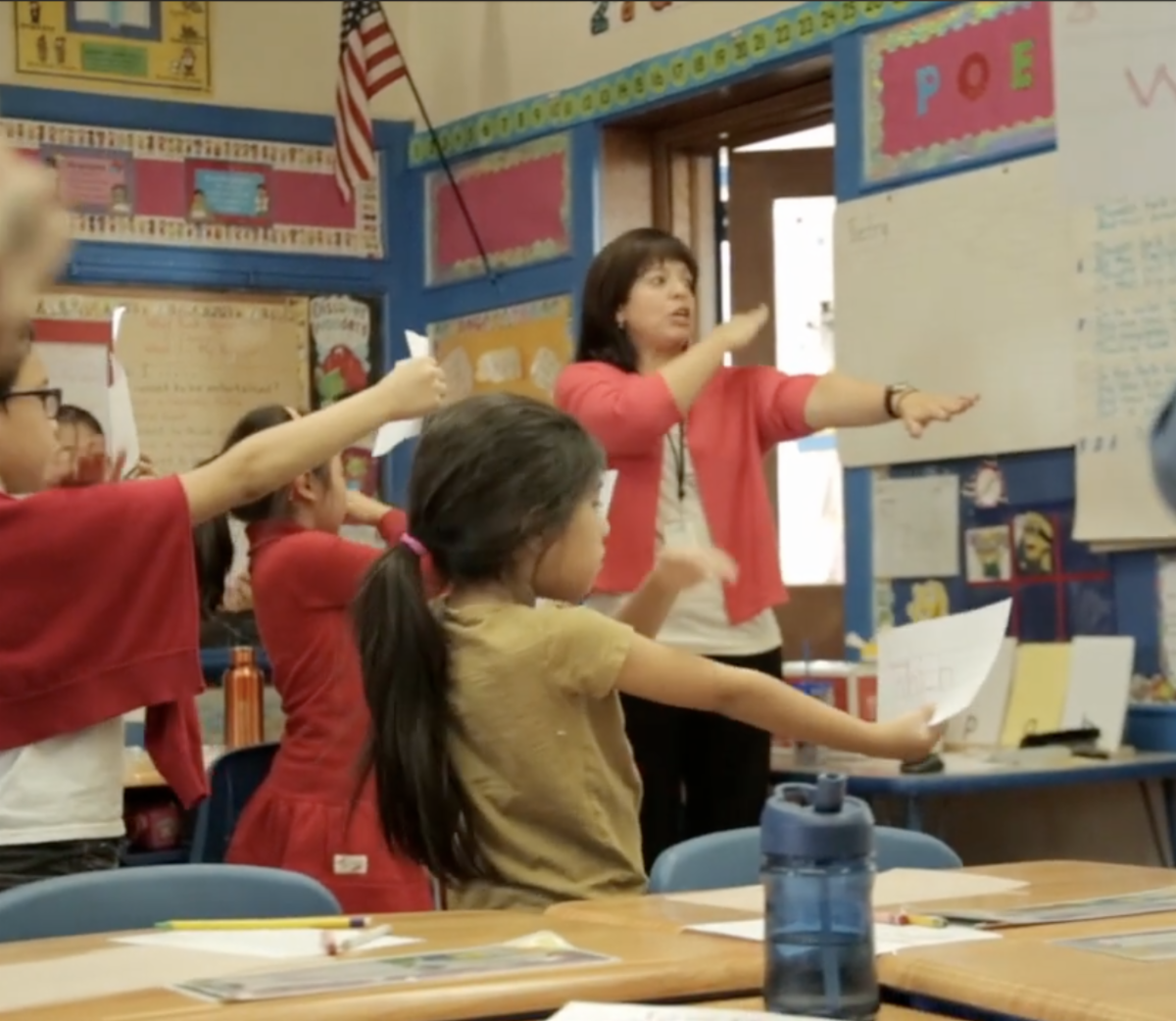
Because of the strong alignment with reading science, the Orton-Gillingham approach has been thoughtfully adapted for classroom instruction. When done well, classroom-based OG lessons are anything but dry. They are active, engaging, and highly interactive.


Structure is often misunderstood. Parents sometimes worry that structured instruction means rigid instruction. In reality, structure creates clarity. When students know what is expected and understand how learning builds from one lesson to the next, they feel more confident. That confidence opens the door to engagement. Students are not guessing or feeling lost. They are participating with purpose.


What Engagement Looks Like in an OG Classroom

In an Orton-Gillingham classroom lesson, ...


OG Training vs. OG Certification: What Families Should Know


You may hear schools say their teachers are “OG trained.” This often means an educator has participated in workshops or introductory coursework in the Orton-Gillingham approach. OG certification goes much further. Certified educators complete extensive coursework, supervised practicum hours, and ongoing evaluation to demonstrate that they can apply OG effectively with real students, not just understand the theory. At Cornerstone, literacy instruction is delivered by OG certified educators, so families can feel confident that lessons are implemented with depth, consistency, and care.


In an upcoming blog post, we will take a closer look at what OG certification actually involves and why it matters so much for classroom instruction.


We Won! Best Donor Appeal of the Week!

Cornerstone Charter School was honored as a Best Donor Appeal of the Week by The Giving Block, and we are grateful to share that this recognition included a $1,000 cryptocurrency donation in support of our work.


This acknowledgment means a great deal to us because it reflects the clarity and purpose behind our message. Our appeal focused on why strong, explicit literacy instruction matters and how access to structured literacy can change the trajectory for children who have struggled to learn to read.


We are thankful to The Giving Block for recognizing our work and for expanding innovative ways for supporters to invest in public education. We are also deeply grateful to our growing community of donors who believe in Cornerstone’s mission and vision. Your support helps us build a strong foundation for students and ensures that high-quality literacy instruction is accessible to the families who need it most.

Note from the Director's Desk

Dear Cornerstone Community,


When I begin working with a new student, I pay close attention to their body language. Often, before a child ever says a word, their body tells the story.


During initial assessments, I frequently see slumped shoulders. Some children pull their hands over their heads or press them against their face. Others keep their head down, let out heavy sighs, or ask to go to the bathroom. These are not signs of defiance or disinterest. They are signs of a child who has learned that reading is hard and who is bracing for another moment of struggle.


Over time, as instruction becomes more closely aligned to what a child actually needs, those signals begin to change. Shoulders relax. Heads come up. Students sit taller. They make eye contact. They lean in. Engagement replaces avoidance, and effort starts to feel worth it.


It is important to note that body language tells a story for students on the other end of the spectrum as well. Children who have already mastered the material can show their discomfort in quieter ways. They may fidget, disengage, rush through work, or appear bored or restless. Just as struggling learners communicate when instruction is not meeting their needs, advanced learners do too.


This is where emotionally sound instruction matters for every child. One of the guiding principles of the Orton-Gillingham approach is that instruction must be emotionally sound. That means teaching in a way that builds confidence, respects the learner, and responds thoughtfully to where each child is in their learning. For some students, that means carefully structured support. For others, it means appropriate challenge, enrichment, and opportunities to think more deeply.


Emotionally sound instruction recognizes that boredom and frustration are two sides of the same coin. Both signal a mismatch between the learner and the task. When instruction is responsive, children feel seen, understood, and valued.


As an educator, there is nothing more powerful than watching these shifts take place. A child who once tried to disappear during reading time begins to show up fully. A child who once rushed through work begins to slow down and engage. Shoulders lift. Curiosity returns. Confidence grows.


These quiet changes remind me why this work matters so deeply. When children feel safe, challenged, and supported, reading becomes something they are willing to invest in. And that is where real learning begins.


Warmly,

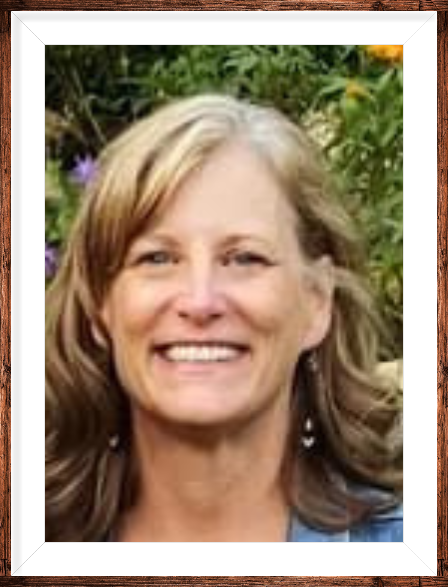
Lynne Howard, Executive Director

Lynne Howard

Executive Director

www.director@cornerstone-cs.org

603-678-4778


Applications for 2026

Cornerstone Charter School is now accepting applications for the upcoming school year for grades K-3, and we are encouraged by the strong early interest from families across the region. Our open enrollment period closes on February 28.


Cornerstone is a tuition-free public charter school, and all New Hampshire students are eligible to apply. We do not discriminate on the basis of race, ethnicity, disability, language, gender, or family background.


Because space is limited, if applications exceed available seats, enrollment will be determined by a public, random lottery, in accordance with New Hampshire charter school law.


Families interested in joining Cornerstone are encouraged to apply before the February 28 deadline to ensure their application is included.


¹ Out-of-state students may apply on a tuition basis and will be considered for admission after all New Hampshire applicants, provided space is available.

Building Cornerstone Together


Opening a new public school takes vision and community. While Cornerstone is a public charter school, start-up and early growth rely on community support to help create strong learning spaces, provide high-quality materials, and ensure students have what they need from the very beginning.


If you believe in expanding high-quality public school options and strengthening literacy for children in our region, we invite you to support this work in whatever way feels right to you.


Learn more about our approach by visiting our website at www.cornerstone-cs.org

 
Facebook  Instagram  LinkedIn