|
We are honored to host you at our sale event focusing on TREES and SHRUBS!
Friday and Saturday
October 23rd and 24th from 8 a.m.- 4 p.m.
1404 Citico Road location only.
| |
| | |
Discount on all Trees and Shrubs,
3-Gallon size
and up.
| | | | We just can’t say enough about the benefits of woody shrub and tree planting this time of year; they encounter mellower soils, less stress from foliage and beastly hot temps, and their roots transition more rapidly so they get a jump on spring growth. In addition, it’s a flawless time of year to dig a hole with a family member [or not] and admire the potential you’ve pioneered! | | |
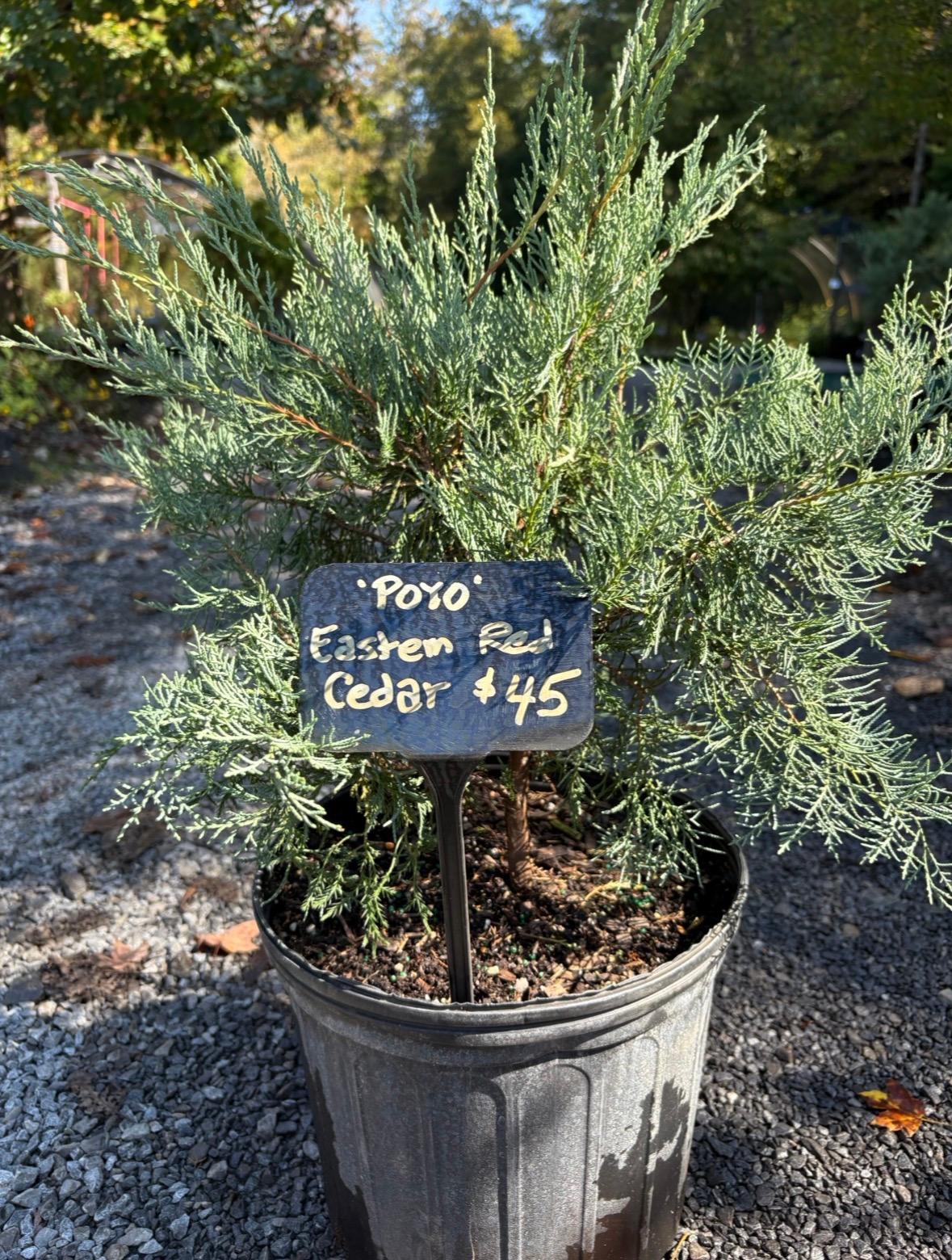
Juniperus virginiana 'Poyo'
You’ve seen [what looks like a non-native] Juniper, abounding in our nursery, but have been daunted at the idea of using them on your property. Yes they are ground hugging but can reach 4’tall and wider in time, keeping great winter color with their handsome silvery-blue berry like cones, are long lived, thrive in most conditions [except for standing water], ignored by deer, and serve as a foil against other large leaved plants. Lovely evergreen specimen, don’t let it frighten you away, just give it space. You can imagine the wildlife that enjoys the berries, protection and roosting, then go ahead and take the leap! Companion plant with Mohr’s Rosinweed [which has a most delicate pale-yellow flower], or some late purple aster to create a flattering grouping.
| | |
Chalk Maple - Acer leucoderme
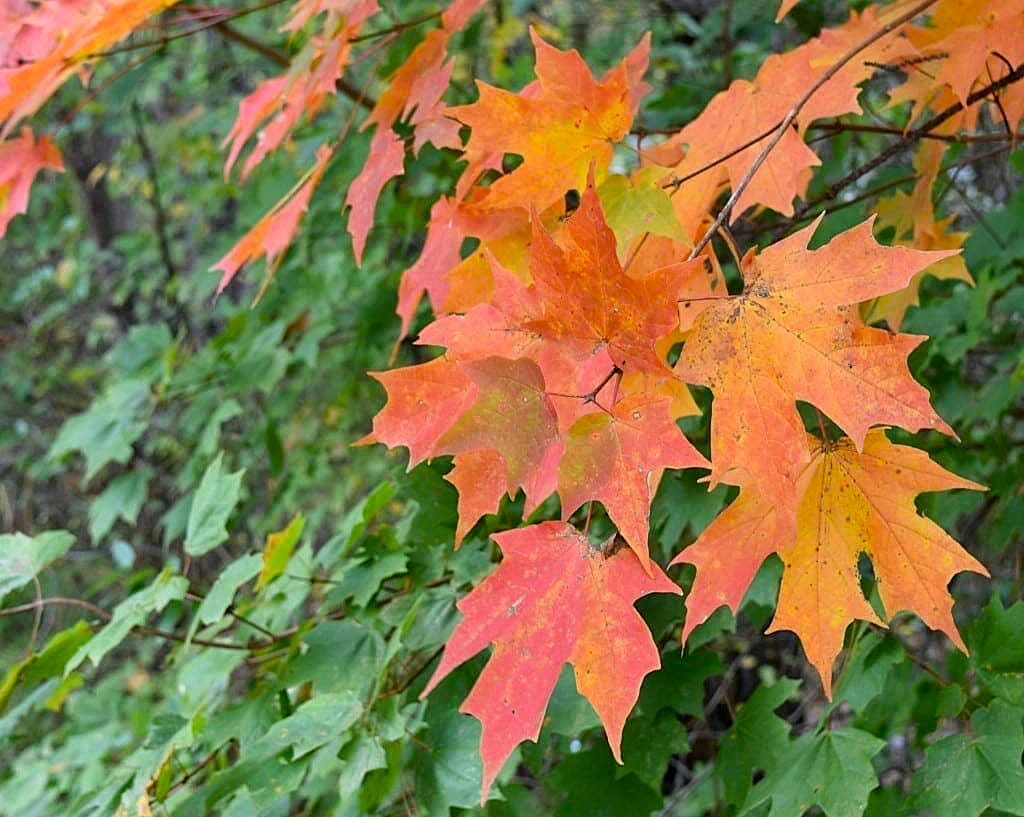
This is a smaller- leaved, smaller- stature version of the sugar maple, but as it ages, develops a chalky bark. Considered an understory tree, since it never gets much taller than 25-30’ it may be planted either in full sun to part shade. It does have a slender branch structure, and is found natively in rocky woods, river bluffs, even ravines, if that helps you locate a spot on your property. Autumn foliage can develop much like a sugar maple, just a much tinier canopy. Yes, it does support early spring native bees, larval caterpillars, flies and wasps and is a host plant for the rosy maple moth and imperial moth. Seeds are utilized by finches, squirrels, and small wildlife. Chalk Maples are inviting near a patio or deck, underplanted with ferns, sedges, and PeeWee Oakleaf Hydrangea. Available in 3 gallon size.
| | |
Ashe Chinkapin - Castanea pumila var. ashei
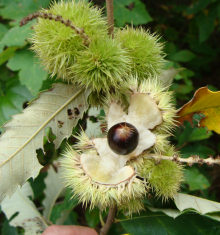
This dwarf chestnut tree, topping out at 10-12’, is one of many other chestnuts we grow. This shrub or tree is multi stemmed, nut producing, [with handsome spiny burrs], high mast producing; loves our hot summers and nuts are reportedly delicious when baked.
Why don’t we know more about it?! It’s been neglected by taxonomists and field biologists and yet it has lived in areas we didn’t know occurred so there is a bit of mystery surrounding them. It is an important species for fox squirrels, deer and small wildlife, and is an easy plant to grow. Charming and unobtrusive it creates a delightful presence. Closely related are Alabama Chinkapin and Ozark Chinkapin.
| | |
Trees In Time for Spring
Inside the field of seed propagation work at Overhill, there’s been an increased push to grow more trees, woody shrubs and vines in general. This allows us to offer plants in a greater variety of sizes and species. Oaks are giant wildflowers in their capacity to host pollinators. Within oaks, there are two groups, the white oaks and the red oaks, the following species fall into these categories: Chinkapin Oak (Quercus muehlenbergii), a white oak, typically grows on dry sites but does well in moist, fertile soil and grows to a maximum of 60 ft. The Swamp White Oak (Quercus bicolor), is found more often in sunny bottomlands and wet, woodland areas - but has demonstrated a good tolerance for drier sites. Relatively speaking for an oak, it is a quick grower. We also offer the common White Oak (Quercus alba), known for a medium growth rate and high, spacious canopy. In the red oak group, the Blackjack Oak (Quercus marilandica), is very comfortable on a dry, sunny ridge and typically will not get more than forty feet. Often an understory tree, it can have a scraggly effect and its leaves are easily distinguished by a pear shape, glossy texture and relatively large size. Willow Oak (Quercus phellos), another red oak, often found in wet lowland areas, can do well in drier, upland sites - as evidenced by its use as a street tree in Blount and Knox counties. Its narrow leaves offer a textural difference from other red oaks and can grow relatively rapidly, up to one hundred feet. Other favorites, many available during our Fall Plant Sale, include Chickasaw Plum, Sugar Maple, Swamp Titi, Little Hip Hawthorn and Chalk Maple.
-Matthew Askey
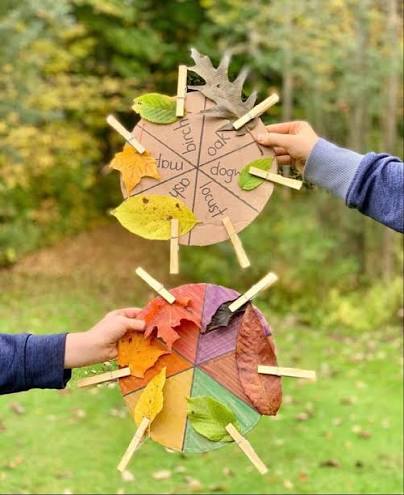
| | GARDEN MUSINGS FROM A HARD CORE PLANTSMAN | | Please follow the link to the full article. We would like to hear what you think about these musings associated with native plants and your garden experiences. To be featured in our next newsletter send responses to Office@overhillgardens.com | | With the temperatures and leaves dropping it's a great time of year to teach young learners about the natural world around them. This craft is fun, easy, and eco-friendly. | | |
What you need for this craft:
Fall leaves
Cardboard
Clothespins
Markers, colored pencils or crayons
| | Want to hear more from Overhill Gardens? Consider following us on Social Media. | | With two locations to serve you! | | | Overhill Gardens | 1404 Citico Road | Vonore, TN 37885 US | | OG Garden Center | 1230 Hwy 411 | Vonore, TN 37885 US | | |
Our Company | Contact Us | FAQs | Privacy Policy |
| | | |