|
Gates Mills Land Conservancy
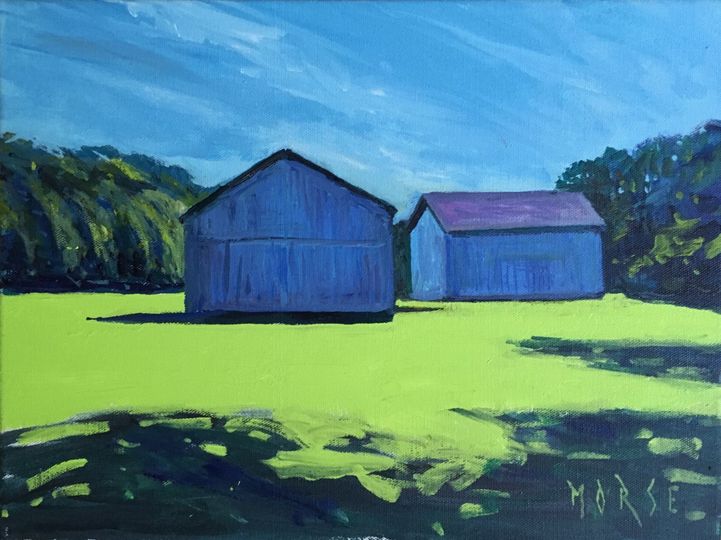
| | July 08, 2025 | Newsletter Issue #10 | | "Valley Morning" by Jamie Morse | | Land Trust Alliance "Rally 2025" | | |
Each year, the Land Trust Alliance hosts the National Land Conservation Conference, known as “Rally.” This professional event is the largest gathering of conservation leaders in the nation, bringing together individuals and organizations dedicated to land preservation. Rally celebrates the history, natural beauty, and conservation success stories of land trusts in a distinct regional area of the United States.
In 2025, Cleveland has been selected as the host city for “Rally 2025”, which will take place September 3–6 at the Huntington Convention Center of Cleveland. The Host City Committee—comprising local land conservation groups, agencies, and other organizations—volunteers their time to serve as on-the-ground representatives throughout the event. With over a dozen field trips planned, conservation professionals from across the region will lead workshops and seminars showcasing the Western Reserve’s unique environmental heritage.
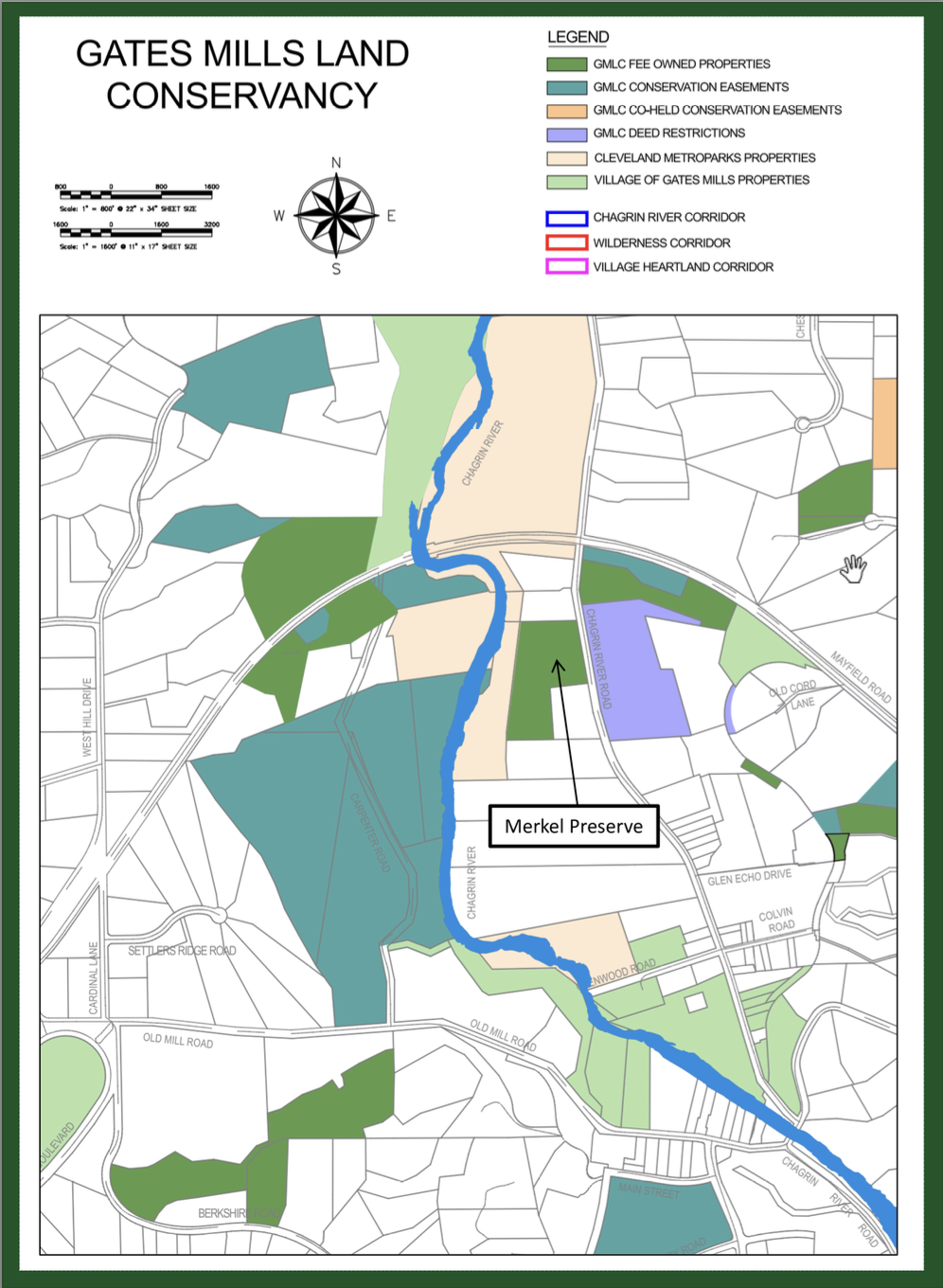
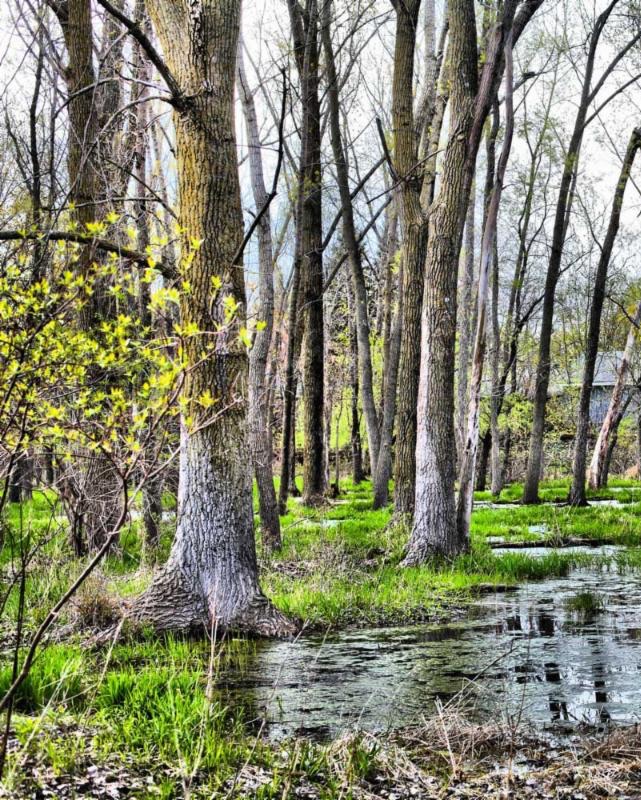
Chagrin River Watershed Partners, Inc. will present a program titled “The Scenic Chagrin River: Explore Northeast Ohio’s New England Roots,” and the Gates Mills Land Conservancy is honored to be included. The excursion will feature the GMLC’s Merkel Preserve and the Bass property, which are undergoing invasive species mitigation as part of the ‘Gates Mills Tree Canopy’ plan. Participants will also tour the historic village of Gates Mills, take part in river seining with staff from Ohio’s Scenic Rivers Program, enjoy a fly-fishing demonstration, observe a traditional beagling event, explore a major stream restoration project, and visit the Western Reserve Land Conservancy’s Conservation Center.
Last year’s Rally drew more than 2,300 conservationists from around the world to share insights on projects, emerging practices, and legislation impacting land trusts. With such broad exposure, the event not only highlights regional innovation but also inspires the future of the conservation movement and fosters invaluable networking opportunities.
The Gates Mills Land Conservancy is grateful to Chagrin River Watershed Partners for including our Merkel property in this national program, which showcases our enduring conservation commitment to the Gates Mills community.
| | |
Please remember to support the good work GMLC
does on behalf of the Gates Mills Community.
| | Highlights & Happenings in This Issue | | |
Welcome to the tenth issue of the Gates Mills Land Conservancy Newsletter!
As we celebrate summer in the Chagrin River Valley, we’re especially proud to share that Cleveland will host the Land Trust Alliance’s Rally 2025—the largest national gathering of conservation professionals. We are honored that the Bass and GMLC Merkel properties will be featured on a field trip showcasing our tree canopy restoration efforts, stream revitalization, and community partnerships. It’s a proud moment for Gates Mills to take part in the national conservation conversation.
In this issue, you’ll meet Leah Whidden, a valued member of our board whose leadership and love of community embody the spirit of our Conservancy. We also thank Caroline Vary for her thoughtful insight into environmental stewardship.
We highlight two important ecological efforts unfolding on our lands—the work of Judy Semroc, whose survey of the Merkel Preserve is shaping long-term restoration, and the GMLC-driven initiative to reestablish native American kestrel falcons. These efforts remind us that even simple actions can leave a lasting impact.
Equally captivating are our features on the history of beagling, a time-honored tradition celebrating rural life, and river seining, a scientific method of studying aquatic life that supports a balanced ecosystem. Both topics will be part of live field demonstrations during the Rally 2025 visit to our village.
We hope this edition leaves you feeling more connected to the land we all cherish. Thank you for being part of our conservation community.
Sincerely,
The GMLC Board
| | |
We are saddened by the passing of our good friend Dan Kish. Dan was an important benefactor of our mission, and his significant support is a testament to his legacy in the Gates Mills community. We remember Dan for his endearing warmth and engaging demeanor. With love and gratitude,
The Gates Mills Land Conservancy Board
| | |
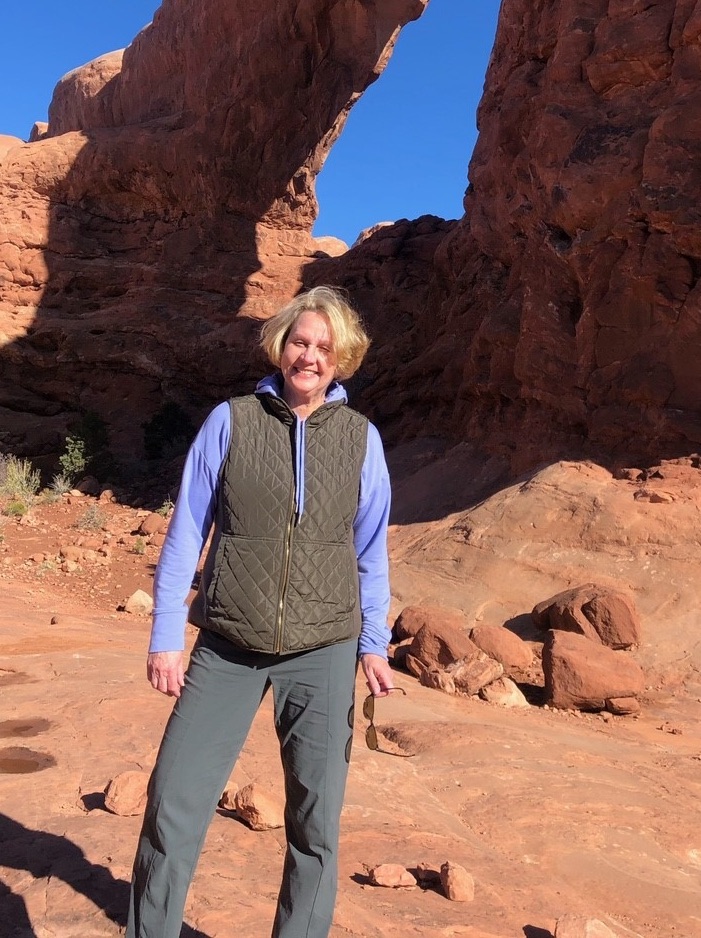
"Blair and I are on a mission to visit every U.S. National Park—this snapshot is from our unforgettable 2021 adventure in Moab, Utah! The astounding red rock formation, American Indian heritage and archeological artifacts are one part of what our amazing country has to offer."
-- Leah Whidden
| |
Leah Whidden,
Membership Director
Leah Whidden brings a wealth of leadership experience and community passion to her role as a Board Director of the Gates Mills Land Conservancy. She currently serves as the Executive Director of Lake View Cemetery Foundation. In this role, Leah has led initiatives in development, marketing, donor engagement, and long-term funding strategies, helping to sustain the cemetery’s mission and enhance its outreach to the greater Cleveland community.
Before joining Lake View, Leah spent five years leading fundraising efforts at the Conservancy for Cuyahoga Valley National Park, securing vital support for one of the country’s most visited national parks. She then served for eleven years as Vice President of Advancement at the Western Reserve Land Conservancy, where she helped shape the organization’s development strategy and expand its impact as a land conservation leader.
A long-time resident of Gates Mills, Ohio, Leah is deeply committed to preserving the unique character and natural beauty of the village she and her family call home. Her professional expertise in philanthropy and nonprofit strategy aligns seamlessly with the GMLC’s mission to protect open space, wildlife habitat, and the historic landscape of our region.
At home in Gates Mills, Leah and her husband, Blair, enjoy the quiet beauty and close-knit spirit that define village life. Her service to the Conservancy reflects both a professional dedication to stewardship and a personal commitment to ensuring that future generations can enjoy the landscapes and legacy that make Gates Mills so special.
| | | |
|
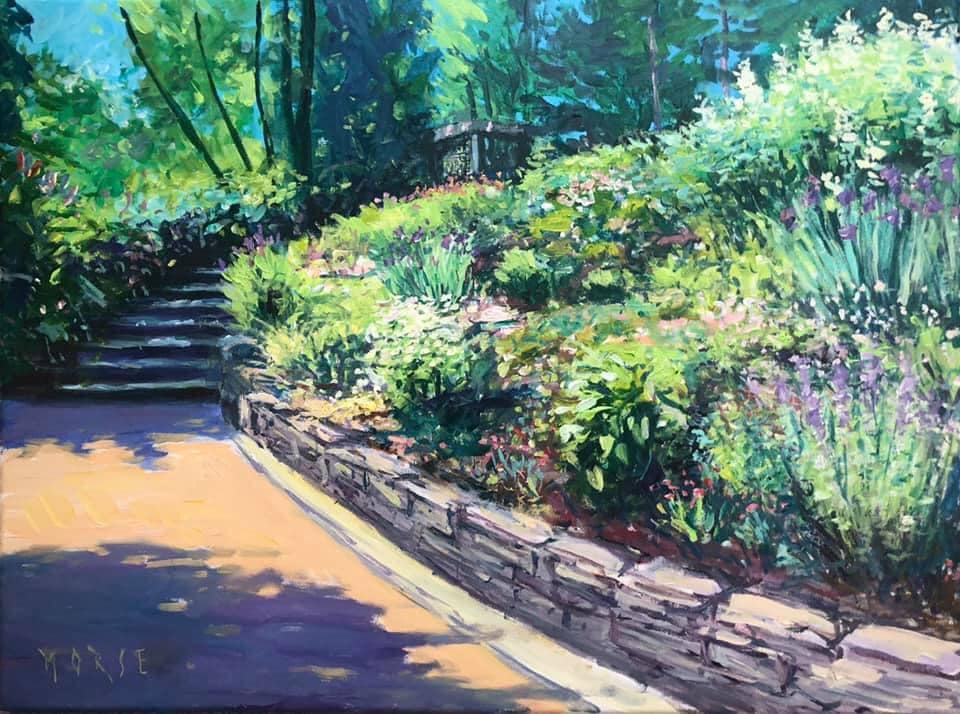
"Bill's Garden" by Jamie Morse
Many thanks to Caroline Vary for her insights of growing up in Gates Mills, and the joy of finally returning to the environmental treasures of our special community.
| | |
A Member's Perspective
by Caroline Vary
"The land - the river, the tree canopy, and the wildlife that inhabit it - provides us an invaluable natural ecosystem. It can serve as a backdrop for adventure, a refuge for solitude, or a space for the peace and reflection that only nature can provide. The beauty of our natural surroundings, along with the community’s commitment to conservation, together form our greatest assets here in Gates Mills.
As children in Gates Mills, the outdoors was our playground. It was where we sought adventure - and where our mother and grandmother would send us so they could enjoy a bit of peace and quiet. Memories of summers past are filled with the full sensory experience of what nature offered us from morning through evening: the cool river water where we turned stones in search of crawfish, the sweet taste of blackberries from wild bushes along the woods, the smell of soil and grass infused in our clothes, the cooing of owls that led us to their hiding places nestled in the leaves, the flickering of lightning bugs lighting the early evening sky, frogs croaking through the night, and tree limbs reaching above us, framing the moon as we lay in the grass gazing upward.
We were called inside only by the sound of the tall-standing bell that my grandmother rang at mealtime - the same bell that had called her own children home decades earlier. For their generation, the woods were their playground, too. They sought adventure running among the trees, swinging from vines, scaling trees they befriended and sometimes even named, and - unknown to their mother - traversing the steep slopes of a place called “the Gooseneck.”
It brings me great joy to now see my nieces and nephews experiencing the same wonders: fishing in the river, playing hide-and-seek among the trees, and marveling at the many creatures they discover in the woods and the river.
It is the culmination of these experiences that compels me to support the work of the Gates Mills Land Conservancy and its efforts to preserve our natural environment for generations to come. I am deeply grateful to the Conservancy, the Village of Gates Mills, and the service department - all of whom strive to maintain the beauty of our surroundings.
Please continue to support the Land Conservancy - or consider joining if you have not already. In addition to their preservation work, they host inspiring and informative programs that guide each of us in becoming stewards of the land."
Caroline Vary
| | |
|
“An important wetland winds through the heart of the GMLC's Merkel property,” Judy highlights. “It is a biologically rich area that also plays a crucial role in maintaining local water quality." "Protecting these habitats isn’t just about saving frogs,” she added, “It’s about protecting the water that runs past your home and into your rivers.” | | |
Documenting Species
with Judy Semroc
In 2024, Nature Spark was hired to conduct an extensive ecological survey on the GMLC Merkel Preserve, as part of the Gates Mills Tree Canopy mitigation/restoration effort. When a new property is being considered for protection, Nature Spark’s owner, Judy Semroc is often called in to perform "all taxa surveys", comprehensive inventories designed to identify as many native and non-native species as possible.
These surveys involve multiple visits across seasons to observe migrating birds, active insects, and flowering plants, creating a clear baseline assessment of the property’s ecological condition.
Judy’s initial survey of the Merkel property in late Fall 2024 documented over 122 individual species of trees, shrubs, wildflowers, birds, insects, animals, fungi, and more. One species of note, the Brown Creeper (Certhia americana), is a Species of Special Concern for the State of Ohio.
Native and non-native species were documented with 17 non-native plant species found on site. It is the non-native invasive species that cause concern for their encroachment to the natural growth desired. From these surveys, Judy developed a plan to move forward...
Read More
| | | | |
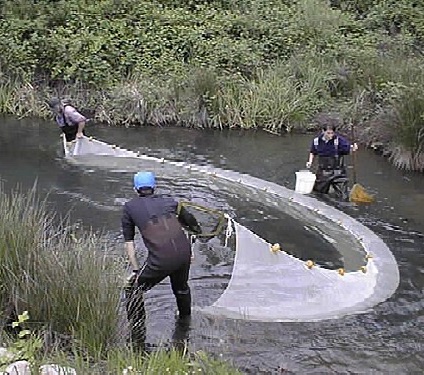
The Science of River Seining - Identifying the health of an ecosystem. | | |
What is River Seining?
River seining is a valuable method for studying freshwater ecosystems, offering insight into the health of rivers and streams. This technique involves dragging a long, fine-meshed net—called a seine—through shallow water to collect fish and other aquatic life. Usually conducted by trained conservation staff, researchers, and volunteers, seining helps gather crucial data on species diversity, abundance, and habitat use.
Waders carefully pull the net with weights at the bottom and floats at the top, between two poles, capturing fish and invertebrates before gently releasing them after identification and measurement. Scientists log the species caught, their life stages, and quantities; and record water temperature, turbidity, and substrate conditions, all vital information for understanding ecosystem trends.
Collected data is analyzed over time, so that trends in species populations can indicate changes in water quality, habitat loss, or the presence of invasive species. River seining has proven especially helpful in managing at-risk species. When species populations decline it may signal deteriorating stream conditions, prompting conservation actions.
In some regions, it has led to the rediscovery of species thought to be exterminated and has guided the restoration of riparian zones. In areas with major natural waterways like the Chagrin River, such efforts are essential for preserving biodiversity and maintaining healthy waterways.
| | | |
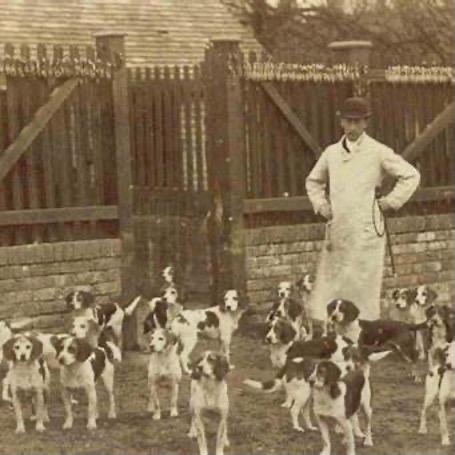
This September, the Land Trust Alliance "Rally 2025", will hold a field experience demonstration of Western Reserve traditional "Beagling" along the Chagrin River. | | |
Our History
What is Beagling?
In the wooded hills and winding trails of the Western Reserve, the deeply rooted tradition of “beagling” continues to echo through the fields each autumn and winter. This age-old rural sport, of following a pack of beagles on foot as they scent and pursue rabbits, is more than a pastime. It’s a thread woven into the historical and cultural fabric of our historic villages.
Beagling descends from English hunting traditions, where hounds were used by rural farmers and country sportsmen to chase small game. Unlike fox hunting, which typically involves riders on horseback and longer chases, beagling is a sport of the footman. With its origins in New England and parts of the Midwest, it found a special resonance in the uniquely preserved landscapes of northeastern Ohio.
Read More
| | | |
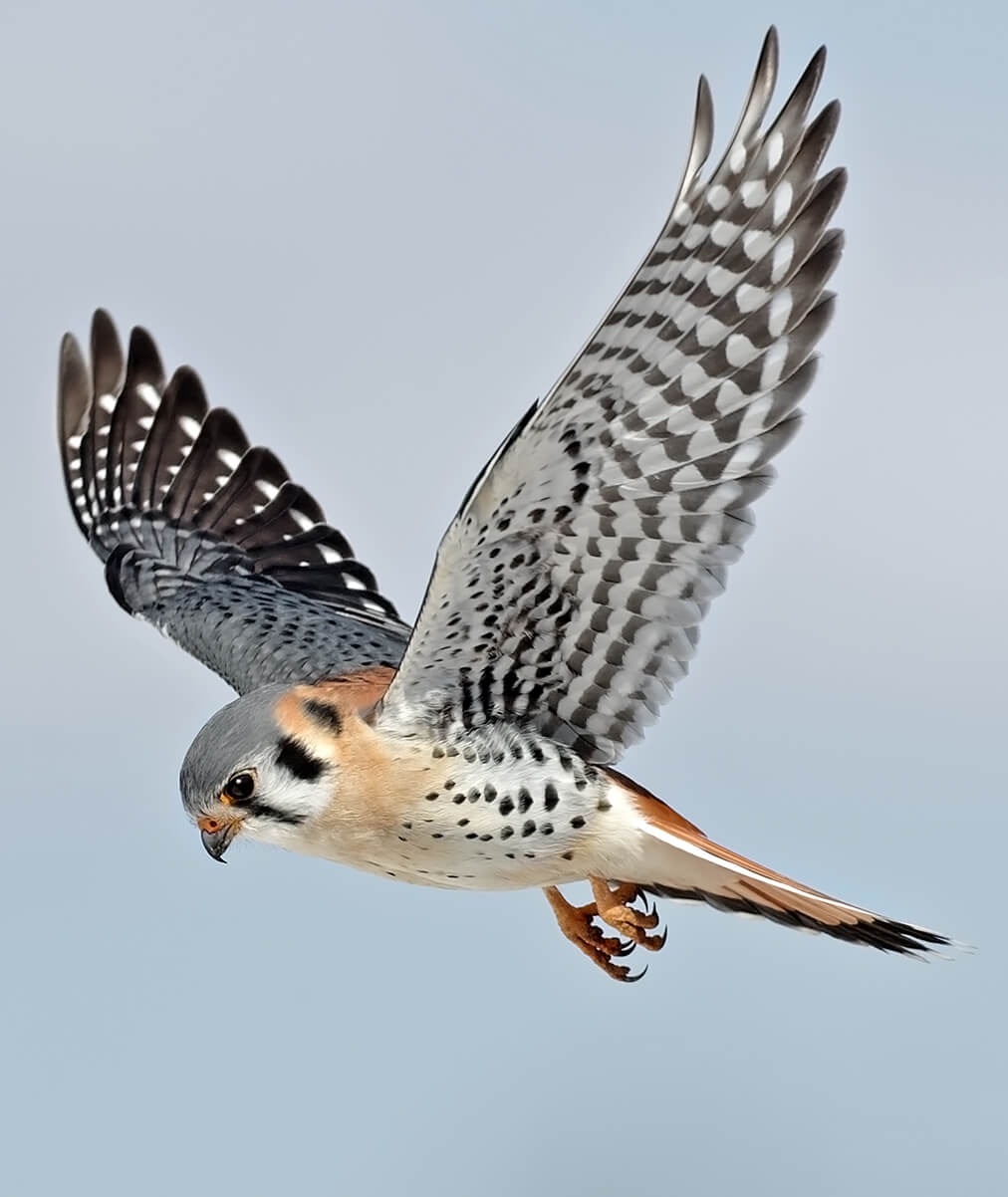
The beautiful native North American female Kestrel. | |
Nature's Neighbors
Kestrels
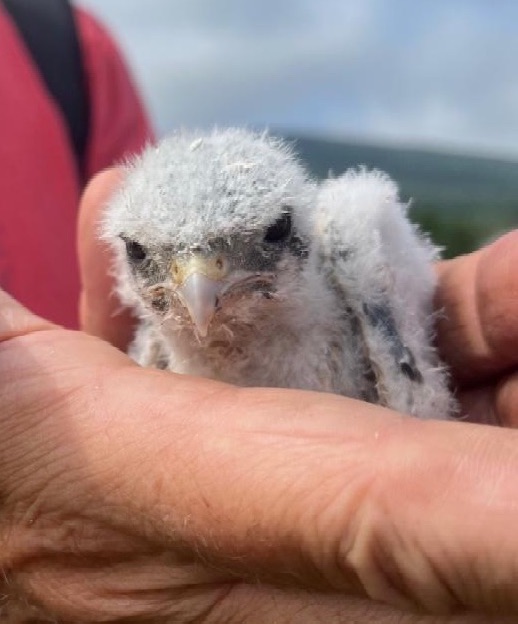
If you’ve ever noticed a small, brightly colored bird hovering effortlessly like a drone over a meadow or perched atop a fence post along County Line Road, chances are you’ve seen an American kestrel.
Kestrels bring a sense of wonder with their hovering flight, sharp calls, and vivid markings making them a delight to observe. But these diminutive falcons are more than just a pretty sight—they’re also an important part of our local ecosystem. However, in recent years, kestrels have faced mounting challenges, and their numbers in Ohio have quietly declined.
How can a community like ours help protect these feathered aerialists? The Gates Mills Land Conservancy and local residents can play a part in ensuring kestrels remain a vibrant part of the Chagrin River Valley.
Read More
| | | |
A 2023 report by NatureServe, finds that 34% of U.S. plant species and 40% of U.S. animal species are currently at risk of extinction. It also warns that 41% of ecosystems in the country face the threat of range-wide collapse.
(from Biodiversity in Focus: United States Edition)
| | "Kestrels, including their eggs, are protected by state and federal law, so observation should be 50-75 feet away from the nesting box." | | |
In The News
Kestrels on Sherman Road
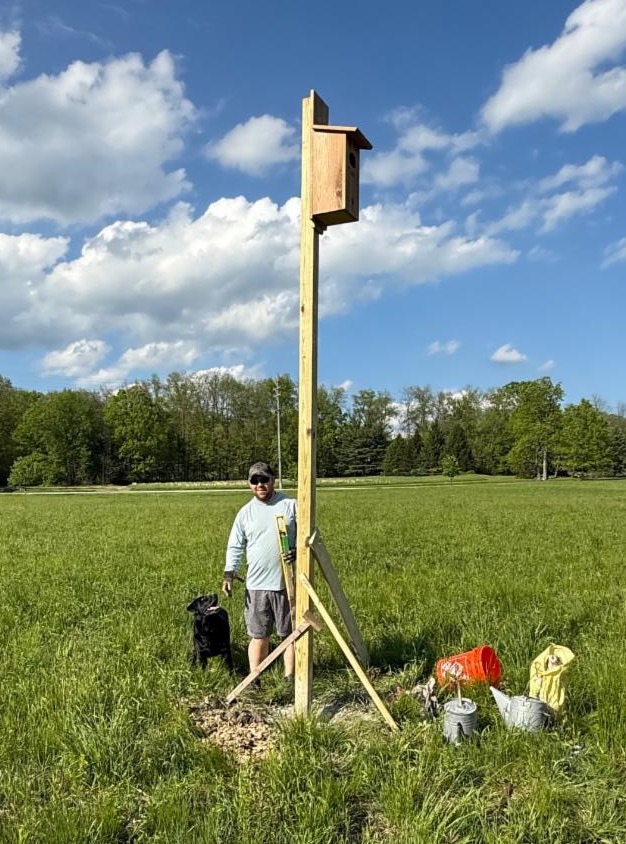
With populations of native American kestrels declining, the GMLC is making efforts to provide kestrels with natural nesting habitats. In May, GMLC board members Peter Wiest, Alex Bercheck and John Kozak installed a kestrel nesting box on the Sherman Road property.
Kestrel falcons prefer open fields with scattered trees, so the GMLC Sherman Road preserve is a perfect location. Since kestrels are cavity nesters and places like chimneys, building cavities and hollow trees are harder for kestrels to find, installing high nesting boxes have been a good habitat solution.
Like the one pictured on Sherman Road, nesting boxes need to be 8-20' high from the ground with more than one acre of open space around them, and should face away from a roadway.
Here in Gates Mills, with our mix of meadows, riparian corridors, and open spaces, the Chagrin River Valley offers excellent habitat for kestrels. Adding nestboxes to Conservancy-owned lands, private properties, and open spaces near the Chagrin River could offer similar promise. Just one well-placed box can support an entire kestrel family each spring.
| | | |
Upcoming Events
Land Trust Alliance - "Rally 2025"
Participants of the LTA's Rally 2025, will be visiting Gates Mills Village on Thursday, September 4, 2025, 8:45 a.m. - 4:15 p.m.
This guided Field Trip hosted by Chagrin River Watershed Partners, Inc.,
entitled: "The Scenic Chagrin River: Explore Northeast Ohio’s New England Roots" will be attended by LTA registrants from all across the country.
| | | | | |