Welcome to the Smart City Initiative Newsletter, the central hub for news and updates on pilot programs, partnership opportunities, events, and upcoming challenges! 

Technology for the Public Good

As we conclude the end of the first month of the new year, we’re grateful to continue nourishing partnerships with technology and equity-focused partners who make the City of Long Beach a safer and smarter place to live. We embarked into 2024 at full speed with an abundance of motivation. Our team met earlier this month for our annual retreat to discuss our goals and objectives that resulted in building off the work from last year and amplifying opportunities to engage more people in the community in civic user research, data privacy education, staff trainings, and institutionalizing efficient processes to launch more pilot projects in partnership with technology vendors. 


We reflected on our significant milestones of last year and humbly asked ourselves, “Why does this work matter and what role does a Smart City Initiative play?” The answer is simple. The role of a smart city in Long Beach is to serve the public good and advance solutions through the use of equity-centered technology projects.


A Smart City....


  • challenges the historical legacy of redlining including the practice of digital redlining. Digital redlining creates and perpetuates inequities in already marginalized communities that have less access to digital infrastructure usually produced by private Internet Service Providers.


  • supports the efforts of digital equity that ensures that new and emerging technologies close the gaps created by the digital divide.


  • ensures that the services of the city are accessible to people with disabilities and language accessible for non-English speakers.


  • defends and protects community resident data and creates democratic processes that engage the public in data privacy efforts.


  • encourages participation and feedback from the public to ensure that Long Beach residents are included in the decision-making process for technology projects like Civic User Research and the Long Beach Collaboratory (LB Co-Lab).


To foster mutual collaboration, we encourage you to reach out to our team and let us know what type of content you want to see more of in this newsletter by emailing smartcity@longbeach.gov. Our work puts people first and it is our hope to continue connecting with members of the community, city staff, and technology vendors to earn public trust, promote transparency, and build civic resilience to ensure technology can truly serve the public good. 


Warm regards, 


Smart City Initiative Team 

Ryan Kurtzman, Lesly Figueroa, Michael Criste, and Omar Moncayo 


Generative AI Guidance

The growing popularity and usage of Generative AI systems, prompted the development of a Generative AI Guidance for Long Beach City staff. 


Generative AI is an emerging and innovative technology that should be considered a supportive tool rather than a concern. The City recognized the opportunity for a responsible approach to using Generative AI by balancing the benefits to efficiency with mitigating risks like AI bias, privacy, and cybersecurity. Our Guidance aims to address, promote, and enhance the safe and responsible use of Generative AI in Long Beach. 


We’re excited to release our Generative AI Guidance to City staff!

To view the Generative AI Guidance, click here

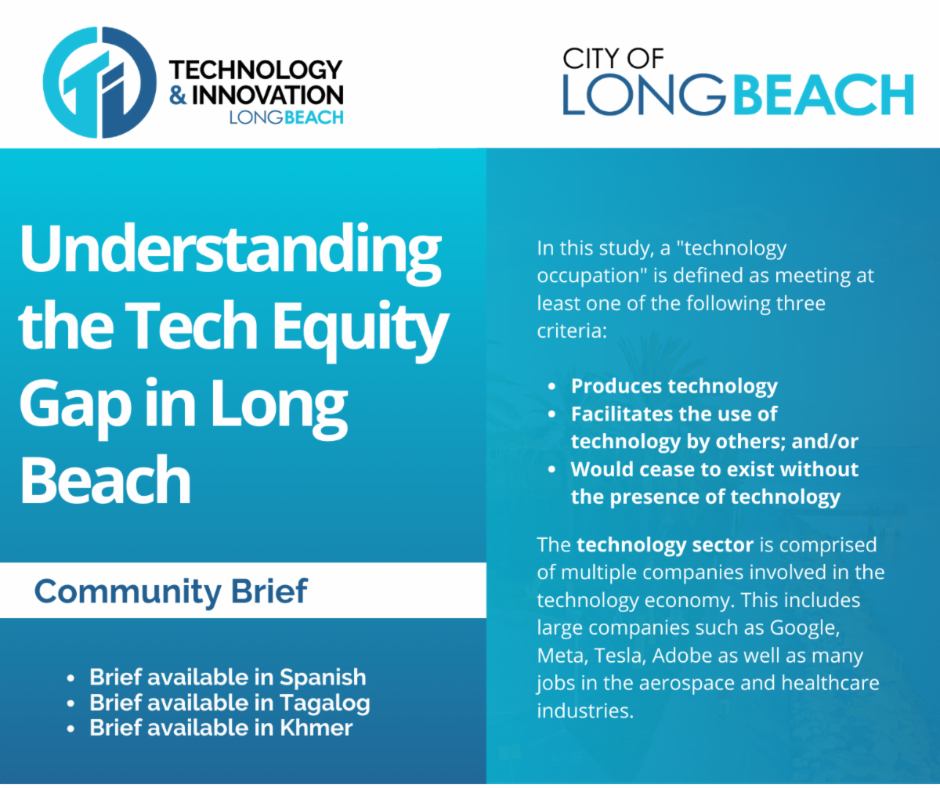
Understanding the Tech Equity Gap in Long Beach Community Brief

The Technology and Innovation Department in partnership with the UCLA Lewis Center for Regional Policy Studies created a research report, "Understanding the Tech Equity Gap in Long Beach" to develop a deeper understanding of the aerospace and technology workforce environment in Long Beach. 


As Long Beach continues to expand and improve programs aimed at redistributing tech-generated benefits, it will be important to develop partnerships with the growing number of aerospace and tech companies. The findings of this study inform recommendations for stakeholders to address existing gaps in employment diversity in the technology sector in Long Beach.

Read community brief here

Get Involved

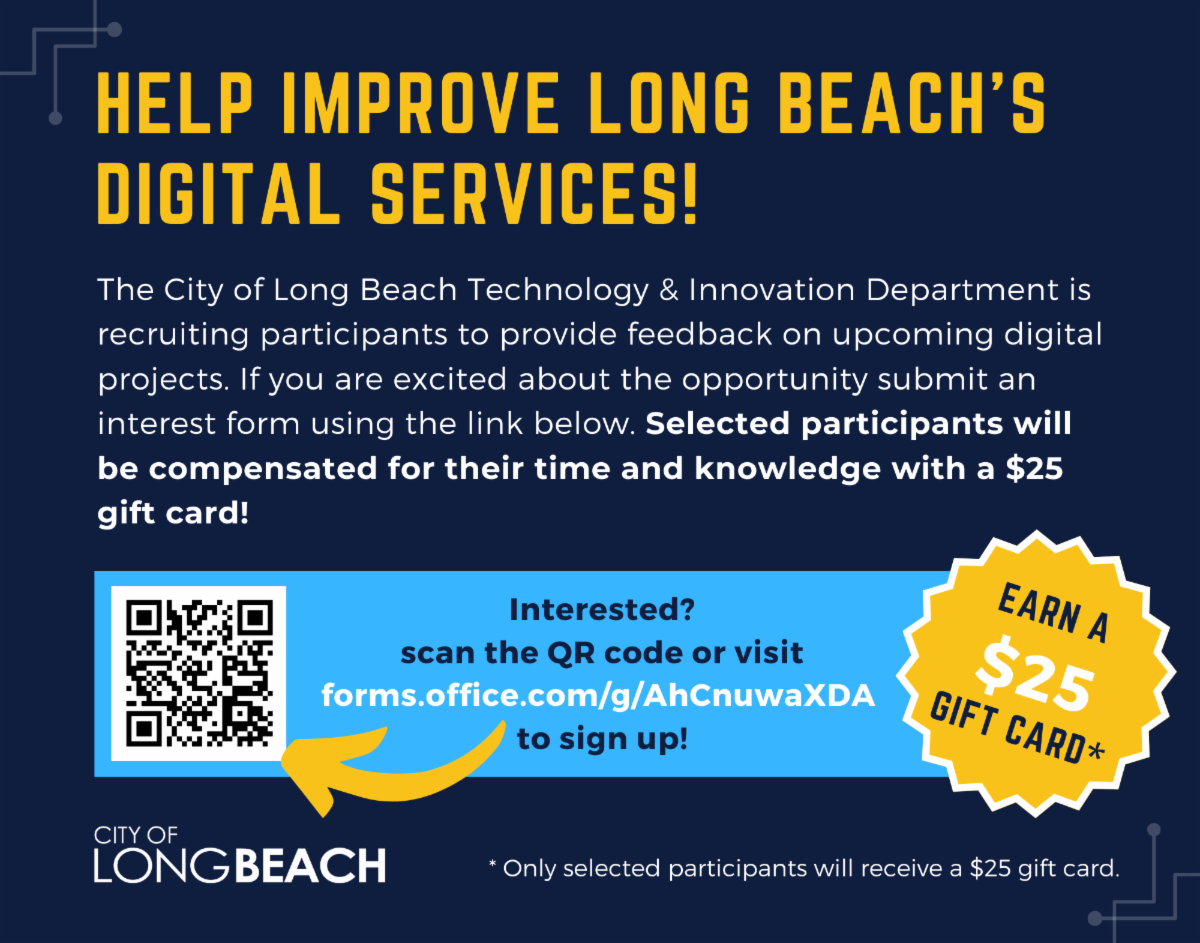
Help Improve Long Beach's Digital Services!

Fill out an interest form today!

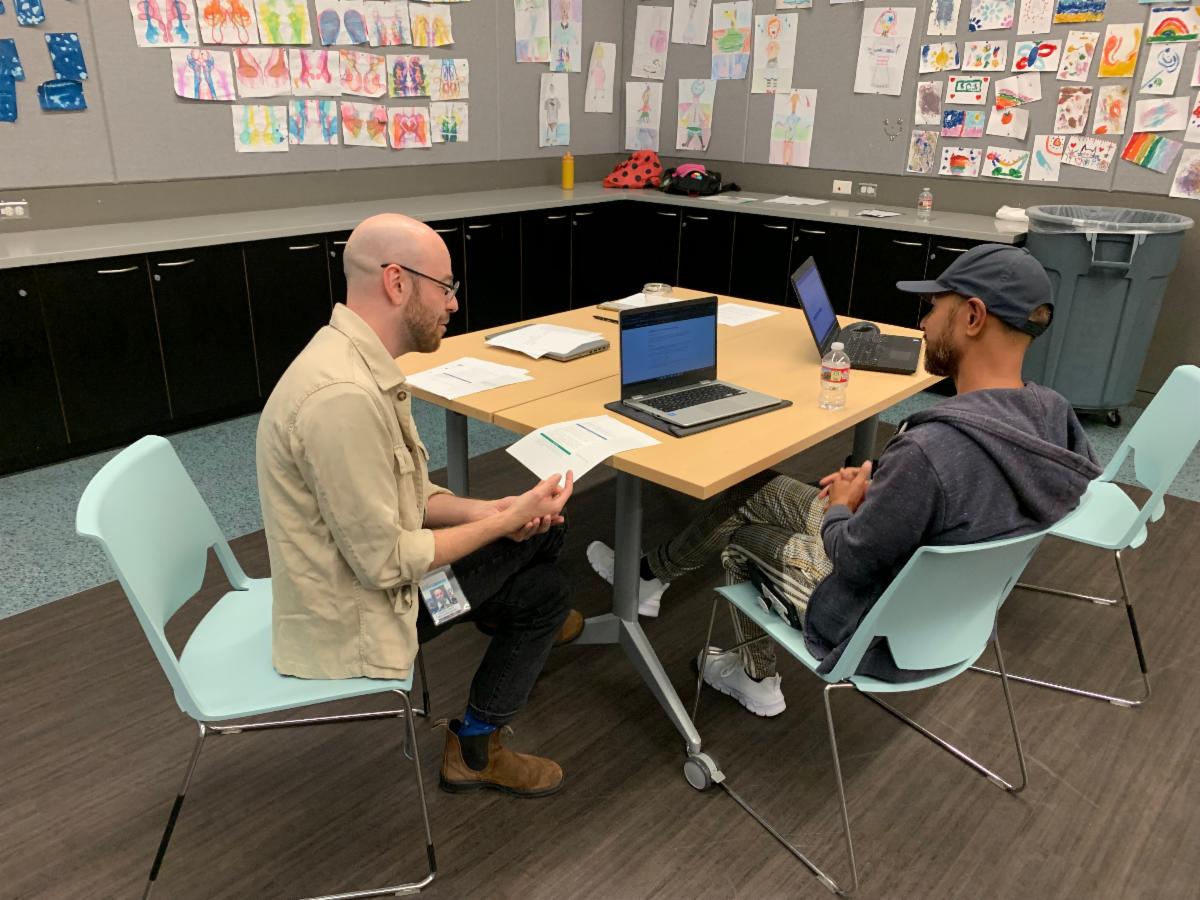
The City of Long Beach Technology & Innovation Department is recruiting Long Beach community members to provide feedback on upcoming digital projects. This recruitment is ongoing, sign ups are still accepted!


Thank you to the community members who signed up and participated in our previous sessions. We're grateful for your time and feedback to ensure our digital services are created with members of the community in mind.


If you are interested in this opportunity, fill out an interest form using the link below. Selected participants will receive a $25 gift card for their time and knowledge!


Learn more about Civic User Research here.

Sign up here


Apply to be a Commissioner with the Technology and Innovation Commission

Are you interested in serving as commissioner for the City of Long Beach?


The Long Beach Technology and Innovation Commission has an open seat for a resident to join and participate in the technology decision-making in Long Beach. The Technology and Innovation Commission serves to advise the Long Beach City Council on new technology, to provide a forum for the exchange of ideas to increase the effectiveness of information technology management, to support and assist in strategic implementation, and to assess new technology to assist the City in improving efficiency, quality, and accountability.


To fill out an application, click the link below and specify the commission you are applying for. If you have any questions please contact readytoserve@longbeach.gov or call (562) 570-6801. For a detailed explanation of the commission process please select Commission, Board, and Committee Handbook. 

Fill out application here

How Tech Works

What is Digital Redlining?

The digital divide points to a stark divide in high-speed internet, digital infrastructure, and computer literacy among poorer, predominately communities of color and often more affluent and predominately white neighborhoods. The term "digital redlining" refers to maps drawn in the 1930s to determine neighborhoods that were safe for investment by financial institutions. Homes that were in the red were determined "hazardous" and also were predominately Black or immigrant community that didn't qualify for federal home loans. Zoning officials used these maps to identify redlined areas that were less desirable for new planned freeways or factories, often destroying low-income communities of color. "Redlined areas" are exposed to higher rates of harm such as air and water pollution, traffic, and health impacts in predominately low-income communities of color.


A Pew survey found that 90% of Americans said that the internet was an essential need in their lives during the pandemic, yet reliable high-speed internet is not guaranteed. Internet Service Providers or ISPs decide where upgraded infrastructure is necessary. Households with new infrastructure have downloads speeds of 200 or more megabits per second (Mbps) which is considered fast and in "slow service" areas where ISPs have neglected upgrades to infrastructure, the download speed is often less than 25 mbps. Building off a 2020 Princeton study, researchers at The Markup, a non-profit investigative newsroom found that ISPs offered the worst deals to people who needed more affordable internet prices. They used census block group data, historical redlining maps, income and demographics to compare the proportion of slow speed in each major city. Among the ISPs investigated, they discovered those ISPs offered different internet speeds for the same base price. Infrastructure plays a significant role in how people in the city connect and who doesn't get the chance to. However, those who have substandard service shouldn't be paying premium price. Ensuring everyone has access to reliable high-speed internet requires significant infrastructure upgrades, interim alternative technology solutions, and accessible low-income programs to pay for internet service.


It's critical to grasp the impact of the digital divide and digital redlining to better understand how technology can play a negative and positive role in the city. A smart city strives for equity in internet access and affordability where every resident can connect and enjoy the opportunities a smart city offers.


In Long Beach, our Digital Inclusion Initiative vision strives to ensure that every individual in Long Beach, regardless of background, neighborhood or identity has high quality, accessible, technology resources and services to be civically engaged and socially and economically empowered.

To learn more read here

More on the Digital Divide

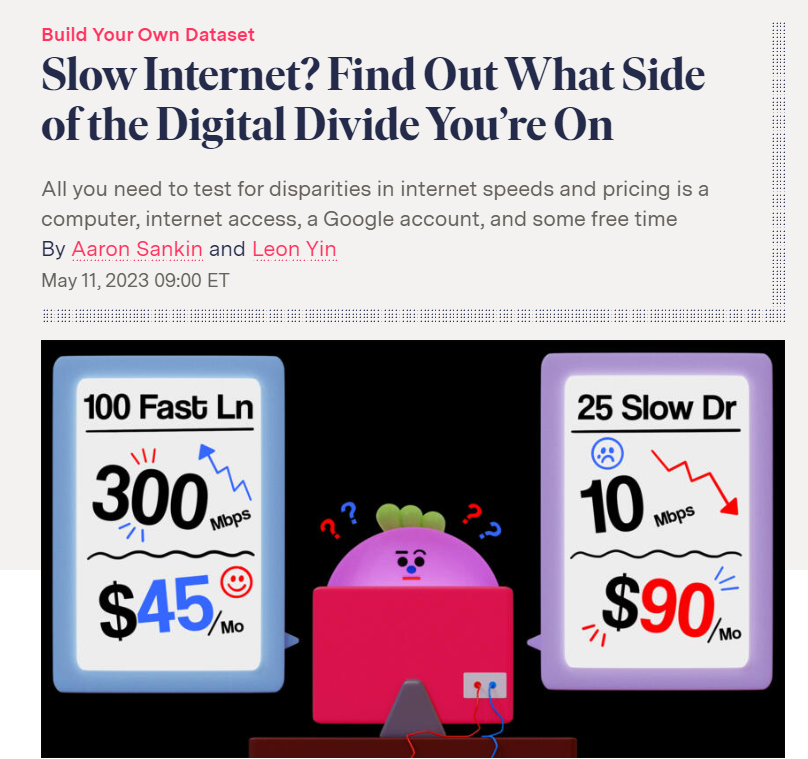
Does your neighborhood pay more money for slower internet compared to neighborhoods across town?


This step-by-step guide helps you answer that question and more.

Read more here

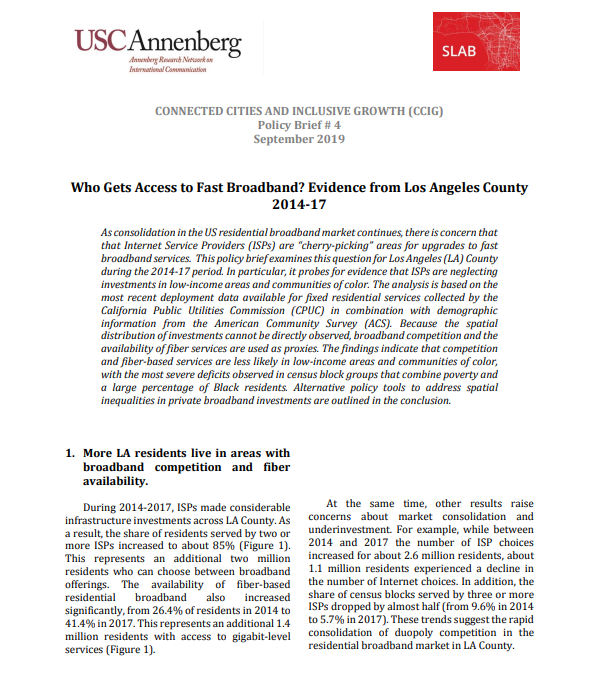
As consolidation in the US residential broadband market continues, there is concern that that Internet Service Providers (ISPs) are “cherry-picking” areas for upgrades to fast broadband services. This policy brief examines this question for Los Angeles (LA) County during the 2014-17 period.

Read more here
 
 
Facebook  Twitter  Instagram