Gates Mills Land Conservancy
|
March 12, 2024 | Newsletter Issue #6 |
|
"Pink Trees" by Jamie Morse |
|
What are Conservation Easements?
|
|
“Most people in Gates Mills are conservation minded. They know the value of natural, unspoiled, open spaces. How they preserve our delicate environment, add to the quality of life and increase property value too.” - Thomas Quintrell
Conservation easements provide a way to secure these intentions. They are restrictions land owners voluntarily place on their property to protect their property’s conservation values. These values may include wildlife habitat, agricultural productivity, scenic views, environmental value or cultural heritage. It is an agreement between a landowner and a qualified grantee (a government agency or tax exempt charitable organization), whereby the landowner agrees to restrict use of the land in perpetuity. These restrictions hopefully will ensure that the land remains in its natural state and that the trees, natural contours and water courses will be forever protected.
Title to the property remains with the original owner who retains the right to sell or to lease the land and to continue to use it, subject to the terms of the scenic easement. It does not give any rights to the public or to anyone else to trespass on the land or to use it in any way. The grantee of the easement is given the right to enforce restrictions. In addition, there are tax benefits created by a scenic easement – both income and estate as well as real estate tax benefits available to the owner.
|
|
|
|
Edward F. Meyers, General Counsel to Western Reserve Land Conservancy from 2004-2011, created all legal documents involved in the merger of eight land trusts into the WRLC.
As an expert in real estate and environmental law, Ed has been legal counsel to GMLC on many occasions, providing the GMLC with legal guidance related to acquisitions and conservation easements. We thank Ed, for his expertise and contributions.
|
|
|
 |
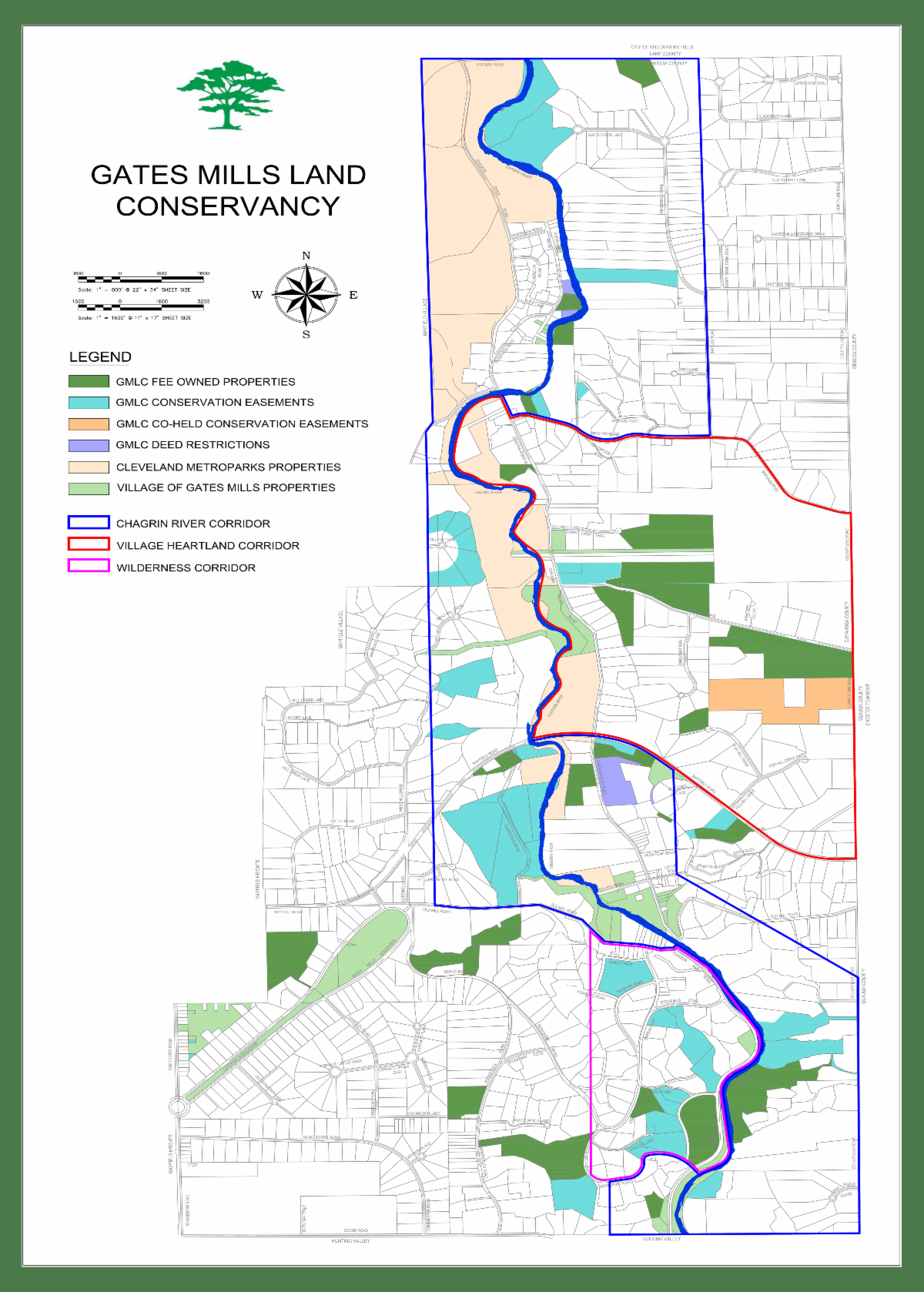
In this newsletter, we will focus on Conservation Easements and what they mean to our local environment. The Land Conservancy comprises 32 “fee-owned” properties and 28 properties protected by “conservation easements”. Throughout 2024 year, we will highlight properties in the Village for which conservation easements have made a tremendous impact to preservation of our Village's natural setting. We will discuss what conservation easements are, the benefits to a property owner, and how conservation easements can help preserve the character and scenic landscapes of the Village.
This Fall, we will host our second Seminar, “Gates Mills: Our Collective Responsibility Moving Forward”, where we will delve deeper into this environmental preservation journey. We hope that you will join us as we are to take this journey together throughout the year.
Sincerely,
|
|
|
|
|
Nathaniel Smith
and the GMLC Board
|
|
|
|
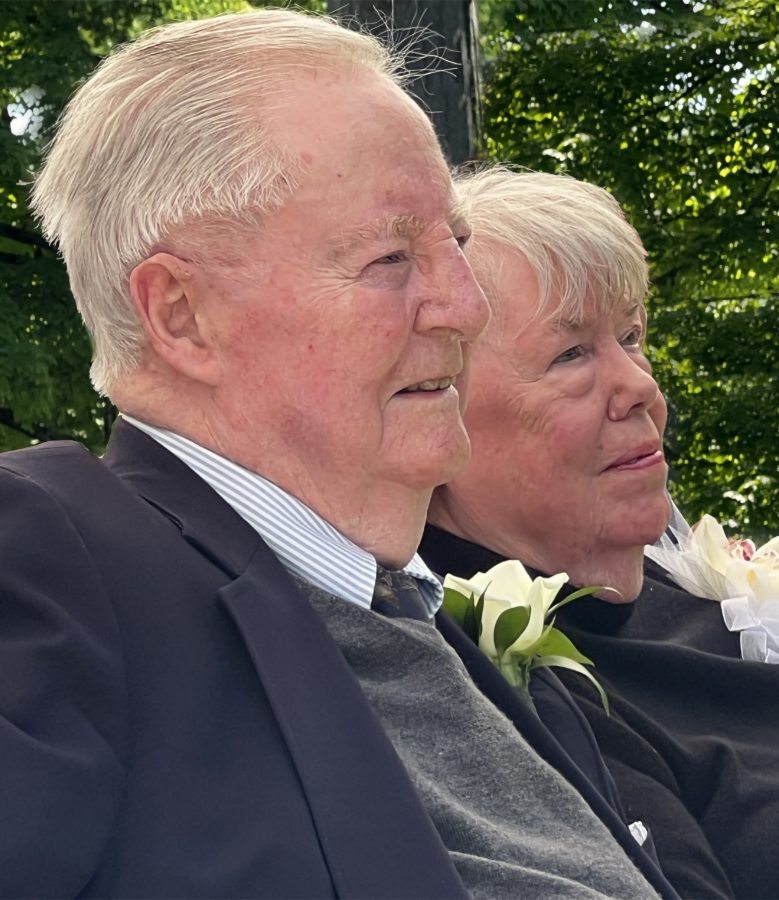
Dan and Rindy at the dedication of the Daniel R. Collister Polo Field. |
|
Rindy Collister: A Tribute |
"Rindy was fairly laid back and was not colorful, if you will, or at least not to everyone, but she had wonderful instincts", Dan Collister said of his beloved wife, "In addition to her marriage and children, she had the village in mind and at heart for whatever she did. She was very supportive and instrumental during GMLC’s beginnings."
Rindy Collister and Daniel R. Collister, along with a group of approximately 28 villagers were among the initial founders of Gates Mills Land Conservancy. At GMLC’s inception, Dan was the Mayor of the Village and Rindy became the first GMLC Secretary and was in charge of Membership, a very important role at the inception of this fledgling Village-wide endeavor. She was very involved, and integral to the early documentation of our history.
|
|
|
Restrictions for conservation easements can be defined exactly to your specifications and desired limitations. |
|
Rogers Road -
A Conservation Easement Along the River
|
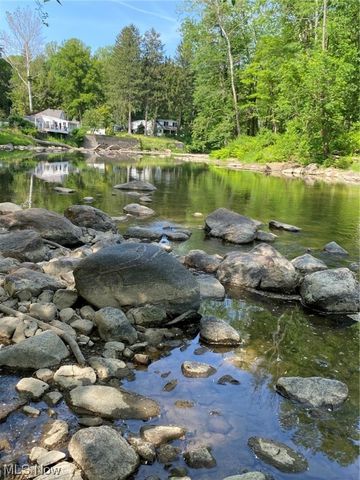
In December of 2002 Daniel and Lorinda Collister donated a Conservation Easement to
the Gates Mills Land Conservancy, protecting the significant habitat and scenic area of their property along the Chagrin River.
The “Collister” property consists of roughly 23 acres of open spaces and forested habitat located on a residential parcel with one existing home and associated outbuildings. This property off of Rogers Road, also borders another 26-acre parcel protected by the Land Conservancy. The entire parcel bordering the Chagrin River, protects over one half mile of river bank, as well as drainage along that scenic waterway.
|
|
|
Stewardship of the land is dependent on Membership Donations, continuation of the Conservation Levy and establishing an Endowment to support conservation initiatives.
Your partnership in these efforts makes Gates Mills an environmental leader with the National Land Trust Alliance.
|
|
Preserving Nature for Future Generations |
Central to GMLC’s long term success are three core concepts: Stewardship, Funding, and Endowments. Stewardship is ensuring that protected lands are actively cared for and managed in a sustainable manner. Funding enables land trusts to acquire, maintain, and enhance natural areas, and Endowment provides a dependable source of long-term financial support.
The GMLC is funded through both membership donations and through voter approved levy funds. Membership Donations are the primary funding for all Conservancy operations including accounting fees, insurance, tax preparation, communications, events, and other initiatives. 1-mill conservation Levy Funds, voted on by the community every five years, are used by the GMLC solely for the purchase of land, stewardship and defense of conservation easements. GMLC’s current agreement with the Village of Gates Mills requires the establishment of a $700,000 endowment fund to ensure the long-term sustainability of our land trust.
|
|
|
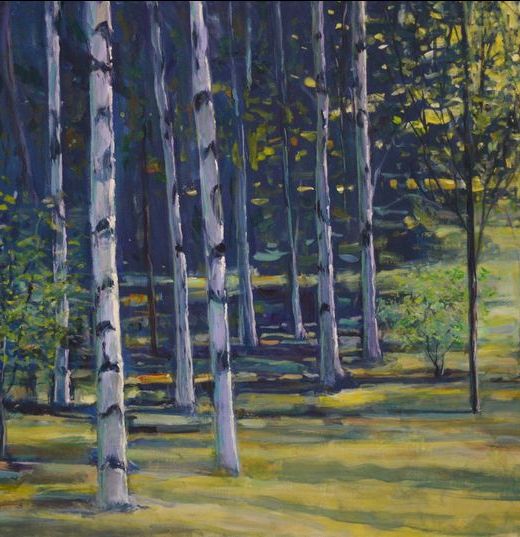
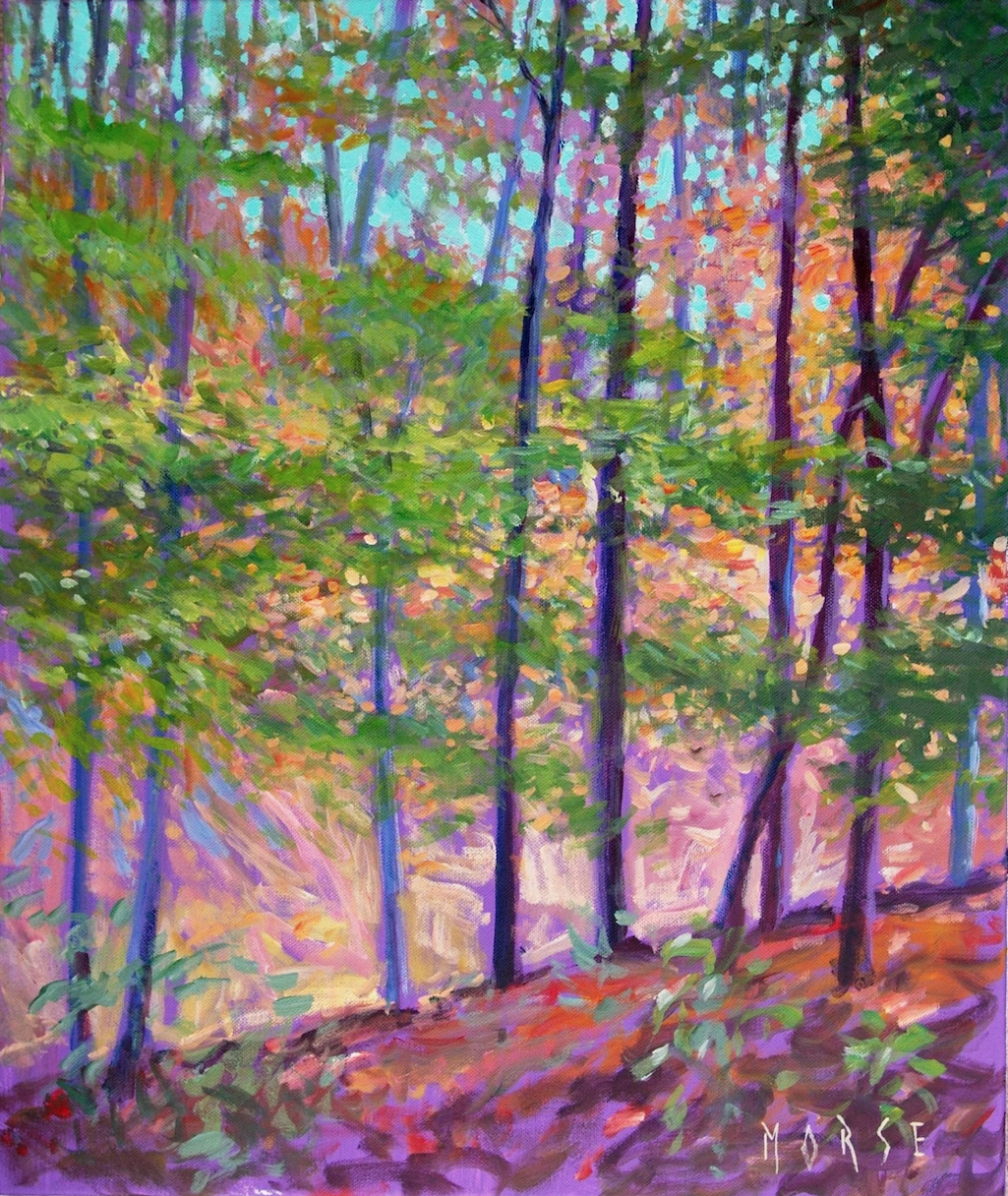
"The Woods" by Jamie Morse |
|
Rebuilding the Tree Canopy
|
Humans cut down approximately 15 billion trees a year and re-plant only about 5 billion.
From 1982 to 2009, Ohio’s Division of Mineral Resources Management had reforested the state of Ohio, by planting close to 7.2 million trees on more than 5,500 acres of mostly privately owned land. The program was funded by Ohio's Abandoned Mine Land Reforestation Program, but was discontinued in 2010 due to funding cuts to the Program. Additionally, disease resistant seedlings, which help sustain new growth, are no longer available in Ohio.
Tree diseases, contamination from the environment and the natural evolution of the forest has continued to take its toll on our native tree canopy.
In 2019, Cuyahoga County completed a two year “Tree Canopy Assessment Report” which identified a 5% loss in tree canopy in Cuyahoga County, mostly within urban areas. The County put together a coalition of concerned organizations to take part in a tree planting program and is encouraging communities to create goals to improve their natural environment and green infrastructure. Their mission to foster community involvement, instill a sense of environmental responsibility and promote a culture of sustainability are examples we can all follow.
|
|
|
|
|
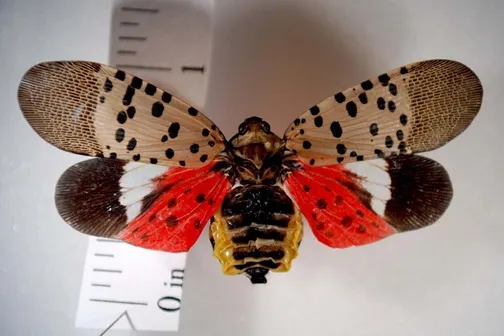
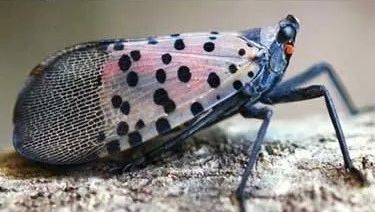
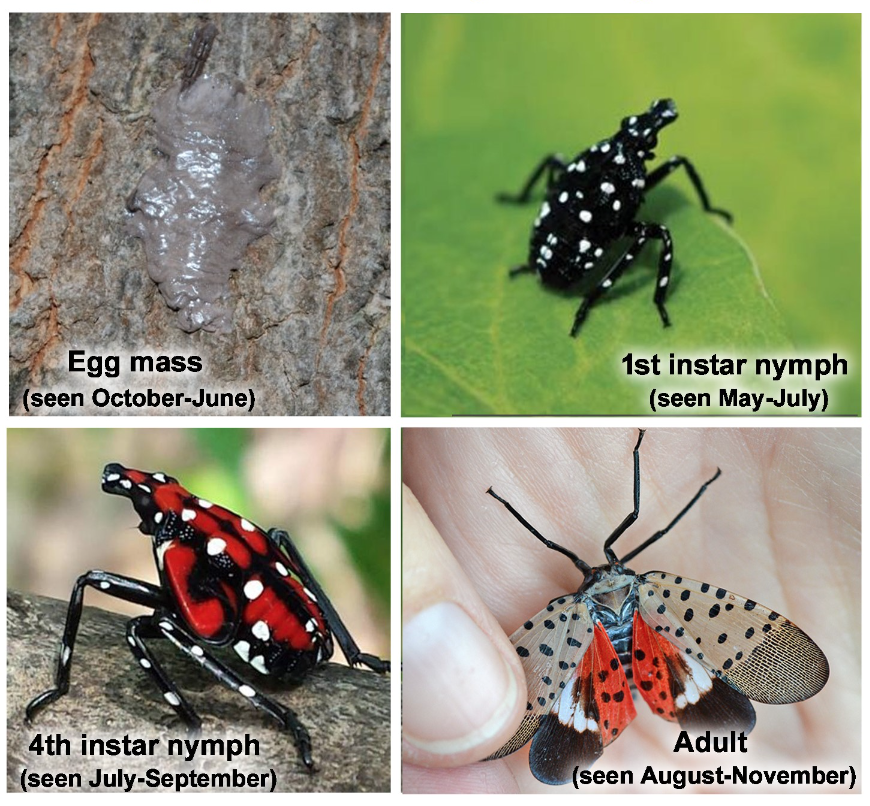
The Highly Invasive Spotted Lanternfly |
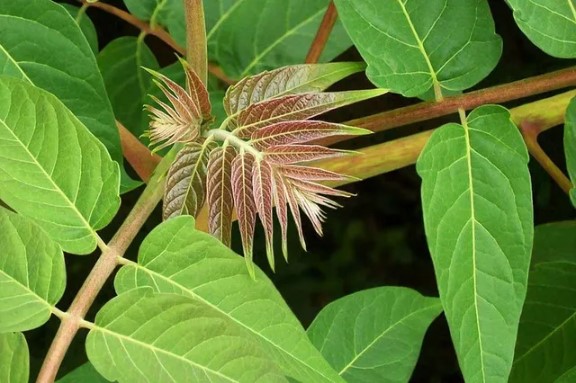
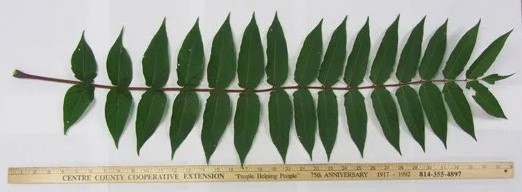
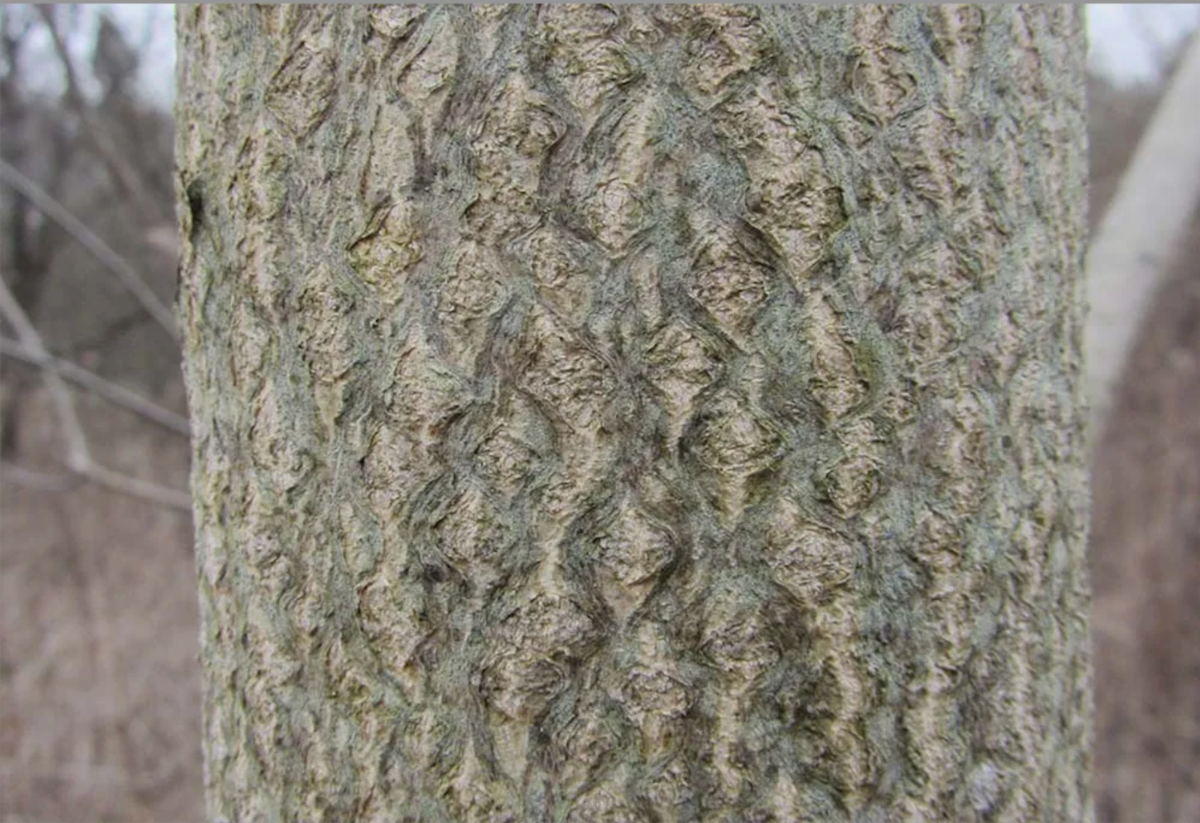
The highly invasive Tree-of-Heaven frequently colonizes disturbed sites in Ohio woodlands and suppresses the growth of native trees. And the double whammy, is that the Tree-of-Heaven is also the main host plant of the Spotted Lanternfly, one of the most invasive insects that is getting attention and spreading rapidly.
The lanternfly lays eggs on the bark and leaves and feeds from the tree. There are over 65 other potential host trees including hickory, maple, pine, poplar, red oak, walnut, willow along with fruit trees, hops and grape vines. Both adult and nymph stages feed on their host plants. There are no known biological controls for this pest. Birds feed on them, but there is no evidence that native predatory or parasitic insects help manage lanternfly populations. This insect is creating a threat to grape, hops, orchard and lumber industries.
|
|
|
|
|
GMLC In The News -
Tree-of-Heaven Mitigation
|
In 2024, GMLC is initiating a mitigation project for the Tree-of-Heaven. A highly invasive plant first brought from China to the United States in 1784 as a horticultural specimen and shade tree. It established itself easily, spreads aggressively with vigorous underground runners, produces abundant seeds, crowds out native species with its dense thickets and secretes a chemical into the soil that is toxic to surrounding plants.
The Tree-of-Heaven is the host plant of the spotted lanternfly, a highly invasive insect that destroys other native trees. Do you have this invasive in your yard?
|
|
|
GMLC 2024 Membership Drive - begins April 1st
Our success is directly related to the individuals and families who have
generously supported us in our mission through membership and donations.
Renew your membership or make a first-time gift through the Membership Letter you will receive in April. Please fill out our giving form and mail it along with credit card information or check (made payable to Gates Mills Land Conservancy) to:
Gates Mills Land Conservancy | P.O. Box 13 | Gates Mills, Ohio 44040
Audubon Society Bird Walks 2024 - John Lillich & Buster Banish
The following Sundays at 7:30am, "all welcome", or call: 440-463-5944
- April 14 - Hach-Otis Nature Preserve, Skyline Drive, Willoughby Hills
- April 14 - John & Carol Lillich Meadow, 2685 Dodd Road, Willoughby Hills
- April 21 - Orchard Hills Park, 11340 Caves Road, Chester Township
- April 28 - Frohring Meadows, 16780 Savage Road, Bainbridge Township
- May 5 - Squire Valleevue Farm, CWRU, 37125 Fairmount Blvd., Hunting Valley
- May 12 - White North Property, 3160 Chagrin River Road
- May 19 - Squire Valleevue Farm, CWRU, 37125 Fairmount Blvd., Hunting Valley
GMLC's Fall Seminar - Coming in September
"Gates Mills - Our Collective Responsibility Moving Forward"
|
|
|
Subscribe at:
Gates Mills Land Conservancy
|
|
|
|
|
|
|
|