Research in Georgia and Beyond | |
|
In This Newsletter:
- Small Grants
- EPRC Research Summit
- Infographics
| |
A total of $120,000 in grants is awarded under EPRC's small grants program for community initiatives that enhance rural Georgia's quality of life. | | |
|
The Emory Prevention Research Center (EPRC) awarded its 2023-24 Healthy Homes/Healthy Families Small Grants this May to nonprofits and individuals dedicated to leading initiatives that increase access to healthy foods, improve nutrition, and promote healthy living. This phase of our study aims to identify effective models for scaling up Healthy Homes/Healthy Families (HH/HF) to address the Social Determinants of Health. | | |
Through the continued support of the CDC, the Emory Prevention Research Center awarded seven grants totaling $120,000 to recipients. Funding of up to $10,000 will be provided to community organizations, and up to $35,000 will be provided to 2-1-1 United Way Agencies (with identified community programs) for the delivery of the HH/HF program. Similar to our current study, the intervention will include a survey about the home food environment, a tailored home food environment profile, six coaching sessions and six text messages supporting families to structure their home food environment to promote healthy eating. | |
|
All seven awardees serve Georgia:
- Randolph County Family Connection, Inc.
- Valley Healthcare Systems
- Mount Zion Community Reinvestment Corporation
- The Food Mill
- Albany State University
- United Way of Southwest GA (Albany)
- United Way of Central GA (Macon)
| |
|
|
In the next few weeks, we will hold a 2-day virtual training where all the sites can collaborate and strategize with each other on how to deliver the program within their respective communities.
As part of the mini-grant program, the EPRC will provide a manual and evaluate the implementation of the intervention to help recipients with implementation. Additionally, the EPRC will offer technical assistance (TA) on a bimonthly basis throughout the grant term. A post-grant assessment will be conducted to determine how well the program aligns with ongoing healthy living efforts, facilitators and barriers to program implementation, and changes made to the program, if any.
| |
|
Our team is looking forward to the impact these programs will have on healthy eating and weight gain prevention practices among Georgia families, and hope they can be sustained within these organizations beyond the grant term. Our Georgia and United Way 2-1-1 partners are greatly appreciated for their continuous support.
| |
|
The Emory Cancer Prevention and Control Research Network (CPCRN) launched the HPV Vaccine Mini-grant Program in December of 2022. Four county health departments (Baker, Dougherty, Mitchell and Seminole) were awarded up to $10,000 to implement a multi-level intervention to increase the uptake of the HPV vaccine (initiation and completion rates) in southwest Georgia. All four county health departments chose to implement evidence-based strategies with at least two out of the three levels of influence (individual/patient, provider, or health systems level). All sites are implementing strategies at the individual level and one site is implementing all three levels! | |
|
|
At the kickoff meeting in December, we had a training about HPV vaccination in Georgia delivered by Dr. Bob Bednarczyk. Dr. Cam Escoffery and Courtney Petagna, Project Coordinator, provided training on evidence-based practices. We also offered a toolkit which encompasses evidence-based strategies for all three levels from reputable sources such as the Centers for Disease Control and Prevention (CDC), HPV Roundtable, and the National Cancer Institute (NCI). The grantees used the resources in the toolkit to assist with their multi-level intervention and developed strategies to implement.
In addition to the funds and the toolkit the Emory CPCRN has been providing technical assistance (TA) calls every other month since January to each site individually. During the off months, we host a learning collaborative meeting where all four sites communicate and strategize with each other on their multi-level intervention.
| | |
|  |
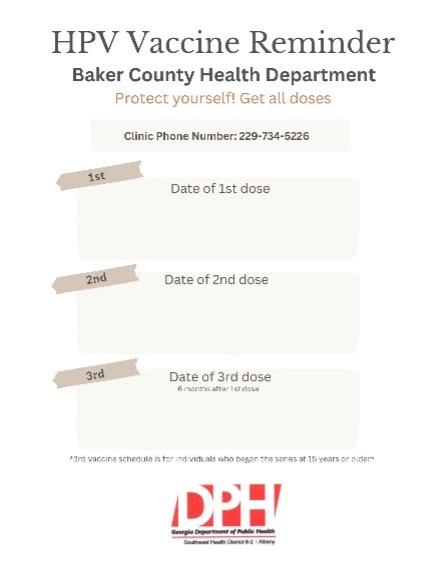
One evidence-based individual level strategy that was addressed were patient reminders. Each site wanted to create their own patient reminders, so Emory CPCRN created individual patient reminder magnets and HPV vaccine informational cards for all the county health departments. The TA and learning collaborative calls will continue for the rest of the year. Starting in January 2024, Emory CPCRN will evaluate how each site implemented their multi-level intervention and will share lessons learned from this mini-grants program. | |
|
EPRC Research Summit: Sharing Research Projects
and Community Voices
| |
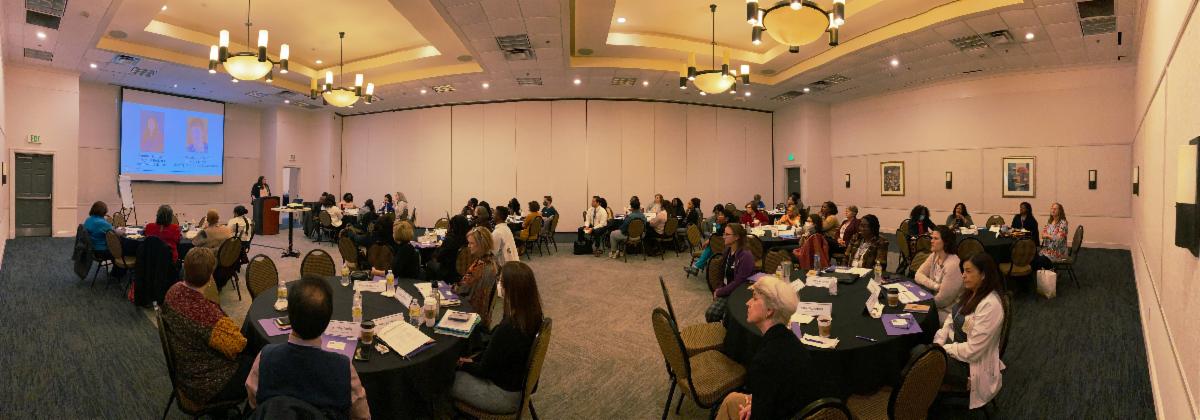
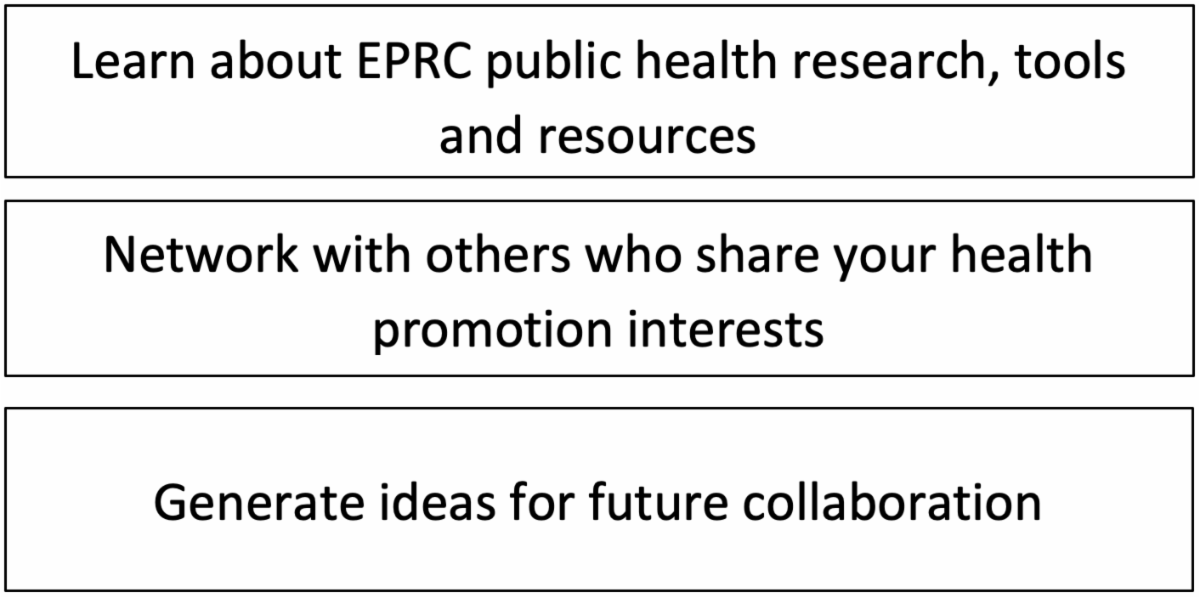
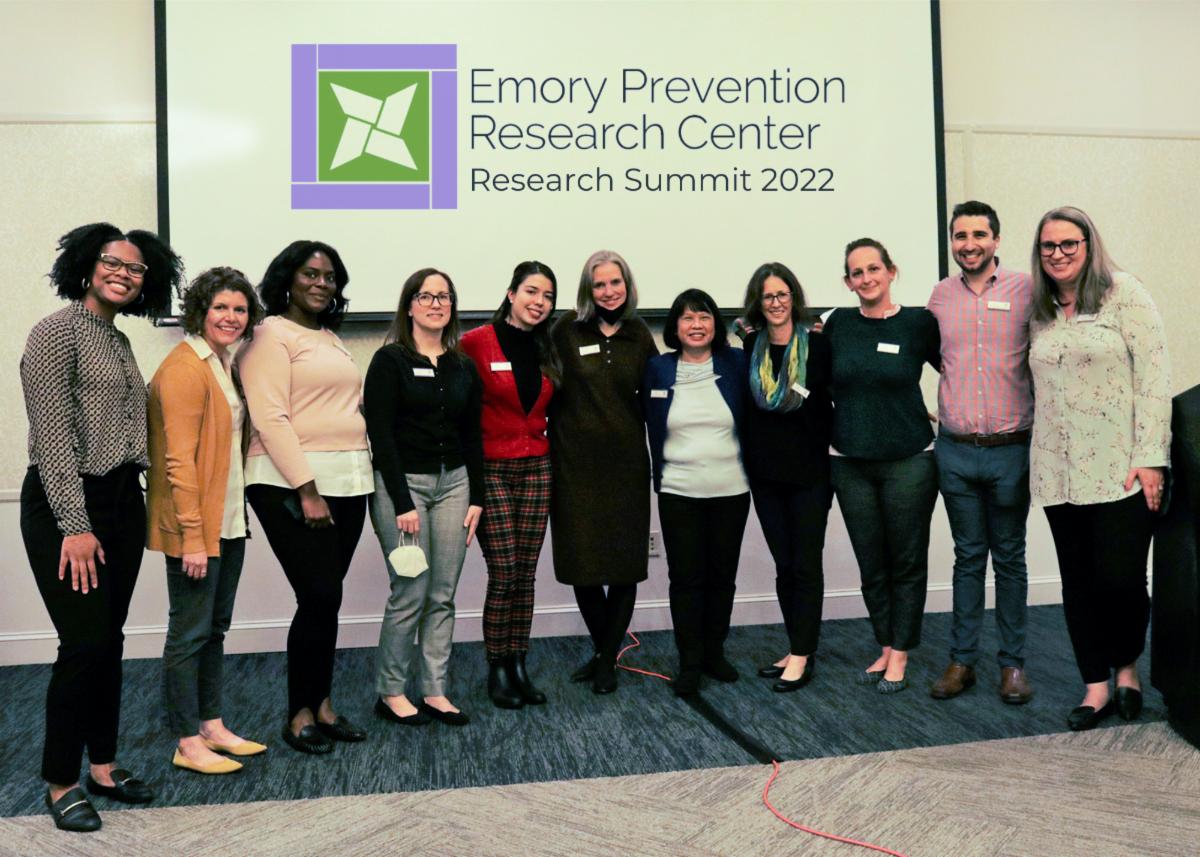
The EPRC held its 2023 Research Summit at the Hilton Garden Inn Conference Center on November 9, 2022. The purpose of the research summit was threefold: | |
|
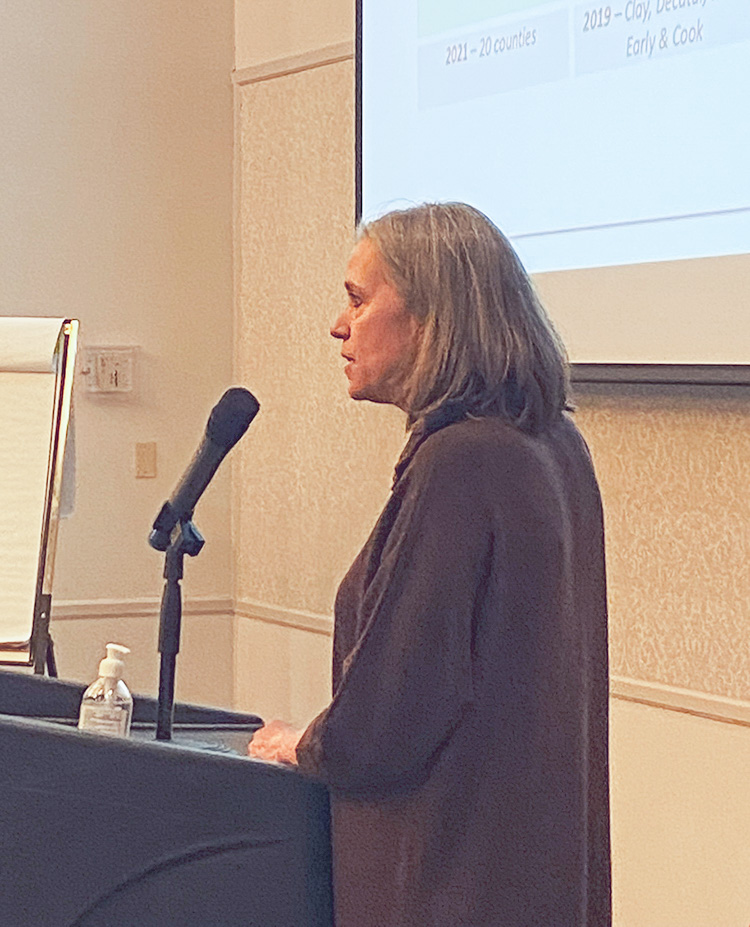
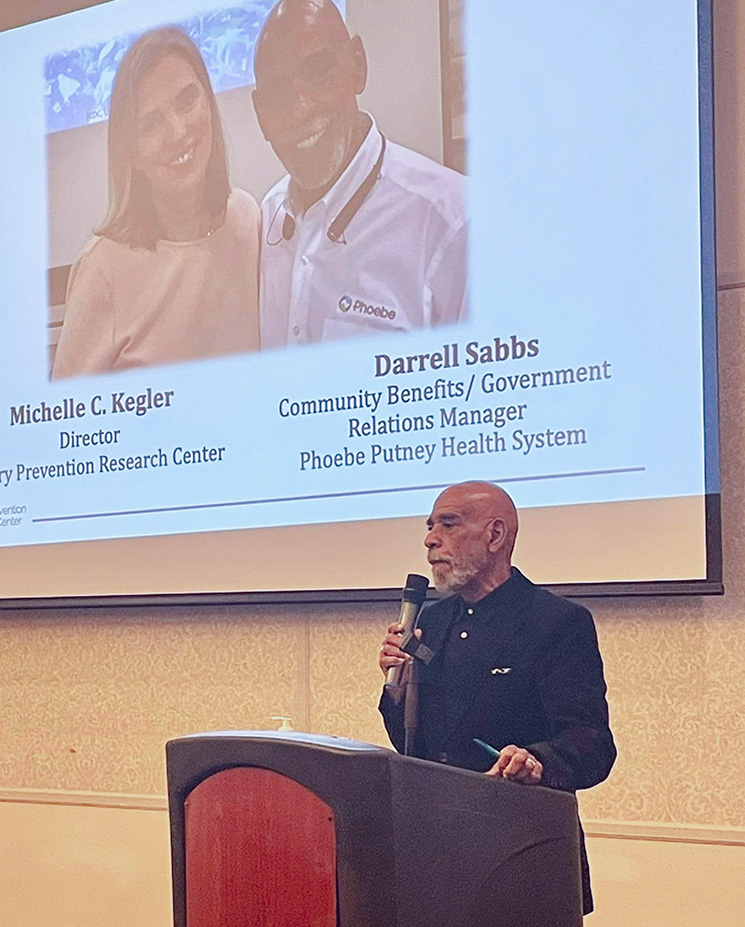
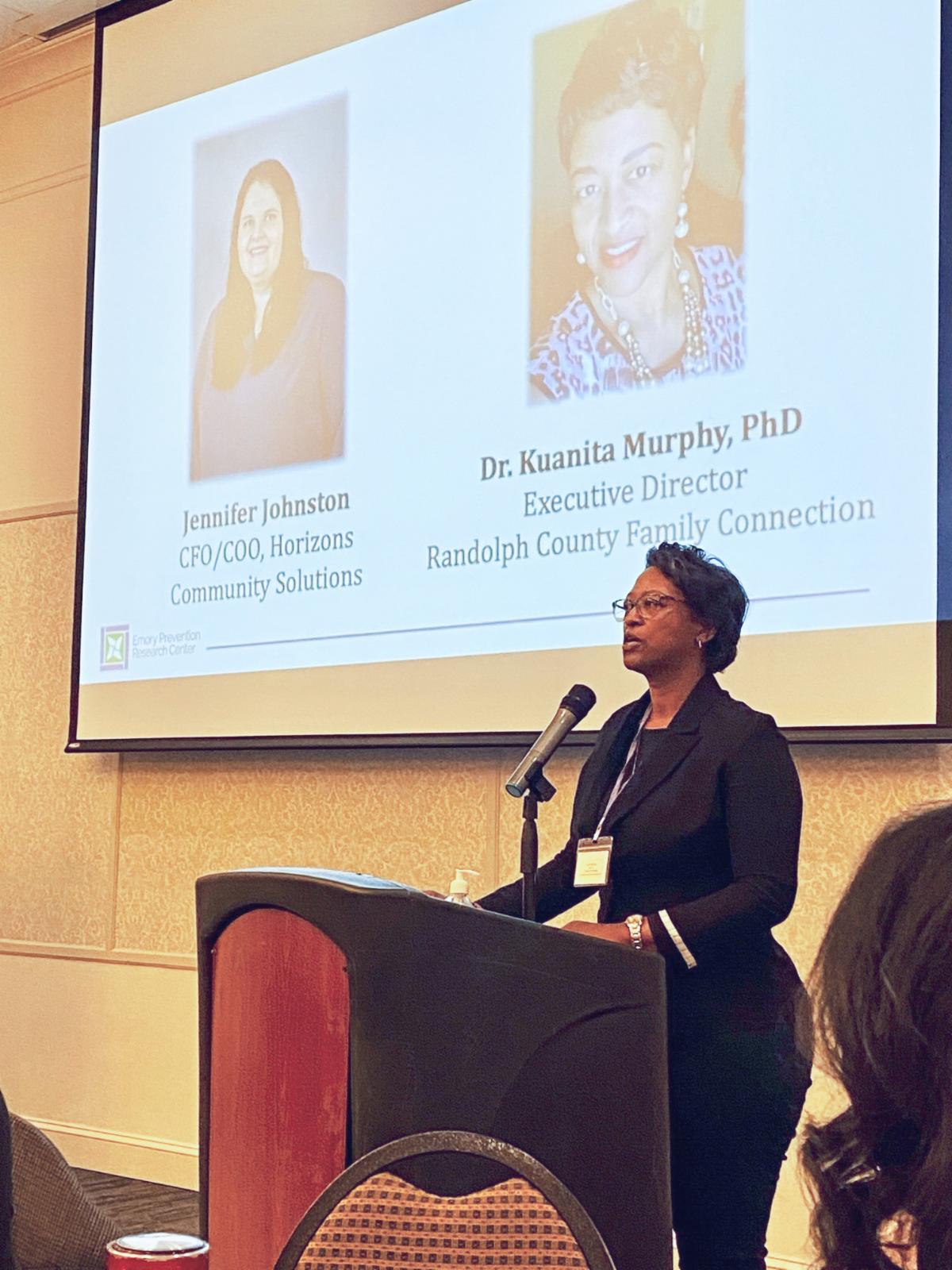
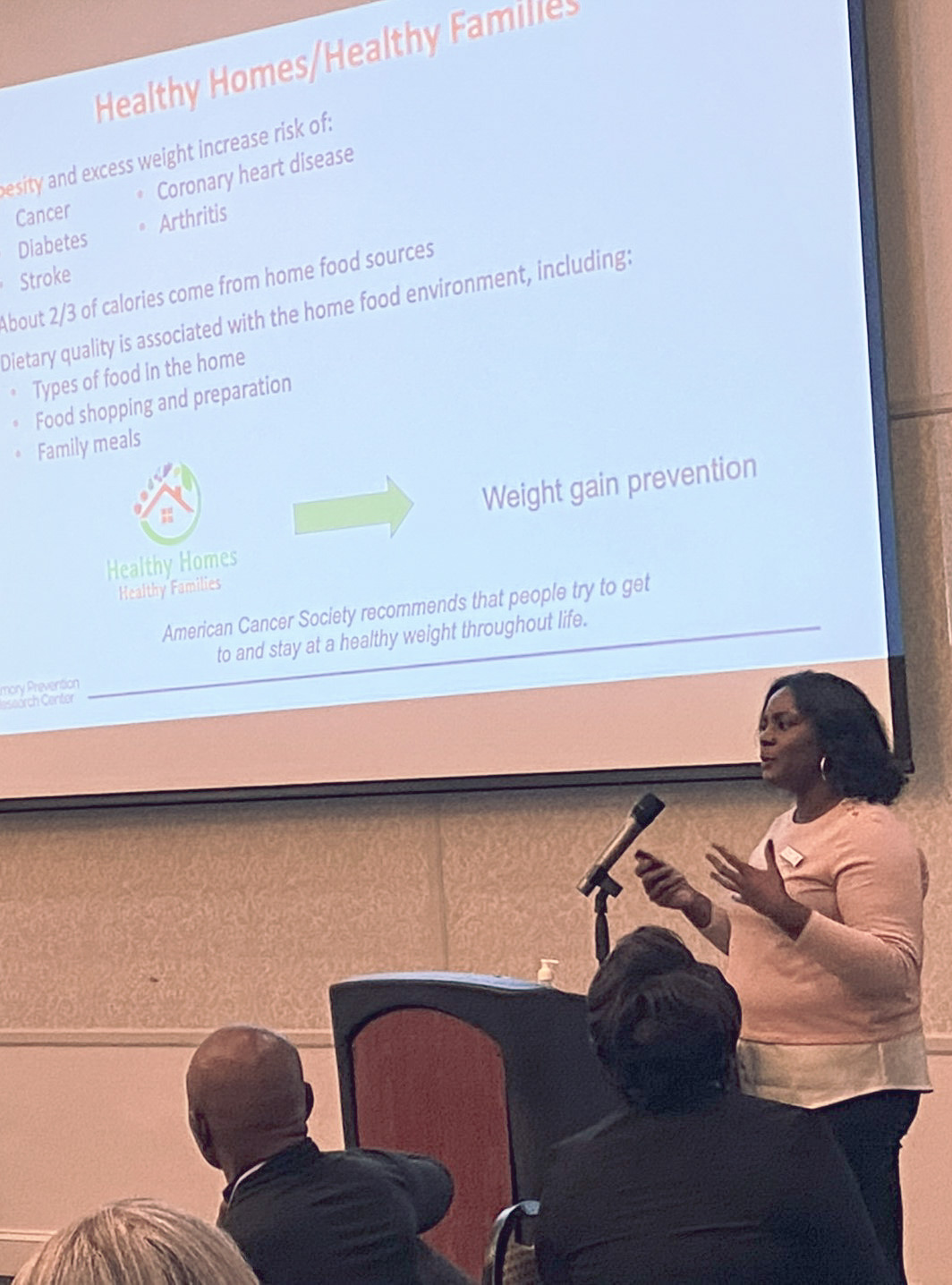
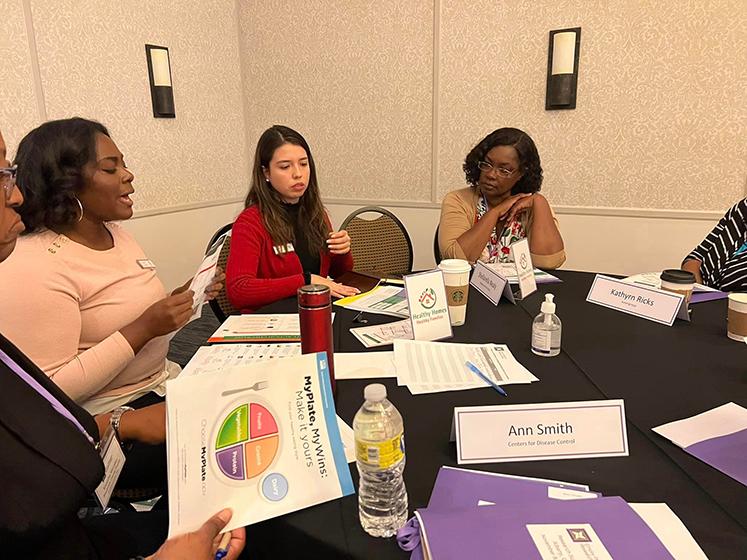
Dr. Michelle Kegler, EPRC Director, gave an Overview of the EPRC. We then had a roundtable session where participants could visit different tables that provided information and results on EPRC-related research. We also provided collaborative opportunities for community organizations such as mini-grants or program evaluation. The topics for the roundtables were Healthy Homes/Healthy Families, COVID/VaxUp Project, Two Georgias Initiative, Smoke-free homes/BreatheEasy, Evaluability Assessment, and Faith Based Initiatives/Mini-Grants.
| |
Dr. Michelle Kegler, EPRC | |
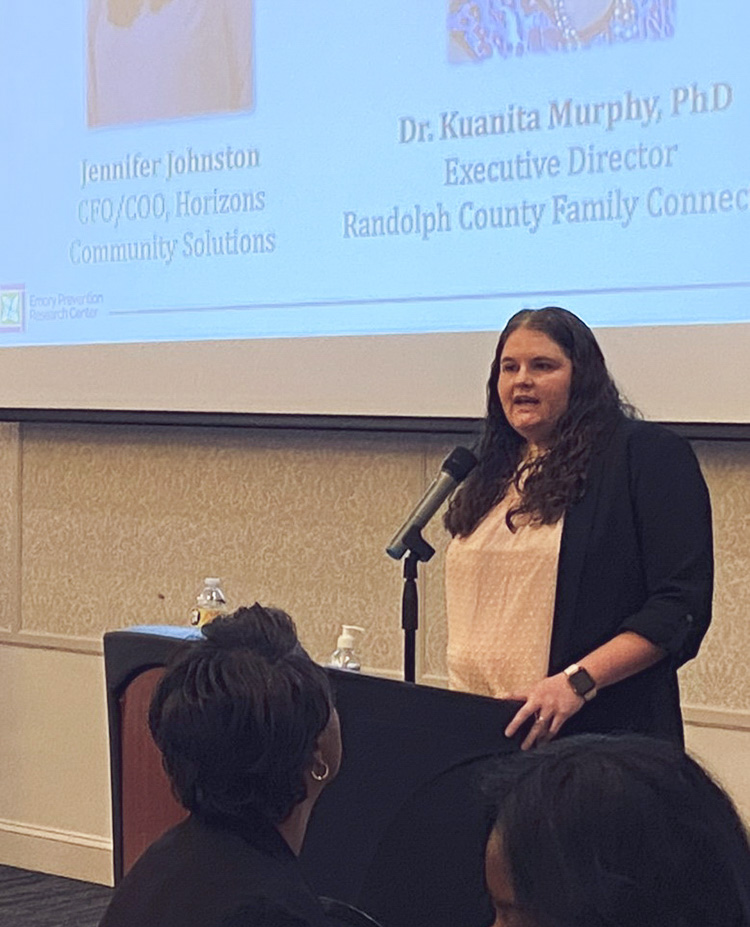
Jennifer Johnston, Horizons Community Solutions | |
Darrell Sabbs, Phoebe Putney Hospital | |
Dr. Kuanita Murphy, EPRC CAB | | |
| |
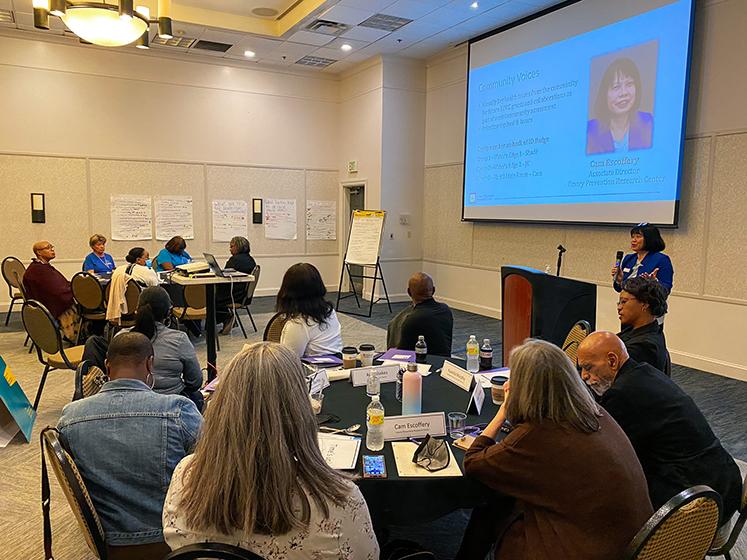
We also conducted a brief community assessment through a Community Voice activity. Participants were broken up into 3 groups where they discussed leading health issues in their communities and some of the factors leading to those issues. The groups then prioritized some of the leading issues and/or factors. We then re-convened and shared the notes from each group. Some of these themes are presented in the Table below. | |
| Top Health Issues in the Community | Factors leading to these Health Issues | | Quality Healthcare (e.g. access, no specialists, mistrust, limited choices) | Access to quality healthcare:
- No PCP
- Poverty
- Transportation
- Lack of Providers and specialists
- Trust and racial biases
| | Mental Health (including social and emotional | Cost/Economy/Cost of Living/Income | | Obesity (including childhood) | Lack of education/info/knowledge
Misinformation
Education/Methods of delivering information | | Cancer/Cancer Screening | Food desert/access to healthy food | | Diabetes | Transportation | | Poverty (generational) |
| | Maternal/child health/Teen pregnancy prevention/sexual health |
| | Vaccines(general) |
| | Physical Activity |
| | Substance abuse (alcohol) |
| | | |
|
|
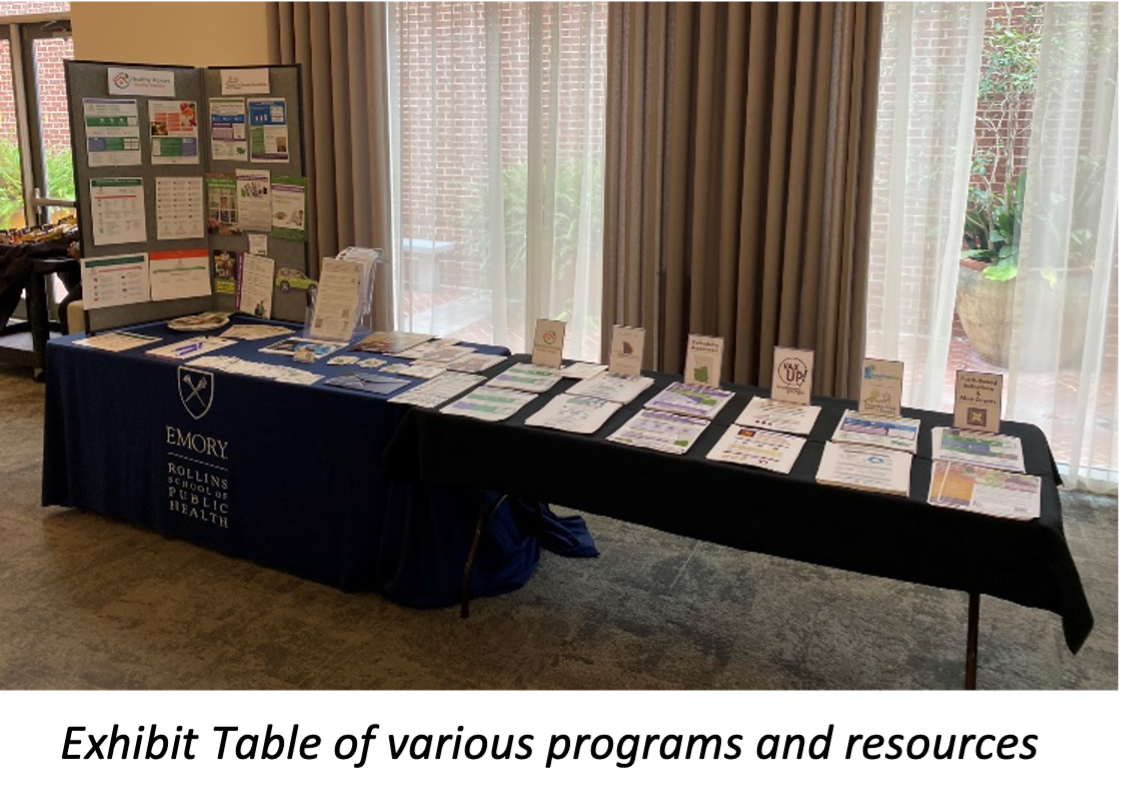
The Exhibit Table in the foyer held materials and tools related to various programs and projects including:
- Healthy Homes Healthy Families
- COVID/VaxUp Project
- Two Georgias Initiative
- Smoke-Free Homes/Breathe Easy
- Evaluability Assessment
- Faith-Based Initiatives/Mini-Grants
- Annual EPRC trainings
- EPRC Community Advisory Board
| |
Roundtable discussion featuring the Healthy Homes/Healthy Families program | | |
Dr. Cam Escoffery, Associate Director of the EPRC, facilitates a Community Voices session | | |
|
The Research Summit was a success with 45 community members and partners attending, in addition to 11 Emory affiliated individuals, and 2 CDC representatives. According to the evaluation results, approximately 86% of survey respondents indicated that they were ‘satisfied’ or ‘very satisfied’ with the EPRC Research Summit. Nearly 90% of respondents also indicated that they either ‘agree’ or ‘strongly agree’ that the summit’s threefold objectives were met.
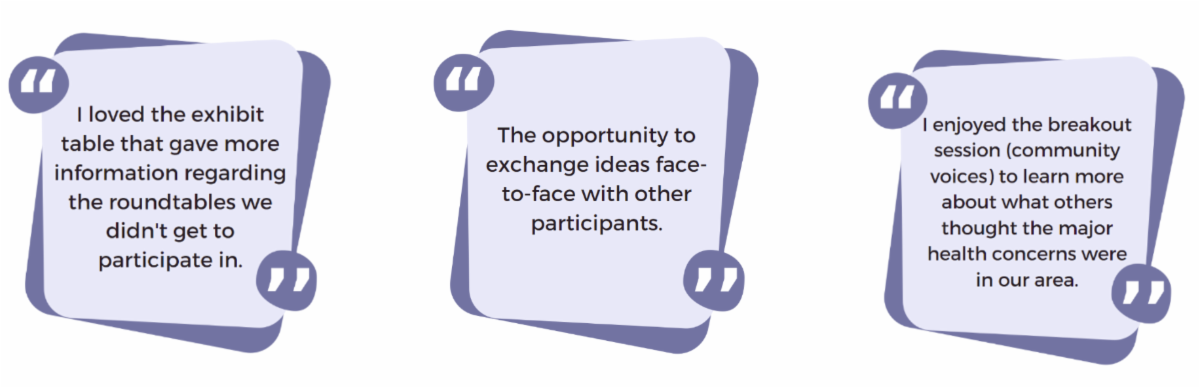
When asked what was most enjoyable about the summit, participants responded as follows:
| |
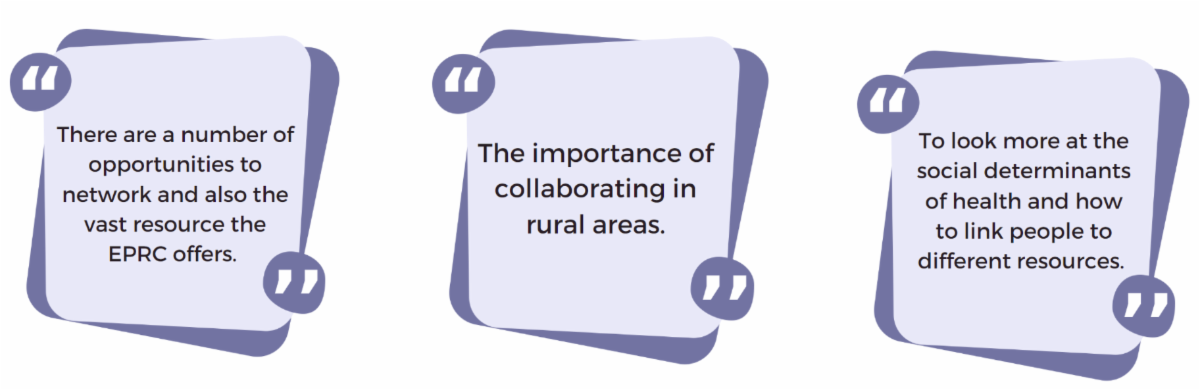
When asked what participants would take away from the event, survey respondents answered with: | |
The EPRC is grateful to be working with such wonderful community members and partners and we look forward to continued engagement with communities in Southwest Georgia in the next year. | |
Two Georgias Initiative Infographics | |
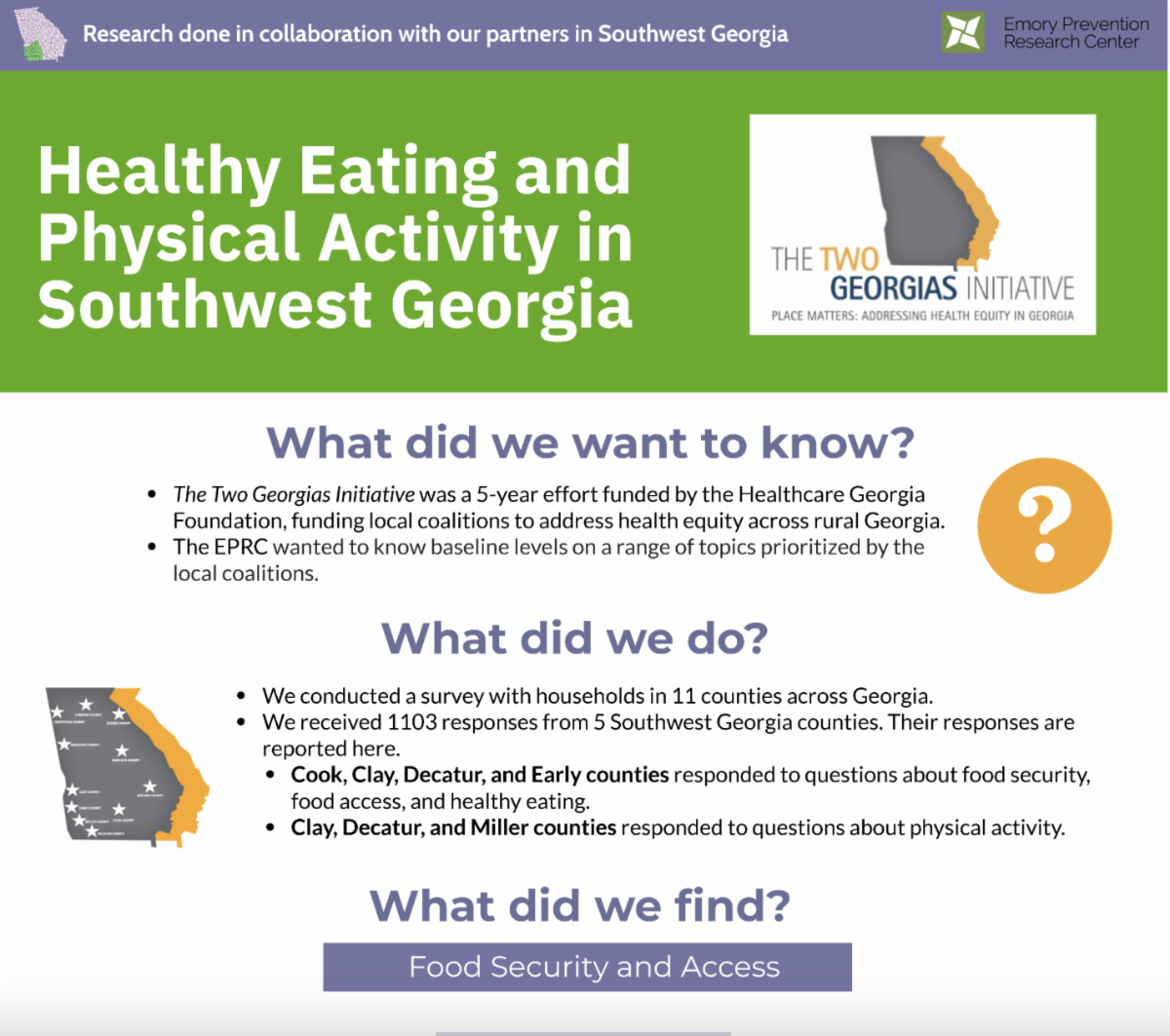
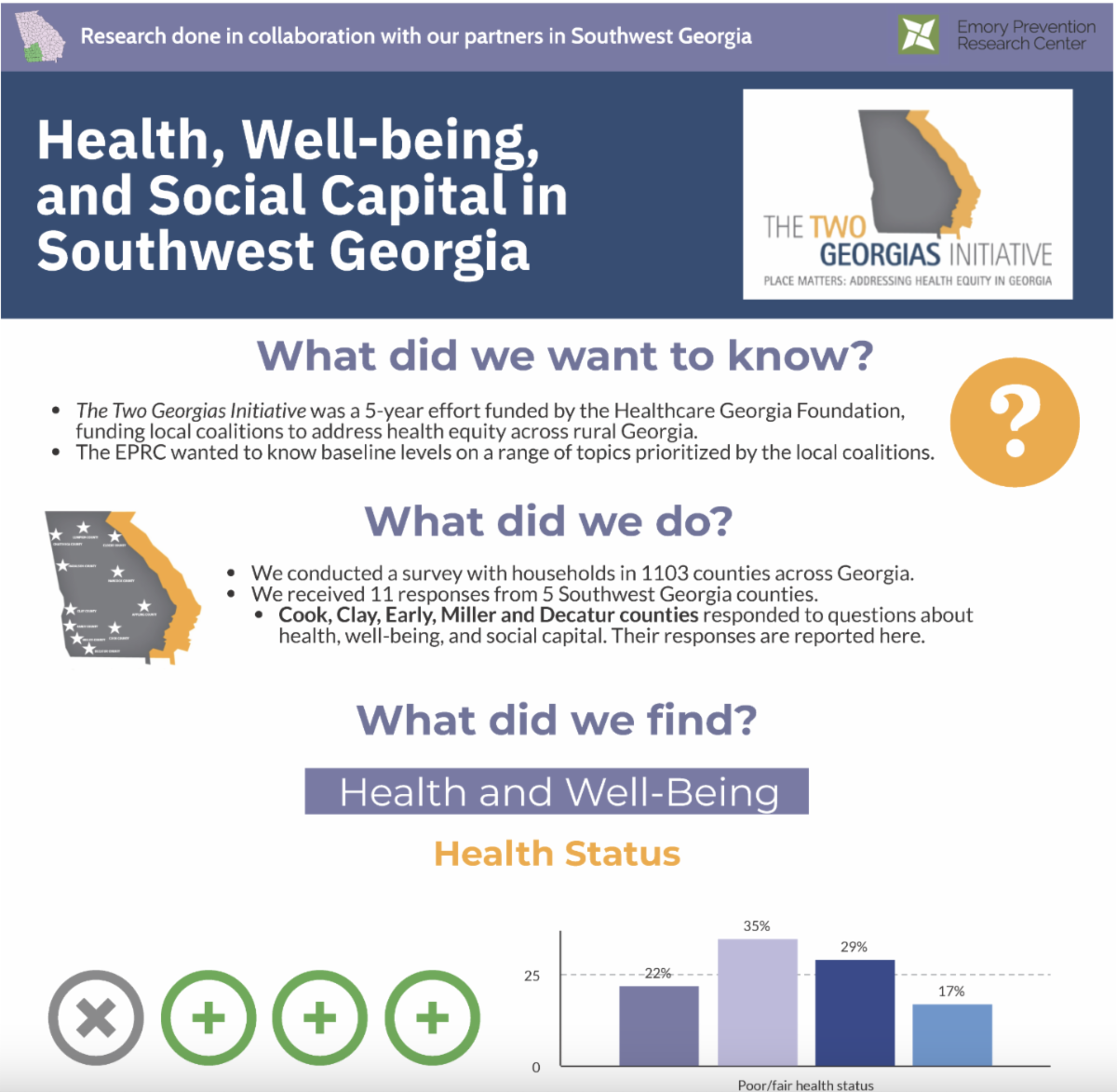
The Two Georgias Initiative was a 5-year effort funded by the Healthcare Georgia Foundation, funding local coalitions to address health equity across rural Georgia. The EPRC served as the initiative’s evaluator and collected baseline data about food security, food access, healthy eating, physical activity, health, well-being, and social capital in SW Georgia. Read more about the results in our two infographics below. | | |
|
We create infographics to make it easier to learn
about our research.
Find them on our website
| |
|
|
Follow us on social media to get all the latest EPRC updates!
| | | | | | |