View in browser as a webpage

0de94e_788150b069ca40cab48969b43021353amv2.jpg

Ghost Pine Native Plant Nursery

News & Updates

September 2025 | Issue 3

Fall - This season is a particularly active period for both Gardeners and GPNPN. Four organizations will soon host autumn plant sales, featuring native plants of course. Doug Mandel (GPNPN) will be presenting in the coming days on topics including "Attracting Pollinators," "Native Plant Gardening," and "Rainwater Harvesting Basics."  We look forward to catching up with you at any (or all!) of these events.

Fall Fever – The Perfect Time for Planting Native Plants

Now, mid-September, is a great time to plant native plants in Redding, CA. The recent rain teaser softened the warm ground a bit and pushed “planting” to the top of the to-do list. Even though the real rain storms have yet to arrive, the ground will stay warm for at least another month, ideal for initial plant establishment. 

Buy Native Plants Now for Best Selection

0de94e_4d221f75e8c449ee9cfb1c12a7920541mv2.jpg

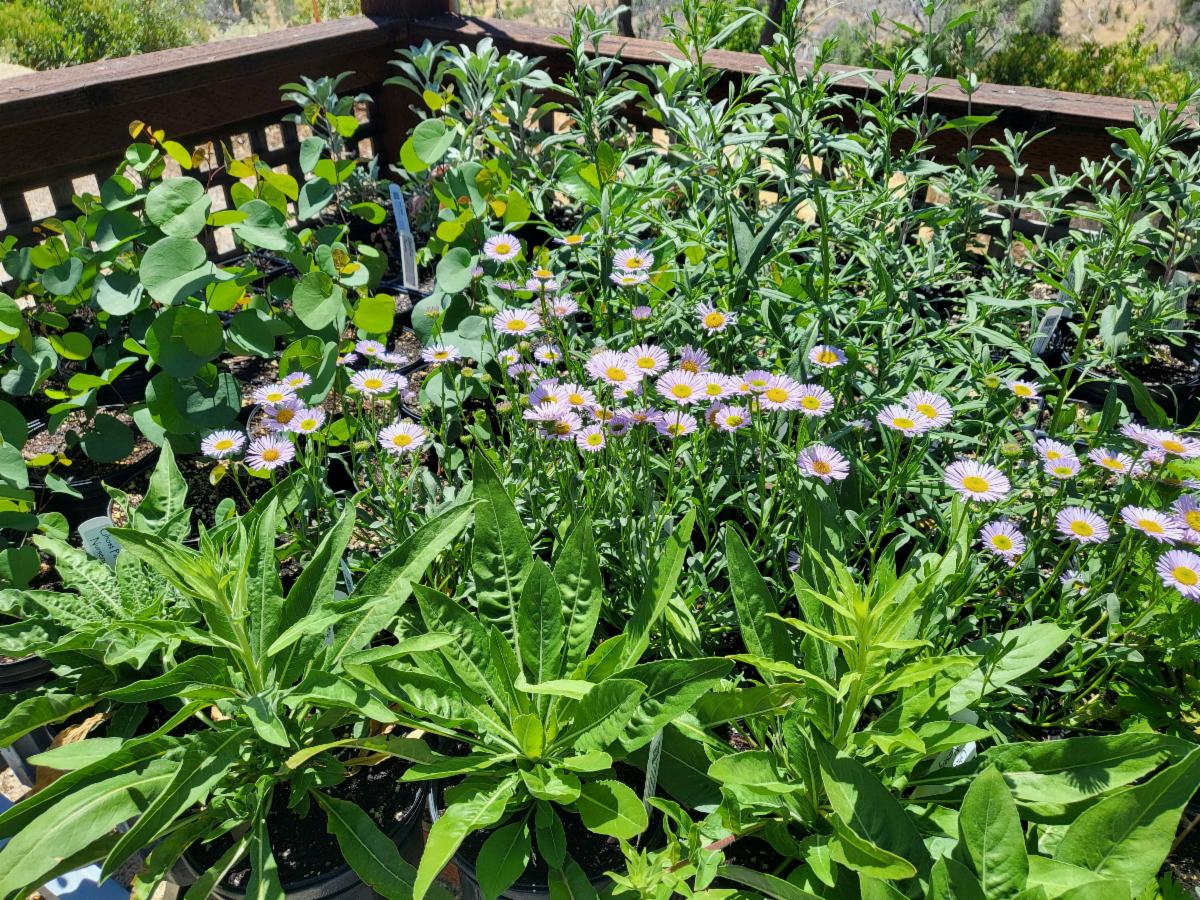
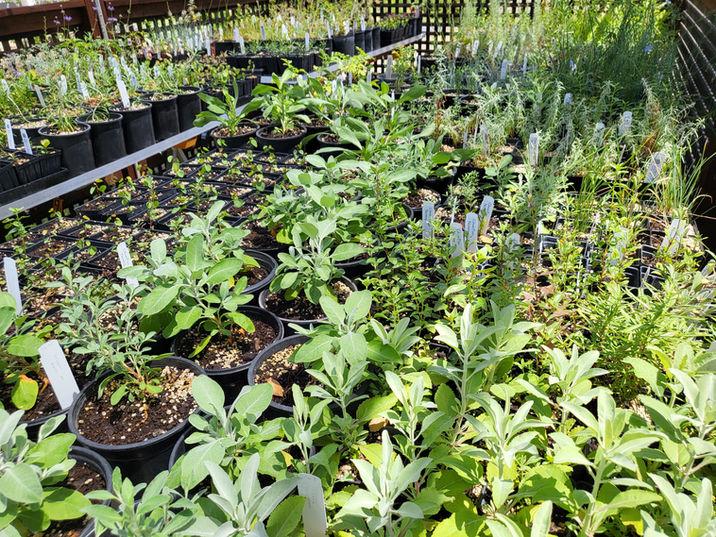
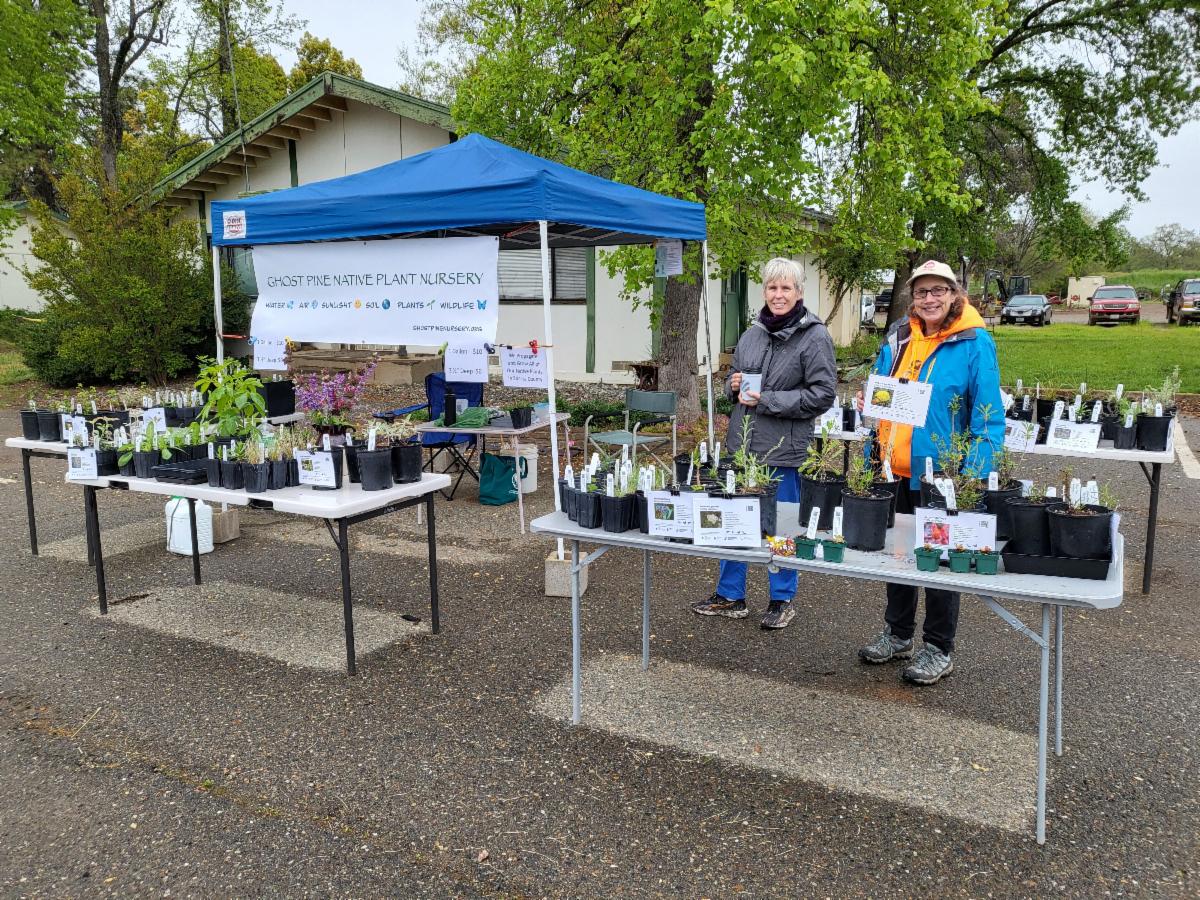
The GPNPN native plants have weathered the hot summer and are ready to jettison their pots and settle down in native soil for a good home. Our online nursery, open 24/7, boasts 60 species of healthy, locally propagated, climate-adapted native plants. Other local nonprofit nurseries that sell native plants include Turtle Bay Nursery, Shasta Chapter CNPS, and Shasta College. 


Now, while the soil is warm, is by far the best time to plant native plants. Once the properly cared for right plant, in the right place is established, it will require far fewer resources for your ultimate enjoyment!

Upcoming Events

Plant Talk: Attracting Pollinators by Doug Mandel (yours truly)


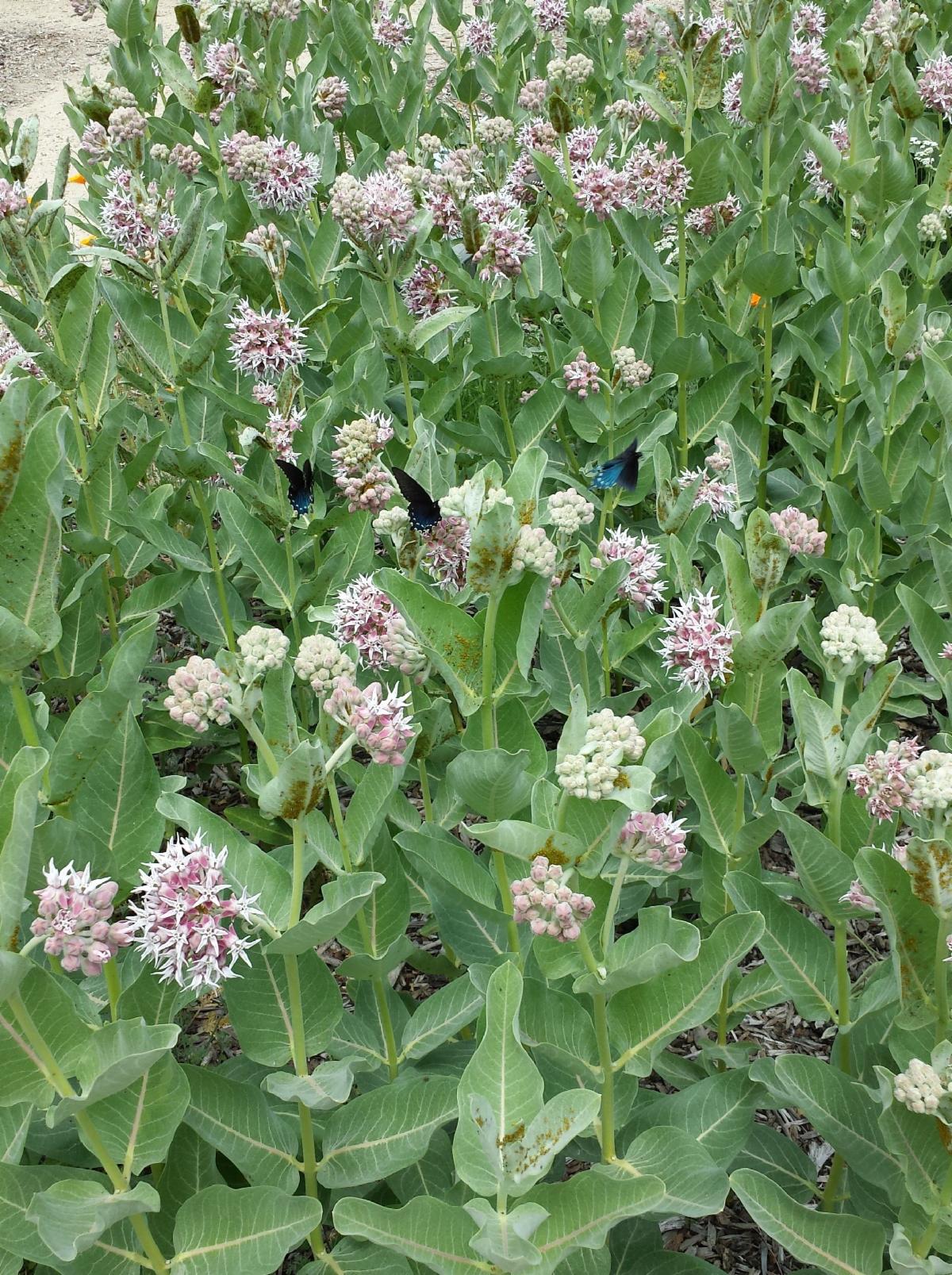
Pollinator gardens are habitat gardens that provide resources for pollinators. If you provide food (pollen, nectar), water, and shelter, you are well on your way to attracting pollinators. 


Approximately 75% of the world’s flowering plants and about 35% of the world’s food crops rely on animal pollinators, like bees, to reproduce. 


If we did not have pollinators, we would lose about three-quarters of the plants on earth. The food web would collapse.


Since habitat loss is the leading cause of biodiversity loss, pollinator gardens are a prescription for a healthier and more resilient environment.


Shasta Chapter California Native Plant Society Meeting

Thursday, September 18, 2025, 5:30 – 7:30 PM.

Plant Talk: Native Plant Gardening by Doug Mandel


Native plant gardening is one of the top trends in gardening. Doug will shed light on climate-adapted native plants that use fewer resources, provide habitat for wildlife, beautify landscapes, and promote biodiversity and stewardship of the land. 


Doug emphasizes keystone native species because they are disproportionately important to our ecosystems. 


You will leave this talk with a healthier respect for climate-adapted native plants that feed our food web.


Turtle Bay Garden Nursery

Saturday, September 20, 2025, 10 AM to Noon

Rainwater Harvesting Basics by Doug Mandel


Fall Master Gardener Gardening Workshop


The workshop has three sessions with three topics to choose from each session. Rainwater Harvesting is one of the many topics offered.


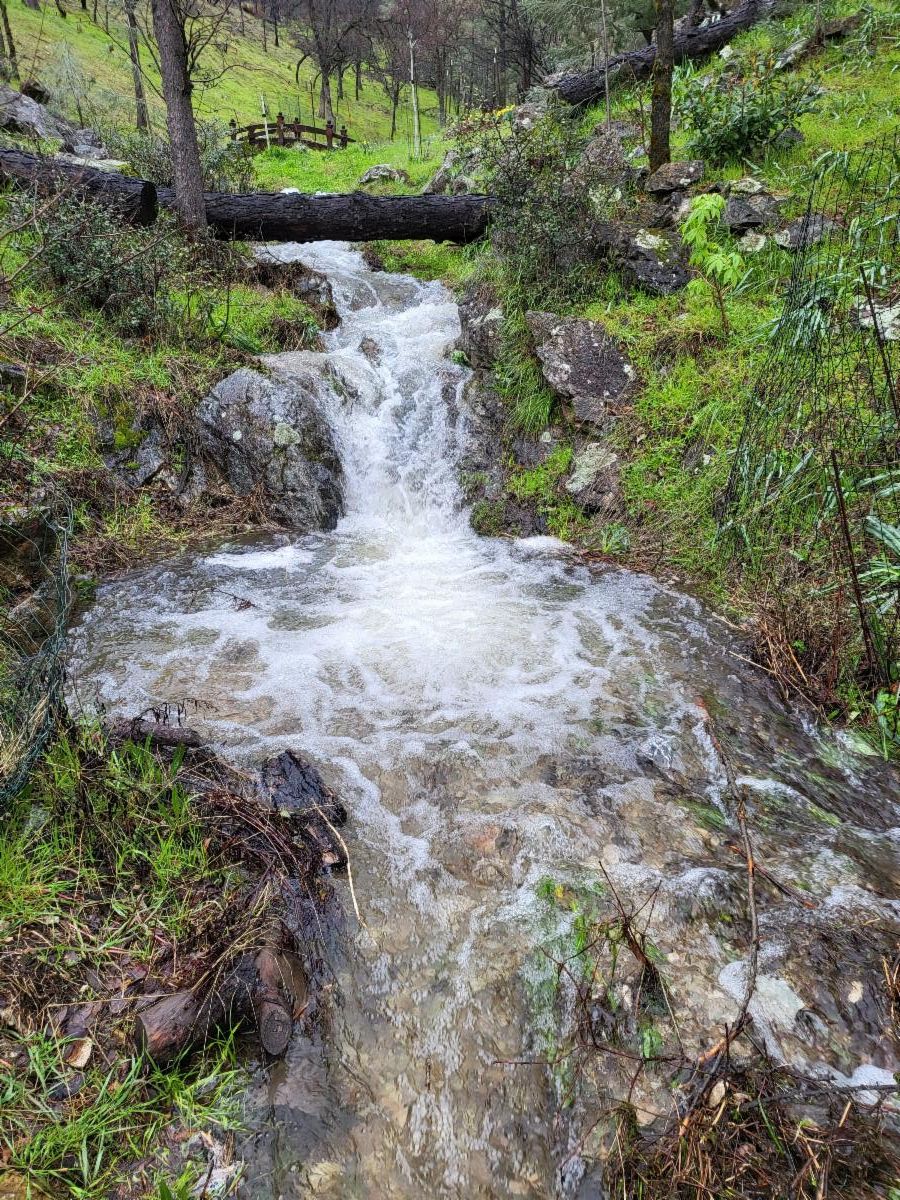
Water is a critical natural resource. We will discuss the basics of rainwater harvesting, concentrating on rain gardens, berms and swales, dry creek beds, terraces, and rainwater catchment storage.


The goal is to retain, spread, and sink the rainwater on your property.


The Farm at Shasta College

Saturday, September 20, 2025, 1 PM – 3:30 PM

Fall Plant Sales - GPNPN Will Be There


We invite you to come chat with us about native plants and their potential to enhance habitats while requiring significantly fewer resources.


Turtle Bay Fall Plant Sale

Saturday, October 4, 2025, 9 AM - 3 PM


Shasta College Fall Plant Sale

Saturday, October 4, 2025, 1 - 4 PM

Plant of the Month

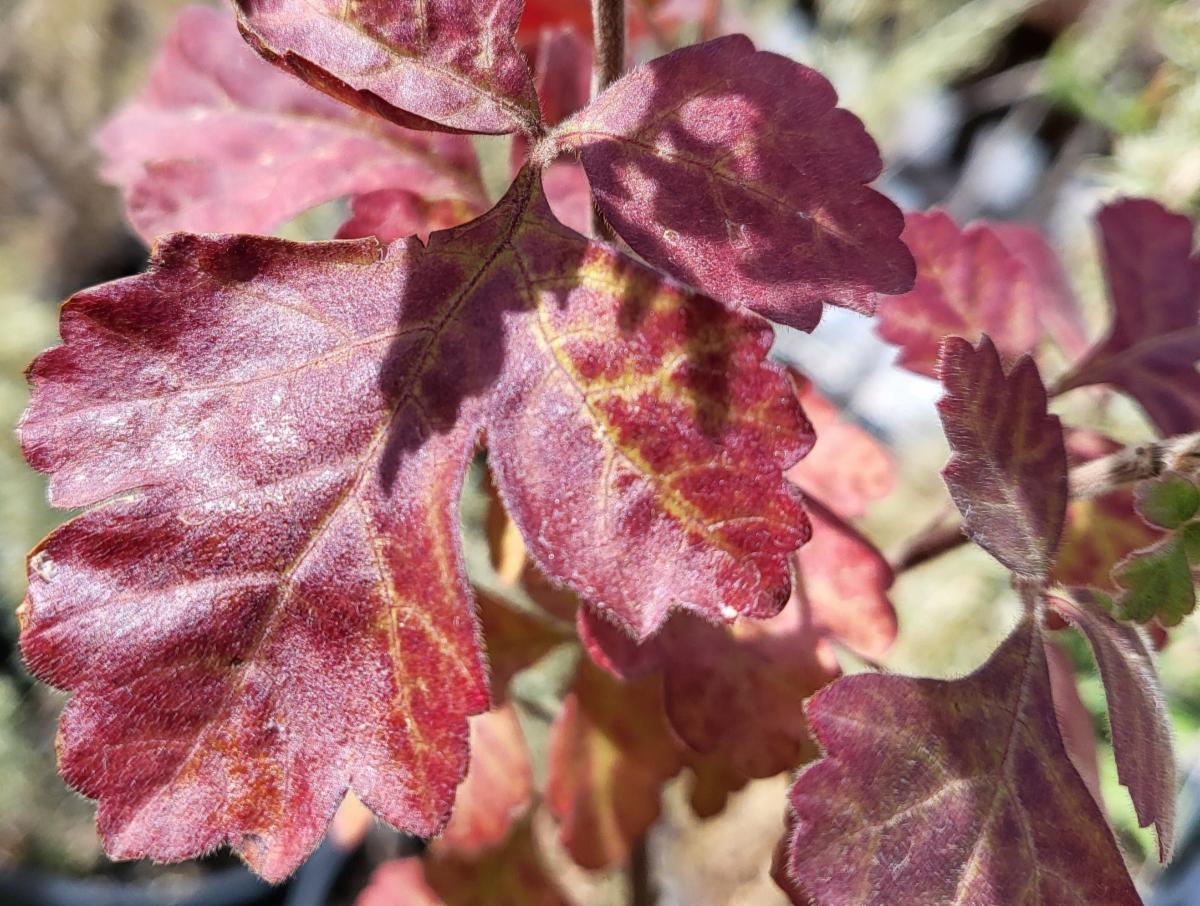
Fragrant Sumac, Rhus aromatica

Fragrant Sumac may look like poison oak, but it has incredible habitat and aesthetic value without the unwanted side effects:)


It is truly a local native plant.