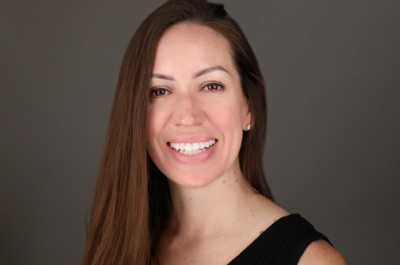
A Message from President

Irene Bustamante Adams


NASB Members,


The first quarter of the year has been both dynamic and productive for the Nevada Association of School Boards. Our calendar has been robust, highlighted by two impactful professional development workshops, the launch of the legislative interim committees, and the opportunity for NASB leadership to present before Nevada’s Joint Standing Committee on Education. These engagements reflect our continued commitment to strengthening our presence and influence across the state in support of effective governance and student success.


I am also pleased to welcome our newest directors to NASB: Jenna Owen (Humboldt), Elmer Bull (Lyon), and Andrea Lowe (Lander). I look forward to your leadership and service and am excited to partner with you in advancing strong governance practices across Nevada.


The recent statewide President’s Workshop was a tremendous success, bringing together board leaders from across Nevada for a highly interactive and energizing session focused on strengthening board effectiveness. The workshop centered on practical leadership — not authority — with an emphasis on board team dynamics, actionable strategies presidents can implement within the next 60 days and strengthening President–Superintendent relationships. Participants reflected on their board’s strengths, current challenges, and examples of high-functioning President–Superintendent partnerships. The thoughtful discussion reinforced that strong governance begins with strong relationships, clarity of purpose, and intentional leadership.


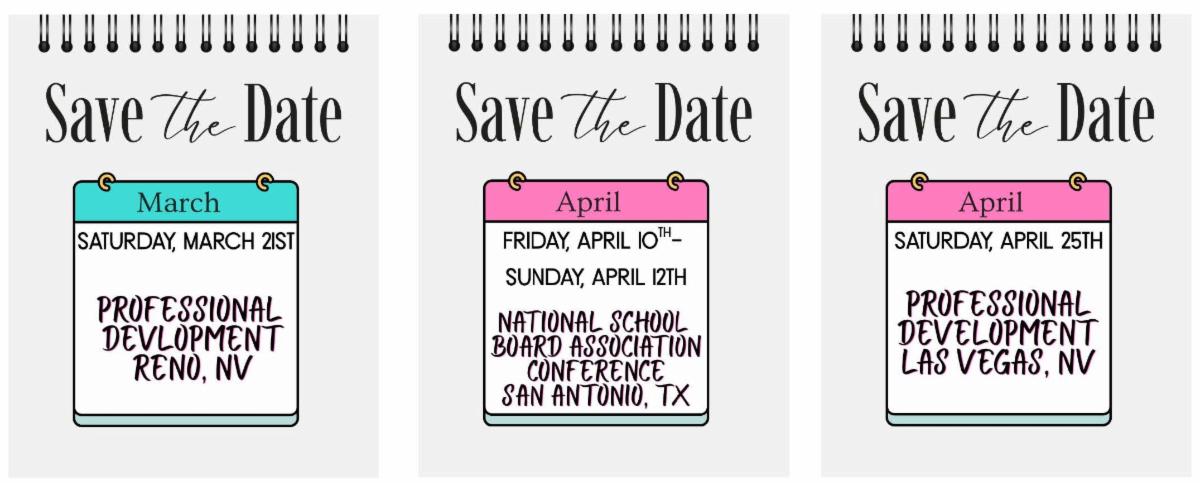
I look forward to continuing our important work together and hope to see you at our March 21 professional development opportunity in Reno.


With gratitude, 


Irene


Emily Stevens

Clark County School District


Emily Stevens brings a spirit of service, collaboration, and lifelong learning to her role as trustee.Growing up in a military family and spending part of her childhood in Misawa, Japan, she learned early the value of adaptability, resilience, and strong communities.


Her leadership philosophy is simple: if you want to be effective and create meaningful change,you must listen to all constituents, not just the voices that agree with you. Emily is intentional about seeking diverse perspectives, leaning on advice from her partner, mentors in the business community, and trusted colleagues in governance. She believes strongly in avoiding an echo chamber and making decisions grounded in thoughtful dialogue.


Professionally, Emily works in sales and financial services, experience that strengthens her

ability to review budgets, ask strategic questions, and communicate clearly. She acknowledges that balancing public service, career, and family life can be challenging, but she embraces the responsibility because she genuinely loves the work. “We are surrounded by amazing human beings,” she often says, from dedicated educators to engaged parents and students eager to learn more.


Family is at the center of everything she does. Emily and her partner share a busy, joyful

household of six children, two sons and four bonus kids, whose activities range from military

service and music to gymnastics, cross country, bowling, and wrestling. Whether traveling,

snowboarding, or simply enjoying time together at home, family remains her greatest source of pride and motivation.


The Positive Place


Welcome to the latest edition of The Positive Place — your space for encouragement, reflection,

and practical leadership inspiration. Each NASB newsletter is designed to equip and empower our members by highlighting the impact of positive leadership in public education.


A Kindness Challenge


One of the most powerful leadership tools we possess costs nothing, takes only moments to use,

and yet creates lasting impact: intentional kindness.


School board service is serious work. We navigate budgets, policies, accountability systems, and complex community dynamics. While these responsibilities are significant, it is easy to underestimate the influence of a small, thoughtful act.


In this edition of The Positive Place, we are launching the Kindness Challenge: perform one specific, intentional act of appreciation.


Rather than a routine "thanks for all you do," try a targeted observation. For example: "I noticed how you handled that difficult conversation with patience and clarity; it helped keep our board focused."


Specific kindness builds trust, reinforces positive behaviors, and strengthens our collective culture.


Do one intentional act of appreciation — and make it specific.

Not generic.

Not routine.

Specific.

Instead of “Thanks for all you do,” try:

“I noticed how you handled that difficult conversation with patience and clarity. That helped

keep our board focused.”

Specific kindness builds trust. It reinforces the behaviors we want to see repeated. And it

strengthens the culture around us.


Why It Matters


Positivity in governance is not about avoiding tough conversations. It’s about creating an

environment where people feel respected, valued, and motivated to do hard things well.

As board members and leaders, we set tone. Small acts of encouragement ripple outward — to

superintendents, administrators, educators, and ultimately to students.

Kindness is not soft. It is strategic.


This Edition’s Kindness Challenge Ideas


Here are several simple actions you can choose from:

1. Write a Handwritten Note

Mail or hand-deliver a short note to:

  • Your superintendent
  • A fellow trustee
  • A school principal
  • A classified staff member

Handwritten notes stand out in a digital world.


2. Recognize Someone Publicly

At your next board meeting:

  • Thank a staff member by name.
  • Highlight a recent accomplishment.
  • Share a positive story from a campus visit.

Public recognition reinforces a culture of appreciation.


3. Make a “Positive Phone Call”

Call a principal or teacher simply to say:

“I heard something good and wanted to pass it along.”

No agenda. Just encouragement.


4. Catch Someone Doing Something Right

Instead of focusing only on issues to fix, actively look for:

  • Strong facilitation at a meeting
  • Thoughtful questions from a colleague
  • Calm leadership during tension

Then say something about it.


5. Support the Superintendent Intentionally

Send a quick message before a major meeting:

“I appreciate the preparation that went into this agenda.”

Leadership can be lonely. A little affirmation goes a long way.


6. Thank the Behind-the-Scenes Team

Administrative assistants, IT staff, custodial teams, transportation teams — much of their work is

invisible unless something goes wrong. Shine a light on it.


7. Bring Positivity Into the Boardroom

Start a meeting by asking:

“What’s one success we’ve seen in the last 30 days?”

It reframes the conversation without ignoring challenges.


The Multiplier Effect


When leaders model kindness, it spreads.

When boards operate from respect, it stabilizes governance.

When governance is stable, districts perform better.

This month’s challenge is simple: Choose one act. Do it intentionally.

Small deposits in the culture bank add up.

Let’s continue building The Positive Place — one intentional act at a time.

A message from Executive Director

Rick Harris

Trustees & Legislators: Relationships That Shape Nevada’s Future


Strong public education systems are built through leadership, policy, funding decisions, and

strong schools shaped by our state legislators. That is why it is essential that school board

trustees develop and continue to strengthen meaningful relationships with members of the

Nevada Legislature.


Trustees live the daily impact of legislative decisions. You understand how mandates affect

classrooms, how funding formulas influence staffing, and how accountability systems shape

district priorities. Legislators benefit when they hear directly from trustees who can provide real

context, not just reaction. Without those relationships, policy risks being developed in a vacuum.


As we move into March and April 2026, it is time to begin a focused effort on developing

NASB’s legislative platform for the 2027 session. The groundwork starts now.


We have two important opportunities to begin these conversations:

March 21 in Reno

April 25 in Las Vegas


These legislative breakfasts are more than events. They are relationship-building opportunities. If

you have not yet met your legislator, this is your chance to start that connection. If you already

know them, this is the time to deepen that relationship and engage in the critical conversations

that will shape Nevada’s education future.


Progress in our state will happen through trust and thoughtful dialogue. It happens when elected

officials at both the state and local levels work from a shared commitment to students.


The only way we will continue to make meaningful progress in Nevada education is through

sustained conversations and strong relationships with our legislators.


In addition, during both our March (Northern Nevada) and April (Southern Nevada) events, we will host a focused workshop dedicated to identifying and refining NASB’s legislative priorities as we move into the second half of 2026 and prepare for the 2027 legislative session. These session, led in partnership with our Government Affairs Team at Tom Clark Solutions and NASB Vice President Krystal Blades, will provide trustees with practical tools and clear strategies to help shape a proactive, trustee-driven legislative platform.


I encourage every trustee in the state to commit to attending one of these events.

2026 Nevada School Board Officers


Congratulations to Nevada’s 2026 School Board Officers!

School board officers play a critical role in setting the tone, guiding governance, and strengthening board–superintendent partnerships across our state. NASB proudly recognizes the trustees serving in leadership roles for 2026. We thank each of you for your commitment to Nevada’s students and communities.

Carson City

President: Molly Walt

Vice President: Richard Varner

Clerk: Michelle Pedersen


Churchill County

President: Gregg Malkovich

Vice President: Joe McFadden

Clerk: Julie Guerrero-Goetsch


Clark County

President: Emily Stevens

Vice President: Irene Bustamante Adams

Clerk: Lydia Dominguez


Douglas County

President: Yvonne Wagstaff

Vice President: Melinda Gneiting

Clerk: Not Designated


Elko County

President: Jeff Durham

Vice President: Not Designated

Clerk: Susan Neal


Esmeralda County

President: Carl Brownfield

Vice President: Trinie Johnson

Clerk: Anna Pacheco


Eureka County

President: Lynn Conley

Vice President: Not Designated

Clerk: Mindy Filippini


Humboldt County

President: Sabrina Uhlmann

Vice President: Abram Swensen

Clerk: Nicole Bengochea


Lander County

President: James Holland

Vice President: Not Designated

Clerk: Cayla Millsap

Lincoln County

President: Andy Free

Vice President: Brittney Laforett

Clerk: Megan Robinson


Lyon County

President: Tom Hendrix

Vice President: Not Designated

Clerk: Dawn Carson


Mineral County

President: Tyler Viani

Vice President: Juanita Diede

Clerk: Kristin Reeves


Nye County

President: TBA

Vice President: Leslie Campos

Clerk: David Harris


Pershing County

President: James Evans

Vice President: Not Designated

Clerk: Michael Mancebo


Storey County

President: Amy Fye

Vice President: Not Designated

Clerk: Casey Conley


Washoe County

President: Adam Mayberry

Vice President: Alex Woodley

Clerk: Christine Hull


White Pine County

President: Candice Campeau

Vice President: Krystal Blades

Clerk: Rebecca Murdock


Artificial intelligence is moving at an extraordinary pace. Alongside rapid innovation has come a wave of strong opinions — some optimistic, some deeply concerned — about how AI could reshape jobs, power, and society.


A recent article from Axios does an excellent job cutting through the noise by outlining the key AI companies and the emerging vocabulary shaping today’s conversation.


The piece highlights major players such as Anthropic (maker of Claude), Google DeepMind (Gemini), Meta (Llama), and OpenAI (ChatGPT), along with terms increasingly used by

industry leaders — from “vibe coding” and “agent swarms” to “human in the loop,” AGI, and

even “the singularity.”


The takeaway is simple but powerful: while AI’s future may feel uncertain, understanding the language surrounding it is something we can control.


You can read the full Axios article here:

https://www.axios.com/2026/03/03/ai-words-terms-claude-openai-chatgpt


Credit: Axios, March 2, 2026


Upcoming Events & Reminders


Directors — A quick reminder


Please ensure the PreK questionnaire shared by Dr. Diane Nicolet is completed by March 10, 2026. We appreciate your time and attention to this request.


Facebook  X  Instagram