Fall is here, bringing shorter days and cooler temperatures. It’s time to start watching the thermometer and be ready for the lower temperatures ahead.


Cold weather – when temperatures dip to 40 F and lower – brings changes in how low-slope roofing membranes, adhesives and sealants must be stored, installed and applied. Our online guide has all the details you need to beat the chill.


A strong partnership with a trusted manufacturer is one of the most powerful tools in a low-slope roofer’s arsenal. It starts, of course, with the products, but a manufacturer like MuleHide can do so much more.


In our latest blog post, Luis Ramos, territory manager for Southeast Florida, shares tips for turning the connection into a competitive advantage.


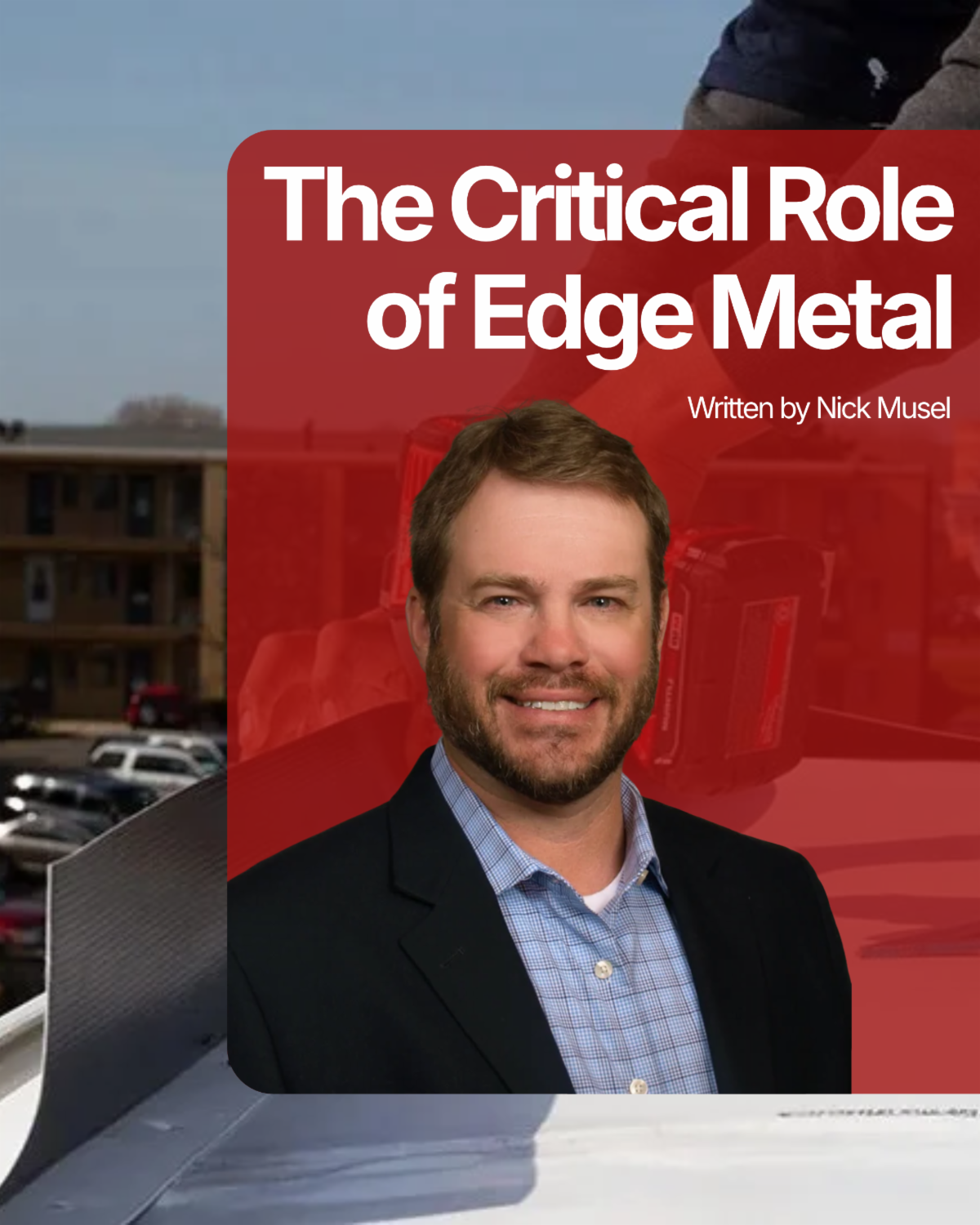
A low-slope roof’s perimeter is no place to cut corners. Edge metal is a roof’s first line of defense against high winds, and when it fails, the rest of the roofing system often follows (and quickly). Protecting the roof – and, ultimately, the entire building – starts with installing the right edge metal.


In this article for the October 2026 issue of Roofing Contractor, Nick Musel, territory manager for the Mid-Atlantic, explores why edge metal is so important, the key standards related to it, and the benefits of purchasing it from the roofing system manufacturer.


Alan Rosencrans has joined MuleHide as our new technical director.


With 17 years of experience in quality assurance, R&D and manufacturing across the roofing, coatings and adhesives industries, Alan brings extensive technical knowledge and leadership to the MuleHide team.


Welcome to MuleHide, Alan!


Select an answer below for your chance to win some MuleHide swag!

At what temperature do cold-weather roofing guidelines begin?
Facebook  Instagram  LinkedIn  Web  YouTube