|
Featured in this week's newsletter:
| |
Don't keep this to yourself
Good information shouldn’t stay in one inbox — forward to a friend
| | NEW FROM SUNCOAST SEARCHLIGHT: | | |
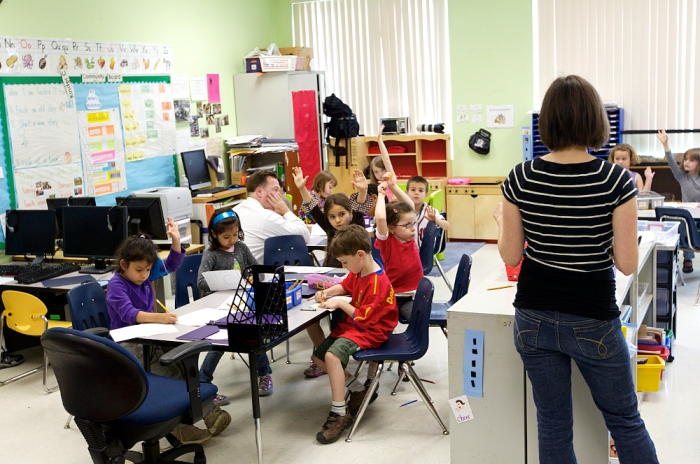
SARASOTA COUNTY SCHOOLS TO CUT TEACHERS AS VOUCHERS DIVERT MILLIONS FROM DISTRICT
First-year teachers across the district could lose their jobs next school year as Sarasota County Schools plans to cut 180 instructional staff positions in response to funding shortfalls.
The staff reductions come as the state diverts millions of dollars to school vouchers for families to pay private school tuition, inflation outpaces state funding for public education, and special COVID-19 earmarked funds dry up. In Sarasota, a county with an aging population, public student enrollment has also flatlined in recent years, meaning less money for schools.
The cuts mirror those at school districts across Florida, which have slashed programming and even closed schools amid mounting budget pressures. In Sarasota, an A-rated school district in a property-rich region that enjoys enthusiastic community support, the roughly 6% reduction in instructional staff has come as a shock.
“We’ve had lulls before,” said Rex Ingerick, president of Sarasota Classified/Teachers Association, the union representing teachers in the district. “We’ve had times where we’ve had some teachers unassigned, but not this level — not this many people.”
Among teachers, those in their first year with the district would be the first to be laid off, according to the union. Another 79 classified staff positions, such as custodians, food service workers and IT professionals, are also slated to be cut.
When the COVID-19 pandemic shuttered schools in 2020, leaving educators scrambling to implement remote and hybrid schooling, the federal government unleashed millions in new funding. Sarasota County Schools brought in $115 million in special pandemic relief from 2020 through 2022, which the district spent on 182 new positions to help with literacy, early learning and information technology, among others, according to the district.
| NEW FROM SUNCOAST SEARCHLIGHT & BRADENTON HERALD: | |
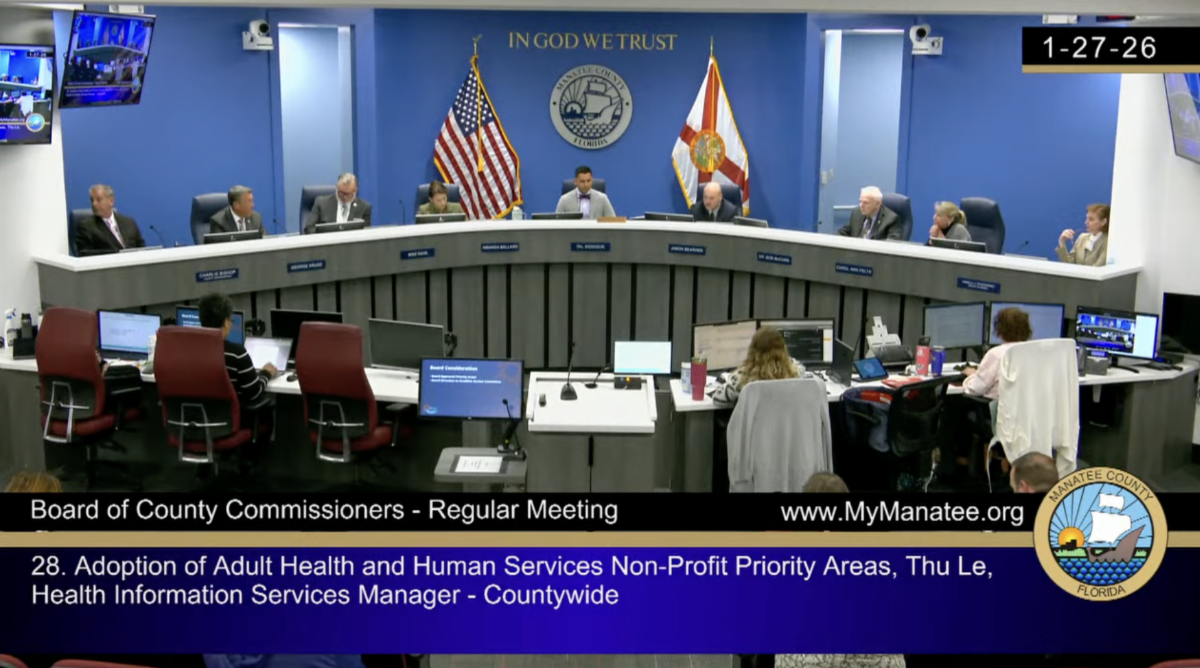
MANATEE COUNTY REVISITS UNDOCUMENTED IMMIGRANT POLICY AMID NONPROFIT CONCERNS
After weeks of silence that left some nonprofit leaders wondering whether the issue had faded, Manatee County commissioners are set to revisit a controversial proposal requiring nonprofits receiving county funding to verify the legal status of the people they serve.
The proposal, which appears on the commission’s Tuesday agenda, would align the county’s grantmaking with a federal law that restricts certain public benefits for people living in the country without legal authorization.
If approved, the measure would require nonprofits to certify that county funds are not used to serve those individuals, a change that could affect at least 86 organizations receiving more than $26 million annually from Manatee County Government.
Nonprofits that don’t comply could lose that funding, which supports programs such as early childhood development, college readiness, shelters, dental care, sexual assault advocacy and addiction recovery.
Exempt from the restriction are programs that provide immunizations, emergency health care, short-term disaster relief and similar services.
The idea was first raised in September and revived again in January, drawing concern from nonprofits and even community leaders who questioned how immigration status would be defined and verified, and warned the proposal could add costs and bureaucracy while discouraging people from seeking help.
| NEW FROM SUNCOAST SEARCHLIGHT: | |
SUNCOAST SEARCHLIGHT WINS NATIONAL, FLORIDA JOURNALISM AWARDS
Suncoast Searchlight has earned honors from both a national business journalism contest and a statewide competition, recognizing the newsroom’s investigative and enterprise reporting across a range of topics — including several projects produced in collaboration with other local news organizations.
The newsroom received two awards from the Society for Advancing Business Editing and Writing, or SABEW, one of the nation’s leading organizations for business journalists.
Suncoast Searchlight’s “Power and Profit” series — an investigation into how developer-controlled special districts finance growth in Florida — won first place in the small newsroom division for explanatory reporting and earned an honorable mention in real estate reporting.
Judges praised the series as “a valuable public service” and “exhaustively researched and clearly written,” highlighting its deep dive into the rapid expansion of special districts and the financial risks they can pose to homeowners.
“The series showed how a small, local online publication can and did pull off a complex, sweeping business news story that would challenge even the largest of national media organizations,” the judges wrote.
The newsroom also received multiple honors in the Florida Society of News Editors’ annual contest, which recognizes top journalism across the state. Several of the FSNE honors were for collaborative projects produced with partner organizations, including the Bradenton Herald and the Florida Trident.
| NEW FROM SUNCOAST SEARCHLIGHT: | |
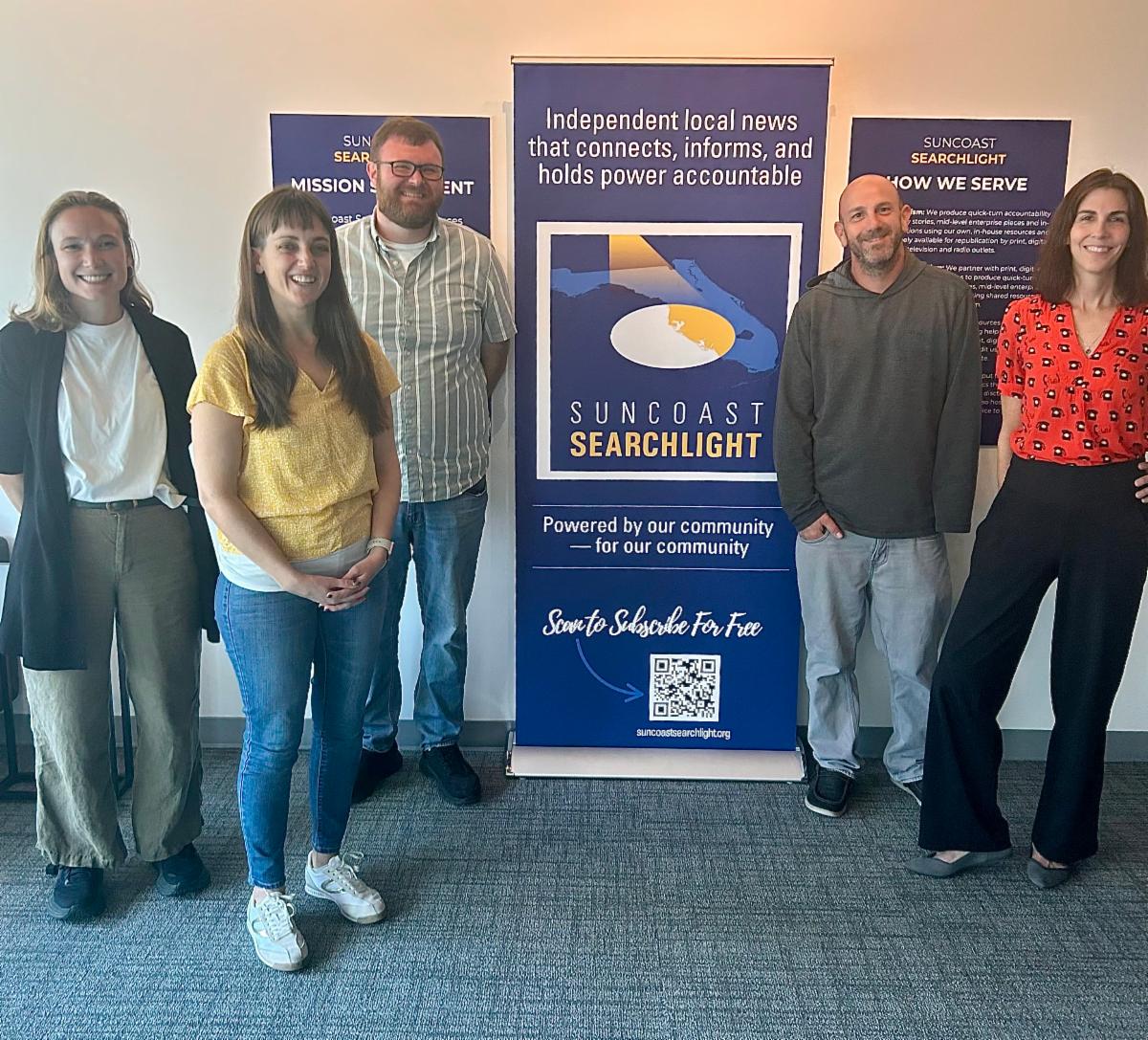
SUNCOAST SEARCHLIGHT ADDS TWO REPORTERS TO EXPAND WATCHDOG, GOVERNMENT COVERAGE
Suncoast Searchlight is expanding its newsroom with the addition of two reporters as the nonprofit continues to grow its coverage across Sarasota, Manatee and DeSoto counties.
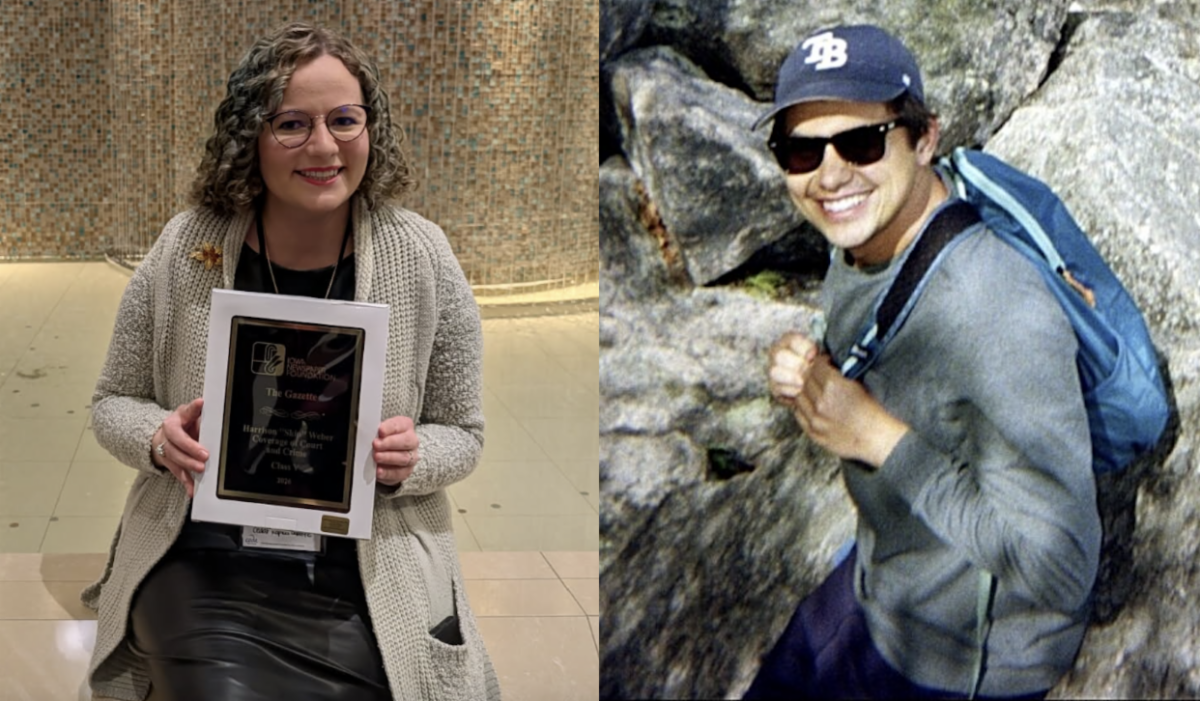
Emily Andersen joins the newsroom as a watchdog and investigative reporter, while Christian Casale will cover local government and politics, with a focus on how policy decisions affect residents’ daily lives.
The hires mark a significant step in the newsroom’s effort to deepen its accountability reporting and strengthen coverage of local institutions.
Casale’s position is funded through a grant from the Gulf Coast Community Foundation, supporting expanded reporting on local government at a time when many communities are seeing reduced coverage of public agencies.
“Supporting local, grassroots journalism is essential to ensuring communities have access to the information they need to make informed decisions,” said Phillip Lanham, Gulf Coast Community Foundation President and CEO. “Suncoast Searchlight helps shine a light on issues that matter locally and reinforces the informed civic engagement our community depends on.”
| |
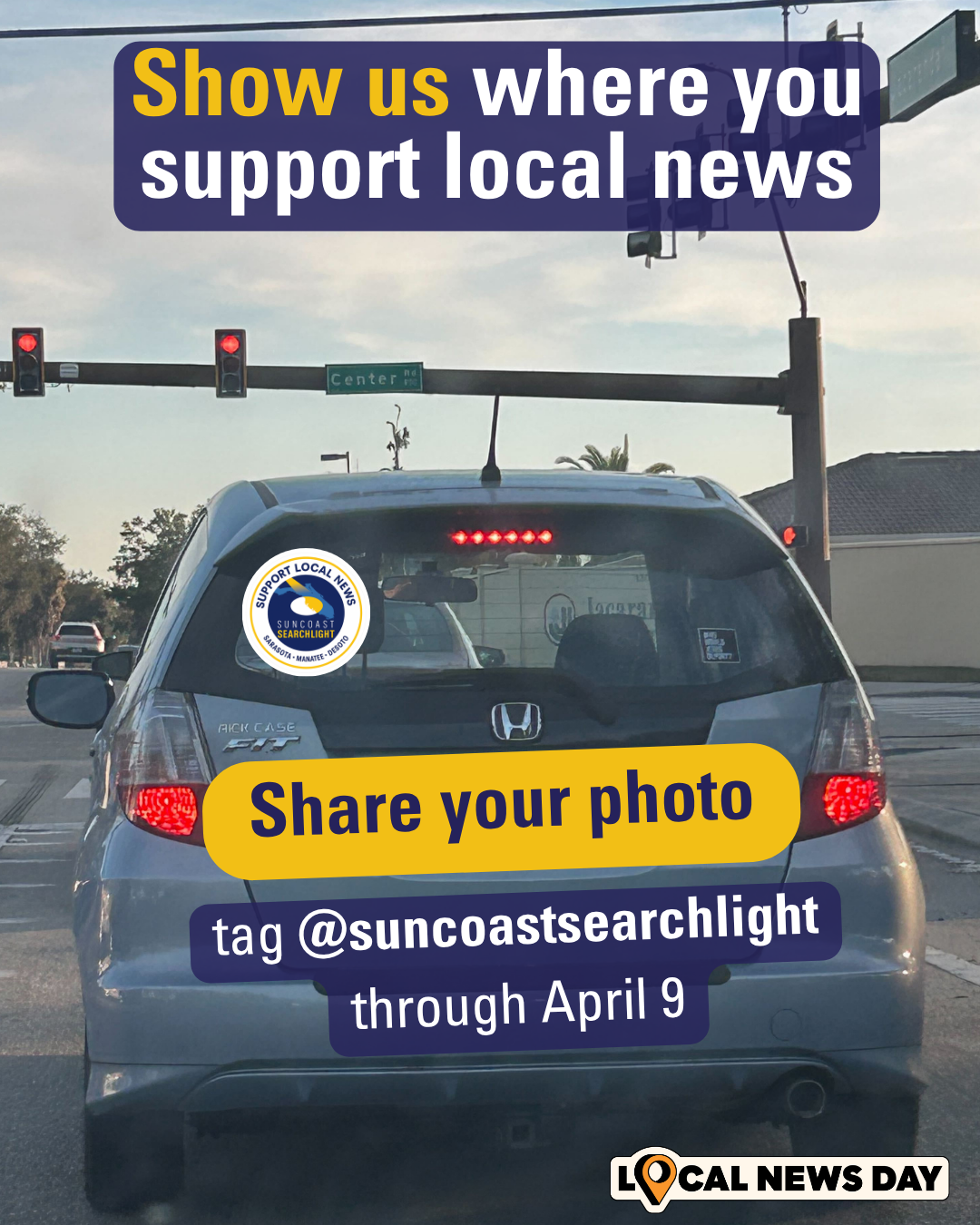
RESIDENTS ARE SPOTTING STICKERS IN THE WILD AHEAD OF LOCAL NEWS DAY ON APRIL 9
Residents have started spotting Suncoast Searchlight stickers out in the community, on cars at stoplights, laptops at coffee shops and water bottles people carry every day.
It’s a small thing, but it’s a reminder that local news deserves a place in our everyday lives.
With Local News Day coming up on April 9, we’re inviting you to join in. If you have a Suncoast Searchlight sticker, snap a photo and share it on social media. Tag @suncoastsearchlight and use #LocalNewsDay so we can see it.
We’ll be sharing some of our favorites on social media and featuring them in our April 10 newsletter.
Don’t have a sticker yet? Email us by Monday, April 6, and we’ll arrange to get one to you.
| | |
Suncoast Searchlight partners with Gigafact to produce weekly fact briefs — concise, 150-word news stories that take real claims circulating online and fact-check them. Each brief offers a direct “yes” or “no” answer to the question or claim, followed by a clear explanation backed up by credible, high-quality sources.
THIS WEEK'S FACT BRIEFS:
| |
Searchlight Series Presents: Beneath the Surface
Join Suncoast Searchlight and the Science and Environment Council for a conversation about issues shaping our community, from water quality and wildlife to coastal resilience and growth.
April 15 | Doors open at 2:30pm, program is from 3:00-4:30 PM
Bayfront Community Center (Bay Park Conservancy)
Register →
| | HERE'S WHAT ELSE IS COMING UP IN THE SEARCHLIGHT SERIES | |
Join us for our public records series, presented in partnership with Gulf Coast Community Foundation, as we walk through real stories shaped by public records and explore how documents, delays and discoveries become accountability reporting.
Public Records for Watchdogs
Advanced workshop with Michael Barfield
April 10 | 12:30 PM
Gulf Coast Community Foundation – Sarasota Philanthropy Center
A deeper dive into the investigative strategies journalists use to uncover records, navigate denials and follow the paper trail behind accountability reporting.
Register →
| | HERE'S WHAT ELSE WE RECOMMEND READING THIS WEEK | | |
'WORSE OF THE WORST?' WSLR ANALYSIS OF SARASOTA DATA CONTRADICTS ICE CLAIMS
FROM WSLR
The Sarasota County Sheriff’s Office is one of the most active local law enforcement agencies in Florida when it comes to ICE referrals. Kurt Hoffman describes all arrests of undocumented immigrants as prompted by “criminal offenses.” But how many people ending up in the deportation machine really are “worst of the worst” offenders? Ramon Lopez pored over the hundreds of ICE referrals coming out of the Sarasota County Jail since early last year.
READ/HEAR THE STORY HERE
AS FLORIDA RESTRICTED ABORTION, STATE'S MATERNAL MORTALITY COMMITTEE WENT DARK
FROM FLORIDA TRIB
But the secretive panel housed within the Florida Department of Health hadn’t publicly released any annual findings in years until a Florida Trib reporter asked agency officials last week about the committee’s apparent lack of action. That years-long blackout covered a time during which critics have accused Gov. Ron DeSantis and his surgeon general who oversees FDOH, Joseph Ladapo, of politicizing public health, and when the state enacted a near-total abortion ban – which researchers have found has led to increased maternal deaths in other states with similar laws.
READ THE STORY HERE
A WIN FOR DEVELOPERS? FLORIDA LAWMAKERS FAIL TO RESTORE LOCAL CONTROL OVER GROWTH
FROM BRADENTON HERALD
A controversial Florida law that gives developers and state agencies broad veto powers over local government could remain in place for at least another year. Senate Bill 180 became law in 2025. Since then, Gov. Ron DeSantis’ administration and developers have used the law to block local governments from passing measures to slow down growth, update building codes or strengthen local environmental protections.
READ THE STORY HERE
LAWSUITS FILED AFTER DESANTIS SIGNS FLORIDA BILL REQUIRING VOTERS TO PROVE CITIZENSHIP
FROM WUSF
Shortly after Gov. Ron DeSantis signed a bill on Wednesday requiring Florida voters to prove their citizenship, two federal lawsuits were filed against it by voting rights groups claiming the measure will disenfranchise eligible voters and create unnecessary barriers. The law (HB 991) changes how voters prove their U.S. citizenship. Starting next year, the state will verify citizenship using driver's licenses or government records like birth certificates and passports. It also eliminates student and retirement home IDs to verify voter eligibility. This legislation is Florida's version of the federal Safeguard America Voter Eligibility (SAVE) America Act, a proposal - currently stalled in Congress - that would restrict mail-in ballots, which Florida's measure does not do.
READ THE STORY HERE
THE DETAILS BEHIND SARASOTA COUNTY'S STICKNEY POINT LAND DEAL
FROM BUSINESS OBSERVER
The purchase, which could close by summer, is for $18.1 million — and could rise to $21.36 million with other costs, including redeveloping it into a park with increased water access for residents. The acquisition would be the largest purchase ever made in the 21-year history of the county’s Neighborhood Parkland Acquisition Program, a county spokesperson says. The purchase has also generated a flood of questions. For one, how did the deal come together? What will happen to the array of tenants — and who and what will replace the tax base those entities generate? Two more: Why this property? Why now?
READ THE STORY HERE
ALTERNATIVE BURIAL OPTIONS FOUND ACROSS FLORIDA — FROM SKIN DEEP TO BELOW THE WAVES
FROM WGCU
Most people don't spend much time thinking about bodies after one dies. For some families, it becomes a constant conversation. What people decide to do with their deceased bodies can reveal everything about how they lived. WGCU talked with three families who chose a different final goodbye. Kena Alonso told her son what she wanted before she lost the ability to speak. No vault, no chemicals — just the earth. Martha Tally had a different idea about her final resting place. Instead of land, she chose the water. Cheyenne Rollerson had been carrying her dog's ashes for six years. Then she found a place where she wouldn't have to. At Artistic Soul Tattoo, tattoo artist Breanna Villars mixes cremated remains directly into tattoo ink.
READ/VIEW THE STORY HERE
PRIZES AND NEW ADDITIONS HELP HERMITAGE ARTIST RETREAT EXPAND REACH
FROM ARTSBEAT
For more than two decades, hundreds of writers, painters, composers, dancers and others have come to the Hermitage Artist Retreat on Manasota Key for inspiration to create new work. They stay in historic, waterfront cottages as they develop new exhibits, prepare for premieres of plays and symphonies, share ideas with other creatives on the campus or take time to recharge by walking on the beach and watching sunsets.
READ THE STORY HERE
PINELLAS TEACHER STRUCK BY LIGHTNING IN PERU IS FINALLY HOME
FROM TAMPA BAY TIMES
James Fernandez sat in a wheelchair in his sunny living room in Clearwater wearing the nylon shorts, flat brimmed cap and New Balances of a hiker, plus some effortlessly cool beard scruff. The Palm Harbor Middle School science teacher who’d charmed students and their parents with his enthusiasm was surrounded by the ephemera of his world travels. There were shells, prints of snakes and birds, a stack of National Geographic magazines and a seed-pod rattle. Above that, a woven llama tapestry purchased during his fateful trip to Peru. The trip nearly killed the 42-year-old father of two, paralyzing him from the neck down.
READ THE STORY HERE
CLIMATE CHAMPIONS HONORED FOR HELPING SOUTHWEST FLORIDA ADAPT TO CHANGE
FROM SARASOTA HERALD-TRIBUNE
Community leaders, scientists, business executives, and public officials gathered recently in Sarasota for the fourth annual Climate Champions Awards hosted by the Climate Adaptation Center. The event recognized three regional leaders whose work is helping Southwest Florida prepare for stronger storms, rising seas, and the growing impacts of climate change. The Beacon Award, the CAC’s highest honor for climate adaptation leadership, was presented to Sara Kane, sustainability and resilience manager for Sarasota County; Charlie Hunsicker, director of natural resources for Manatee County; and John LaCivita, president and CEO of Willis Smith Construction.
READ THE STORY HERE
FRUITVILLE ROAD CONSTRUCTION DECLARED A PERMANENT LANDMARK (APRIL FOOL'S!)
BY SARASOTA MAGAZINE
In a surprise announcement this week, the Florida Department of Transportation declared the ongoing construction along Fruitville Road a “Permanent Heritage Project,” citing its unique contribution to the city’s urban rhythm. According to officials, the project will never be truly finished, ensuring that future generations can continue experiencing the meditative joy of perpetual construction. To keep the experience fresh, officials promise to continue reorganizing lanes, repainting lines and conducting other spontaneous traffic pattern experiments designed to make Fruitville feel like an ever-changing work of art.
READ THE STORY, ER JOKE, HERE
| | |
DID YOU MISS OUR PREVIOUS NEWSLETTER?
HERE'S WHAT WE SHARED:
| | |
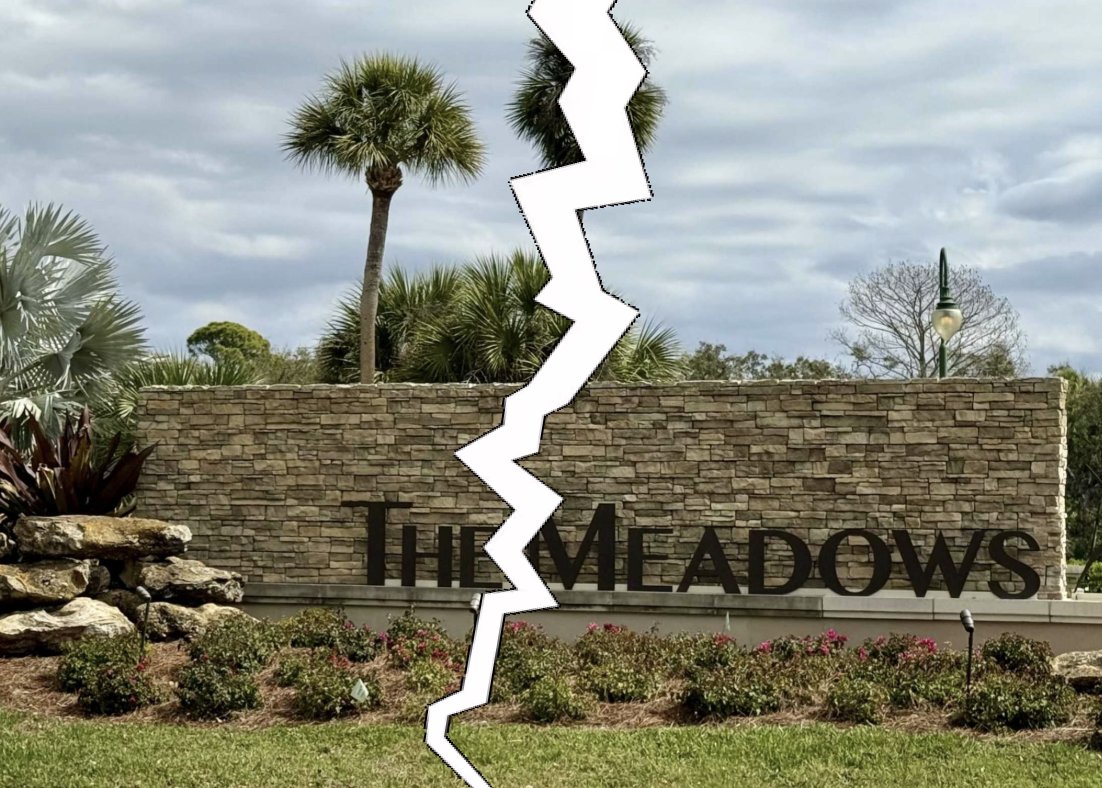
GOLF DEAL FALLOUT DEEPENS DIVISIONS IN THE MEADOWS
Weeks after a controversial decision to lease its golf courses to Benderson Development Co., The Meadows is still grappling with the fallout.
The dispute inside one of Sarasota County’s oldest and largest planned communities has grown beyond the deal itself, spilling into board meetings, neighborhood interactions and competing efforts to influence residents ahead of an ongoing election.
An HOA candidate forum was abruptly canceled. Security was called to a confrontation involving residents and board members. And dueling messages — one from the board, another from a resident-run blog — each accused the other of misleading neighbors.
The conflict in The Meadows is a case study in how homeowner associations can struggle under the weight of high-stakes decisions, turning disagreements among neighbors into broader fights over control, trust and the future of their community.
Florida is one of the most HOA-governed states in the country, with millions of residents living in deed-restricted communities run by elected boards. These associations function as private governments, often wielding authority over finances, land use and daily life — but with less civic participation than their public counterparts.
Experts said that dynamic can make conflict inevitable, especially when decisions reshape the character or value of a community.
| |
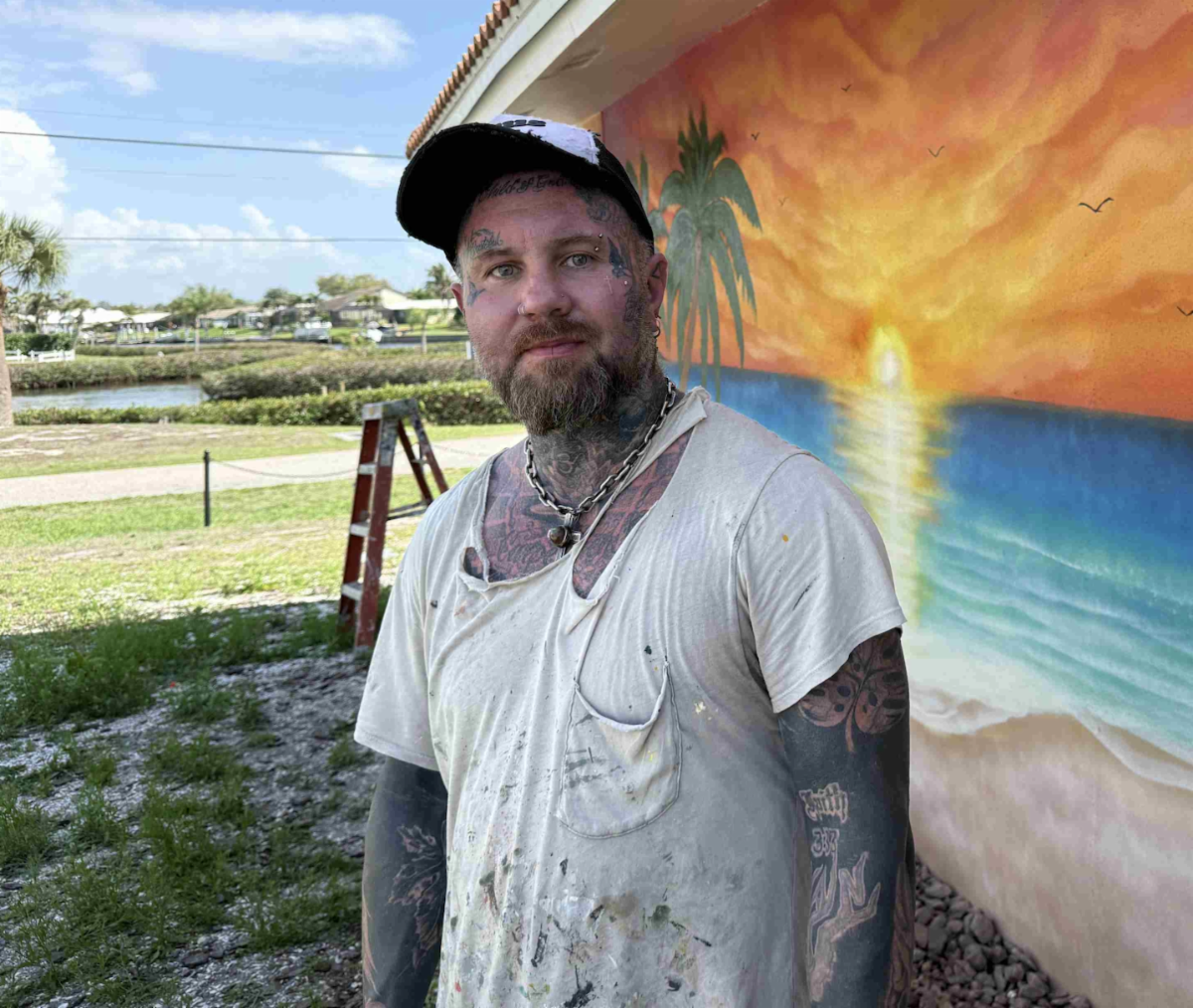
SARASOTA ERASED DOWNTOWN ART WITHOUT PUBLIC NOTICE, ARTISTS NOW SEEK DAMAGES
David Blanch labored for hours in the spring of 2024 painting a Sarasota sunset that transformed two sidewalk panels on Pineapple Avenue into a burst of pink, blue and yellow.
It wasn’t a big payday — just a couple hundred dollars. But participating in the city’s Avenue of Art initiative was something the professional artist hoped would bring joy to people strolling downtown.
In August, he learned the city ground away his art in a cloud of concrete dust.
“It was the most ridiculous thing a city could ever do,” the 40-year-old Sarasota resident said.
Within a matter of days last summer, the city removed hundreds of feet of sidewalk art that had drawn visitors downtown for years, rushing to comply with a Florida Department of Transportation memo warning against paint covering public right-of-ways.
Blanch is one of at least nine sidewalk artists who have since filed legal notices against Sarasota, claiming the city violated their rights by removing the art without first notifying them. The individual claims — filed under the Visual Artists Rights Act, or VARA — seek anywhere from $1,200 to $150,000.
Public records show the city’s decision to remove the artwork unfolded largely behind the scenes — with no public discussion and little evidence officials considered challenging FDOT’s directive even after a state official notified them there was an administrative path to do so.
Emails obtained by Suncoast Searchlight and ArtsBeat show Sarasota officials moved quickly to comply with the directive as they faced the threat of losing $67 million in state funding.
| |
DECISIONS ARE BURIED IN PUBLIC RECORDS. HERE'S HOW TO ACCESS THEM IN FLORIDA
At a time when access to government records is increasingly under pressure — and key decisions are often buried within them — a series of upcoming community events aims to show Suncoast residents how to find and use public information for themselves.
Suncoast Searchlight will host two free public workshops focused on accessing public records, one of the most powerful, and often overlooked, tools available to everyday citizens. The events are part of the newsroom’s ongoing community engagement series, presented in partnership with Gulf Coast Community Foundation.
The workshops will come on the heels of Sunshine Week, a national initiative held March 16–20 that promotes transparency, open government and the public’s right to know.
“These laws aren't about journalists. Journalists use them because they're trying to get information on behalf of the public, but really, this is for the public,” said David Cuillier, director of the Joseph L. Brechner Freedom of Information Project at the University of Florida, who also participated in an earlier virtual session about public records hosted by Suncoast Searchlight this month.
The upcoming sessions — scheduled for March 31 and April 10 — are designed to take that foundation a step further, offering practical guidance on how to request records and how to use them.
| | |
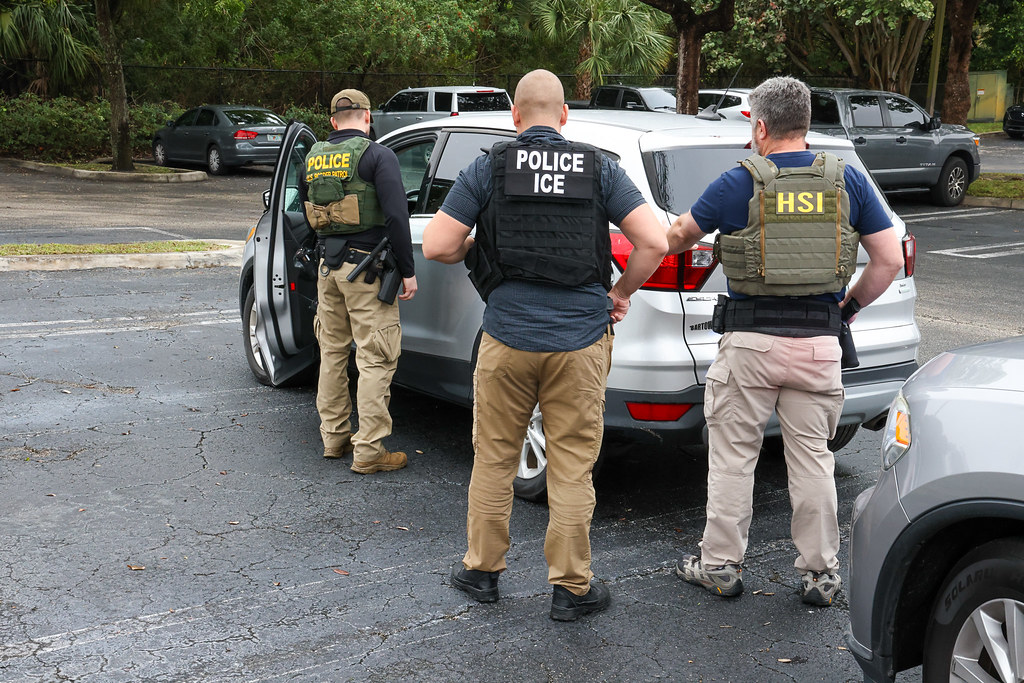
ICE TO EXPAND FOOTPRINT IN SOUTHWEST FLORIDA, SEEKING COWORKING SPACES
Employees using co-working spaces around Southwest Florida could soon get new officemates: U.S. Immigration and Customs Enforcement personnel.
As ICE expands operations throughout the country, the agency is seeking flexible working space for its employees in 11 Florida cities, including Sarasota and Bradenton.
The push comes as Florida leads the nation in ICE apprehensions, and local law enforcement cash in on state funding for immigration enforcement – with the Sarasota County Sheriff’s Office bringing in more than $1.1 million from Florida’s State Board of Immigration Enforcement in February.
The federal agency has identified more cities in Florida than any other state where it is seeking office space, followed by Arizona and California, according to documents posted to a government procurement website.
The focus on Florida reflects how the state has furthered President Donald Trump’s deportation agenda through local cooperation – without high-profile sweeps like those in Minneapolis, Los Angeles, Chicago and other prominent blue cities.
The national push would see roughly 300 federal employees placed in flexible office spaces across 90 cities. In a statement, an ICE spokesperson wrote that the agency has increased its national presence by 12,000 “officers and agents on the ground,” but declined to answer questions about its work in Sarasota and Bradenton.
| |
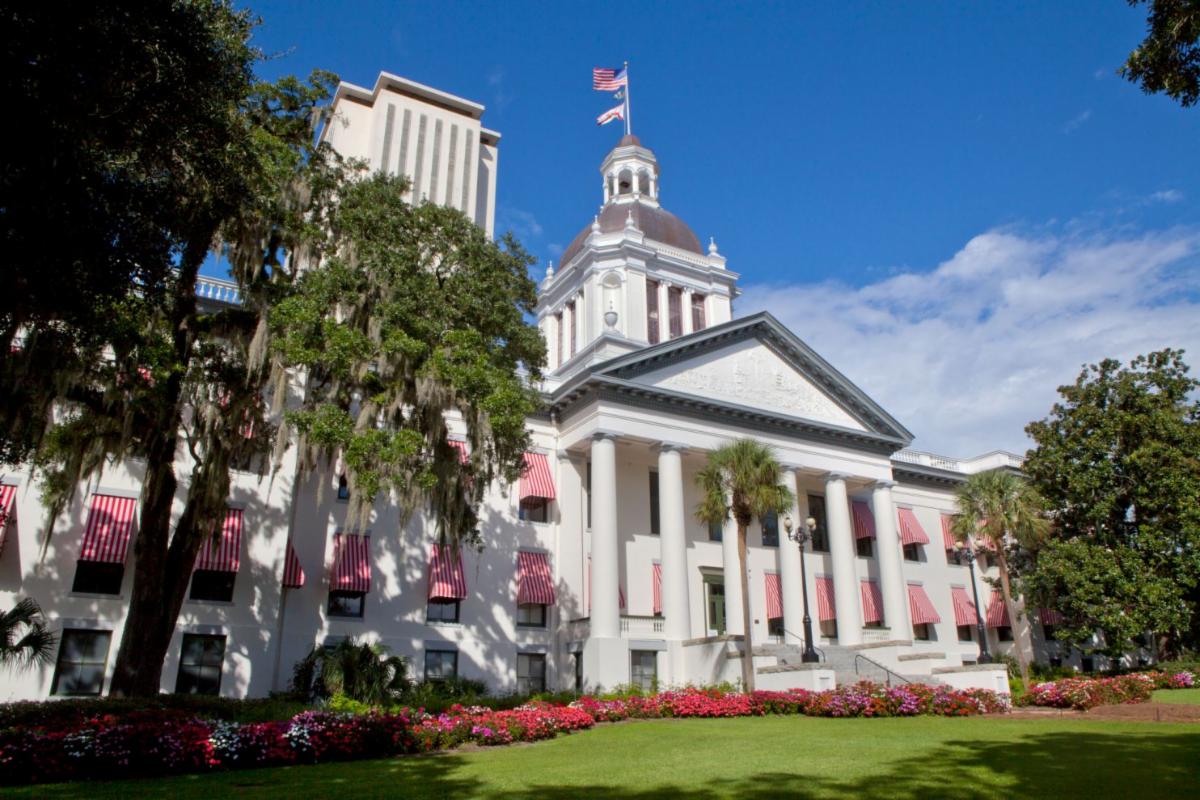
LESS SUNSHINE, MORE SECRECY AS FLORIDA LIMITS PUBLIC RECORDS ACCESS
After state lawmakers introduced dozens of measures this year restricting access to government records, only a few cleared the Florida Legislature. But open government advocates warn the ones that did pass could substantially limit transparency.
Lawmakers proposed more than 50 such measures, which ranged from increasing privacy for individuals on the Parkinson’s disease registry to exempting records regarding the selection of data center sites from public disclosure. More than a dozen of the bills would have shielded the personal information of different government employees from public view.
Fewer than 10 will ultimately reach Gov. Ron DeSantis’s desk to be signed into law. Government watchdog groups say this year’s legislation reflects a longstanding trend toward government secrecy in the Sunshine State.
“In Florida and throughout the country, we're seeing more and more bills being introduced to keep records secret from the public,” said David Cuillier, director of the Joseph L. Brechner Freedom of Information Project at the University of Florida. “The exemptions just keep piling up every year.”
One of the bills that cleared the Legislature would allow agencies to withhold from the public the names of crime victims — including temporarily shielding the identities of law enforcement officers who say they were assaulted or threatened on the job. The bill expands on the victim’s rights measure known as Marsy’s Law, which blocks sensitive information about crime victims from public view. This measure specifies that the names of victims are exempt.
It comes just two years after the Florida Supreme Court prevented law enforcement officers from hiding their identities under that law.
| |
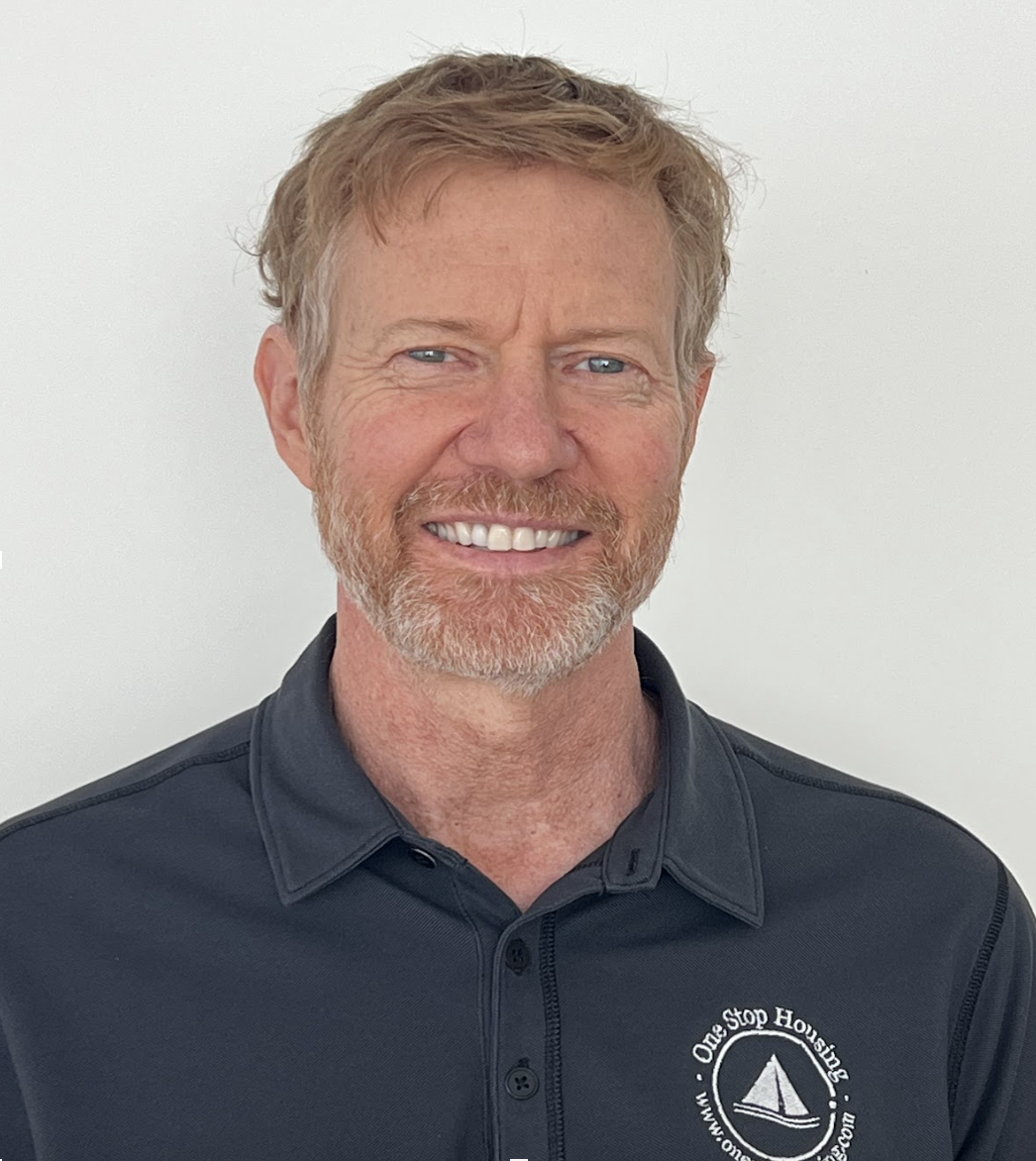
HOW MARK VENGROFF BECAME A MAJOR FORCE IN AFFORDABLE HOUSING ON THE SUNCOAST
A few years ago, Sarasota affordable housing developer Mark Vengroff tried to buy the Magic Castle Inn and Suites in Kissimmee.
Made famous in the 2017 film “The Florida Project,” the faded purple motel a few miles from Disney World served on screen — and in real life — as a last refuge for struggling families living on the edge of homelessness.
For decades, properties like that were the backbone of the Vengroff family’s approach to affordable housing. Mark’s father, Harvey Vengroff, built a business buying aging motels, renovating the rooms into efficiency apartments and renting them at prices low-income tenants could afford.
The Magic Castle would have fit the model perfectly.
But the deal never happened.
“We couldn’t make the numbers work,” Mark Vengroff told Suncoast Searchlight during a wide-ranging interview at his office on North Tamiami Trail, where another former motel he converted now operates as affordable apartments.
Today, Mark Vengroff is moving away from the motel conversions that defined his late father’s legacy and toward a different strategy: building new affordable apartment complexes from the ground up, often financed through a patchwork of public subsidies and philanthropic support.
| |
GOT A TIP OR STORY IDEA?
Share your tips and story ideas using our online form. Your name and contact info will be kept confidential.
| |
|
Suncoast Searchlight is a 501c3 nonprofit news organization whose mission is to produce investigative and explanatory journalism that serves and empowers the residents of Florida’s Suncoast region (Sarasota, Manatee, and DeSoto counties). We shine a light on critical issues affecting our community. Through independent reporting and collaboration with diverse media partners, we foster transparency, accountability and an informed citizenry, ensuring that all voices are heard and that the public has access to the information they need to drive meaningful change.
CONTACT US:
Suncoast Searchlight
PO Box 99 Sarasota, FL 34230
(941) 724-4450
| | www.suncoastsearchlight.org |
| | | |