The teachers were on strike yesterday. I don’t think many people noticed.
There was a bit on the telly. A minister said something.
If your kids couldn’t go to school and you couldn’t go to work, you'll have something to say, that’s for sure.
Step forward granny, sister, neighbour or stay at home.
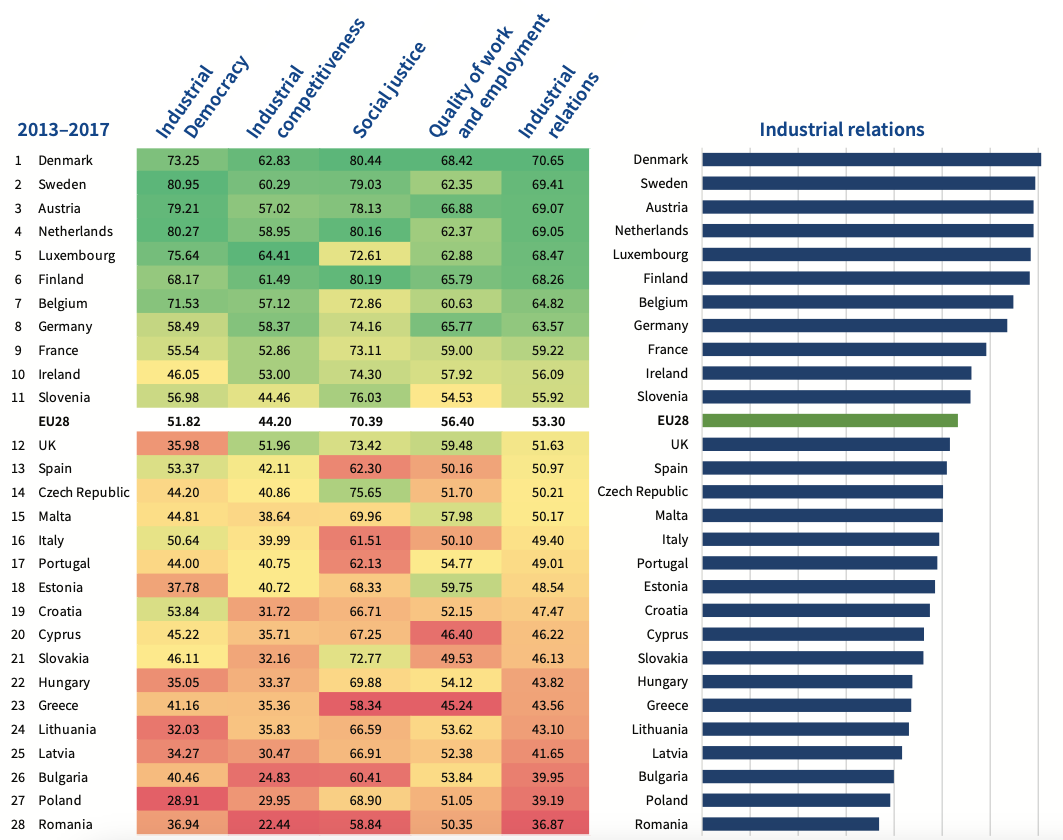
Industrial relations are at an all time low. No one seems particularly bothered.
The nurses have been in some sort of talks since last Thursday. I’d guess, by the silence, there’s no progress, some progress, no money, some money… dunno.
It’s better the RCN are talking, than negotiating with themselves.
I think the train drivers are still more out than in? Dunno. I’ve lost track... so to speak.
The junior doctors are about to start their disruption in pursuit of what will have to be a 35% pay rise, if their ambition of pay-reinstatement is to be met.
Governments are hopeless employers. Forever bad. All of them. Every flavour. My mind goes back to, 1968.
Relations between Labour and unions were pretty bad.
The Secretary for Employment and Productivity (yes, even then they were trying to sort out productivity), Barbara Castle, wanted unions to move away from sectional interests, towards corporate responsibility for national economic and social development.
Fat chance.
She wrote a White Paper; 'In Place of Strife’…
… arguing for; the replacement of voluntary collective bargaining, with state intervention. A formal system of industrial relations and the creation of the Commission on Industrial Relations, with legal powers to regulate bargaining.
The unions didn’t like it. There was a huge row.
The PM of the day, Harold Wilson, threatened to resign. In the end the TUC offered Wilson a way out, through a 'binding and solemn' agreement that the TUC would attempt to resolve unofficial disputes.
Castle presented a watered down Industrial Relations Bill but Labour lost the upcoming election.
It was Edward Heath's turn to make a mess of industrial relations policy.
In the winter that followed, an electricity power workers strike caused the Cabinet to declare a national emergency.
More attempts at legislation and the first miners’ strike followed. Heath gave way to Thatcher and you’ll remember the rest of the story.
A bloody battle with the miners and more legislation.
Various attempts at conciliation and to move HMG away from the front line of negotiations... and the PRBs, emerged.
The system had, sort of, started in 1960, for doctors and dentists after a Royal Commission into Doctor's and Dentist's Remuneration.
The existence of a Review Body does not necessarily block the practice of collective bargaining, but its recommendations are required before a negotiated bargain is implemented.
The NHS' PRB got going in 2003.
A PRB is an arms length body, makes independent recommendations on pay in the expectations that;
Government will honour the recommendations and
Unions will not pursue national, industrial action.
Jeremy Hunt ignored the PRB recommendations in 2014 and right now...
... the unions claim that HMG’s pay-envelope constrains the review bodies and they aren’t independent…
... and have gone on strike.
The curiosity is; the actual employers are the Trusts but pay and conditions are settled via HMG.
Unions have no beef with Trusts and that’s why they cooperate with each other and do deals over derogations, which undermines national union's impact.
Both sides realise, they have to work with each other, when strikes are over.
HMG are not directly involved in the mayhem strikes cause.
The people most impacted by strikes are patients on a waiting lists.
As none of them know where they are on a waiting list… it’s hard for them to know what to get upset about and when.
One solution might be to implement existing legislation that allows Trusts to take charge of their own pay and conditions and create a place on Trust boards for union and worker representation.
Industrial democracy; shared decision-making, training and workforce planning, social justice, quality, inclusion… all too difficult for us...
>> I'm hearing - today a Public Accounts Committee report will be published, which shows the NHS will miss key targets on cancer treatment. It's hardly anything new, or we couldn't guess, is it?
>> I'm hearing - here we are, nearly March without any sign of the public health budget for April. Such late confirmation of the public health grant asks the question; do HMG care about PH? How are PH services supposed to plan, never mind deliver?