SoCo Correspondent delivers the latest news from the County of Sonoma, twice a month, to your email inbox. Subscribe in English or Spanish and share with your friends and neighbors. | | Homelessness drops to new low in Sonoma County | | |
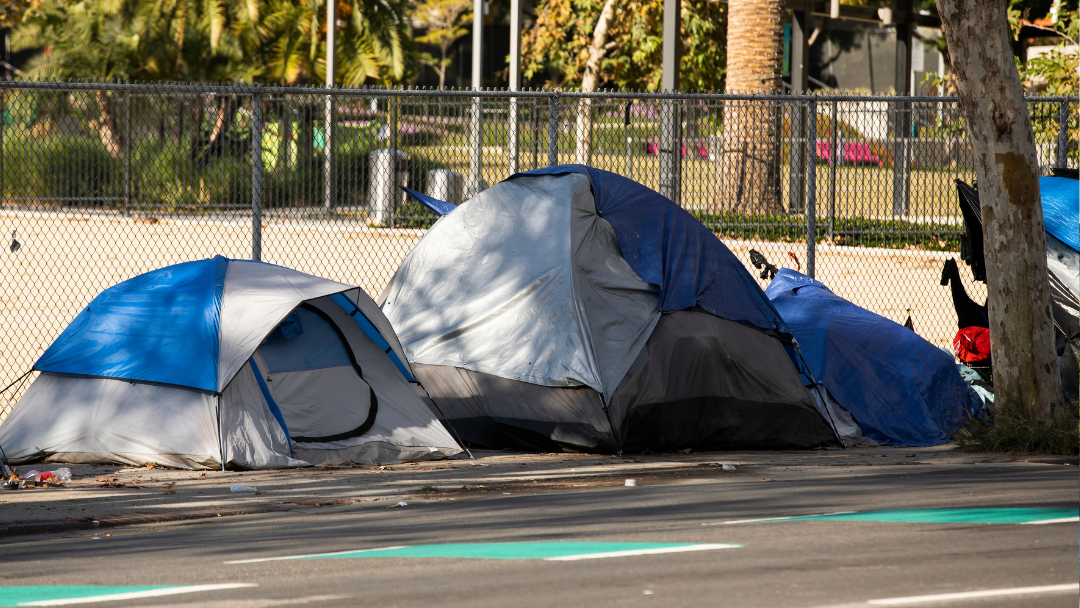
Sonoma County recorded a 23 percent drop in homelessness this year during its annual Point-in-Time Count, which identified 1,952 individuals experiencing homelessness. It is the lowest number ever recorded in Sonoma County, which began the annual census in 2007.
“It is very encouraging to see progress,” said Supervisor Lynda Hopkins, chair of the Board of Supervisors. “This year’s count reflects the tireless dedication of County staff, the Continuum of Care volunteers and our community partners – people who are showing up every day to do the hard, human work of addressing homelessness.”
County officials attribute the reduction to a series of initiatives, including permanent housing programs for people with serious mental illness and an increase in housing units set aside for people experiencing homelessness. Despite these gains, officials also noted potential reversals ahead. “We are losing funding all around the system due to state and federal funding cuts,” said Nolan Sullivan, director of the County’s Department of Health Services. “This progress that we are celebrating today can be easily turned around.”
The number of unsheltered individuals – those living outdoors or in vehicles – fell to 1,123, a decline of 29 percent. The number of people in emergency or transitional shelters dropped to 829, down 12 percent. Among specific groups, notable declines were seen in homeless veterans (down 39 percent) and young people (down 24 percent), while the number of families experiencing homelessness rose 37 percent and the number of chronically homeless individuals increased 20 percent.
The count was conducted the morning of Jan. 31 by teams across the county, representing a snapshot of homelessness at a single point in time. The numbers are preliminary; final results, including a breakdown of the count by cities and demographic data, will be issued toward the end of summer.
| | New radar will improve forecasting of atmospheric rivers | | |
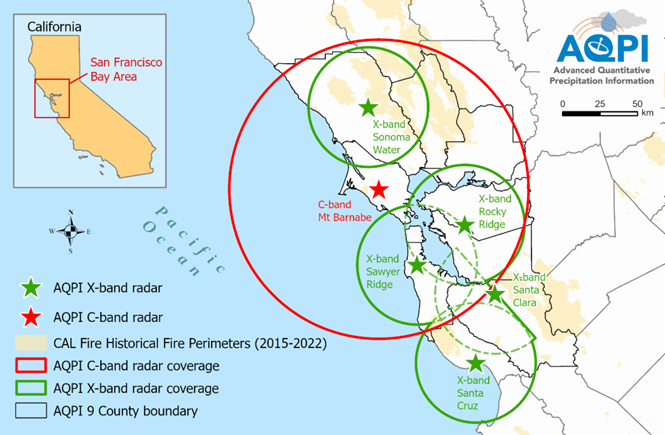
The red circle shows the range of the new radar system that will be constructed on Mt. Barnabe.
A powerful, new weather radar system on Mt. Barnabe in Marin County will soon help forecasters better predict where and when the most intense storms will hit Sonoma County and the Bay Area.
On June 3, Sonoma Water’s board of directors approved a $515,860 contract with Ghilotti Construction Co. to build the radar’s supporting infrastructure. The C-Band radar will enhance tracking of atmospheric rivers, the moisture-packed storms that are both vital to California’s water supply and capable of causing destructive floods when they stall over an area. Accurate forecasting of their timing, strength and landfall location will improve emergency response and allow officials to store more water in our reservoirs until releases are absolutely necessary.
“As climate-driven atmospheric rivers grow more intense, so must our ability to anticipate and respond,” said Supervisor Lynda Hopkins, who serves as chair of Sonoma Water’s board of directors. “This new radar will close a critical blind spot in our storm detection system, giving us precious lead time to protect people, property and water supplies. It’s a prime example of how science and regional partnerships can make the Bay Area smarter and safer.”
The Mt. Barnabe radar is part of the Advanced Quantitative Precipitation Information System, a regional collaboration among Sonoma Water, NOAA, Scripps Institution of Oceanography, Colorado State University and others. It is funded primarily by a $19.8 million state grant. Construction is set to begin next month, with the system expected to be operational by early 2026.
| | Conservation Sonoma: a vision for habitat protection and smart growth | | |
As Sonoma County continues to grow, balancing development with environmental stewardship is more critical than ever. That’s the mission behind Conservation Sonoma, a countywide initiative to protect sensitive habitats and endangered species while streamlining environmental permitting processes.
The effort, launched in 2024, is led by Permit Sonoma in partnership with the California Department of Fish and Wildlife and the cities of Santa Rosa, Cotati, Petaluma and Windsor. It will result in a Habitat Conservation Plan under federal law and a Natural Community Conservation Plan under state law. The joint document will guide a more coordinated, science-based approach to conservation and land use across Sonoma County.
Once complete, Conservation Sonoma will allow for more efficient environmental reviews while ensuring that endangered species protections are built into regional planning. The benefits include stronger habitat conservation, better alignment with state and federal laws, and clearer expectations for landowners and developers undertaking projects in Sonoma County.
Permit Sonoma is currently accepting applications for the Public Advisory Committee, which will meet quarterly to discuss the plan and shape its development. Applications are due by noon on June 30. Residents can learn more about Conservation Sonoma and participate in this initiative by visiting permitsonoma.org/conservationsonoma.
| | Learn about County’s plan for the next drought at online meeting tonight | | |
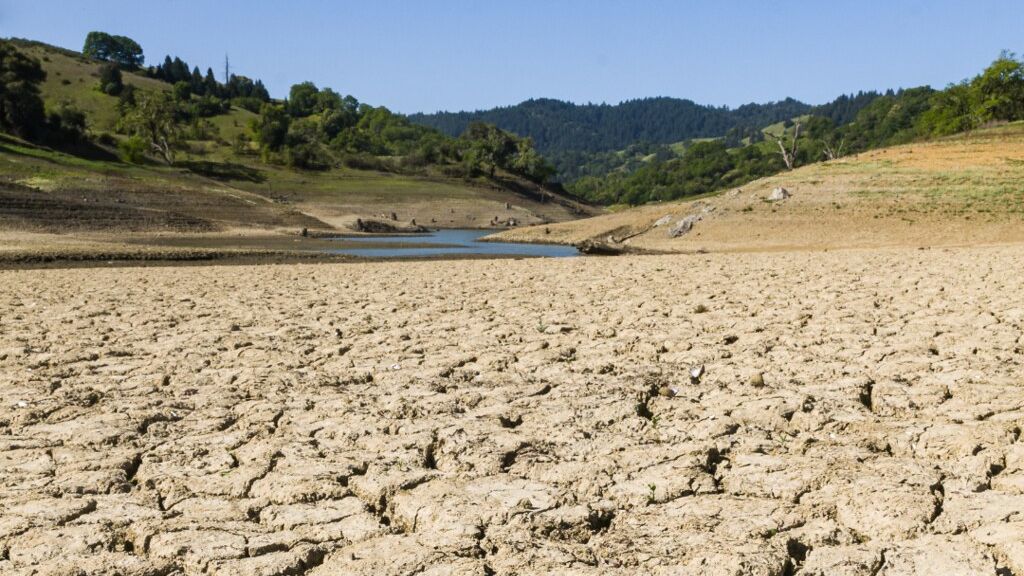
Climate change is increasing the frequency and severity of droughts. In response, the County’s Department of Emergency Management is developing measures to respond to future droughts and water shortages in our community.
Well owners and residents who rely on small water suppliers are invited to attend an online meeting at 6 p.m. tonight (June 26) to learn about the County’s new Drought Resilience Plan. The hour-long meeting will provide an overview of the plan, short-term response actions and long-term mitigation strategies. A Q&A will follow the presentation.
The plan is part of the County’s response to SB 552, a state law that requires local governments to play a more active role in drought planning. Under this law, counties must assess water shortage risks and prepare solutions for homes that aren’t connected to large municipal water systems. These small systems, which serve fewer than 3,000 customers, are especially vulnerable during dry years.
Register here to attend the meeting on Microsoft Teams or join by phone at (707) 582-0058 using Meeting Code 704561888#
| | Simulated plane crash tests emergency readiness at Sonoma County airport | | |
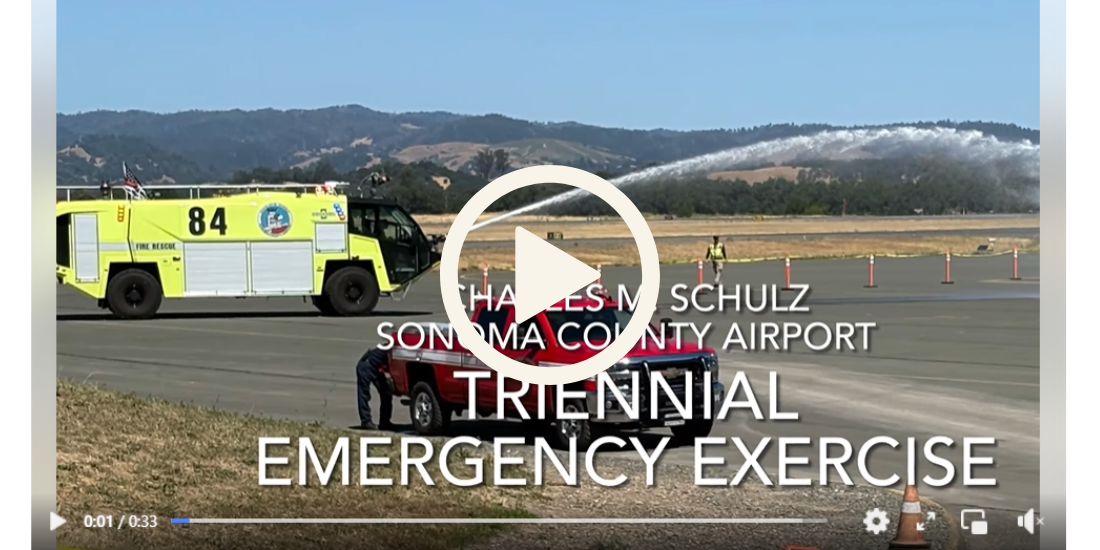
The drill was intentionally designed to mirror the chaos of a plane crash. Injured passengers lay on the ground. Flames and smoke billowed into the air. Ambulances lined up on the tarmac.
The scene, which unfolded June 17 at Charles M. Schulz – Sonoma County Airport, was part of a federally-mandated emergency exercise that takes place every three years at commercial airports across the United States.
More than 150 people took part in the simulation, including first responders, law enforcement officers, airline employees, airport staff and community volunteers acting as passengers. Federal Aviation Administration observers evaluated the airport’s response, which included establishing a unified command, firefighting and rescue operations, triaging and treating simulated injuries, and managing interagency communication under pressure.
The goal is not only to train but to learn, and the airport passed the test. Airport officials will now analyze the exercise and use the findings to improve emergency procedures and interagency coordination.
| | Faces of Sonoma County: Meet Brita Sanders | | This is part of an ongoing series of profiles highlighting public servants across a variety of departments at the County of Sonoma. | | |
Name: Brita Sanders
Title: Correctional Deputy II
Years with County: 7
Personal side: I was born and raised in the South Bay and moved to the North Bay in 2017. During the week, I live in northern Sonoma County, and on weekends, I spend time in Mendocino County with my significant other. Together, we have 10 dogs, six cats, more than 50 chickens (yes, I lost count), 15 ducks, five guinea hens, two pigs, and a small herd of more than 30 goats and sheep.
Education and/or certifications: I have a bachelor's degree in interdisciplinary studies, focusing on criminology, criminal justice and sociology from Arizona State University. I am currently applying for a master’s degree in criminal justice administration.
What do you do? I serve as a Correctional Deputy in the Detention Division at the Sonoma County Sheriff’s Office. Correctional Deputies manage the daily operations of incarcerated individuals to ensure their safety, security and proper care.
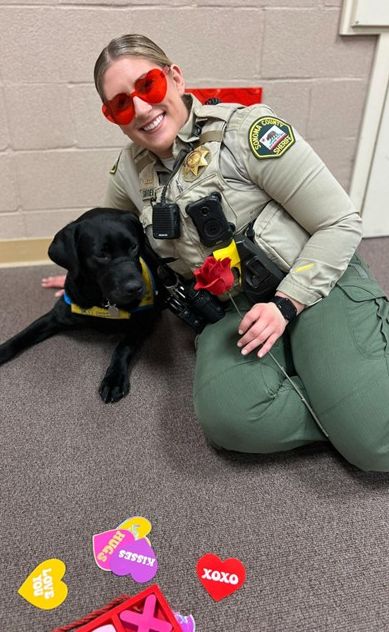
I currently work as the Contact Visiting Deputy, where I facilitate contact visits between incarcerated individuals and professionals. These visitors include attorneys, investigators, mental health professionals and representatives from Child Protective Services, who conduct reunification visits for minor children and their incarcerated parent(s). Additionally, I collaborate with community-based organizations to secure housing for incarcerated individuals facing homelessness upon their release. I also conduct jail tours for local high schools and coordinate volunteers from Paws for Purple Hearts for our weekly K-9 Intervention Therapy Program.
During my time in the Detention Division, I have participated in various specialized teams, including those that span across different divisions. My involvement includes serving on the Facility Training Officer Team, the Mental Health Team, the Peer Support Team, the Wellness Team, the Defensive Tactics Team, the Fire and Life Safety Team, the Jail Programs and Services Team, the Social Media Team, and the Crisis Communications Team.
What gives you fulfillment? I am passionate about making a difference, inspiring others, and promoting transparency within the Sheriff’s Office. One of my favorite aspects of the job is attending a monthly support group for families of incarcerated individuals. This group, hosted by Buckelew Programs at the Main Adult Detention Facility, helps families understand mental illness and substance use issues within the correctional system. During these meetings, we provide families with valuable insights into jail processes and available resources. It brings me great joy to help bridge the gap between the Sheriff’s Office and the community, offering family members a sense of humanity in challenging circumstances. Moreover, these gatherings foster a supportive environment where participants can share their experiences, ask questions and express concerns. It's heartening to witness the camaraderie that develops among family members as they realize they are not alone in their struggles. This collective support not only empowers individuals but also strengthens the community as a whole.
Overall, my involvement in these initiatives has reinforced my belief in the importance of community engagement and open communication. As we continue to build trust and transparency, I am hopeful that we can create a more compassionate and informed approach to addressing the needs of people affected by the criminal justice system.
What is one of the biggest misconceptions about correctional deputies? One of the most pervasive misconceptions about our profession is that we are merely “guards” who do not belong in the law enforcement community. Contrary to popular belief, we are peace officers – dedicated professionals who have taken a solemn oath to uphold and defend the Constitution of the United States against all enemies, ensuring public safety and adherence to the law within our facilities.
Our daily work is both dangerous and demanding. Unfortunately, the narrative commonly portrayed by headlines focuses on allegations of misconduct by correctional deputies, which perpetuates a skewed image of our responsibilities and actions. The significant positive contributions of corrections – which prioritize public safety, accountability and rehabilitation – seldom receive the spotlight they deserve. We are not the corrupt, violent, or power-hungry figures often depicted in movies, TV dramas and news stories; rather, we are committed professionals striving to maintain order, security and rehabilitation in our facilities.
Working in corrections necessitates an extraordinary level of courage. Correctional deputies face the persistent threat of assault and violence on the job. Such experiences create significant emotional and psychological tolls, making it exceedingly difficult to leave the burdens of work behind at the end of each day. Alarmingly, the average life expectancy of a correctional officer in the United States stands at just 59 years, far below the national average life expectancy of 78.5 years. Correctional officers also experience significantly higher rates of suicide and divorce, compared to the average American. These statistics reflect the deep-seated challenges and struggles faced by those of us in the correctional profession, underscoring the importance of mental health support and awareness.
Passions outside of work? I find joy in the embrace of the gym and the great outdoors, whether I’m fishing, embarking on hunting adventures, traversing hiking trails, camping beneath the stars, or cruising on my motorcycle. My greatest delight, however, is exploring new restaurants; currently, my favorite spot to eat is at the Corner Project in Geyserville!
| | Valley of the Moon Children’s Center turns 20 | | |
Twenty years ago, Sonoma County entered a new era in its efforts to protect young people suffering from abuse, neglect or abandonment. On June 1, 2005, the Human Services Department opened Valley of the Moon Children’s Center, the County’s only 24-hour emergency facility for foster youth.
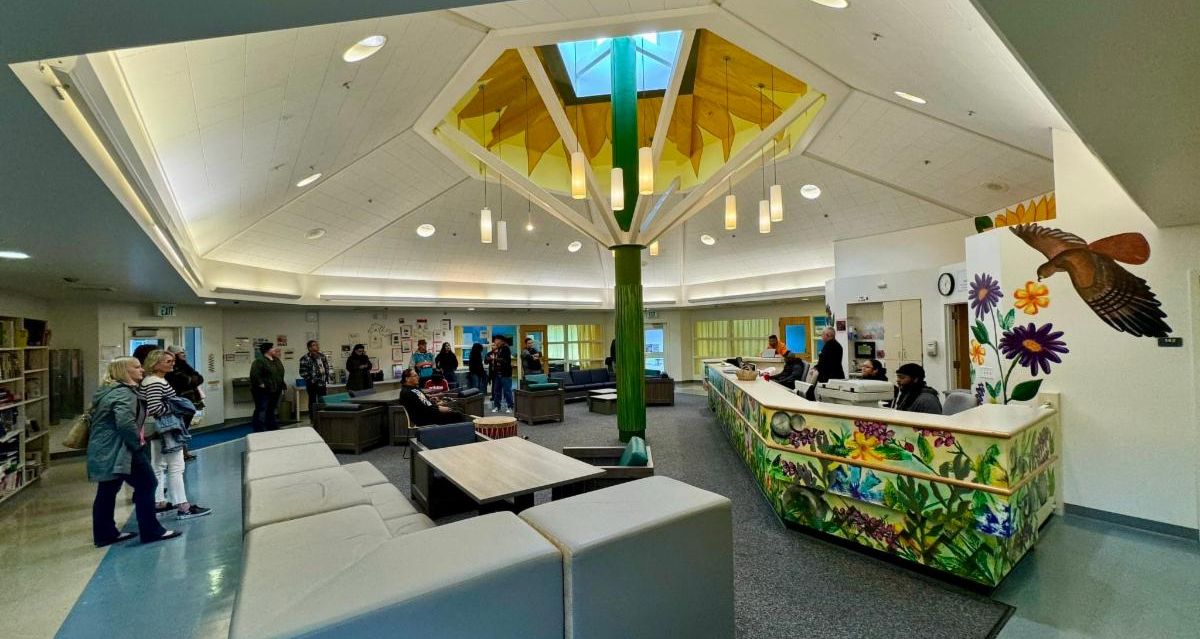
The “New Moon,” as staff affectionately call it, replaced the County’s aging children’s home at the foot of Hood Mountain and tripled its capacity. The new facility added onsite medical and dental services, a commercial kitchen, and training space for foster families. Over the last two decades, nearly 4,000 foster youth have passed through its doors, beginning their healing journey in a safe, stable environment while social workers attempt to reunite them with families or identify long-term homes.
The center continues to adapt to the evolving needs of youth. Last July, the County launched a three-year pilot program offering intensive mental health care to foster youth in crisis. Sonoma County is only the second county in California to operate its own Short-Term Residential Therapeutic Program. By reducing long wait times and keeping young people close to their support networks, the program helps preserve continuity and trust.
“This 20th anniversary is a reminder about what is possible when a community commits to uplifting all of our children,” said District 1 Supervisor Rebecca Hermosillo, who represents the Sonoma Valley. “Every child deserves a place where they feel safe, supported, cared for and seen. For two decades, Valley of the Moon Children’s Center has been that place for thousands of foster youth, right here in Sonoma County. This milestone is a testament to what we can achieve when we put our hearts and resources together to help our most vulnerable youth.”
The facility’s transformation is the result of a partnership between the Human Services Department and Valley of the Moon Children’s Foundation, a nonprofit founded in 1994 to support local foster youth and enrich the lives of children in the emergency shelter.
Looking ahead, the Human Services Department remains focused on building services that allow foster youth to heal, grow and thrive here in Sonoma County. The center’s continued evolution reflects a commitment to care that adapts with the times and centers youth every step of the way.
| | Join the conversation at SoCo Chat | | |
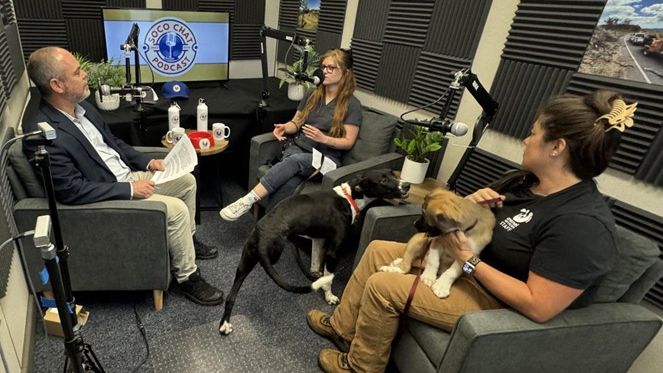
From left, Matt Brown, supervising communications specialist, speaks with Emma Diemert, supervisor at the Sonoma County Animal Shelter, and Missy Paik, a County animal health technician, for a new episode of SoCo Chat out today.
When the weather heats up, even a short walk or parked car can become dangerous for pets. In this week’s episode of SoCo Chat, Emma Diemert from Sonoma County Animal Services shares some helpful tips to keep pets safe, cool and comfortable during the hottest months of the year. Plus, she introduces us to Tucker and Buster, two adorable pups who are ready to be adopted. Is there a spot in your home for one of them?
Subscribe to SoCo Chat on Spotify, Apple Music, Amazon Music and YouTube, and check out our growing library of episodes in both English and Spanish (Descubre nuestra creciente selección de episodios en inglés y español). Recent guests and topics of discussion have included:
| | Parking fee at most County parks increases to $8 starting July 1 | | |
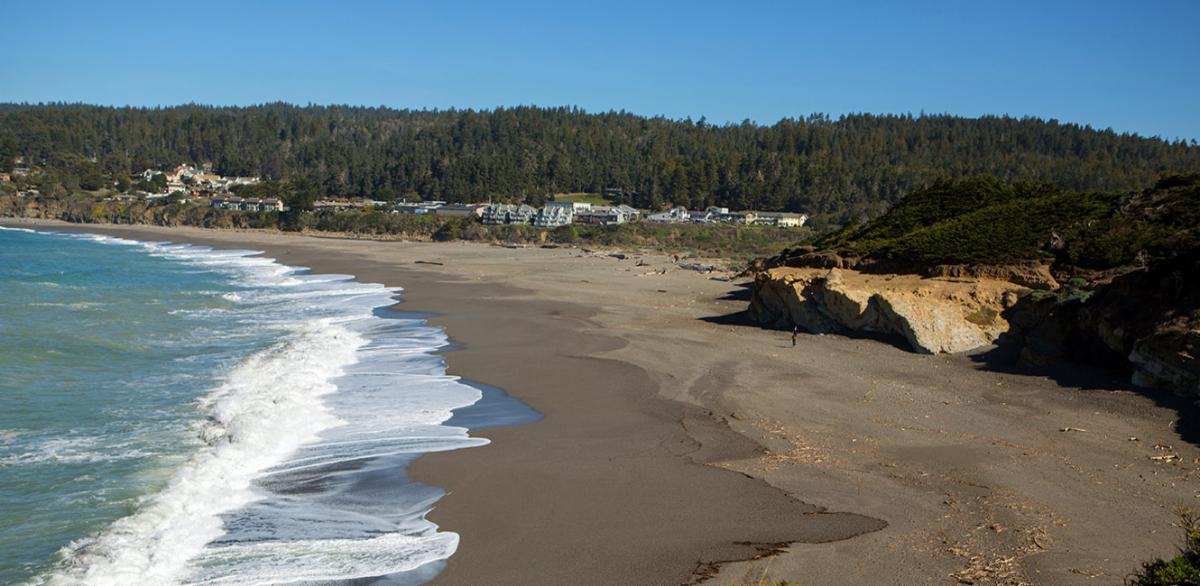
Purchase a Regional Parks membership and get one night of free camping at Regional Park campgrounds like Gualala Point Regional Park.
Beginning July 1, the day-use parking fee at most Sonoma County Regional Parks will rise from $7 to $8, the first systemwide fee increase in more than a decade. The modest adjustment will help support ongoing park maintenance, operations and staffing.
Seasonal parking rates at high-use locations like Russian River parks and Spring Lake will remain slightly higher, ranging from $10 to $12 through Sept. 7.
The price of an annual Regional Parks membership – which provides 12 months of free parking – remains unchanged. At $69 for a general membership, $49 for seniors (62+), and $29 for individuals with permanent disabilities, it’s the most affordable way to enjoy the parks year-round.
Membership perks include one free night of camping, free launching of trailered boats at Doran, Westside and Spring Lake parks, plus discounts at the Spring Lake Water Bark and local recreation providers.
| | Help shape health programs in our community | | |
The Sonoma County Department of Health Services is inviting residents to help guide how public health funding is spent. If you care about health and equity, you can make a difference by serving on a Community Advisory Panel.
Participants will help determine which nonprofits, businesses and government agencies receive County funding to provide health-related programs and services. Your insights, based on your lived experiences and knowledge of community needs, can help ensure public health services are accessible, effective and equitable.
If you’re interested in participating, please fill out our online interest form. Once you join the pool, you may be selected to review proposals for upcoming projects, depending on your background and the specific needs of each review.
Know someone else who might be interested? Feel free to share this opportunity and help bring more community voices to the table.
| | Find room to grow with a County job | | |
The County currently has nearly 40 job openings posted on its website. How can you improve your chances of landing one?
Sign up for the next Start Here! class, which provides an overview of the County of Sonoma’s job application, examination and selection processes. The next two-hour class will be held July 31 at 2 p.m. on Zoom.
The free class is intended for the public, whether you are looking for a new position now or planning for a future employment opportunity. Participants will learn how to submit a thorough application, best practices for the interview and examination, and much more.
Contact us at careers@sonoma-county.org to register for the July 31 class or sign up for our mailing list to be notified of future classes.
| | Adopt the pet of the week | | |
My name is Capybara. I’m a nearly 2-year-old German shepherd mix who was brought to the shelter in January. I’m a playful boy who weighs 60 pounds and loves to get attention by climbing into the lap of my companion. Like many dogs at the shelter, I would benefit from training and leash work. Will you bring me into your family?
Capybara is one of dozens of cats, dogs, rabbits and other animals at Sonoma County Animal Services in need of adoption.
| | Support your community by getting involved | |
Get involved with local government
Make a difference in Sonoma County! Local government thrives when passionate individuals like you step up to serve. There are countless opportunities for you to get involved and play a crucial role in shaping the future of our beloved Sonoma County. Check out the current vacancies:
Your involvement can make a significant impact. Take the first step and explore how you can contribute to a brighter future for Sonoma County.
| | Volunteer and employment opportunities | | |
(stories may require subscriptions)
| | Upcoming meetings and events | | Upcoming meetings and events | | Getting outside and enjoying the county | | Follow us online or contact us via email | | | | |