SoCo Correspondent delivers the latest news from the County of Sonoma, twice a month, to your email inbox. Subscribe in English or Spanish and share with your friends and neighbors. | | Planning for the future of south Santa Rosa moves forward | | |
What should south Santa Rosa look like in the decades ahead? How can new development improve the quality of life in the area, especially for the people who already live there?
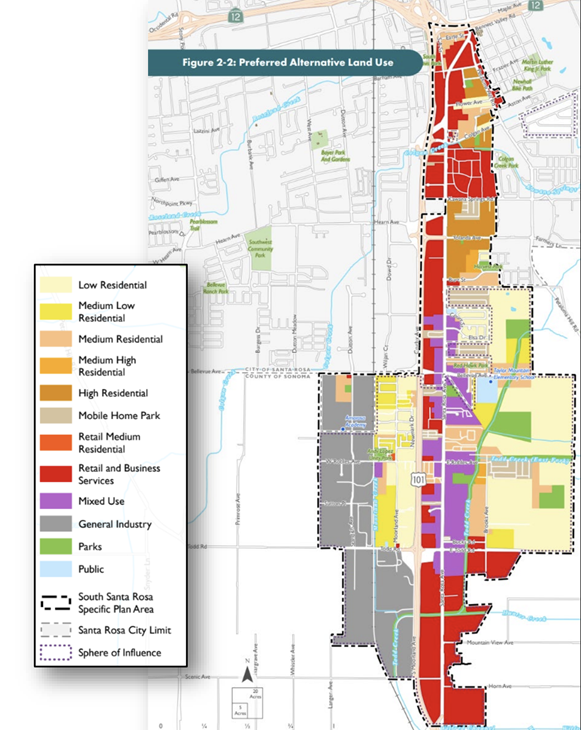
The County and the City of Santa Rosa are working together to answer those questions while creating the South Santa Rosa Specific Plan, which will guide development across 1,900 acres through 2050. The area includes 1,400 acres in unincorporated Sonoma County and 500 acres within Santa Rosa.
Based on community feedback to three different options, County and city planners have developed a proposed approach for future growth. No decisions have been made.
The proposal calls for a mixed-use district along Santa Rosa Avenue, different types of housing, new parks and open space, better connections across Highway 101 and improvements for walking and bicycling. At full buildout, it projects 6,300 new homes and 96 acres of new parks and open space.
Residents have called for better infrastructure and east-west connections while raising concerns that future development could make it harder for existing residents to remain in their neighborhoods. The proposal does not call for replacing existing mobile home parks with other types of development or increasing residential density in Moorland.
At an Aug. 25 workshop, the Board of Supervisors discussed anti-displacement policies, infrastructure needs and other issues affecting current residents. Their feedback will be incorporated into the draft Specific Plan and environmental impact report, which are expected to be released for public review later this fall or winter. The city is expected to consider adopting a final plan next spring, followed by the County later in 2027.
“Planning for the future of south Santa Rosa starts with the people who live there today,” said District 3 Supervisor Chris Coursey, who represents the area. “We have an opportunity to improve infrastructure, services and connections while making sure current residents are not displaced or forgotten. As this process moves forward, the County and the City will be working with the residents of this community to identify policies and investments that will improve people’s lives.”
| | Sonoma County breaks ground on new behavioral health campus for youth | | |
When a local teenager needs intensive help for a mental health crisis or problems with drugs or alcohol, they must leave Sonoma County to get 24-hour care in a residential treatment facility.
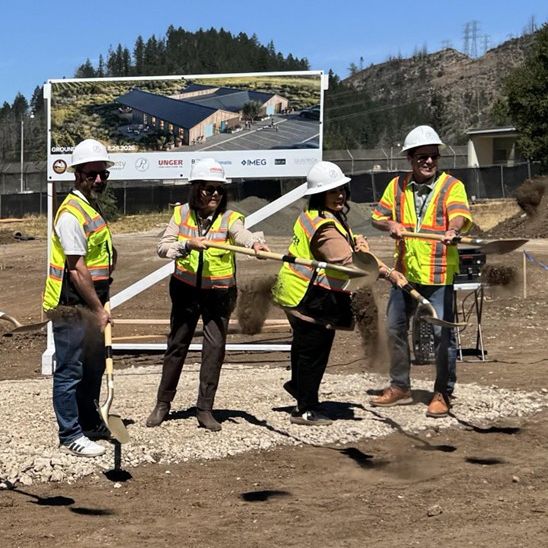
The County is working to change that. Last month, the County broke ground on a new behavioral health campus in the Sonoma Valley that will create 14 residential treatment beds for adolescents ages 12 to 18. Eight will serve young people struggling with substance use, while six will provide care for young people experiencing a behavioral health crisis.
The campus will also provide outpatient substance use treatment for adolescents and young adults ages 12 to 25, including individual, group and family counseling. Altogether, the County estimates the residential and outpatient programs will expand capacity to serve approximately 900 children, youth and family members each year.
Currently, there are no facilities in Sonoma County providing these types of in-patient treatment for children and youth ages 12 to 18. Young people who need that level of care must be referred to programs elsewhere in Northern California.
“This campus will give young people access to different levels of care in one coordinated setting,” said Nolan Sullivan, director of the Sonoma County Department of Health Services. “That continuum is essential. It will allow us to respond earlier, provide care tailored to each young person’s needs and support families throughout the treatment and recovery process.”
The facility is expected to open next year. The project is funded by an $18.2 million state grant awarded to the Department of Health Services in 2023. The County provided land at its Los Guilicos campus to meet the grant’s local match requirement.
“This campus represents a meaningful investment in the health, safety and future of Sonoma County’s youth,” said Rebecca Hermosillo, chair of the Board of Supervisors. “Our kids and their families deserve access to compassionate, age-appropriate care close to home. By expanding these critical services, we are helping families find support when they need it most.”
| | County takes action to reduce dangers of nitrous oxide misuse | | |
Nitrous oxide, commonly known as laughing gas, has long had legitimate uses in hospitals, dental offices and commercial kitchens. But some people also inhale the gas to get high, risking blackouts, neurological damage and other serious health problems.
Sonoma County has documented four deaths since 2018 in which nitrous oxide was a contributing factor. Last fall, local hospital emergency rooms treated approximately five patients every month for nitrous oxide-related problems.
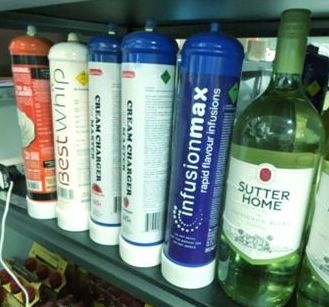
State law already restricts nitrous oxide sales, including sales to anyone under 18. But County inspectors continue to find
| | County inspectors found nitrous oxide sold next to wine at a local retailer. (Department of Health Services) | | |
flavored nitrous oxide and large-capacity containers for sale at local merchants, even after two rounds of retailer education this year. County health officials concluded that existing laws and voluntary compliance were not enough to address the problem.
Now the County is moving to further restrict retail access. On Aug. 25, the Board of Supervisors tentatively approved an ordinance that would restrict sales and distribution of nitrous oxide and dispensers in unincorporated Sonoma County. Exemptions would preserve legitimate medical, dental, culinary, automotive, industrial and research uses.
“When products are being sold in ways that encourage misuse and put people’s health at risk, we have a responsibility to respond,” said Supervisor Rebecca Hermosillo, chair of the Board of Supervisors. “Sonoma County is taking a targeted approach that focuses on preventing harm while preserving access for the many legitimate uses of nitrous oxide.”
The ordinance is one part of a broader response focused on prevention, education, treatment and enforcement. Public Health would monitor compliance, educate clinicians and establish a way for residents to report suspected unlawful sales. Behavioral Health would connect people seeking help with treatment and recovery services, while the County would work with Zero Waste Sonoma to promote responsible disposal of cartridges and canisters.
The County is also working with cities and towns on a regional approach, providing a model ordinance to jurisdictions interested in adopting similar restrictions.
The ordinance is scheduled to return to the Board on Sept. 15 for final approval. If adopted, it would take effect 30 days later.
| | New park opens at Tierra de Rosas in Roseland | | |
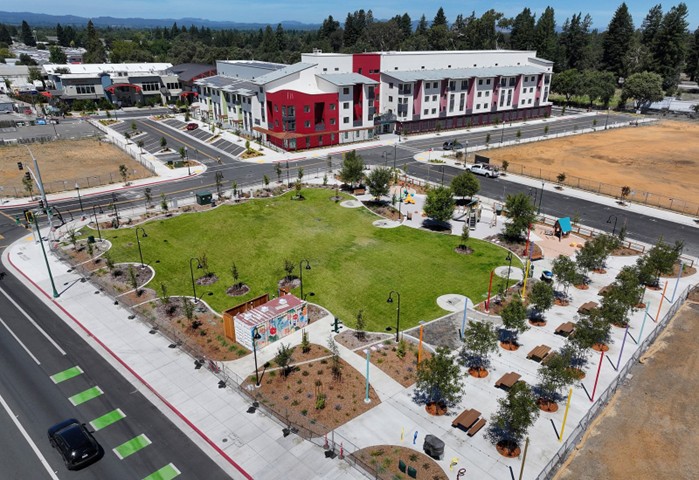
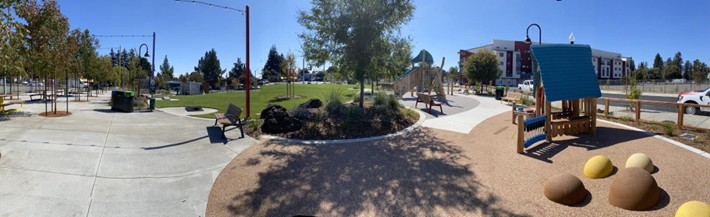
There’s a new place to gather, play and relax in the heart of Roseland.
A 1-acre park fronting Sebastopol Road is now open at Tierra de Rosas, featuring playground equipment, a lawn area, picnic tables, benches and other amenities for the community to enjoy.
The $3.9 million park, known as Plaza Permanente, was funded by the County through a mix of Community Development Commission funds, a matching grant from Sonoma County Ag + Open Space, and federal funding secured by Congressman Mike Thompson.
The opening marks another milestone in the transformation of Tierra de Rosas, the former Roseland Village shopping center property. Acquired by the County in 2011, the southwest Santa Rosa site is now being redeveloped as a mixed-use community hub. Casa Roseland, the development's 75-unit affordable housing community, welcomed its first residents in July. Plans for future phases include development of civic and commercial spaces and 100 market-rate homes.
| | Sonoma County adopts new plan to reduce risks from natural disasters | | |
Wildfires, earthquakes, floods and extreme heat pose serious risks in Sonoma County. A new plan lays out steps local governments and public agencies can take to protect people and property before disasters strike.
Last week, the Board of Supervisors adopted a countywide plan to reduce the impacts of disasters, identifying 410 actions across 22 participating local governments and agencies. The actions are intended to reduce deaths, injuries and property damage from 11 natural hazards.
Earthquakes and wildfires are the greatest threats facing Sonoma County, according to the plan. The County’s portion identifies 57 actions to lessen the impacts of those and other disasters.
Climate change also is making life more dangerous, increasing the threats posed by intense heat, deep droughts, heavy flooding and conditions that fuel destructive wildfires. Sonoma County’s updated plan responds to this changing reality, adding extreme heat and extreme cold as hazards because the county’s historically moderate climate is expected to experience greater fluctuations in the future. The plan also addresses drought, flooding, wildfire and extreme wind.
“We can’t prevent every disaster, but we can prepare for what’s ahead and take proactive steps to protect lives, homes and communities,” said Supervisor Rebecca Hermosillo, chair of the Board of Supervisors. “This plan gives us a roadmap for doing that work together.”
The 2026 Sonoma County Multi-Jurisdictional Hazard Mitigation Plan was developed with the County, all nine incorporated cities and 12 special districts. Participation increased from 14 partners in the 2021 plan to 22 in the new plan.
Residents also helped shape the plan. More than 580 people responded to a survey offered in English and Spanish, and the Sonoma County Department of Emergency Management held six public meetings to gather community feedback.
Approval does not mean all 410 actions will be funded or carried out. Instead, the plan helps local agencies decide where to focus future efforts and investments to protect people and property from disasters. It also keeps participating agencies eligible to seek federal funding for projects that reduce disaster risks.
| | Sonoma County Animal Services takes on growing regional role | | |
Sonoma County Animal Services is taking on a larger role across the county, stepping in to fill a gap after several local cities ended contracts with North Bay Animal Services this spring.
The shift is leading to a more coordinated regional approach to animal control, allowing cities to draw on the County’s experience and resources while improving the consistency of services across communities.
The latest step came Sept. 1, when the Board of Supervisors approved an agreement to provide animal control and pet licensing services in Petaluma. Sonoma County Animal Services already provides animal control services for Healdsburg, while Windsor is finalizing a separate agreement with the County and Cloverdale is negotiating one.
For residents, animal control addresses issues that can affect both public safety and animal welfare. County officers investigate animal bites and reports of cruelty or neglect, enforce rabies quarantine requirements and respond to dangerous animals. They also respond to after-hours emergencies and work with law enforcement and other emergency responders during disasters.
Under the agreement with Petaluma, the County will provide animal control services but not operate the city’s animal shelter. The Humane Society of Sonoma County, which currently operates shelters in Santa Rosa and Healdsburg, is expected to take over operation of the Petaluma shelter on Sept. 15.
“Our goal is to make sure residents can count on professional, consistent animal control services no matter where they live,” said Brian Whipple, director of Sonoma County Animal Services. “By working together across communities, we can use the County’s experience and resources to protect both people and animals.”
Petaluma will pay the County approximately $505,375 during the 2026-27 fiscal year, covering the County’s costs of providing animal control services.
| | A small property, a big addition for Geyserville | | |
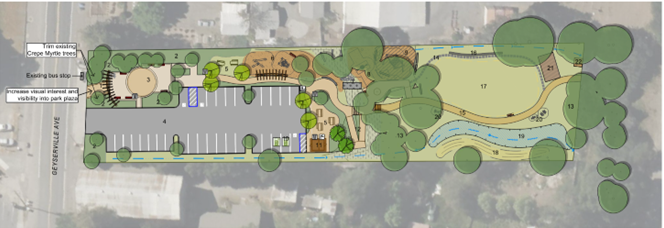
It’s only 1.18 acres. But in a community without a public park, a small patch of land can make a big difference.
The Board of Supervisors on Sept. 1 approved $1 million to help transform a County parking lot and neighboring oak grove on Geyserville Avenue into the Geyserville Community Plaza, creating the community’s first public park.
The grant from Sonoma County Ag + Open Space will be matched by $1 million secured by Sonoma County Public Infrastructure through a California State Coastal Conservancy grant. Ag + Open Space’s funds will aid in developing the park, and ensure it remains open to the public forever via a conservation easement.
The project will retain parking for the Park and Ride transit hub while creating a welcoming public space for community events and people using the planned Great Redwood Trail. Plans may include a children’s play area, accessible picnic and gathering spaces, a public restroom, pathways, native landscaping and habitat improvements.
The idea has been years in the making. In a 2019 survey, Geyserville residents ranked a public park and public bathroom as their top two desired community improvements. Further community outreach helped shape the plaza’s conceptual plan.
“This is a relatively small piece of land, but it can make a meaningful difference in people’s daily lives,” said District 4 Supervisor James Gore, who represents north Sonoma County. “Geyserville residents helped shape a vision for a place where kids can play, families can gather and neighbors can connect. Now we’re investing in making that vision real.”
The project will protect the property’s existing open space and native valley oak trees, with agreements ensuring the site remains available for public recreation and education in perpetuity. Construction is expected to begin in the fall of 2027.
| | County housing investment helps four families become homeowners | | |
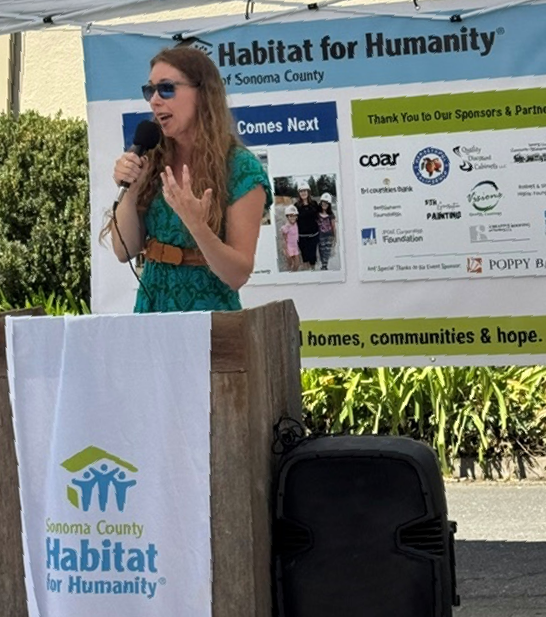
Four families got the keys to their new homes last month at Blankenship Place, a new development in downtown Sebastopol by Habitat for Humanity. The Sonoma County Community Development Commission helped open those doors, part of its work to expand access to affordable housing across the county.
The Commission provided $424,000 in state housing funds to help cover development costs for the four townhomes. The homes will remain affordable for 55 years, helping ensure the public investment benefits the community for decades to come.
Each family contributed to the project, too, putting in 500 hours of sweat equity to help build the homes.
| | Supervisor Lynda Hopkins speaks at the Aug. 29 ceremony to open Blankenship Place. | | |
That combination of public investment, nonprofit partnership and individual effort is one way the Community Development Commission works to expand housing opportunities in Sonoma County. The Commission invests public funds to finance the construction of affordable housing and provides rental assistance to help people find and keep stable housing.
“When we invest in affordable housing, we’re helping create a more stable community for everyone,” said District 5 Supervisor Lynda Hopkins, who represents the Sebastopol area. “Blankenship Place is a great example of what that can mean for local families. Four families now have the chance to own a home, build a future and put down roots in the community they call home. And because these homes will stay affordable for decades, that opportunity will be there for families in the future, too.”
| | New murals celebrate culture and community at Andy’s Unity Park | | |
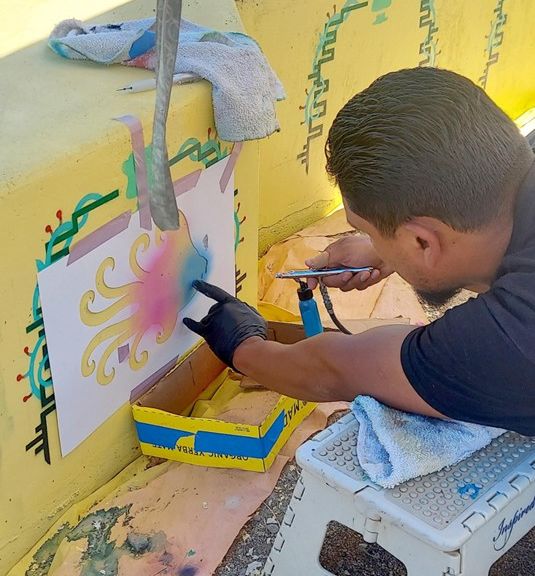
Bright, family-friendly Chicano artwork is bringing new color to Andy’s Unity Park, celebrating the culture and community connections that have shaped this gathering place in southwest Santa Rosa’s Moorland neighborhood.
Artist Roman Ruano created the series of custom murals for the 4.4-acre park, located at 3399 Moorland Ave. The colorful artwork is designed to create a vibrant, inclusive and welcoming space for visitors of all ages.
Andy’s Unity Park opened in June 2018 following a collaborative process with neighborhood residents to design and name the park. It features a memorial area dedicated to Andy Lopez, a 13-year-old neighborhood boy who was fatally shot at the then-undeveloped site in 2013.
Today, Andy’s Unity Park is a neighborhood gathering place where residents come to play, exercise, spend time with family and celebrate together. The park is also home to Jeff’s Garden, a half-acre teaching garden coordinated by LandPaths. The garden gives Moorland community members an opportunity to grow food, tend the land and learn to use organic gardening methods. It’s the only Sonoma County Regional Park with accessible garden beds.
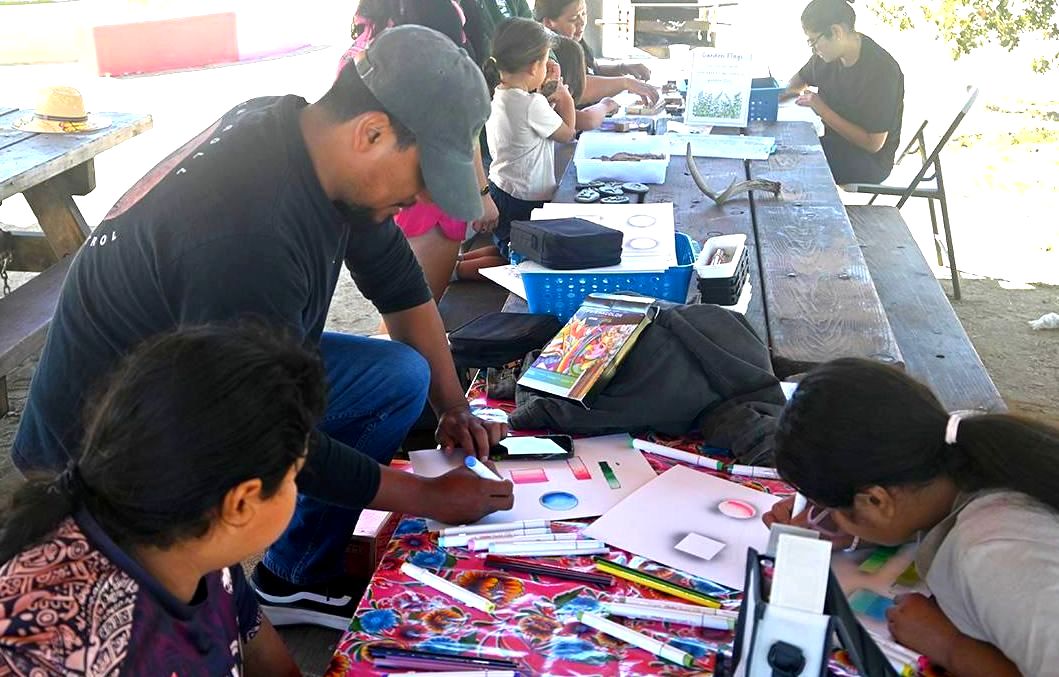
The mural project was funded by a Sonoma County Community Investment Fund grant distributed through the Sonoma County Parks Foundation and was made possible with the support of District 3 Supervisor Chris Coursey. Regional Parks hosted a community gathering on Aug. 29 to celebrate the new murals, giving residents an opportunity to meet the artist, explore the garden and create their own art.
| | “Andy’s Unity Park grew from a time of profound loss, but it has become an important gathering place for the Moorland neighborhood,” said Supervisor Coursey, who represents the area. “These murals honor the spirit and culture of the community and the people who have made this park their own. I’m grateful to the artist and residents who continue to help this special place grow and evolve.” | | Meet your neighbors before an emergency | | |
When an emergency strikes, your neighbors may be the first people who can help – or they may need your assistance. Knowing the people on your street can help your neighborhood respond to an emergency together and increase everyone’s chances of survival.
That’s the idea behind Meet Your Street, a countywide event organized by the Sonoma County Department of Emergency Management. On the weekend of Oct. 2-4, residents are encouraged to gather with neighbors, build connections and prepare for emergencies.
Hosting can be simple: put a few chairs in the driveway, organize a potluck or create a gathering that works for your neighborhood. The Department of Emergency Management provides hosts with customizable flyers, signs and raffle prizes to help get things started. Materials are available in English and Spanish. If you are interested, sign up soon: Sept. 15 is the last day to pick up supplies.
Not ready to host? Attend a gathering in your neighborhood and introduce yourself. The goal is the same: get to know the people around you now, before an emergency brings you together.
| | Sea otters take center stage at Doran Beach | | |
Sea otters disappeared from the Sonoma County coast a century ago, but they’ll return to the spotlight Saturday, Sept. 12 at Doran Beach.
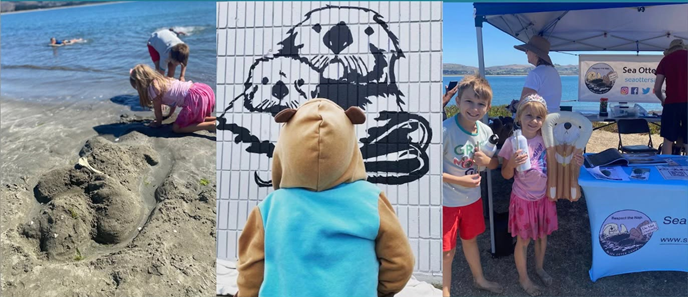
Residents are invited to learn about sea otters and put their sand-sculpting skills to work during Sea Otters Were Here: Coastal Ecology Pop-Up. The family-friendly event will take place from 10 a.m. to 2 p.m. at the end of Doran Beach, 201 Doran Beach Road in Bodega Bay. Admission is free; parking is $8 or free for Regional Parks members.
Hosted by Supervisor Lynda Hopkins in partnership with Sea Otter Savvy, the event will bring together the Marine Mammal Center, Defenders of Wildlife and others to share information about sea otters and coastal ecology. Kids and adults alike can get creative in the third annual Sea Otter Sand Castle Competition, turning the beach into a celebration of the coast’s most charismatic marine mammals.
Sea otters play an important role in coastal ecosystems, helping kelp forests thrive by feeding on sea urchins and other grazers. Nearly wiped out by the fur trade of the 18th and 19th centuries, they remain confined to Central California, leaving Northern California’s coast without this important predator. The Board of Supervisors has supported efforts to study the feasibility of reintroducing sea otters to the Sonoma Coast.
“Fun educational events such as these provide the public opportunities to learn about potential sea otter reintroduction,” said Supervisor Hopkins, whose district includes Bodega Bay. “A return of sea otters could help restore the natural balance of our coastal waters while giving future generations the chance to experience a species that once played such an important role here.”
| | Find room to grow with a County job | | |
The County currently has 30 job openings posted on its website. How can you improve your chances of landing one?
Sign up for the next Start Here! class, which provides an overview of the County of Sonoma’s job application, examination and selection processes. The next two-hour class will be held Sept. 16 at 5:30 p.m. on Zoom.
The free class is intended for the public, whether you are looking for a new position now or planning for a future employment opportunity. Participants will learn how to submit a thorough application, best practices for the interview and examination, and much more.
Contact us at careers@sonomacounty.gov to register for the Sept. 16 class or sign up for our mailing list to be notified of future classes.
| | Adopt the pet of the week | | |
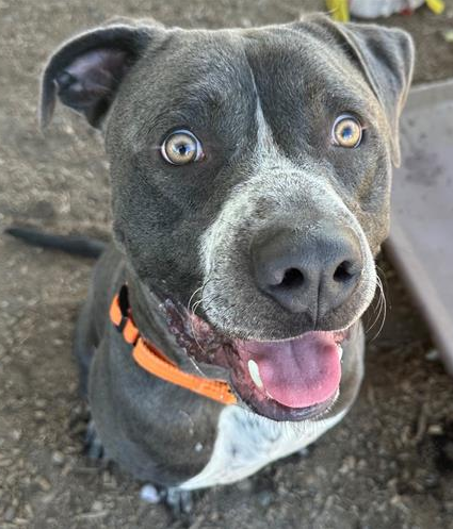
My name is Arturo. I’m a 17-month-old pit bull terrier who was brought to the shelter in April. I weigh 88 pounds, so I’m looking for an adopter who can confidently handle my size and strength on leash. Once the walk is over, I’m all about the cuddles. My favorite part of the day is snuggling up with a friend, and I’m happiest when I’m close to the people I love. If you're looking for a loyal companion who's equal parts adventure buddy and champion cuddle bug, I’m ready to fill your home with love.
Arturo is one of dozens of cats, dogs, rabbits and other animals at Sonoma County Animal Services in need of adoption
Animal Services helps match pets and families through an adoption process designed to support your lifestyle and the animal’s needs. Shelter staff are ready to assist with applications, answer questions and share details about each animal’s health, temperament and care. All animals adopted through the shelter go home spayed or neutered, microchipped and up to date on vaccinations, giving your new companion the healthiest start possible in your home.
| | Get involved with County government | | |
Government is only as good as the people who step forward to serve. There are many opportunities available now to support the community by serving on County boards, commissions and committees. Here are just three examples:
-
The Fish and Wildlife Commission reviews applications and recommends funding for projects that protect, conserve, propagate and preserve Sonoma County’s fish and wildlife.
-
The Marina Advisory Committee provides recommendations to the Board of Supervisors and Regional Parks on marina management, rates, capital planning, safety and the long-term sustainability of County marinas.
-
The Public Authority Advisory Committee provides advice and recommendations on the delivery and administration of In-Home Supportive Services (IHSS) to help eligible residents live safely and independently in their homes.
Check out the full list of vacancies and discover how you can help shape the future of Sonoma County.
| | Volunteer and employment opportunities | | |
(stories may require subscriptions)
| | Upcoming meetings and events | | Upcoming meetings and events | | Getting outside and enjoying the county | | Follow us online or contact us via email | | | | |