Issue 55

July 9, 2026

Time to Read: 5 Minutes


-Hot Take-

Rapid quoting means nothing if you win work that buries your margins.

Joke of the Week

Q: What's the difference between a tool list and a wish list?

A: The wish list is probably accurate.

Ask a CAM Pro

Real shop problems. Answers from people who have been there.

How do I split complex toolpaths into manageable stages?


Complex toolpaths get messy when too much is happening at once. You end up with long compute times, hard-to-troubleshoot motion, and prove-out that feels like gambling. Splitting the work into stages makes programming faster, verification clearer, and the first-run safer. The goal is controlled progress, where each stage has a purpose and a measurable result.


Start by separating roughing, semi-finish, and finish.

Do not try to do everything in one operation. Roughing is for volume removal and stability. Semi-finish is often used to create even stock conditions before finishing, especially on complex surfaces, deep cavities, or parts where consistent cutter engagement improves finish quality. Finishing is for surface quality and size control. When those goals are mixed, the toolpath often becomes less efficient, harder to control, and more difficult to optimize. 


Break the part into zones. 

Divide the model into logical areas: top features, side features, deep pockets, bosses, thin walls, tight corners. Program each zone with the tooling and strategy that fits it best. This reduces toolpath complexity and keeps cutting forces consistent.


Use tool size steps on purpose.

Start with the largest tool that fits for bulk removal, then step down only where needed. Large tools remove material efficiently, small tools should be reserved for corners, fillets, and details. This keeps cycle time down and avoids overusing fragile cutters.


Control Z-levels and depth bands.

For deep cavities, tall walls, or long-reach tooling, consider splitting operations by depth. Roughing in depth bands can help manage clearance, chip evacuation, tool load, and tool deflection at each level. This also limits excessive reach and reduces chatter.


Manage machine dynamics and cutter load.

Breaking a large operation into smaller stages can reduce sudden changes in tool engagement, spindle load, and cutting forces. This is especially useful in difficult materials, deep pockets, or long-reach applications where chatter becomes a concern. Smaller stages also make it easier to adjust feeds, speeds, and stepovers without affecting the entire process.


Carry stock forward between stages.

Use in-process stock or rest material between operations so each stage knows what is left. This prevents re-cutting air, keeps engagement predictable, and makes your finishing passes more consistent.


Separate high-risk motion from cutting motion.

If the toolpath includes complex linking, retractions, repositioning, or simultaneous-axis motion, isolate it where practical. This makes simulation, verification, and troubleshooting much easier.


Verify after each stage, not at the end.

Run simulation or backplot at the end of each major step and confirm three things: no collisions, no gouges, and the remaining stock looks right. Catching issues early saves hours compared to fixing a stacked toolpath later.


Document what each stage is responsible for.

Name operations clearly and leave short notes on intent, stock allowance, and tool choice. When a part comes back, or another programmer touches it, your stages will still make sense.


Bottom line:

Split complex toolpaths by purpose and risk. Rough, semi-finish, rest-machine where needed, and finish, then break the part into zones and depth bands with stock carried forward. Smaller, purpose-driven stages make programming easier to manage, verification more reliable, and first runs safer.


Have a programming question?


Send it in for the next edition of Ask a CAM Pro!

Shop Floor Debate

What's the real skill gap in manufacturing right now?

Last week's debate: 32% blamed the office for promising what the floor can't deliver.

From the Floor

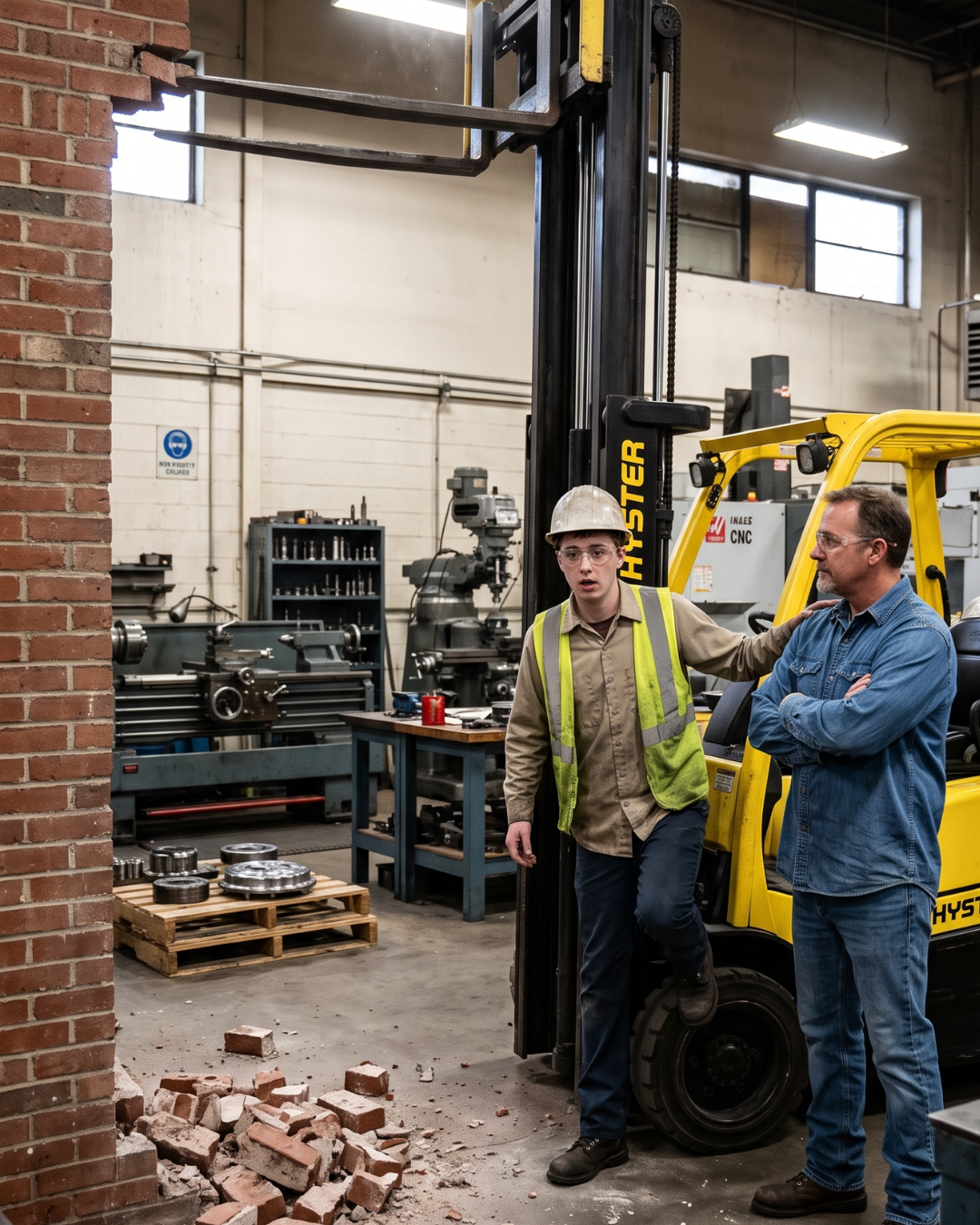
Forklift, Brick Wall, and a Boss Who Gets It.


"I was learning to drive a forklift. The forks were up too high, and my nerves were rattling. The next thing you know the whole thing clips the top of a brick wall. Bricks rain down like doom. I was pale as a ghost, knowing I’d probably be fired for this disaster.


Instead, the boss walks up, arms folded, surveys the carnage, and just says, “Well, we’ll have to get that fixed.” Slaps me on the back. Didn’t yell. Didn’t threaten. Just handled it and moved on.


I thought I’d killed my career, but it turned out to be a lesson: mistakes happen, but it’s how you own them that matters."


-Anonymous

CNC Underground: Afterhours

Paul Van Metre, founder of ProShop ERP and seasoned machine shop owner, joins CNC Underground: Afterhours to reveal why running a machine shop is uniquely challenging, and how chaos can be tamed with the right mindset and systems.


Key Takeaways:

  • Understand why robust systems, not just skilled people are crucial to minimizing chaos and avoiding costly mistakes.
  • Learn actionable strategies for capturing tribal knowledge and reducing key person risk before critical skills walk out the door.
  • Discover how culture, humility, and proactive workforce development can help your shop not only survive but thrive in a changing industry.

Video of the Week (Powered by GibbsCAM)

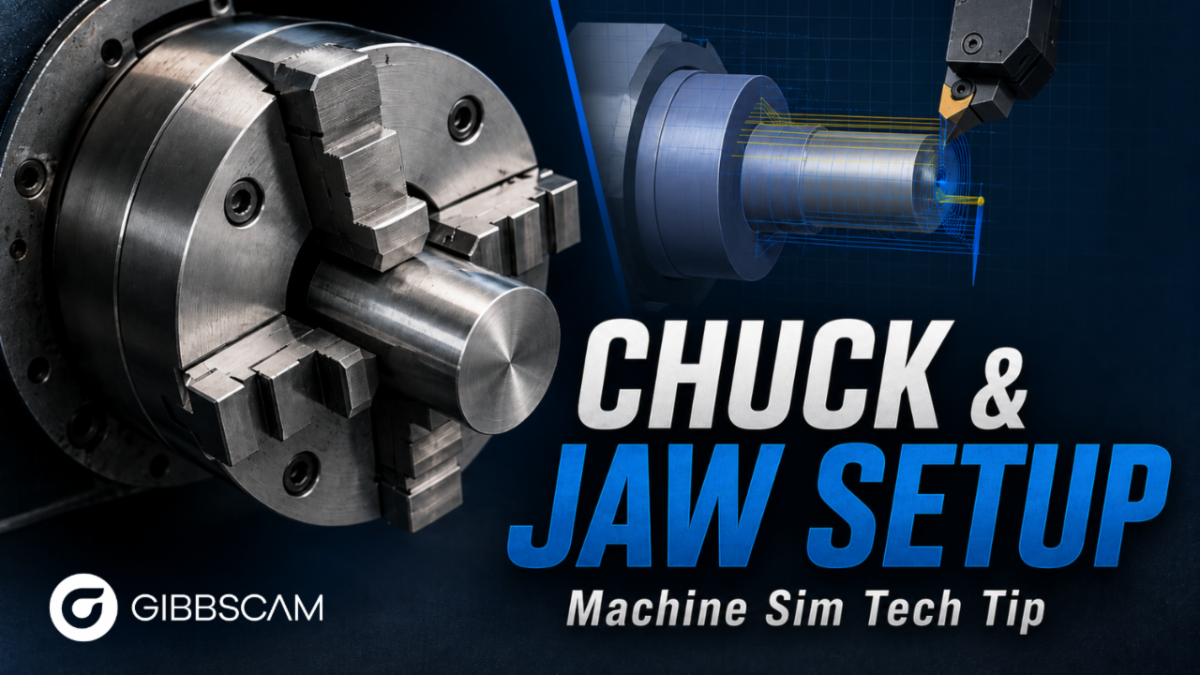
GibbsCAM Tutorial: Chuck & Jaw Setup in Machine Sim

Learn how to add a chuck and jaws in GibbsCAM 2026 Machine Sim, set up the fixture library, position material, and use collision checking before the job hits the machine.

CAMedy Central

Industry Intel

A Brief History of United States Manufacturing

From Paul Revere's Boston foundry to 3D-printed rocket engines, this piece traces 250 years of American manufacturing milestones, including interchangeable parts, the moving assembly line, numerical control, and additive manufacturing.


American Solar Manufacturers Are Betting on the States. States Need to Match That Bet.

US solar manufacturers have committed billions to domestic factories, and calls on states to support that investment instead of restricting solar deployment with local bans and moratoria.


The Five Numbers Every Machine Shop Should Know

The five KPIs shop owners should track to catch hidden costs before they turn into lost business.


Industry Growth (Open Jobs)

A few hot openings across the industry this week:


CNC Programmer - Mountain Manufacturing - Lino Lakes, MN


Machining Specialist - Geotek - Stewartville, MN


CNC Programmer - Owen Industries - Carter Lake, IA


Tooling & Fixturing Technician - Terex Corporation - Huron, SD


Manufacturing Sr. Engineer I - Zimmer Biomet - Bismarck, ND


CNC Machinist/Tool & Die - Phillips Manufacturing - Omaha, NE


Journeyman CNC Machinist - Vandeventer Machine Works - St. Louis, MO


CNC Lathe Machinist/Programmer - Zyxaxis Inc. - Wichita, KS

Trade Show & Event Radar

July 21

42nd Annual MPMA Open Golf Classic

Coon Rapids, MN

July 29-30

Advanced Manufacturing Expo

Grand Rapids, MI

Sept 5

Minnesota Manufactured Day - Minnesota State Fair

Falcon Heights, MN

Sept 14-19

IMTS

Chicago, IL

Oct 6-7

Top Shops Conference

Cleveland, OH

Oct 21-23

FABTECH

Las Vegas, NV

Oct 28-29

MD&M Midwest

Minneapolis, MN

Nov 11-13

Titans of CNC Boombastic Show

Flower Mound, TX

Did someone forward you this newsletter?

Subscribe to get your own copy every week.