|
by the Bishop Museum Communications Team
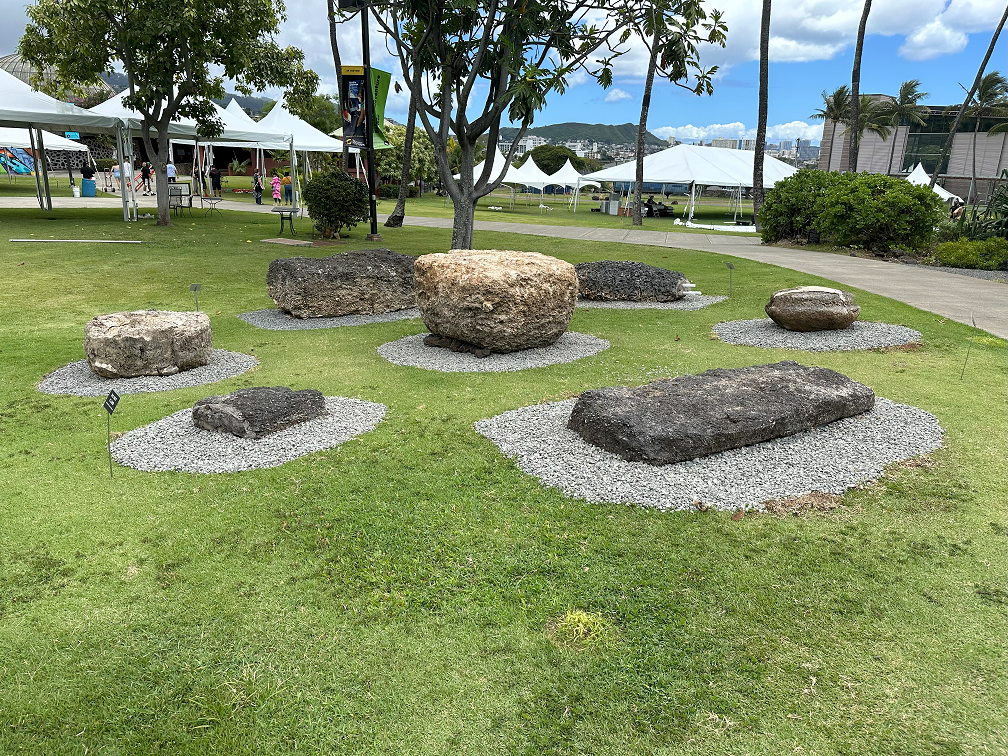
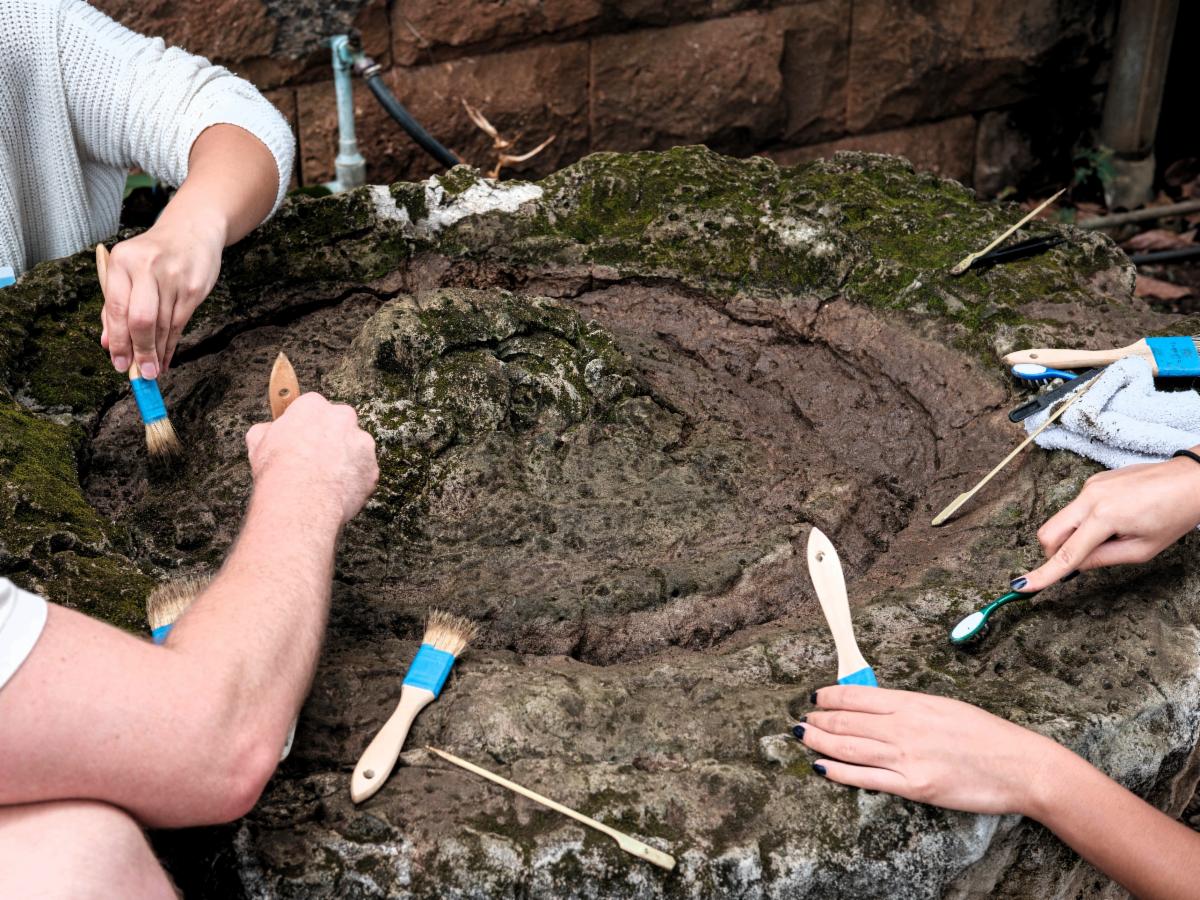
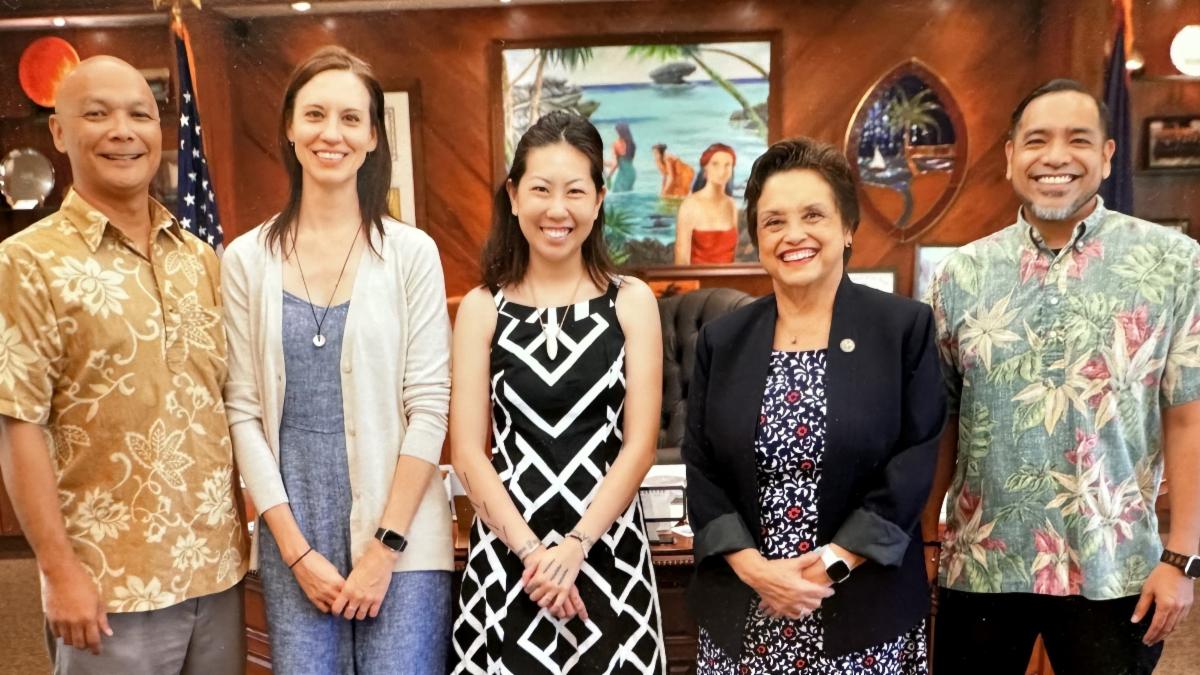
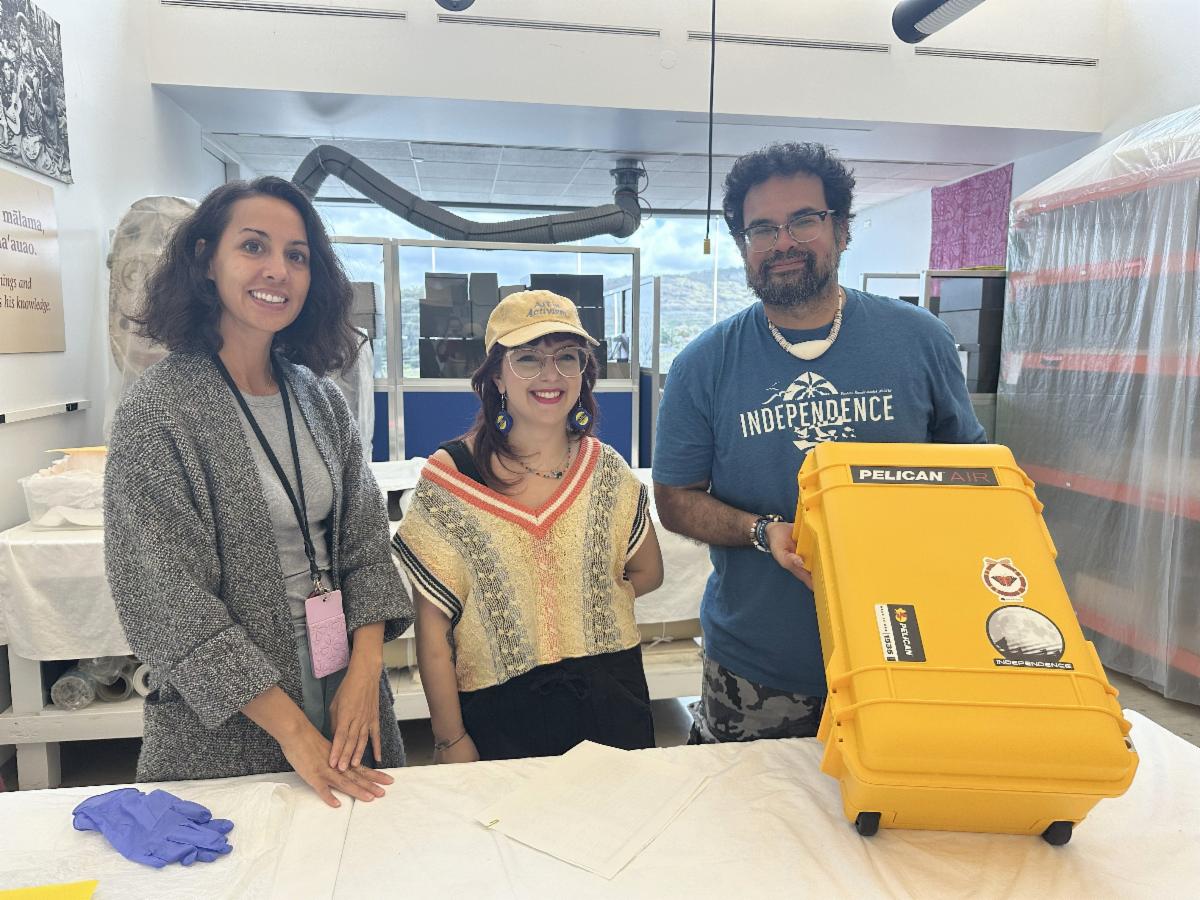
Beginning in August, Bishop Museum will initiate a phased return of more than 10,000 pieces from the Museum’s permanent collection to the Mariana Islands. Bishop Museum’s Board of Directors have unanimously voted to deaccession pieces in the Cultural Resources collection originally acquired by Hans Hornbostel in the early 20th century. This landmark decision comes after three years of collaboration with government officials and colleagues at peer institutions including the Guam Museum, the Guam Cultural Repository, Guam State Historic Preservation Office, the Northern Mariana Islands State Historic Preservation Office, and the Northern Mariana Islands Museum of History and Culture.
The decision to rematriate these pieces is in response to requests from the Guam Government dating back to the 1930s, calling for the reunification of the items with their home countries, and from Bishop Museum’s present-day consideration of ethical museum practices.
More than a return of objects
Rematriation is a movement focused on restoring Indigenous peoples’ relationships with their ancestral lands and cultures. Whereas repatriation refers to the physical return of human remains and ancestral, often-associated burial belongings, rematriation speaks to a deeper restoration and of cultural continuity.
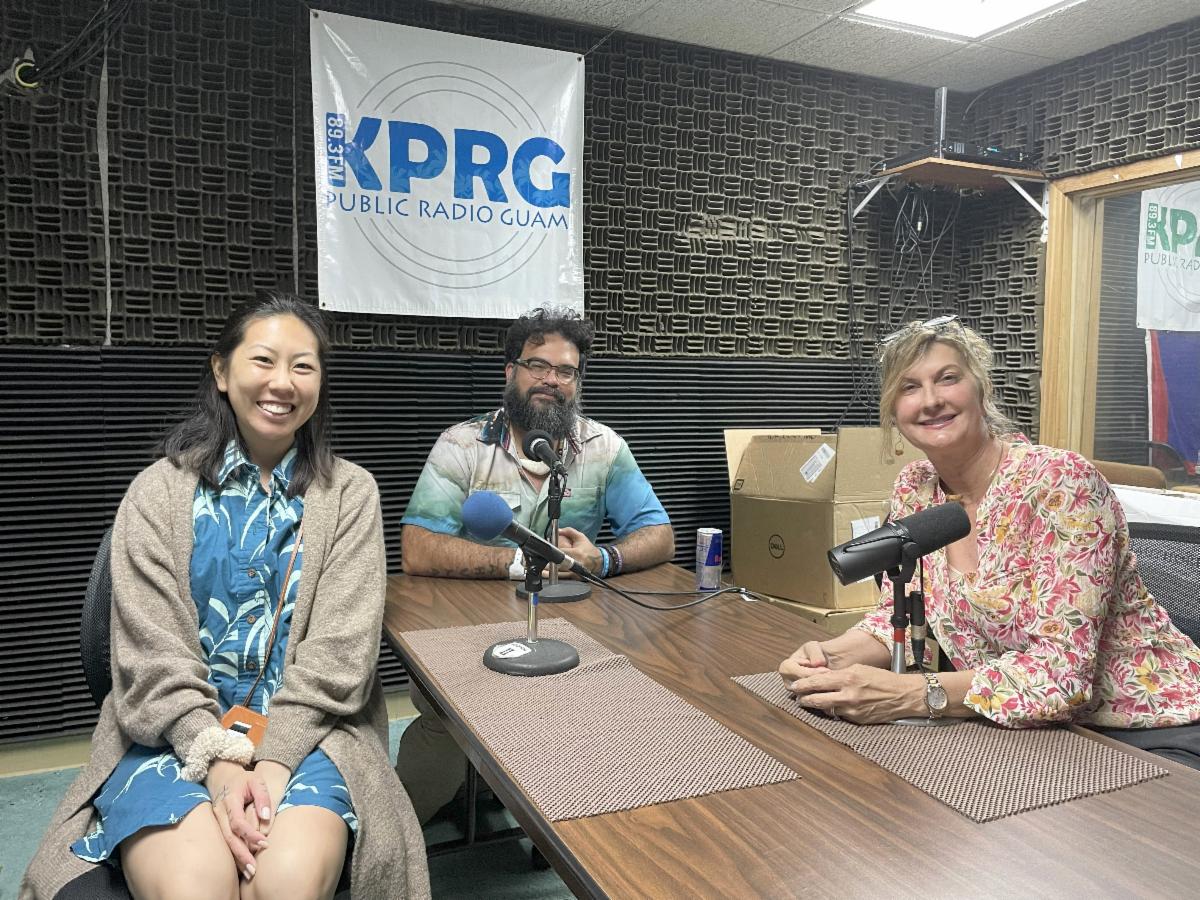
“The return of these pieces to the Mariana Islands fortifies a multi-year partnership between Bishop Museum, Guåhan, and the Northern Mariana Islands to collaborate through Bishop Museum’s Te Rangi Hīroa Curators and Caretakers Fellowship program and other initiatives,” said Healoha Johnston, Bishop Museum director of Cultural Resources, and curator for Hawaiʻi and Pacific Arts and Culture.
“Rematriation can be the beginning, not the end, of connecting source communities with their art and human record,” added Johnston. “Bishop Museum will continue to collaborate with members of the CHamoru and Chamorro diaspora who live in Hawaiʻi to develop collections based on consent, and will work with partners in Guåhan and the Northern Mariana Islands to bring historical pieces to Hawaiʻi on loan from consenting organizations, as a pathway for connection across generations and geographies.”
A decades-long effort coalesces in 2022
In 2022, people from Guåhan and the Northern Mariana Islands reached out to Bishop Museum to request information about, and the return of, material acquired by Hans Hornbostel. Through the Museum’s colleagues who submitted these inquires, and through in-depth research, the Museum’s current Cultural Resources team learned that the Museum had previously returned small selections from the collection over the course of the 20th century, culminating in the repatriation of all known human remains housed at Bishop Museum back to the Mariana Islands in 2000.
The Museum further learned that every 25 or so years, or every generation since Hornbostel acquired these pieces, people in Guåhan and later the Northern Mariana Islands requested the return of this collection. A close and productive working relationship emerged between Bishop Museum and a group of museums and government officials in the Marianas, from the most recent round of discussions.
|