Friday, February 26, 2021 |
|
Patient resources available to decrease imaging for low pain |
|
Low back pain is the fifth most common reason for physician visits, according to the Agency for Health Care Research and Quality. Imaging of the lower spine before six weeks does not improve outcomes, but does increase costs.
American College of Physicians, American Academy of Family Physicians, American Pain Society and other clinical organizations all recommend against the use of imaging within the first six weeks in patients with nonspecific acute low back pain, unless there are serious conditions or red flags. However, imaging for low back pain continues to be prescribed at a high rate.
Low back pain imaging is a quality metric that physicians are scored on by payers, including Blue Cross Blue Shield of Michigan, Medicare, Health Alliance Plan and others. The Physician Alliance physicians continue to perform poorly on this metric. Improving this metric score while decreasing unnecessary imaging on patients also helps with lowering costs of care.
Patient education can help improve awareness of the impact of over-prescribing imaging and other tests and medications. Educating patients on the value, or lack of value, of specific healthcare procedures is an important task in improving these metrics and lowering cost of care.
The following tips may help engage patients in decreasing low back pain imaging:
- Clear communication about a patient’s condition is helpful.
- Explain that imaging in early onset low back pain likely won’t alter clinical management.
- Share that unnecessary imaging increases healthcare costs for them and may increase health risks, such as radiation exposure.
- Assure the patient that their concerns are being heard and if the recommended non-imaging guidelines aren’t helping in six weeks, then another plan of action can be discussed.
The Physician Alliance created patient education materials on this metric:
-
6 tips for managing low back pain poster
-
Rx 'non-prescription pad' (low back pain)* flyer
|
|
Webinars focus on improving population health, quality, coding |
|
The Physician Alliance will be offering educational opportunities on a variety of important clinical and practice management topics. Programs will be virtual in 2021, making it easy for you to attend from any location. These webinars are complimentary and open only to TPA members.
Monthly population health and quality webinars will be hosted on the second Tuesday of each month (excluding July and December), beginning March 9.
These informative webinars will help practices gain an understanding of quality metrics related to chronic conditions, understand updates related to BCBSM quality programs and/or initiatives, and gain an understanding of performance reporting and performance improvement. Read more details about these webinars and register.
************************************************************************
Lunch with the Coder webinars will focus on new and updated coding requirements, tips and more.
Wednesday, March 24, 2021; 12-1pm
Defining and Understanding Time-Based Coding: New Guidelines for 2021 and Common Misconceptions
Confused by all the coding pieces? Attend this webinar to help put the puzzle together
through an informative presentation that will demystify time-based coding. Key components of this webinar include new 2021 guidelines, how to make time-based coding easier to understand, tips for mastering time-based coding and more. Read more details about this webinar or view a flyer.
************************************************************************
SAVE THE DATES:
|
|
Monoclonal antibody treatment available to COVID patients |
|
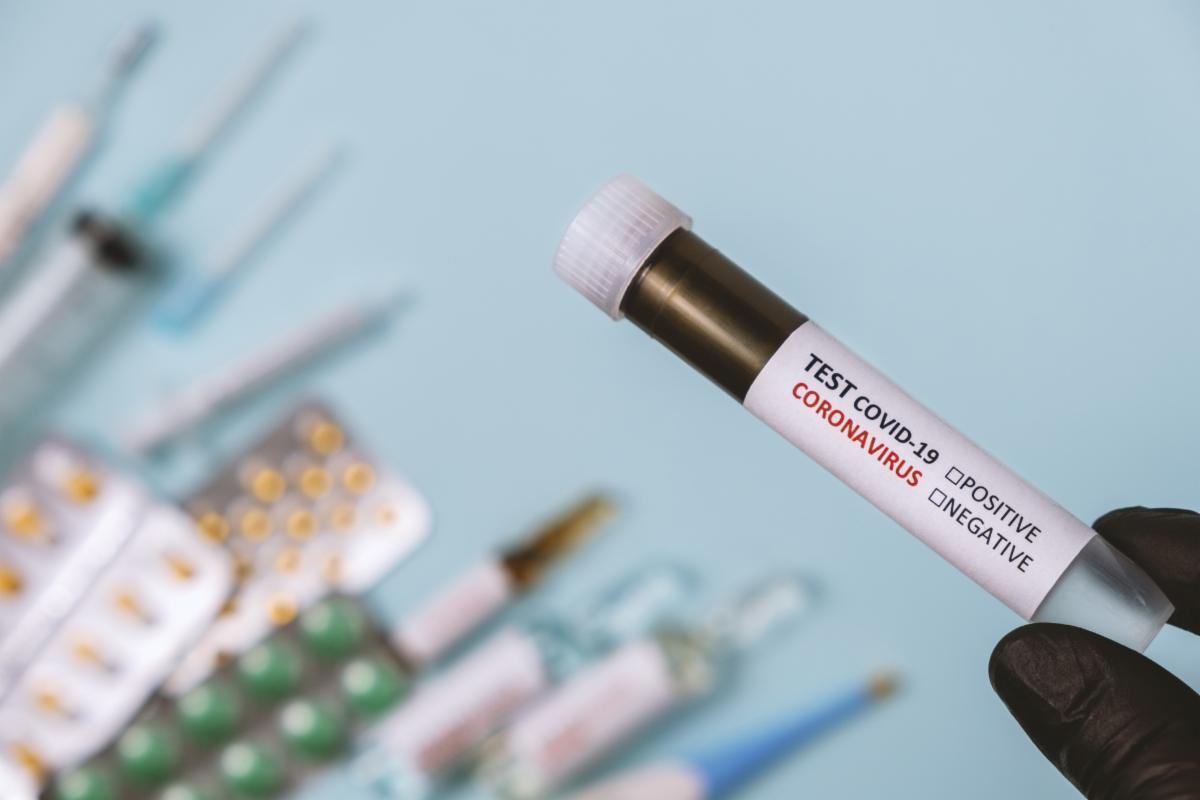
Patients testing positive for mild or moderate COVID-19 may be eligible for monoclonal antibody therapy at Ascension St. John Hospital, Ascension Providence (Southfield) and Ascension Providence Park (Novi).
Additional criteria and a patient referral form for monoclonal antibody therapy consideration at Ascension can be viewed here.
|
|
E-prescribing helps patient care during pandemic |
|
A recently released study in JAMA Psychiatry found overall emergency department visits due to opioid overdoses were up 28.8 percent in 2020 over 2019.
A sobering statistic from the Centers for Disease Control and Prevention (CDC) states that 128 Americans die every day from an opioid overdose (prescribed and illicit). In 2017, the U.S. Department of Health and Human Services declared a nationwide public health emergency regarding the opioid crisis.
Electronic prescribing, or e-prescribing, for controlled substances can help:
- manage patient access to these medications
- improve patient safety
- fight potential for fraud and abuse
- pharmacists and physicians know all medications prescribed to a patient to check for dangerous interactions or duplicate therapies
Last fall, Blue Cross Blue Shield of Michigan reported that e-prescribing rates for controlled and non-controlled substances hit an all-time high of 87 percent in 2020. Changes in patient care, including telemedicine use, during the coronavirus pandemic are likely drivers of this increase.
In 2020, Michigan’s legislature and governor passed a law requiring providers to electronically transmit all prescriptions, including those for controlled substances, to a patient’s pharmacy beginning October 1, 2021. With this mandate coming, BCBSM ended their e-prescribing initiative in 2020.
Provider & patient resources for e-prescribing of controlled substances:
Physicians who are not yet set up to e-prescribe should contact their electronic health records vendor for assistance on this feature.
|
|
The latest healthcare news |
|
|
|
Featured Affiliate Partner: MEDICAL ANSWERING SERVICES - Ambs Call Center offers a variety of helpful services, including answering services, free web on-call app, online message retrieval, secure text messaging and more. TPA members get their 1st month free and an additional discount on all plans.
|
|
|
|
|
|
|