|
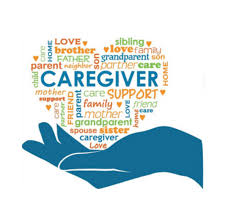
Consider the fact that today, family caregivers represent over one in five Americans. Statistics alone can only point to the growing need for support for the caregivers who comprise this fact. It can be considered an epidemic as statistically, numbers are on the rise.
Who or what can assist caregivers in the solitary, monumental task of caring for a loved one in mental/physical decline? The government is slow to augment burdens, financially, and care-wise. Facility placement becomes more costly, with less insurance aid to offset expenses. Long-term care insurance, once a reasonably affordable answer for augmenting mounting costs in assisted living facilities, has risen sharply over the last few years, seemingly as application numbers increase.
At the moment, the only two alternatives for on-going care for loved ones in mental/physical decline are in-home care or placement in an assisted living community. The family caregiver must deal with a myriad of issues in providing care for a declining loved one, not the least of which involves isolation and loneliness.
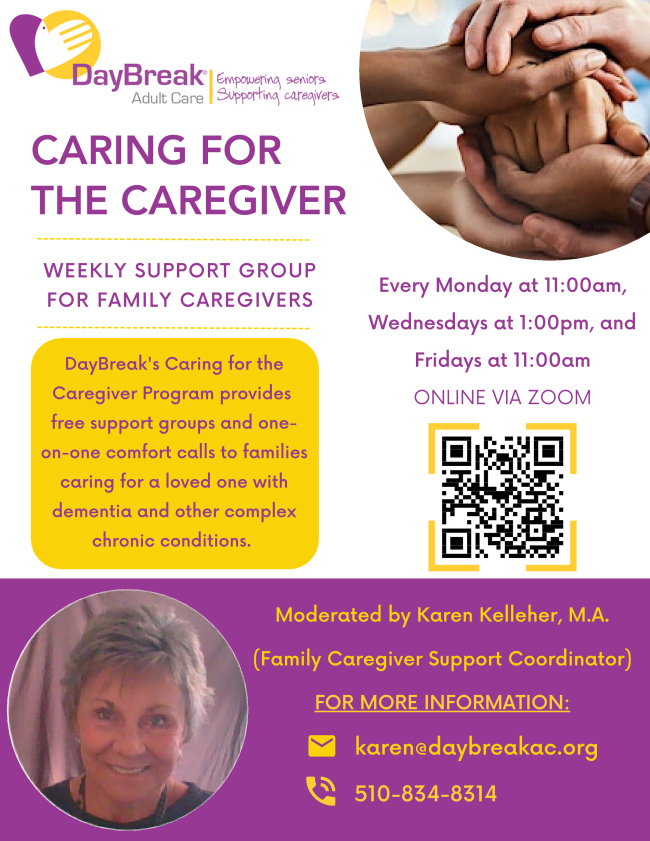
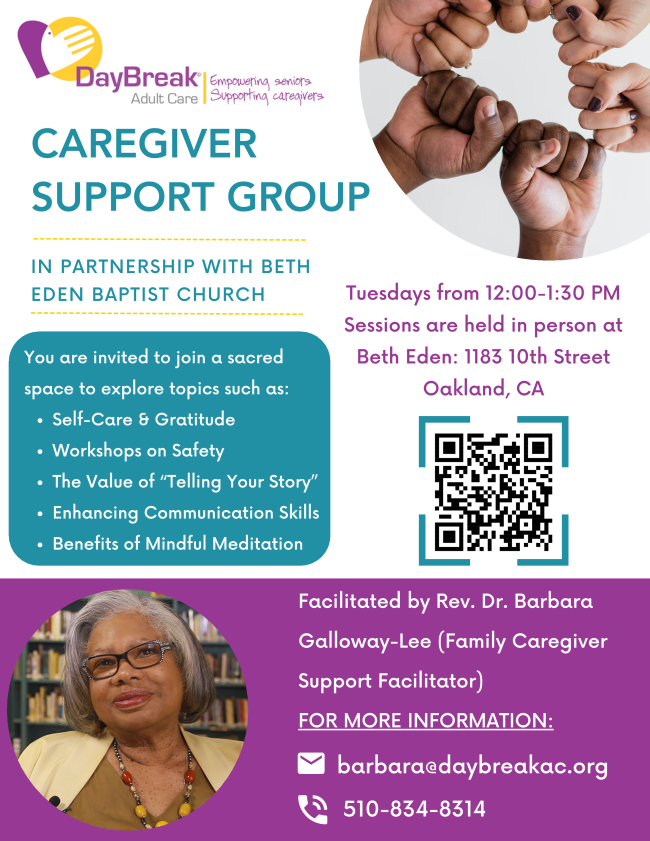
A good caregiver support group can be a lifeline, providing a place to share feelings confidentially, make friends, get help navigating the health care system, and learn from others who have walked a similar path. A supportive community develops among members with the opportunity to experience a connectedness with individuals who "get" one another without the fear of judgement or need for "correction."
In the company of like-minded people, one can feel comfortable voicing one's frustrations, questions, or accomplishments without having to explain ones self. In addition, support groups provide a safe place where one can vent negative emotions and not feel judged.
|