September 16, 2025

When I'm distraught by conflict nationally and don't know what to do, I try to do things locally. Rather than rant about how distant people should change their ways, I try to change MY ways. Below are two practical tips for making peace close to home.

1. Find a Way to Talk


In principle, in order for people to avoid conflict there has to be a way for them to talk. When in tension with someone else in my group, rather than talk with them directly, it is easiest to assume a superior position and take steps to prove my righteousness. It is also relatively easy to propose changes to the system in which we both operate: new rules, new policies, new ways of doing things that I think will make the tension go away. But both of these approaches create conflict and/or burden for my group.


Sometimes the barrier to direct communication is of a mechanical nature such as language or physical proximity or connection. But most often the barrier is our own fear about having a hard conversation. We don’t trust ourselves to say the right things or react the right ways. We are afraid that in a one-on-one setting we will lose the battle we are trying to win.


Practical Tip: Don’t view tensions as battles to be won or lost but rather as shared problems to be solved in shared ways. Before doing anything else, seek first to find a way to talk with those who are part of the problem.


If there are mechanical barriers to talking, work to fix them. In today’s world, going to war because one party can’t physically communicate with another is no excuse. If there are personal emotional barriers in the way, work to fix them. If you are part of the problem; have a talk with yourself. Creating conflict or requiring your group to consider systemic changes because of your own emotional issues is selfish and inefficient.


And if someone else proposes a way to talk with you about a shared problem, accept the opportunity. Always talk first. Find a way.

Comments

2. Prepare to Listen. Make it a thing.

Right before heading into an important meeting or conversation, I try to do three things:


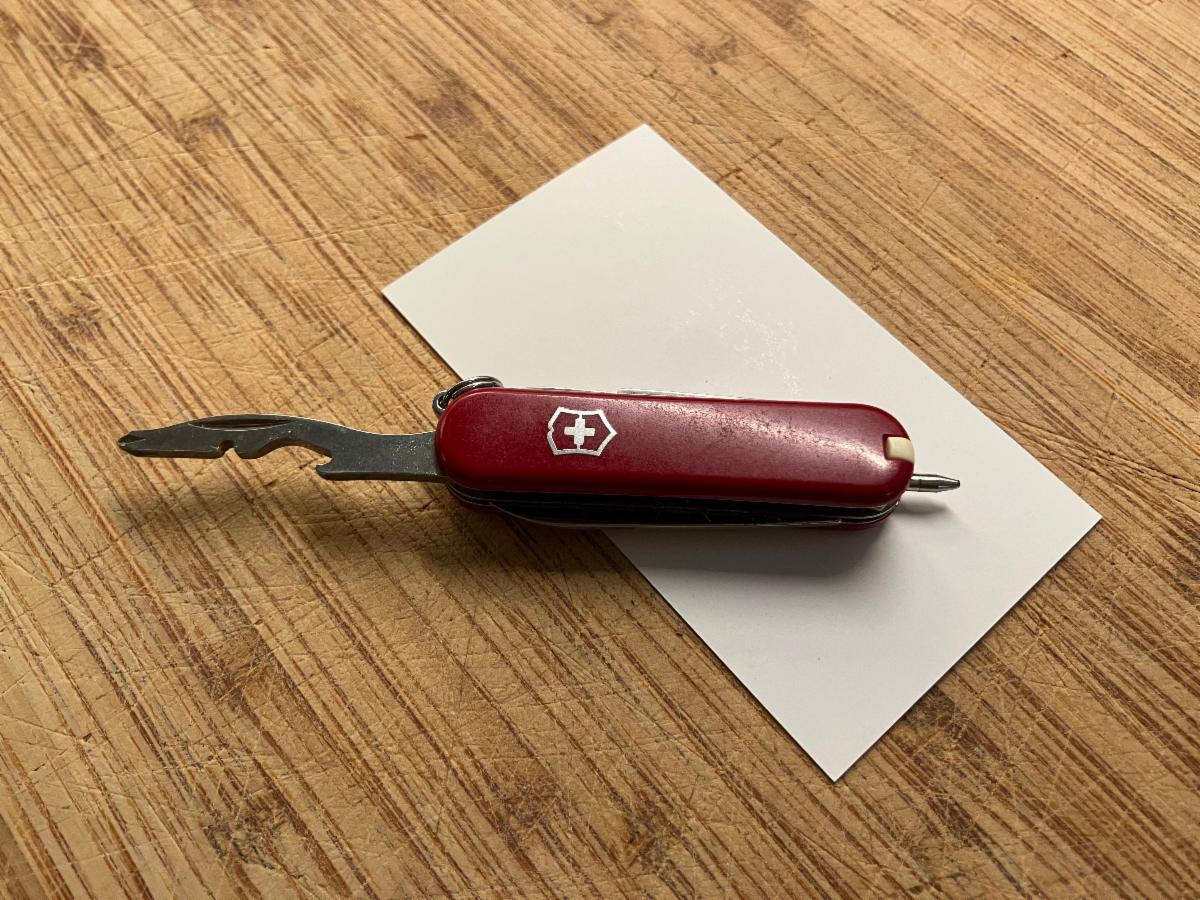
Plan my notes. If I hear something note-worthy, where will I write it down? I usually have two plans for that. 1. I have in my pocket a couple business cards and a Swiss Army Knife pen. Really. It’s called the Manager if you want to get one yourself. I’m always ready to write a note on the back of a business card. 2. And before I start conversation, I have queued up a place on my phone to take notes so I don’t have to fumble and risk distraction in a key listening moment. I want to whip out my phone and start typing immediately.


Plan my phone. Apart from planning my notes, I consider what interruptions I will allow and make a plan for my phone. Where will it be? With what notifications? In my case, my hearing aids are tied to my phone. Sometimes I have to interrupt a conversation to turn to my phone to make adjustments. I hate that. So I try to remember to adjust the settings before I enter the room.


Get curious. If you think the first two things are trivial, they’re both about this thing: an attitude of curiosity. These trivial acts remind me that preparing to listen is a thing. I actually do stuff to get in a mindset of wondering what I’m about to learn. I breath and try to open my mind.


Most of us before a meeting; we prepare what we might say. We practice the lines and refine the arguments in our heads, in the car and in the elevator. Yet why not apply the same rigor to listening? Instead of planning what I might say, it’s fun to imagine what I might hear. I look forward to just listening.


For me, the act of writing helps me listen. If I’m listening for things to write down, I’m more attentive. When I push my brain to translate what I hear into short notes; I’m pushing myself to find nuggets in the words I hear.


One more thing about handwritten notes on cards: I find them in my pocket later. They make me reflect. At the very least, I have to decide what to do with the card. Yet when I make a note on my phone, I have to remember I made it and then find it.


These are my tricks for preparing to listen. They probably seem vintage. Fair enough. What are your tricks?

Comments

More practical tips here for thinking nationally and acting locally.

League of Women Voters Stands Tall on Redistricting

Texas Republicans re-drew their voting districts to give themselves an advantage in the national congress. So California Democrats re-drew their voting districts to favor Democrats. And almost immediately, the League of Women Voters of the United States denounced a tit-for-tat approach to redistricting. Good for them. They stated: "State legislatures redrawing their maps mid-cycle reflects political gamesmanship that erodes public trust in our democracy. Redistricting must be fair, transparent, and rooted in the voices of voters — not partisan retaliation."

Learn more here

Maine's "Community Plate" on NBC News


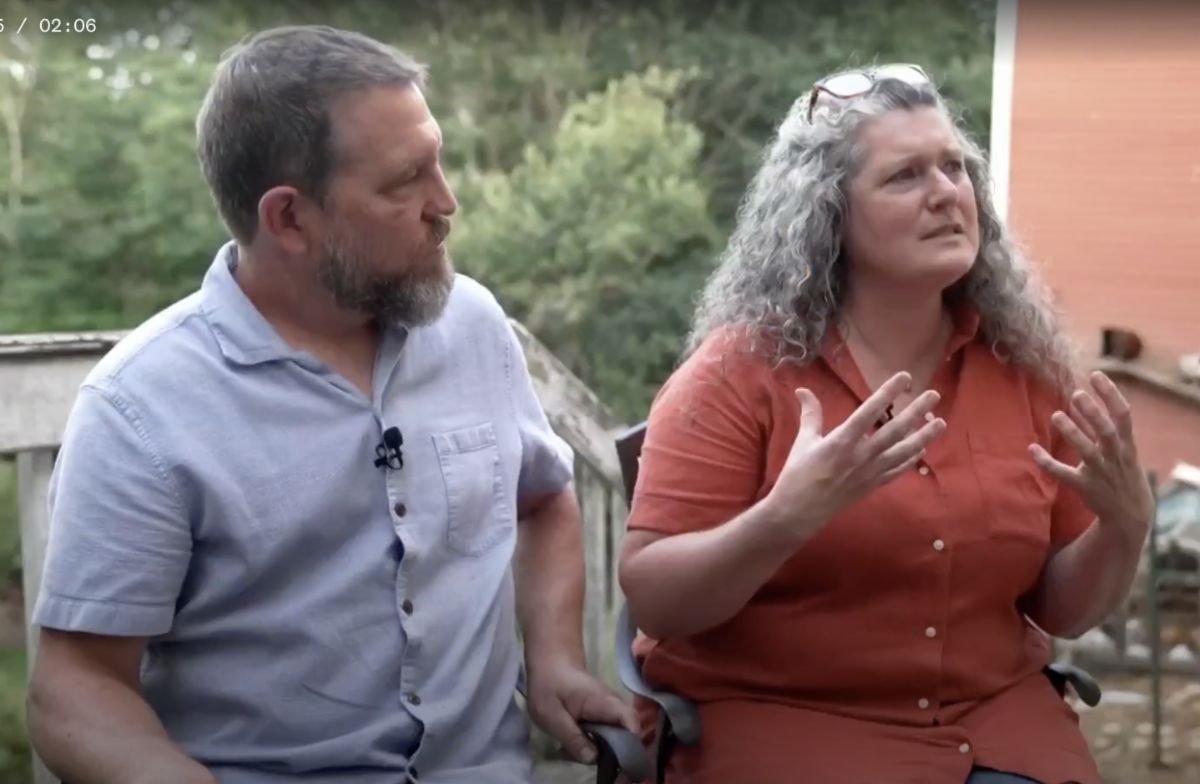
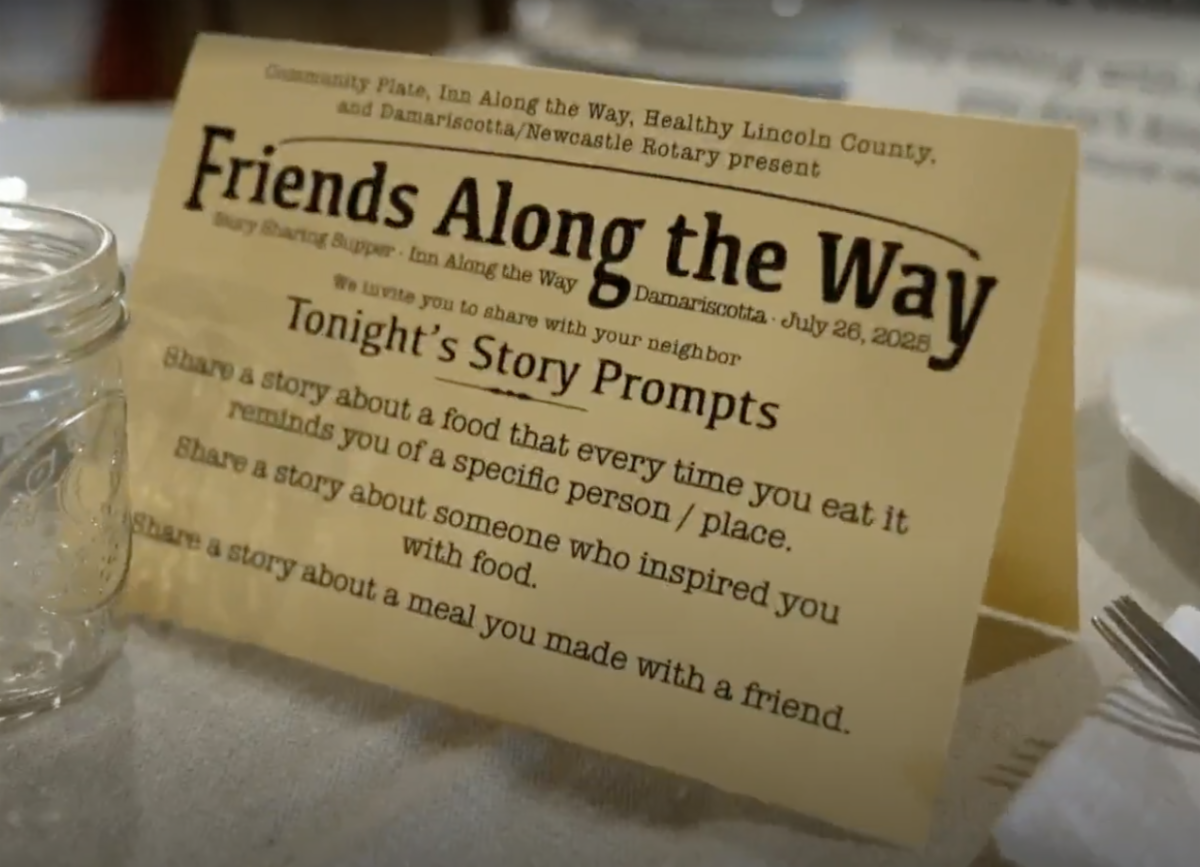
"Let's make it a pot luck movement!" Margaret Hathaway told NBC reporters. With her husband Karl Shatz, she started Community Plate. Their website explains: "We bring people together in non-partisan, cross-cultural, intergenerational spaces at Story Sharing Potluck Suppers. Together, we reimagine the community potluck using storytelling as a source of connection and entertainment."

Here's the NBC News clip.

Very fun.


Learn here

about Community Plate events


Not in Maine?

Here's a national effort called

Common Ground Gatherings

(I got the "Think Nationally - Act Locally" phrase from these folks)

Join me at the

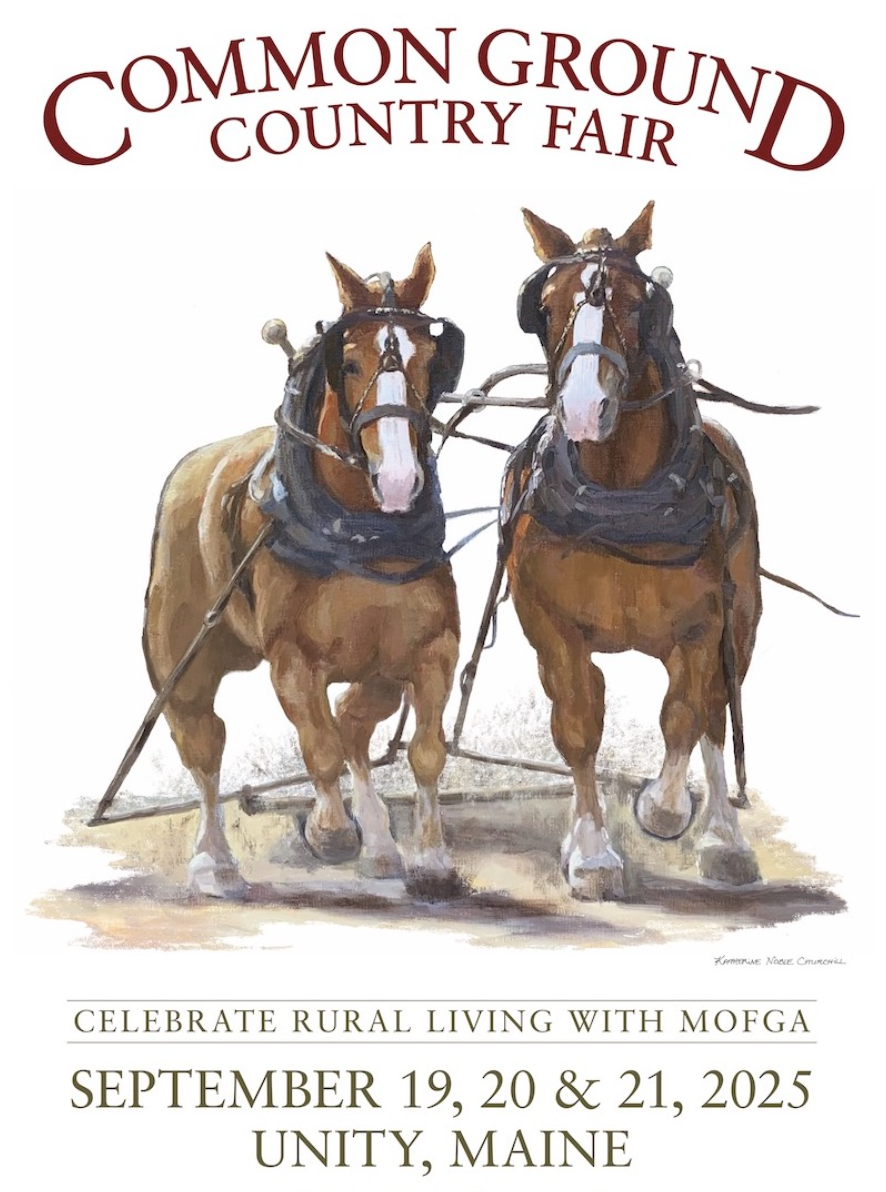
Common Ground Fair


My topic this year is How to Get Along when we Disagree. I will be at the SPA (Social and Political Area) Speaker's Tent at 11am on Sunday, September 21.


Many of us fear current environmental and political trends. Some of us are terrified. Many of us are retreating to our own corners, increasingly alienated from each other; increasingly afraid to engage with others who think differently.


Come learn some practical tips and tools for navigating this scary world. Learn strategies to get along with others even when you disagree; even when you don't like what they believe. Come get inspired and gain confidence to forge conversations and partnerships across divides; political divides, religious divides, wealth divides.


Presenter Craig Freshley has written a best-selling book called Together We Decide, An Essential Guide for Making Good Group Decisions. And he has received the American Award for Civic Collaboration for facilitating conversations between Democrats and Republicans.

Links to get along and find peace

Written and published by Craig Freshley. Thanks for walking along with me.


Linkedin  Youtube