Practical Changemaking

Indigenous Peoples' Day:

Thinking Seven Generations Ahead

October 2026


"If we think seven generations ahead, we will make decisions that benefit our children and their children yet to come."


— Haudenosaunee (Iroquois) Principle of the Seventh Generation


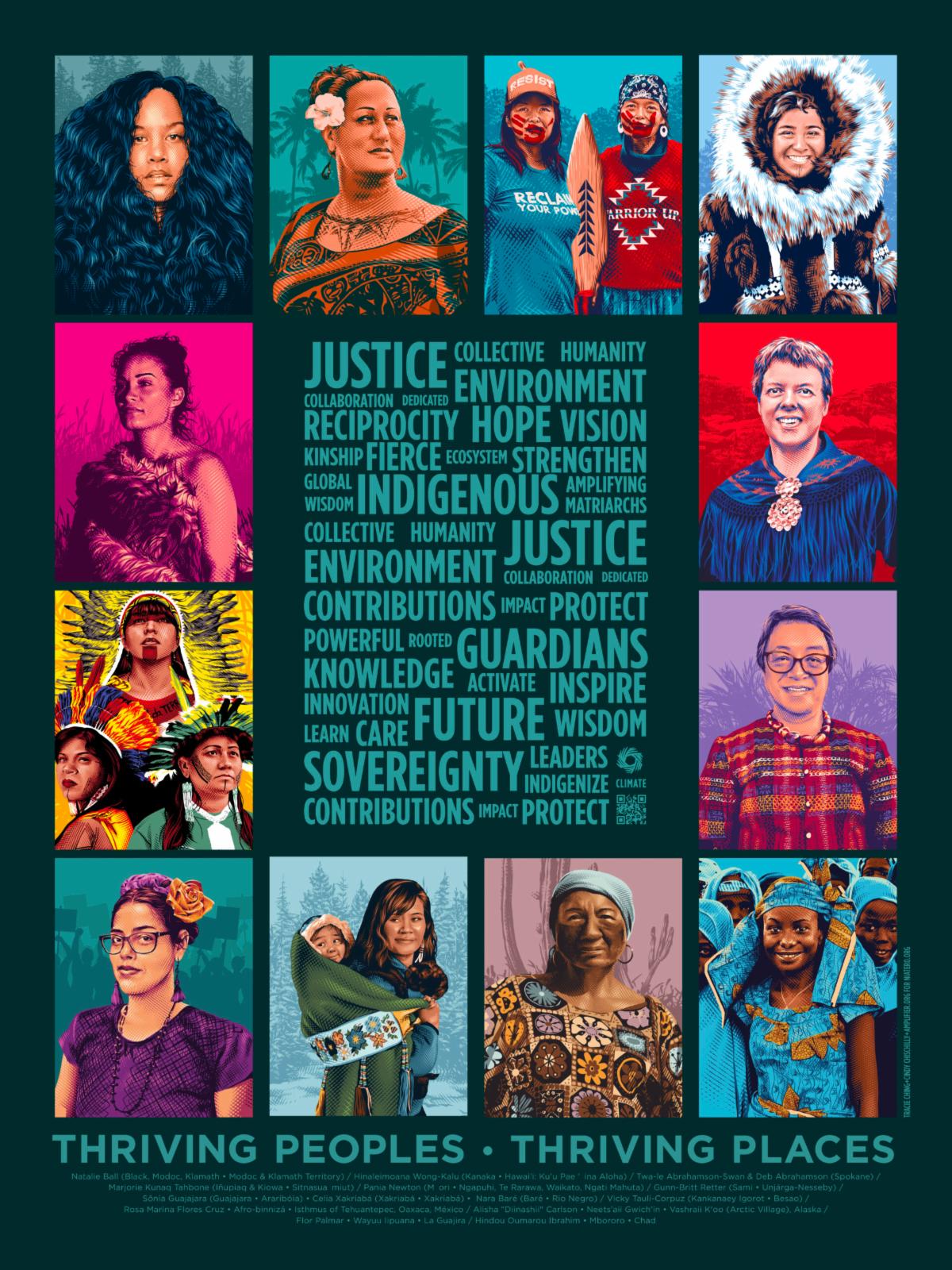
Art by Tracie Ching

Indigenous Peoples' Day, observed today in the US, invites us to honor the wisdom, leadership, and resilience of Indigenous communities while reflecting on the lessons they continue to offer about creating a more just and thriving future.


The day and its celebration matter deeply because they correct a story in which the land we know as the United States was “discovered,” when it was already home to peoples and cultures with vast knowledge and deep relationships to one another and to the land. In recognizing that history, we acknowledge and bear witness to the violence of colonization, broken treaties, and forced removals, and we center and affirm Indigenous peoples and the fundamental roles they have played, and continue to play, from the past to the present day. 


Among those teachings is the Haudenosaunee principle of the Seventh Generation: the belief that decisions should be made with consideration for their impact on the next seven generations.


At WE, this teaching resonates deeply with our commitment to intergenerational well-being and our purpose of rooting, connecting, and nourishing a movement of Better Ancestors. What would change if every policy, investment, partnership, or community decision was made with future generations in mind?


This month, we're highlighting Indigenous leaders and partners whose work demonstrates what it looks like to build healthier systems, strengthen communities, and care for the Earth in ways that benefit not only those living today, but generations yet to come.


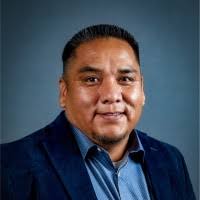
Building Systems That Listen: Echohawk Lefthand


For Echohawk Lefthand, meaningful systems change begins with listening. A member of the Navajo Nation, Echo has spent his career working across public health, veterans' services, Indigenous education, and community leadership. Throughout that journey, he has remained focused on ensuring communities have a meaningful voice in shaping the decisions that affect their lives. 

"The best people are those with lived experience." 

While leading Nebraska's Minority Health Initiative, Echo discovered WE's Pathways to Population Health Equity Compass while searching for a way to better understand health disparities and strengthen relationships with underserved communities. What followed was more than the adoption of a framework. It became an opportunity to help health departments understand local realities, build stronger community partnerships, and design more responsive systems.  


Working alongside WE, Echo and his team adapted the Compass into a Scan and Plan process that connected planning, funding, accountability, and community voice. Rather than relying solely on statewide statistics, communities were encouraged to understand what data meant through the lived experiences of local residents. 


As an Indigenous leader, Echo emphasizes a holistic understanding of health that includes culture, relationships, history, opportunity, housing, healthcare, and belonging. Meaningful change, he believes, requires understanding the full context of people's lives.


The Seventh Generation Principle reminds us that the systems we build today become the inheritance of future generations. Echo's work offers a practical example of what happens when communities are trusted to help shape that inheritance.


The Khonmadi Project: Caring for the Next Seven Generations


If the Seventh Generation Principle asks us to think beyond ourselves, the Khonmadi Project invites us to deepen our relationship with the Earth itself.


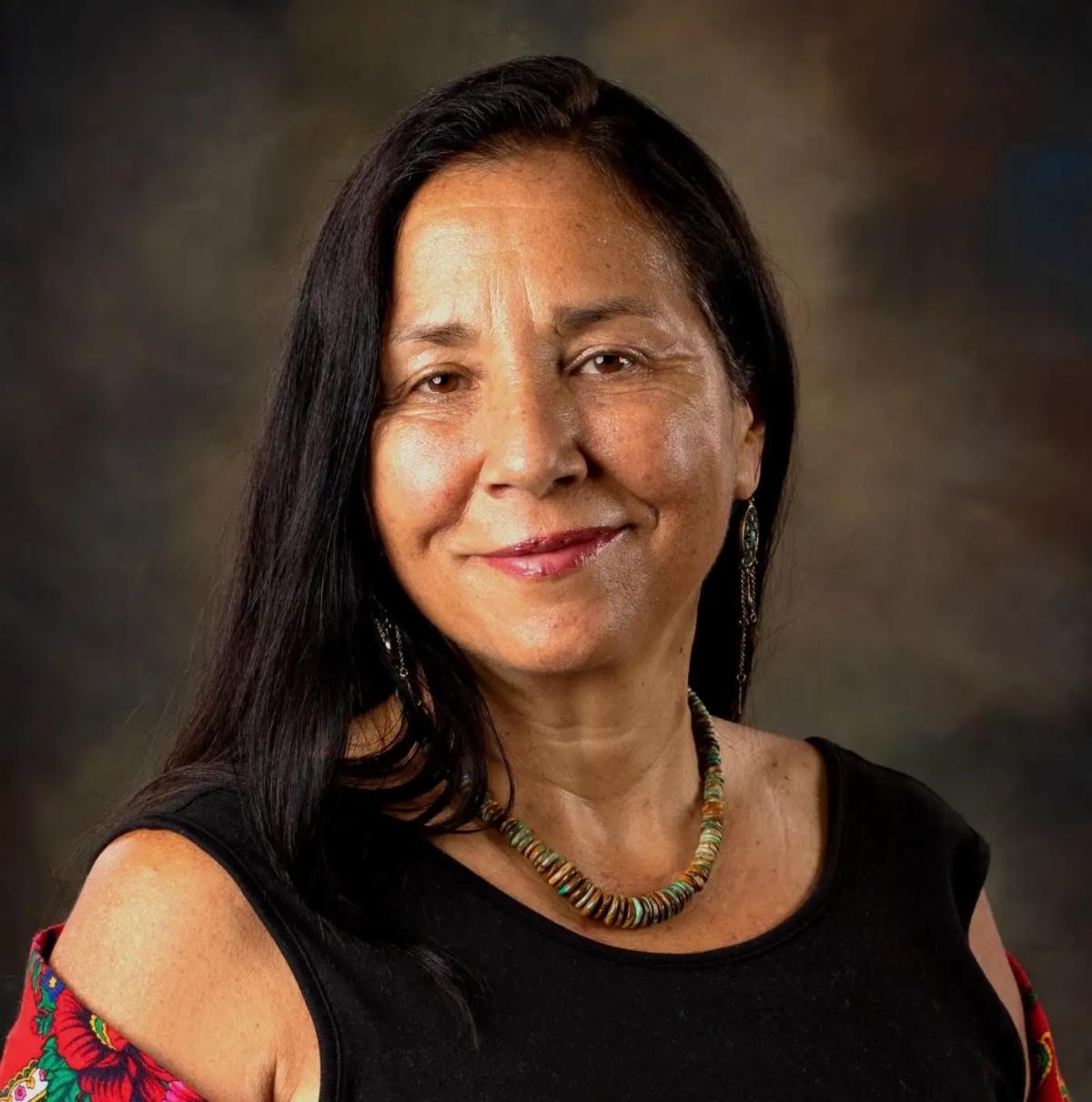
Led through Freedom Lodge by Dr. Ruby Gibson, the project emerged from a spiritual challenge and vision centered on healing, stewardship, and blessing Mother Earth through the sacred sound "Khonmadi."

The project teaches that caring for future generations requires caring for the systems that sustain all life: the water we drink, the land we walk upon, the air we breathe, and the ecosystems that connect us.


Upcoming journeys to places such as Carlsbad Caverns National Park and Actun Tunichil Muknal in Belize invite participants to slow down, listen, and reconnect with their role as stewards of the living world.


If we are serious about becoming Better Ancestors, stewardship cannot be an afterthought.


It must become a daily practice.


A Story of Honoring...


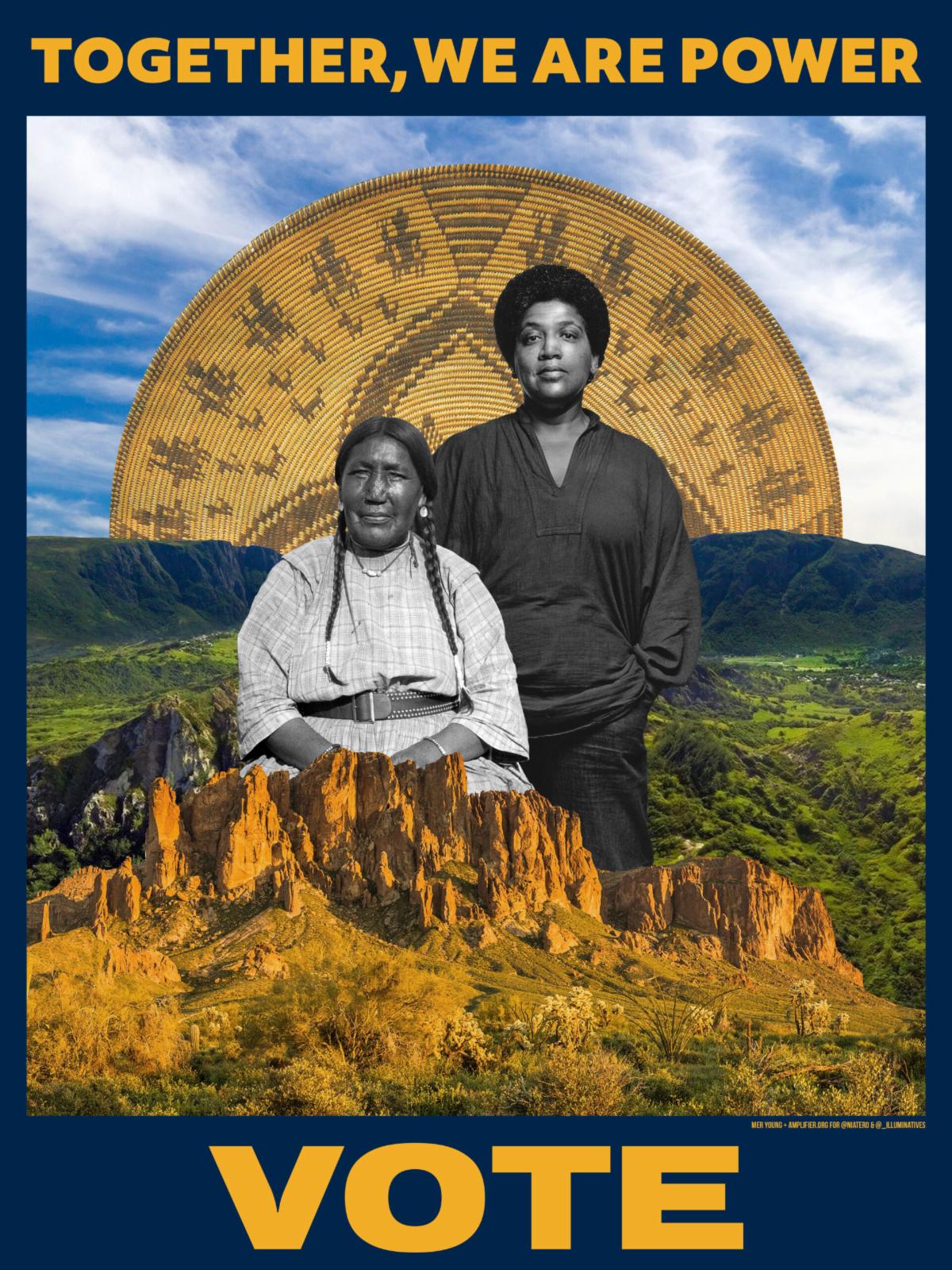
Together We Are Power Vote

Art by Mer Young


For Indigenous Peoples’ Day 2020, Amplifier, Nia Tero and IllumiNative teamed up to launch a new large-scale public art campaign to elevate Indigenous land stewardship! It also celebrated the vital relationship between Indigenous sovereignty and Black liberation, particularly as our globe passes through multiple material crises of our own making and the November elections were top of mind. 


Resources and Tools

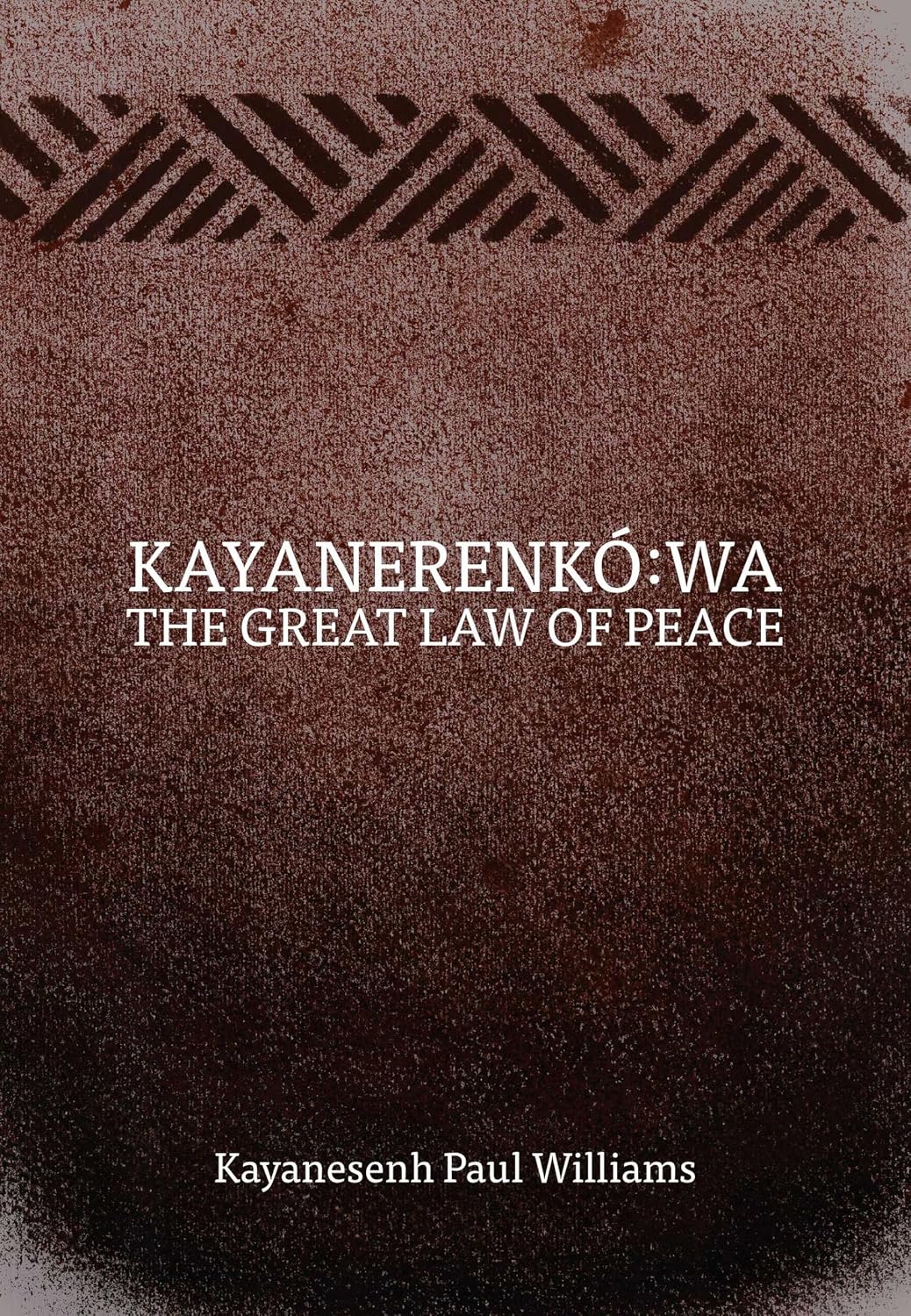
Kayanerenkó:wa: The Great Law of Peace

by Kayanesenh Paul Williams


Written by a Haudenosaunee legal scholar, historian, and negotiator, this comprehensive volume breaks down the history, context, processes, and articles of the Great Law, making traditional governance and philosophy accessible.

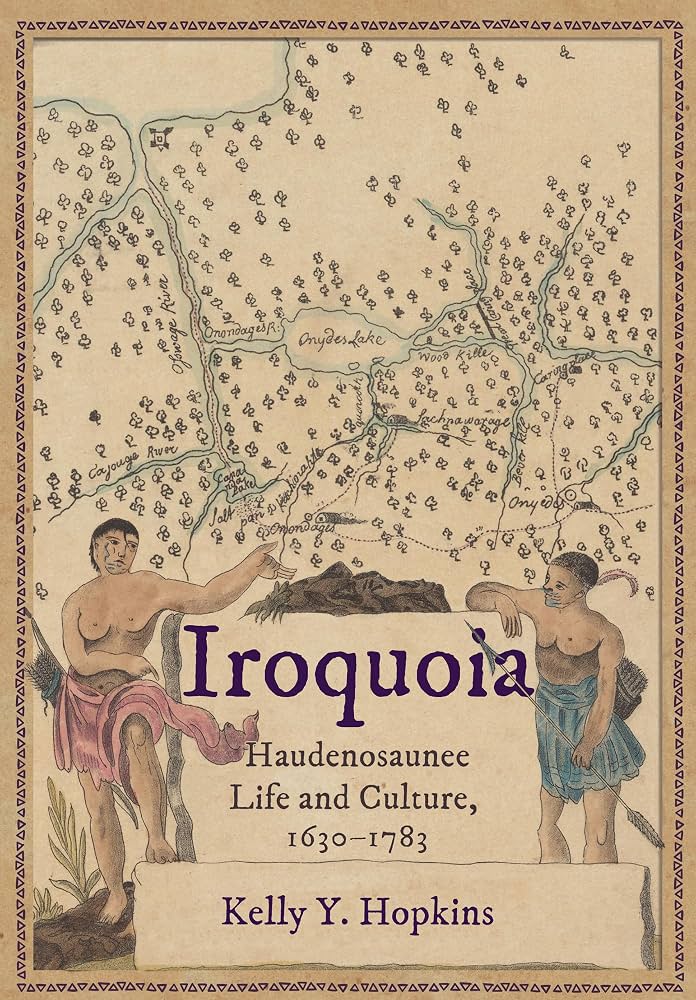
Iroquoia: Haudenosaunee Life and Culture, 1630–1783

by Kelly Y. Hopkins


Examines how the Haudenosaunee navigated seven generations of intense social, environmental, and global market changes following European contact while maintaining their homelands and cultural values.

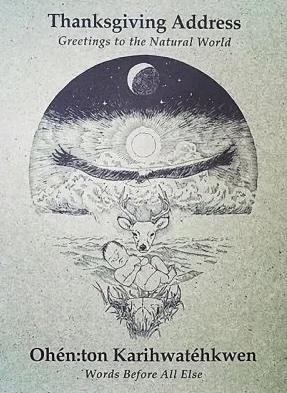
Words Before All Else: Greetings to the Natural World

Haudenosaunee Confederacy


The Thanksgiving Address (the Ohen:ton Karihwatehkwen) is a traditional address of gratitude for the Haudenosaunee (also known as the Iroquois Confederacy or Six Nations — Mohawk, Oneida, Cayuga, Onondaga, Seneca, and Tuscarora). It reflects their relationship of giving thanks for life and the world around them.


Native Land Digital


A website to help map Indigenous territories, treaties, and languages. Explore each map to learn more and see history from a new perspective.


Facebook            Instagram            LinkedIn
 

Well-Being and Equity In The World Institute252 Daniel Webster Highway #1017 Nashua, NH 03060 US