Having trouble viewing this email? click here to read online. | |
|
Nil.
Shower Orange.
Algo.
Coffee Nap.
Yep. 575+ new words or phrases have been added to the Oxford English Dictionary in 2023.
NIL – Name, Image and Likeness – for those college sports kids looking to make thousands before they make millions.
Shower Orange – ok, help me Ronda on this one, apparently there’s a thing where you peel an orange and then take it into the shower cause it increases the citrusy fragrance. True.
Algo – as in algorithm. A informal noun. Really.
Coffee Nap – a short 15-30 minute nap taken after having a cup of coffee. Apparently the energizing benefits of the caffeine are bolstered by the body’s drop in adenosine levels. Right.
Happy New Year and Welcome to 2024.
We hope it is filled with lots of new discoveries, adventures, surprises and joy.
And thank you for being loyal Daniels Energy customers.
| | |
|
So, as a Colorado Buffalo alum, I am about all things Buffalo.
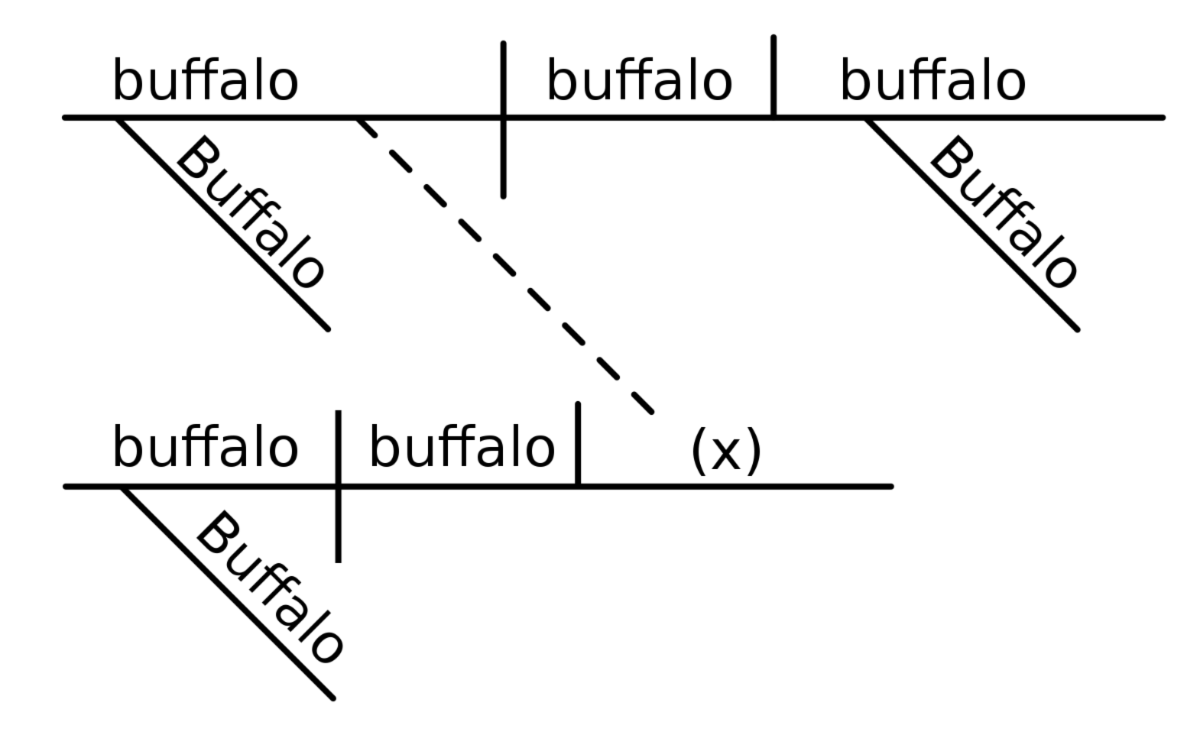
Recently I found this sentence: Buffalo buffalo Buffalo buffalo buffalo buffalo Buffalo buffalo and I was frankly buffaloed.
How could that be an actual, legit sentence?
But, as only buffs of Buffalo would know – it can. Here’s how. Stay with it.
| 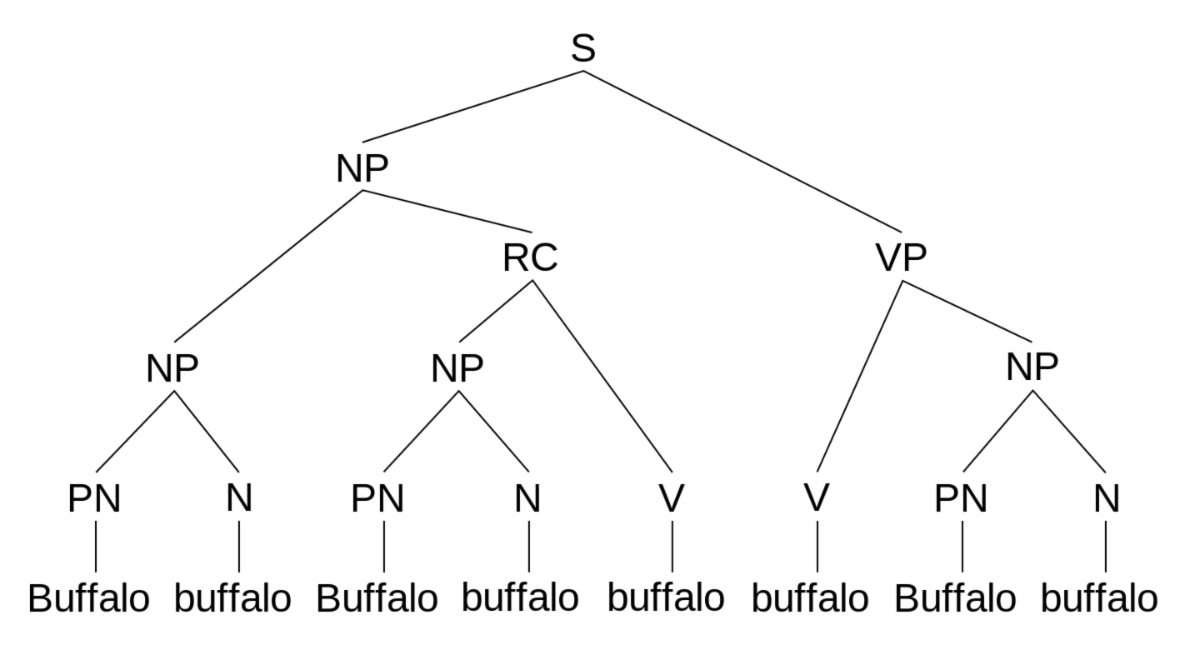 | |
Simplified parse tree
S = sentence
NP = noun phrase
RC = relative clause
VP = verb phrase
PN = proper noun
N = noun
V = verb
"Buffalo buffalo Buffalo buffalo buffalo buffalo Buffalo buffalo" is a grammatically correct sentence in English that is often presented as an example of how homonyms and homophones can be used to create complicated linguistic constructs through lexical ambiguity. (That’s what I always say.)
The sentence employs three distinct meanings of the word buffalo:
-
As an attributive noun (acting as an adjective) to refer to a specific place named Buffalo, such as the city of Buffalo, New York;
-
As the verb to buffalo, meaning "to bully, harass, or intimidate" or "to baffle"; and
-
As a noun to refer to the animal the buffalo The plural is also buffalo. Who knew?
A semantically equivalent form preserving the original word order is: "Buffalonian bison that other Buffalonian bison bully also bully Buffalonian bison."
| |
|
Reed–Kellogg diagram of the sentence
The sentence is unpunctuated and uses three different readings of the word "buffalo". In order of their first use, these are:
-
a. a city named Buffalo. This is used as a noun adjunct in the sentence;
-
n. the noun buffalo, an animal, in the plural (equivalent to "buffaloes" or "buffalos"), in order to avoid articles.
-
v. the verb "buffalo" meaning to outwit, confuse, deceive, intimidate, or baffle.
The sentence is syntactically ambiguous;
Because the sentence has a restrictive clause, there can be no commas. The relative pronouns "which" or "that" could appear between the second and third words of the sentence, as in Buffalo buffalo that Buffalo buffalo buffalo buffalo Buffalo buffalo; when this pronoun is omitted, the relative clause becomes a reduced relative clause.
See?
| |
Five Ways To Stay Warm This Winter | |
Open the blinds on the sunny side of the house - close them on the other side | |
|
In the winter, do this in the morning. Open all of the blinds and curtains on the east-facing side of the house and make sure everything is closed on the west side (usually done the night before). If you’re home at noon switch the two.
Then, after dinner close everything on the west side of the house. This goes a long way towards maximizing the benefits of direct sunlight and minimizing the heat lost to windows not facing the sun.
| |
|
Cooking is a great way to warm up the air in your home, and it provides you with something warm to eat as well. Adding the calories from food, you’re now warming yourself in three ways with one act.
| |
Install a programmable Thermostat | |
|
Does your home's heating and cooling only go up, down, or off? Installing a programmable thermostat can save you a lot of cash and frustration. Programmable thermostats have some geek-friendly controls and options these days, and are well worth the hassle. Our best advice: Secure the wires before you pull the old thermostat away—you do not want to have to fish around for them, or run new leads.
| |
|
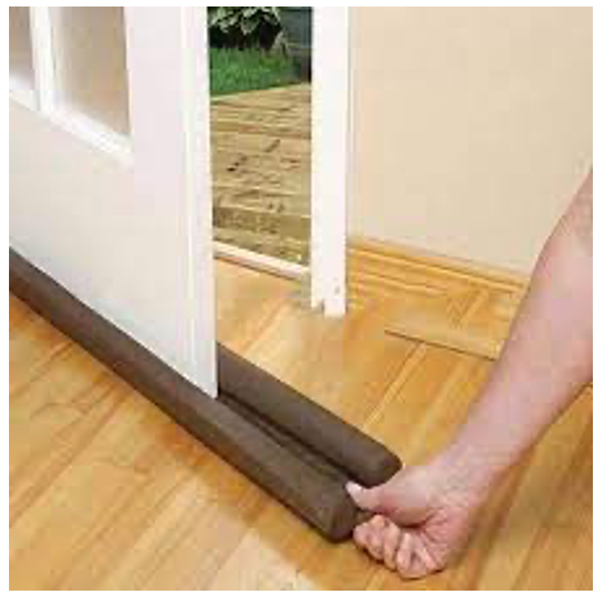
There’s still time to plug, seal, and caulk. Caulk both the inside and outside of your windows. Outside, focus on the sealing around all the edges of the sills with a water-resistant product.
Inside, use a temporary silicone caulk around all moving parts of the window. In the spring, when it’s time to open everything up, the silicone will break loose easily and not damage paint or varnish.
| |
|
Ceiling fans are a great way to help cool your house in the summer, and they come in handy during the winter months too. For the winter reverse the direction of airflow on your fans. Since warm air rises, the fan blades will push the air down and help keep the toastier air in circulation.
How do you know if your fan is rotating in the right direction for winter? Here’s the trick — turn your fan on and look up. For winter, your fan’s blades should be moving clockwise.
| |
Six Podcasts We Don't Listen To But... | |
…Everyone seems to think these are very worthwhile and in deference to our younger readers and those who have long drives to work…may we suggest: | |
|
Besides having the best title of the year, “Magnificent Jerk,” from the producer-host Maya Lin Sugarman, has a singularly amazing premise: it sets out to solve the mystery of how Sugarman’s late uncle secretly wrote a semi-autobiographical screenplay about Chinese American gangsters that morphed into a straight-to-video action movie set in Eastern Europe, starring Burt Reynolds, Ice-T, and a pre-comeback Rob Lowe. (“I wanna stop smokin’ rock . . . real bad,” Lowe slurs in the movie, 1997’s “Crazy Six.”)
Sugarman’s uncle, Galen Yuen, straddled the worlds of street crime and Hollywood -- By the end, it’s become a moving rumination on why we keep family secrets, and what we choose to hide.
| |
|
You might not expect a public-radio exposé to turn into a true-crime thriller, but that’s what happens in “The 13th Step.” When the New Hampshire Public Radio reporter Lauren Chooljian gets a tip that Eric Spofford, the leader of the state’s biggest addiction-treatment network, has allegedly been sexually harassing and assaulting women, she uncovers multiple accounts of abuse. Then chaos ensues.
During the course of Chooljian’s reporting, Spofford sold his business for what he claimed was more than a hundred million dollars, moved to Florida, began posting vainglorious YouTube videos, and sued Chooljian and her station for defamation. Also, someone began throwing bricks through Chooljian’s windows and spray-painting threats on her house. As her reporting expands, this meta-plot darkly, perversely illustrates her themes, just as much as the story itself does
| |
|
If you spent any time in Boston in the nineties, you likely noticed endless construction, enormous piles of dirt, and signs that said “Rome wasn’t built in a day.” This was the Big Dig, the most expensive highway project in the history of the United States, which replaced Boston’s intrusive, city-bisecting elevated highways with a network of subterranean and underwater tunnels. It also added beautiful parks and bridges above ground, and became shorthand for a certain kind of civic nightmare.
This nine-part series, produced by GBH News and reported and hosted by Ian Coss, excavates the whole fascinating story, with an eye toward understanding current-day cynicism and idealism about infrastructure. He brings the story to life with original music and excellent archival audio, which illuminates the mid-century establishment of the highway system, as well as the various Bostonian personalities that drove or impaired the Big Dig. As we listen, we find ourselves pondering things like transit authorities and slurry walls with feverish intensity; throughout, Coss deploys memorable details, like a key character, hard at work, waking up one night with his nose in a pizza.
| |
|
If you recently looked at Timothée Chalamet’s latex travel coat, shook your head, and thought, I sure hope he doesn’t rip that, you may have listened to the “Paper and Rubber” episode of Avery Trufelman’s terrific series about clothes and culture.
This year, Trufelman followed up last year’s season, “American Ivy,” about the history and influence of preppy clothing, with biweekly episodes that feature a closetful of topics, including corduroy, paisley, plus sizes, pointe shoes, and, yes, prison uniforms.
“Articles,” is always well researched, unexpected, and entertaining, and is all the more impressive for the fact that Trufelman writes, produces, reports, and hosts it, with a voice that’s like velvet for the ears. In an episode about the importance of articulating one’s personal style, she talks to a woman who describes her own as “chill, modern, and classic”; the same could be said of the series, and if it were a dress, it would have pockets.
| |
|
The Economist has become a reliably great source of thoughtfully produced, expertly reported podcasts, including “Drum Tower,” about China, last year’s “The Prince,” about Xi Jinping, and “Next Year in Moscow,” about Russians trying to cope with what their country has become in the era of Putin’s war crimes.
Our host is The Economist’s Arkady Ostrovsky, who travels to Istanbul, Europe, “and the fringes of the old Soviet empire” to talk to Russians who left when Putin’s attacks on Ukraine began, in 2022. “I clearly remember this feeling that this is not my world anymore,” one says. Another remembers what amazed him about Gorbachev, and what Russia needs again: the understanding “that human life and dignity would take priority over the prestige of the state.”
| |
"Think Twice: Michael Jackson" | |
|
“Think Twice” astonished me twice. First, for existing: when I learned that Leon Neyfakh, one of the most consistently creative forces in podcasts, was releasing a series about Michael Jackson, I thought, Why? After “Leaving Neverland,” the 2019 HBO documentary that suggested that Jackson had indeed sexually abused boys, what else needed to be said? Then, when I listened, “Think Twice” astonished me with the breadth of its accomplishment.
One of Neyfakh’s strengths is his ability to upend the fossilized narratives of a cultural or historical moment, laying out details and stories we overlooked. (See also Neyfakh’s other excellent series this year, “Fiasco: Vigilante.”) “Think Twice,” which incorporates interviews, rare archival audio, and meticulous reporting, doesn’t seek to defend or condemn the singer; it just helps us make sense of him, and the results are revelatory. The series, listening closely to the music we love and the realities we don’t, achieves a kind of miracle of content and tone. If “Think Twice” lets us process Jackson’s death, it’s because it allows us to mourn for the person we wanted him to be.
| |
|
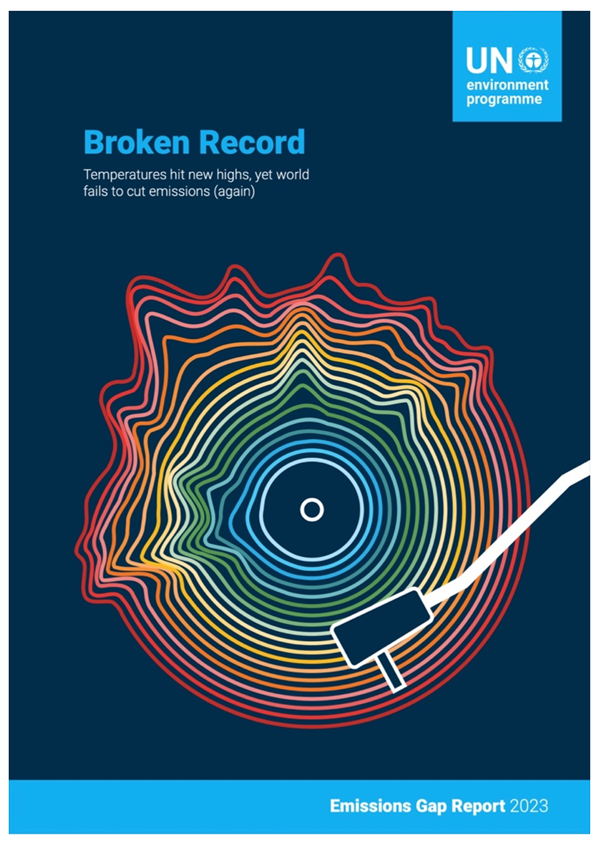
As an old ad guy I still get a chill when an idea get expressed so simply, elegantly and perfectly rendered. Here’s the design of a UN report on the environment. No matter what side of the argument you may reside, you must admit this is just great design.
Or…not.
| |
|
We Made This. You Should Too.
You Will Thank Us.
| |
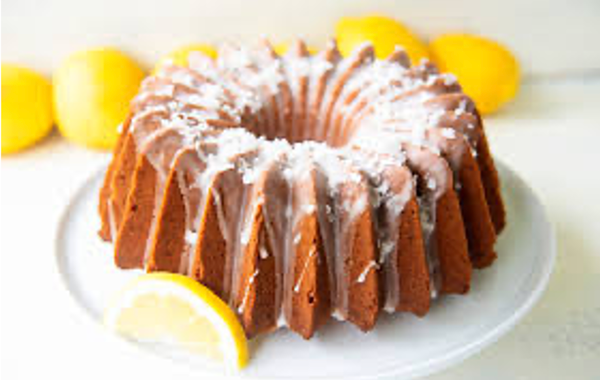
Lemon Pound Mascarpone Cake | |
Ingredients
• 1 1/2 cups unsalted butter, at room temperature
• 8 oz. Mascarpone cheese, at room temperature
• 3 cups granulated sugar
• 6 eggs
• 3 cups All-Purpose Flour
• 1/2 tsp. salt
• 1/4 cup buttermilk
• Zest of two lemons
• 2 TBSP lemon juice powder
• 1 cup shredded sweetened coconut
For the Glaze:
• 2 cups powdered sugar, sifted
• 2-4 TBSP fresh lemon juice
• coconut as garnish
Instructions for the cake
- Preheat oven to 325F degrees.
- Spray a 12 cup Bundt pan with baking spray.
- Using a stand mixer with a paddle attachment, beat butter, Mascarpone together until smooth, about 3 minutes.
- Add suger slowly, beat medium speed until mixture is light and fluffy.
- Add eggs to batter, one at a time, scraping down the sides and bottom of bowl
- In a separate bowl, whisk together flour and salt; add to butter mixture, alternating with buttermilk, beginning and ending with flour.
- Beat batter on low, after each addition, until blended.
- Add lemon zest and lemon juice powder and stir until incorpoated.
- Fold in coconut.
- Pour batter into prepared Bundt pan.
- Bake for 1 hour and 30 minutes to 1 hour and 35 minutes or until a cake tester inserted in the center of the cake comes out clean.
- For the Glaze:
- Whisk ingredients together and pour over cake. Sprinkle with coconut if desired.
| |
Turkey's Astonishing Ruins - Gobekli Tepe | |
|
We thought we’d introduce someplace new to start the new year.
Gobekli Tepe – one of the great mysteries of the world - was inhabited from c. 9500 to at least 8000 BCE, during the Pre-Pottery Neolithic.
It is famous for its large circular structures that contain massive stone pillars—the world's oldest known megaliths. Many of these pillars are decorated with anthropomorphic details, clothing, and sculptural reliefs of wild animals, providing archaeologists rare insights into prehistoric religion and the particular iconography of the period.
| |
The 20 acre area is densely covered with ancient domestic structures and other small buildings, quarries, and stone-cut cisterns from the Neolithic, and marks the appearance of the oldest permanent human settlements anywhere in the world. More here: https://en.wikipedia.org/wiki/Göbekli_Tepe
| | |
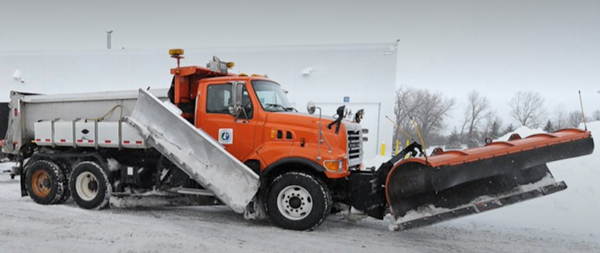
Why is it that Minnesota has, seemingly, much more fun than CT? For instance, the names they choose for their snowplows. C’mon, they’re fun. Here’s last year’s suggestions: | | |
|
So to kick off what we are sure will be a blizzardly January – please give us a nickname for Connecticut’s best snowplow (please, keep it clean) and we’ll pick our favorite and send along a $25 Amazon gift card.
Tell us here - and you could lean up!
| |
A Dozen Books for the New Year | |
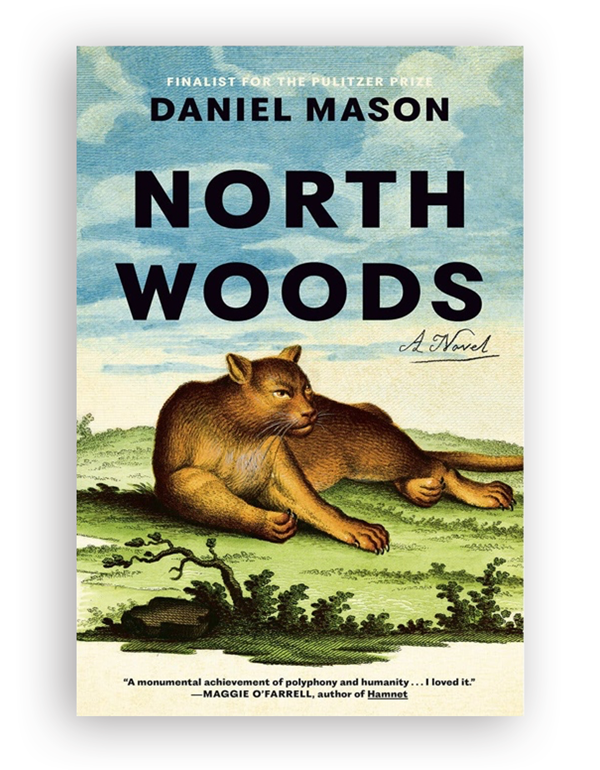
North Woods, by Daniel Mason | |
|
Mason’s ambitious, kaleidoscopic novel ushers readers over the threshold of a house in the wilds of western Massachusetts and leaves us there for 300 years.
One after another, in sections interspersed with letters, poems, song lyrics, diary entries, medical case notes, real estate listings, vintage botanical illustrations and assorted ephemera not normally bound into the pages of a novel, we get to know the inhabitants of the place from colonial times to present day.
There’s an apple farmer, an abolitionist and a wealthy manufacturer. A pair of beetles. A landscape painter. A ghost. Their lives (and deaths) briefly intersect, but mostly layer over each other in dazzling decoupage.
| |
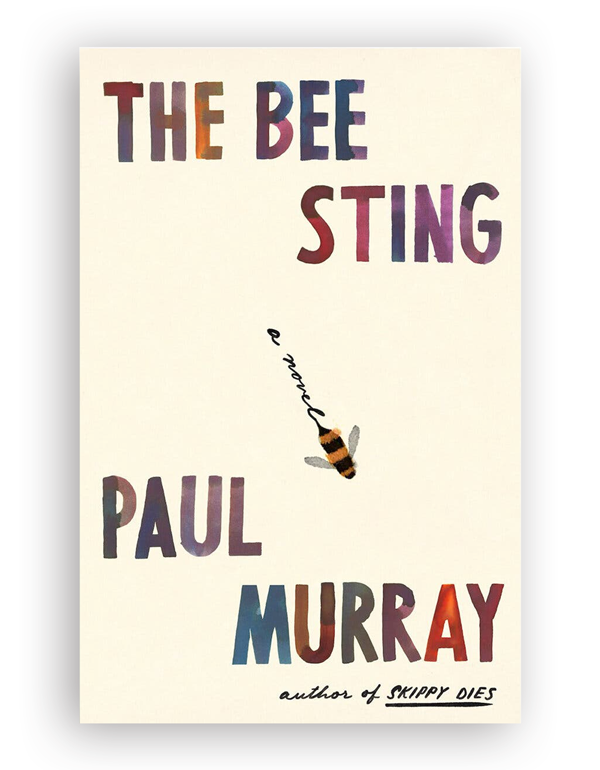
The Bee Sting, by Paul Murray | |
Murray makes his triumphant return with “The Bee Sting,” a tragicomic tale about an Irish family grappling with crises. The Barneses — Dickie, Imelda, Cass and PJ — are a wealthy Irish clan whose fortunes begin to plummet after the 2008 financial crash.
But in addition to this shared hardship, all four are dealing with demons of their own: the re-emergence of a long-kept secret, blackmail, the death of a past love, a vexing frenemy, a worrisome internet pen pal and more. This is a book that showcases one family’s incredible love and resilience even as their world crumbles around them.
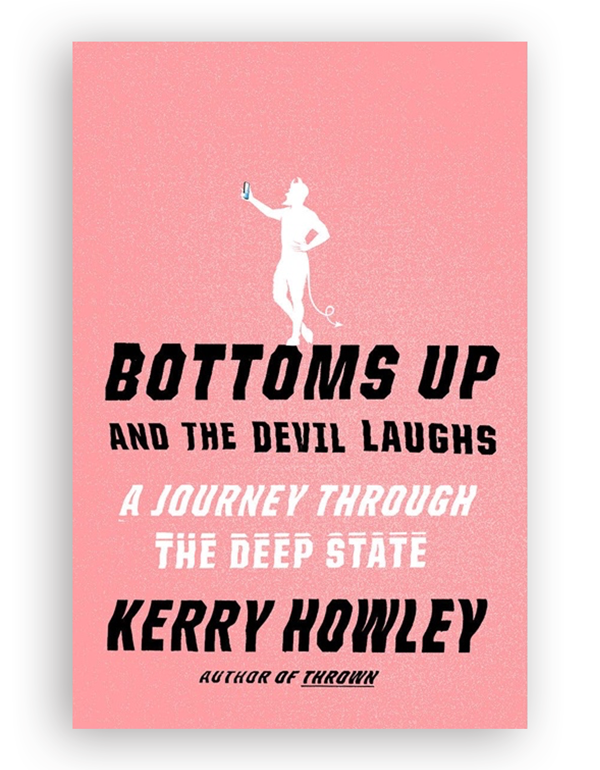
| Bottoms Up and the Devil Laughs, by Kerry Howley | |
Howley’s account of the national security state and the people entangled in it includes fabulists, truth tellers, combatants, whistle-blowers. At the center is Reality Winner, the National Security Agency contractor who was convicted under the Espionage Act for leaking classified information to The Intercept and sentenced to 63 months in prison.
Howley’s exploration of privacy and digital surveillance eventually lands her in the badlands of conspiracy theorists and QAnon. It’s an arc that feels both startling and inevitable; of course a journey through the deep state would send her down the rabbit hole. The result is a book that is riveting and darkly funny and, in all senses of the word, unclassifiable.
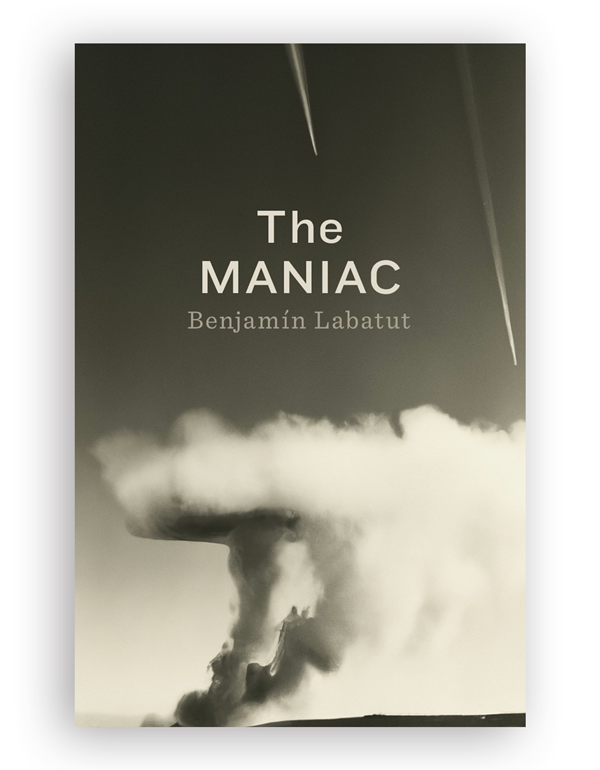
| The Maniac, by Benjamin Labatut | |
|
Like Labatut’s last book, “When We Cease to Understand the World” (2021), “The MANIAC” is captivating and unclassifiable, at once a historical novel and a philosophical foray. Its resident genius is the polymath and pioneering computer scientist John von Neumann, who displays “a sinister, machinelike intelligence.”
The book’s many narrators offer a polyphonic portrait of the brilliant, frustrating von Neumann, and its extraordinary final segment brings us to the wonder and potential danger of artificial intelligence. Labatut is a writer of thrilling originality. “The MANIAC” is a work of dark, eerie and singular beauty.
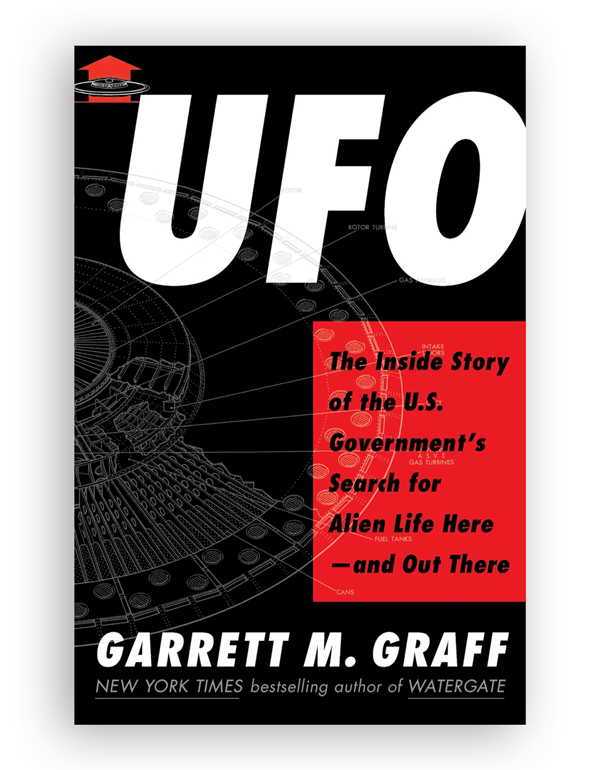
| Are we alone? This is, in essence, the question at the heart of Graff’s new book, which explores the past 80 or so years of UFO history, looking at decades of federal, private and scientific research. And, don’t you really want to know? | The Heaven & Earth Grocery Store, by James McBride | |
This novel is set in the historically Black and immigrant Jewish neighborhood of Chicken Hill in Pottstown, Pa., in 1925. When the state decides to institutionalize a 12-year-old Black boy — who's been branded, "deaf and dumb" — a group of characters violate boundaries of color and class to save him.
If you think that premise sounds sentimental, you haven't read McBride, who contains the chaos of the world in his sentences. Loved his recent novel, “Deacon King Kong.”
| 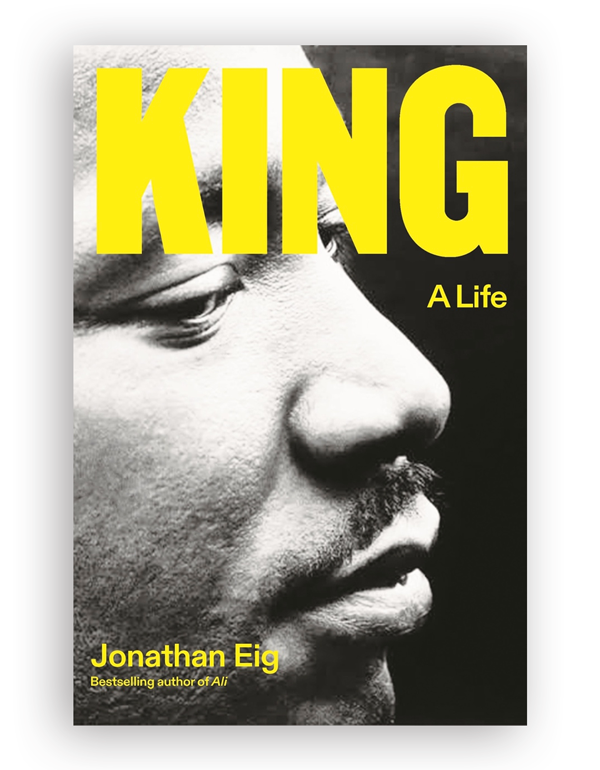 | |
Eig’s book is the most compelling account of the Rev. Martin Luther King Jr.’s life in a generation. To write it, he conducted more than 200 interviews, including with scores of people old enough to have known or observed King, and pieced together numerous accounts gathered by other journalists and scholars, some of them never published before.
The result might be described as a deeply reported psychobiography — one infused with the narrative energy of a thriller, as Eig vividly reconstructs some of the story’s most dramatic turning points.
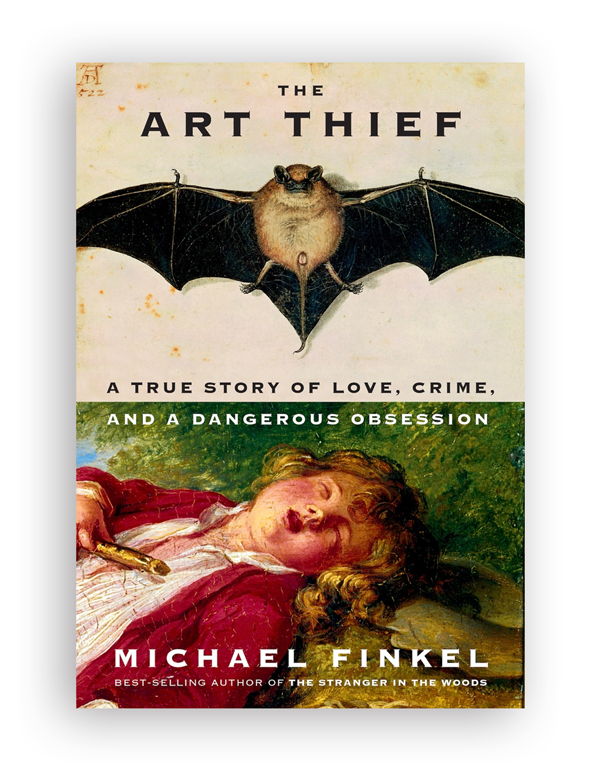
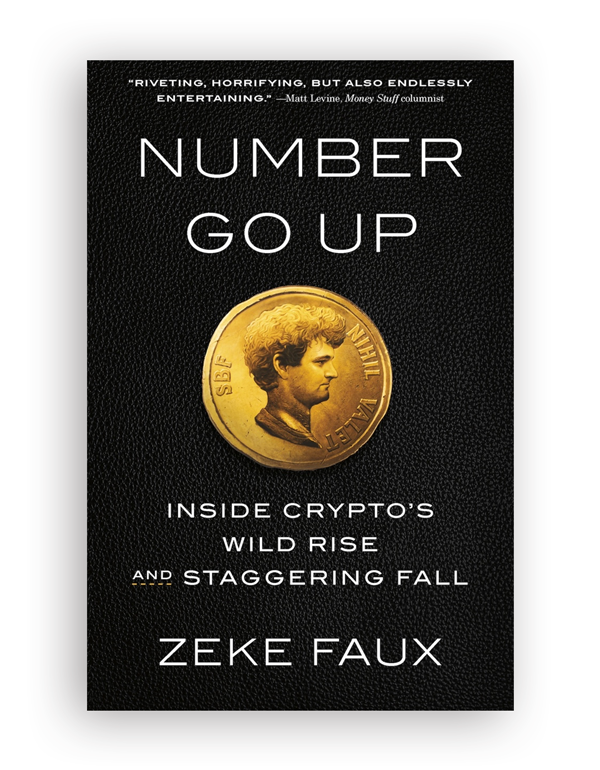
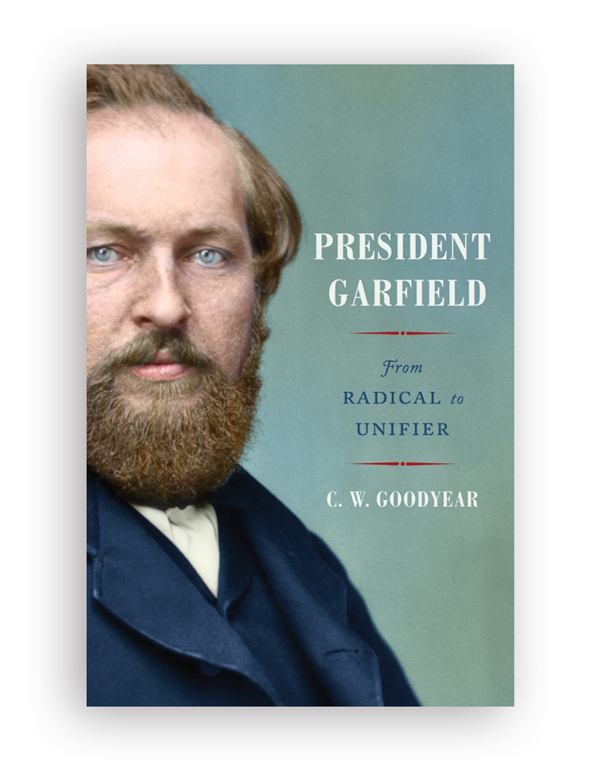
| The Art Thief, by Michael Finkel | Finkel revisits the exploits of Stéphane Breitwieser, the most prolific art robber in history. The book delves into his methods and reveals how his missteps ultimately led to his capture. | Built From The Fire, by Victor Luckerson | Tulsa’s Greenwood District was a beacon of success and an unapologetic example of Black self-determination. Over the course of two days in 1921, thousands of White people destroyed it and killed more than 300 people. Luckerson’s exceptional account is complex and empathetic. | Number Go Up, by Zeke Faux | This boisterous book by Bloomberg reporter Faux focuses largely on the meteoric rise of the “stablecoin” Tether. Sam Bankman-Fried makes appearances, but Faux’s entertaining and disturbing account is about much more than the convicted FTX founder. | President Garfield, by C. W. Goodyear | James Garfield served just 200 days as president, 80 of which he spent dying after being shot by an assassin. In the hands of Goodyear, his life becomes a fascinating national portrait of an imperfect union struggling across its first century to live up to the promise of its founding. 200 days = 700+ pages. Just started this one! |
|
|
David would love to send you to this city if you win.
However, that would exceed the budget for “This Just In,” for the whole year, so tell us here the name of this city and you may win a $25 Amazon gift card with which you might buy a gorgeous book highlighting all the….highlights of this city.
Oh by the by winners of the Festivus quiz in December were: Anne P, Richard G. and Jane H. - 166 of you knew the answer. 7 of you thought it was Hanukkah. And Cindy L, Stephen H.and David G were able to identify one or more of our movie stars. Well done all!
| |
|
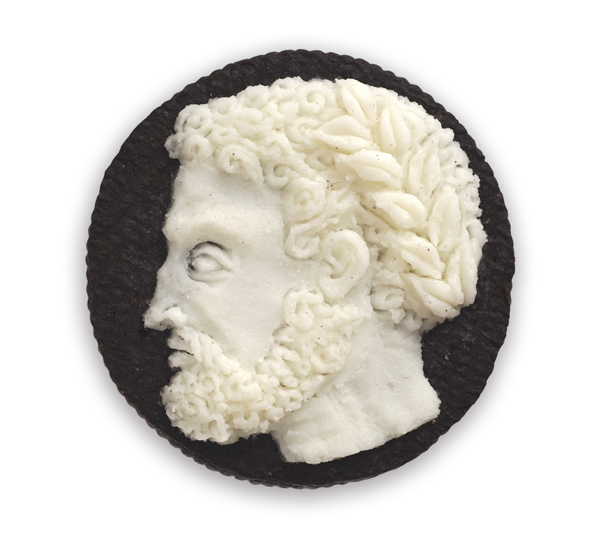
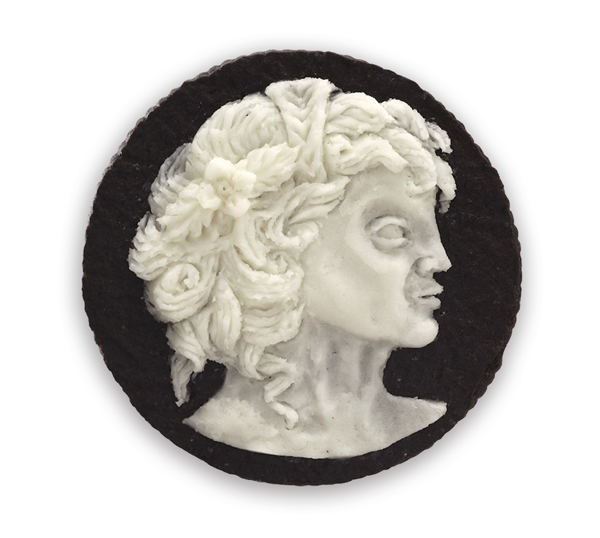
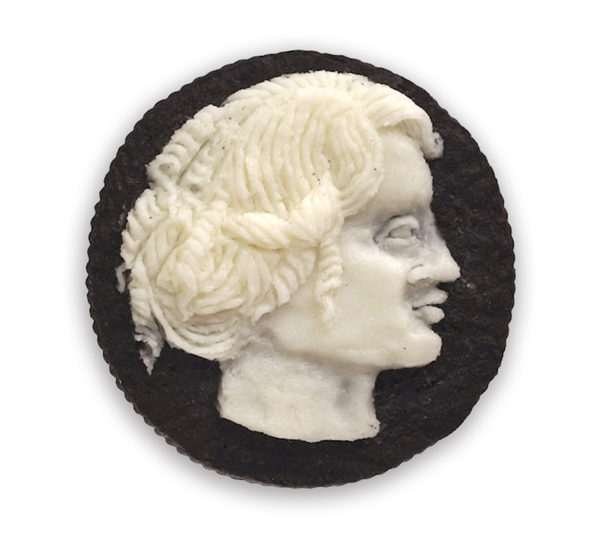
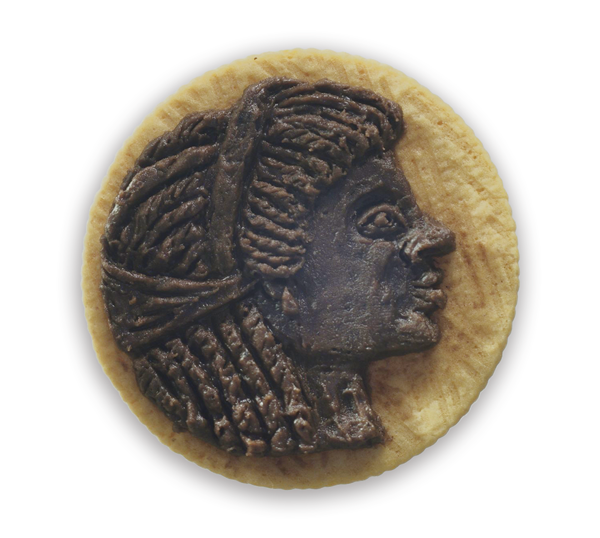
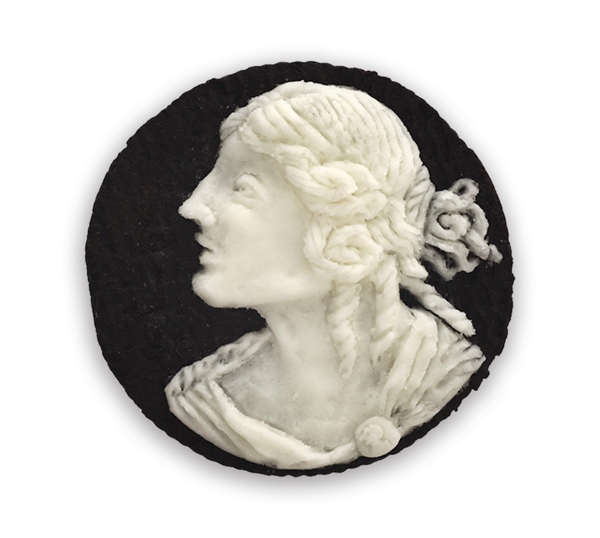
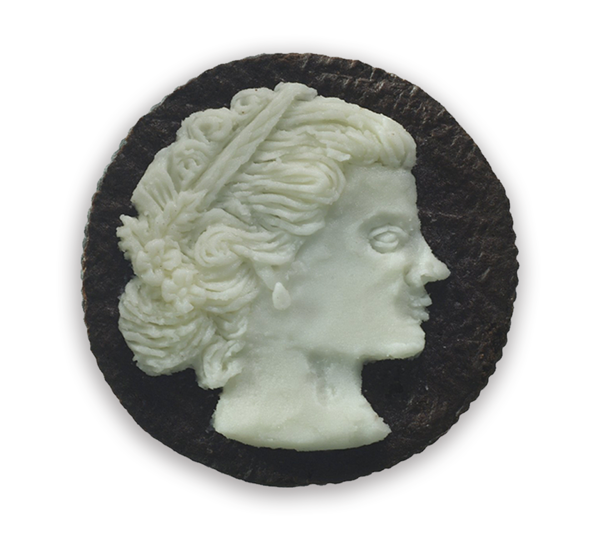
What?
Yep.
Little cameos made from…Oreo Crème Sandwich Cream.
Where else would you find this?
| |
|
Somebody had to be the first to do this and it was Wesleyan University’s own Judith Klausner.
Why she chose this medium only she knows.
Here’s a whole lot more about Judith. https://www.jgklausner.com
| |
|
danielsenergy.com
Daniels Energy: CT License S1-385517 HOD#19 /
Daniels Propane. LLC: #846 CT License S1-302857
| |
| | | |