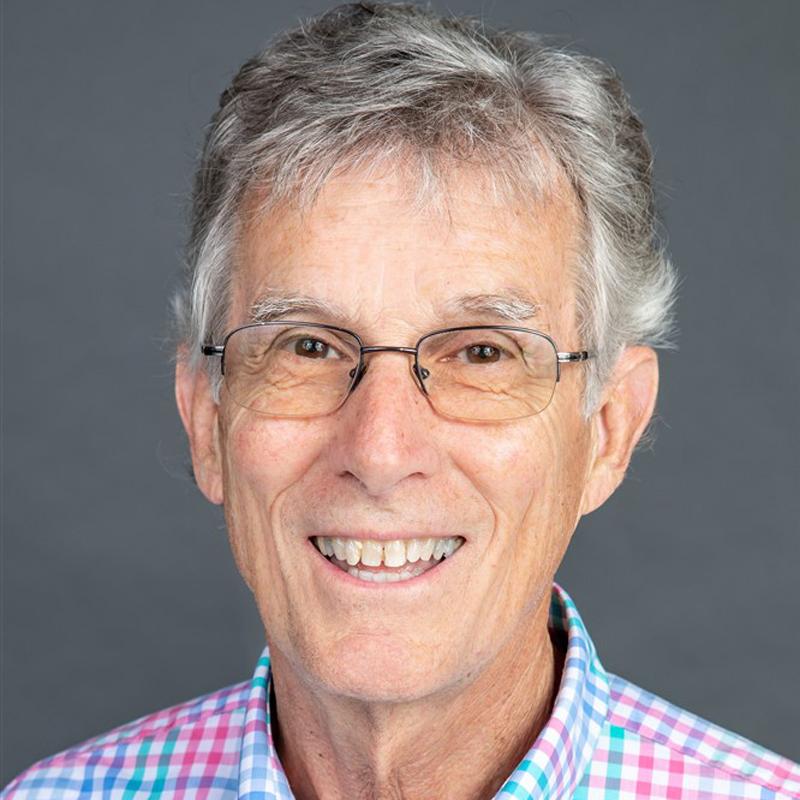
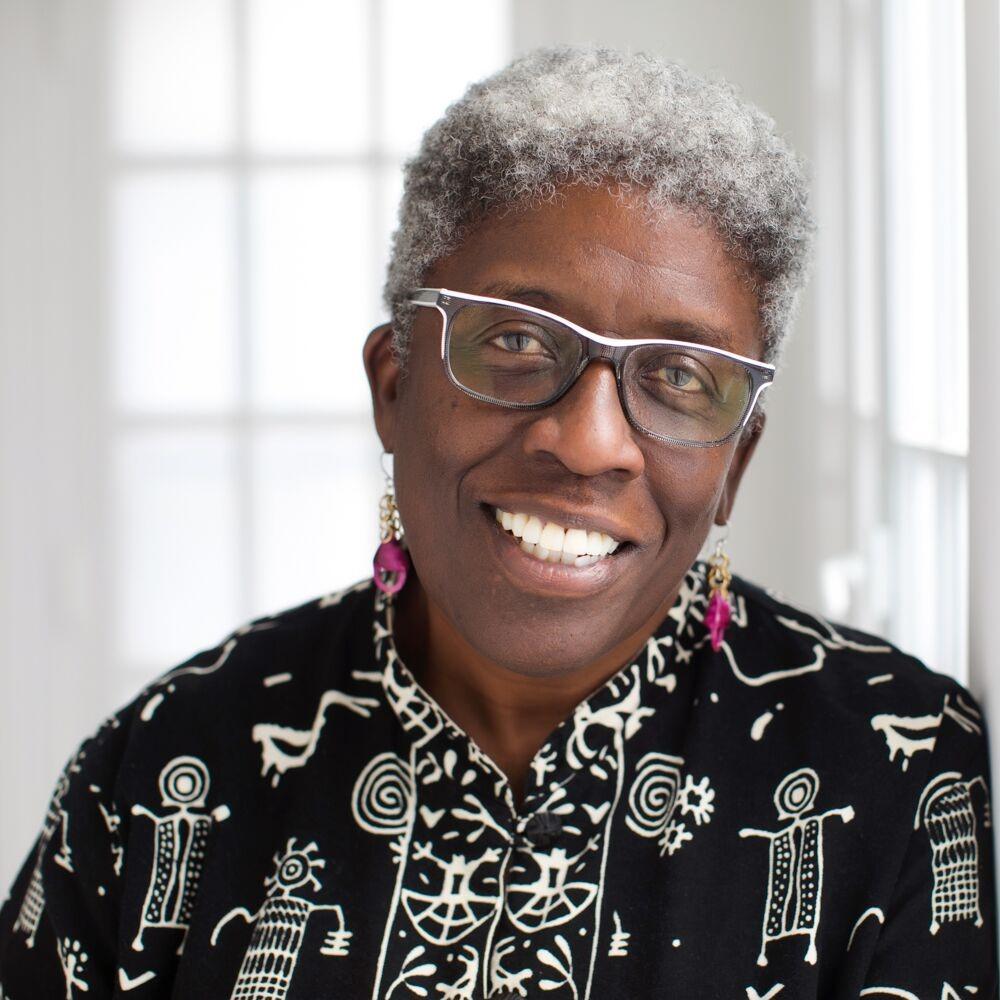
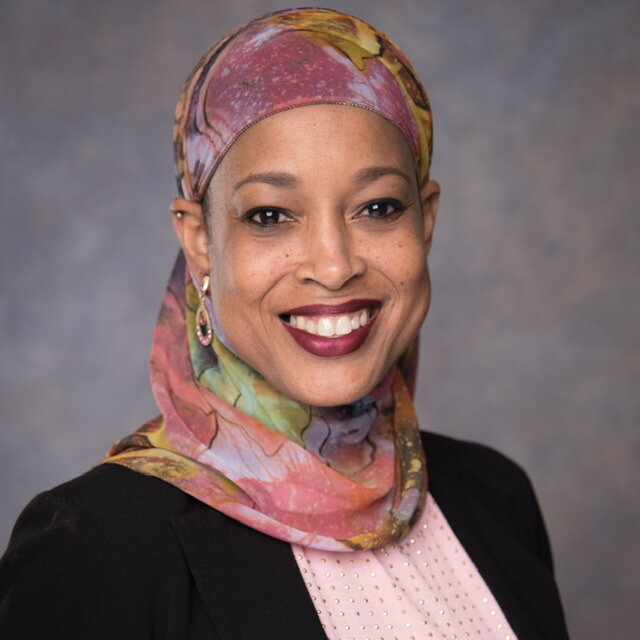
Communities of Practice (CoP) offer both rich opportunities and challenges for our CPE work. Opportunities include networking, support, and consultation for educators around specific interests or clinical contexts. The challenges faced by some CoPs include figuring out how to organize and leadership succession. For the past four years, I have been in leadership with the East Central Community of Practice (ECCoP) as it’s Convener-Elect, and then Convener. In this brief essay, I am sharing with you how we have organized. I offer our example of how one CoP addressed these concerns. |
|
Early bird registration is still underway for the 2022 Joint ACPE/APC Conference. Here are 5 reasons why you should register TODAY:
4. Networking opportunities
5. Content available for 90 days post-conference
There’s still time to register early! Early bird deadline closes on April 1st.
For ACPE Members: To ensure that you receive the correct pricing, please use the email that was included in your invitation email. If you have questions, please email events@acpe.edu before registering.
|
|
On March 25 Dr. Lisa Miller will share research from the science of spirituality and mental health, with a focus on developmental depression as an "invitation" for spiritual growth and renewal. Based upon two decades of scientific research, Dr. Miller will highlight the inherent "hard-wired" nature of personal spirituality in all human beings and its role in psychotherapy, prevention, and development.
Want to learn about all five webinars in the series? Click here.
|
|
We invite all ACPE Certified Educators who are working with Certified Educator Candidates to join us for informal consultations and conversations via Zoom. The drop-in meeting (no RSVP required) will take place on the first and third Mondays of the month, from 12:00 pm to 1:00 pm ET. Come for a little bit or stay the whole time. This is a chance to connect with colleagues and ask questions. We hope you will join us!
|
|
ACPE and APC invite you to support our efforts to provide this critical and dynamic educational program for our professionals in spiritual care. Your support will help us to bring the dream of healing this hurting world into reality, so that together we may create a better future for all. |
|
This is a reminder that Membership Renewals are due by 03/31/2022. After this date a 15% late fee will be added to the invoice. You can make an online payment by logging into Community Hub and if you have not received a copy of your membership renewal notice you can contact the Finance Department at accounting@acpe.edu.
|
|
A Hearing Panel convened on February 11, 2022 determined that Rev. Darryl Tiller violated Ethics Standards 1.(b), 1.(c), and 1.(d). As a result of this determination, Rev. Tiller’s credentials to practice as an ACPE Certified Educator were suspended, with specified terms for restoration of his credentials, for a period of 24 months. On March 7, 2022, Rev. Tiller notified the chair of the PEC that due to his pending retirement he would consent to the permanent revocation of his credentials. |
|
The Editorial Board of Reflective Practice: Formation and Supervision in Ministry is looking for a new Co-Editor, to begin work in the summer of 2022, for a three-year term. The primary task of the Co-Editor is to recruit, evaluate and edit essays for publication, to then organize the material, write introductory remarks, and oversee the publication of the annual volume. An editor should be familiar with the disciplines of pastoral theology, practical theology and clinical supervision in ministry, a member in ACPE, and possess proven literary skills. A small stipend is available. If interested or if you wish to nominate someone, please email Carrie Buckner, Board President, at Carrie.L.Buckner@kp.org
|
|
Telechaplaincy is the delivery of spiritual care where recipients and providers are separated by distance. Telechaplaincy is increasingly common practice, and chaplains and providers regularly request trainings to implement and improve their practice of telechaplaincy. To meet this need, the Telechaplaincy Community of Practice is hosting a series of trainings and knowledge-exchange events. We invite chaplains, scholars and interdisciplinary team members to contribute to these events by proposing case study presentations, vignettes and didactics. The due date for submission is May 10, 2022.
|
|
|
|
About this time two years ago, front-line responders faced the heart-breaking new pandemic reality. Refrigerated trucks lined up outside hospitals in New York because morgues exhausted their space to store the bodies ravaged by COVID. ACPE compiled a list of chaplains and psychotherapists who would donate their time to support the first responders in NY hospitals. Read more
|
|
|
|
Enrichment of Phase II Core Curriculum The Certification Commission continues to add to the Core Curriculum for each of the phases of the Certification process. Certification wants to express deep appreciation to the volunteers who used some of their precious time to bring these pieces of the education process to life. Read more
|
|
|
|
Once a month the ACPE Professional Ethics Commission (PEC) posts a couple of statements from our Code of Professional Ethics for ACPE Members. Each posting is accompanied by a brief personal reflection from a member of the PEC discussing some ways this person lives these commitments. Read more
|
|
|
|
Ecumenical Theological Seminary (Detroit, MI) has a unique 2-year DMin program that has a special focus for ACPE CECs and CEs. For more information, contact Aarti Ahuja Director of Recruitment and Enrollment Manager at 313-831-5200 x224 or email: aahuja@etseminary.edu. Read more
|
|
So St. Patrick’s Day is this week, and we suspect that it might have an extra edge of celebration this year as COVID restrictions are lifted and people flock to green rivers (we see you Chicago) and parades (not just you Boston). This poem came to mind as a way to lift up this moment: |
|
St. Patrick’s Day
By Eliza Cook
St. Patrick’s Day! St. Patrick’s Day!
Oh! thou tormenting Irish lay—
I’ve got thee buzzing in my brain,
And cannot turn thee out again.
Oh, mercy! music may be bliss
But not in such a shape as this,
When all I do, and all I say,
Begins and ends in Patricks’s Day.
Had it but been in opera shape,
Italian squall, or German scrape,
Fresh from the bow of Paganini,
Or caught from Weber of Rossini,
One would not care so much—but, oh!
The sad plebeian shame to know
An old blind fiddler bore away
My senses with St. Patrick’s Day.
I take up Burke in hopes to chase
The plaguing phantom from its place;
But all in vain—attention wavers
From classic lore to triplet quavers;
An “Essay” on the great “Sublime”
Sounds strangely set in six-eight time.
Down goes the book, read how I may,
The words will flow to Patrick’s Day.
|
|
There seems to be so much pain in our communities, among our families and among our members in this time. Part of the training in both psychotherapy and CPE is all about getting in touch with our pain. This article invites us to sometimes have a good cry:
|
|
Jim Rigsbee is a Chaplain Resident at WakeMed Health and Hospitals in Raleigh, NC. In this resident year, Jim specializes in working with patients and staff in some of the Covid-19 units at the hospital. Jim wrote a poem titled, "I Am."
|
|
This Week on the Calendar |
March 16
Purim: Feast of Lots (Judaism)
Purim is a joyous Jewish festival commemorating the survival of the Jews who, in the 5th century BCE, were marked for death by their Persian rulers.
March 16-20
Ghambar Hamaspathmaeden (Zoroastrianism)
This is the last of the six Ghambar festivals in the Zoroastrian calendar. Ghambars are joyous occasions when communities gather to share a feast. Food is contributed anonymously, and participants give according to their means and ability to contribute. This particular five-day Ghambar celebrates the creation of humans and is a time to remember souls who have passed away.
March 17
St. Patrick’s Day (Christianity)
St. Patrick, the Patron Saint of Ireland, was credited for spreading Christianity in Ireland and abolishing pagan practices in the fourth century. The symbol of the shamrock is often associated with St. Patrick’s Day, as St. Patrick used the three leaves to explain the mystery of the Christian doctrine of the Trinity.
March 17-23
Higan (Buddhism)
Higan, or Ohigan, is celebrated twice a year, during the spring and fall equinoxes. This is an important date for Jodo Shinshu Buddhists in particular. On this date, the day and night are the same length, symbolizing equality and harmony. Buddha appears on earth during this week to save stray souls, thus many Buddhists visit cemeteries and pay respects to their ancestors.
March 18
Holi begins at sundown (Hindu)
A spring festival in India and Nepal dedicated to the god of pleasure, also known as the festival of colors or the festival of sharing love. Holi is a celebration of fertility, brotherhood, and the triumph of good over evil. Festivities surrounding Holi can lasts up to sixteen days. During the main day of celebration, people throw colored water or powder at each other until they are coated and indistinguishable from their neighbors.
March 18-20
Hola Mohalla (Sikh)
An annual event which is a martial arts parade historically coinciding with Holi, the Hindu festival of colors. Celebrations related to Holla Mohalla may be held in various locations over several weekends preceding the actual date of the holiday. A week-long celebration that often coincides with the Sikh New Year, Hola Mohalla was started by Guru Gobind Singh as a day of mock battles and poetry. Today, those who celebrate the festival often camp out, watch demonstrations of fighting and bravery, and listen to music and poetry.
March 19
Saint Joseph's Day (Christianity)
This feast day celebrates Saint Joseph, the earthly father of Jesus. One Italian tradition recalls a draught, where the peasants prayed to St. Joseph for rain. When the rains came, crops were planted and then a large harvest feast was given in St. Joseph's honor. Some cultures celebrate this day by creating St. Joseph Tables: a table full of elaborate foods, though all free of meat, as this day typically falls during the fasting period of Lent.
March 20
Ostara (Neo-Paganism)
Ostara celebrates the coming of spring, the time when the days are getting longer. It is a time to celebrate the abundance of nature and the abundance of life, and to plant crops.
Shunbun no Hi (Shinto)
A day for visiting graves held in timing with the Spring Equinox
March 21
Feast of Naw-Ruz (Baha’i)
Naw Ruz is the celebration of the New Year as adopted by Baha’u’llah, the founder of the Baha’i faith. The equinox is believed to be a symbol of the manifestations of God, and springtime to be the carrier of new life and new beginnings.
Nowruz (Zoroastrian)
Nowruz is the Zoroastrian New Year. The arrival of spring on the day of the vernal equinox, heralds a rebirth and renewal, a symbolic victory of light over darkness. Nowruz is the most important festival in the Zoroastrian tradition, a time for thanksgiving and celebration, for family and friends to come together, to thank Ahura Mazda for His bounty, to reflect on their lives, and make new beginnings.
|
|
-
ACPE Retired Educator Rev. Canon Jervis S. (Jerry) Zimmerman died February 27 at Seabury Retirement Community in Bloomfield, CT at the age of 99. In accordance with his wishes, his body was donated to the University of Connecticut Medical School.
|
|
We are seeking someone passionate about teaching and mentoring, and who is creative and innovative.
|
|
Opportunities for Chaplain Residents in San Francisco, and Redwood City, CA.
|
|
Other Educational Opportunities |
|
ACPE: The Standard for Spiritual Care & Education |
|
ACPE is the standard for spiritual care and education. Our diverse membership includes Certified CPE Educators, Spiritually Integrated Psychotherapists, Spiritual Care Professionals and Practitioners, Pastoral Counselors, Chaplains, Faith Communities, and Seminaries. Our multi-disciplinary, multi-faith, multi-racial community of professionals provides education, connection, and formation through continuing education, networking, and leadership development.
ACPE is the premier, Department of Education recognized, organization that provides the highest quality CPE programs for spiritual care professionals of any faith and in any setting. We do this through a rigorous accreditation and certification process for centers and educators that provide CPE.
The depth of our training enables students to realize their full potential to strengthen the spiritual health of people in their care as well as themselves.
ACPE members are actively engaged in a wide variety of professional development activities including communities of practice, conferences, spiritual care research, and informal networking. We are more than just an association: we are a movement committed to the transformation of the human suffering.Our opportunities for formation and community enrich our member's work of healing and transforming people and communities in the US and across the globe.
|
|
|
|
|
|
|