|
Hello my friends, 💫🌟✨🙌🤗
Good evening! I hope you’ve all had a warm and restful weekend? The festive season is closing in on us, isn’t it, in this first weekend of December? Probably there is shopping to do, maybe there are still cards to buy, write or deliver, decorations to put up, the home to prepare for the arrival of guests, and no doubt for some of you the busy social lead up to Christmas will begin next week?
It can be wonderful and I know many of us enjoy it. In fact, we have our own festive gathering for Yoga class members next Saturday which everyone is looking forward to. For others of us, all we really want to do is slow down, light the fire, curl up with a warm drink and a good book or TV programme and enjoy a few brisk Winter walks. We feel drawn towards a quietening, being still and regrouping with ourselves.
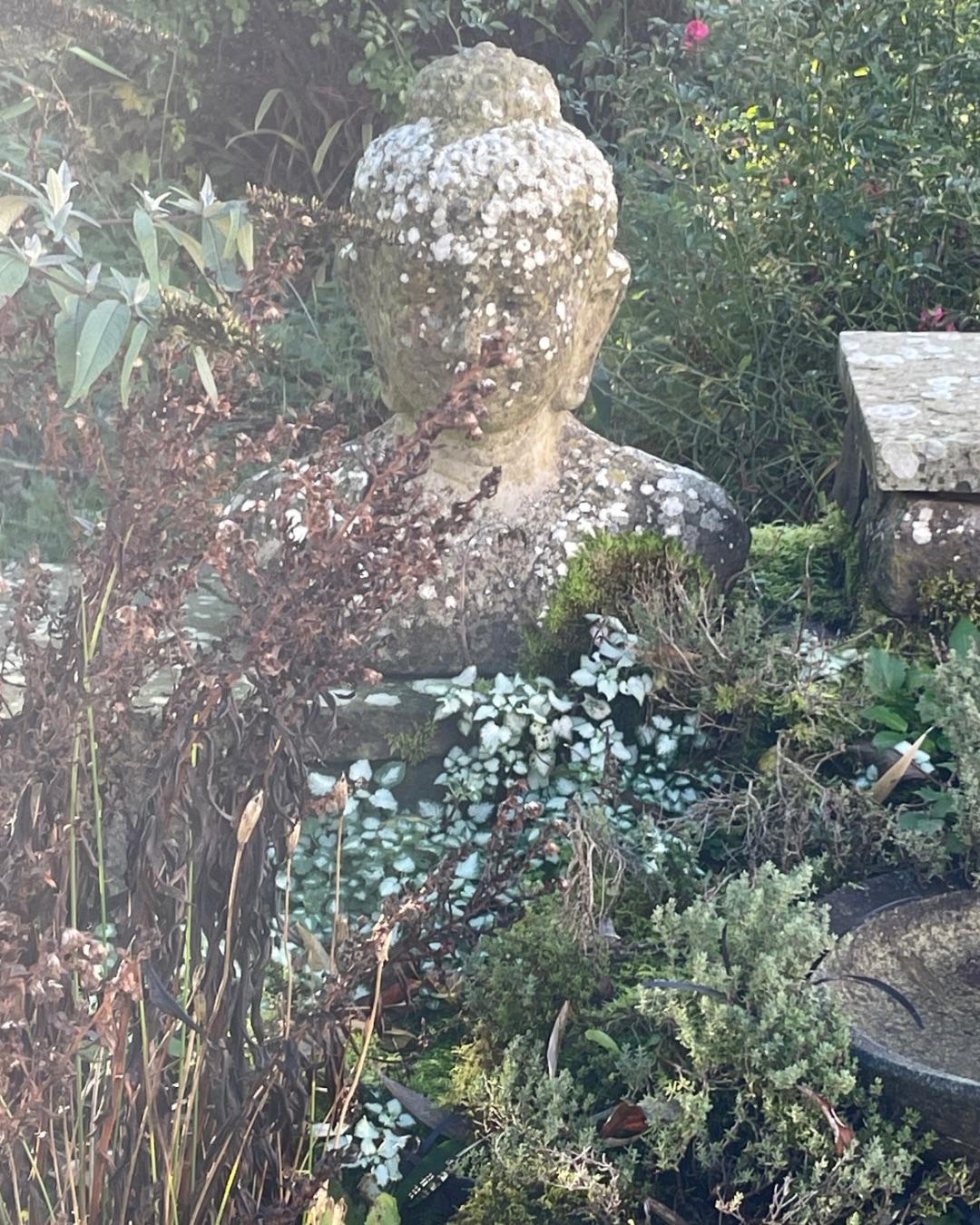
This pull is fully aligned with the true spirit of the Winter season and these dark weeks of the year. Nature herself is becoming quiet and still, isn’t she? There is a turning inwards in nature, illustrated even by the return of the sap in many perennials to the roots of a plant. This has the effect of pulling energy inward, storing it safely in the roots, conserving it and reducing activity until the warmer months of growth, production and expansion. Hibernating animals do the same, and existence invites us to rest into this kind of stillness at this time of year.
Stillness is definitely a message of the Winter season. We can feel it all across the Winter landscape, don’t you think? Stillness abounds. And at this time of year permeates so many aspects of the natural world.
However, we live cocooned from the natural world in so many ways, right? And generally we don’t slow down, do we? We have artificial light, and we continue to engage with the world at least as actively as we do in the lighter months of the year. In fact, demands placed upon many of us, both professionally and personally, often intensify at this time of year, don’t they?
.And yet, we are not separate from nature and her rhythms, Ayurveda is very clear about this. I heard one Ayurveda doctor say that even if we were to stay in a basement for a season, with no exposure to natural light and temperatures, our biorhythms would still register and change accordingly with the shifts in the seasons. It means that nature’s rhythms are in fact our own innate rhythms - we are not
in essence separate from nature’s rhythms. And so, in our habitual disconnect from the natural world that characterises the way we live these days, we are not only living against nature at large, but also against our own innermost nature.
Ayurveda recognises that there is a price to pay for this. Staying on the go through the dark, quiet weeks of the year can lead to feelings of fatigue once the more active months return. And at the source of that fatigue is a depletion of our reserves, as we have not conserved them safely as much of nature does. With that depletion, reduced immune resilience can follow in the late Winter and Spring months, and also an increased tendency towards internal inflammatory conditions in the warmer, lighter months when we’ve been running on near empty and fuelling up with stimulants to compensate such as sugar and caffeine.
I have a notion that the tendency towards movement and activity, even when all of nature and our own inner nature call us to be still and rest, is not only due to pressures that come towards us from the outside. Collectively, as a race, we have cultivated ways of living and behaviours that predispose us to an internal restlessness…….so much so that even when our very bones cry out for less, for rest and quiet, it is easier for us to move than be still.
My Yoga teacher alludes to this. Even within our Yoga practices these days we find it easier to move than to be still. How much more popular in our times is an approach to Yoga posture practice that keeps us transitioning from one posture to the next, than the traditional aporoach of fewer postures, held in stillness for 5, 8, 12 breaths?
The classical teachings of Yoga teach us about three states that run through the whole of nature. And these three states have their psycho-spiritual expression within us. They are called the three gunas (attributes) and they are:
Tamas - inertia (expressed psychologically in excess as stagnancy, lack of motivation, heaviness, dullness, darkness).
Rajas - activity (expressed psychologically as restlessness, agitation, nervousness, hyperactivity, overstimulation).
Sattva - balance, purity, clarity, light, peace, harmony.
We live in times dominated by rajas. We are collectively overstimulated in so many ways - restless, unable to switch off the turbulent and constant run of thoughts and emotions we experience on a daily basis. This state of affairs comes with great cost to our societal and individual health and wellbeing - physically, and mentally-emotionally.
What gives health and wellbeing is Sattva - inner equilibrium and all the light, contentment and clarity of being that accompany it. In fact, in the classical Ayurveda texts, mind is defined as sattva. In other words, Sattva is the mind’s natural state. Any other state of mind, therefore, is unnatural and is not mirroring who we really are. When we are not in sattva, to one degree or another, according to the degree of tamas or rajas within, we are in a state of dis-ease.
One of the causes of disease in Ayurveda, is the effect of the seasons. When we live and make choices, mindful of the nature of the season, we are supporting our ongoing health and wellbeing, and so in effect we are enhancing our longevity. When we are living and making choices contrary to the message of each season, we are inviting disturbances to the body and mimd.
And so, over the next weeks, can you embrace the true spirit of the season a little more? Can you slow down and schedule some time for stillness? Can you do a little less? As Christmas gets even nearer and you maybe see your days becoming jam packed with demands, even frantic, can you let yourself off the hook a little? Maybe this will mean letting someone down gently, but if the alternative is a cost to your wellbeing on any level then, let’s remember ….if you’re unwell and/fatigued, you may find yourself unable to show up at all for those who count on you. Even more crucially, I’ve heard one macrobiotics teacher regularly say…..”If you don’t have your health, where are you going to live?”
Over the next weeks, can you remember the true themes of Winter and find your own special ways to reclaim a little stillness each day as a salve for your body, mind and spirit?
I’d love to hear all about the little shifts YOU might find yourself making as acts of seasonal self-care. And you now know will that these small shifts can extend a ways beyond the season in their impact, increasing your all-round health and longevity.
If you’d like to learn more about living in alignment with your own nature (metabolism) and with Nature herself, the Ayurveda Living Course Module 1 will start on January 6 2026, 7pm online on Tuesdays. This empowering, practical learning will enable you to take better charge of your health and wellbeing for life. In the most personalised way, it teaches you to better understand your individual biological and psychological make-up so that you will always know the best choices to make for your lifelong health and longevity. CLICK HERE for full details. OR RESERVE YOUR PLACE now with a course deposit. The balance will be due in three monthly instalments of £100.
In this video link below, I share a few words about the Ayurveda Living Course and why it’s jam packed with new self understanding that is going to change and enhance your life….for ever!
https://youtu.be/M4PoSQavLDg?si=CbXSolFLLDtQdD6i
With my love for now
Sara Shama
THIS EVENING:
Winter is a Vata time of year. Vata is one of the humours of Ayurveda and it is made up of the elements of air and ether. These are clearly light elements, and air is mobile, right? It can move, can’t it? This is another reason why, even though Winter calls us to stillness, we can actually find ourselves more restless, with disturbed nights, overthinking and maybe even increased levels of worry and anxiety - especially if we have a lot of Vata in our natal constitutional make-up.
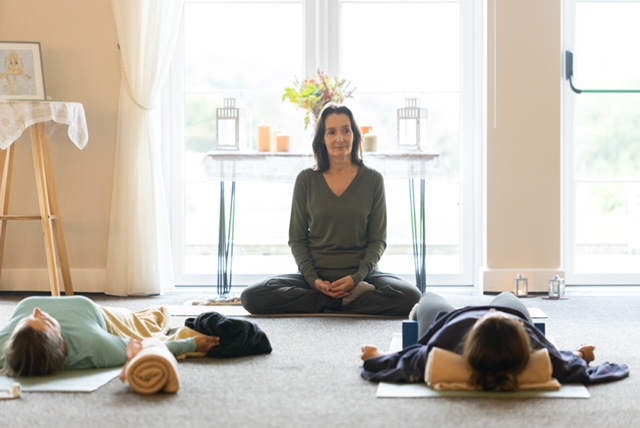
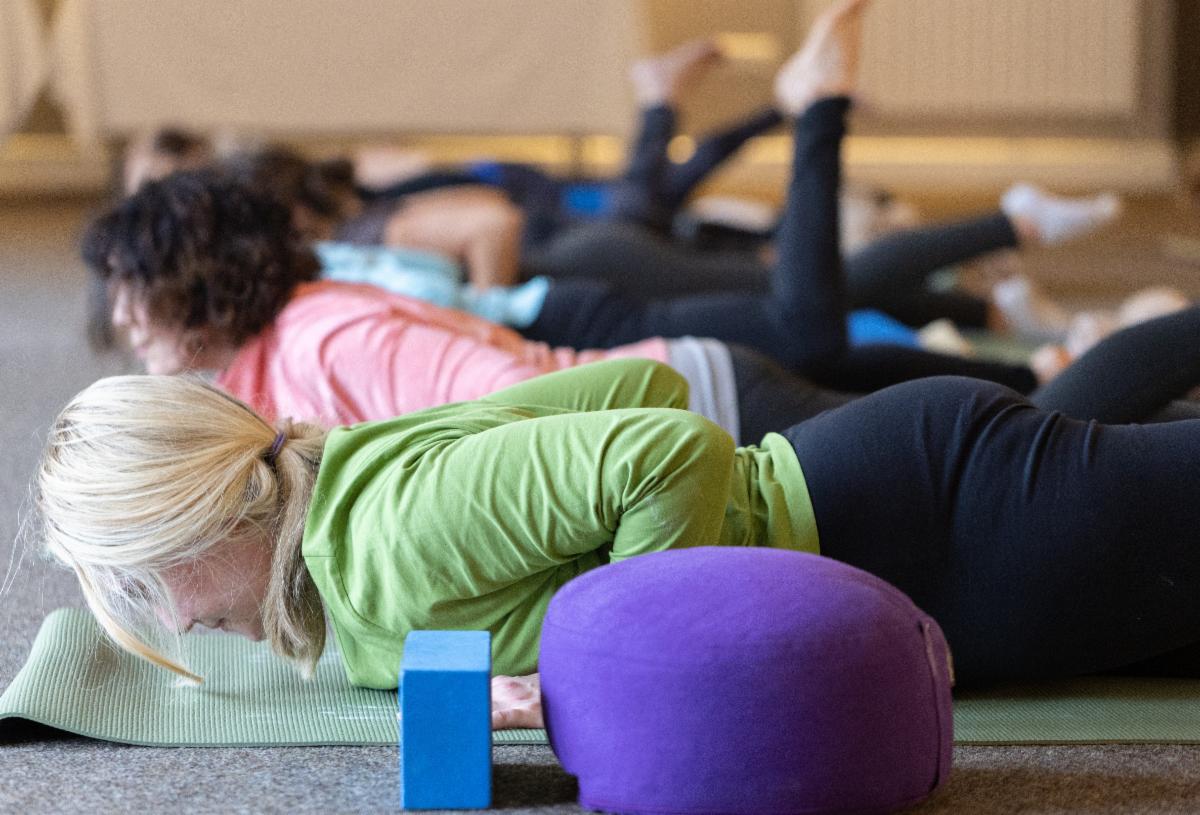
In the video below is a Vata pacifying practice which is a great way to calm a restless mind and nervous system. It will allow you to drop into a nurturing, restoring stillness.
It’s a great practice to try before sleep, and even on going to bed at night, plus it can reset your nervous system for the day ahead when practiced in the morning.
|