|
The group first traveled to lower Manhattan where they strolled through the oldest part of New York City on the “Forgotten Dark Histories of Lower Manhattan” walking tour. A tour guide led students on a deep dive into the hidden past of the area’s burial grounds and potter’s fields as well as haunted parks and taverns. The historical exploration was presented with a supernatural, eerie and peculiar bent befitting the area’s chilling past; the guide told stories of massacres, dungeons, an overfilled graveyard and reports of present-day paranormal activity.
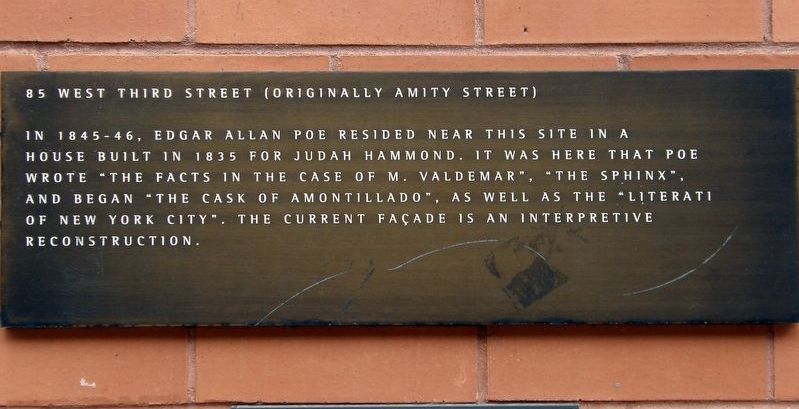
Traudt then brought the students to the West Village where they visited the dwellings of Edgar Allan Poe and Mark Twain. They discussed the literary histories of both locations: specifically, the fact that two of Poe’s most famous works (“The Cask of Amontillado” and “The Raven”) were partially written and revised in his apartment and the horror stories that stemmed from events in Twain’s home – famously referred to as the “house of death.” Students marveled at the fact that they were touching the same walls and windows that the authors had while creating some of their most famous works.
“The kids were walking around saying ‘I can’t believe I’m walking down the same street that Poe walked down,’” said Traudt. “Imagining themselves in the shoes of these influential figures really inspired them to delve deeper into the whole unit.”
Senior Carmella Renzo said that the trip opened her eyes to a new perspective on her studies.
“I knew it would be a cool day, but what I didn’t expect was this overwhelming feeling that history was genuinely right in front of us,” said Carmella. “We would walk into a place that seemed ordinary and leave with this mind-opening feeling that we had just experienced something so intense and real. We could reach out and touch history.”
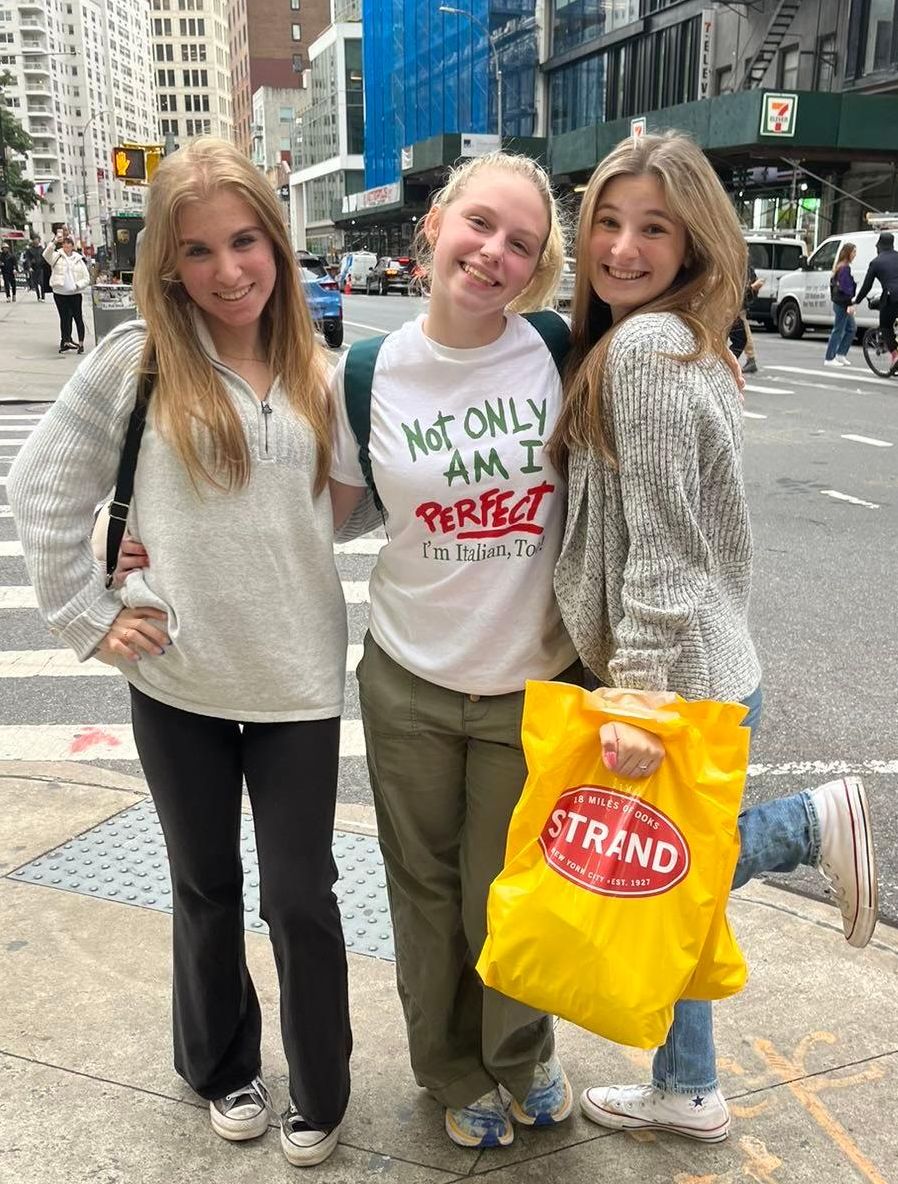
After lunch in Union Square, the group’s last stop was the Strand: the only living relic of the “Book Row” district that existed between the 1890s and 1960s with over three dozen bookstores at its peak. Founded in 1927, the store holds over 2.5 million used, new and rare books as well as a variety of literary supplies and novelties. Traudt said that this year’s group was particularly interested in the bookstore.
“They are a great class and were so much fun to observe on this trip,” she said. “They were so excited about the books and some remarked that you’d need half a day to get through it all.”
“These literary pioneers that we study added so much to life in antebellum New York,” Traudt added. “My hope is that the experience makes it more real for the seniors each year.”
With eyes now open to some of lower Manhattan’s most exciting and chilling histories, students made their way back to the bus at the end of the day – perhaps a bit more quickly than when they had first arrived.
|