Michigan State University Extension
Blueberry Newsletter - Blueberry Bites
| |
| What? | When? | Where? | | Blueberry Field Day | September 6, 10-3 | Trevor Nichol's Research And Extension Center | | |
|
Horticulture Update
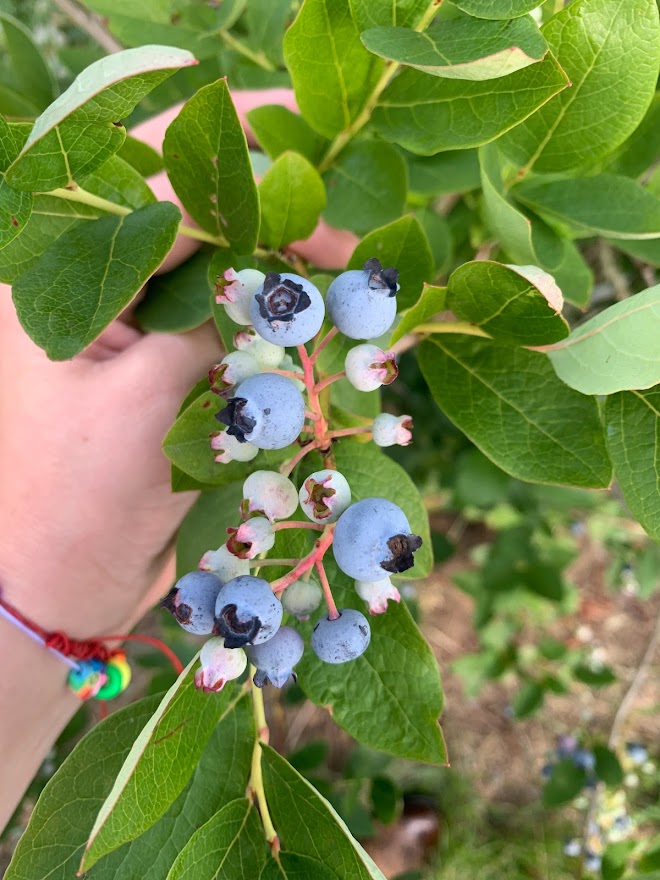
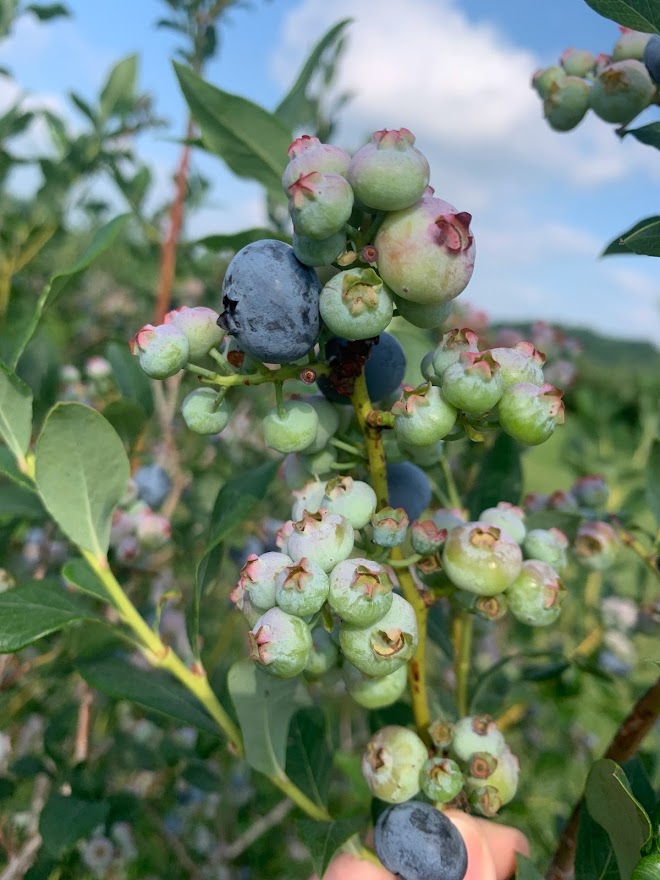
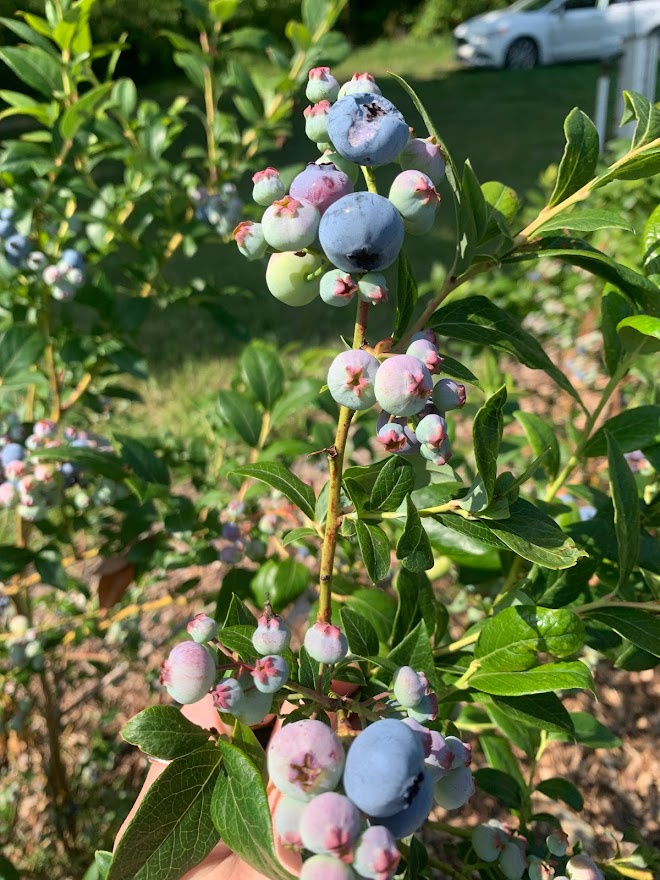
Ripening is progressing smoothly. Duke is near the end of harvest, while Draper and Envoy are past their first harvest with very large sized fruit. Jersey, Calypso, and Bluecrop are near their first harvest.
Although the fall planting season is still months ahead, I want to point out a few important results from our replanting survey that will be elaborated on in more detail later this summer and fall. Replanted fields that have struggled to grow tend to have a few horticultural issues, including a higher pH (~5.2), lower wood chip levels, smaller hills, and typically a single drip line (rarely two) compared to healthy replanted fields. Neither of these points are the sole cause of replanting issues, and there are others we will be exploring, but certainly each contributes and highlights the importance of the initial horticulture set up to the success of “replanted” plantings.
| | |
Insect Update
Scouting of commercial farms for SWD indicates that populations remain low in farms, with excellent fruit quality. In wild berries in woods next to blueberry farms, we are finding that wild populations of SWD are starting to build in SW Michigan. Samples of black raspberries, honeysuckle, etc. are infested with SWD larvae and this indicates that SWD populations are finding suitable weather conditions and host plants to increase their densities outside farms. With the hot and dry weather behind us, the recent rains and more moderate temperatures will be more suitable for this pest, and growers should be protecting their fruit as we move into the period of the season where SWD abundance typically starts increasing rapidly. Typically, early August is the phase of the season when this happens. Weekly scouting of fields for SWD infestation using the salt solution and a filter is recommended to identify whether berries are clean of any larvae or need additional control to prevent SWD. This is also the period of the season when blueberry maggot activity is highest, so either use a protective cover spray program or be checking traps weekly to ensure this pest is controlled.
Finally, Japanese beetle activity has been picking up, and this pest can be a challenge during the harvest weeks. See MSU Fruit Pest Management Guide for recommendations on its control, and consider how to reduce field suitability for this pest by removing sites for egglaying and larval development. Japanese beetles lay eggs in grassy areas with some soil moisture, so growers have had success reducing JB through either removing sodded row middles (though this can create dusty/muddy fields) or using a soil-applied treatment to control the egg and larvae stages in the soil.
| | |
Pathogen Update
Rain this week will drive fruit rot diseases (I.e. Anthracnose Fruit Rot, Alternaria Fruit Rot and Botrytis Fruit Rot). Preventative fungicide applications can play a crucial role at this moment (e.g. FRAC codes 3, 7, 9, 11, 12, 17 and 29). Please be mindful of preharvest interval on various products. Also timing irrigation practices to coincide with natural dew formation is important. During harvest, remember to harvest fruit quickly and ideally under dry conditions. Also, once fruit has been cooled, ensure that it remains cool during shipment/delivery. Sharp rises in temperature will cause significant moisture to form on fruit.
Finally, we have been observing more stress in newer plantings, it is important to remember to keep these young plantings well-watered and to look for signs of shoot blight. Fungal pathogens like Phomopsis have been isolated from these bushes and in some cases these young bushes die. If you have a question about stem blights, it is best to submit a sample of MSU Plant & Pest Diagnostics.
| | | |
|
|
Senator Gary Peters Tours Blueberry Farm
On Friday, July 14th, Senator Gary Peters toured Crossroads Blueberry Farm and talked about his Spotted Wing Abatement Trust (SWAT) Act which would establish a fund managed by the USDA to strengthen efforts that mitigate the spread of the Spotted Wing Drosophila, helping to keep costs down for growers and prevent crops from being spoiled. Peters is pushing for the bill to be included in the 2023 Farm Bill.
| | |
Do You Use Quickbooks?
QuickBooks is one of the most widely used financial software packages for farm financial records. It is a powerful tool, but using it effectively for farm businesses can be confusing. MSU Extension is partnering with the University of Wisconsin and University of Nebraska to develop educational resources for using QuickBooks for farm records effectively and efficiently. It would be greatly appreciated if you would complete a short survey that will help us better understand what is desired for QuickBooks educational programming. Click the button below to take the survey!
| | |
Don't Guess, Test!
Growers have been submitting samples to the diagnostic clinic that range from stem blights to viral symptoms. Remember the Michigan Blueberry Commission has a program to subsidize any testing through MSU Plant & Pest Diagnostics. Click below to get more information about how to submit a sample.
| |
Pictured here is a blueberry with blueberry mosaic virus. While this virus test is still in the works, many other virus tests are able to be screened by the lab! | | |
MSU is an affirmative-action, equal-opportunity employer, committed to achieving excellence through a diverse workforce and inclusive culture that encourages all people to reach their full potential. Michigan State University Extension programs and materials are open to all without regard to race, color, national origin, gender, gender identity, religion, age, height, weight, disability, political beliefs, sexual orientation, marital status, family status or veteran status. | | | | |