Michigan State University Extension

Blueberry Newsletter - Blueberry Bites


View From The Field

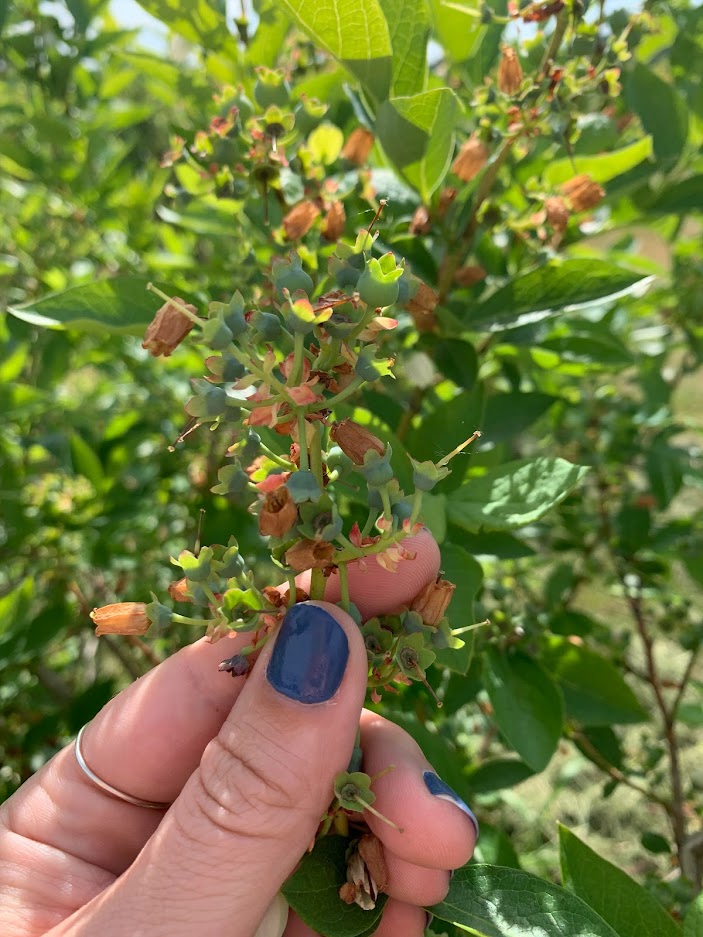
Bluejay - Paw Paw

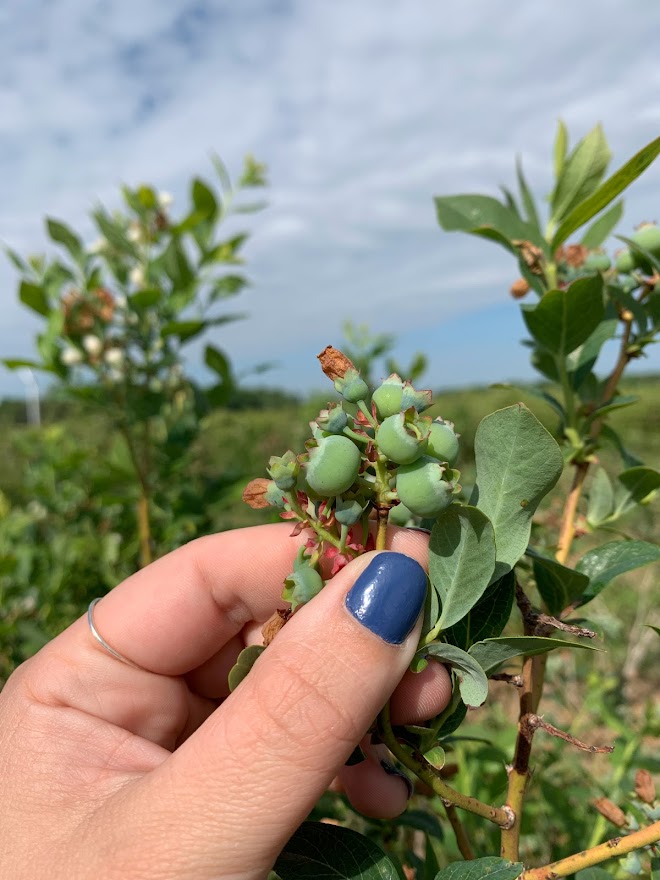
Bluecrop - Paw Paw

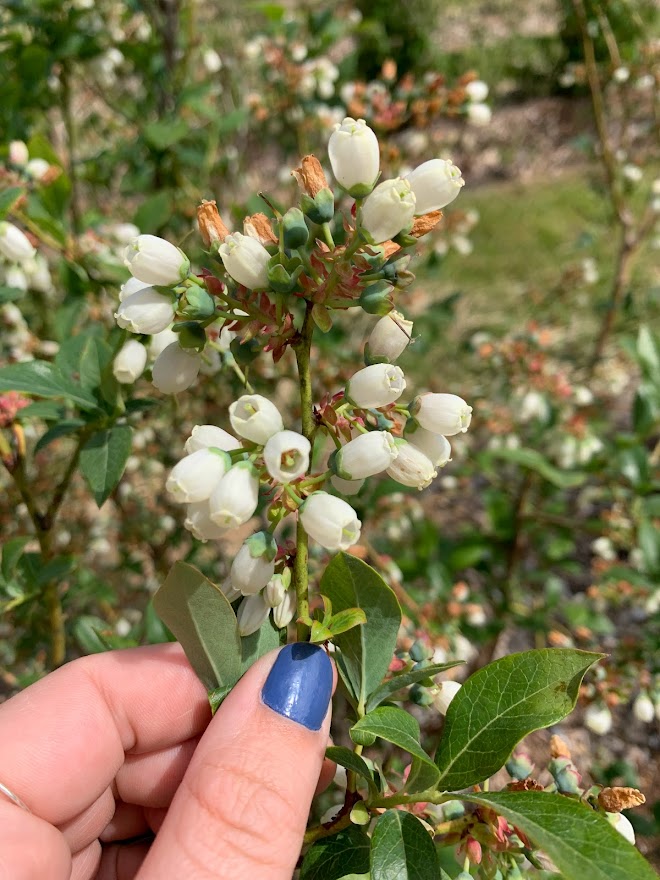
Bluecrop - Fennville

Upcoming Events

What?

When?

Where?

Pollinator Workshop - North

June 1,10 am - Noon

West Olive

Blueberry Season Update

June 7, 12-1 pm

Webinar

Pest Update: Insects


As fruit set begins and petals fall off, this opens up the calyx cup area where cranberry fruitworms lay their eggs. Many fields do not require control of this pest, but where these is a history of infestation issues with fruitworms, monitoring traps should be used for detecting pest activity and helping to time applications to protect berries from the larvae.

Pollinator Workshop - June 1 in West Olive, Michigan


The program will include a description of pollination practices at the host farms and results from recent research at these locations. Presentations will be by experts from the MSU Department of Entomology including Meghan Milbrath (honey bees) and Rufus Isaacs (blueberry pollination). The events will include a mix of hands-on demonstrations of sampling for colony strength, bee activity levels in the crop field, and pollination success. There are no RUP credits for this program.

Pollination Workshop Registration

Disease Update


The most critical disease to consider at this point is anthracnose fruit rot. Initial infections occur at bloom and even though we have had dry weather it is likely still important to protect blossoms at bloom. If we get a continued warm and dry summer, it may be possible to stretch spray intervals during fruit development. The most effective FRAC codes are 3, 7, 9, 11, 12 and 29. We have also identified resistance to FRAC 11 fungicides within Michigan, please use these chemicals cautiously. 

Anthracnose Fruit Rot

Don't Guess, Test!


The diagnostic program supported by the Michigan Blueberry Commission (MBC) first piloted last year, is continuing in 2023. This program funded by the MBC will cover the diagnostic fees for up to two samples per Michigan blueberry grower. The samples will be evaluated and tested as appropriate by specialists in the MSU Plant & Pest Diagnostics (PPD) lab.  If there is anything concerning or puzzling in your blueberry field, be sure to take advantage of this opportunity.

Diagnostic Testing Form 

Horticulture Update


We head into (yet) another dry week, this time with temperatures reaching the low 90’s °F. Irrigation remains the pertinent horticultural input as bloom ends and early berry growth begins. Irrigation is even more important for newly planted fields, where plant root systems are still quite small.  

Irrigation is Necessary in Michigan Blueberries
Irrigating Michigan Blueberries

In established fields, most growers apply a split application of fertilizer, with the first coming in the early spring near bloom. As temperatures hopefully cool down after this week, this will be a time to apply the second application, as phenology is progressing quickly following the cessation of bloom.  

Time To Fertilize Blueberries

MBC Report 


On May 12th MBC members Denny Vander Kooi, Dave Reenders and Nancy Nyquist, Executive Director, attended an event on MSU’s campus with Senator Peters to learn more about SWD and his legislation to add resources for additional research. 

Samba Wasps - Michigan Farm News

Extension Update


The southwest fruit team hosts weekly IPM meetings feel free to join us in-person or virtually from 5:30-7 at the southwest Michigan Research and Extension Center. 1 RUP credit is offered each week. Sign up here!


Upcoming Webinar - June 7, Season Update


Watch your email for sign-up information about an upcoming webinar on June 7. We will be covering insurance and pathogen updates during a short lunchtime webinar. Sign up here!

Blueberry Bites is compiled by Cheyenne Sloan, Blueberry and Small Fruit Educator

Contributors: Rufus Isaacs, Tim Miles, Josh VanderWeide, Cheyenne Sloan


Questions? Comments?

MSUE Small Fruit Educators

Blueberry and Small Fruit Educator - Cheyenne Sloan

Small Fruit Educator - Carlos Garcia Salazar

MSU is an affirmative-action, equal-opportunity employer, committed to achieving excellence through a diverse workforce and inclusive culture that encourages all people to reach their full potential. Michigan State University Extension programs and materials are open to all without regard to race, color, national origin, gender, gender identity, religion, age, height, weight, disability, political beliefs, sexual orientation, marital status, family status or veteran status.