Our role in sales can be boiled down to two functions: influence and action.
- If we don't influence prospects, we are order takers, not salespeople.
- If we don't get prospects to take action, we are educators, not salespeople.
But what do you do when you are 20% higher than any other solution? What if you are two, three, or more times the other price?
|
|
 |
| Put on Your Selling Shoes |
|
Well, this is where the margins and commissions are highest, so you need to put on your selling shoes, that's what.
Try these three persuasive techniques to help you manage huge price differences.
#1: Anchoring
We think of ourselves as rational decision makers, but nothing could be further from the truth. Science has proven we are all easily influenced and manipulated in ways we are don't consciously understand.
Case in point; your subconscious mind will "anchor" the perception of value based on the first number it hears. In a famous study by Daniel Kahneman and Amos Tversky, a group of people were asked to guess the height of the world's tallest redwood tree.
|
|
|
How tall is this tree?
It depends on how you ask the question
|
When the question was "is this tree taller or shorter than 184 feet?", the respondents guessed
282 feet. When asked if it was taller or shorter than 1,200 feet, they guessed
844 feet.
Amazingly, this subconscious effect ALWAYS worked, even when the first, "anchor" number had nothing to do with the second. The mind always perceives value in comparison to the previous number you hear.
That's why you ALWAYS present a higher number before stating your price. This high reference point is the anchor. You can say things like "Many solutions can run as high as X, while ours is Y".
Here are some common anchors. These will all be much higher than your solution:
- Your customer's total IT spending
- What they COULD be spending
- What other customers are spending
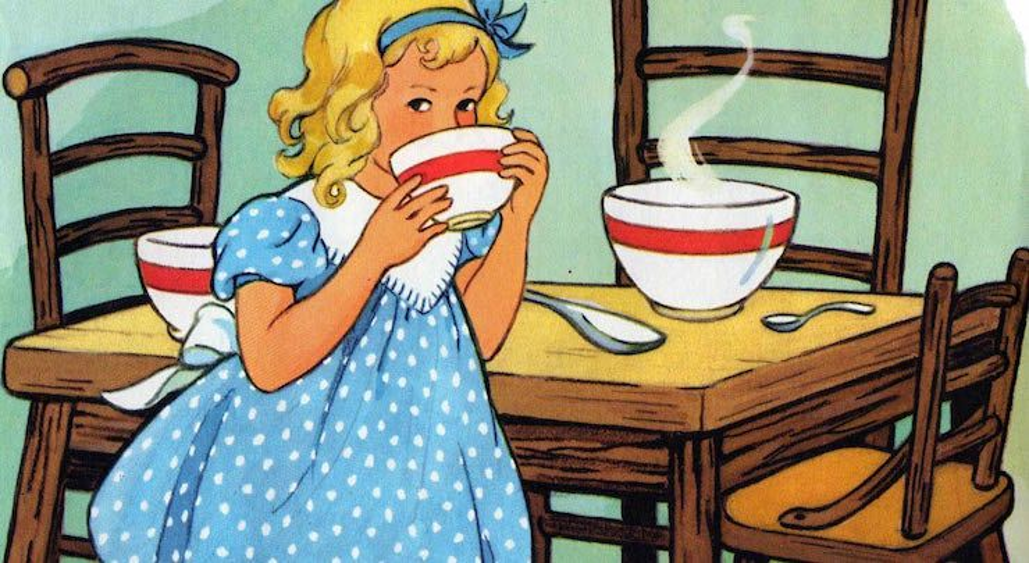
#2: Goldilocks
Buyers instinctively avoid extreme high and low prices. Putting your price in the middle of two other extremes is a great way to use this to your advantage. This is the "Goldilocks" principle, not too hot, not too cold, just right.
You can pose this by stating "you could go with a 'Cadillac' solution that would run as high as X (anchoring high), or go with a 'Bare Bones' solution that would run as low as Y. Our solution Z is in the middle"
#3: Metaphor
Remember the first rule of selling is to influence thinking. If customers are locked into comparing
costs, it will be a race to the bottom, and you are likely to lose if you are selling a premium solution. It's better to shift the frame of reference and get them to look at the purchase in a different way.
A selling metaphor is when one thing is like another. "X is like Y".
A favorite tool is to re-frame the purchase as an "investment" not a "cost". Investments provide returns and increase profits. Costs do the opposite. Always use the word "Investment" to describe your prices.
Other examples of metaphors are:
- Our service is like insurance
- This circuit is like driving the Autobahn compared to a country road
- SD-WAN security is like an umbrella
Pushing the Envelope
Success in sales comes from selling premium, high-value solutions.
|
|
|
Gil Cargill
"If you win 100% of your deals, you aren't a salesperson, you are an order taker"
|
The harder it is, the more it pays. If you aren't getting price resistance, and if you are winning all your opportunities, you probably aren't selling to your potential.
McDonald's counter clerks earn minimum wage because it's easy to take orders.
If you are regularly seeing sticker shock, then you know you are putting yourself in a position to make juicy sales and big commissions.