|
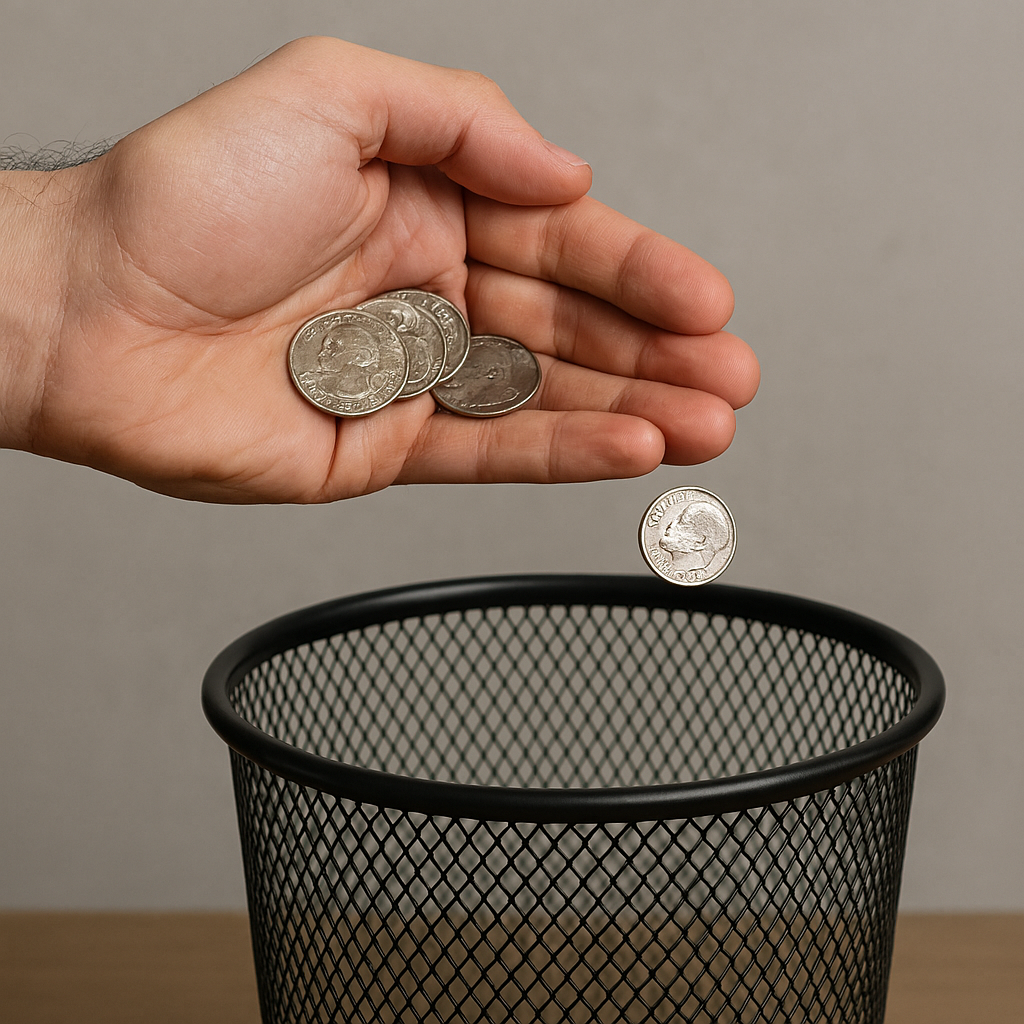
Picture a handful of bright coins—exactly one dollar.
Now imagine tossing dimes into the trash.
Absurd, right?
Yet that’s what we do every time we discard scraps: food trimmings, fabric offcuts, paper bits, odd supplies. In many homes, food scraps alone make up 20–50% of household waste, with plastics and paper close behind—according to data from the U.S.
Environmental Protection Agency and other waste studies.
A Life Sewn from Scraps
As a child, I learned that scraps are not leftovers—they’re ingredients.
My mother lived her own Coat of Many Colors life, needle flashing, imagination wide open. Carrot tops, cilantro stems, chicken bones became simmering stocks that tasted like Sunday. My father’s worn suit became my favorite childhood dress—snaps down the front, each capped with a tiny brown button shaped like a purse, to be snapped carefully together when put on, one snap at a time.
That’s when I learned to see scraps like chefs on Chopped: a mystery basket with must use ingredients, a ticking clock, and possibility hiding in plain sight.
Scrap Mindset: Collector, Not Consumer
When I work with scraps, I don’t declutter—I curate.
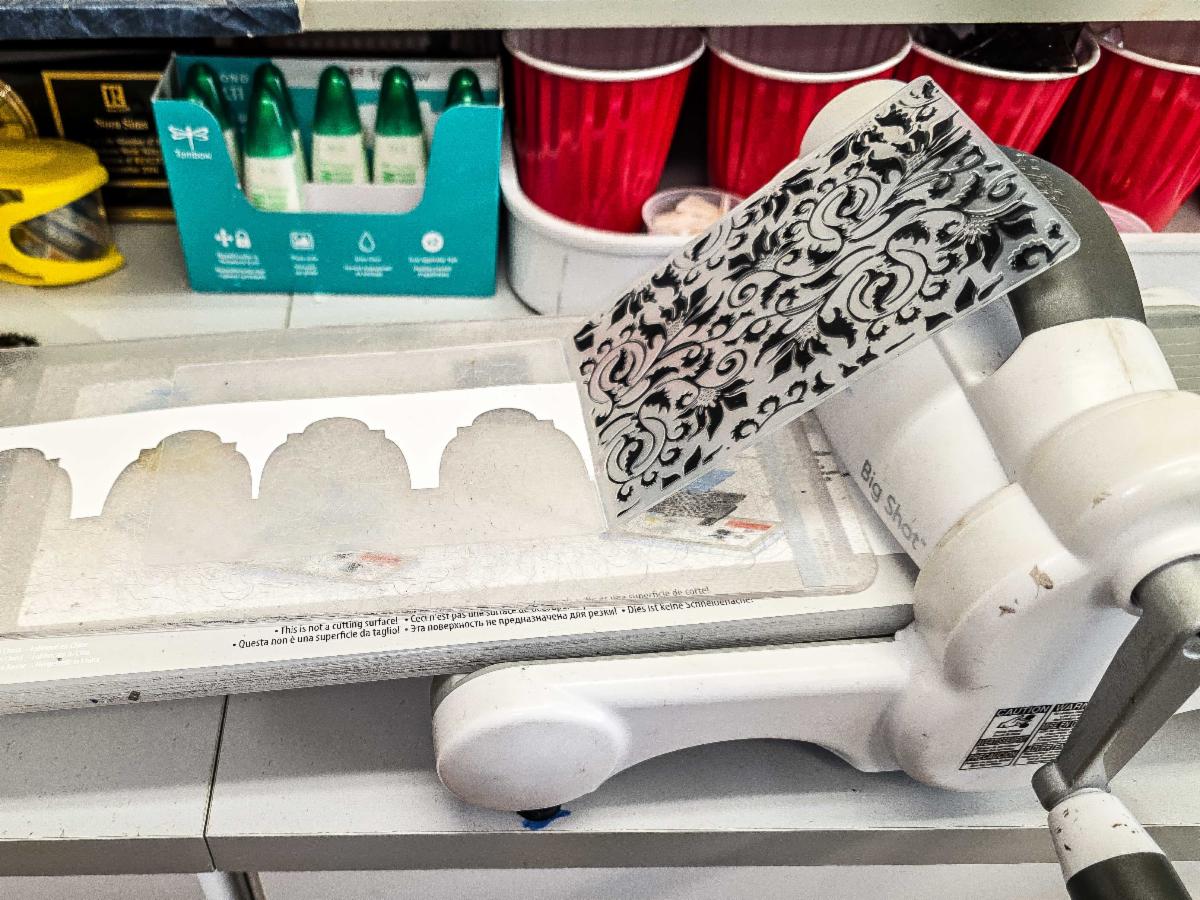
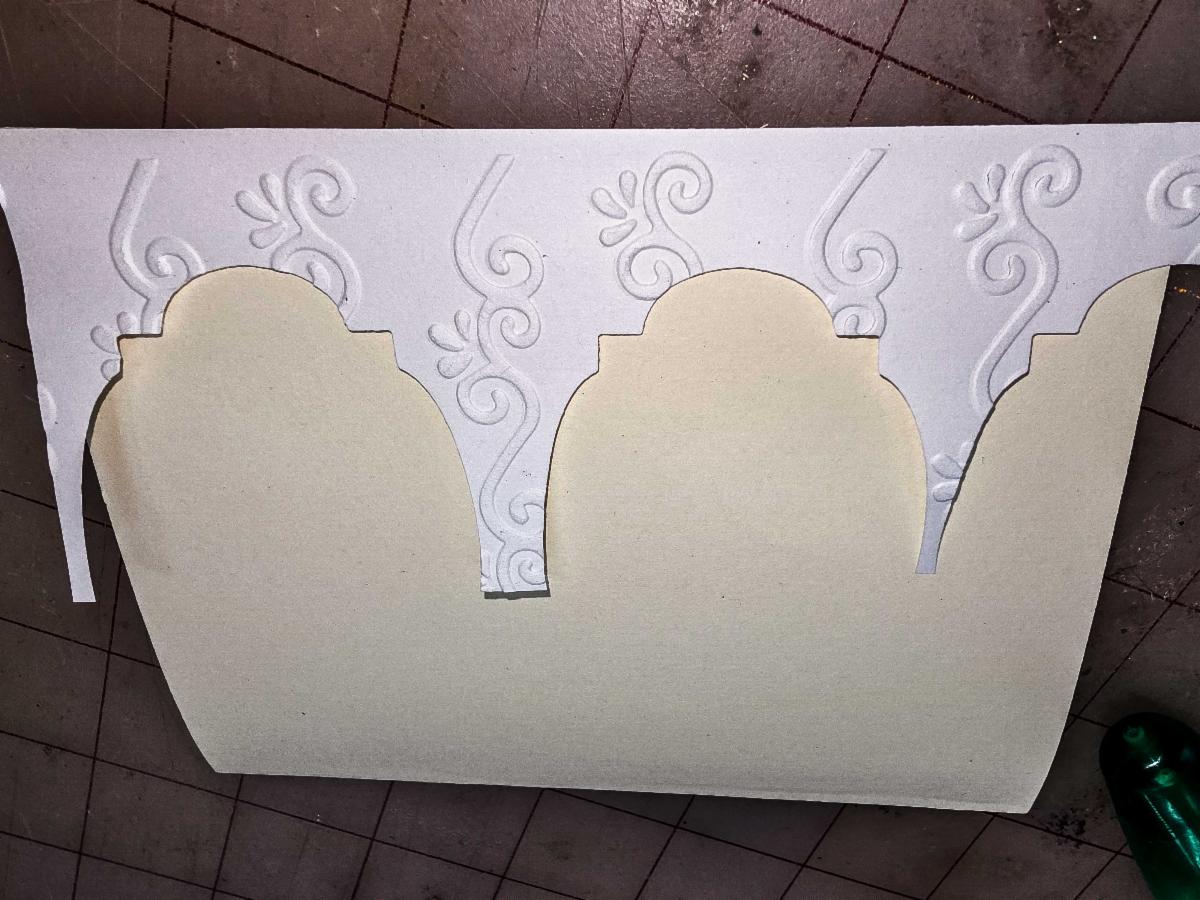
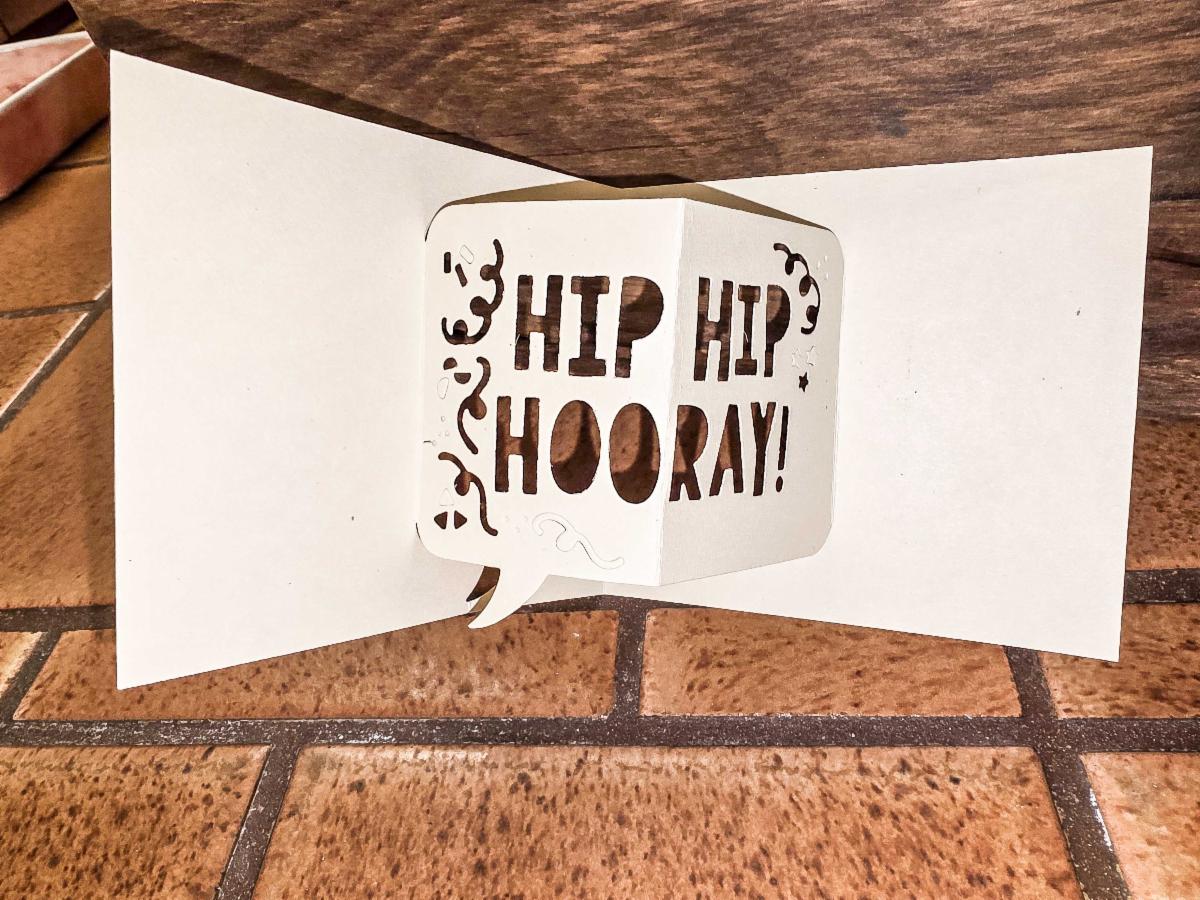
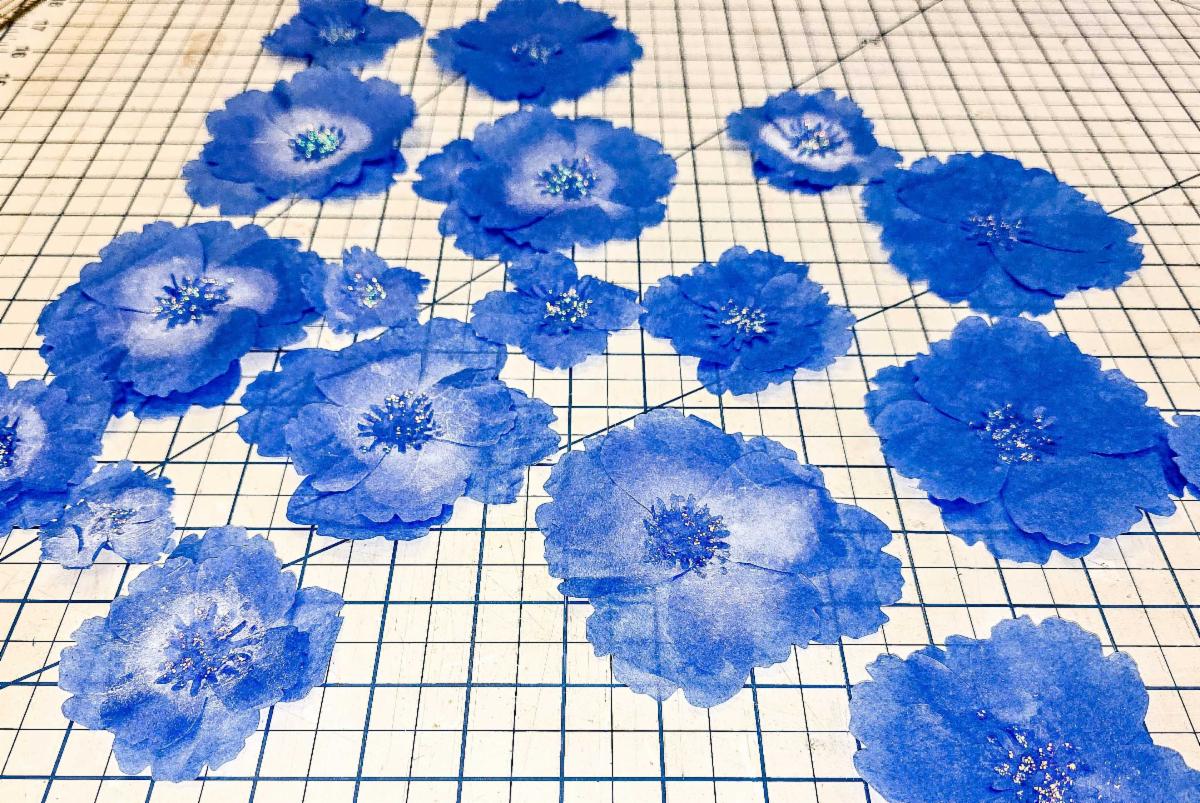
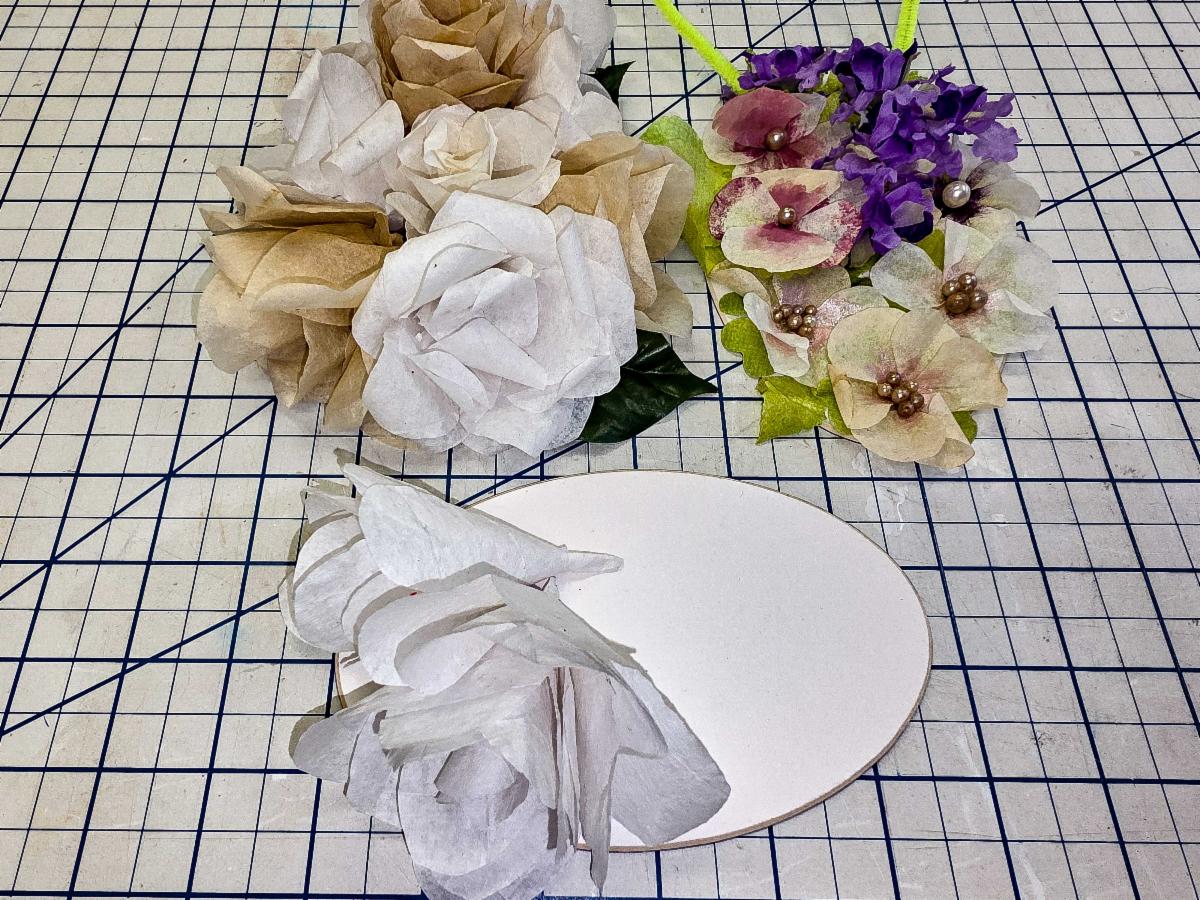
- Flat paper scraps sandwiched into embossing folders, emerge elevated with texture.
|