"If you take care of the birds, you take care of most of the environmental problems of the world."
Thomas Lovejoy
| | |
~News and Upcoming Events~
-
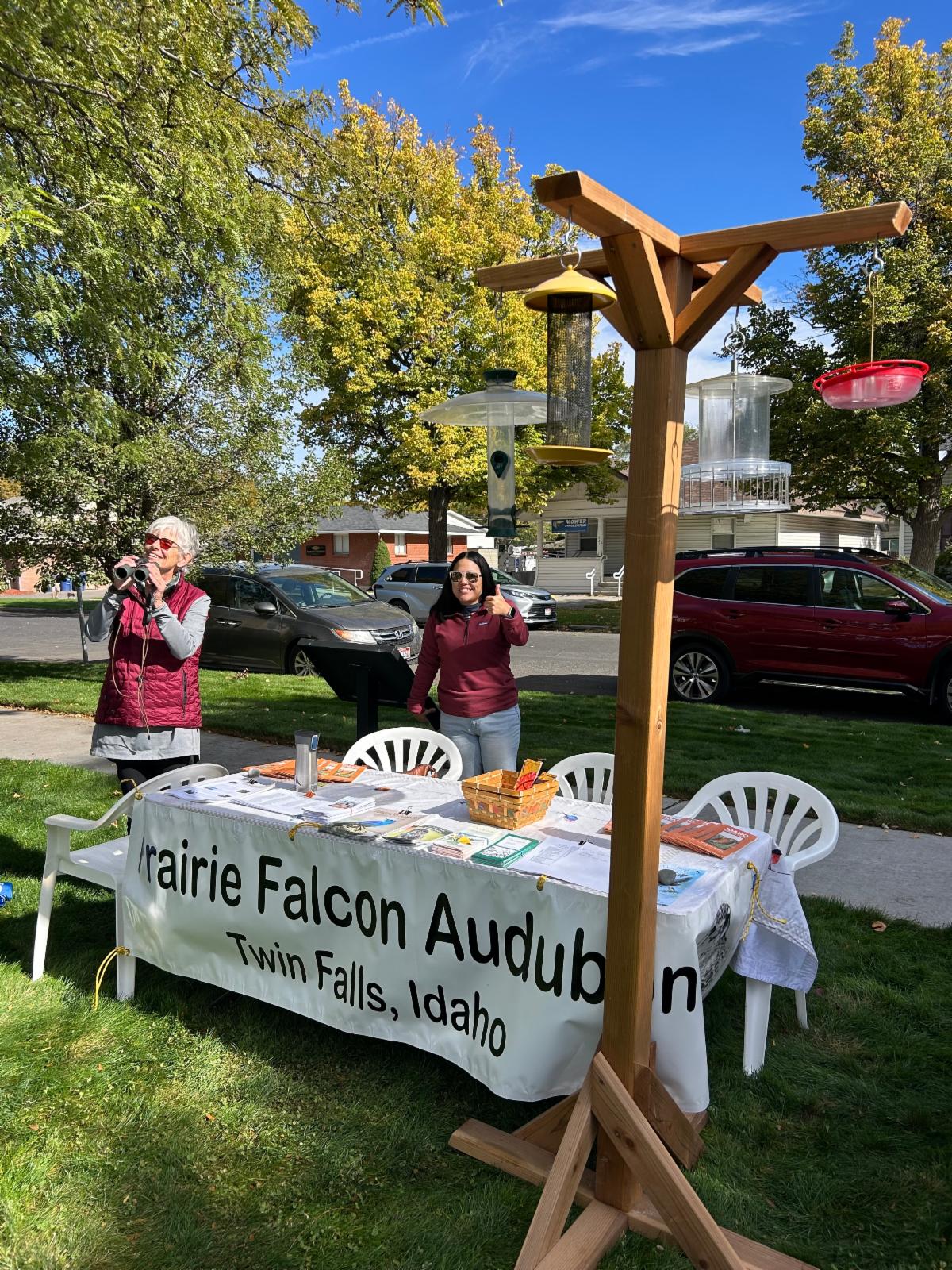
THANK YOU! to all who helped with, and attended the Volunteer and Club Fair at the Twin Falls Public Library. We added 11 new birders to our flock!
- Thursday (TOMORROW) October 1st Program: Biological Soil Crusts - From Development to Application ~ with Steve Paulsen
-
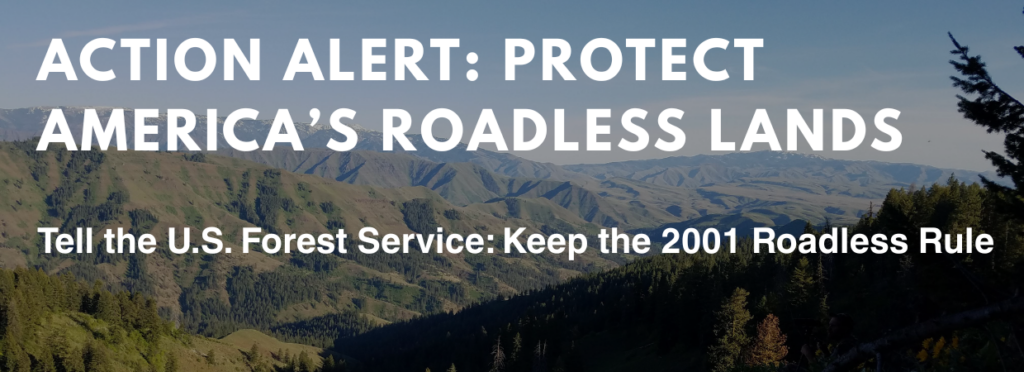
Write a Letter to the Forest Service asking them to protect roadless areas.
Deadline EXTENDED to October 6th!
-
Herrett Forum Presentation ~ Public Lands as America’s Strangest Civic Institution ~ with Jared Talley, October 13th at 6:30 PM
- The Local Impacts of Climate Change ~ by Pat Weber
-
Check out Cornell Lab of Ornithology BIRD ACADEMY Courses! New courses! Some courses discounted up to 40%! Free courses!
https://academy.allaboutbirds.org/course-list/
-
Show your support for Prairie Falcon Audubon by joining the growing community of members!
Click ❤️ Here
| |
🐦 Thanks to EVERYONE who attended the Volunteer and Club Fair at the
Twin Falls Public Library 🐦 | |
Many thanks to our own volunteers who helped set up our table and who stayed during the event to chat with birdwatching enthusiasts: Thank you! Janet, Pat, Jan, Ken, and Jhoss!! It was an absolutely beautiful day and so much fun to talk to newcomers and long time residents about birding and their memorable encounters with birds.
| |
October 1st Program
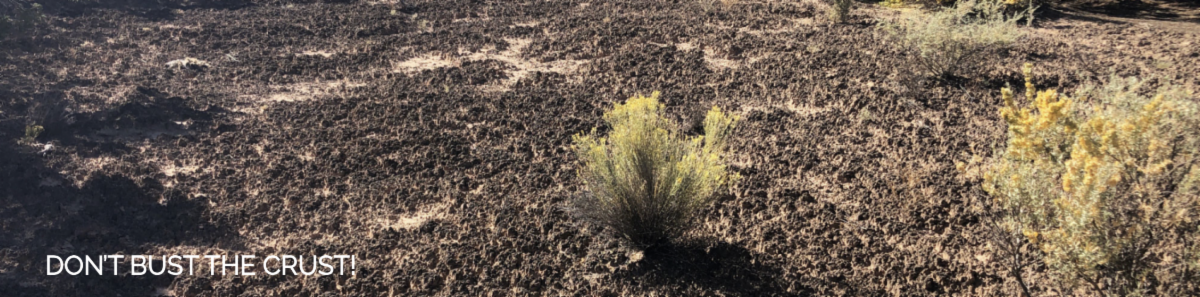
Biological Soil Crusts - From Development to Application
with Steve Paulsen
Thursday, October 1st, 2026
7:00 PM
Room 201, Shields Building, CSI
This will be an IN-PERSON program
| |
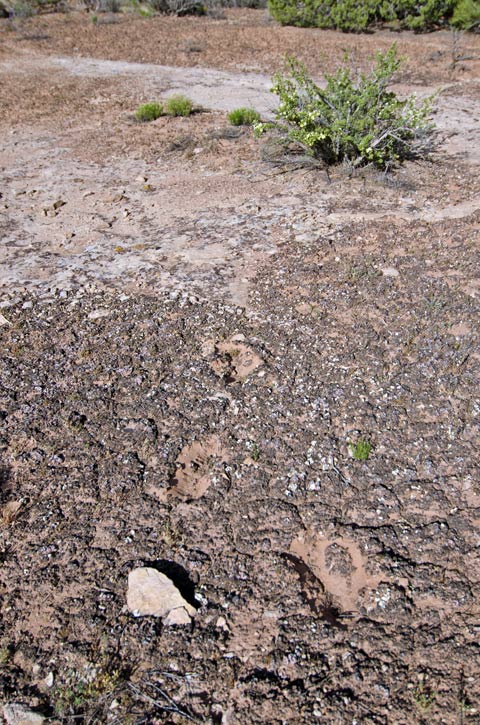
Join Steve Paulsen for an exploration of the development, patenting, and practical application of biological soil crusts—living communities of cyanobacteria, lichens, mosses, fungi, and other microorganisms that play an important role in healthy arid and semi-arid ecosystems.
Steve will discuss how biological soil crusts are developed and cultivated, the science and innovation behind their use, and the process of protecting these advances through patents. He will also explore potential applications for restoring disturbed landscapes, reducing erosion, improving soil health, and supporting resilient ecosystems. The presentation offers a fascinating look at how an often-overlooked component of the landscape could become a tool for conservation, restoration, and land management.
| |
Steven is the owner and founder of Living Earth, LLC and Native Roots, LLC in Twin Falls ID. Steven has worked in the restoration industry for 30 years restoring native habitats country wide. Always with a clear focus on working exclusively with Native species. From butterfly gardens to some of the largest restoration efforts installed in the United States, Steven is dedicated to restoring functional native landscapes.
| |
Protect the 2001 Roadless Rule!
Comment by October 6th
The Forest Service announced that it will extend the comment deadline by 15 days, from September 21 to October 6, giving Americans additional time to weigh in on a proposal that would eliminate longstanding protections for 44 million acres of National Forest System lands.
The U.S. Forest Service is accepting public comments on roadless area protections, and we need the Magic Valley’s bird-watching community to speak up. Idaho currently manages its roadless areas under our own state-specific rule (the 2008 Idaho Roadless Rule), which would technically remain unaffected by changes to the 2001 federal rule. But weakening the Federal Roadless Rule will undoubtedly give Idaho lawmakers ideas about rescinding our Roadless Rule. It is critical that these baseline protections are not weakened.
These pristine, unbroken forests provide vital habitat for iconic species—from breeding Flammulated Owls and Northern Goshawks to critical migratory corridors for dozens of songbirds.
Allowing roads, mining, or commercial logging (or baseball diamonds) to chip away at these areas will fragment these ecosystems and threaten vulnerable bird populations.
Please take 5 minutes to submit an official comment urging the USFS to maintain strict, uncompromised protections for roadless areas.
Where to comment: Go to:
https://www.regulations.gov/document/FS-2025-0001-223869
Use docket number FS-2025-0001 or RIN 0596-AD66
Deadline: Tuesday, October 6, 2026
Hot tip: Check out the comments that have already been submitted to the Forest Service Comment Portal to get ideas and to see what effective letters look like. As you poke around you will realize that there are very few comments that support the rescission of the 2001 Roadless Rule. That doesn't mean that you don't need to comment. You do!
Let’s ensure our backcountry stays intact for future generations of birds and birders. Thank you for taking action!
| |
Herrett Forum Speaker Series
6:30 PM
Tuesday, October 13th
in the Rick Allen Room at the Herrett Center, CSI
| |
Public lands are the product of an agricultural vision for the West that was never fully realized. During this talk, Jared will explore how agriculture helped shape our public lands, the role that farming and ranching play in those lands today, and how public lands became one of America’s strangest civic institutions - belonging to all of us and none of us at once.
| |
Jared was born and raised in Southwestern Idaho and has dedicated his career to helping Idaho’s rural communities thrive alongside the working lands that support them. He earned his Ph.D. in Philosophy and his Master’s in Environmental Policy and Natural Resource Management, with a research focus on how people relate to the land, their communities, and each other.
Today, Jared serves as Idaho State Policy Advisor for the Nature Conservancy, where he helps build collaborative, community-driven solutions for the challenges facing Idaho farms, ranches, forests, and rural communities. He is also a writer and filmmaker whose work explores the people, landscapes, and stories that shape life in Idaho and the greater American West. He is the author of the forthcoming book, The Shape of Idaho, and executive producer of the feature film When the Rain Comes.
This installment in the Herrett Forum Speaker Series is one that you won’t want to miss. Jared will be here on October 13th. The lecture is free to attend; doors open at 6 PM, and the lecture begins at 6:30 PM.
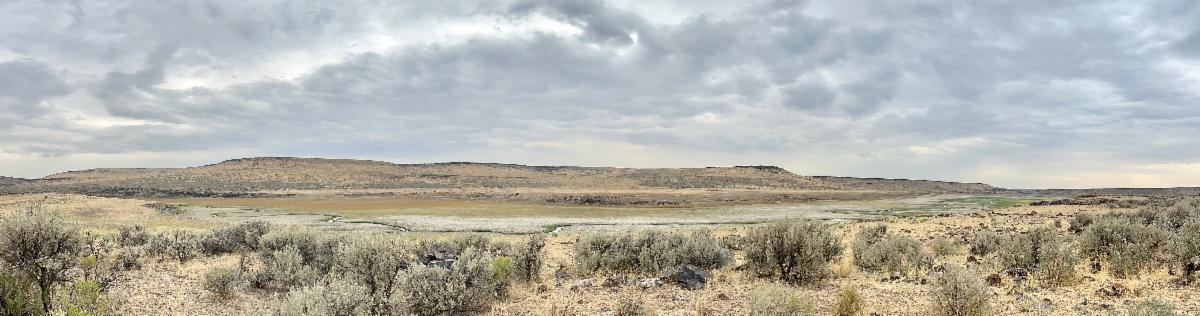
| Cedar Creek Reservoir - Dry as a bone on August 13, 2026 | |
Visible Local Impacts of Climate Change
~ by Pat Weber, PFA Conservation Chair ~
Why This Matters Now
Changing climate patterns are increasingly difficult to ignore. Across Idaho and beyond, hotter summers, shifting precipitation, and water shortages are reshaping the landscapes that both people and wildlife depend on.
These changes are especially important for migratory birds, which already make some of the most demanding journeys on Earth. When wetlands shrink, rivers run lower, or seasonal conditions become less predictable, birds lose the reliable resting, feeding, and breeding areas they need to survive.
As southern Idaho faces shrinking water supplies, those pressures also point to broader climate changes affecting wildlife. For Idaho’s birds, warmer temperatures and shifting precipitation patterns are altering wetlands, migration routes, breeding conditions, and specialized habitats, increasing the pressure on some species to adapt or move. As agricultural demand rises alongside hotter summers and shifting precipitation, Idaho’s water systems become more stressed, and bird habitats become smaller, drier, and less predictable.
Cedar Creek Reservoir, our local shorebird habitat, serves as a stark example of the detrimental effects of hotter summers and reduced precipitation on wetlands. These factors lead to the shrinking and drying out of wetlands, which in turn diminishes the vital breeding and stopover grounds for ducks, geese, herons, and other water-dependent birds that rely on these areas during their migratory journeys.
| |
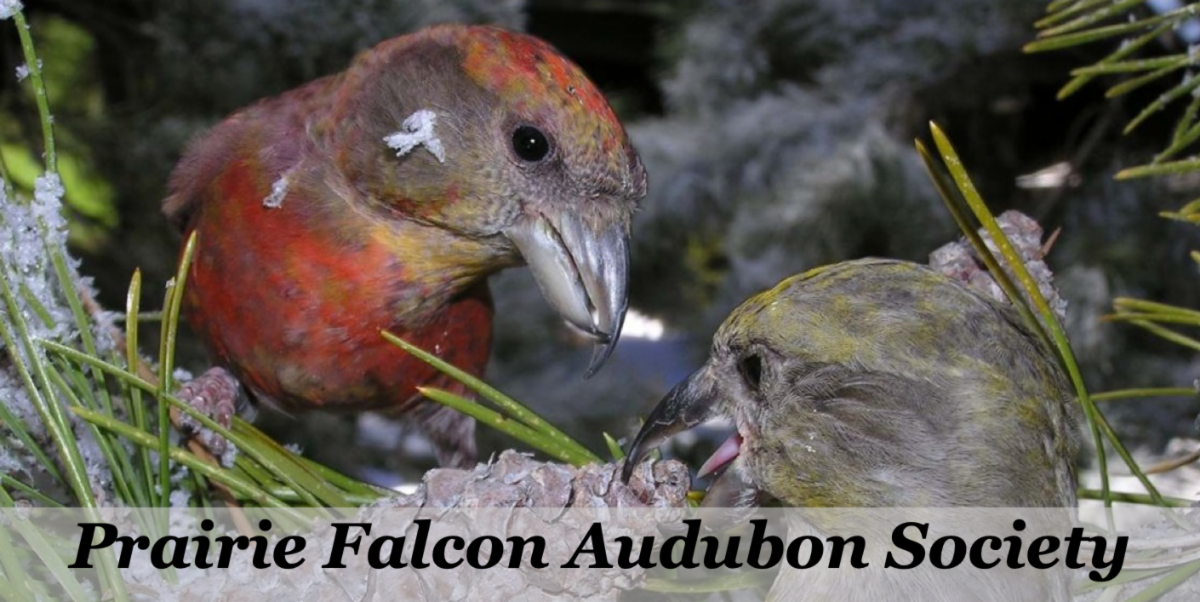
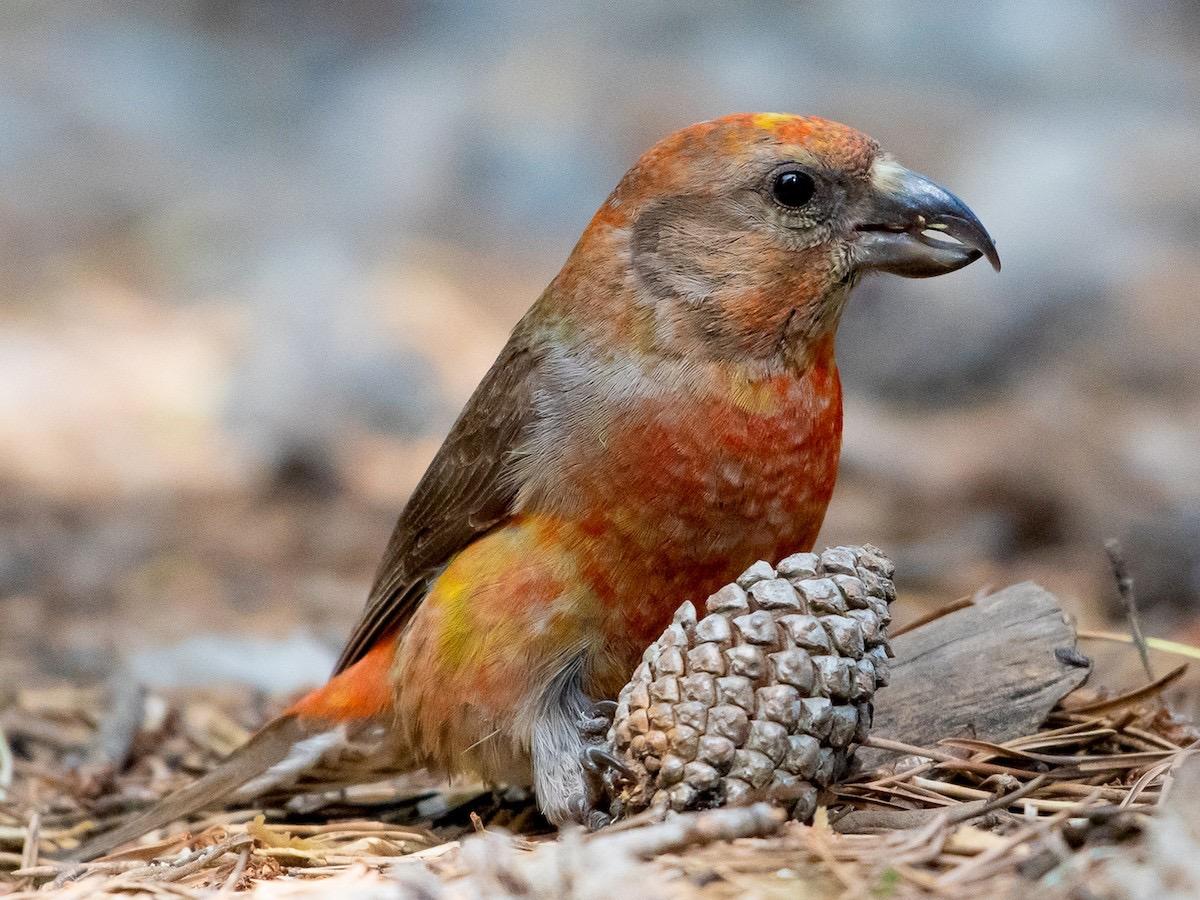
Some Idaho birds face even sharper risks because they depend on narrow, specialized habitats. The South Hills’ endemic Cassia Crossbill lives only in higher elevation lodgepole pine forests; higher temperatures can cause pine cones to open early, reducing its food supply, while severe wildfires threaten its small home range.
In short, Idaho’s changing climate links water scarcity, habitat disruption, and shifting bird ranges into a single conservation challenge.
5 ways you can help birds in a changing climate
| | |
1. Keep Cats Indoors
A solution that’s good for cats and birds: Save birds and keep cats healthy by keeping cats indoors or creating an outdoor “catio.” You can also train your cat to walk on a leash.
| | |
2. Reduce Lawn, Plant Natives
Add native plants, watch birds come in: Native plants add interest and beauty to your yard and neighborhood, and provide shelter and nesting areas for birds. The nectar, seeds, berries, and insects will sustain birds and diverse wildlife.
| | |
3. Avoid Pesticides
A healthy choice for you, your family, and birds: Consider purchasing organic food. Nearly 70% of produce sold in the U.S. contains pesticides. Reduce pesticides around your home and garden.
| | |
4. Drink Coffee That’s Good for Birds
Enjoy shade-grown coffee: It’s a win-win-win: it’s delicious, economically beneficial to coffee farmers, and helps more than 42 species of North American migratory songbirds that winter in coffee plantations, including orioles, warblers, and thrushes.
| | |
5. Protect Our Planet from Plastic
Reduce your plastics: Avoid single-use plastics including bags, bottles, wraps, and disposable utensils. It’s far better to choose reusable items, but if you do have disposable plastic, be sure to recycle it.
| |
Equity, Diversity and Inclusion Statement
Prairie Falcon Audubon, Inc. fully supports
National Audubon Society's statement on
Equity, Diversity and Inclusion
Prairie Falcon Audubon, Inc. believes that everyone has the right to enjoy birds, the outdoors, and a healthy and safe environment. In order to fulfill our mission to educate the general public about birds, bird watching, and preservation/improvement of the environment that birds and bird watchers share, we will work to include everyone, no matter their race, gender, sexual orientation, religion, political affiliation, age, or disability. We are committed to building an equitable, diverse, anti-racist, accessible, fun, and inclusive organization that supports birds, and the people who watch them, in our community.
| |
CHECK THIS OUT!
Cornell Lab of Ornithology
An incredible resource for anyone (young to old) who wants to learn more about birds!
"Whether you’re a bird lover, an educator, or a student, interactive courses and multimedia-rich resources will lead you into the fascinating lives of birds, from birding basics to comprehensive ornithology."
| |
Learn More About Birds with These Courses
FREE - $130
Start at your level.
Go at your own pace. There’s something for every bird enthusiast.
| |
Watch a Short Video
FREE
A curated collection of educational videos from Cornell Lab
| |
Play games Powered by Birds
FREE
Birds are awesome. Play games that explore flight, song, dance, feathers, and so much more.
| |
Listen to a Lecture
FREE
Keep learning with this curated collection of videos from the Cornell Lab. Each is about an hour long.
| | | | |