Dear Naval Historical Foundation Family,
Welcome back to Thursday Tidings.
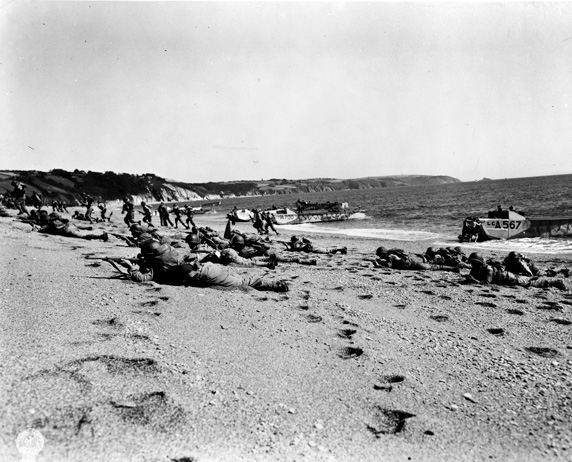
In April 1944, the Allies conducted one of a series of large dress rehearsals for the Normandy Invasion of Europe that took place just five weeks later. The event, known as Operation/Exercise Tiger, took place on Slapton Sands in Devon in southwest England. Using the wide sand beaches of the area, the goal was to get boats to simulate an amphibious landing from the English Channel.
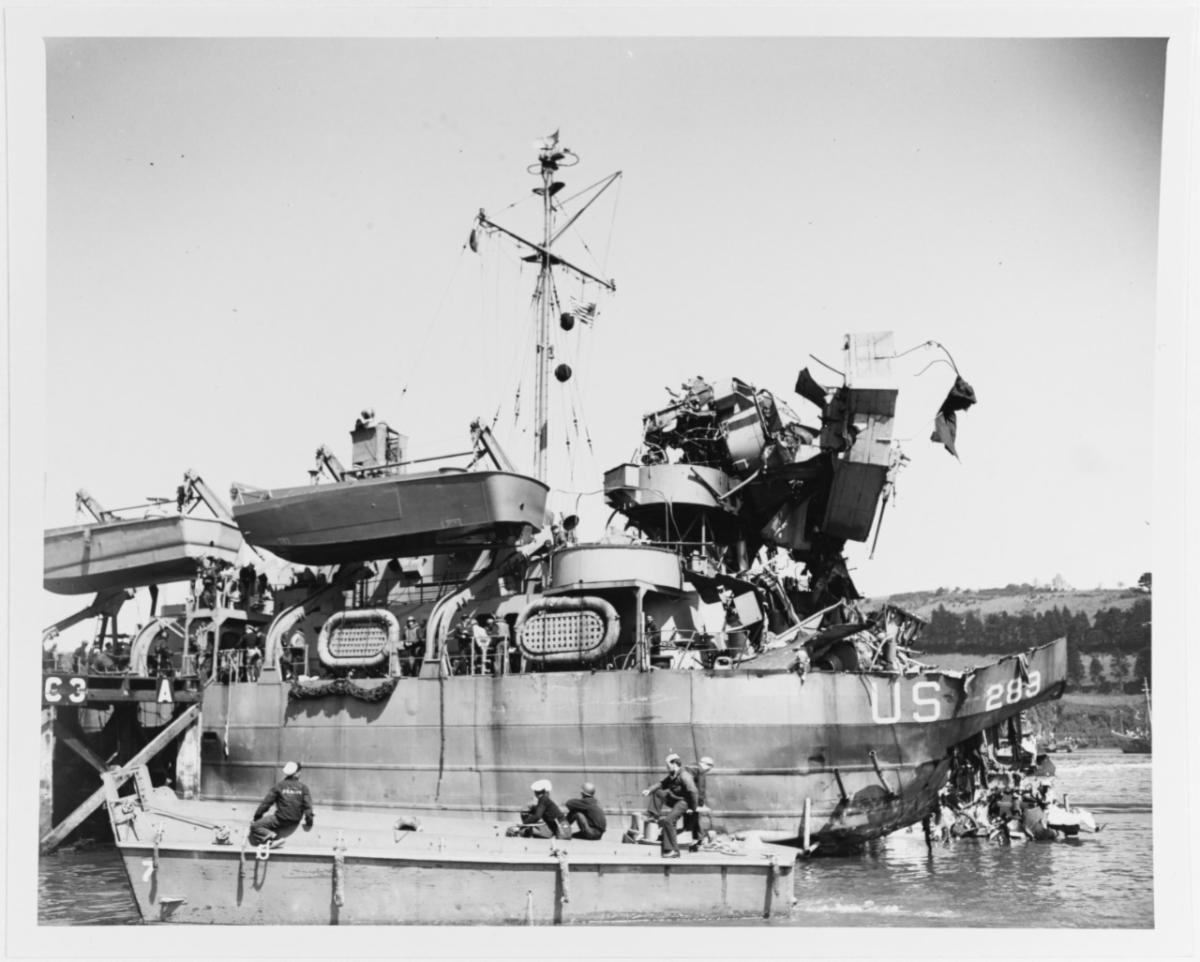
The exercise began on 22 April. Landing craft loaded with soldiers, tanks, and equipment were deployed along the coast. Unknown to the allies, under cover of darkness, nine German E-boats managed to slip in amongst them in Lyme Bay on 28 April. Two landing ships were sunk and a third badly damaged. Lack of training on the use of life vests, heavy packs, and the cold water contributed to the disaster: many men drowned or died of hypothermia before they could be rescued. Over 700 Americans lost their lives.
Despite this, the rest of the exercise continued at Slapton beach, but with disastrous results. The practice assault included a live-firing exercise and many more soldiers were tragically killed by ‘friendly fire’ from the supporting naval bombardment.
Due to the secrecy of the eventual allied landing, the event was kept a secret until after the invasion. Today, our focus is on the Exercise Tiger and Lyme Bay disaster anniversary. There is a bevy of information available on the Internet by historians, news agencies, and museums on the subject. If you haven’t heard of this tragic event, consider this your primer.
This week's book review by Captain Chuck Good focuses on the saga of HMS Caroline during the First World War, 1914-1917. We have also once again included some helpful links on the U.S. Navy's role in the ongoing crisis in Ukraine.
As always, fair winds and following seas shipmates. This email is best viewed as a webpage for your reading convenience and best quality.
|
|
Second Saturday:
Getting Our Ships Back in the Game: The Story of Shipyard and Ship Repair Excellence From World War II to Today
With Dr. Craig Symonds
14 May 2022 | 11 am EST
|
|
|
|
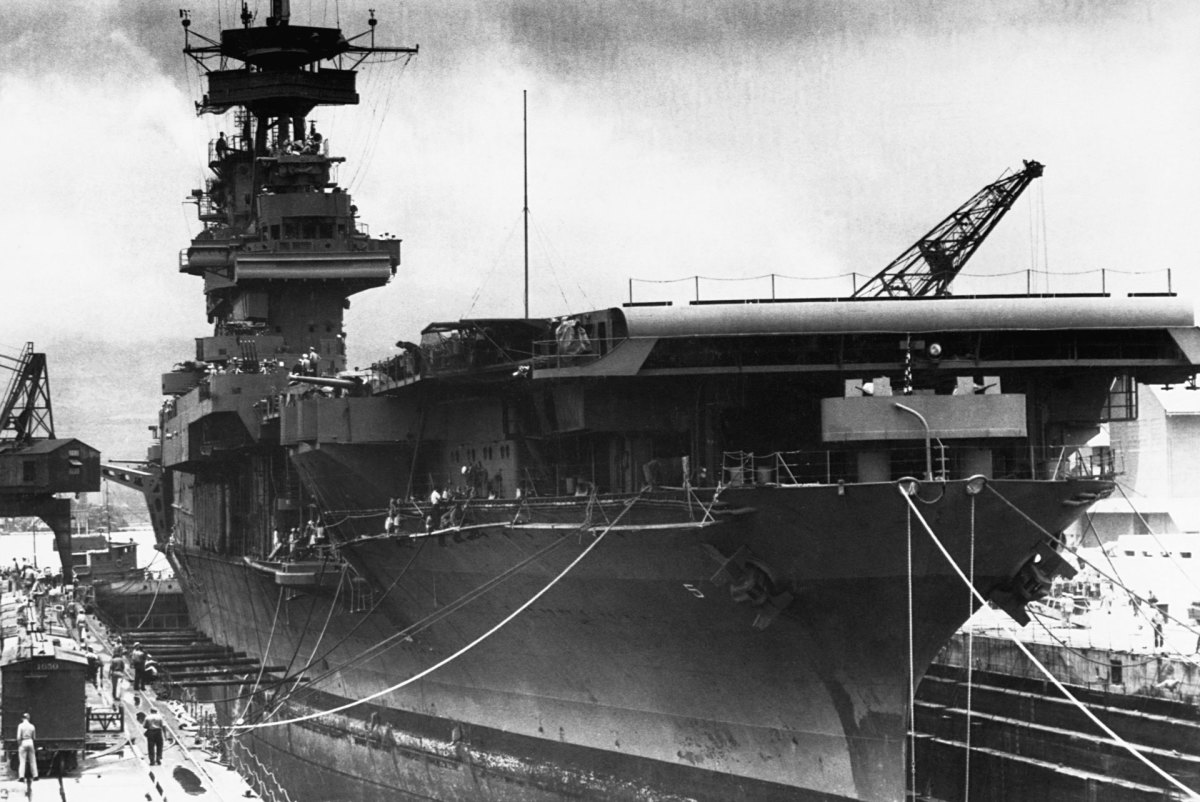
Join Dr. Craig Symonds who tells the story of Yorktown's remarkable turnaround at the Pearl Harbor Navy Shipyard following Coral Sea that enabled her to be at Midway! Featuring an expert panel regaling us about the heroes of our Repair facilities.
|
|
Upcoming Live NHF Event:
Naval War in the South Atlantic -- 40th Anniversary
(The Fight for the Falklands/Malvinas)
The American Perspective of the Conflict Between Allies Great Britain and Argentina
3 May 2022 | National Museum of the United States Navy
Washington Navy Yard | 4 pm - 6 pm
Reception to Follow
|
|
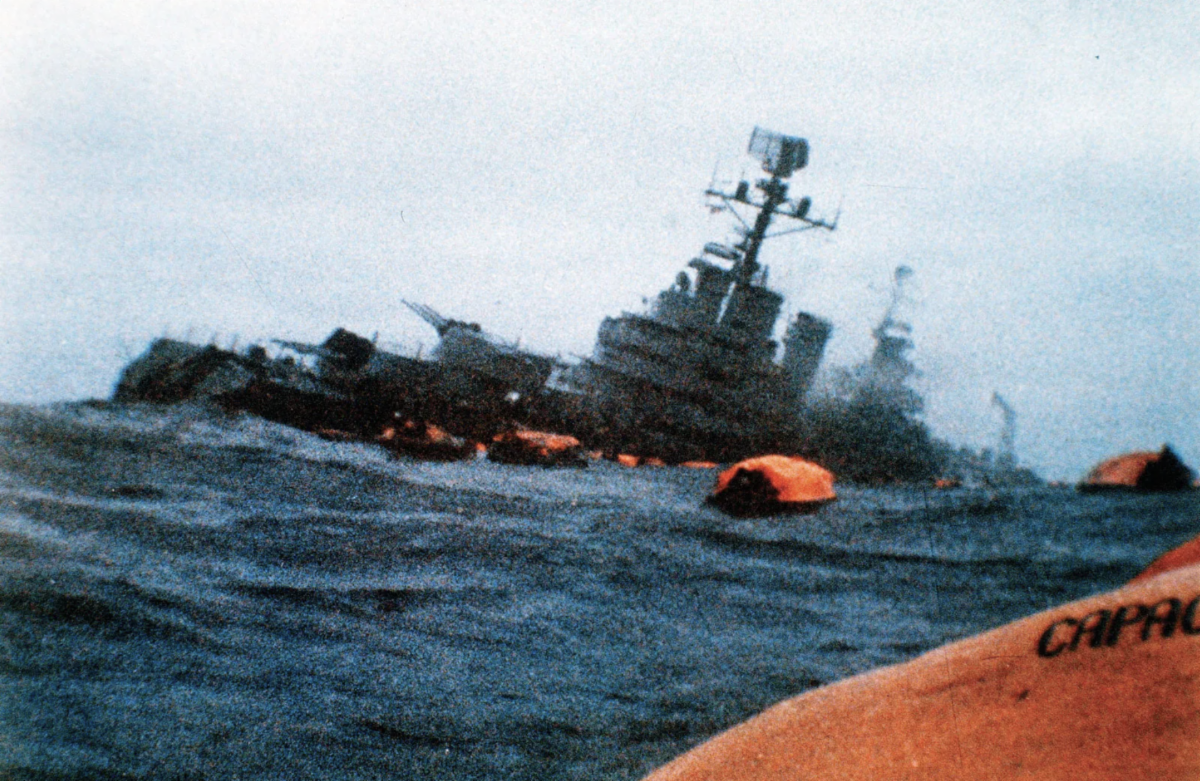
The Navy Museum will serve as the backdrop for an afternoon seminar followed by a reception as the NHF commemorates the 40th anniversary of the largest naval combat confrontation in the post-World War II era. With the Argentine cruiser General Belgrano (ex-USS Phoenix) torpedoed on 2 May 1982, and the HMS Sheffield crippled two days later, this is an appropriate time to mark the occasion with presentations capturing various aspects of the fight for sea control around this South Atlantic island group.
Featuring Director of Naval History Rear Adm. Sam Cox; Former Secretary of the Navy John Lehman, and former DoD officials Norman Polmar and Dov Zakheim.
Sebastian Bruns with the Political Science Department of the U.S. Naval Academy will moderate the event.
|
|
Dr. Winkler Honored at
2022 National Maritime Awards Dinner
NHF Historian Received the NMHS Distinguished Service Award
|
|
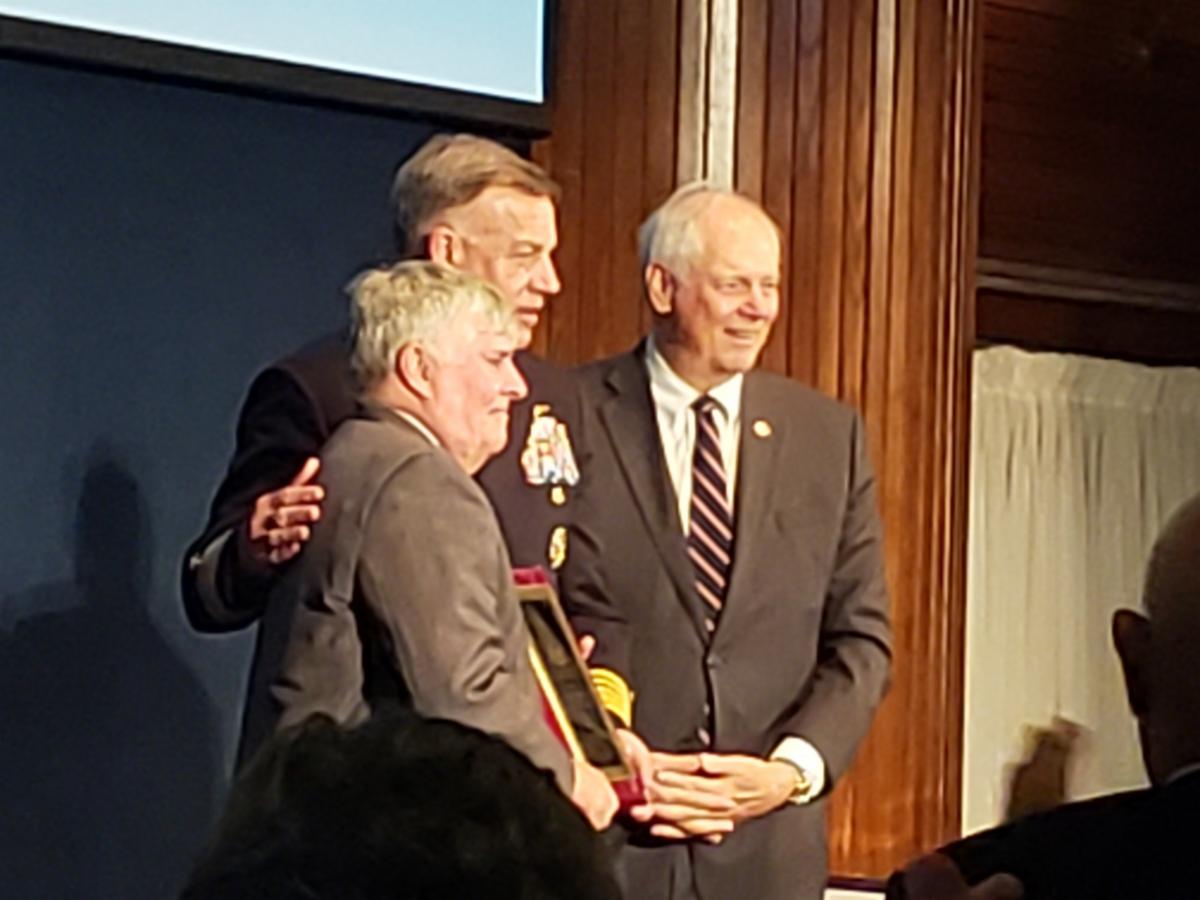
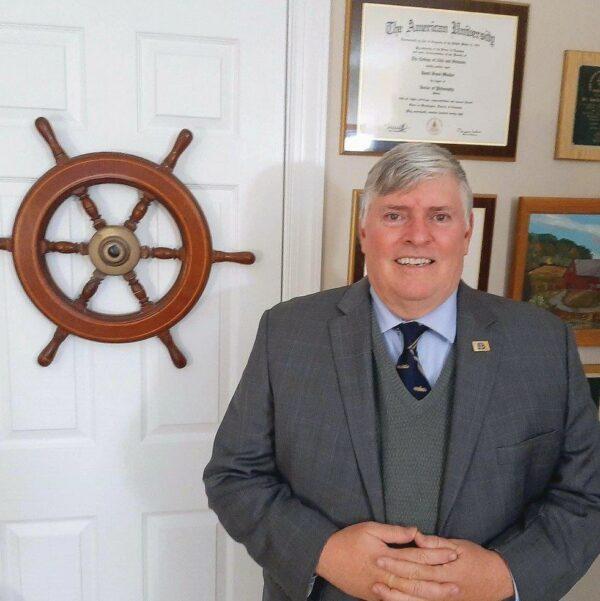
Last Night at the National Press Club our staff historian Dr. David F. Winkler, along with Smithsonian Secretary Lonnie G. Bunch III and Chesapeake Bay Maritime Museum CEO Kristen Greenaway earned accolades from the National Maritime Historical Society, all three receiving the Society’s Distinguished Service Award.
In the case of Dr. Winkler, the award was presented by Naval Academy Superintendent Vice Admiral Sean Buck, in recognition of Winkler’s outstanding career as an internationally recognized educator, author, historian, and as a successful ambassador for naval history.
He praised Winkler for is tenure at the Naval Academy as the Class of 1957 Chair of Naval Heritage, noting his oral history class effort to document the impacts of COVID 19 at the USNA. He also reminded the audience that many of the historical tablets adorning the memorial arches throughout the Navy Marine Corps Memorial Stadium complex, viewed by hundreds of thousands of spectators each year, were scribed by Dr. Winkler thanks to an arrangement made back in 2003 between the Naval Academy Alumni Association and the Naval Historical Foundation.
Vice Admiral Buck recounted Winkler’s contributions in the scholarship relating to the Cold War at Sea, naval operations in the Middle East, and defense infrastructure along with the publication of a book covering the Vietnam War experiences of the Class of 57 extracted from oral histories conducted by Naval Academy Midshipmen.
Following his remarks, Vice Admiral Buck presented Dr. Winkler with the plaque that read:
To
Dr. David F. Winkler
Naval Historical Foundation Historian
In recognition of his outstanding career as an internationally recognized educator, author, and historian, and as a successful ambassador for naval history. As program chair
for the Maritime Heritage Conference, he inspired participants in all disciplines to work together. Because of his leadership, important historic naval vessels have been preserved for future generations to explore.
27 April 2022
Humbled, in his acceptance remarks Dr. Winkler recognized Vice Admiral Buck for the challenges he faced as Superintendent during COVID-19 and his appreciation of serving as the Class of 57 Chair between 2019 and 2020. He also thanked Lonnie Bunch for his year at the Smithsonian Air and Space Museum as the Charles Lindbergh Chair of Aerospace History and the generous support received for his ongoing research of the Navy’s first aircraft carrier – the USS Langley.
In addition he recognized former fellow members of the Naval History Combat Documentation Det 206 to include former CO, Captain Elsa Thompson, former NHF board member Captain Jim Noone who recently became the Chair of the Society, and Captain Chuck Chadbourn who is the editor-in-chief of the International Journal of Naval History. In mentioning Det. 206, Winkler lamented about the recent Navy Reserve decision to re-allocate resources to disband this history-capture unit.
The long-time NHF historian closed with praise for both the Foundation and Society and looked forward to helping to organize the 12th Maritime Heritage Conference at a time and place to be determined.
As a long-serving employee of the Naval Historical Foundation, we would like to wish Dr. Winkler congratulations on a very well-deserved award. If you would like to share your thoughts and well wishes for Dr. Winkler, please click the link below and write a nice note for him to read.
|
|
New Oral History Available:
Captain Franklin H. Beardsley, USNR (Ret.)
|
|
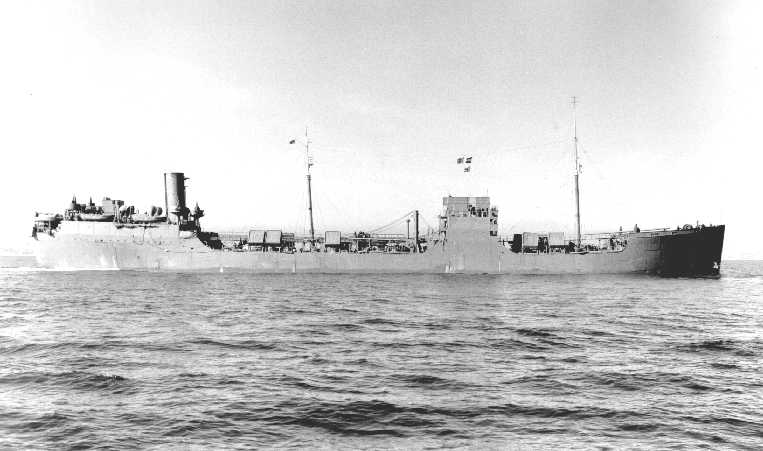
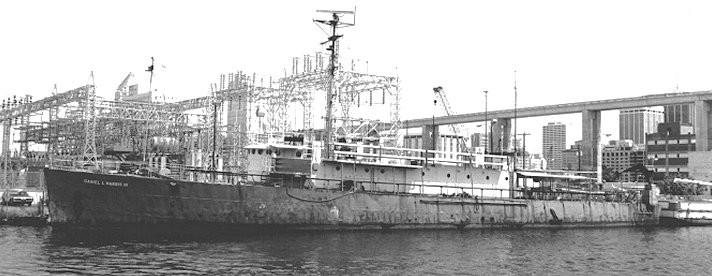
Q-Ship Big Horn (U.S. Navy Photo) |
|
Captain Franklin H. Beardsley, Jr. USNR (Ret.) was born on 11 October 1914 in Philadelphia, Pennsylvania. He attended and graduated from West Chester State College in 1938 with a B.S. in Secondary Education. He then taught junior and senior high school in Springfield, Pennsylvania and studied education at the University of Pennsylvania until 1941.
Captain Beardsley joined the Navy in September 1941 through the V-7 program and trained at the USS Prairie State in New York City. As a college graduate, he was eligible to earn a Reserve commission. He joined at this time because he was liable to be drafted and wanted to take the initiative as to his type of military service. He was still in his 4-month training program on the Prairie State when the attack on Pearl Harbor occurred and he was commissioned in January 1942. He married Amy Louise Street on 21 February 1942.
After communications school, he served briefly on the Massachusetts before being transferred to the Q-ship Big Horn.
After thirteen months aboard the Big Horn he attended subchaser training school (the “Donald Duck Navy”) and was appointed CO of the patrol craft PC 1140. This ship saw service in the Gulf of Mexico, the Caribbean, and the Mediterranean, and participated in the invasion of southern France.
In late 1944, Captain Beardsley was ordered back to the US, took more ASW training and was given command of the PCE-R 858, similar to the patrol craft but with added berths for medical evacuations. This ship was to take part in the invasion of Japan, but had only reached Pearl Harbor when the war ended.
After returning to the United States, Captain Beardsley served briefly at the Philadelphia Naval Hospital and was discharged in April 1946 with the rank of Lieutenant Commander. He then served eighteen more years in the Reserve and retired with the rank of Captain.
|
|
The Disastrous Exercise Tiger
By Wargaming.Net
|
|
In December 1943, exercises began. Tiger was to be the largest exercise that took place in April and May 1944. This covered all parts of the invasion, which was to end in a beach landing at Slapton Sands.
Forces utilized nine tank landing ships (LST). This is the naval designation for vessels created in World War II to support amphibious operations by carrying vehicles, cargo, and landing troops onto rough shores. These LSTs housed 30,000 troops in preparation, ready for a live-firing exercise.
To support American Forces, the Royal Navy employed two destroyers, three Motor Torpedo Boats and two Motor Gun Boats. Destroyers patrolled the entrance to Lyme Bay, an area of the English Channel situated in the southwest of England between Start Bay in the west and Portland in the east. Motor Torpedo Boats surveyed the Cherbourg area, situated in north-western France. However, this was also an area where German E-Boats were based.
|
|
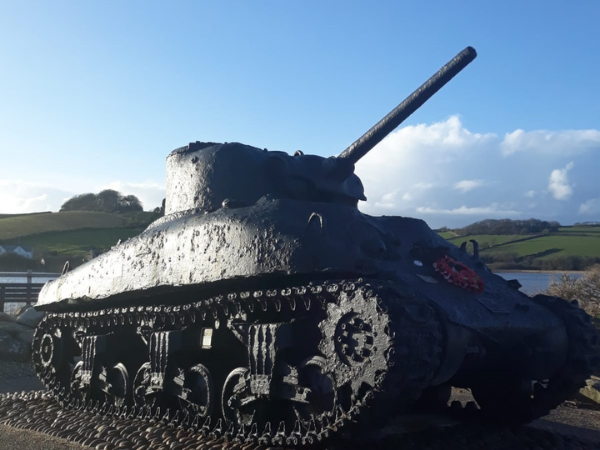
Operation Tiger Memorial (National Museum of the Royal Navy) |
|
Operation Tiger: The Disastrous D-Day Rehearsal
By The National Museum of the Royal Navy
In 1943, 3,000 residents were evacuated from their Slapton Sands homes. Similar to Utah Beach with its shingle slope, strip of land and a lake, it had been marked for D-Day rehearsals. From 22 – 30 April, Operation Tiger would cover all aspects of invasion, culminating in a beach landing.
Naval protection came from destroyers and Motor Torpedo Boats covering all access areas to the Channel, while watching for German E-boats. On board nine Tank Landing Ships, approximately 30,000 troops waited, not knowing what was to come.
|
|
Exercise Tiger: Disaster at Slapton Sands
By The Naval History and Heritage Command
(Published 4 May 2020)
|
|
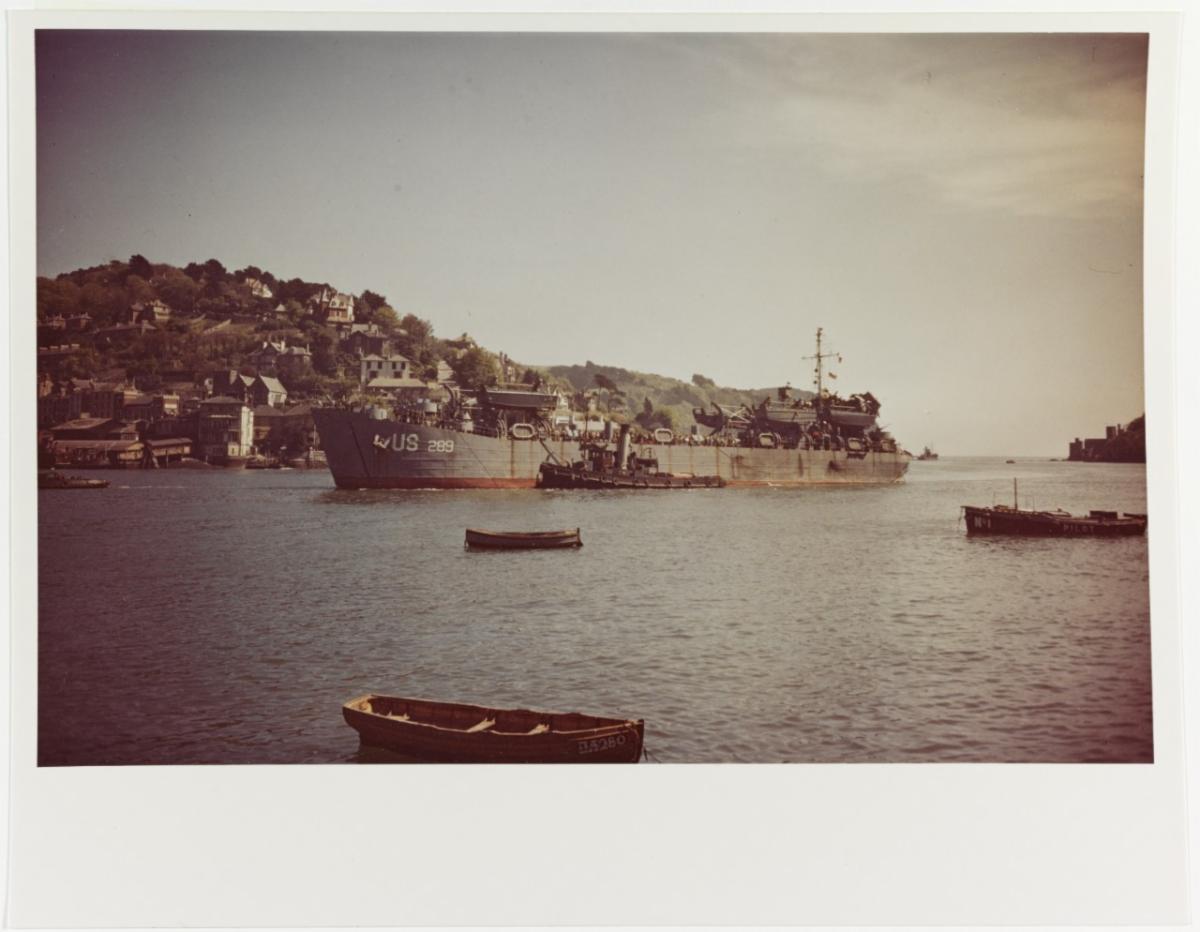
Slapton Sands Invasion Rehearsals 1943-44. USS LST-289 arrives in Dartmouth Harbor, England, after being torpedoed by German MTBs during an invasion rehearsal off Slapton Sands, England, on 28 April 1944. (#80-G-K-2054)
|
|
“We sailed along in fatal ignorance,” writes Lieutenant Eugene E. Eckstam, a medical officer aboard the first of two tank landing ships to be sunk by German S-boats off the southern coast of England on the night of 27/28 April 1944. The attack, which happened in the midst of an Allied dress rehearsal for the Normandy landings, killed hundreds of men. Some of them succumbed to blast injuries and burns, others to drowning or hypothermia.
The disaster that befell Convoy T-4 was not a fluke. It was the product of an effort by the Germans to disrupt preparations for the invasion of northwestern France, and it happened as a result of actionable intelligence from the Luftwaffe and Germany’s B-Dienst. Tank landing ships (LSTs)—slow, unwieldy, and cavernous—were ideal targets for fast torpedo boats, which patrolled those areas that the German admiralty determined most likely to host enemy convoys and training exercises. With only one escort and no meaningful radio capabilities, Convoy T-4 stood little chance.
|
|
Operation Tiger: D-Day's Disastrous Rehearsal
Sixty-eight years ago today, the Allies launched a massive dress rehearsal for the invasion of Normandy - the famous D-Day landings that would happen five weeks later. But that rehearsal turned into one of the war's biggest fiascos. It took place ...
Read more
www.npr.org
|
|
|
|
|
|
More Links on Exercise Tiger and Lyme Bay |
|
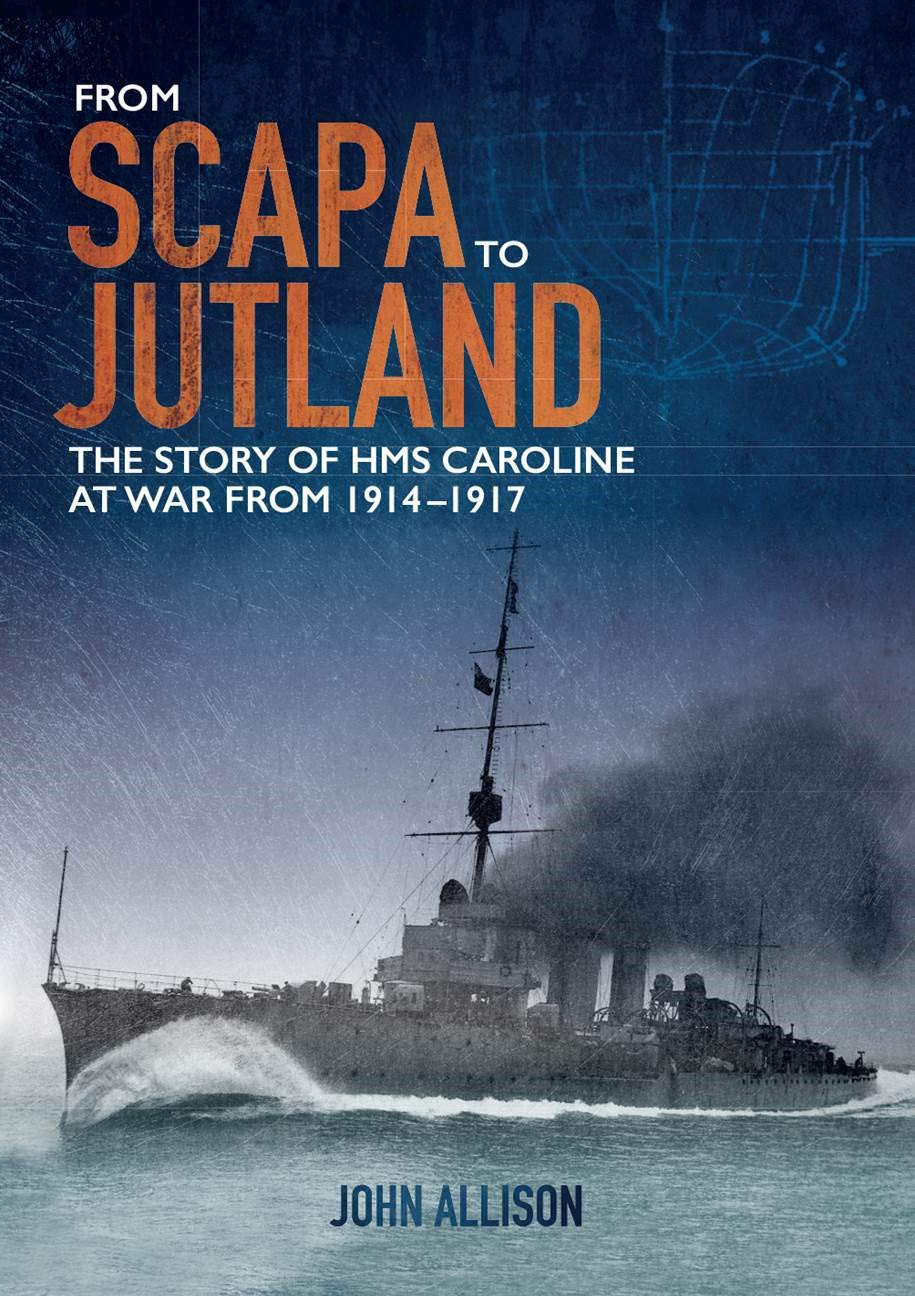
From Scapa to Jutland: The Story of HMS Caroline at War From 1914-1917
By John Allison
|
|
Reviewed by CAPT Chuck Good, USN (Ret.)
From Scapa to Jutland stands as a neat little jewel of a book, and a worthy companion to the great ship herself. Cruisers are getting rare on the world’s oceans, and all who have sailed in them should rejoice that the U.K. saw fit to preserve this luminous example. Any student of naval history visiting Belfast should pay HMS Caroline a visit and perhaps find their own copy of this fine book in the gift shop!
|
|
|
|
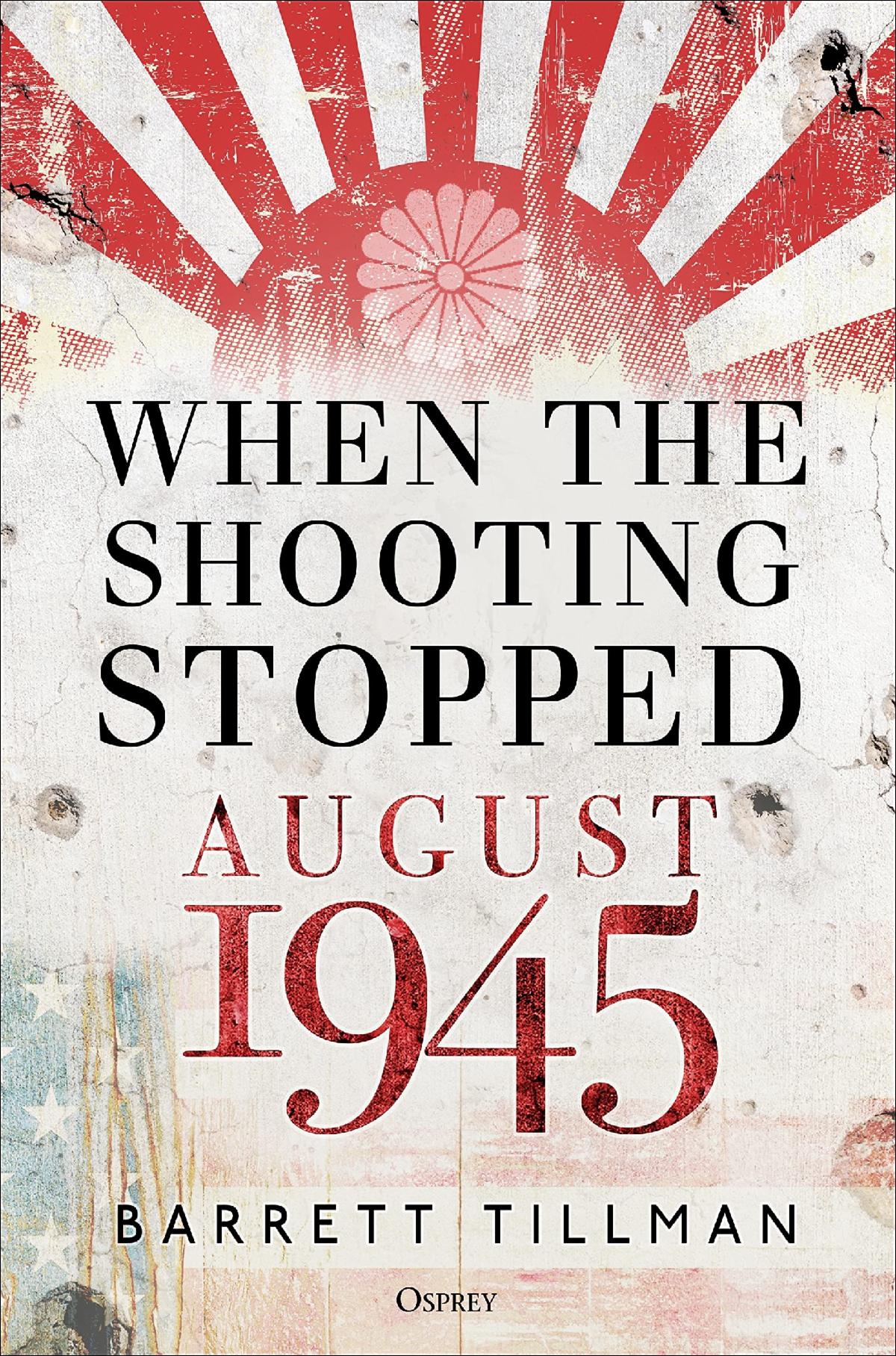
If you are interested in World War II history, please consider reviewing When the Shooting Stopped: August 1945, by Barrett Tillman.
Guidelines for getting involved in the NHF Book Review program can be found here,
and a list of titles available for review can be found here.
|
|
History in the Making: The U.S. Navy and the Ukranian Crisis -- Select Links and Topics of Interest
|
|
We are currently witnessing history in the making with the situation involving the Russian invasion of Ukraine beginning last week. How does the U.S. Navy fit in? How are strategists, theorists, and journalists gauging the role of the U.S. Navy in any impending conflict? Here are several articles of note that seek to answer these questions as the situation progresses. Article opinions reflect those of the authors and do not necessarily reflect any stance by the Naval Historical Foundation.
|
|
Early Anti-Ship Cannon Projectiles (Part I)
By John L. Morris
|
|
|
|
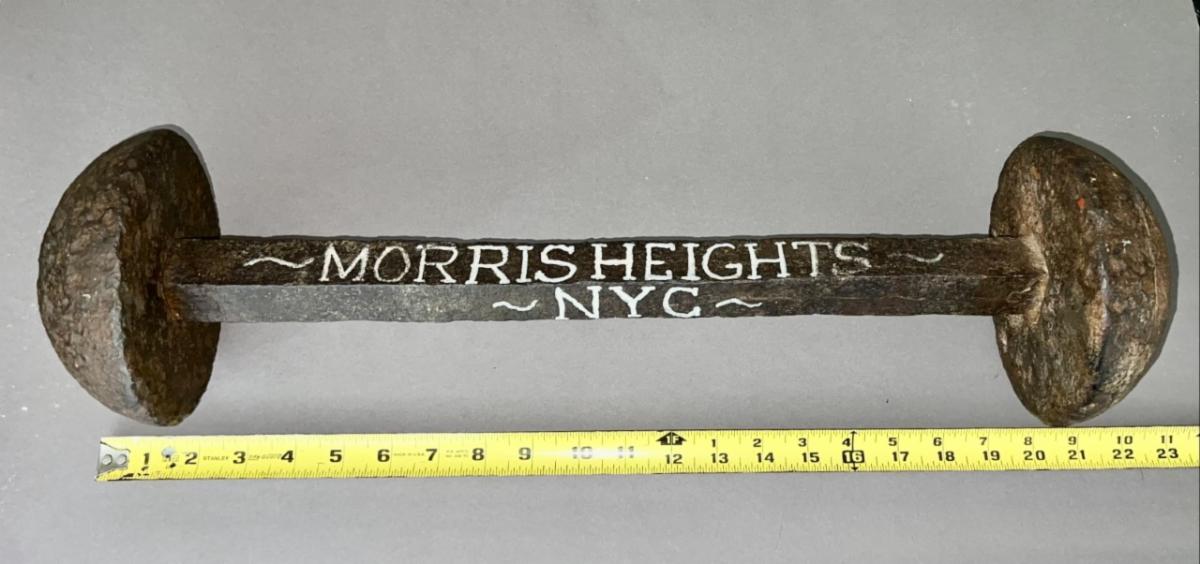
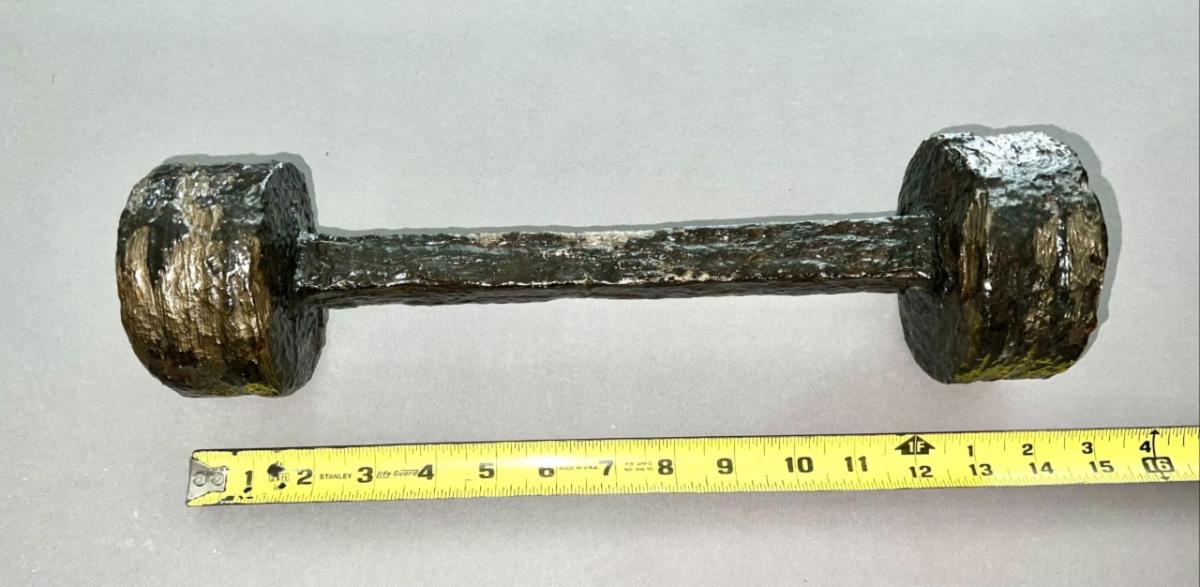
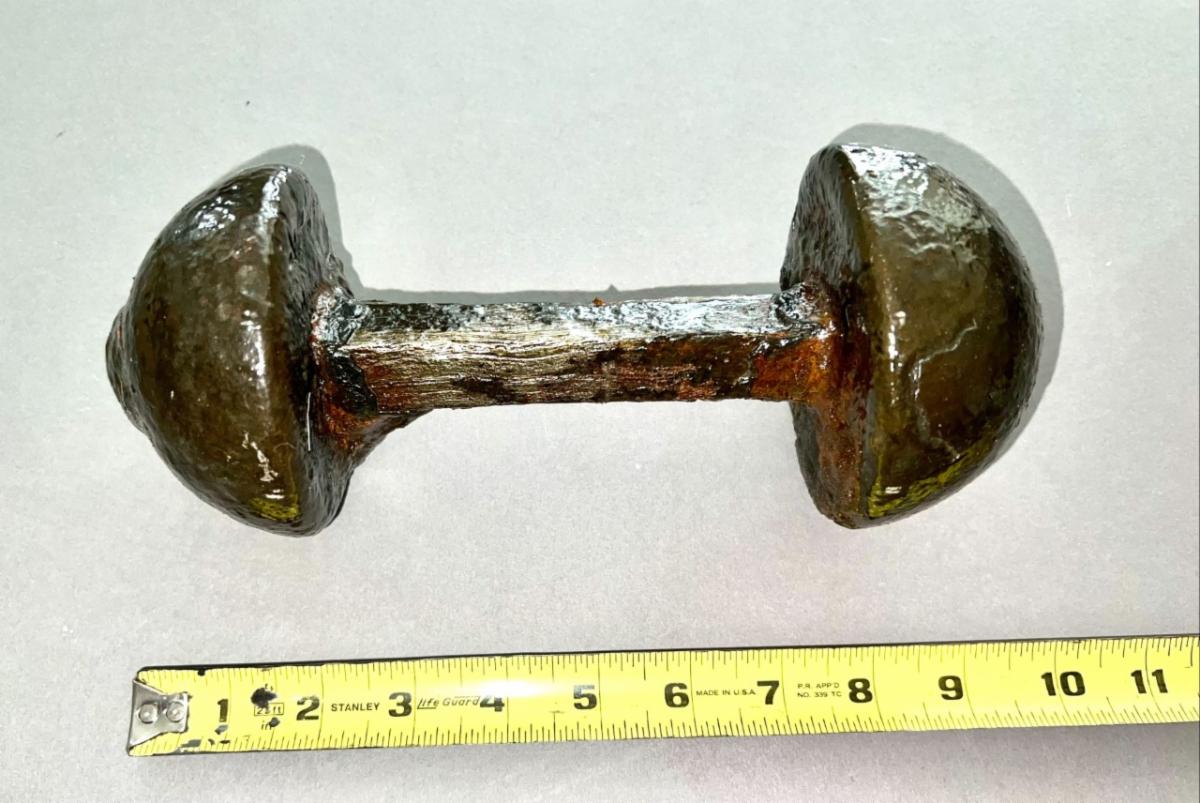
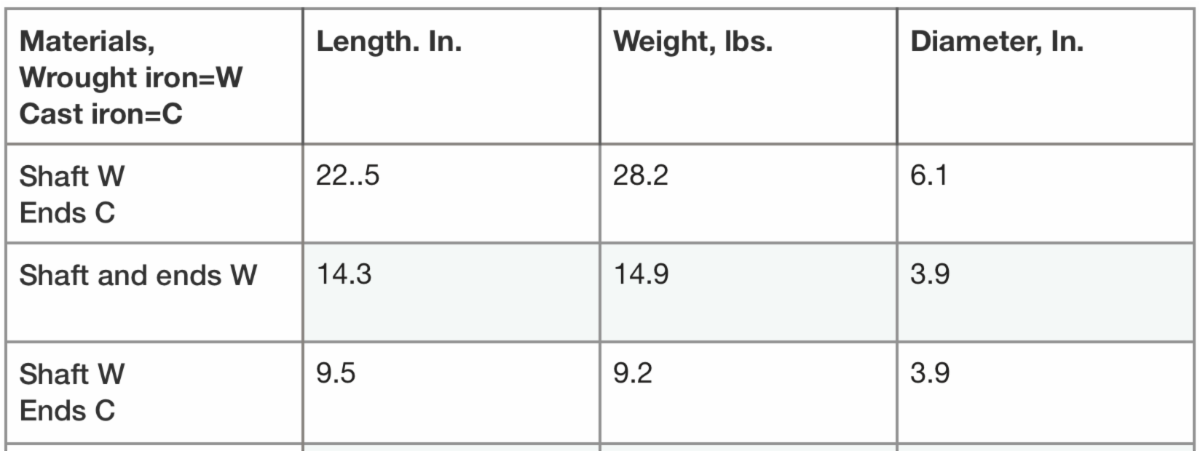
Everyone is familiar with the most common cannon projectile, the solid round shot or cannonball. With these, one ship could punch holes in another’s hull attempting to sink her. By the 18th Century, and perhaps earlier, seamen sought to disable enemy ships in more creative ways, such as reducing their mobility by damaging masts, sails, and rigging. A sailing ship that could not maneuver would be defeated quickly. The round shot was relatively ineffective against these targets aloft, so armament designers came up with at least dozens of different projectile forms designed specifically for maximizing damage to masts, sails, etc., one of the most common forms being the “bar shot.” The French in particular focused on such projectiles while English seamen preferred punching holes in enemy hulls as they had for centuries. The Americans also used bar shot during the Revolution and perhaps as late as the War of 1812, but references are scarce. The bar shot would usually cartwheel in flight, with those impacting masts and rigging “sideways” doing great damage. Three bar shot from various private collections are pictured to the left in order: 1,2,3. |
|
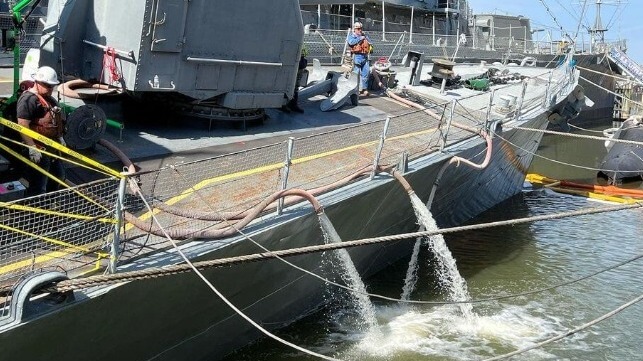
Divers Plug Holes in the Hull of Museum Ship USS The...
Efforts to save the WWII-era museum ship USS The Sullivans are starting to pay off, according to the salvage team. Multiple holes in the hull have been patched, and the vessel's condition is believed to be stable. The museum ship USS The...
Read more
www.maritime-executive.com
|
|
|
|
|
|
F-14 Fighter: The Tomcat Made Navy History for a Reason
By Brent M. Eastwood
(1945)
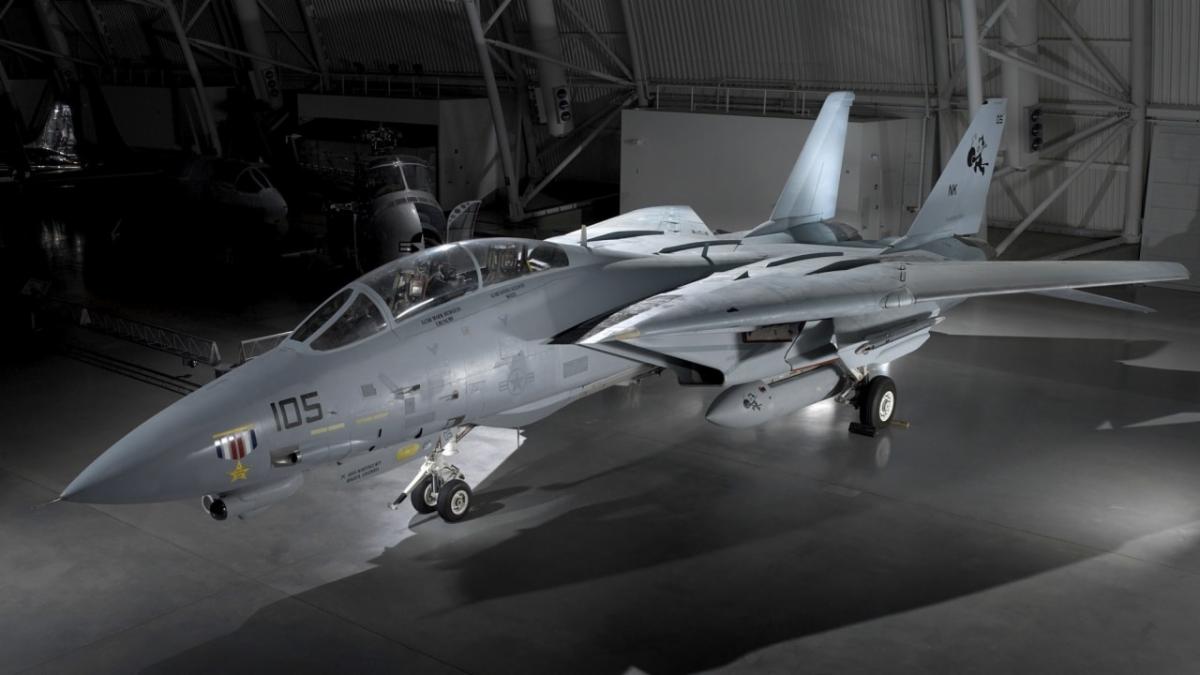
While she is long since retired, the F-14 Tomcat was a Navy legend and built to fight a war against the Soviet Union: It was the 1980s, during the twilight of the Cold War, and many F-14 Tomcat pilots had mustaches to go along with their flair in the air. The F-14 Tomcat was the pride of naval aviation since it first flew in 1970. It became Hollywood famous and captured the imagination of the movie-going public with Tom Cruise’s portrayal as a naval aviator in Top Gun. Interesting call signs emerged for the pilots and back-seat radio intercept officers were entertaining. The flights looked exhilarating on the silver screen, but what was it like to fly the Tomcat in the real world?
|
|
USS Wisconsin: History Says This Might Be the Best...
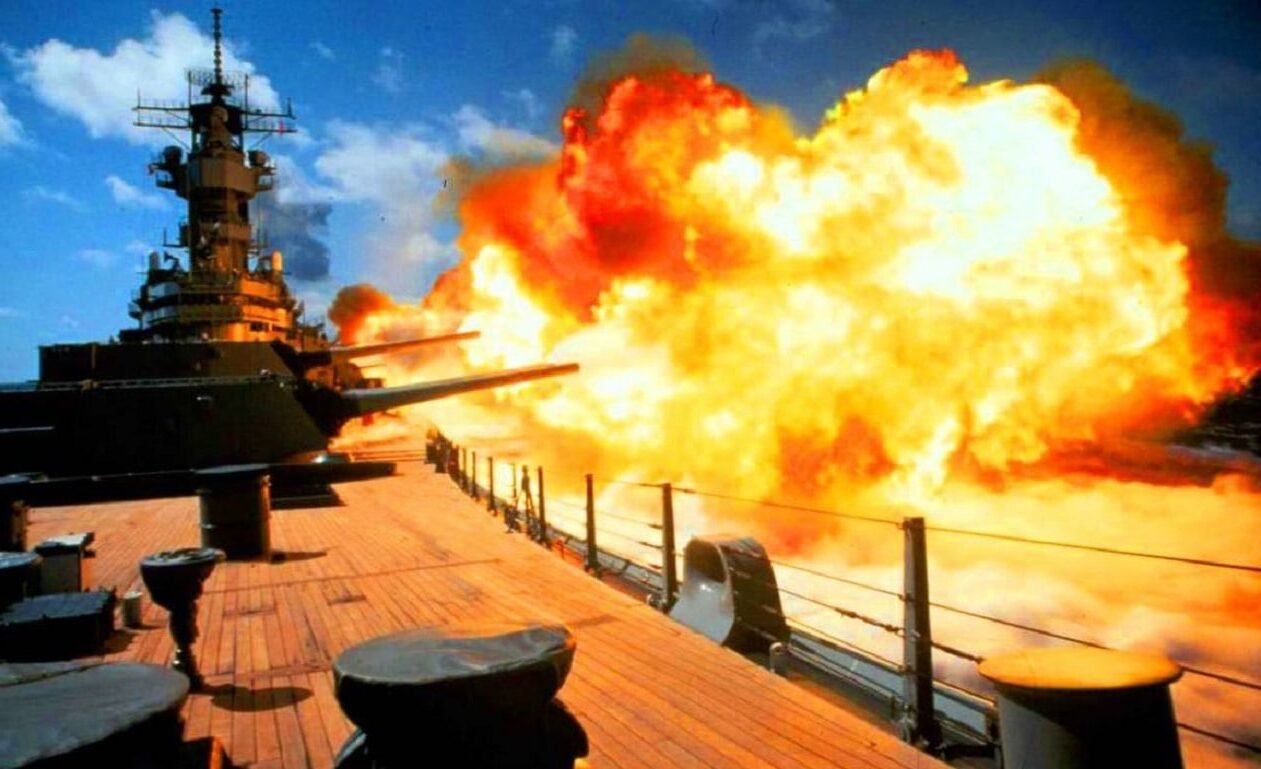
USS Wisconsin was a battleship like no other and made history everywhere she sailed: When the U.S. Navy wanted to take out targets 23 miles away, the battleship USS Wisconsin was the go-to ship for awe-inspiring naval gunfire. Battleship...
Read more
www.19fortyfive.com
|
|
|
|
|
|
Warfare: Disaster Before D-Day: Exercise Tiger on Apple ...
The D-Day landings of June 6 1944 were the largest amphibious landing in the history of warfare, and are famed as a major turning point towards Allied victory. But they weren't without planning and practice. In late April 1944, the Allies...
Read more
podcasts.apple.com
|
|
|
|
|
Disaster Before D-Day: Exercise Tiger | Dan Snow's...
The D-Day landings of June 6 1944 were the largest amphibious landing in the history of warfare, and are famed as a major turning point towards Allied victory. But they weren't without planning and practice. In late April 1944, the Allies...
Read more
play.acast.com
|
|
|
|
|
Exercise Tiger by Great Disasters Podcast
Whether natural or man-made, disasters attract a strange mixture of horror and fascination. However, the spectacle of devastation is only ever one part of the story. Take a closer look, and you will find tales of extraordinary human endurance and ...
Read more
soundcloud.com
|
|
|
|
|
|
Exercise Tiger: The D-Day Rehearsal That Went Wrong
(CBS Evening News/YouTube)
|
Exercise Tiger Disaster
(Gosh TV/YouTube)
|
Secret History: D-Day Disaster
(VHS Wonderland/YouTube)
|
|
This Day in Naval History - 28 April
Produced by NHHC
|
|
|
|
If you would like to recommend online content to be passed on to our Naval Historical Foundation Members in an upcoming edition of Thursday Tidings, please email Matt Eng, at: meng@navyhistory.org
|
|
Did you know that the Naval Historical Foundation participates in the Combined Federal Campaign? Our CFC number is: 11010
|
|
|
|
|
|
|