|
Dear Naval Historical Foundation Family,
Welcome back to Thursday Tidings.
This week for Thursday Tidings, we talk about multiple important anniversaries. Including the presenting of the 74 gun ship of the line America to France, the launching of several ships, and the successful firing of a captured V-2 rocket.
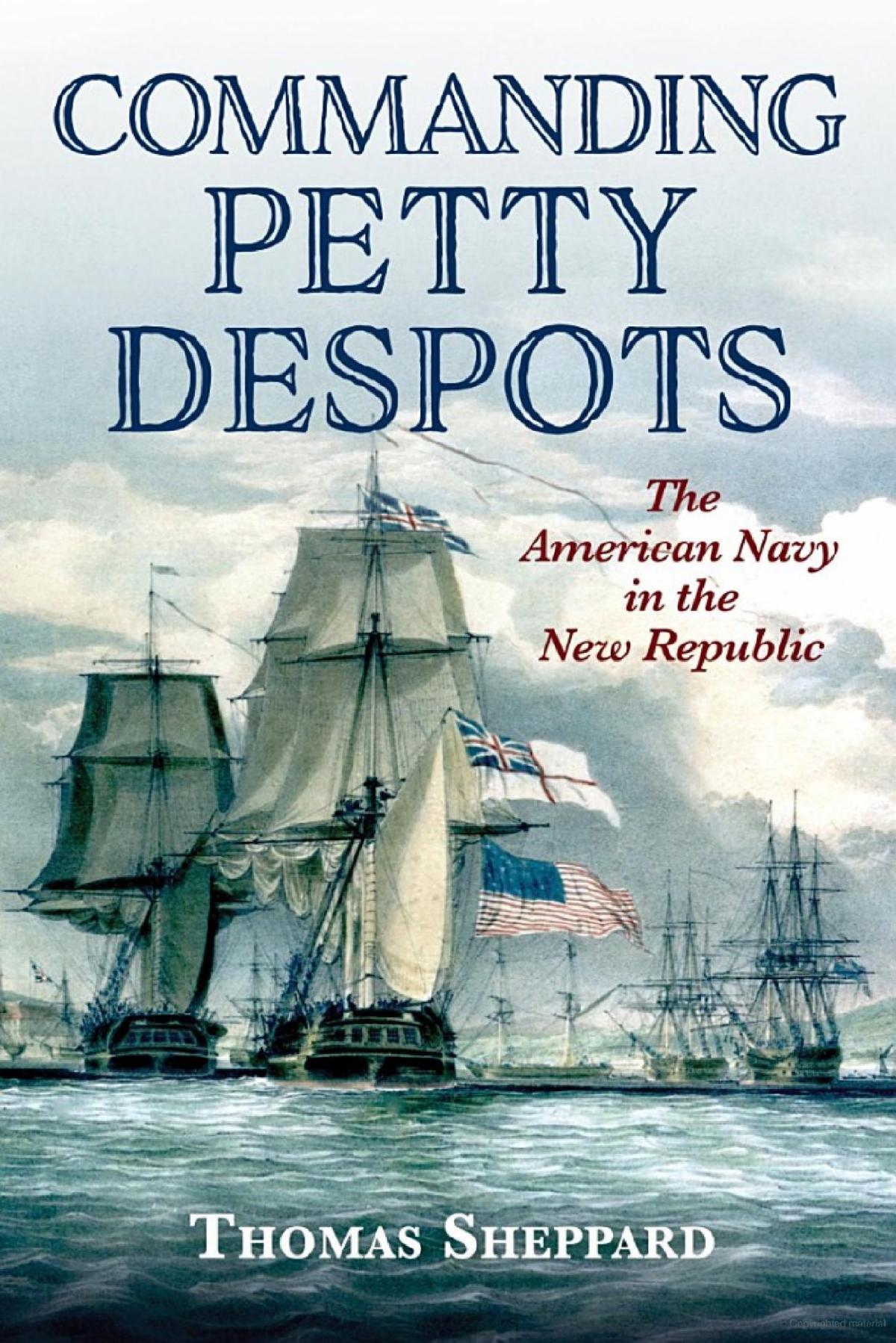
Reminder: our next Second Saturday on September 17 is coming up! It will be on Civilian Control of the military, inspired by Thomas Sheppard's book, Commanding Petty Despots.
In other news, the USS Nautilus is returning to the Naval Historical and Heritage Command as the only nuclear powered submarine open to the public! More information is below.
This week we feature a book review by Captain Chuck Good on the book When the Shooting Stopped: August 1945 by Barrett Tillman.
As always, fair winds and following seas shipmates. This email is best viewed as a webpage for your reading convenience and best quality.
{View as Webpage}
| |
|
Our Next Second Saturday
(Taking place on the third Saturday of this month)
| |
|
Civilian Control of the Military
17 September 2022 | 11:00 am
| |
|
The origins from our Revolutionary War to today, as inspired by Thomas Sheppard’s new book, Commanding Petty Despots.
| |
|
|
USS Nautilus Returns to NHHC Fleet
| |
|
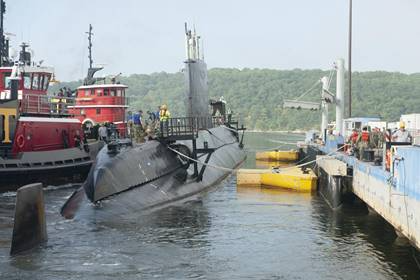
WASHINGTON NAVY YARD (Aug. 31, 2022) – The United States’ first nuclear-powered submarine, USS Nautilus (SSN-571), is scheduled to reopen to the public in Groton, Connecticut, Sept. 9.
Before closing in 2021, USS Nautilus (SSN-571) served as an exhibit at the Submarine Force Museum that allowed patrons to embark on the only nuclear submarine open to the public. During the scheduled closure, Nautilus received $36 million in refurbishments and preservation maintenance.
“Nautilus revolutionized not only submarine warfare, but all of naval warfare. The capability to operate virtually indefinitely without need to surface to run Diesel engines or recharge batteries gave it an immense tactical advantage,” said Naval History and Heritage Command’s (NHHC) Director, Samuel Cox. “Today we forget the existential nature of the Cold War, which drove the incredible pace at which Nautilus was conceived, designed and built, truly a testament to American ingenuity. NHHC is proud to deliver this vessel back to the public and give future generations an opportunity to see it.”
Nautilus was towed to Naval Submarine Base New London in 2021 for dry-dock and refurbishment. Structural maintenance, such as the ship’s wooden deck replacement, repairs to the vessel’s superstructure, and restorations to the ship’s hull were performed to extend the vessel's longevity.
READ FULL PRESS RELEASE HERE
| |
|
Watch the Recap
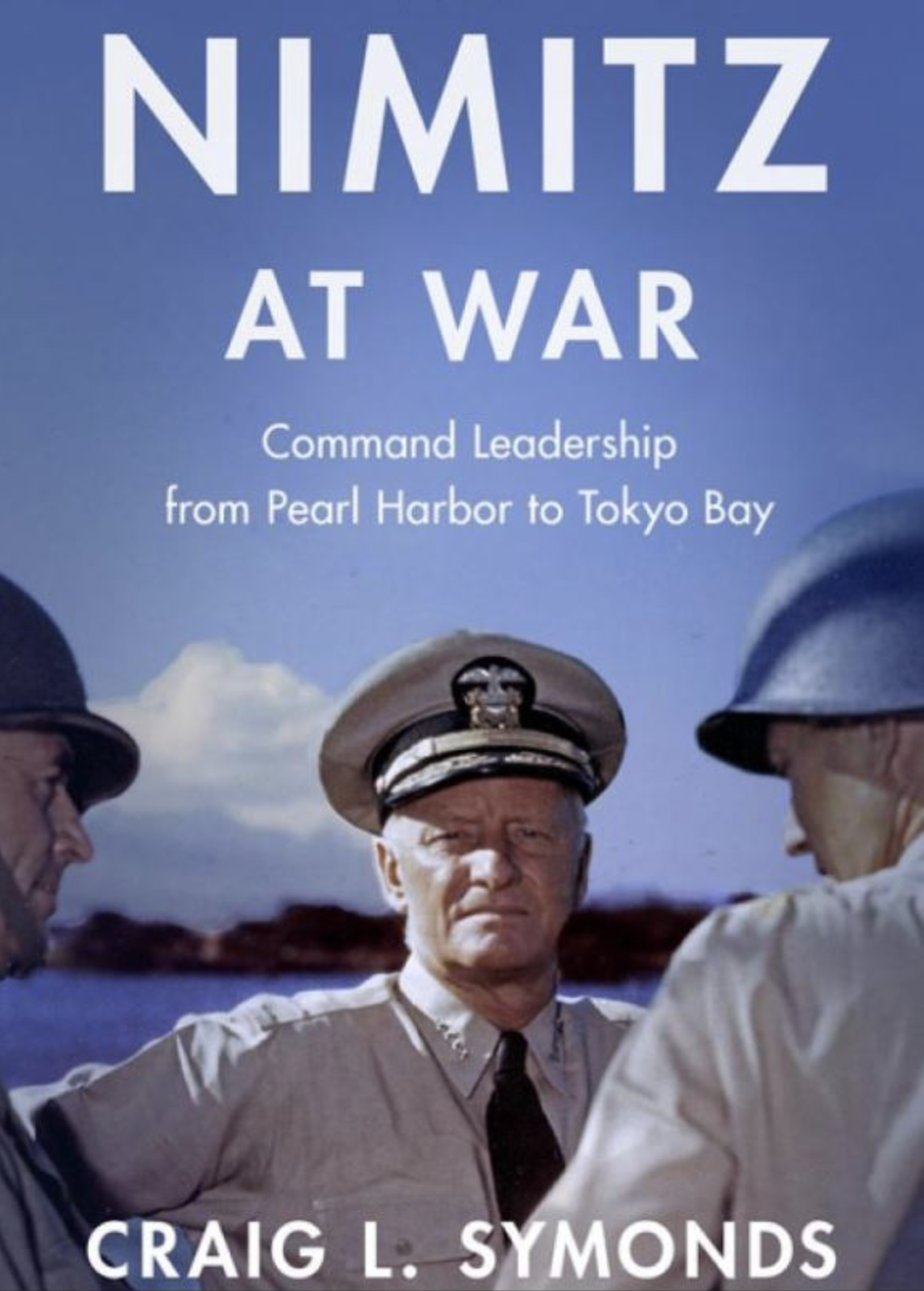
Nimitz at War: Command Leadership From Pearl Harbor to Tokyo Bay
| | |
|
Did you miss our latest Second Saturday on Nimitz at War? You can watch the full program on our YouTube page by following the link HERE. This event featured Dr. Craig L. Symonds. | |
This week we had a few notable anniversaries. On September 3, 1782, 240 years ago, it was decided by Congress to present the 74 gun ship of the line America to France as a sign of good faith after one of their ships, Magnifique, ran aground and was destroyed during the United States Revolutionary War. 15 years later, on September 7, 1797, the USS Constellation was launched. On September 6, 1947, a captured V-2 rocket was successfully launched from the USS Midway. And just 25 years ago, on September 6, 1997, both the USS Louisiana and USS Hopper were commissioned in Kings Bay, Georgia and San Francisco, California respectively. | |
|
On 9 November 1776, the Continental Congress authorized the construction of three 74-gun ships of the line. One of these men-of-war, America, was laid down in May 1777 in the shipyard of John Langdon on Rising Castle (now Badger) Island in the Piscataqua River between Portsmouth, N.H., and Kittery, Maine.
However, progress on her construction was delayed by a chronic scarcity of funds and a consequent shortage of skilled craftsmen and well seasoned timber. The project dragged on for over two years under the immediate supervision of Col. James Hackett as master shipbuilder and the overall direction of John Langdon. Then, on 6 November 1779, the Marine Committee named Capt. John Barry as her prospective commanding officer and ordered him to "...hasten, as much as will be in your power, the completing of that ship...."
READ MORE ABOUT THE SHIP HERE
| | |
|
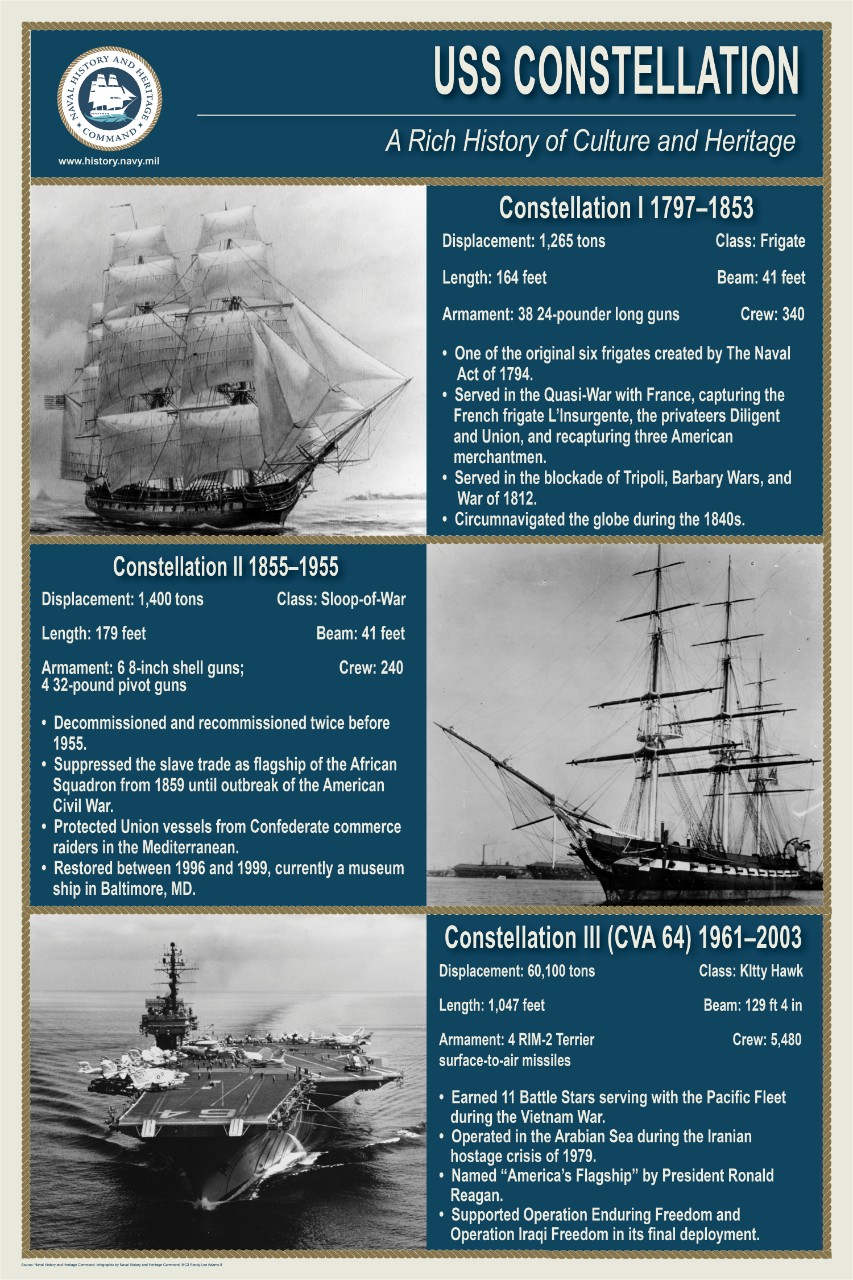
A Brief History of the USS Constellation | |
Constellation I - 1797-1853
- Served in the Quasi-War with France
- Served in the blockade of Tripoli
- Served in the Barbary Wars
- Served in the War of 1812
- Circumnavigated the globe in the 1840s
Constellation II - 1855-1955
- Decommissioned and recommissioned twice before 1955
- Suppressed the Slave trade as the flagship of the African Squadron from 1859 until the American Civil War
- It is currently a museum ship in Baltimore, MD
Constellation III (CVA-64) - 1961-2003
- Earned 11 battle stars with the Pacific Fleet during the Vietnam War
- Operated in the Arabian Sea during the Arabian Crisis of 1979
- Named America's Flagship by President Ronald Reagan
- Supported Operation Enduring Freedom and Operation Iraqi Freedom in its final deployment
READ MORE HERE
| |
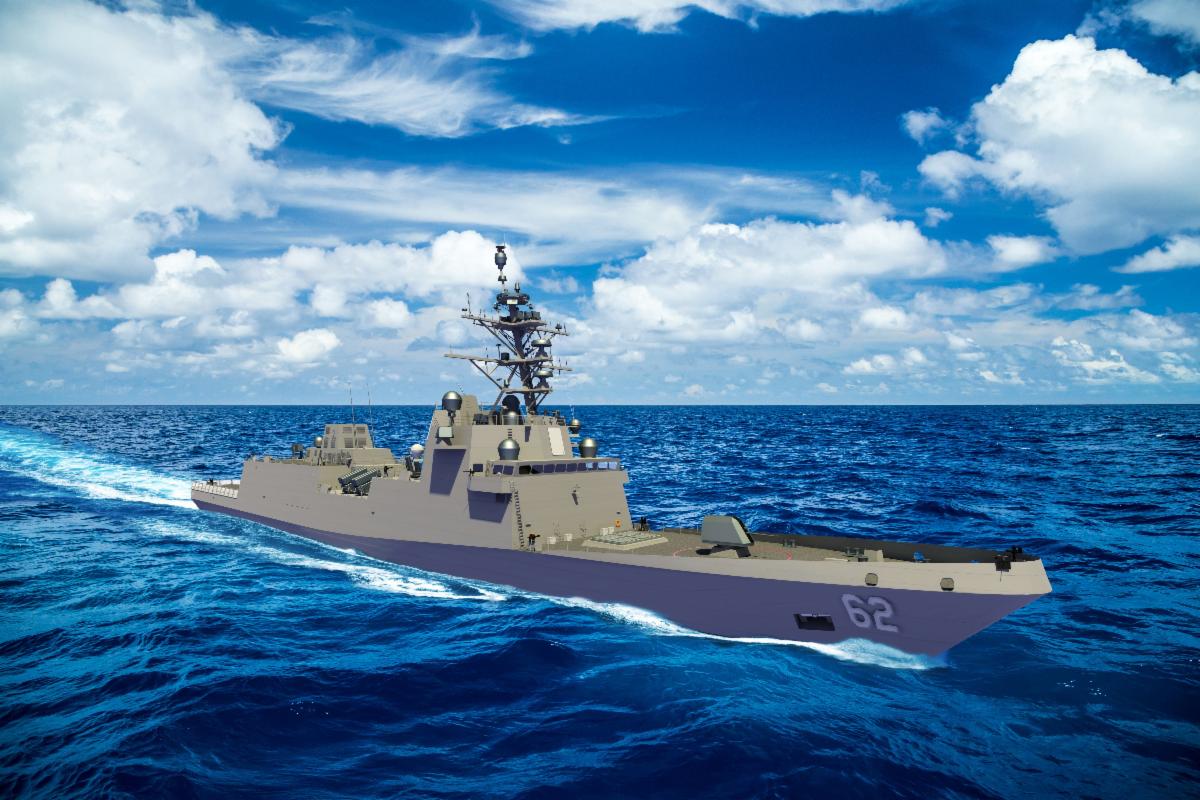
In addition, at the end of August, Fincantieri Marinette Marine started the building of the first Constellation-class frigate, FFG-62. | |
Fincantieri Begins Construction of First Constellation-class Frigate | |
|
The start of fabrication comes nearly two and a half years after the Navy issued Fincantieri the detail design and construction award for the first frigate in April 2020.
After finishing the critical design review in May and the production readiness review in July, the Navy green-lit the shipbuilder to start production, Rear Adm. Casey Moton, the program executive officer for unmanned and small combatants, told reporters in a roundtable this week.
Asked why it took the shipyard two and a half years to begin building the lead ship, Moton said both the service and Fincantieri wanted to complete the design as much as possible before beginning construction.
“It was maturing the design. It is a pretty healthy process that’s got to go on … that’s a fairly lengthy process of going through the functional design where you’re looking system by system. And then it’s a little bit of a spiral, right. If you change some things that they have impact on another [thing],” Moton said.
READ FULL ARTICLE
| |
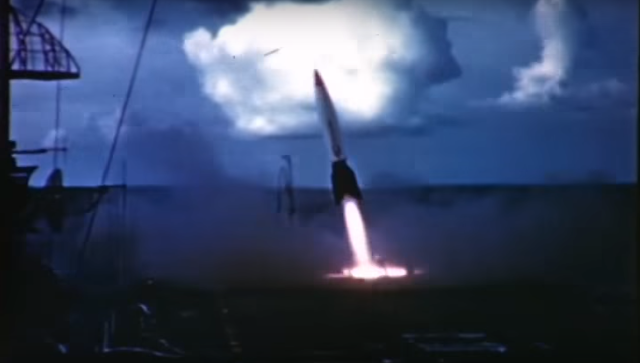
USS Midway Launches a V-2: Operation Sandy | |
|
After the defeat of the Nazis in World War II, the Allies eagerly studied some of the advanced German technology they had captured. One item of particular interest was the V-2. This supersonic missile was developed by Germany to retaliate against Allied bombing of German cities. First launched in 1944, over 3,000 were launched against Allied cities. American forces captured much of this technology late in the war, including material to assemble dozens of functional rockets, and also accepted the surrender of top scientists from the program.
The American government explored many uses for these rockets in the years following World War II. Military functions were the most obvious, and so it was that the Navy decided to look into the possibility of launching these weapons from ships. This potential ability would greatly increase the striking range of these missiles, providing a long-range seagoing armament. With this in mind, Operation Sandy was born in 1947, to test a V-2 rocket off of a ship.
First, an appropriate launching platform was needed. The Newport News-built USS Midway (CV 41) was selected for the test as it had plenty of space for the large missile and any launching apparatus, and also had a steel deck. Having a steel deck was a necessity since the rocket would start fires on the Essex-class carriers, which had wooden decks. According to an official Navy report, Midway was also selected for "its elevator capacity, its fire fighting facilities, and because of its steadiness at sea." A support frame was designed for a quick and stable setup and launch onboard ship.
READ FULL ARTICLE
| |
USS Louisiana (SSBN-743) Command History for 1997 | |
|
1. Command Composition and Organization.
a. Mission: The ship was commissioned 6 September 1997. USS Louisiana's mission, as defined by the Commander, Submarine Force, U. S. Atlantic Fleet is three fold:
(1) To be ready to fight the ship in war,
(2) To maintain the highest standards of personnel and material readiness for this war action, and
(3) To strive continuously to improve submarine tactics and techniques to achieve the maximum readiness posture.
b. Organizational structure: USS LOUISIANA operated under the cognizance of the Commander, Submarine Force, U. S. Atlantic Fleet, Vice Admiral R.W. Mies; administrative and Off-Crew cognizance of Commander, Submarine Group Ten, RADM C.J. Beers, Jr.; operational and Refit cognizance of Commander, Submarine Squadron Sixteen, Captain T.E. Digan. The commanding officer of the BLUE crew is Captain W. 0. Cooke. The commanding officer of the GOLD crew is Commander W. [O.] Borger.
READ FULL 1997 COMMAND HISTORY
| |
USS Hopper Commissioning (1997) | |
|
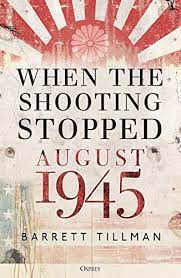
When the Shooting Stopped: August 1945
By Barrett Tillman, Osprey (2022)
| |
|
Reviewed by Captain Chuck Good, USN (Ret.)
Ultimately, it is Tillman’s choice of these vignettes, both horrifying and human, which personalize what could have been dry history. When the Shooting Stopped is a fine work, worthy of the author’s reputation. Readable, informative, and compelling, it is deserving of the time to contemplate and absorb. This reviewer can only add a brief anecdotal post-script to Tillman’s masterpiece. About 15 years ago, my ship made a brief port call in Sasebo, Japan. While there, the base commander, an old shipmate, invited me to dinner at his house. This residence, newly constructed on a bluff overlooking the port, had two curious features: a pair of small stones, obviously weathered and damaged, sitting in the back yard. When I asked about them, my friend replied “that is all that remains of the Imperial Japanese Navy Fleet HQ building after we bombed Sasebo in 1945.” Almost half of Sasebo was levelled in that one raid, a reminder that this particular war ended bloodily … and decisively.
READ FULL REVIEW HERE
| | |
|
|
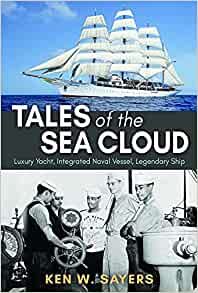
If you are interested in the African American military history, please consider reviewing Tales of the Sea Cloud: Luxury Yacht, Integrated Naval Vessel, Legendary Ship, by Ken W. Sayers
Guidelines for getting involved in the NHF Book Review program can be found here,
and a list of titles available for review can be found here.
| |
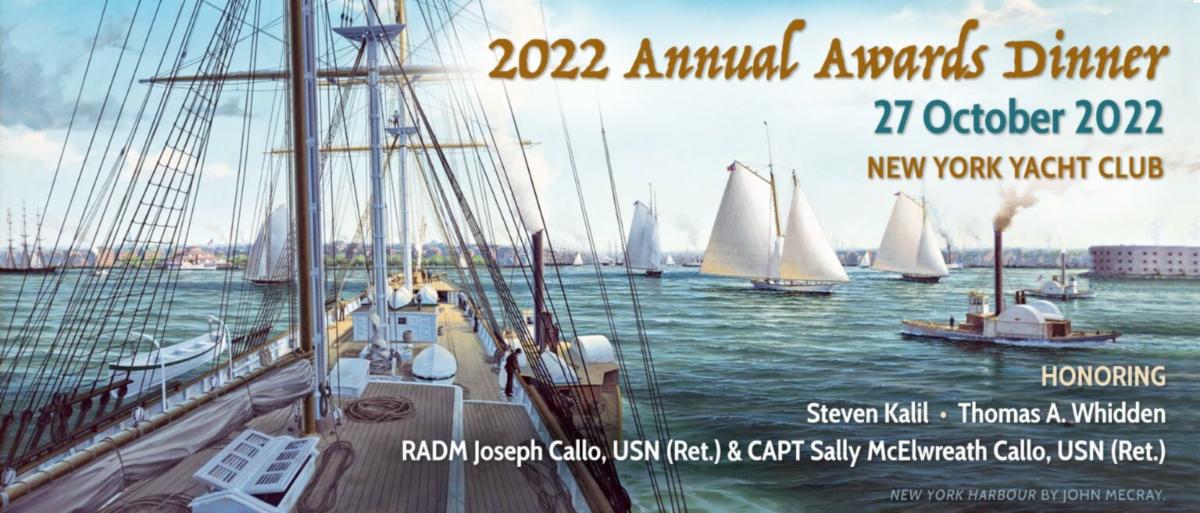
National Maritime Historical Society to Honor Longtime NHF Members Rear Adm. Joseph Callo, USN (Ret.) and Capt, Sally McElwreath Callo, USN (Ret.) at New York Yacht Club on October 27 | |
|
RADM Joseph Callo, USN (Ret.) and CAPT Sally McElwreath Callo, USN (Ret.) will be the first couple to receive the NMHS David A. O’Neil Sheet Anchor Award. They are extraordinary ambassadors for the Society, extending its outreach globally. Their support has been invaluable, inviting NMHS to represent the United States, along with the American Friends of the National Museum of the Royal Navy, at events in Portsmouth, England, where the Society was introduced to Her Royal Highness, Princess Anne. NMHS subsequently invited Her Royal Highness to New York to receive its Distinguished Service Award. They have engaged the Society’s support with the Pickle Night dinner honoring Lord Nelson’s victory at Trafalgar. They arranged for Society representation at many events, including Navy League Dinners and Fleet Week receptions. Captain McElwreath, formerly a corporate executive, served in the Navy Reserve for 27 years, and more recently, was director of the USS New York (LPD 21) Commissioning Committee. Rear Admiral Callo, a 35-year veteran, is a prolific, award-winning author and screenwriter. Each of them has made a significant contribution to maritime history, and together they are a formidable force. Erik K. Olstein, former President of the Board of the American Friends of the National Museum of the Royal Navy and former NMHS Trustee, will present the award.
FOR MORE DETAILS ON THE DINNER
| |
|
New York City Pickle Night Returns to the New York Yacht Club
Saturday, 12 November 2022
| |
Ticketing for the 2022 Pickle Night gathering will open in early September on the American Friends National Museum of the Royal Navy website | |
|
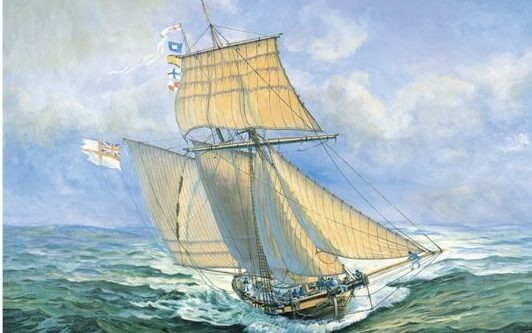
Join the American Friends of the National Museum of the Royal Navy in commemorating the historic journey in 1805 of HM Schooner Pickle, bringing news from Trafalgar to London of Admiral Lord Horatio Nelson’s death and the victory at the Battle of Trafalgar. This year marks the 217th anniversary of the history-making Battle of Trafalgar and the 17th New York City Pickle Night event. Join us as we return to the New York Yacht Club in Manhattan, gathering in-person for this anniversary and to celebrate the special relationship between our two countries and navies. Proceeds from this event will benefit the preservation and education efforts of the National Museum of the Royal Navy. Keynote remarks will come from Vice Admiral Martin Connell CBE, Second Sea Lord, Royal Navy.
| |
|
John A. Dahlgren’s Smallest Cannon
By John L. Morris
| |
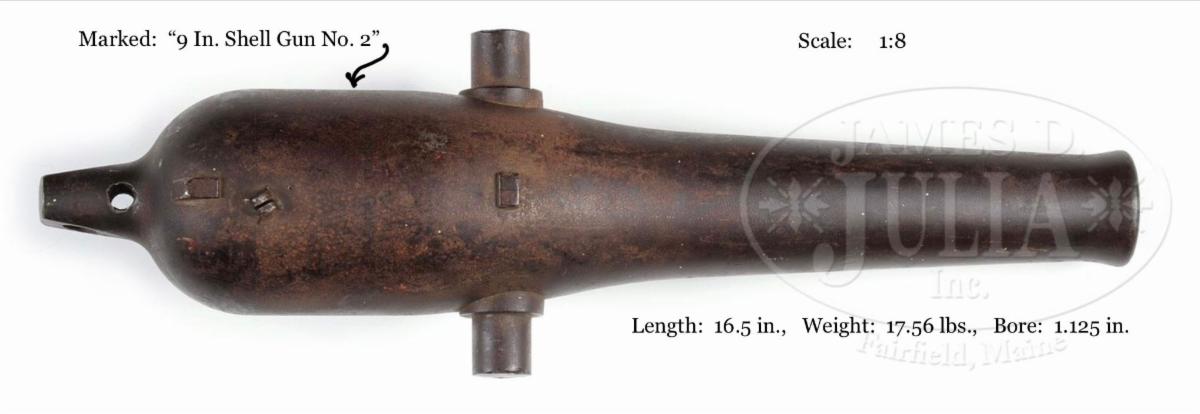
In about 2007 an itinerant militaria dealer showed me a small iron model cannon barrel I liked, but it took several more meetings over many months before a deal was struck. The small cannon was attractive to me because it bore “Navy museum markings” I recognized. I had checked with the Navy curator’s office and found that nothing like this cannon was listed as missing, so I made the dealer a substantial offer he accepted. I began a multi- year search for any documentation on this cannon and was disappointed after finding nothing at all in National Archives Record Group 74, records of the Bureau of Naval Ordnance. In about 2010 I began searching in the Library of Congress, in “Papers of John A. Dahlgren.” I found the answer in Dahlgren’s handwritten notebook on his design for “IX-inch shell gun No. 2.” In it he described his model in detail, all dimensions matched my piece. The model was sold at auction in 2015, and the auction description I wrote, and photos, including the notebook pages, are here. The model is reportedly now in the collection of a Missouri entrepreneur. I had kept Navy officials informed of auction plans and shared the “reserve price” with them, and they were likely the underbidder on this lot. I was unfortunately not financially capable of donating the model to the Navy. Information on John A. Dahlgren, here. | | | |
If you would like to recommend online content to be passed on to our Naval Historical Foundation Members in an upcoming edition of Thursday Tidings, please email Jessie Henderson, at: jhenderson@navyhistory.org | |
Did you know that the Naval Historical Foundation participates in the Combined Federal Campaign? Our CFC number is: 11010
| | | | | |