|
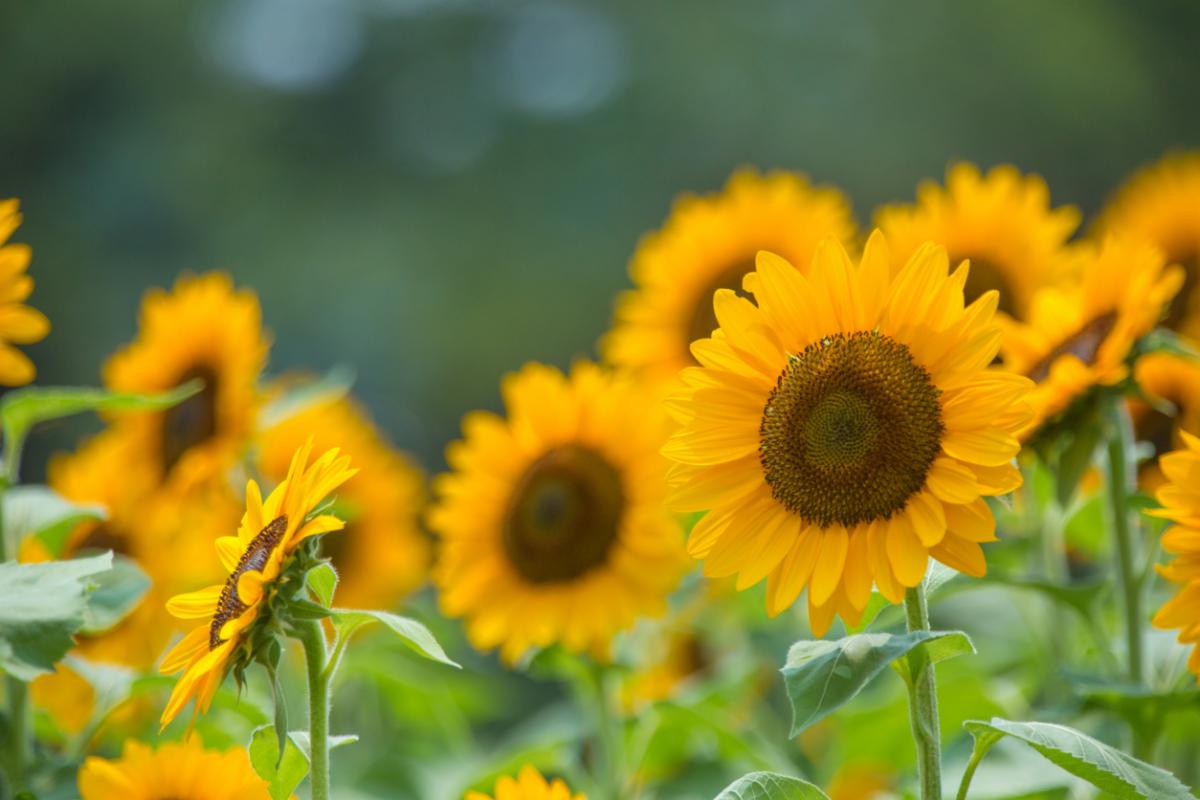
For many of us, summer is the season that keeps us loving this region. Many a newcomer has wondered how to get through the rainy months and for those in the know, we say, just wait until summer! Mountains beam at us across watery blue and luscious green and with so many local celebrations, events, and backyard barbecues, we may need to be reminded to focus on the less fun parts, like, smoke and fire safety. Preparedness is certainly more fun than the alternative. Take some time to read the following articles while sipping an icy drink and prepare your family and community to reduce your risks to fire and smoke this summer.
| | Vapes – Use Outside and Store Safely | | |
A healthy home means everyone has healthy air to breathe. If using any kind of vape, please use them outside and away from other people.
Vapes release aerosol that contains many different chemicals including nicotine, heavy metals, and volatile organic compounds (VOCs). Like other aerosols, these chemicals can be breathed in by anyone who comes near them and the remaining particles land on surfaces, exposing people to the chemicals on those surfaces.
Safe storage of vapes is important to prevent fires from the batteries. Make sure that you aren’t storing several vapes or batteries together. Keep them out of extreme temperatures, for example, don’t leave them in a car or charge them in hot or freezing temperatures. Don’t vape around flammable items like propane and oxygen tanks, or gasoline.
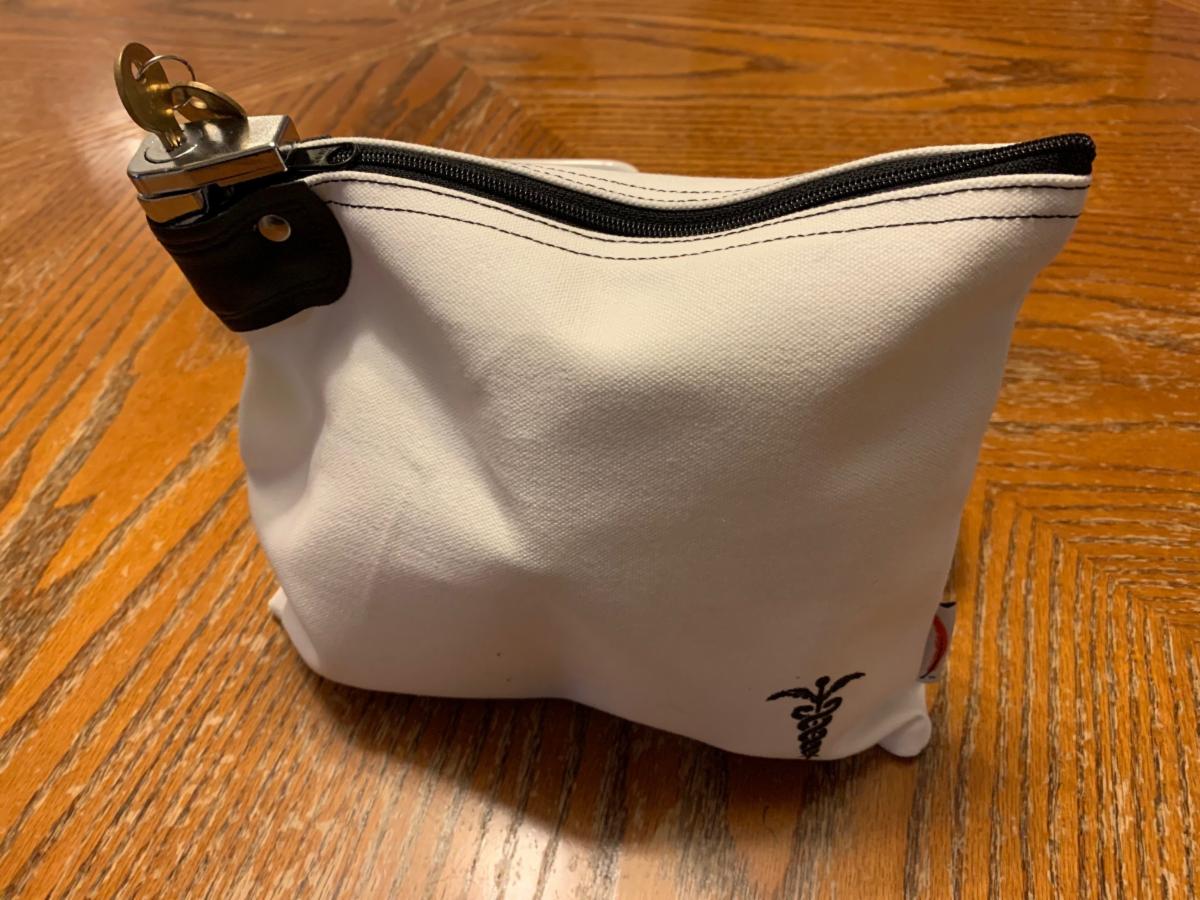
Make sure to store vapes away from kids, ideally in a locking bag, locked drawer, or locking cabinet.
To get help quitting:
Call: 1-800-QUIT-NOW or text READY to 34191
Getting Help to Quit Tobacco | Washington State Department of Health
Outsmart Nicotine
| | Don’t Spark a Fire! Why Battery Disposal Matters | | |
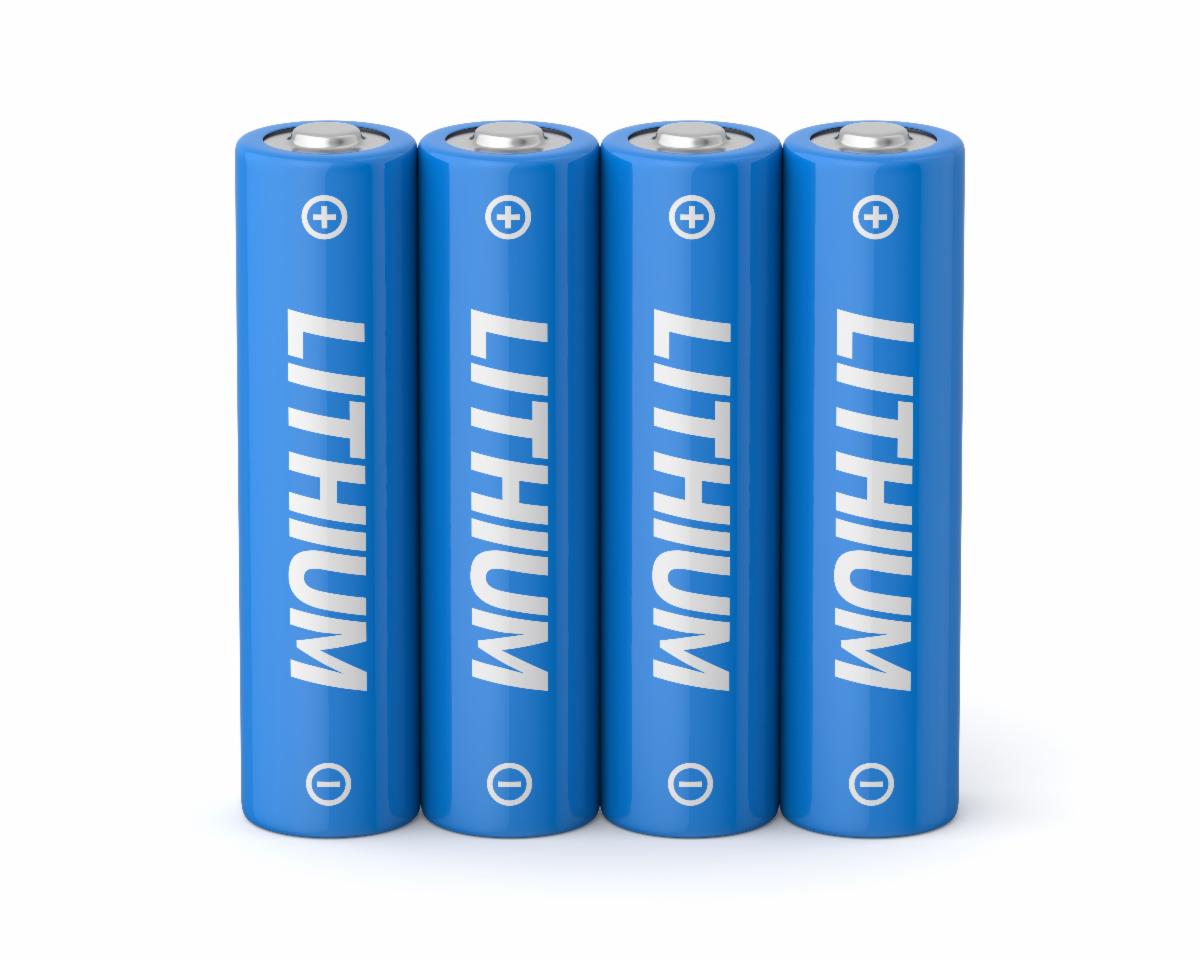
What is the connection between the Nobel Prize in Chemistry and recent fires at waste and recycling facilities? Lithium-ion batteries! These rechargeable miracles are in our phones, laptops, power tools, earbuds, and even those musical greeting cards that get ’90s love ballads stuck in your head. These clever inventions are wonderful, but if you toss one in your trash or curbside recycling bin, you could be setting the stage for disaster.
Of course, none of us would set our local recycling center ablaze on purpose. The problem comes when these batteries get crushed, punctured, or overheated in garbage trucks or recycling machinery. They can spark, smoke, or explode. With all the flammable stuff around in a waste facility, one little spark can turn into a major fire.
Not surprisingly, these fires are scary, serious, and expensive. They put workers, equipment, and entire facilities in danger. This is why it’s important for us to keep lithium-ion batteries out of our regular waste bins. These batteries need to be handled carefully and taken to a facility that can manage hazardous materials safely.
Don’t worry, there is a plan for all of us to avoid being fire starters. In Thurston County, we can take the batteries to the HazoHouse at the Waste and Recovery Center in Lacey. It’s open every day from 8 a.m. to 4:45 p.m., even on weekends! Lithium-ion batteries and other household hazardous waste can be safely dropped off there. If the battery is from a computer, you can drop the battery at HazoHouse and recycle the computer through Washington’s free E-cycle program.
Next time a computer lithium-ion battery has met its end, take just a few minutes to drop it off at HazoHouse to help prevent fires and protect workers. That small step also keeps the recycling system running smoothly. Fires can shut down operations and damage expensive equipment.
We might not be up for the Nobel Prize in Chemistry anytime soon, but we can keep our homes and our community safe by making use of HazoHouse. As July 4 approaches, let’s keep the sparks where they belong: in celebrations, not the trash.
| | |
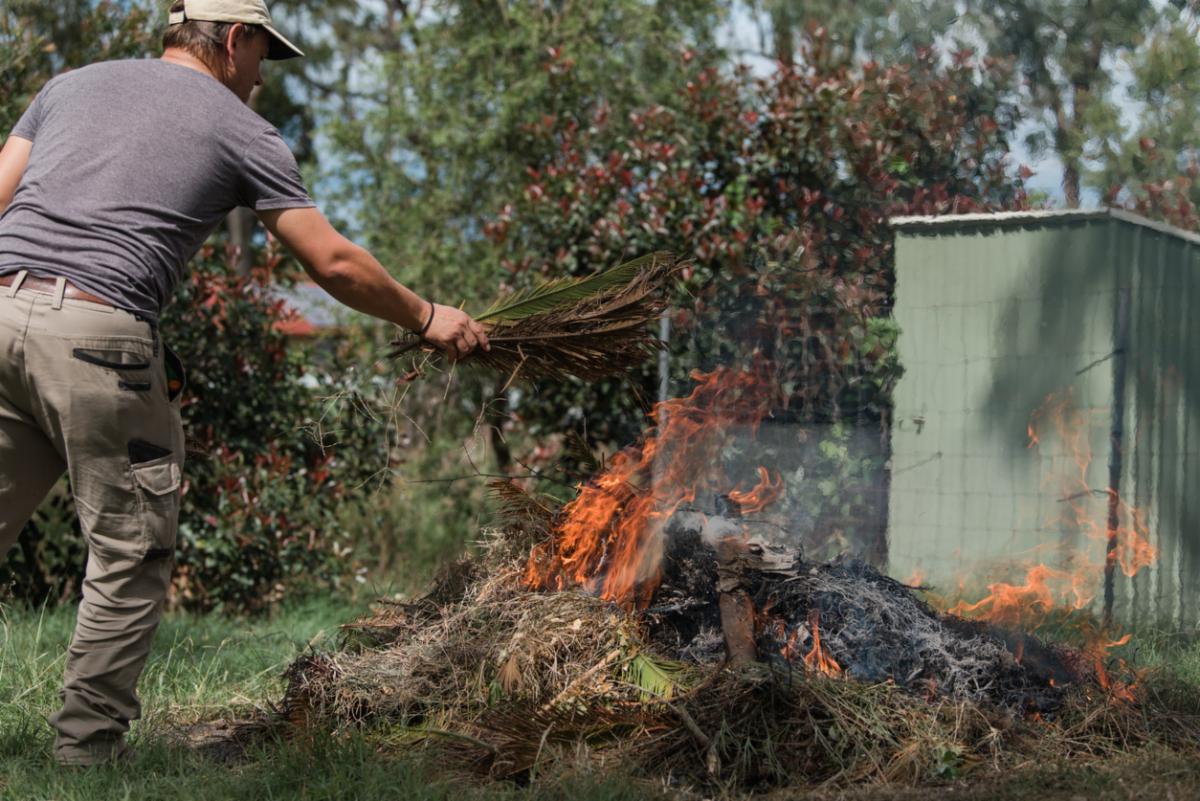
Summer is a great time to camp and garden. If your summer plans include having a fire while camping or burning yard waste, please think about the health and safety of the people, plants and animals around you before you strike the match. Before starting any fire:
1. Check for a burn ban
2. Be aware of the environmental conditions
3. Prepare the area
Burn bans can apply to local, regional, or state lands and are determined by the Olympic Region Clean Air Agency (ORCAA).
Air quality burn bans happen when the air quality is harmful to human health. These types of burn bans usually happen during the fall and winter because the smoke from wood stoves and fireplaces stays stuck in the air longer.
There are two stages of an air quality burn ban:
- Stage 1: the use of uncertified wood stoves and indoor fireplaces isn’t allowed unless it’s your only source of heat, and you’ve notified ORCAA.
- Stage 2: the use of any wood-burning fireplaces, wood stoves, fireplace inserts (certified or uncertified), or pellet stoves isn’t allowed unless it’s your only source of indoor heat, and you’ve notified ORCAA.
Outdoor fires of any kind are not allowed during a Stage 1 or 2 air quality burn ban.
Fire safety burn bans are issued when dry weather conditions increase the risk of wildfires, usually during the summer, and can last for many months. There are significantly fewer brush fires, property damage and human-caused wildfires when burn bans are followed.
To learn more about burn bans, watch the Washington Department of Ecology’s video on “What You Should Know About Burn Bans.” Check out ORCAA to find out about local burn bans and the Washington Department of Natural Resources' (DNR) interactive burn restrictions map.
If your area isn’t under a burn ban, you can burn vegetation grown on your own property. Burning yard waste is not allowed in any city or Urban Growth Area (UGA). Check to see if your property is in an UGA. In unincorporated areas of the county, permits are needed to burn vegetation. It’s illegal and unsafe to burn any type of garbage, home-repair waste, milled lumber, or anything that produces toxics or smells bad when burned. It’s also illegal to use a burn barrel anywhere in Washington state. ORCAA has a great infographic with tips on how to keep your campfires safe and clean.
Many serious health problems are caused by outdoor burning. When grass, leaves, shrubs, and tree needles are burned, it can create a toxic smoke that can cause emphysema, asthma, bronchitis, and lung cancer. Burning vegetation can also pollute the water and soil when the smoke particles fall into them. Luckily, there are many alternatives to burning yard waste that protect your health and the environment like:
This summer, think twice before you light a fire. We know that accidentally starting a wildfire isn’t part of your summer plans. Keep your fires safe and always have a charged hose or two five-gallon buckets of water and a shovel or rake on hand. Check for a burn ban, consider the area conditions, prepare the area, and consider a safer alternative to burning yard waste.
| | How can I protect myself from the dangers of wildfire smoke when the air quality is bad? | | |
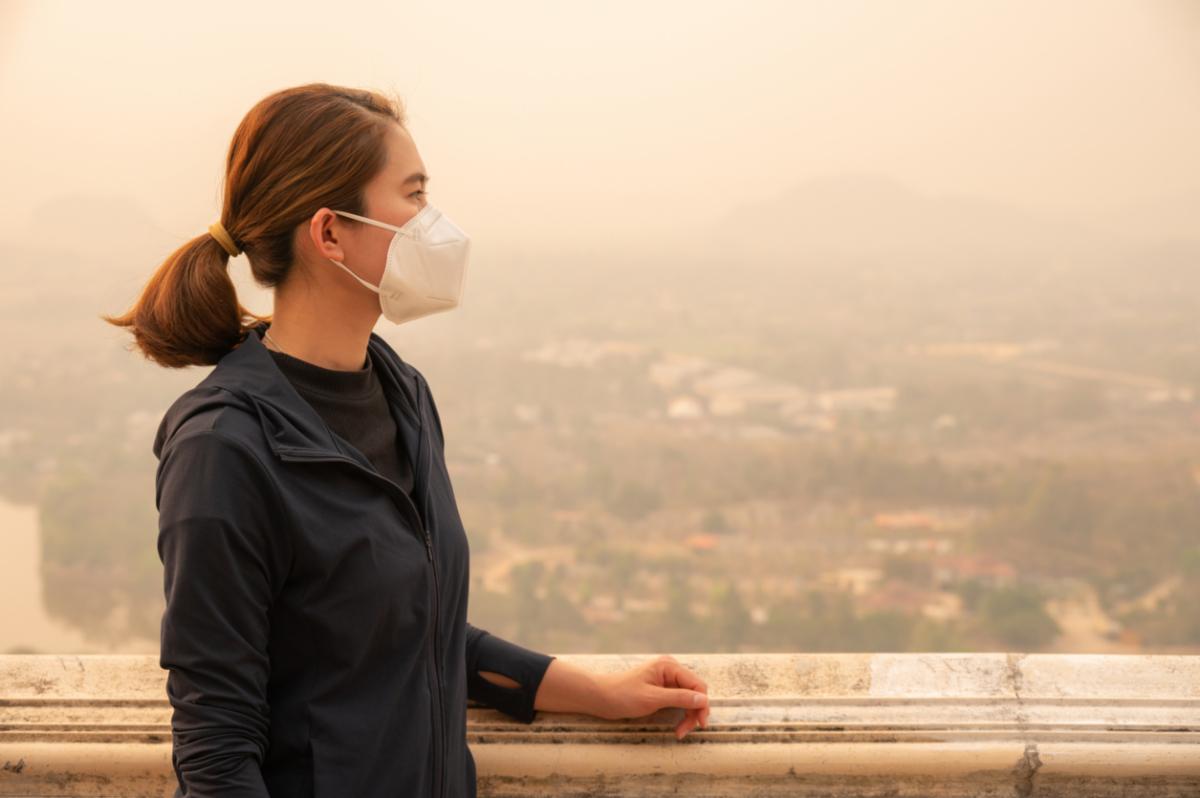
Did you know that most wildfires are caused by human activity? Hopefully, you’ll never be the cause of a wildfire, but you will most likely be impacted by wildfire smoke at some point in your life, even if the fire is far away from where you are. Along with becoming Wildfire Ready, following burn bans, and creating your own air filter, you can prepare for wildfire season by having the appropriate masks on hand in case the air quality becomes unhealthy. Check out the Department of Ecology air quality map and the Washington Smoke Blog smoke map.
Breathing in smoke, both indoors and outdoors, can be harmful to human health. In Washington, smoke from wildfires is the largest source of particulate pollution, and can cause burning eyes, a runny nose, wheezing and coughing, heart and lung disease, and sometimes even death depending on the length and severity of the exposure.
The main threat from smoke exposure is from pollutant particles PM2.5 or smaller. To protect your respiratory system from smoke, wear a N95 respirator and learn how to use them responsibly. If the smoke gets so bad that local officials recommend you stay inside as much as possible, try some of these other ways to reduce your exposure to smoke, like:
- Make sure all windows and doors leading to outdoors stay closed.
-
Use fans and air conditioning to stay cool. If this is not possible at your home, find another place to stay that has these cooling systems. Learn other ways to Protect Yourself from Smoke and Extreme Heat.
-
Reduce the amount of smoke that enters your home based on the type of indoor air system you have.
-
Use a high-efficiency filter or air cleaner to remove fine particles from the air.
-
Avoid activities that create fine particulate matter, including:
- Smoking and vaping.
- Using gas, propane or wood-burning stoves and furnaces.
- Spraying aerosol products.
- Frying or broiling food.
- Burning candles or incense.
- Vacuuming, unless you use a vacuum with a HEPA filter.
- Avoid activities that increase your heart rate and make you breath harder, which will reduce the amount of smoke you inhale.
-
Create a “clean room.”
- Air out your home when the air quality improves, even if it’s not for a long amount of time, by opening windows and/or the fresh air intake on your HVAC system and turn on the exhaust fans in the kitchen and bathrooms.
| | |
Do you have a question for the Thurston Home and Garden editors or a topic you’d like to learn more about? We’d love to hear from you!
Please contact us at 360-867-2674 or send us an email at healthyhomes@co.thurston.wa.us
| | |
Over the last few decades, wildfires have become more frequent, more intense, and larger due to warmer daytime and nighttime temperatures, less rainfall, and dryer areas. Even if there isn’t a wildfire near you, the smoke from wildfires hundreds of miles away can travel to your area and pollute the air. Depending on how bad the air quality gets, you might need to protect yourself by wearing a mask outside your home and creating an indoor air filter for inside your home.
Making your own air filter is easy and affordable. The Department of Ecology has a great video on how to make your own air filter in three simple steps. The Environmental Protection Agency (EPA) has two helpful infographics on how to make your own air filter and provides examples of three different air filters you can make at home. These filters are great for improving the air quality inside when wildfire smoke is present and anytime else you want to improve the air quality in your home. If you smell a bad odor inside, try to find and remove the source of the smell because the filters only trap odor-causing particles from the air, they don’t eliminate them.
When making your own air filter, there are a few other safety tips to consider:
-
Choose a MERV filter rating between 11-14. MERV 13 and higher filters are the most efficient at removing particles from wildfire smoke.
- Use a box model fan from 2012 or later since they have added safety features and are less likely to pose a fire risk and follow the manufacture's instructions, like:
- Don’t leave children alone by themselves when the fan is being used.
- Don’t plug the fan into an extension cord.
- Don’t use a damaged fan.
- You might benefit from having more than one air filter in your home, especially if the smoke is bad and your home isn’t well sealed from the outdoor environment.
-
Create a “clean room” in your home where people spend a lot of time, close it off from the rest of the home, and run the filter just in that room. Check out this video from the Environmental Protection Agency (EPA) to learn more.
- Move the filter from room to room to increase the area the filter can reach.
- Check the filter daily and change the filter when it’s dark brown or grey or smells like smoke.
Remember, air filters are just one part of a bigger plan to improve and maintain clean air inside the home. They don’t replace the need for ventilation, and should be used alongside other recommended health measures to maintain a healthy home and to prepare for wildfire season, including making sure you have working smoke alarms throughout your home.
| | Here's where you can find us in the upcoming months! | | |
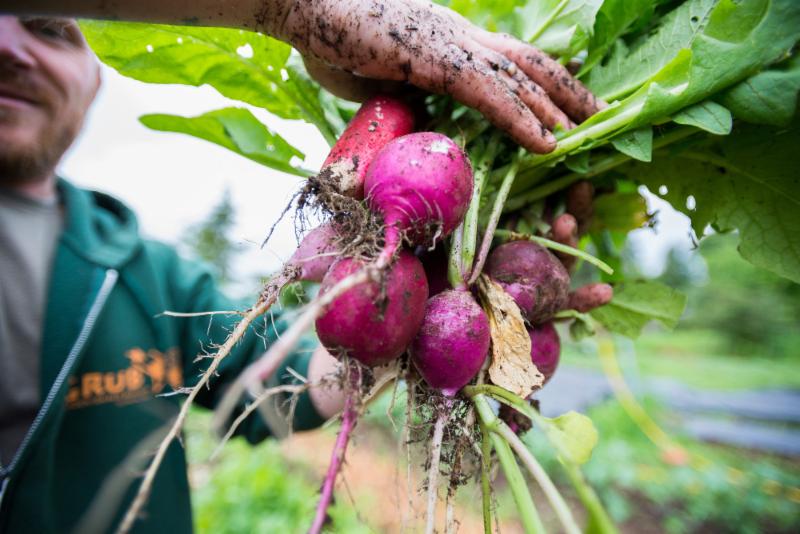
Healthy Yard & Garden Workshop
Yelm Community Garden at Yelm City Park
Saturday, July 12, 2025
11:00 AM – 1:00 PM
Back to School Immunization Clinic
Thurston County Resource Hub Wednesday, August 13, 2025
11:00 AM – 4:00 PM
Back to School Immunization Clinic ROOF Community Services
Thursday, August 21, 2025
10:00 AM – 3:00 PM
Can This Be Recycled? (presentation)
Wednesday, August 27, 2025
6:00 PM – 7:00 PM
Emergency Preparedness Expo
Saturday, September 20, 2025
10:00 AM – 1:00 PM
Tumwater Falls Fest
Saturday, September 27, 2025
10:00 AM – 4:00 PM
| |  | |
Nisqually Watershed Festival
Saturday, September 27, 2025
10:00 AM – 4:00 PM
Tumwater Clean-Up Drop-Off
Saturday, October 4, 2025
9:00 AM – 12:00 PM
Recycling 101 (virtual presentation)
Wednesday, October 29, 2025
6:00 PM – 7:00 PM
Can This Be Recycled? (virtual presentation)
Wednesday, November 19, 2025
6:00 PM – 7:00 PM
| | | | |