|
February is heart health month, and to honor our beautiful, pumping muscle of life, let’s take some time to create more joy. Whether that’s planning your spring garden, enjoying more art and music, spending time with people you love, or getting eight hours of sleep each night. Focusing on our heart health can help us create more joyful lives and show up for our communities.
A few more ideas to increase joy and care for our hearts:
-
Dare yourself to add vegetables to every meal and choose fresh fruits and whole grains for snacks.
- Manage stress by taking a walk, even just a quick one around the block, and focus on taking deep breaths that you feel all the way to your belly.
-
Quit smoking. Help is available!
Our Healthy Homes and Yards team finds so much joy in the work we do. We are honored to share this newsletter with you, connect with our community at events and workshops, and are happy to share as many resources as possible. We’re always learning and connecting with partners throughout the community. Check out our new and improved webpages and let us know what you think!
| | |
Spring cleaning is almost here! Prepare to dust, mop, sweep, wipe, scrub, and polish the nooks and crannies that were hidden in the shadows of the dark winter months. As we welcome longer, sunnier days, fresh growth, and new opportunities, we encourage you to swap out some of your old habits and make room for new ones, like choosing safer cleaning products to protect the health of you, your family, our community, and our shared water. Spring cleaning should be simple, safe, and pet and kid-friendly.
Many household cleaners have toxic chemicals, artificial dyes, and fragrances that could be harmful to you, your family, and our community. We can't eliminate our exposure to toxics, but there are things we can do to reduce our exposure to them.
One way we can reduce our exposure to toxics is to carefully read product labels and choose the safest product for the job. The signal words that are required to be listed on household hazardous products are “caution,” “warning,” “danger,” and “poison”, that indicates the product’s hazard level. “Caution” and “warning” are moderately hazardous and can cause some human harm, especially if the label directions are not followed. “Danger” and “poison” mean a product can cause serious harm and even death. Products that do not have a signal word on the label are considered the least hazardous or might be mislabeled.
Precautionary statements are safety instructions or warnings found on the back of the product that you should always read and follow to reduce or prevent harm from a hazardous product. Choose the safest product for the job by selecting products that say “caution” or “warning” instead of “danger” or “poison.” If during your spring cleaning, you find household hazardous products that are expired or unwanted, take them to HazoHouse for free, safe disposal.
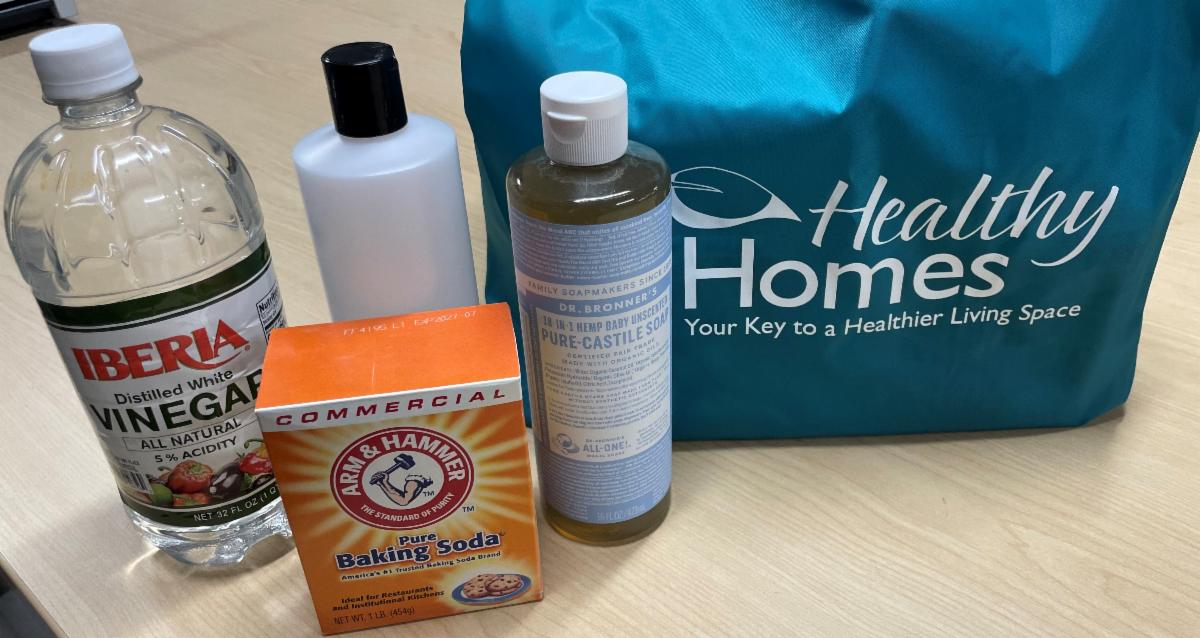
Another great way to reduce your exposure to toxics, save money, and have a bit of fun, is to make your own cleaners. A variety of cleaners can be made from a few simple ingredients that you may already have in your home like baking soda, vinegar, castile soap, and water. Follow Thurston County’s Safer Cleaning Recipe Card for exact measurements and directions to make an all-purpose cleaner, a drain cleaner, and more! If you have kids at home, we invite you to make these cleaners with them since they’re made with non-toxic ingredients. Kids of all ages will feel like a scientist after they combine the baking soda and vinegar to create a fizzing, bubbling mixture. It may even make them excited to clean!
| |
If you prefer a product that is premade and ready to be used whenever, look for the EPA’s Safer Choice label. Products with this label have gone through extensive testing to make sure they meet strict health and safety standards. Don’t be fooled by greenwashing and take the guess work out of finding the safest choice for you and your family with the Safer Choice label!
Make this spring cleaning the safest, and maybe most fun one, yet. Happy cleaning!
| | |
Winter offers a chance to think about where we spend our time and money and consider if that spending aligns with our values. If you find yourself spending more time maintaining your lawn than enjoying it, maybe it’s time to cut back.
Reducing your lawn size has many benefits. Less grass to mow is like gaining time every week and less to fertilize saves time and resources. Adding new plants to the landscape helps beneficial insects, including pollinators. More diverse plantings also provide habitat at home for birds, frogs, and other wildlife.
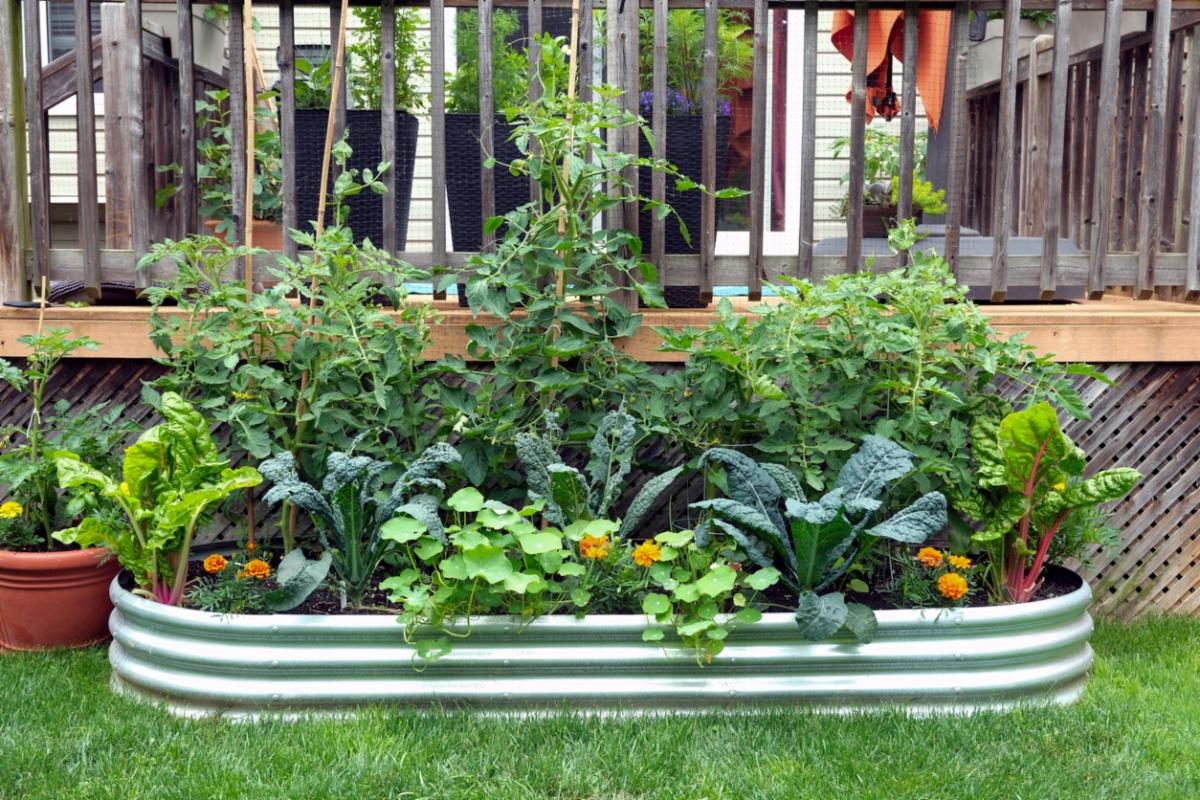
Start small: If you’re unsure, start by taking away a few feet around the edges. Planting beds or just a perimeter of thick mulch can reduce your lawn size and offer the benefits of habitat or raised beds for herbs, flowers, and veggies.
This guide walks you through the process of removing lawn. The Native Plant Salvage Project has additional information on reducing lawns.
Check out the following resources for great ideas on what to do with all that new space!
20 Vegetable Garden Layout Ideas | The Old Farmer's Almanac
Naturescaping resources — Native Plant Salvage Foundation
Join our free, self-paced, online Go Green Yard Care Program to get started creating the yard of your dreams, however big or small, today!
| | Ditch the Plastic: DIY Beeswax Wraps | | |
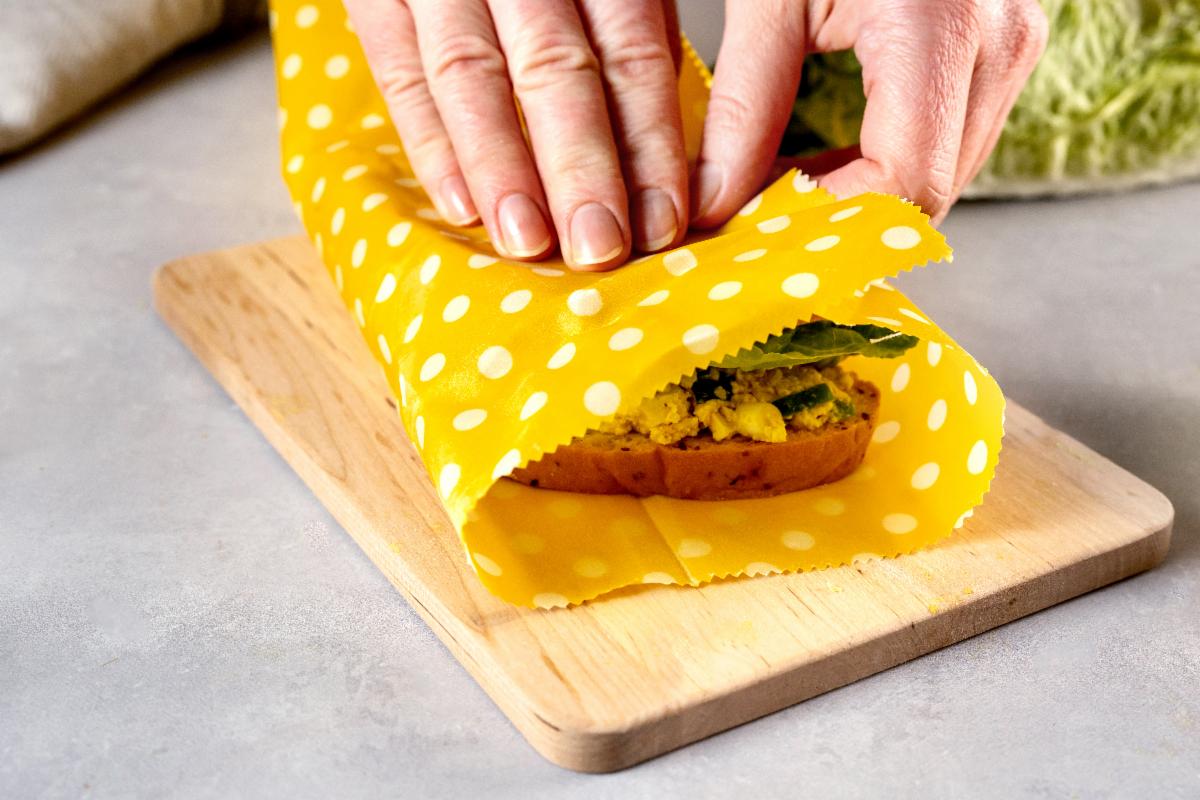
Beeswax wraps are reusable, biodegradable, and a simple way to reduce waste in your kitchen. They can replace plastic wrap or sandwich bags for many food storage needs while looking stylish and fun at the same time.
Making your own beeswax wraps at home is easy, affordable, and customizable. With just a few basic materials and a little time, you can create eco-friendly wraps that last for months.
What Are Beeswax Wraps?
Beeswax wraps are pieces of cotton fabric coated with beeswax. The wax makes the fabric slightly stiff, water-resistant, and tacky enough to hold its shape around bowls, produce, or snacks. The warmth of your hands softens the wrap so you can mold it, and it firms back up as it cools.
How to Use and Care for Beeswax Wraps
-
Wash with cool water only. Never use hot water, it will melt the beeswax off the wrap.
- Use mild dishwashing soap and gently scrub, then air dry.
- Do not store raw meat or fish in beeswax wraps.
- Do not store acidic foods like citrus in beeswax wraps.
- Do not wrap hot food or place wraps near heat sources.
Materials You’ll Need
To make your own beeswax wraps, gather the following supplies:
- 100% cotton fabric
- Beeswax beads (can be purchased at your local, natural foods store)
- Parchment paper
- An iron and ironing board
- Scissors
Step-by-Step Directions: How to Make Beeswax Wraps
1. Prepare the Fabric
Wash and dry your 100% cotton fabric. Cut the fabric into your desired sizes: small squares for snacks, medium for sandwiches, or larger pieces for covering bowls.
2. Set Up Your Workspace
Place a sheet of parchment paper on your ironing board. Lay the fabric flat on top of the parchment paper. Sprinkle beeswax beads evenly across the fabric. A light, even layer works best and you can always add more later.
3. Cover and Iron
Place a second sheet of parchment paper over the fabric and beeswax beads. Set your iron to a medium heat with no steam. Gently iron over the parchment paper. As the beeswax melts, it will spread into the fabric. If you notice dry spots, you can lift the parchment paper and add a few more beeswax beads, then continue ironing until the fabric is fully coated.
4. Check Coverage
Once the wax is melted, carefully lift the top parchment paper and check for even coverage. If needed, you can use the iron to gently move wax into uncovered areas.
5. Cover and Set
Carefully lift the wrap by one corner and hold it for a few seconds. It will cool and stiffen quickly. Once completely cool, your beeswax wrap is ready to use.
Using Your Finished Beeswax Wraps
Use your wraps to cover bowls, wrap bread, cheese, fruits, vegetables, or snacks. Simply warm the wrap with your hands, shape it around the item, and press gently to seal.
Using beeswax wraps is an easy, reusable alternative to single-use plastic.
| | Growing for our Community | | |
Many gardeners find themselves with extra food throughout the growing season. It’s wonderful to share garden produce with family, co-workers, and neighbors, but have you ever thought about sharing with the broader community? We’re not talking about the usual sneaking of zucchinis onto your neighbor’s porch, but rather, intentionally planning for a donation to our local food bank.
Learn about what the food bank needs and how to donate.
Consider volunteering with a local community garden that already grows food for the food bank.
Let’s dedicate some time and energy to supporting the community that supports us all.
Check out the Community Connections and Care Guides for more ideas how to give and receive community assistance.
| | Thurston Home and Garden Subscriber Survey | | Thurston Home and Garden aims to provide meaningful content to our e-newsletter subscribers. For this month’s Q&A, we would like to ask you, the subscriber, for your input! We kindly request your participation in a short survey, so we can learn more about you and the topics you’d like to see covered in the Thurston Home and Garden e-newsletter. Survey participants will receive a free microfiber cloth. | | |
Are you interested in learning more about the topics we cover? Check out our new webpages on the Thurston County website:
| | |
Do you have a question for the Thurston Home and Garden editors or a topic you’d like to learn more about? We’d love to hear from you!
Please contact us at 360-867-2674 or send us an email at healthyhomes@co.thurston.wa.us
| | Insulated Curtains or Blinds for Energy Efficiency | | |
Oh, the weather outside may look frightful, but the right window covering will make your home much more delightful during the cold months. Window coverings include blinds, cellular shades, pleated shades, roller shades, Roman shades, storm windows/window panels, and shutters, and they can all help keep your home warmer during winter months, but only when used properly! On average, 30% of a home’s heat energy escapes through its windows, and even more if your home has old or damaged windows.
Window coverings help insulate your home by creating a physical barrier and trapping air in small spaces, and that helps slow the flow of heat. In addition to regulating temperatures, window coverings can reduce drafts near windows and provide comfort and privacy. They can also help lower your energy bill, depending on the type of window covering, the climate, the season, and how the covering is used. According to the Department of Energy, the majority of window coverings are in good working condition, but 75% of them stay in the same position every day! During the wintertime, it can be especially tempting to keep the covers closed on windows to trap as much heat indoors as possible. On sunny days, open the covers to allow sunlight to heat your home throughout the day, especially windows that receive direct sunlight, and then close them once the sun sets. As a bonus, you’ll experience mental health benefits from the sunlight during the time of the year when seasonal affective disorder (SAD) is in full swing.
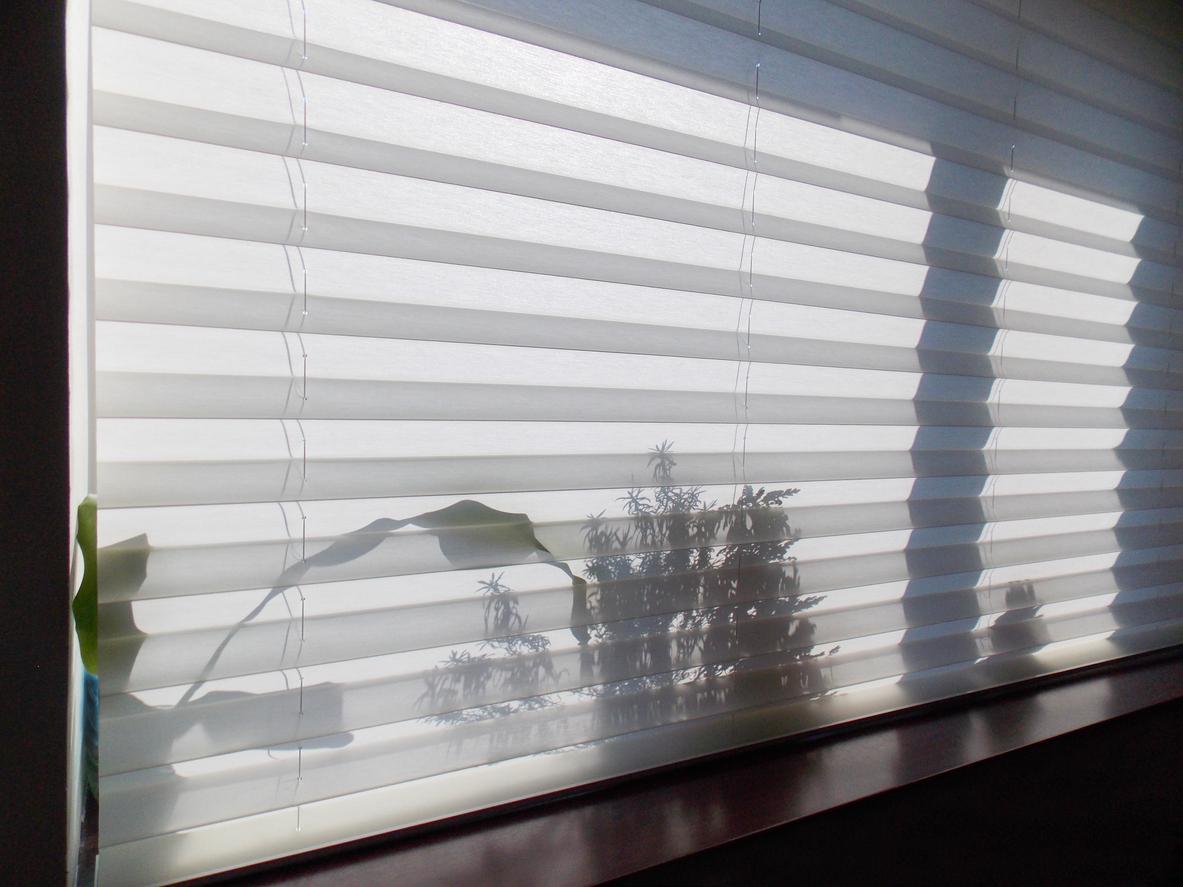
When shopping for insulating window coverings, look for ones that have a high R-value. The higher the R-value, the better the covering is at retaining heat. Insulated cellular shades have a honeycomb design that slow down heat traveling through the window and are generally considered to have the highest R-values of all window coverings. In fact, cellular shades that are tightly installed can help reduce the amount of heat lost through windows by 40% or more!
Don’t let the frightful weather during the winter months scare you. Instead, embrace the chill outdoors while your home stays warm and cozy with the use of energy-efficient, insulating window coverings.
| | Here's where you can find us in the upcoming months! | | | | |