|
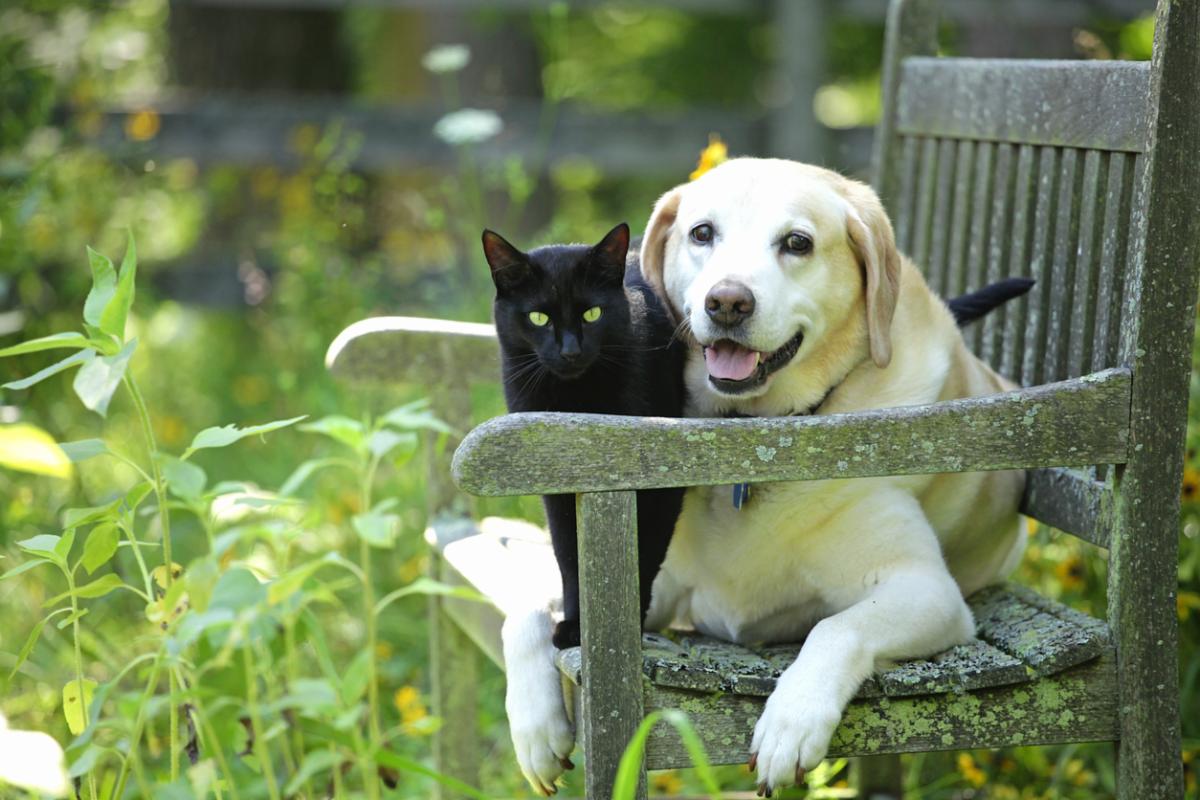
Here at Thurston Home and Garden Headquarters (a fantastic, entirely made-up place), we love our pets. We share photos of them along with their highs and lows, all while laughing at their adventures. Much of the information written in this newsletter comes from direct experience, whether from the sound of a hairball in the night, an invasion of fleas at the most inconvenient time, or bells on collars to keep birds safe. Pets are part of the family and protecting them from hazardous products helps protect us all.
If you are looking for a pet to add to your family, our local Humane Society has many cuties available!
| | Keep Your Home Clean with Pets | | |
Keeping your home clean with pets can feel like an impossible task. We are all too familiar with this chain of events: as soon as the floors are vacuumed and mopped, your pet comes barreling into the house with wet muddy paws, shaking the water drops out of their fur while you look on in horror.
Not only do pets make your home visibly dirty, but invisible pet dander (dead skin cells) can make allergy and asthma symptoms worse. Pet fur acts like a magnet for dander, pollen, dust mites, and mold. Thankfully, there are actions you can take to keep your home fresh while living with your furry family members.
-
Open windows and doors daily for a “fresh air blast” and ventilate your home.
-
Use a portable air cleaner to trap pet dander and fur.
-
Replace your heating and cooling system filters according to the manufacturer’s instructions and use the highest rated filter the system can accommodate.
- Dust surfaces with a damp microfiber cloth or cotton towel.
-
Vacuum floors and furniture (including pet bedding) with a HEPA filter.
- Bathe, brush, and groom pets regularly.
- Wash bedding in hot water weekly, especially if you allow pets into the bedroom.
- If pets are allowed on the furniture, place a throw blanket where they like to lay for easy washing.
- Invest in washable rugs and furniture covers.
- Keep a towel near the door to wipe muddy paws.
- Keep a “pet-free” area like the bedroom for a cleaner sleeping space.
- Buy pet toys that can be easily wiped down or washed.
- Scoop the cat litter box daily. Place a ridged mat at the exit of the litter box to trap litter.
- Store pet food in sealed containers to avoid attracting pests.
- Use fleece bedding for bunny, rat, hedgehog, and guinea pig cages.
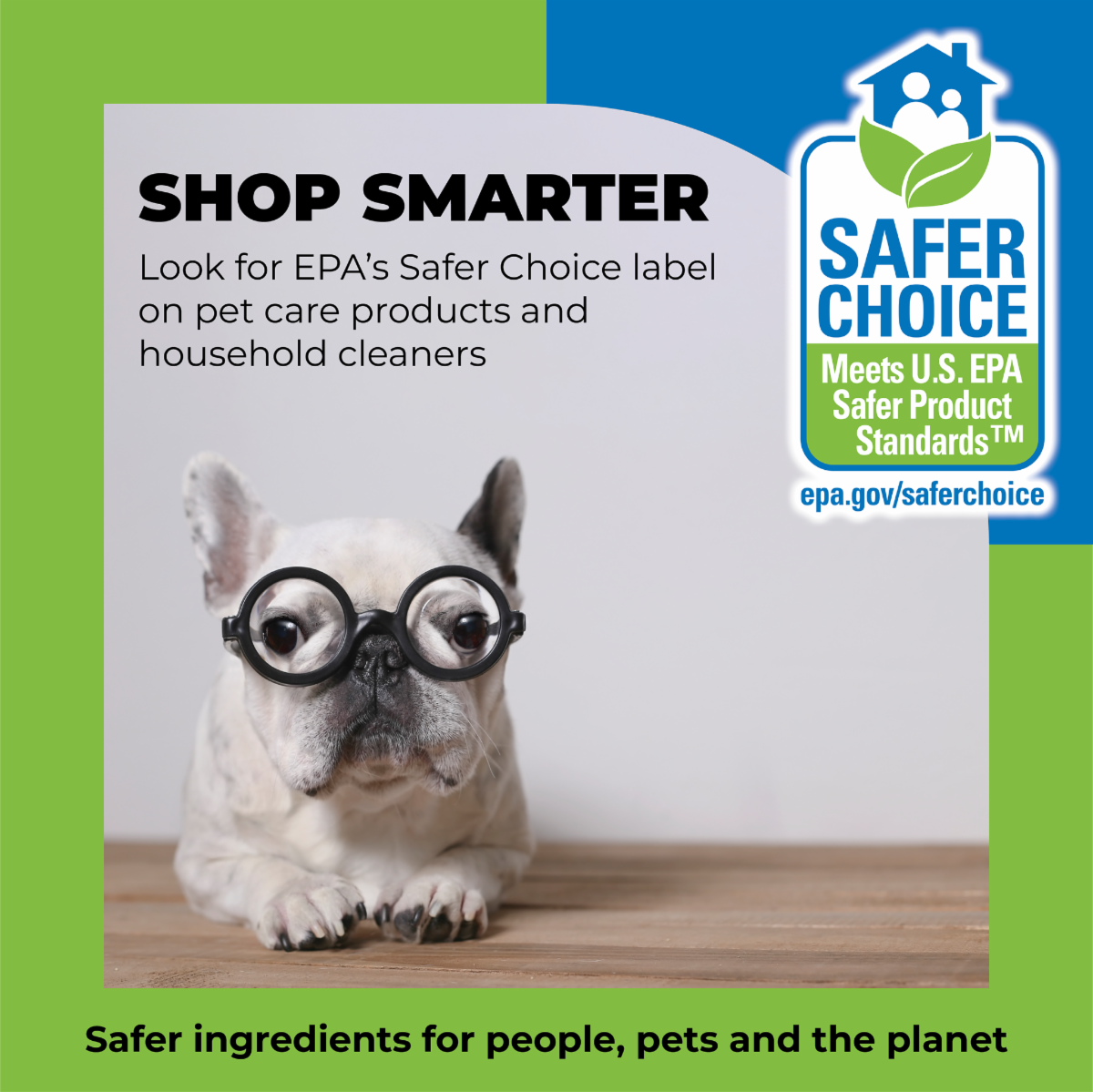
Many common household products (like cleaners) can be harmful to pets. Always keep products stored out of the reach of pets and follow the label directions for safe use, storage, and disposal. Clean up pet messes with EPA Safer Choice products.
| | Reduce Fleas and Ticks in Your Yard | | |
To protect your home and pets from fleas and ticks, address the conditions that attract them to your yard.
- Keep deer, stray animals, and other wildlife away from areas where your pet spends their time.
- Fleas and ticks like long grass and brush piles. Keep the grass mowed and move brush and wood piles away from the house.
-
Fleas and ticks like shady, damp areas. Trim tree branches and foliage if needed to allow in plenty of light and let the grass dry out between waterings. Better yet, let the lawn go dormant for the summer by providing only ¼ inch of water per week. Check out this Natural Lawn Care video on watering from The City of Olympia to learn more about creating a drought tolerant lawn.
- Check your pets for fleas and ticks often. Ticks attach in areas like armpits, creases, and even between toes, so check your furry friends carefully. Ticks should be removed as soon as possible. To remove, wear gloves and use pointed tweezers to pull the tick straight out in one fluid motion. Wrap the tick in tape or seal in a small, lidded container and put into the trash.
- Keep pets clean, brushed, and wash their bedding in hot water frequently.
- Vacuum regularly to prevent fleas from reproducing and vacuum daily if fleas are seen inside. Remove the vacuum bag and put in the outside trash after every cleaning.
If you’re dealing with a pest outbreak, avoid the use of bug bombs and chemical sprays. They don’t address the root of the issue and won’t disrupt the pest life cycle, making things even worse. They also spread hazardous products on to every surface.
There are products that can be applied to the yard to prevent fleas and ticks and those that are safer for direct use on your pets. Always choose the safest products at, Grow Smart, Grow Safe. Choose from the list of EPA minimum risk pesticides.
| | Where Do Your Organics Go? | | |
Every week, thousands of Thurston County households roll their food and yard waste bin, also known as the organics bin, to the curb. Have you ever wondered what happens next?
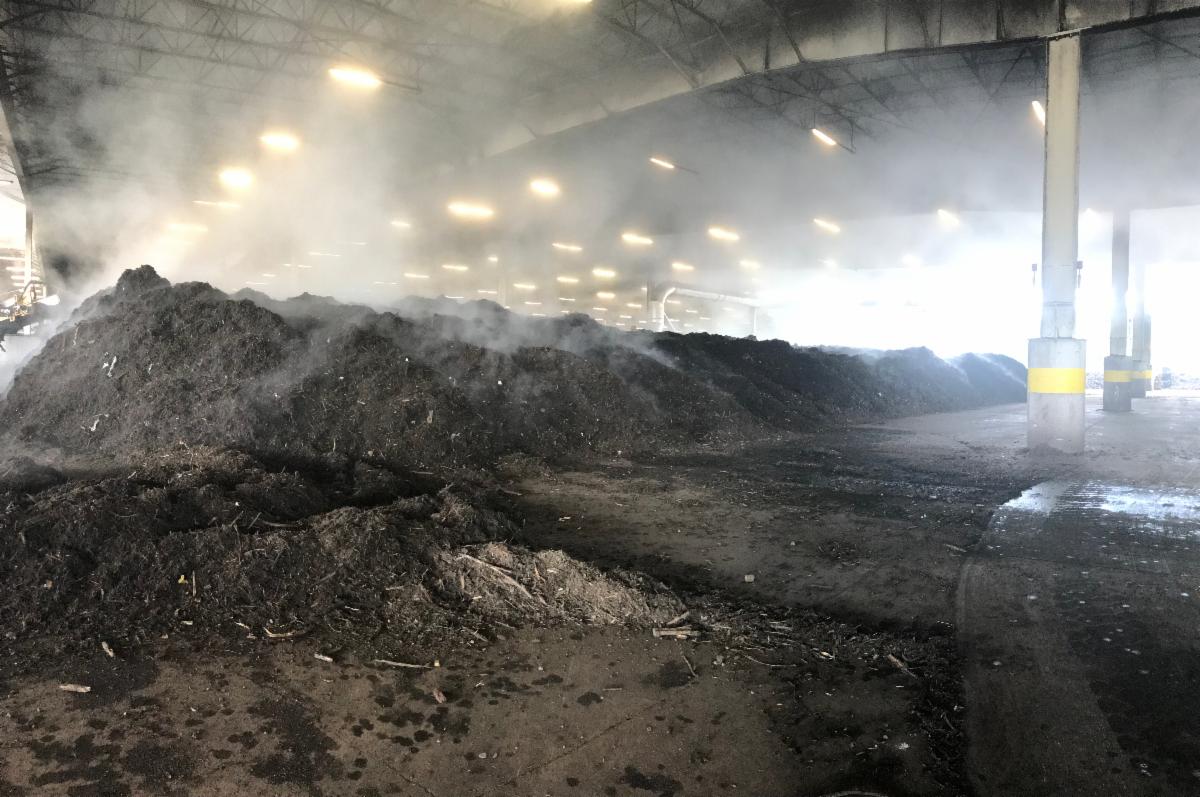
That banana peel, pile of grass clippings, and those dinner scraps don’t go to a landfill. Instead, they’re on their way to becoming something new: finished compost that will nourish gardens, farms, and landscaping projects across our region. Depending on where you live, your organics go to one of two places: Silver Springs Organics in Rainier, or Brady Trucking in Shelton. Both composting facilities do the same basic job. They take food scraps and yard waste and turn it into useful compost.
Here is the simple version of how it works. In nature, fallen leaves and other plant matter slowly break down, returning nutrients to the ecosystem. Composting facilities speed up the process of breaking down those organic materials. Instead of taking months or years like it would in nature, they can turn organic waste into finished compost in about 45 days.
To do this, workers carefully manage air, moisture, and temperature. Brady Trucking, for example, uses a covered system that pushes fresh air through the compost pile. This keeps the pile at the right temperature, speeds up the process, and helps control odors.
Food waste adds another layer of complexity, because it's more acidic than yard waste. Facilities have to watch pH levels closely so the food scraps do not throw off the final product. Want to see the process in action? Silver Springs Organics has a short video tour of their facility. You can watch it here: Silver Springs Organics Facility Tour.
Compostable packaging, bags, and servicewear (like compostable forks, plates, or cups) may seem like they belong in your organics bin, but they don’t. Neither facility accepts these items. Why not? The composting process only takes about 45 days. That’s not enough time for compostable packaging and servicewear to fully break down. When these items don't break down, they contaminate the finished compost and make it less useful for gardens and landscaping. The rule of thumb: stick to real food scraps and yard waste in your organics bin. Put compostable packaging, bags, and servicewear in your regular garbage instead.
No matter which facility your bin ends up at, the outcome is the same. Organic waste that would otherwise sit in a landfill and release methane gas instead, becomes something useful. That finished compost helps grow food and build healthy soil right here in Thurston County. The next time you toss an apple core or lawn clippings in your organics bin, remember: you’re not just keeping waste out of the landfill. You’re helping grow the next season of gardens.
| | Compost steaming at Silver Springs Compost Facility | | Think Twice Before Letting Your Cat Outside | | |
Cats may not have “puppy eyes,” but don’t be fooled by your cute companion! Even the friendliest feline is born with an instinct to hunt. Given the chance, most cats will hunt, and few will come back empty handed.
Have you ever been gifted a small rodent, bird, or reptile from your cat? While your cat may consider a single, small critter from their hunting expedition a “measly trophy” these losses add up quickly in the natural world. The dead wildlife that cat owners see is likely only a fraction of what their kitty companions actually kill. In 2013, the U.S. Fish and Wildlife Service and the Smithsonian Institute released a report stating that, “free-ranging domestic cats kill between1.3 – 4.0 billion birds and 6.3 – 22.3 billion mammals annually. Un-owned cats, as opposed to owned pets, cause the majority of this mortality.”
Even if cats don’t come in direct contact with wildlife, they can still have a negative impact if they disrupt an animal’s ability to nest, forage, feed their young, and defend themselves from other predators.
Not only do cats wreak havoc on wildlife populations, they can also contract parasites like, fleas, ticks, ear mites, gastrointestinal worms, and ringworm. Exposure to these parasites can lead to expensive vet bills and take an emotional toll.
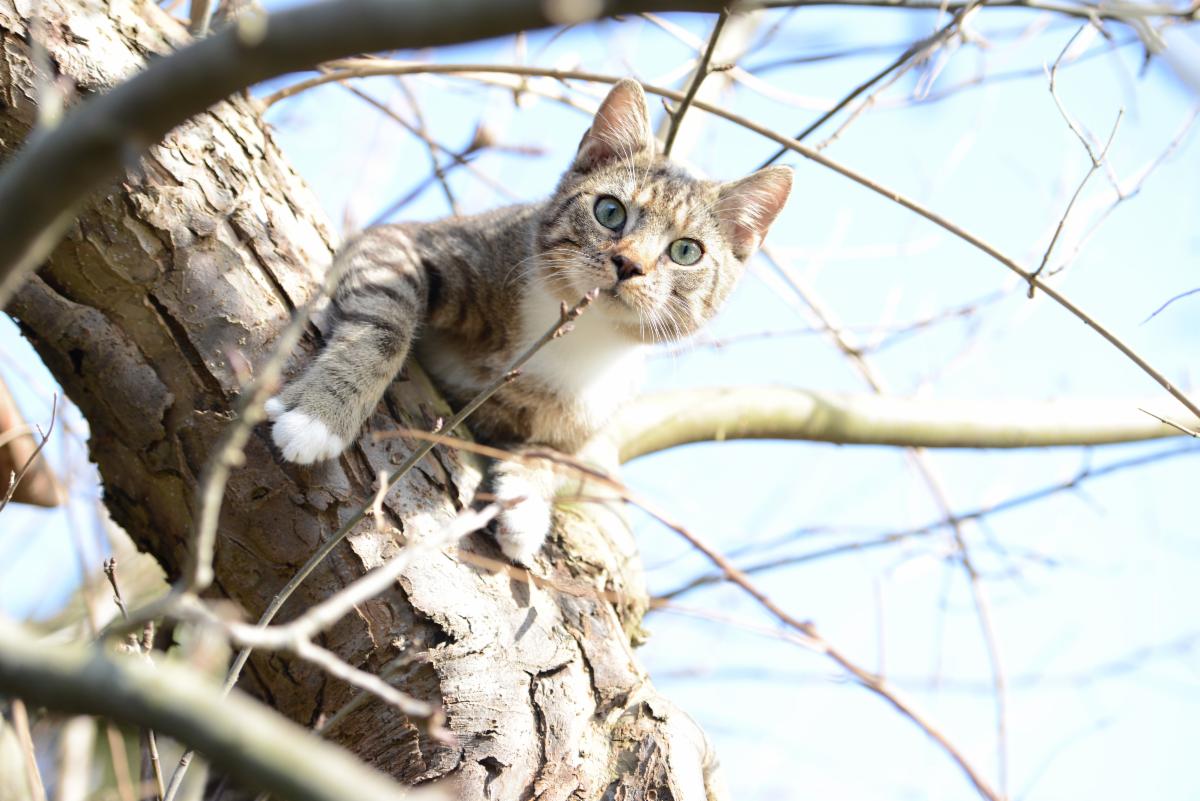
Diseases like feline leukemia, feline AIDS, and upper respiratory infections, can spread more easily when cats meet other cats outside. On average, cats who spend the majority of their time outdoors only live 2 – 5 years as compared to indoor cats who typically live between 15 – 17 years. Their shorter lifespans can be due to illness and disease, getting trapped in trees, eating deadly chemicals like rodent poison and anti-freeze, injury from cars and other wildlife, and even animal abuse from other humans.
Safer ways for cats to spend time outside include:
- Outfit them with an “alarm system” like a collar with a bell.
-
Install a “catio” for a controlled and secure outdoor adventure.
- Use a harness and leash, with direct supervision, to gently guide their time outside.
- Make sure they’re up to date on their vaccines, including rabies.
Cats can also lead a fulfilling life indoors if their needs are met which can include:
-
Enrichment toys that stimulate their brain and promote healthy activity.
- Scratching posts in a designated space to take care of their nails.
-
Climbing places to play and rest on. You can even make your own cat tree!
- Cat perches in a window to sunbath and to feel connected with the outside world.
- Places to hide like cardboard boxes and bags or purchase tents or tunnels.
- A companion, like another cat or even a dog.
If you love cats AND wildlife, visit the Washington Department of Fish and Wildlife website to learn more about their “Love Cats, Love Wildlife” campaign. They have additional information about how to care for cats while also protecting Washington’s wildlife and natural spaces.
Check out PAWS’ recommendations for transitioning your outdoor cat to a safe, happy indoor cat.
| | How to Keep Cats Out of Garden Beds? | | |
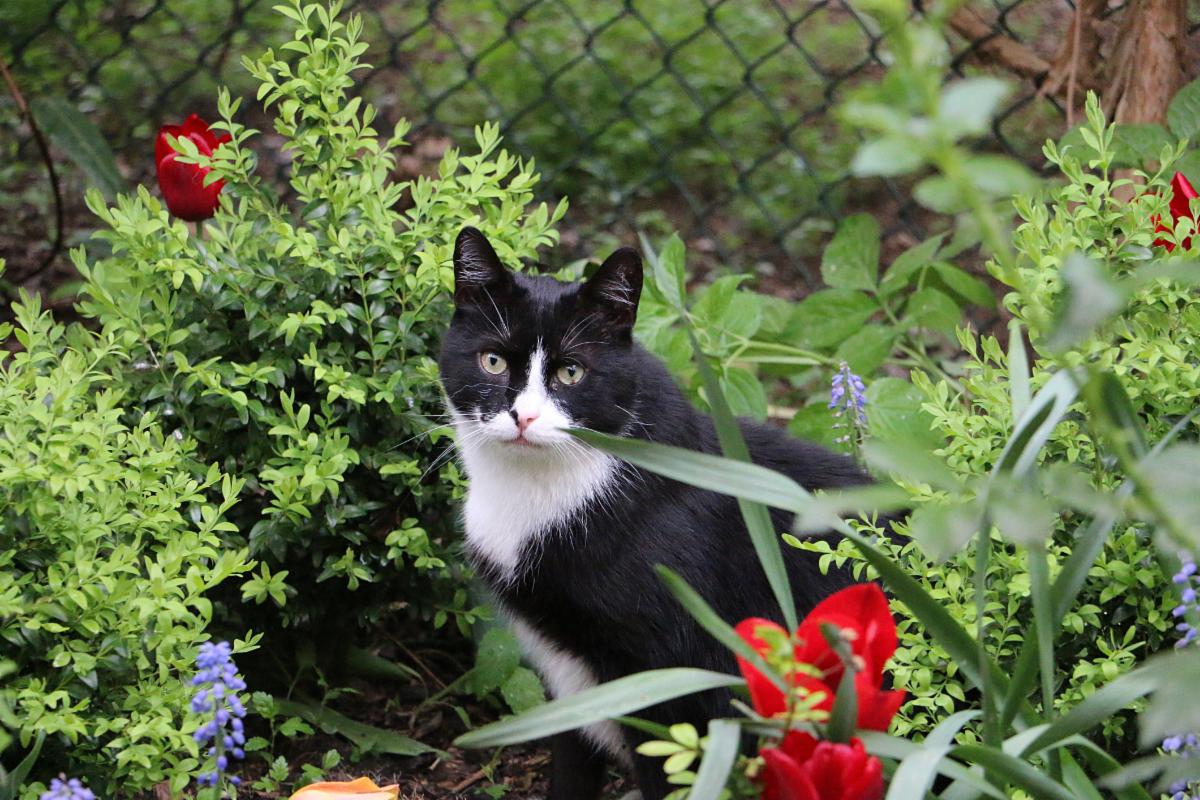
Have you ever been digging in your garden bed and grabbed what you thought was a lumpy rock only to realize it’s actually cat poop? Most people whose cat spends time outside have found themselves in a similar stinky situation. To prevent your cat from using your garden bed as a litter box, try these steps:
Physical barriers remain the most dependable and long-term solution for protecting your garden from cats. Physical barrier options include:
- Netting above the soil: Bird netting can be placed 1 to 2 inches above the ground to create an uneven surface that cats don’t like.
- Chicken-wire: Lay flat and secure chicken wire to the ground with landscape staples, large rocks, or other heavy objects like flowerpots so cats can’t dig in the soil.
- Other textures: Discourage cats from entering the garden by spreading large river rocks, crushed eggshells or seashells, pinecones, and wooden stakes.
- Fencing: Surrounding a garden with a fence is an effective way to keep cats out, but make sure to consider other factors like fence height, nearby climbing surfaces, and trees that a cat can use to enter your garden.
Natural scent deterrents can be effective at repelling cats because cats’ sense of smell is about 40 times more powerful than humans. Cats dislike the smell of oranges, limes, and lemons, so placing the peels of those fruits around your garden can be effective. Just make sure to keep an eye on them as they’ll break down over time and may attract other pests. Replace as needed.
Motion-activated sprinklers are a humane way to keep cats away. Some sprinklers can detect cats up to 40 feet away, and most systems only use about two cups of water each time they go off. Over time, cats, along with other critters, will learn to avoid the area.
Store-bought repellants have mixed reviews on their effectiveness, can be expensive, and require frequent reapplication. Always read the label and follow the directions for safe use, storage, and disposal of the product.
Ultrasonic devices send out a high-pitched noise that cats can hear, but humans can’t. These devices work best if they’re placed near the entrances that cats use. Look for products that have been third-party tested.
Keeping cats away from your garden may feel like trying to keep moths away from a flame. Fortunately, there are a variety of different methods to try so that you and your cat can enjoy the great outdoors together.
| | |
Do you have a question for the Thurston Home and Garden editors or a topic you’d like to learn more about? We’d love to hear from you!
Please contact us at 360-867-2674 or send us an email at healthyhomes@co.thurston.wa.us
| | The Importance of Picking Up Pet Waste | | |
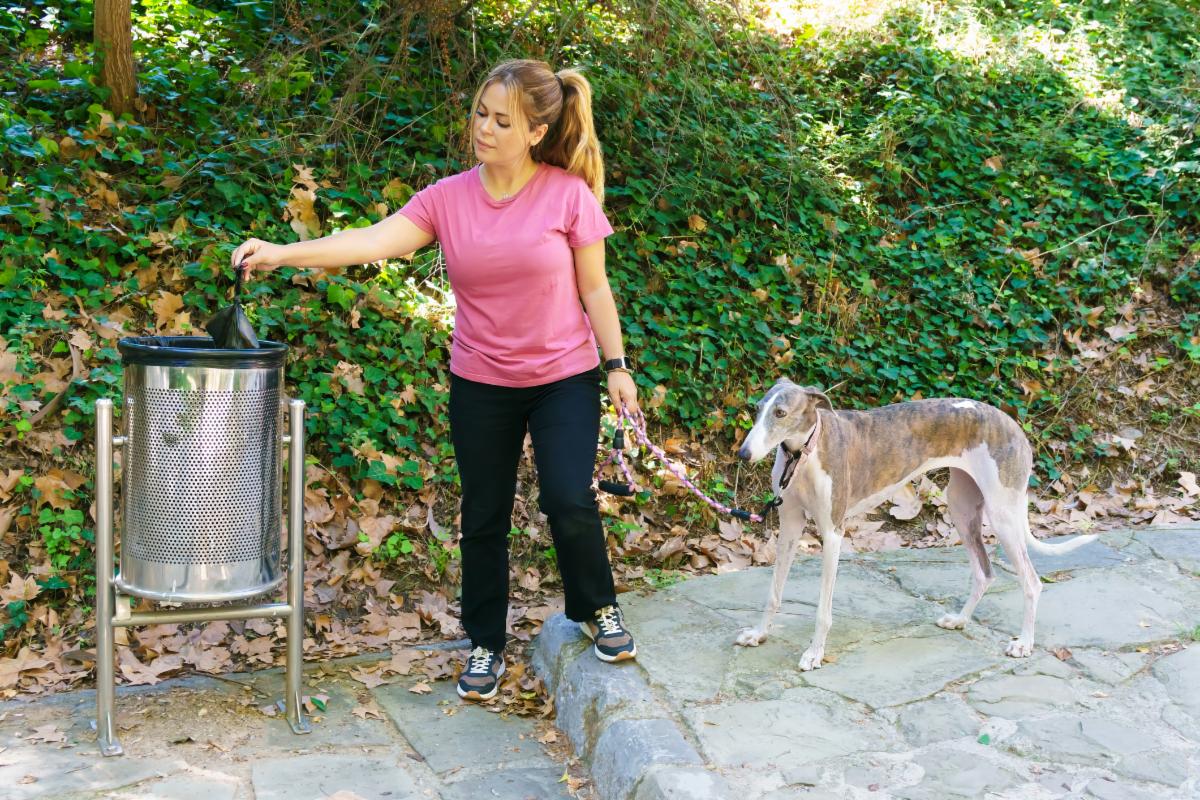
There are so many reasons to love dogs, but picking up their poop is not one of them. However, cleaning up your pooch’s poo is one of the most responsible pet owner things you can do! You’ll be shocked to learn that a single gram of dog poop, which is about the size of one pea, contains 23 million fecal coliform bacteria. That’s twice as much as human poop!
Dog owners will confirm that even the tiniest of dogs produce significantly more waste per day than just one gram. In fact, the average waste eliminated by one dog can produce 5 billion fecal coliform bacteria. Since it only takes 400 bacteria to make one cup of water unsafe to touch, a single dog can pollute more than 780,000 gallons of water in 24 hours if their poop isn’t cleaned up right away.
If you are part of a homeowners’ association, neighborhood association, multifamily housing complex, or other approved community area, you can receive a free pet waste station. Visit Stream Team to learn how to get a free pet waste station, along with other ways you can protect our local water ways!
| | Here's where you can find us in the upcoming months! | | |
Olympia Farmers Market
10:00 AM – 3:00 PM
700 Capitol Way N
Olympia, WA 98501
www.olympiafarmersmarket.com
2026 High Season
Thursday – Sunday, April 2 – October 31
2026 Holiday Season
Saturday – Sunday, November 1 – December 20
Tenino Farmers Market
Saturdays, May 2 – September 26
10:00 AM – 3:00 PM
213 Sussex Ave
Tenino, WA 98589
www.teninofarmersmarket.org
Tumwater Farmers Market
Sundays (second and fourth Sunday
each month)
June 14 – September 27
11:00 AM – 3:00 PM
237 Dennis St SE
Tumwater, WA 98501
West Olympia Farmers Market
Saturdays, Late Spring – September 26
10:00 AM – 3:00 PM
1919 Harrison Ave NW
Olympia, WA 98502
wcpnc.org/market/
Yelm Farmers Market
Saturdays, May 2 – September 26
10:00 AM – 3:00 PM
The Yelm Community
Center
301 Second St SE
Yelm, WA 98597
www.yelmfarmersmarket.com
Community Farm Land Trust Fresh From The Farm Guide
SW Washington Food Hub - Harvest Box Program
| |  | | | | |